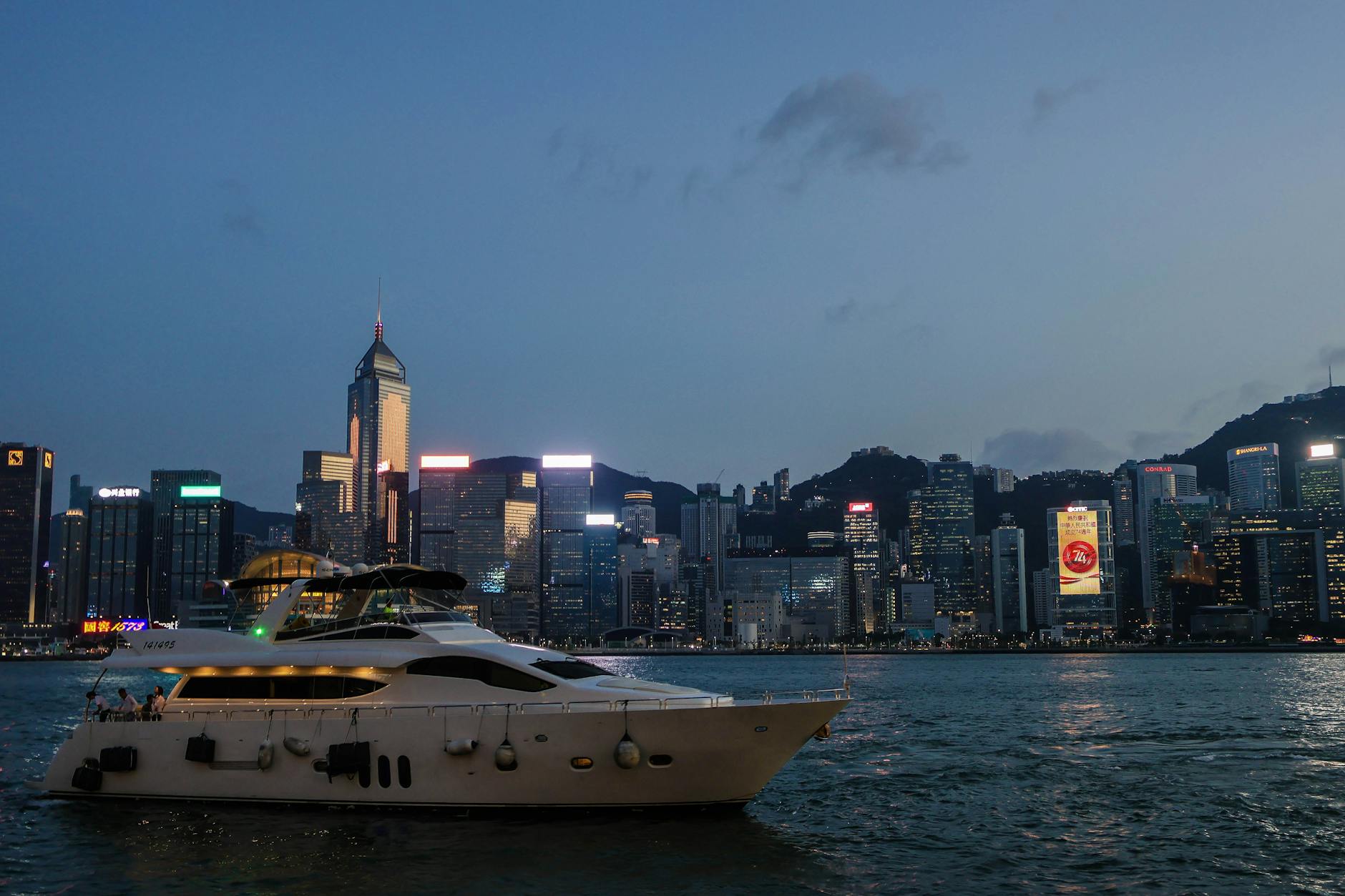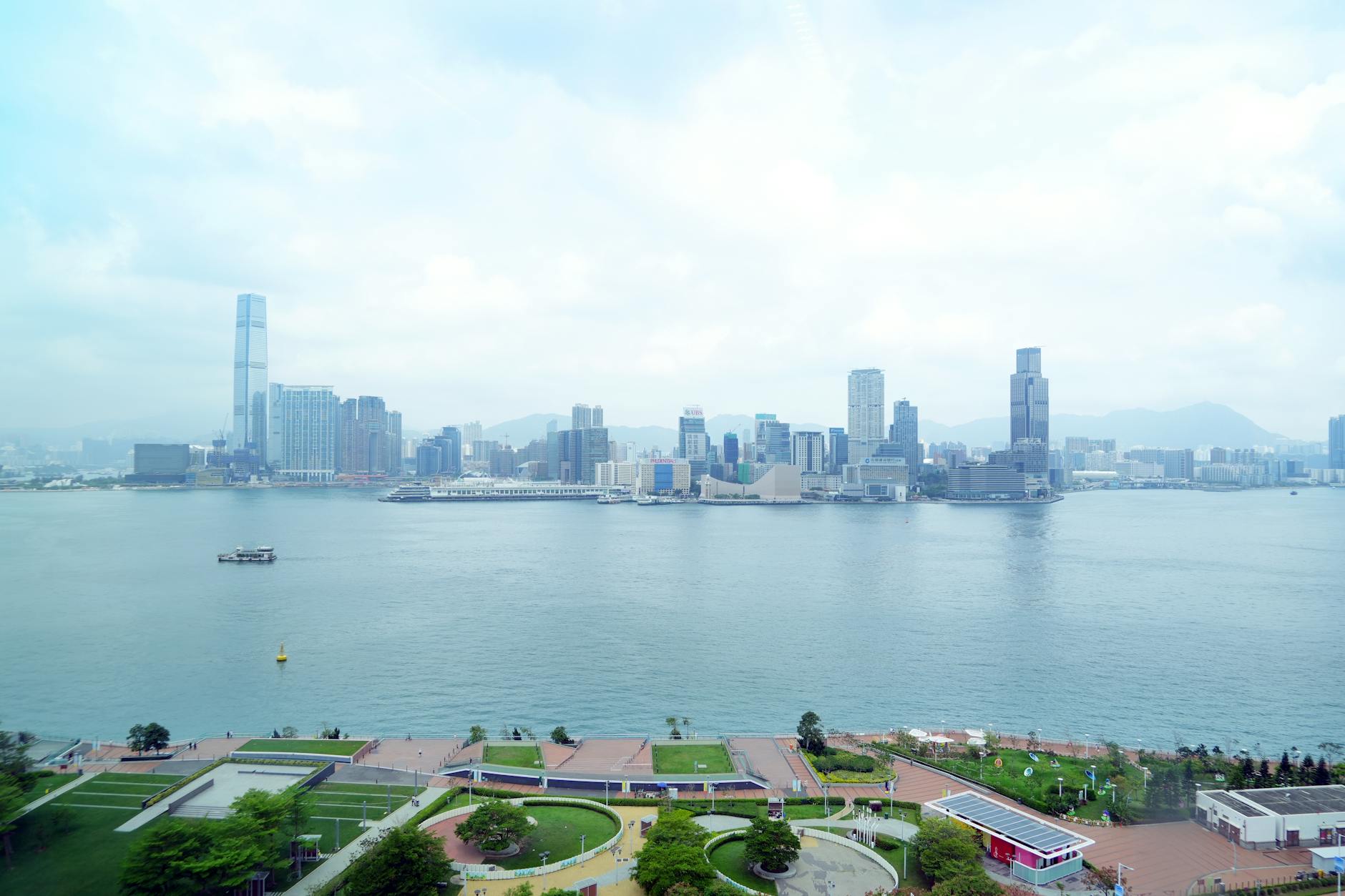
Tsim Sha Tsui can be one of Hong Kong's strongest luxury bases when the trip is built around Victoria Harbour views, high-end hotels, private dining, flagship shopping, cultural stops, and easy access to both Kowloon and Hong Kong Island. It can also disappoint when the traveler assumes that a famous hotel or harbor-facing room automatically solves logistics. A short luxury stay should be designed around time quality. The traveler should decide which experiences deserve advance booking, when to use private transfers, when to cross the harbor, how much unscheduled recovery time to keep, and what to skip so the trip feels controlled rather than crowded.
Choose the hotel for how the stay will actually work
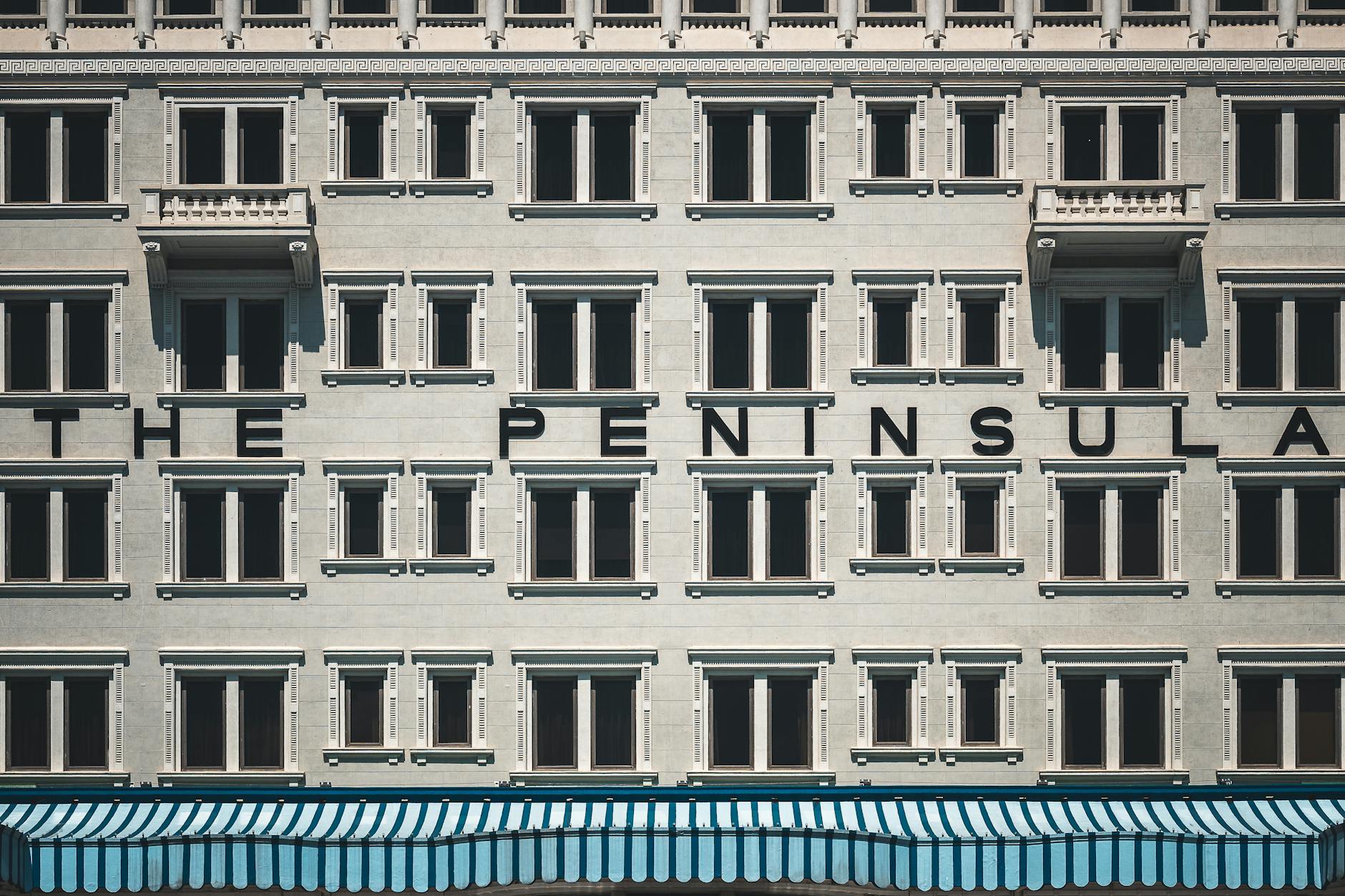
Luxury travelers should compare Tsim Sha Tsui hotels by more than brand and view. Arrival experience, suite layout, lift privacy, breakfast quality, concierge depth, car access, spa hours, harbor-facing room category, club lounge value, and walking distance to dinners or shopping can all affect a short stay. A famous property can still be the wrong fit if it makes every movement inefficient.
The traveler should decide whether the hotel is meant to be the anchor experience, a recovery base, a business-adjacent base, or a scenic platform for a wider Hong Kong itinerary. That decision changes room category, transfer style, restaurant choices, and how much time should remain uncommitted.
- Compare hotels by arrival, suite layout, view category, car access, concierge, spa, dining, and privacy.
- Decide whether the hotel is the main experience, a recovery base, or a launch point.
- Do not let brand reputation outrank the actual rhythm of the short stay.
Book dining around timing and privacy
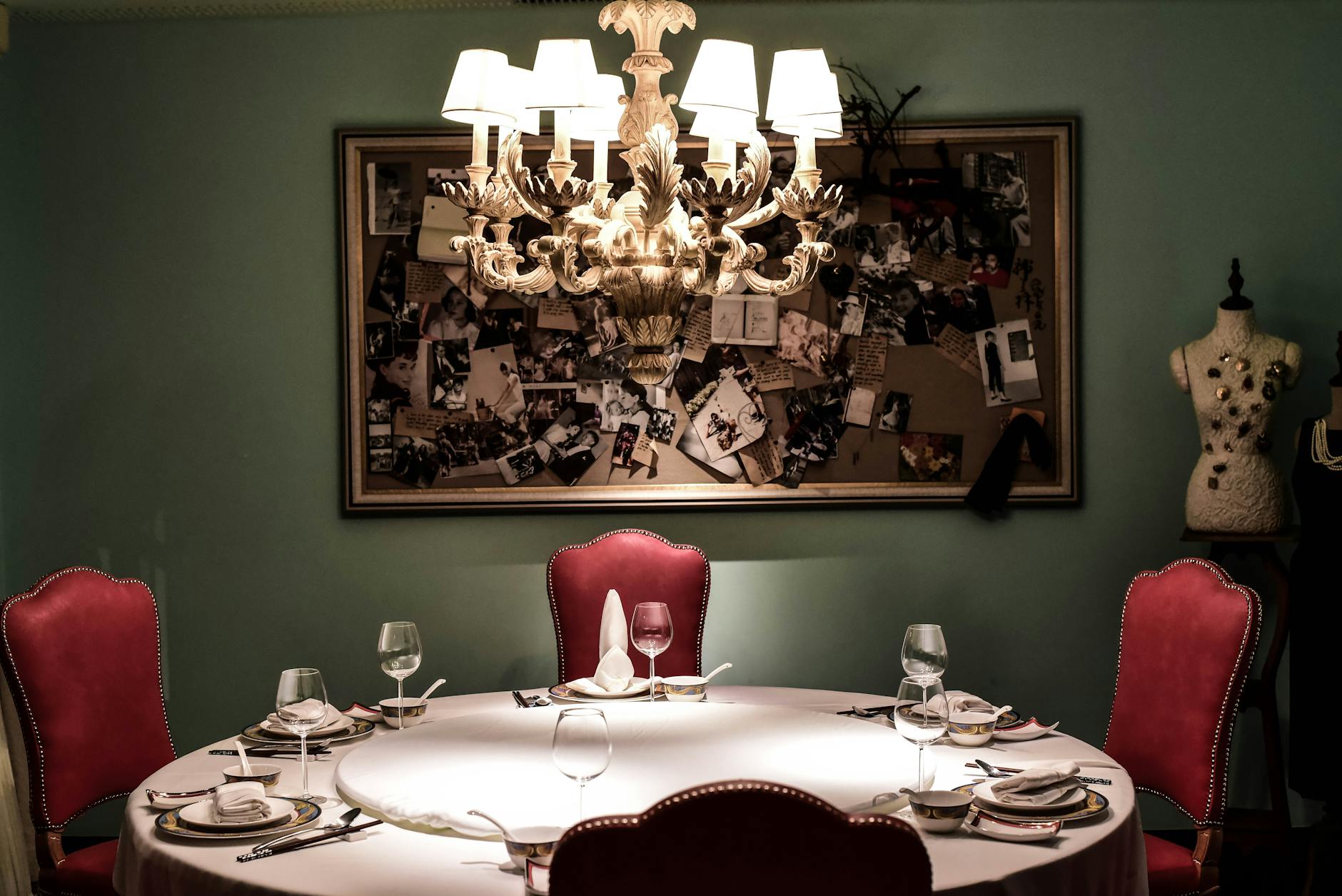
Tsim Sha Tsui can support excellent dining, from hotel restaurants and Cantonese rooms to harbor-view meals and private dining. Luxury travelers should still plan meals around more than prestige. Noise, privacy, table timing, dress code, dietary needs, wine service, payment expectations, and the route back to the hotel all matter when the stay is short.
A high-end dinner can be the centerpiece of the trip, but it should not weaken the next morning or force a rushed cross-harbor return. The strongest plan usually includes one or two priority reservations, a nearby fallback, and a clear sense of which meals should remain casual.
- Reserve key meals by privacy, table timing, dietary needs, dress code, view, and return route.
- Keep a strong nearby fallback for late arrivals, rain, or fatigue.
- Avoid filling every meal slot with a formal reservation.
Use private transfers selectively
Private transfers can be useful in Tsim Sha Tsui, especially for airport arrivals, formal dinners, shopping-heavy days, wet weather, late evenings, or travelers who value privacy. They are not always the best tool for every move. Traffic, hotel pickup points, harbor crossings, and short local distances can make MTR, ferry, walking, or taxis more sensible at times.
The traveler should assign transport modes by occasion. A car may be right for luggage and evening dining, while the Star Ferry may be right for one scenic harbor crossing. The luxury move is not always the most expensive move; it is the one that protects the experience.
- Use private transfers for airport arrival, formal evenings, shopping, rain, late hours, and privacy.
- Consider ferry, MTR, taxi, or walking when they make the specific movement better.
- Check hotel pickup points, harbor traffic, and return timing before committing to a car.
Treat the harbor as an experience, not a backdrop
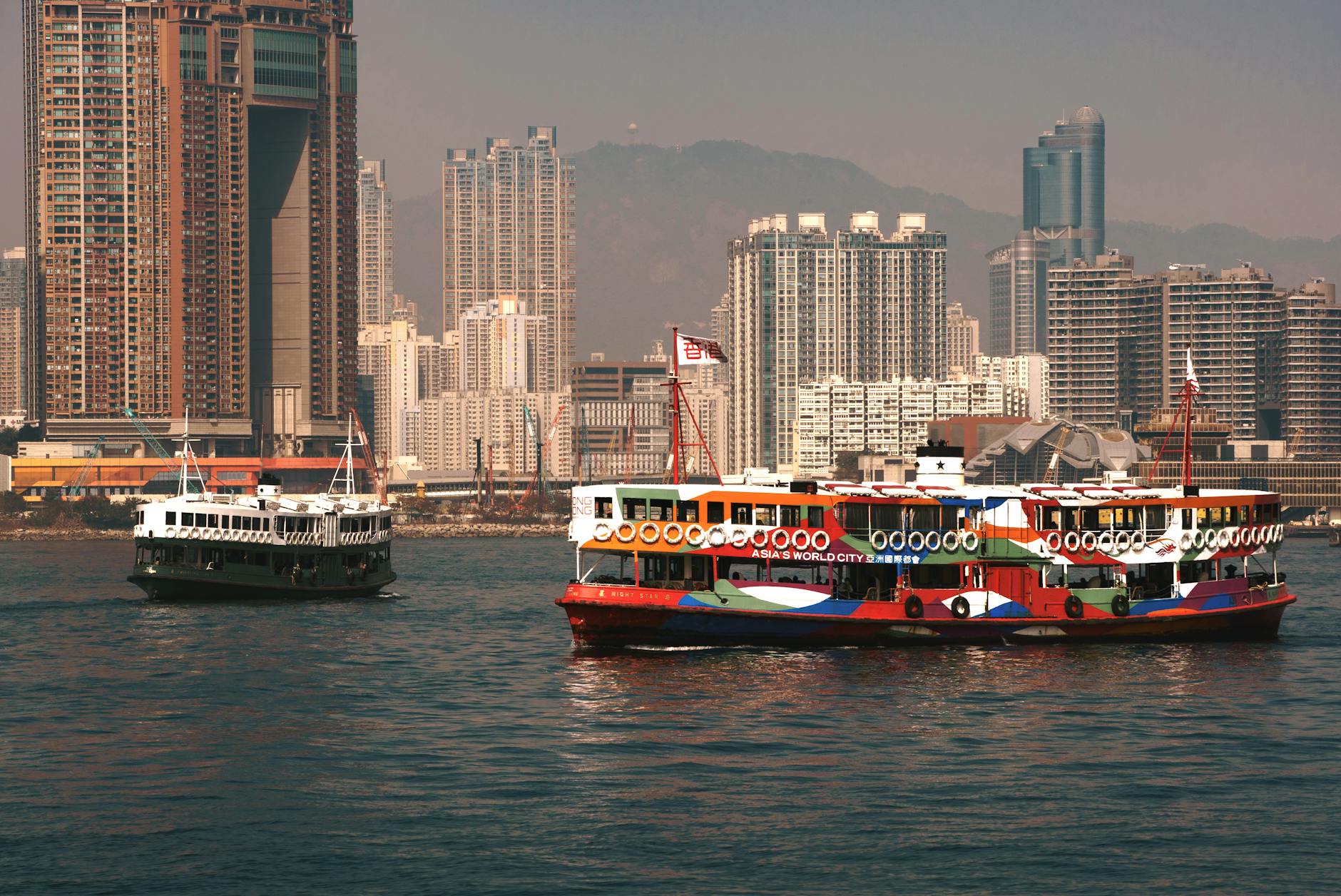
Victoria Harbour is one of Tsim Sha Tsui's core luxury advantages. A traveler can use it through a room view, waterfront walk, ferry crossing, private dinner, lounge time, evening skyline plan, or a deliberately slow morning. The issue is not whether to see the harbor. The issue is when and how it should structure the stay.
The traveler should avoid repeating the same view in every format unless that is the purpose of the trip. A carefully timed arrival drink, one ferry crossing, and one quiet morning can create more value than several rushed waterfront detours.
- Use the harbor through room choice, meals, walks, ferry crossings, lounge time, or evening views.
- Plan the best light, weather, crowd level, and energy level for the main harbor moment.
- Avoid repeating scenic stops that compete with rest, dining, or shopping priorities.
Plan shopping without losing the day
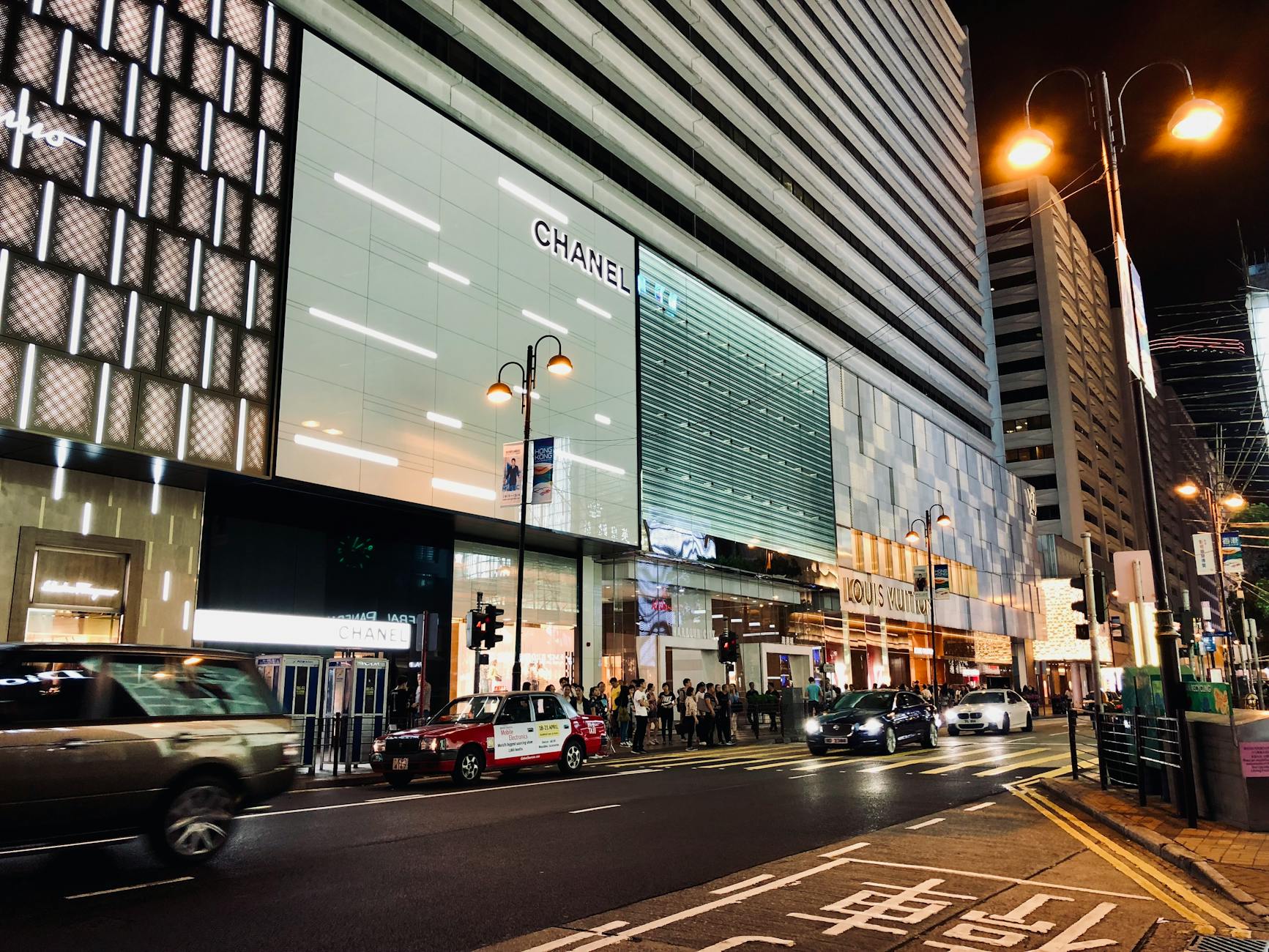
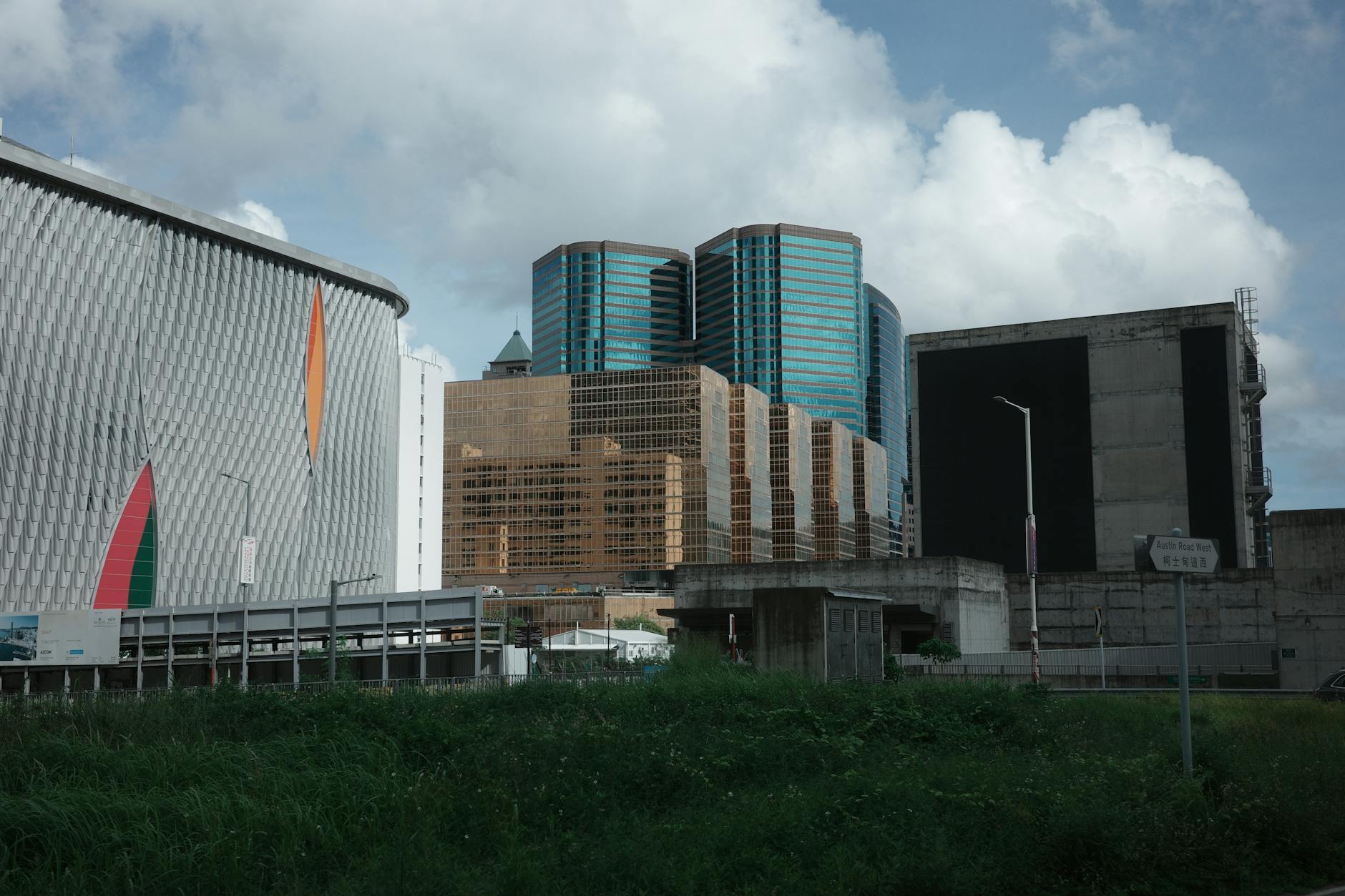
Tsim Sha Tsui can be practical for luxury shopping because hotels, malls, flagship stores, tailors, watches, jewelry, and international brands are concentrated nearby. That convenience can still consume a short trip if appointments, alterations, tax or payment expectations, delivery timing, and luggage capacity are not considered.
The traveler should decide whether shopping is a main purpose or a controlled side activity. If it is important, build time for appointments, follow-up visits, and packing. If it is secondary, keep it near meals or the hotel so it does not distort the rest of the stay.
- Plan appointments, alterations, payment, delivery, luggage, and follow-up visits before shopping days.
- Keep secondary shopping near the hotel, meals, or transit routes.
- Protect the main purpose of the stay from unplanned retail drift.
Protect recovery, spa time, and weather flexibility
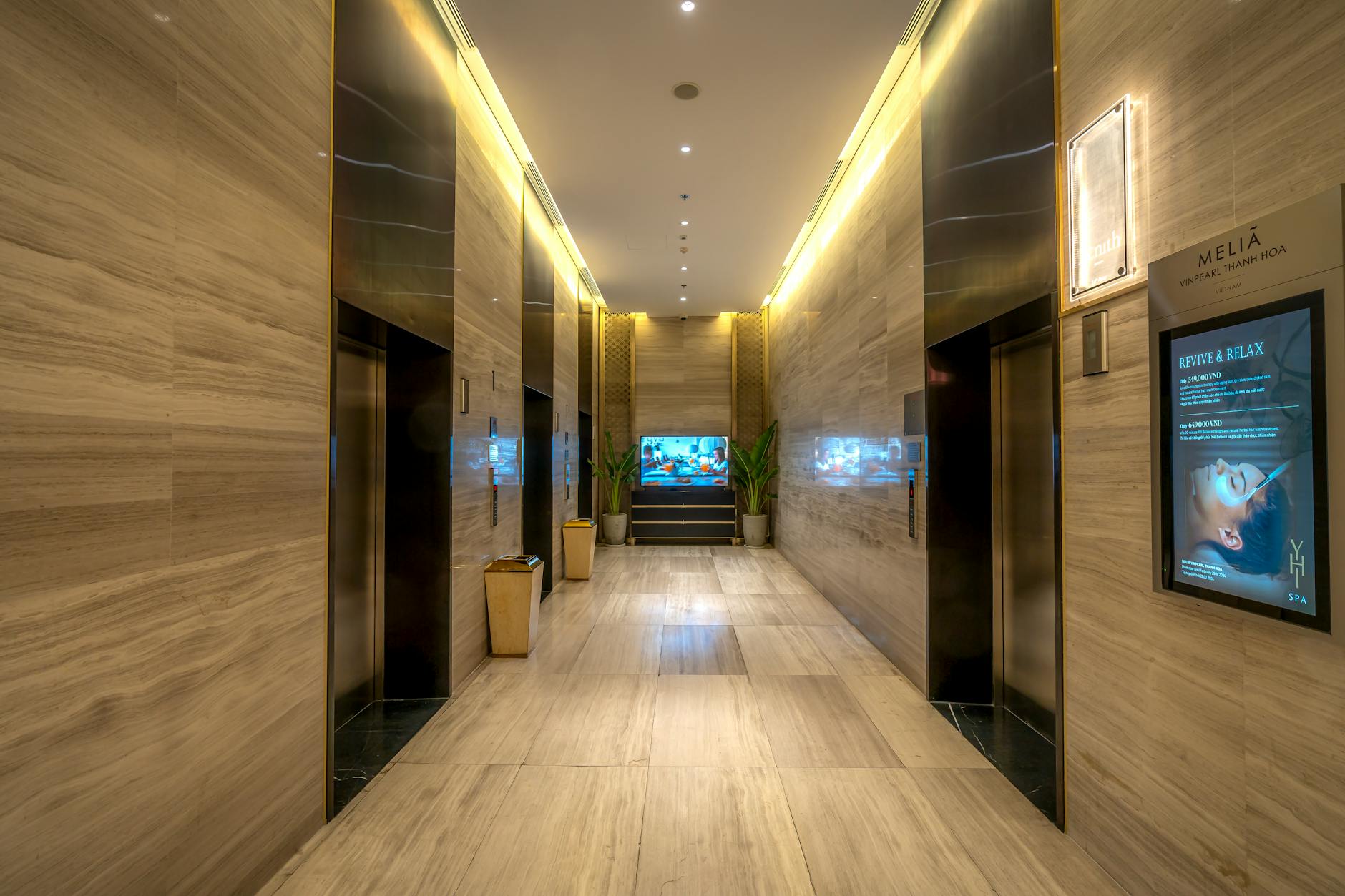
A short luxury trip is vulnerable to overbooking. Heat, humidity, rain, jet lag, late meals, and cross-harbor movement can make a polished itinerary feel heavy. Spa appointments, quiet mornings, room-service meals, lounge time, and indoor cultural stops should be treated as real parts of the trip, not leftover space.
The traveler should build a weather-flexible plan with indoor alternatives and recovery blocks. In Tsim Sha Tsui, that can mean using hotel amenities, museums, mall links, private transfers, and nearby dining rather than forcing a scenic plan during the wrong conditions.
- Reserve time for spa, quiet mornings, lounge use, room recovery, and indoor alternatives.
- Plan around heat, humidity, rain, jet lag, late dinners, and cross-harbor fatigue.
- Use hotel amenities as part of the value, not only as backup.
When to order a short-term travel report
A luxury traveler with a trusted hotel, flexible time, and concierge support may not need a custom Tsim Sha Tsui report. A report becomes useful when the stay is short, the traveler is choosing between Kowloon and Hong Kong Island hotels, booking priority restaurants, arranging private transfers, planning shopping or spa time, traveling with family, or trying to avoid a high-cost itinerary that still feels rushed.
The report should test hotel fit, room category, arrival flow, dining, shopping, private movement, ferry and MTR practicality, weather, spa and recovery blocks, privacy, budget, and what to cut. The value is a luxury stay where the best moments are protected by deliberate sequencing.
- Order when hotel choice, room category, dining, transfers, shopping, or pacing needs testing.
- Provide dates, flight times, hotel options, dining priorities, style preferences, constraints, and budget.
- Use the report to make a short luxury stay deliberate rather than merely expensive.