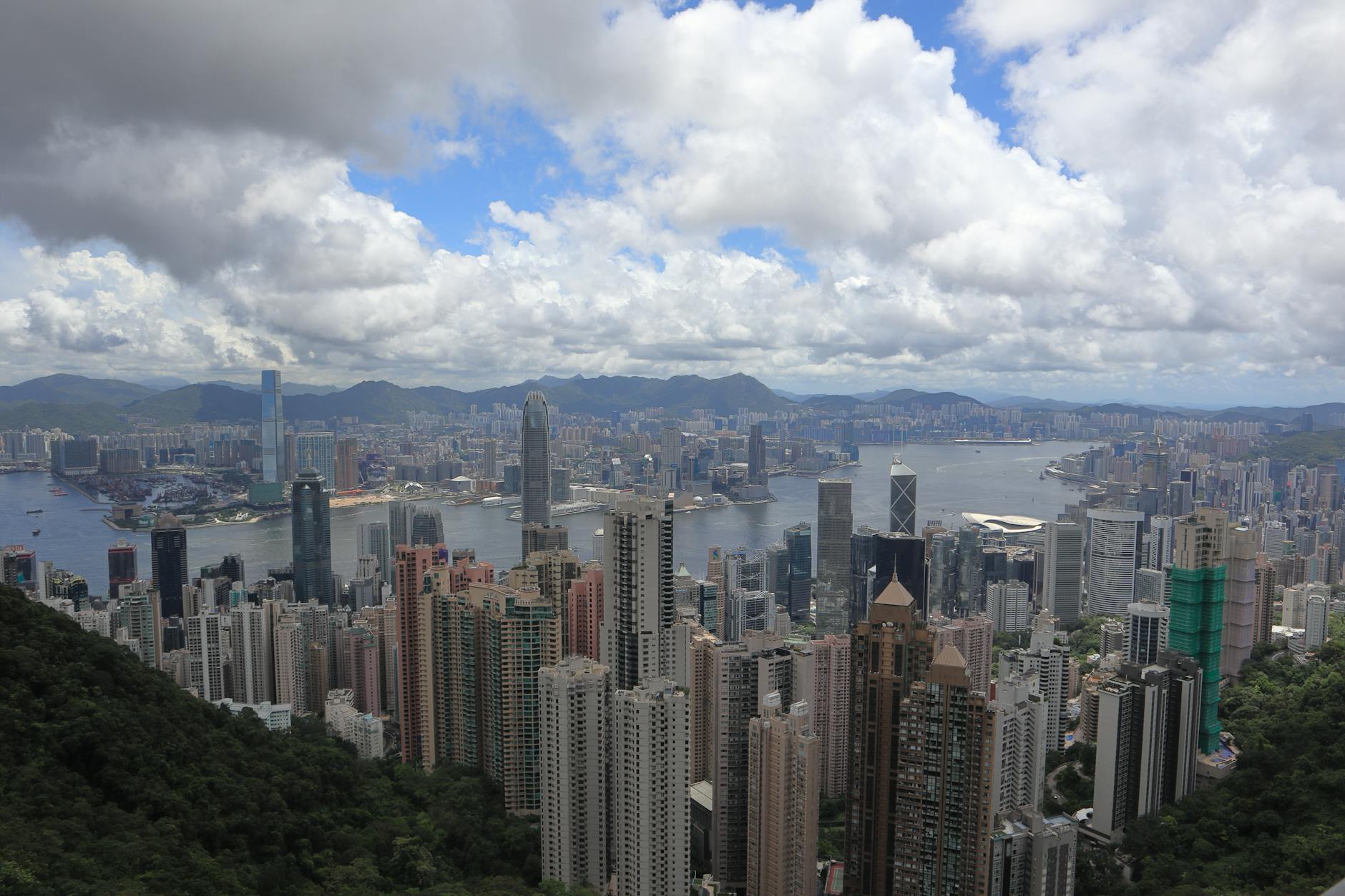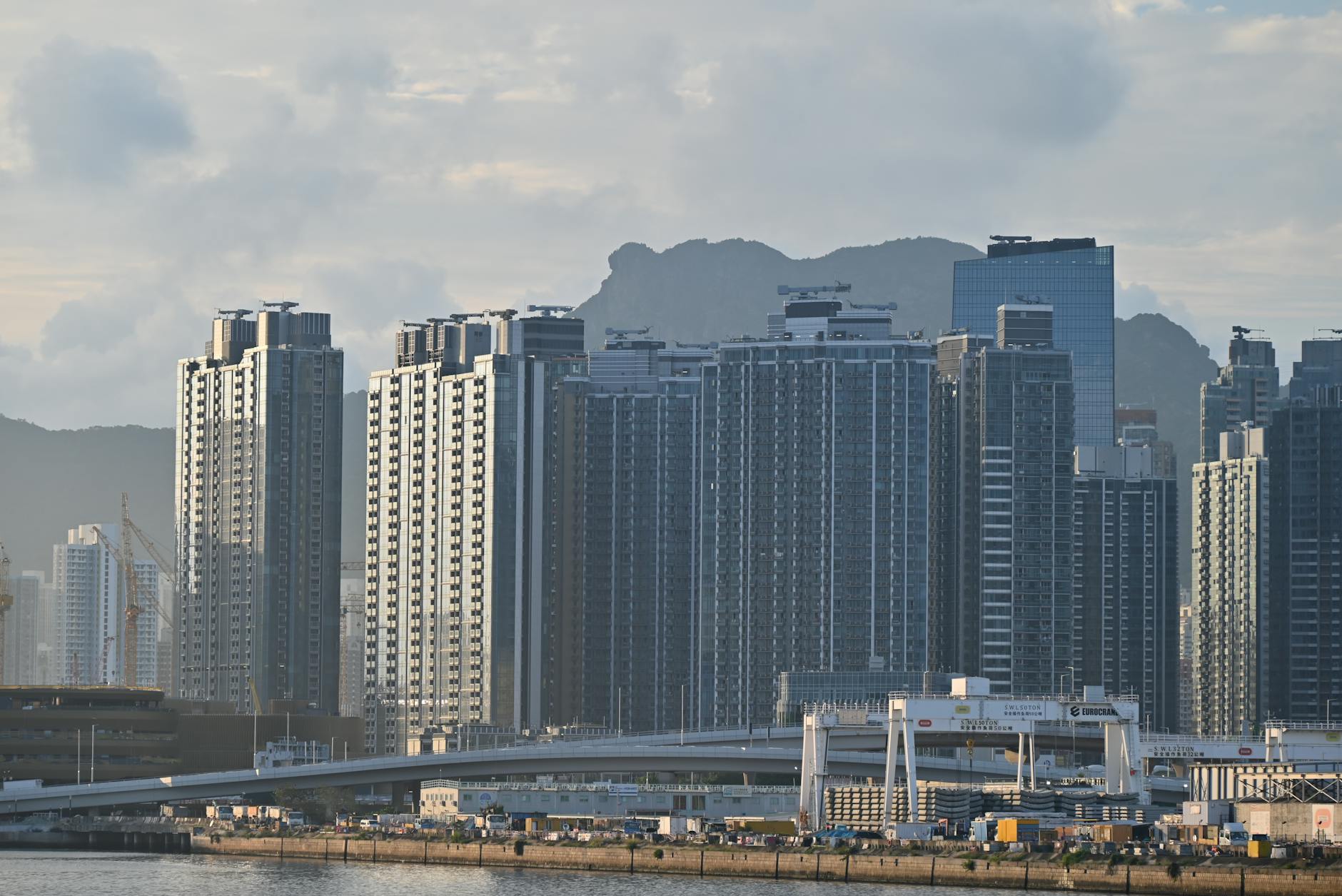
Tsim Sha Tsui can be a useful base for a journalist covering Hong Kong because it offers immediate visual context, waterfront access, hotels, transit, restaurants for source meetings, and quick movement across Victoria Harbour. It can also become difficult if the journalist underestimates equipment logistics, crowd density, source confidentiality, or the time needed to file cleanly. A short reporting trip should be built around assignment control. The journalist should know where to stay, how to move with gear, where to conduct interviews, how to manage weather and crowds, and when to preserve quiet time for transcription, editing, verification, and filing.
Map the assignment before choosing the base
A journalist should choose Tsim Sha Tsui only after mapping interviews, filming locations, press events, public spaces, source meetings, and filing needs. The district may be excellent for harbor visuals, Kowloon stories, cultural coverage, travel work, or cross-harbor access. It may be less useful if most sources and institutions are elsewhere.
The traveler should test the first reporting day, not only the hotel rate. Assignment geography should drive the base.
- Map interviews, filming locations, press events, source meetings, filing blocks, and hotel options.
- Choose Tsim Sha Tsui when harbor visuals, Kowloon coverage, or cross-harbor access support the story.
- Use assignment geography rather than scenery as the base decision.
Choose a hotel that supports filing
A journalist needs more than a place to sleep. The hotel should support Wi-Fi, quiet work, desk space, secure gear storage, laundry, late arrivals, early departures, private calls, and quick access to taxis or MTR. If the journalist needs to edit photos, upload video, transcribe interviews, or file on deadline, room quality becomes part of the assignment plan.
The hotel should also make it easy to return between reporting blocks. A short trip leaves little room for a poor work base.
- Check Wi-Fi, desk, room quiet, gear storage, laundry, private calls, taxis, and MTR access.
- Plan for uploads, transcription, photo editing, video transfer, and deadline filing.
- Choose lodging that supports work, not only location.
Plan equipment movement carefully
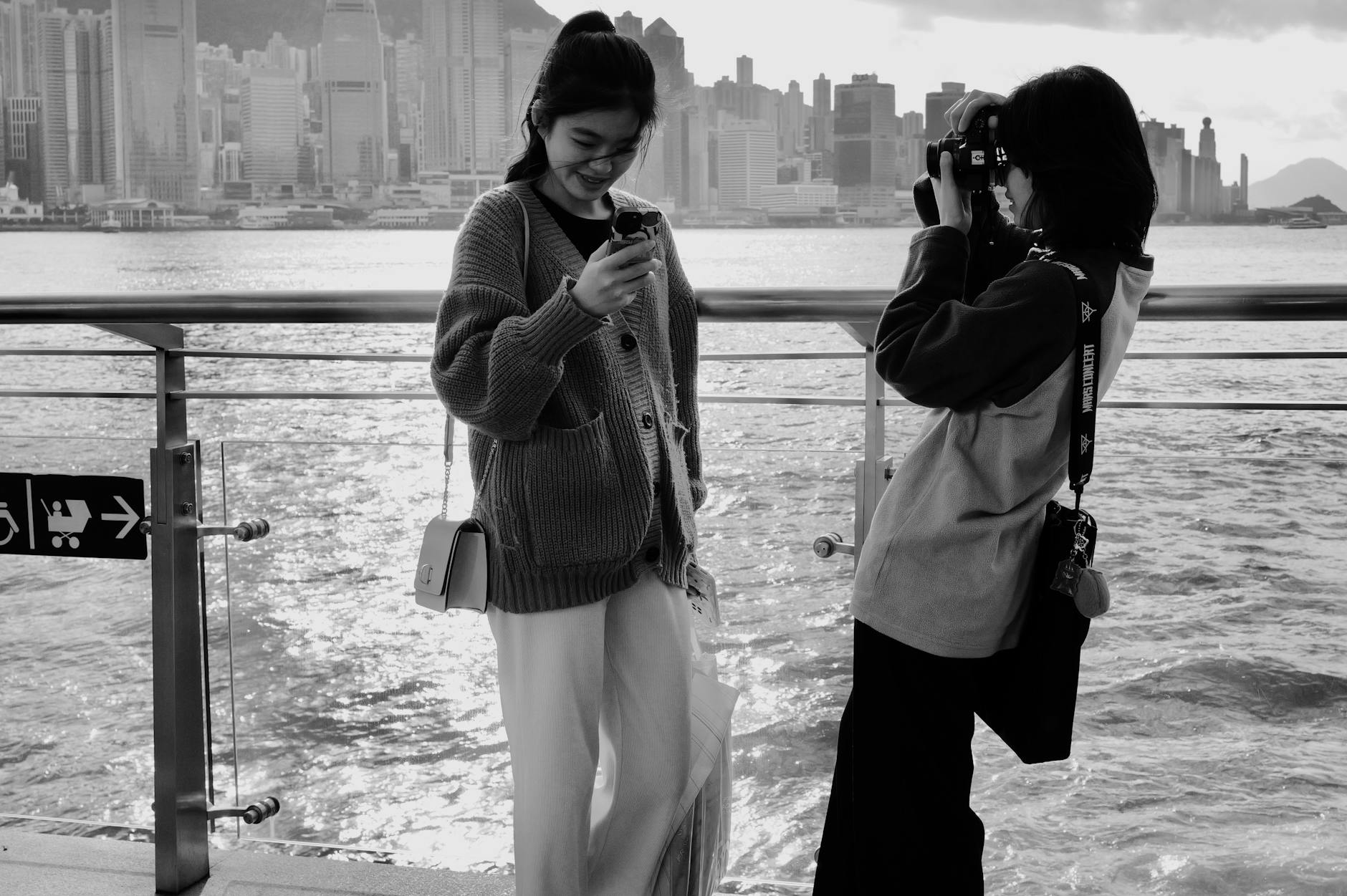
Tsim Sha Tsui's streets, stations, ferries, hotels, and waterfront areas can be crowded. A journalist carrying cameras, audio equipment, laptop, tripod, batteries, or lighting should plan routes by weight, security, weather, and how conspicuous the gear will be. The shortest route may not be the easiest route with equipment.
The journalist should also decide when to travel light. Not every interview or location requires the full kit, and carrying less can improve speed, discretion, and stamina.
- Plan gear movement by weight, security, weather, crowding, station exits, and taxi access.
- Carry only the equipment needed for each reporting block.
- Keep batteries, storage, chargers, and rain protection ready.
Choose source meeting locations intentionally
Tsim Sha Tsui has many cafes, hotel lounges, restaurants, and public spaces, but journalists should choose source meeting locations by privacy, noise, recording conditions, camera visibility, safety, and return route. A convenient cafe may be too loud for recording or too public for a sensitive conversation.
The journalist should preselect several meeting types: discreet, casual, formal, and quick. That prevents the source meeting from being shaped by the first available table.
- Choose source locations by privacy, noise, recording quality, visibility, safety, and return route.
- Preselect discreet, casual, formal, and quick meeting options.
- Avoid sensitive conversations in spaces that are convenient but unsuitable.
Use the waterfront without overusing the obvious shot
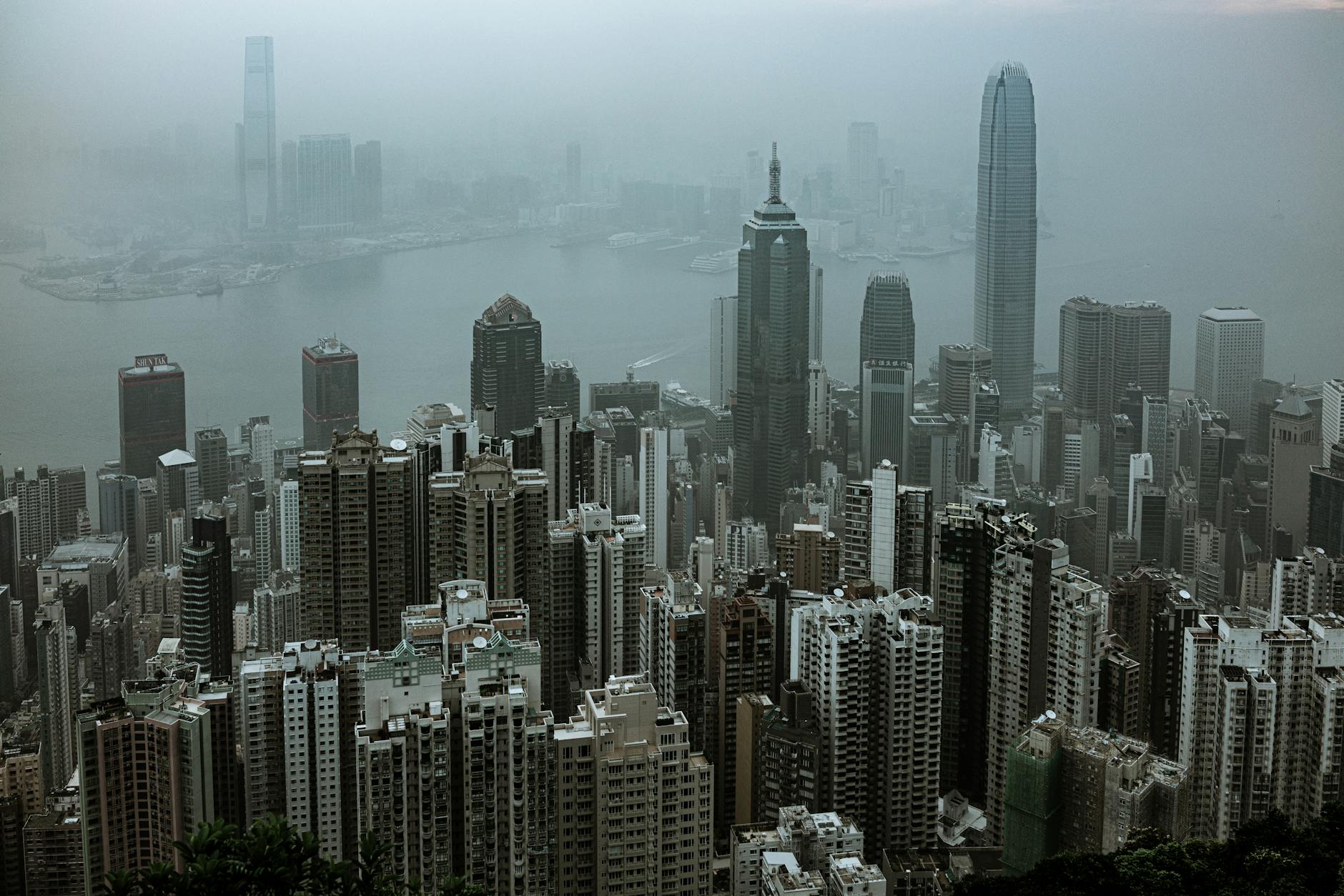
The Tsim Sha Tsui waterfront offers strong visuals, but it is also an easy place to repeat the same familiar Hong Kong image. A journalist should decide whether the skyline, ferry, crowd, museum, hotel, retail street, or harbor movement actually supports the story. Visual convenience should not replace reporting depth.
The journalist should also account for light, rain, haze, crowds, and event barriers. A visual plan works best when it is tied to the editorial purpose.
- Choose visuals by story purpose, not only by skyline familiarity.
- Plan for light, haze, rain, crowds, waterfront barriers, and filming permissions.
- Balance iconic shots with reporting depth and source access.
Protect safety, verification, and deadline time
A journalist's Tsim Sha Tsui schedule should include safety checks, source verification, note review, file backup, and deadline time. Weather, crowded transit, late source meetings, and cross-harbor moves can compress the day quickly. The reporter should not rely on finding quiet work time after every obligation is finished.
The plan should include communication with editors, backup internet options, battery management, and clear return routes. Deadline pressure should be planned for, not treated as a surprise.
- Build in safety checks, verification, note review, file backup, and deadline blocks.
- Keep editor communication, backup internet, battery management, and return routes ready.
- Protect filing time before the day becomes crowded with reporting obligations.
When to order a short-term travel report
A journalist with one arranged interview and a flexible deadline may not need a custom Tsim Sha Tsui report. A report becomes useful when the assignment has multiple locations, sensitive sources, equipment logistics, cross-harbor movement, tight deadlines, safety concerns, or a need to balance visual work with reporting depth.
The report should test assignment geography, hotel work fit, source meeting locations, gear movement, transport, weather, filing blocks, safety, budget, and what to cut. The value is a reporting trip that stays controlled under deadline pressure.
- Order when assignment geography, source meetings, gear, safety, or deadline planning needs testing.
- Provide dates, locations, hotel options, assignment needs, equipment, constraints, and budget.
- Use the report to keep the reporting trip efficient, discreet, and resilient.