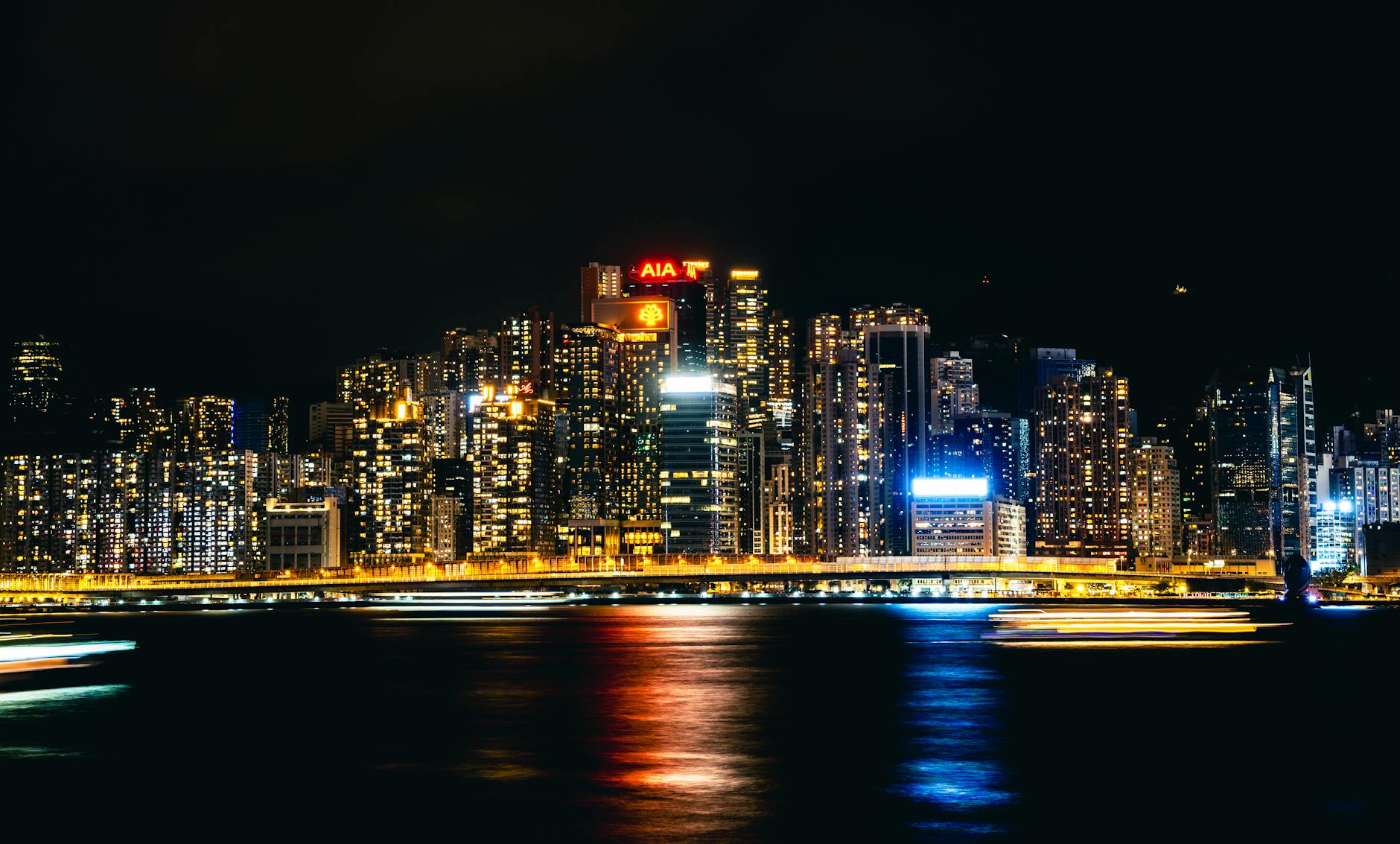
Tsim Sha Tsui can be a useful base for an investor or deal team member when diligence, management meetings, hotel sessions, waterfront hosting, retail or hospitality assets, and cross-harbor meetings are part of the trip. It can also be the wrong base if the itinerary depends mostly on Central, Admiralty, or other Hong Kong Island offices. A short deal trip should be planned around execution quality. The traveler should know where confidential work can happen, how to move between meetings, where to host or debrief, and how to keep enough margin for calls, document review, and schedule changes.
Test whether Tsim Sha Tsui supports the deal map
The first question is whether Tsim Sha Tsui is actually useful for the deal agenda. It may support meetings with hospitality groups, retail operators, asset tours, waterfront hotels, Kowloon-side stakeholders, or evening hosting. It may be inefficient if law firms, banks, management teams, and advisers are mostly across the harbor.
The traveler should map management meetings, adviser offices, site visits, meals, hotel, and airport timing before choosing the base. The best hotel is the one that supports the deal timetable, not the one that simply feels impressive.
- Map management meetings, advisers, site visits, meals, hotel, and airport timing before booking.
- Choose Tsim Sha Tsui when Kowloon assets, hospitality, retail, or hosting supports the agenda.
- Avoid a scenic base that creates repeated cross-harbor execution risk.
Protect confidential work
Deal travel often requires calls, documents, models, draft terms, management notes, and sensitive conversations. Tsim Sha Tsui hotel lobbies, cafes, lounges, ferries, and restaurants can be convenient, but they are not automatically appropriate for confidential work. The traveler should decide where private calls, redlines, and debriefs can happen.
The hotel room, reserved meeting space, secure office, or quiet suite may be part of the work plan. Public convenience should not compromise discretion.
- Plan private locations for calls, documents, models, redlines, and deal-team debriefs.
- Avoid sensitive screens or conversations in busy lobbies, cafes, lounges, ferries, and restaurants.
- Use a room, suite, meeting space, or secure office when confidentiality matters.

Choose the hotel for work and schedule control
An investor or deal team member should evaluate hotels by work function: desk, Wi-Fi, quiet, room service, breakfast speed, meeting rooms, printing support, laundry, taxi access, room category, and ability to host a small debrief. If the team is split across properties, movement and communication become harder.
The hotel should also support schedule changes. Deal days move. The traveler may need a sudden call, a quiet hour to review materials, or a car within minutes. A slightly more expensive base can be cheaper than lost execution time.
- Check desk, Wi-Fi, quiet, room service, meeting rooms, printing, laundry, taxis, and debrief space.
- Plan for sudden calls, document review, team coordination, and schedule changes.
- Choose the base that protects execution time under pressure.
Plan cross-harbor movement conservatively
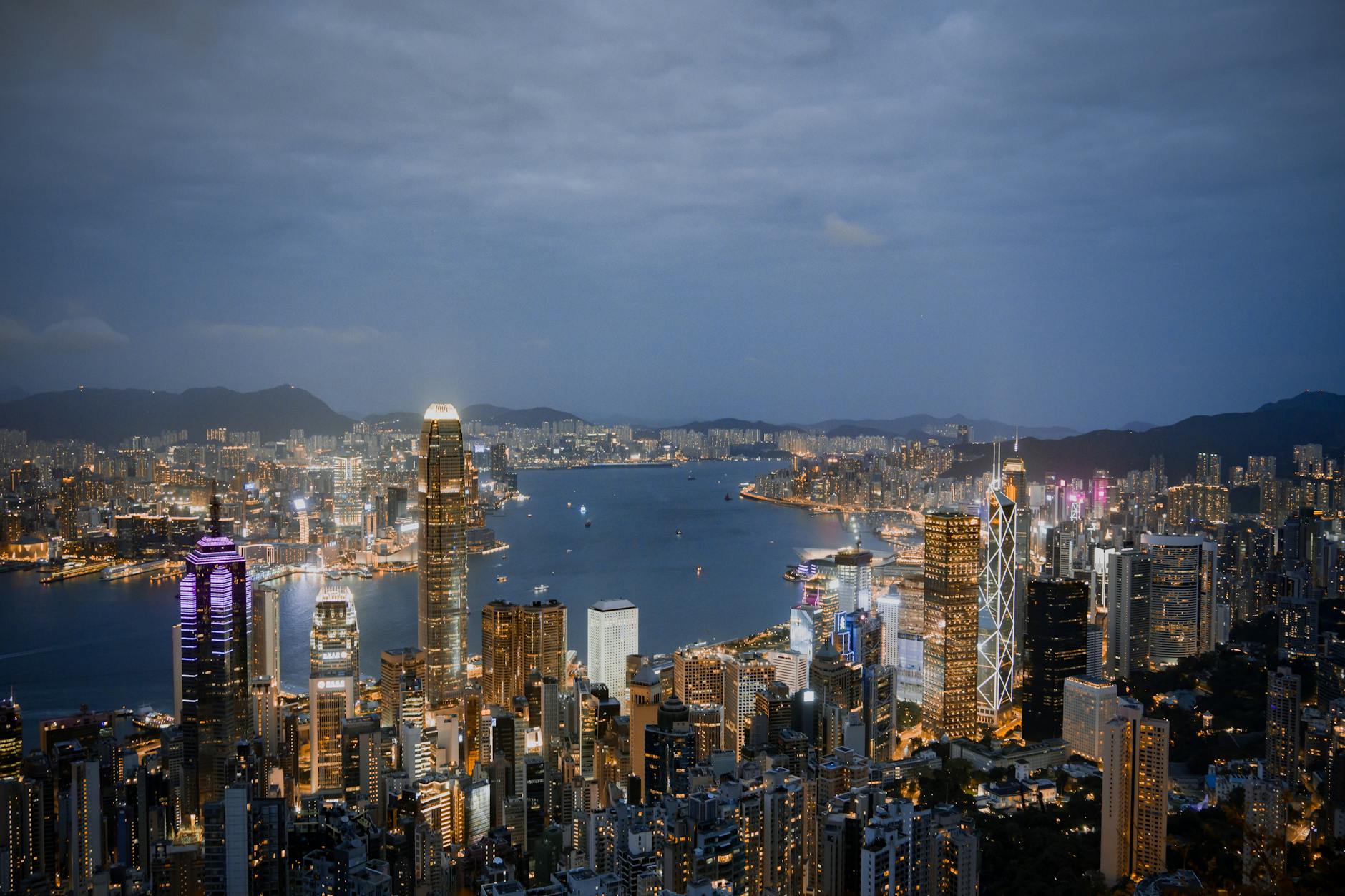
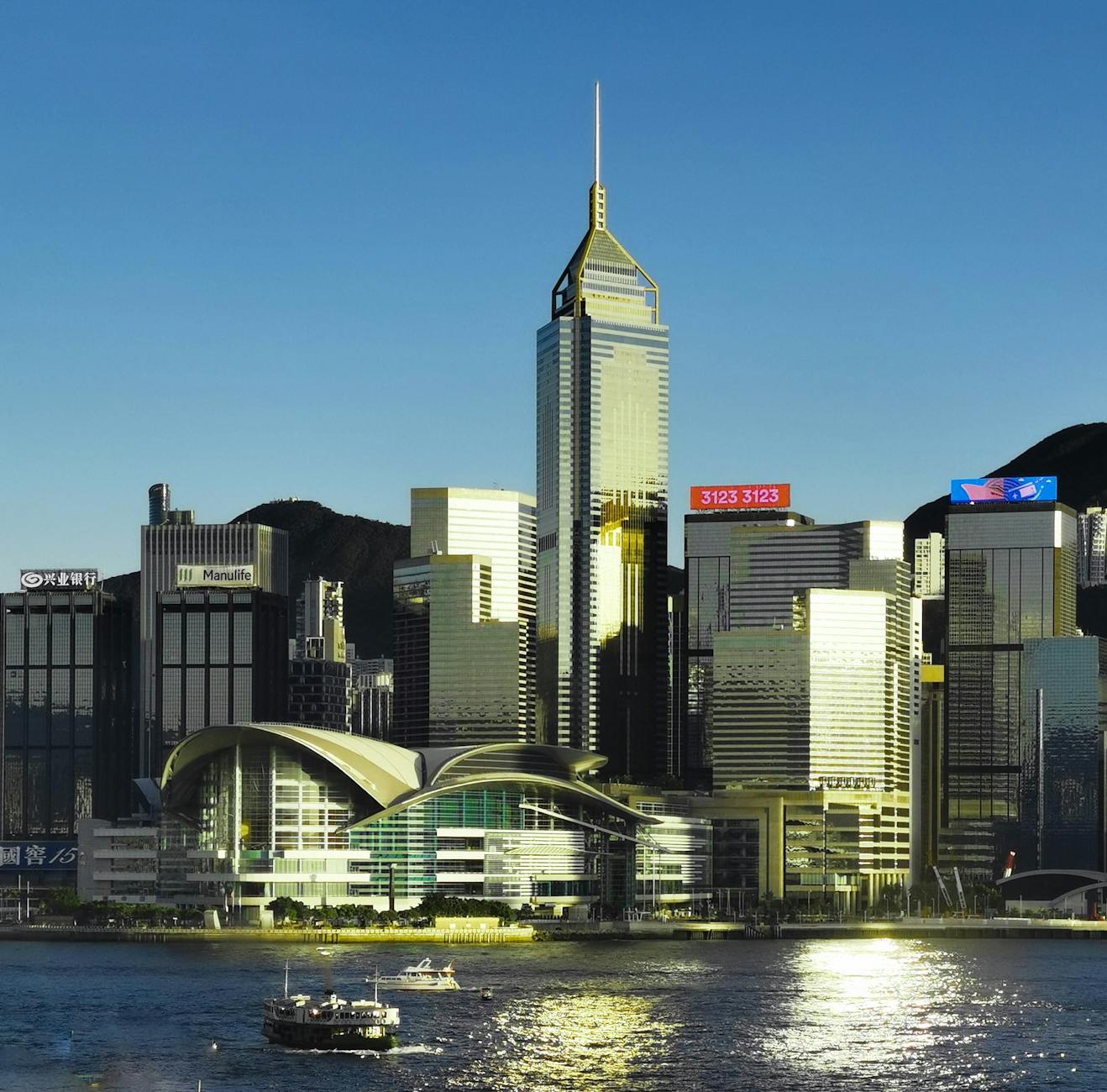
Deal trips often include banks, counsel, management teams, asset visits, and dinners in different parts of Hong Kong. From Tsim Sha Tsui, MTR, taxis, ferries, and cars may all be useful, but the choice should reflect meeting seniority, documents, weather, clothing, and the penalty for delay. The Star Ferry can be memorable and still wrong before a time-sensitive meeting.
The traveler should give high-stakes meetings conservative buffers and keep backup routes ready. A deal agenda has little tolerance for optimistic transit assumptions.
- Choose MTR, taxi, ferry, or car by meeting seniority, documents, weather, clothing, and delay risk.
- Use conservative buffers before management meetings, adviser sessions, and signed-document events.
- Keep backup routes for traffic, rain, ferry timing, and station disruption.
Use meals and hosting strategically
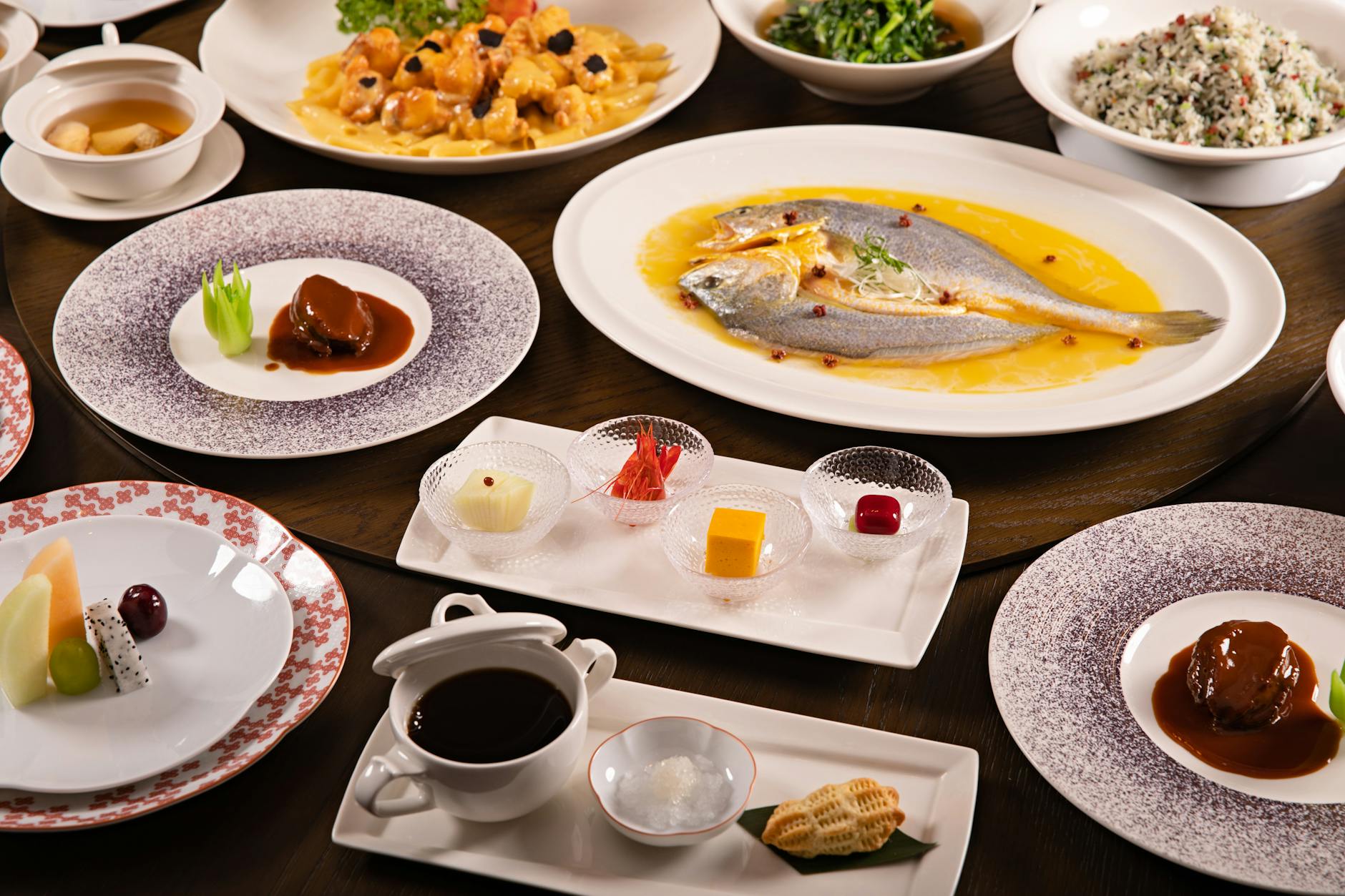
Tsim Sha Tsui can be useful for investor meals because it offers hotel dining, private rooms, harbor views, and easy hosting near major properties. The traveler should choose meals by the purpose of the conversation: management rapport, adviser debrief, seller dinner, team reset, or quiet solo work. Noise, privacy, timing, and payment logistics matter.
A high-quality meal can support the deal process, but an overlong dinner can damage the next morning's diligence. Meals should be placed where they support the timetable.
- Choose meals by privacy, noise, timing, payment, relationship purpose, and return route.
- Use private rooms, hotel dining, or harbor venues only when they serve the deal agenda.
- Protect morning diligence and calls from late or inefficient dinners.
Plan for site visits and physical evidence
Some deal trips require seeing assets, stores, hotels, operations, construction, logistics, or neighborhood context. Tsim Sha Tsui can be useful for retail and hospitality observations, but site visits need practical planning. Shoes, weather, photo rules, note-taking, confidentiality, transport, and time to debrief all matter.
The traveler should decide which observations are essential and which are optional. Site visits can add value, but they can also consume time that should be spent on documents, calls, or management discussions.
- Plan site visits around assets, stores, hotels, operations, neighborhood context, and debrief time.
- Check shoes, weather, photo rules, confidentiality, note-taking, and transport.
- Separate essential observations from optional wandering.
When to order a short-term travel report
An investor or deal team member with arranged transport and a single meeting site may not need a custom Tsim Sha Tsui report. A report becomes useful when the agenda has multiple stakeholders, cross-harbor movement, site visits, confidentiality needs, client meals, hotel choice uncertainty, or schedule compression.
The report should test meeting geography, hotel work fit, private work locations, transport, site-visit routes, meals, weather, recovery, airport timing, budget, and what to cut. The value is reducing execution risk during a short deal trip.
- Order when meeting geography, confidentiality, site visits, meals, or transport needs testing.
- Provide dates, meeting locations, hotel options, stakeholders, site visits, constraints, and budget.
- Use the report to make the deal trip controlled, discreet, and resilient.