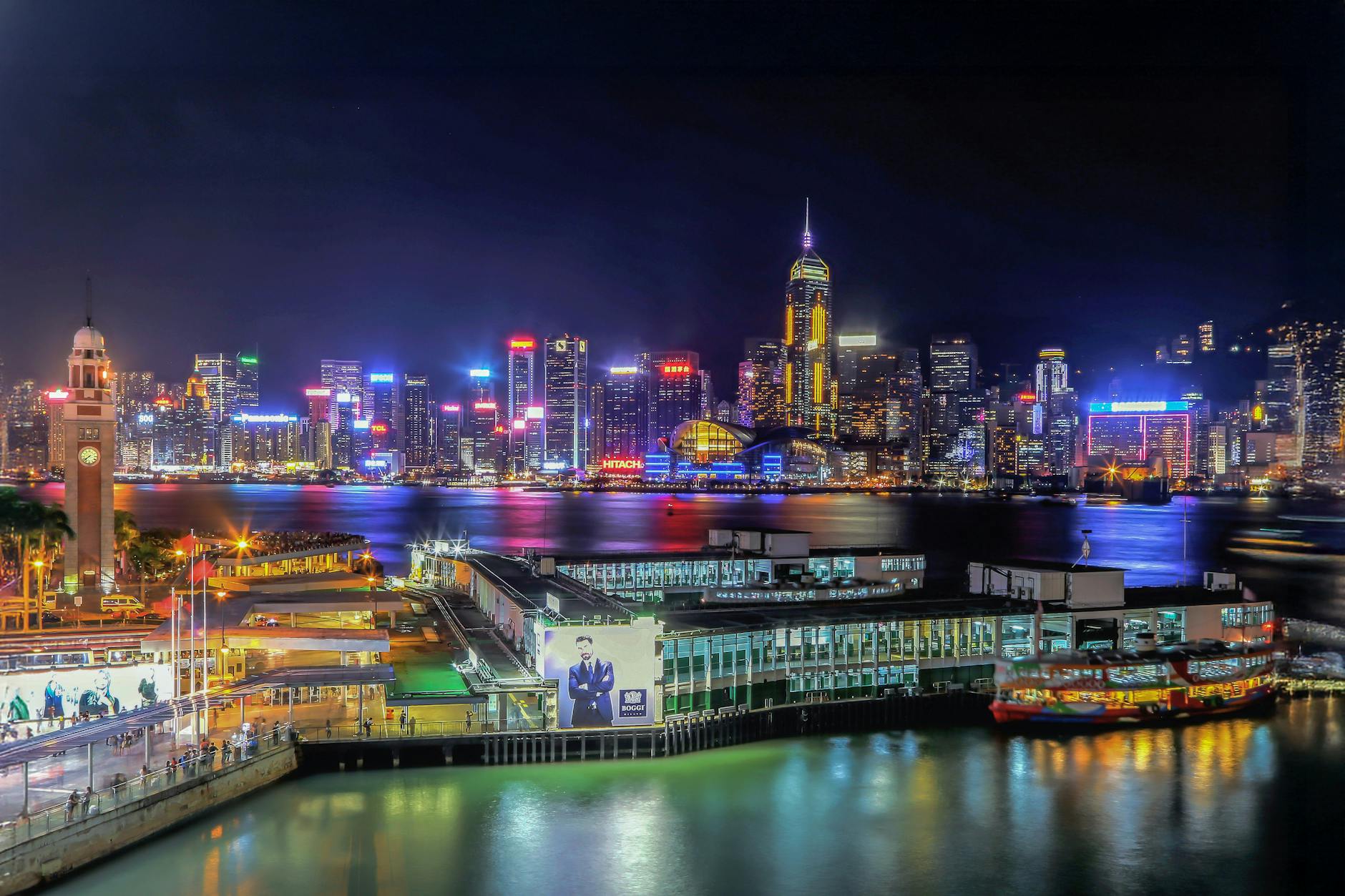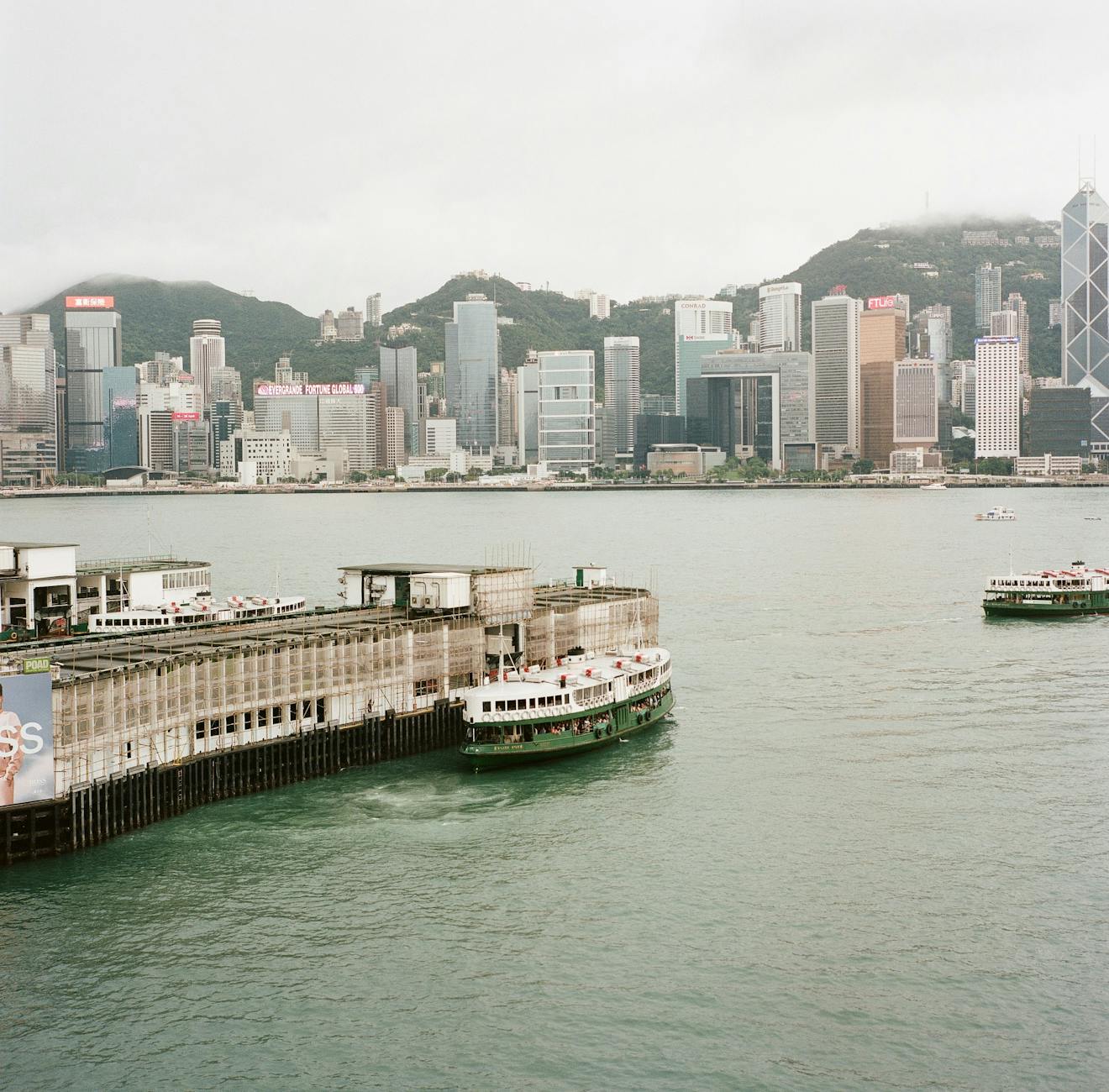
Tsim Sha Tsui is one of the easiest places for a first-time visitor to feel that they have arrived in Hong Kong. The harbor view, Star Ferry, skyline, museums, hotels, malls, restaurants, and transit links are all close together. That convenience can hide how quickly a short trip can become crowded, hot, overplanned, or split between too many districts. A first visit should make Tsim Sha Tsui useful as a base, not just attractive as a view. The traveler should know how to arrive, where to stay, when to cross the harbor, what to skip, and how to pace the first full day without turning the trip into a checklist.
Start by orienting around the harbor
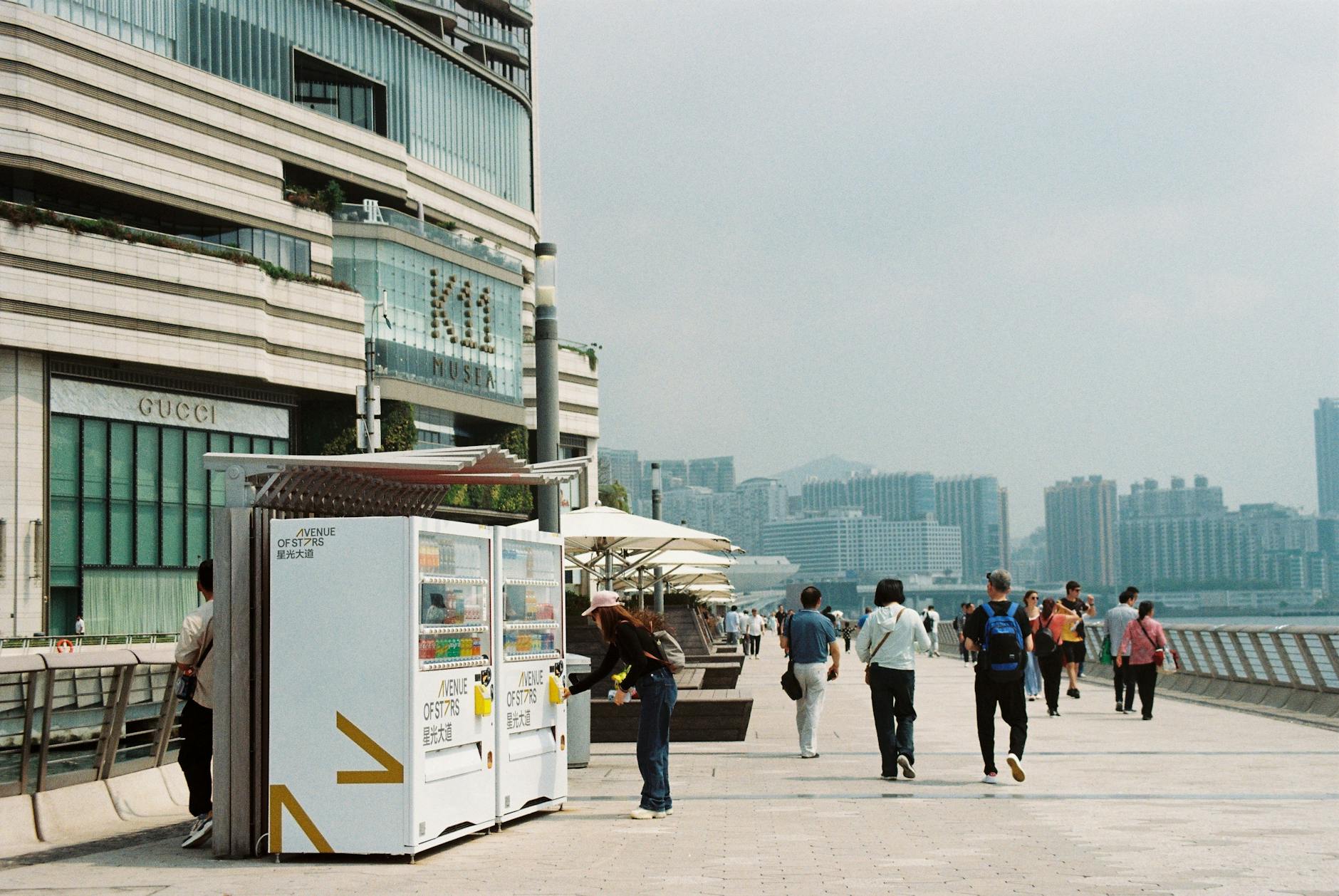
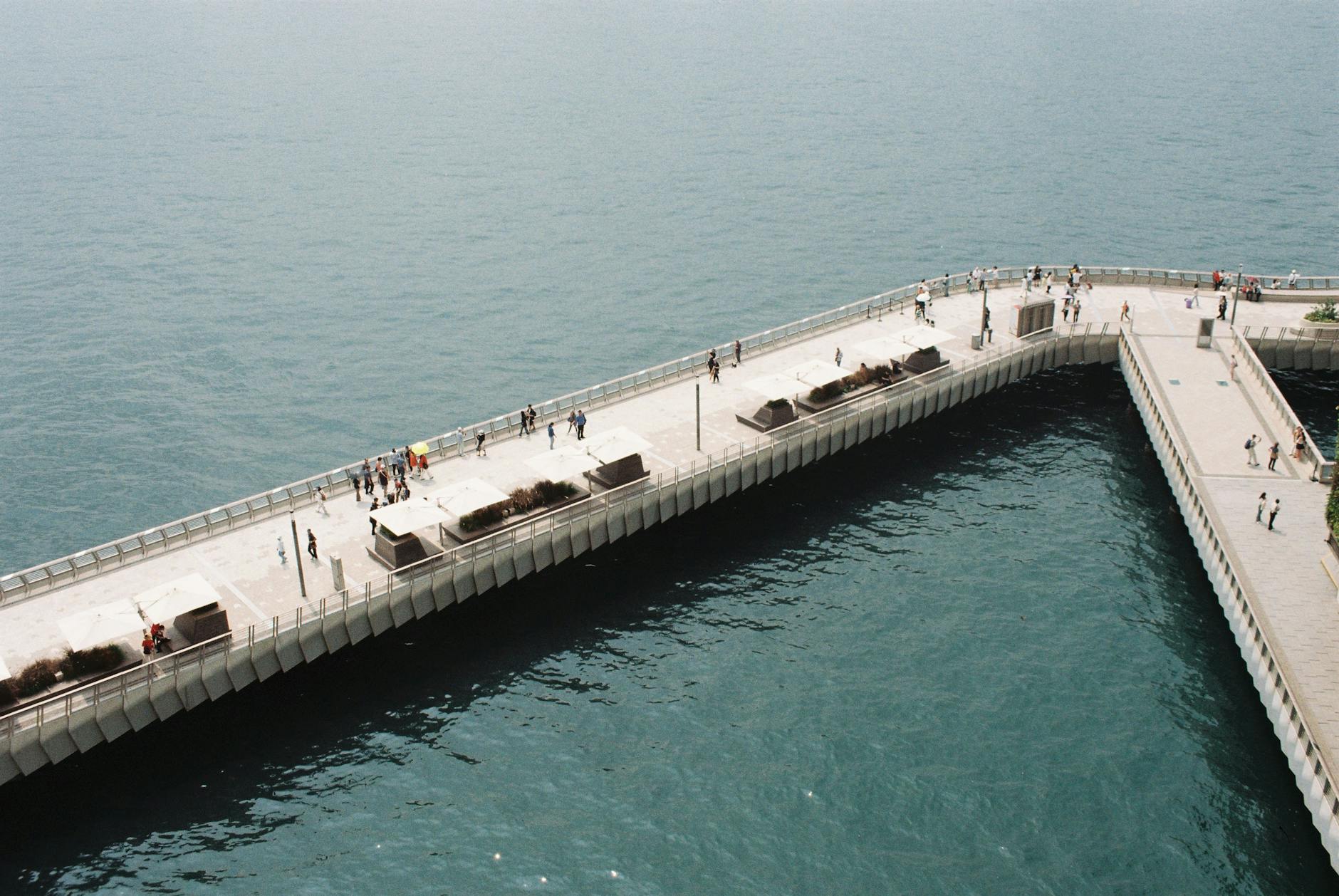
For a first-time visitor, Tsim Sha Tsui is easiest to understand from the harbor. The waterfront, Star Ferry pier, Avenue of Stars area, museums, hotel clusters, Nathan Road, and nearby MTR exits create the basic mental map. Once the traveler understands those anchors, the district becomes much easier to use.
The visitor should not try to understand all of Hong Kong on arrival day. A practical first plan can use Tsim Sha Tsui for a harbor walk, a simple meal, a transit check, and an early night. The city opens up more cleanly when the first evening is not overloaded.
- Use the harbor, Star Ferry, museums, hotels, Nathan Road, and MTR exits as orientation points.
- Keep arrival day simple with a walk, meal, transit check, and sleep.
- Learn Tsim Sha Tsui first before trying to cover all of Hong Kong.
Choose the arrival route before landing
A first-time visitor should decide how to get from Hong Kong International Airport to Tsim Sha Tsui before the flight. Airport Express plus taxi or MTR transfer can work, taxis may be simpler with luggage, and hotel cars may be worth considering after a long flight or late arrival. The best choice depends on luggage, time of day, budget, and comfort with transfers.
The first mistake is often trying to solve the transfer while tired, with bags, in an unfamiliar airport. The traveler should know the hotel name in English and Chinese if possible, the expected fare or route, and what to do if the room is not ready.
- Choose Airport Express, taxi, MTR transfer, or hotel car by luggage, arrival time, and budget.
- Keep hotel address, payment method, and backup route ready before landing.
- Plan what to do if arrival is early and the room is not ready.
Pick a hotel by exits and walking routes
First-time visitors often choose a Tsim Sha Tsui hotel by view, brand, or price. Those are legitimate factors, but the practical details matter just as much. MTR exits, pedestrian crossings, lifts, taxi access, indoor mall routes, nighttime return comfort, and walking distance to the waterfront can change the feel of every day.
A hotel that is slightly farther from the view but easier to reach may create a better short trip. The visitor should compare hotel choices against the first two days of movement: airport arrival, ferry, MTR, meals, museums, and one cross-harbor outing.
- Check MTR exits, crossings, lifts, taxi access, indoor routes, and nighttime returns.
- Compare hotels against the actual first two days of movement.
- Do not let a view override basic access and route comfort.
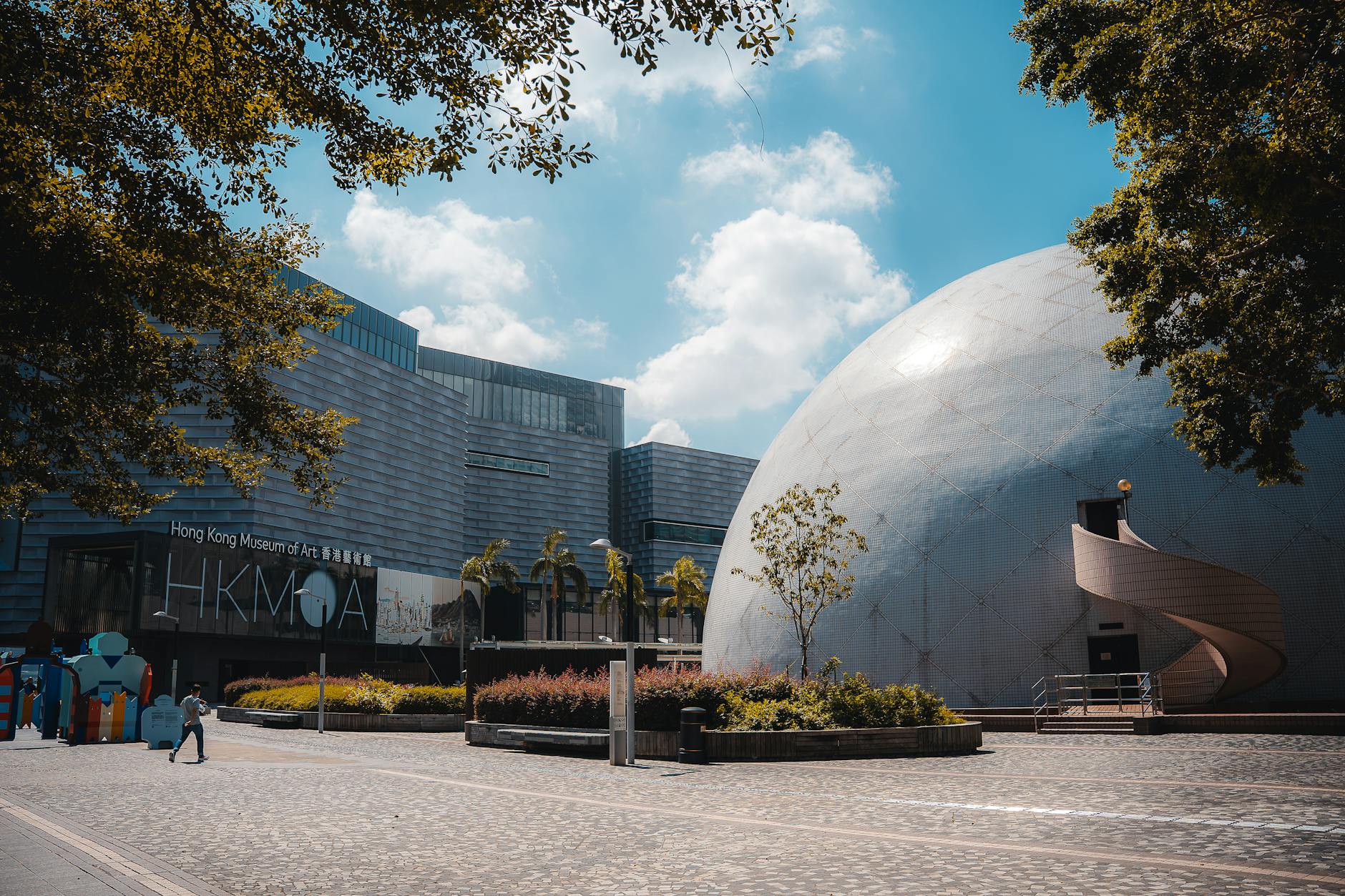
Use MTR and ferry for different purposes
The MTR and Star Ferry both matter for a first Tsim Sha Tsui visit, but they serve different purposes. The MTR is usually the practical tool for fast district-to-district movement. The ferry is a memorable way to understand the harbor and can be useful for certain Hong Kong Island plans, especially when time pressure is low.
The visitor should not treat one system as always better. A good first trip might use the MTR for efficient moves, the ferry for one planned crossing, and taxis when luggage, weather, late hours, or tiredness makes transit less appealing.
- Use MTR for efficient district movement and the ferry for the harbor experience when timing allows.
- Check exits, pier distance, service hours, rain plans, and return routes before crossing.
- Use taxis when bags, weather, late hours, or fatigue make transit harder.
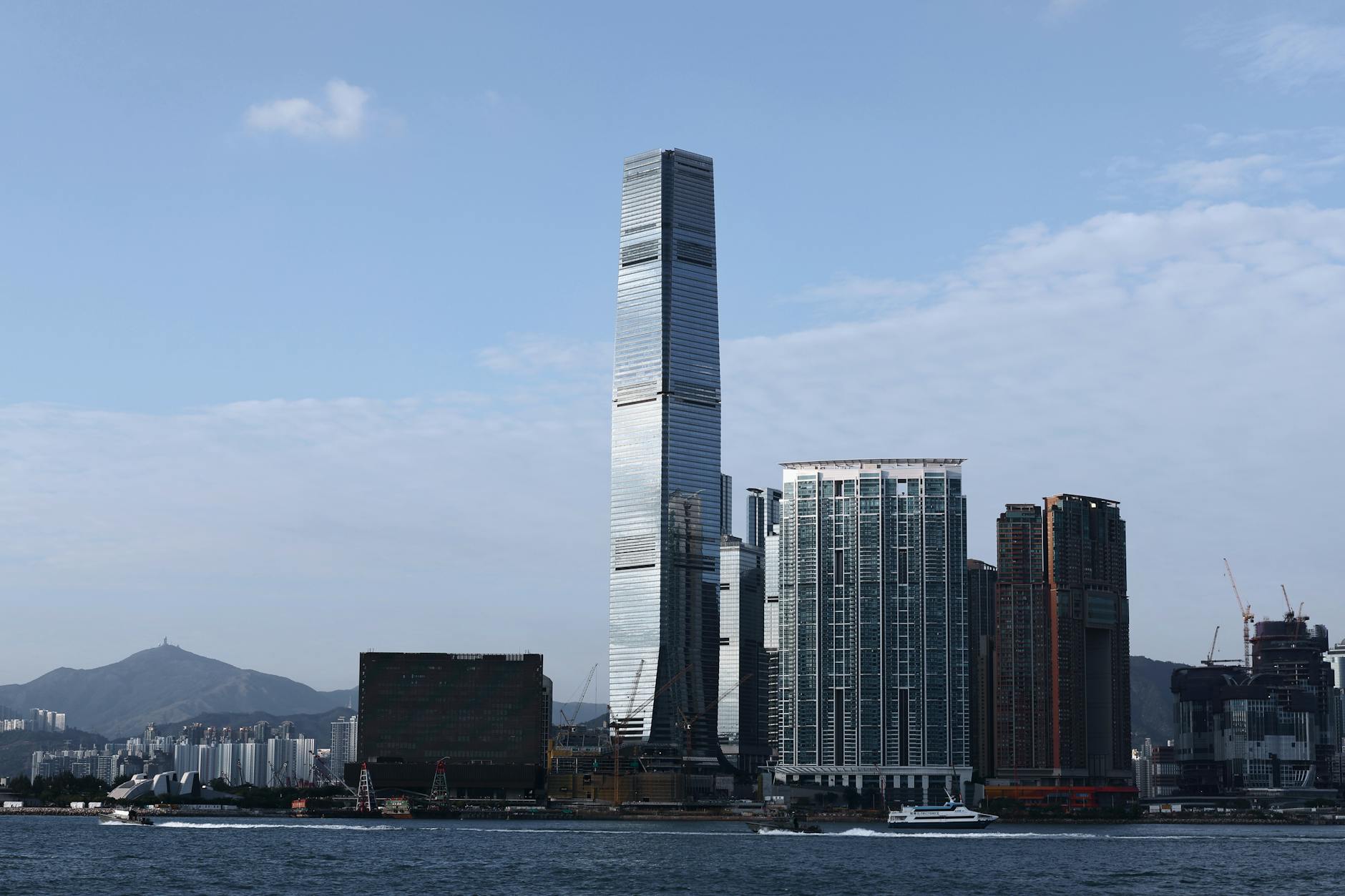
Keep the first itinerary selective
Tsim Sha Tsui can support a strong first itinerary with the waterfront, Star Ferry, museums, shopping streets, harbor views, Cantonese meals, and one or two Hong Kong Island outings. The problem is trying to include every famous place in a short stay. Heat, rain, crowds, jet lag, and lineups can make a packed list feel worse than a selective plan.
The visitor should choose a few priorities and leave space for meals, rest, and route changes. A short first visit works best when the traveler understands what has been deliberately left out.
- Select a small set of priority sights rather than trying to cover every famous stop.
- Leave space for meals, jet lag, weather changes, crowds, and transit delays.
- Decide what to skip before the trip, not while tired during the day.
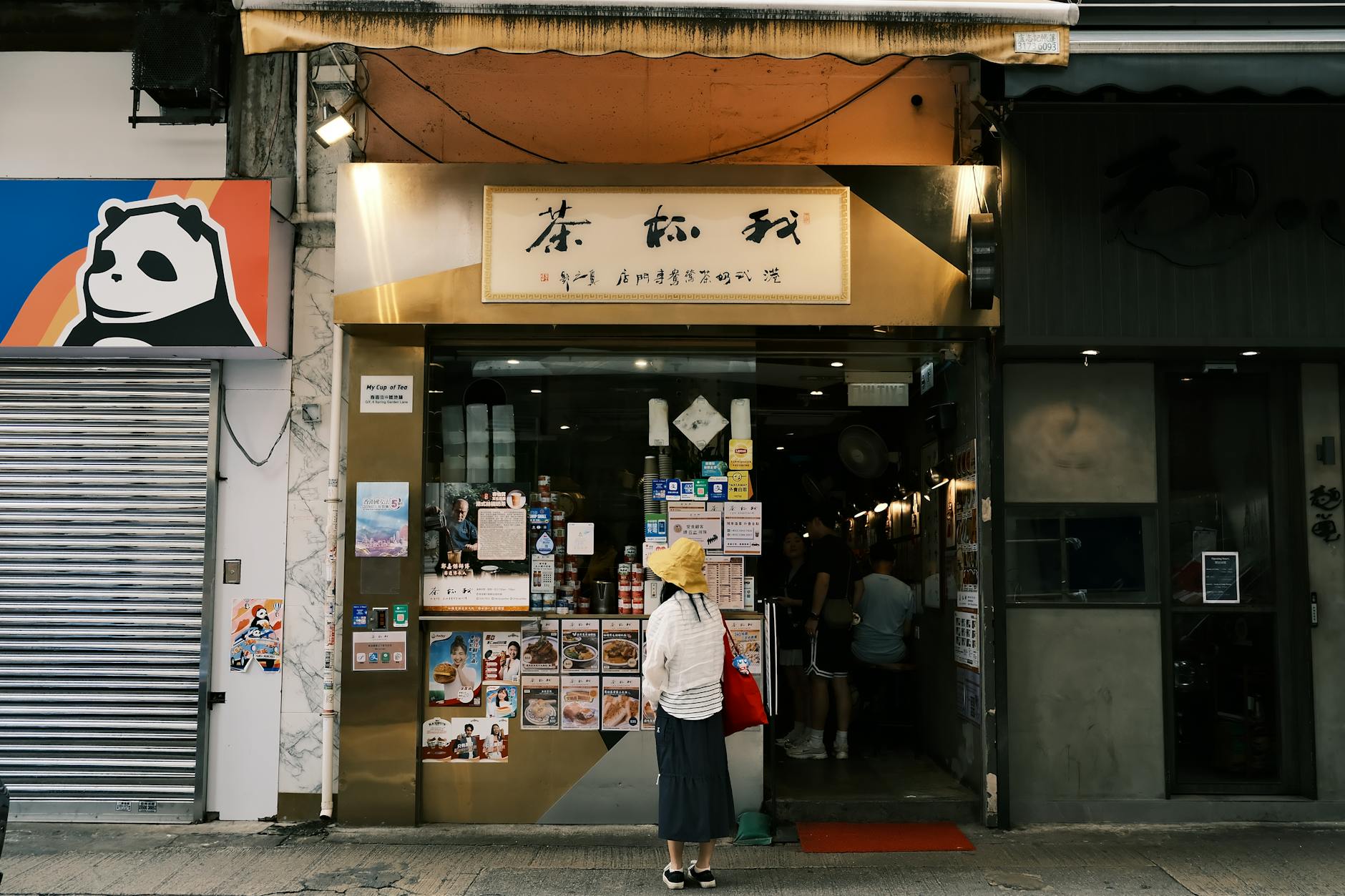
Plan meals before hunger becomes the guide
A first-time visitor can eat very well in Tsim Sha Tsui, but the range of hotels, malls, casual restaurants, Cantonese dining, bakeries, bars, and tourist-heavy streets can be confusing. The traveler should identify a few meal options near the hotel, near the waterfront, and near major transit points before arrival.
Meal planning does not need to be rigid. It should prevent decision fatigue and help with dietary needs, reservation requirements, payment expectations, and late-night fallback choices. A good meal plan can also keep the visitor from spending too much time in malls by accident.
- Identify hotel-area, waterfront, transit-area, and late-night meal options before arrival.
- Check reservations, dietary fit, payment, queues, and noise levels.
- Use planned meals to reduce decision fatigue during the first short stay.
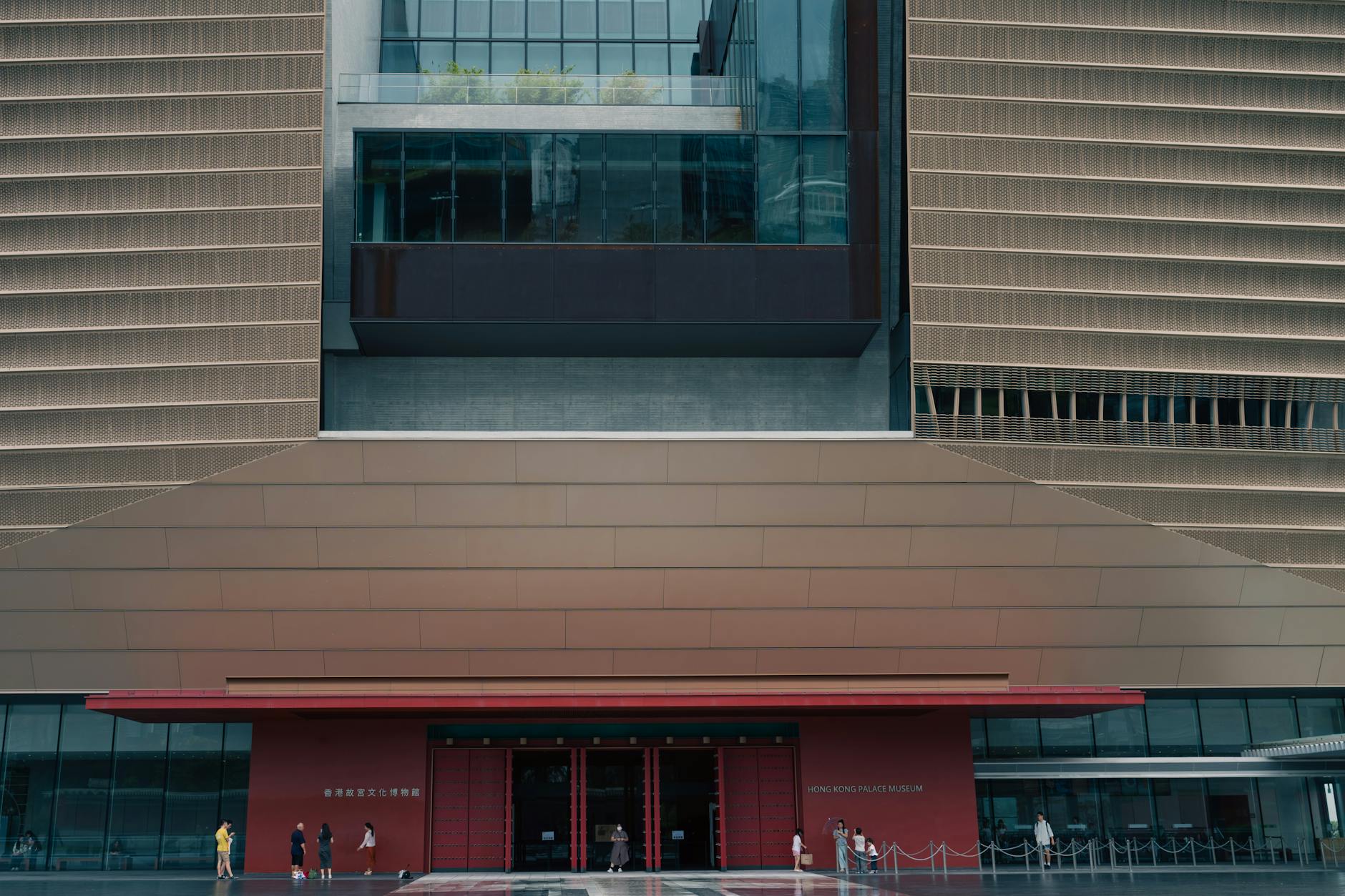
When to order a short-term travel report
A first-time visitor with several flexible days and a simple hotel choice may not need a custom Tsim Sha Tsui report. A report becomes useful when the stay is short, the traveler is choosing between Kowloon and Hong Kong Island, arrival timing is awkward, the itinerary includes family members or older travelers, there are medical or mobility constraints, or the visitor wants a first trip that feels clear rather than improvised.
The report should test hotel location, arrival route, first-day pacing, MTR and ferry use, sights, meals, weather, budget, safety, jet lag, and what to cut. The value is a first Tsim Sha Tsui visit that feels organized without becoming overplanned.
- Order when hotel choice, arrival route, pacing, family needs, or first-time priorities need testing.
- Provide dates, flight times, hotel options, interests, constraints, mobility needs, and budget.
- Use the report to make the first visit clear, selective, and practical.