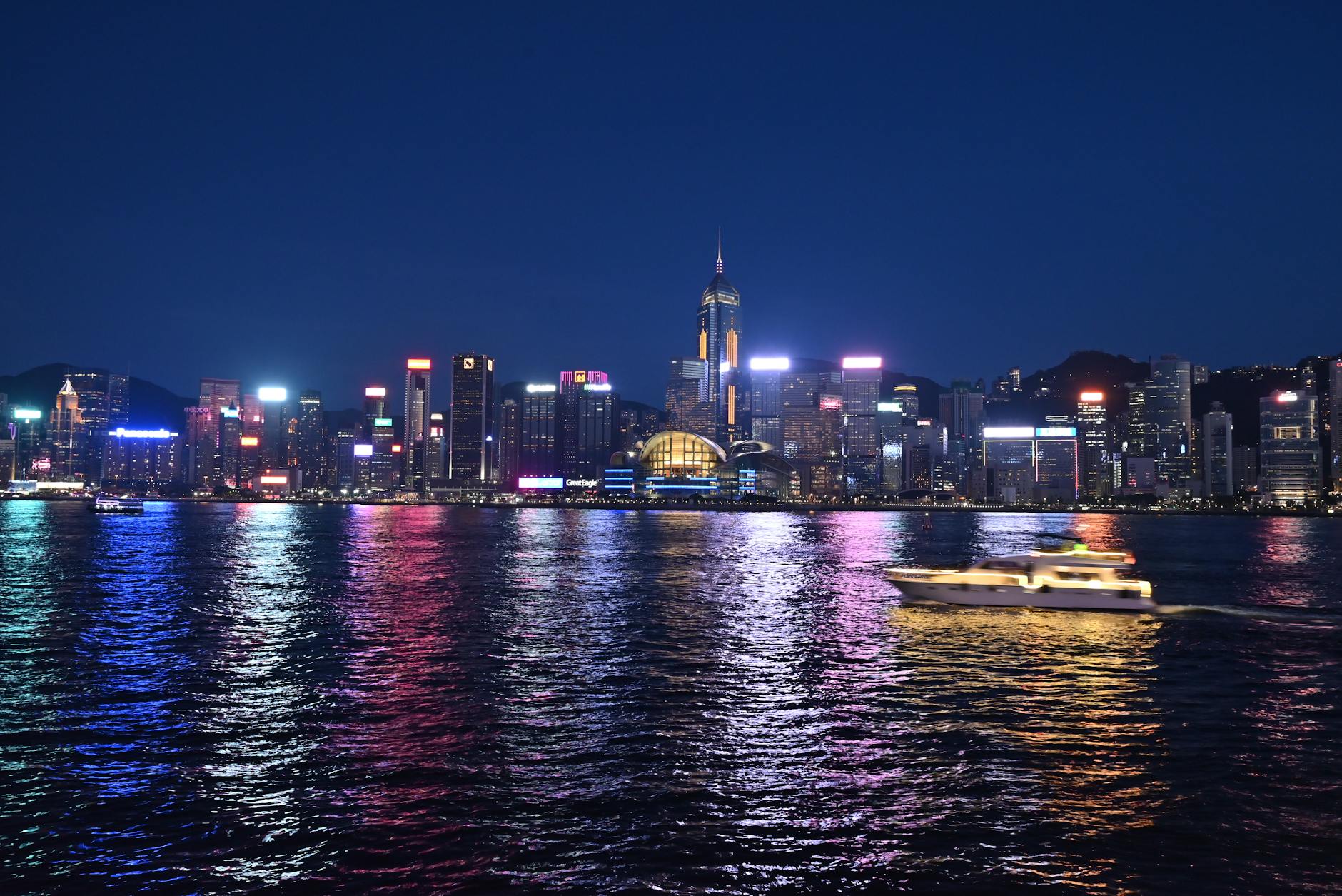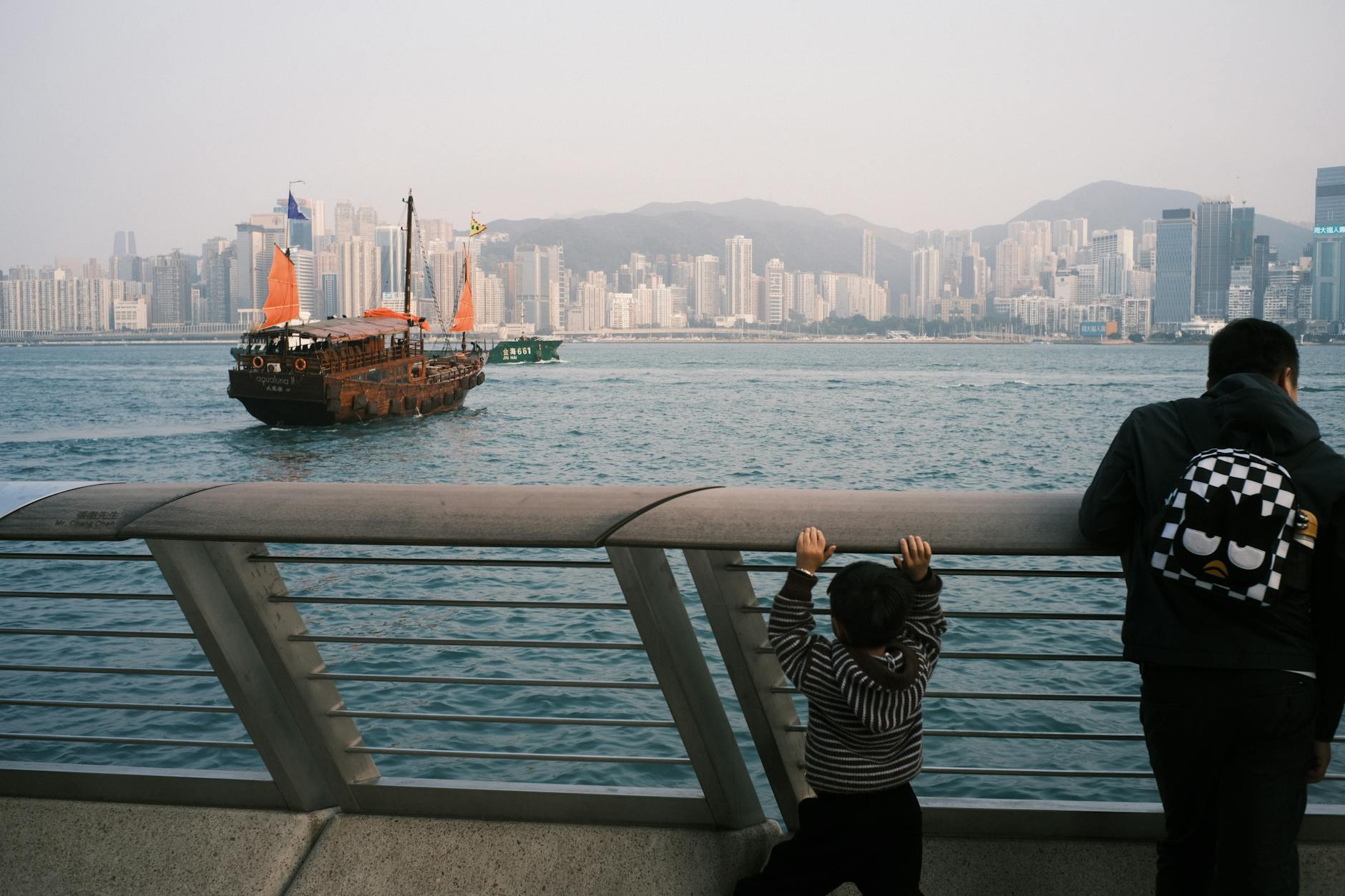
Tsim Sha Tsui can work well for families because it puts hotels, harbor views, ferries, museums, restaurants, shopping, and transit close together. It can also become difficult when room layouts are wrong, sidewalks are crowded, stroller routes are indirect, meals are chosen too late, and the family tries to fit too much into a short stay. A family trip should be planned around realistic movement and predictable recovery. The right Tsim Sha Tsui itinerary can still include strong Hong Kong moments, but it needs hotel choice, transport, meals, and weather alternatives to be settled before everyone is tired.
Choose a hotel room setup that actually fits
Families should treat room configuration as a core Tsim Sha Tsui decision. Connecting rooms, suite layout, crib availability, extra beds, bathroom privacy, lift speed, breakfast logistics, laundry, refrigerator access, and noise can matter more than a famous view. A beautiful hotel can still be frustrating if the room does not support sleep and routines.
The family should also check entrance access, taxi pickup, stroller routes, nearby meals, and how easy it is to return for a rest. The best family hotel is often the one that makes repeated returns simple.
- Check connecting rooms, suite layout, cribs, extra beds, bathroom privacy, laundry, and refrigerator access.
- Compare hotels by stroller access, taxi pickup, breakfast, nearby meals, and rest returns.
- Prioritize sleep and routine over a room category that only looks better online.
Make airport arrival low-friction
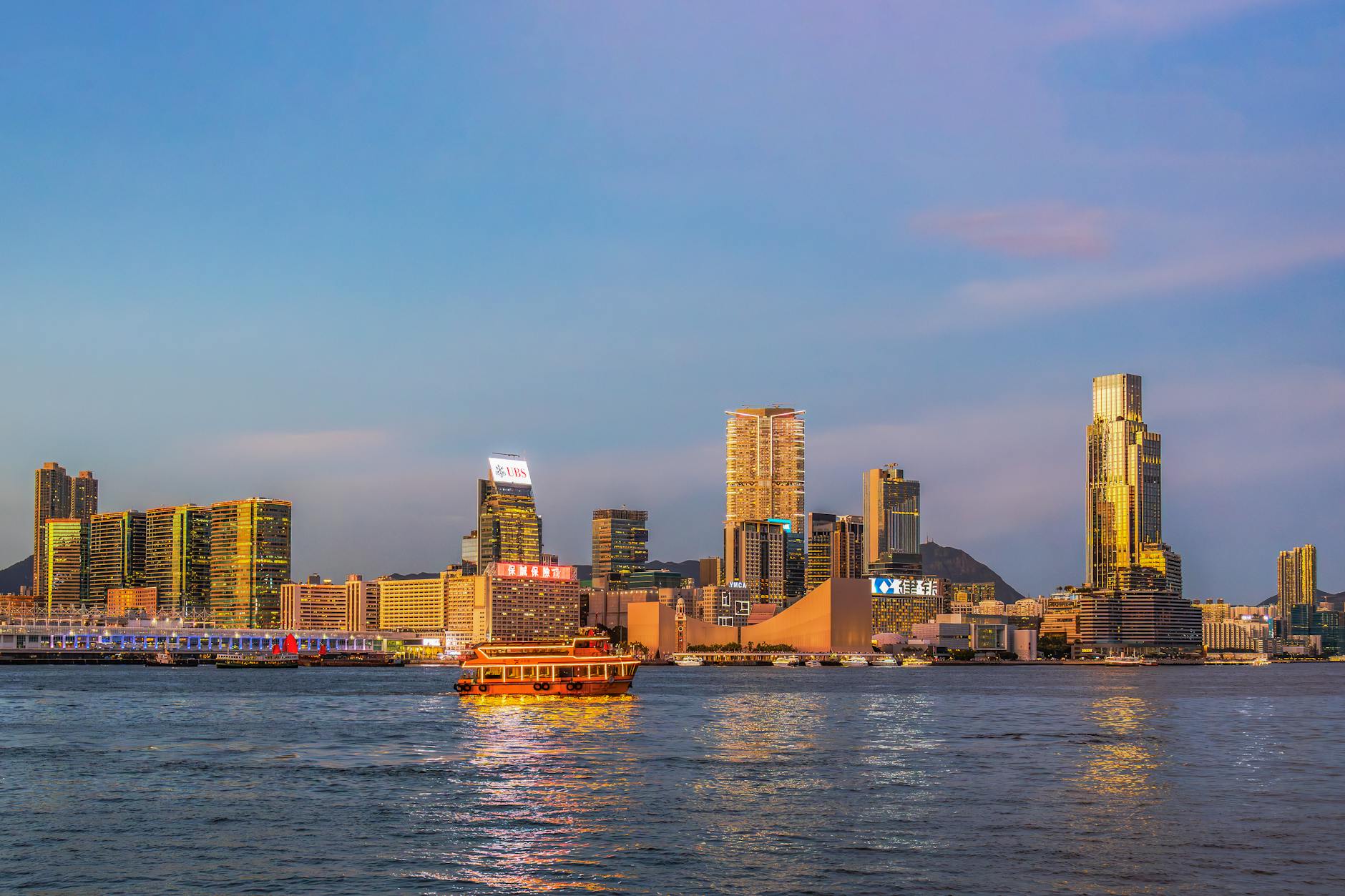
A family arrival into Tsim Sha Tsui should be planned before the flight. Airport Express, taxis, hotel cars, and MTR transfers can all work, but the best choice depends on luggage, stroller size, child ages, arrival time, and how tired the group will be. The cheapest route may not be the best route after a long flight.
The family should know the hotel address, payment method, car-seat expectations, luggage capacity, and what to do if the room is not ready. A calm arrival can set the tone for the entire short stay.
- Choose airport transfer by luggage, stroller, child ages, arrival time, and fatigue.
- Confirm address, payment, luggage capacity, car-seat expectations, and early-arrival plan.
- Avoid saving a small amount on transport if it makes the first hour much harder.
Use short, rewarding routes
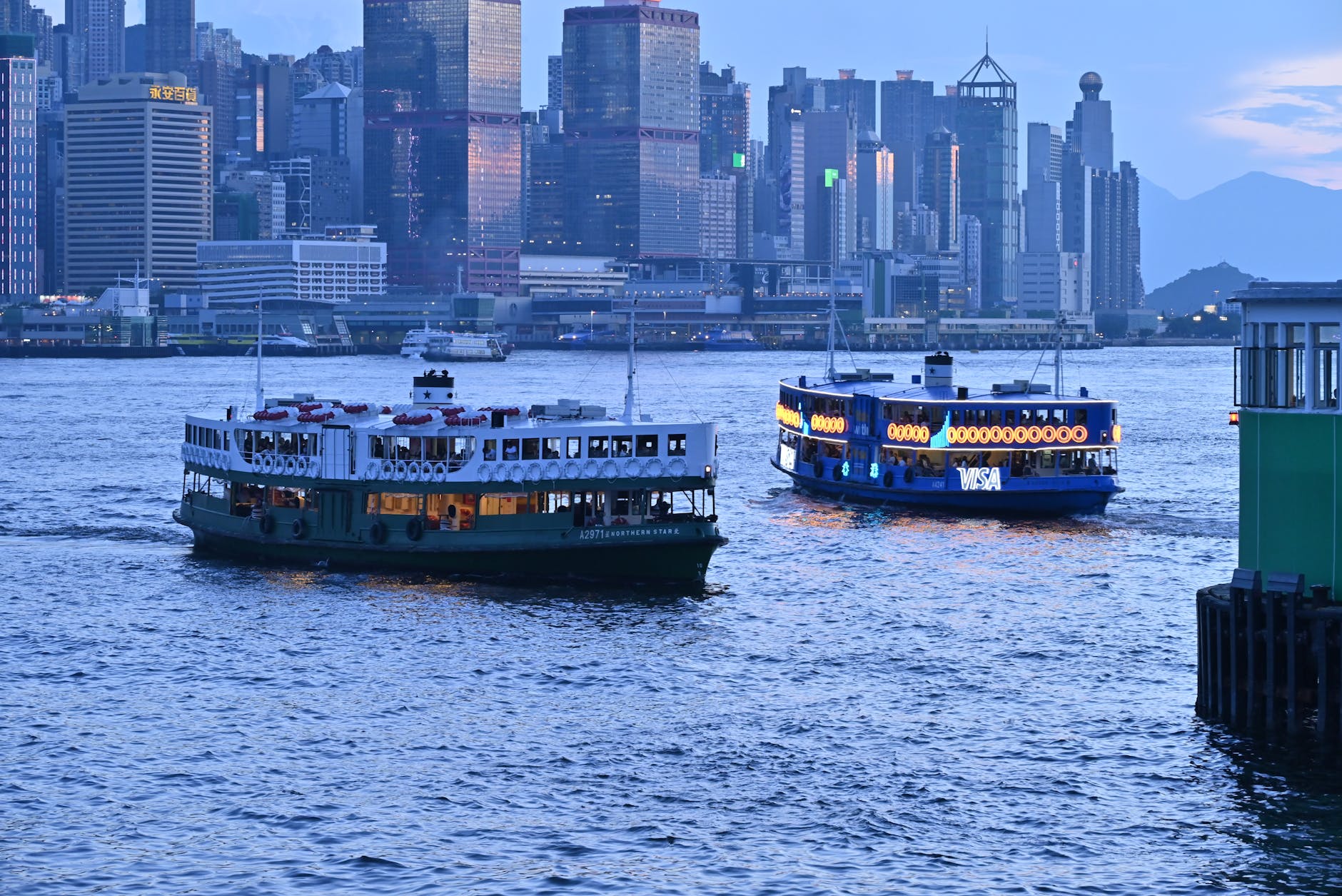
Families can get a lot from Tsim Sha Tsui without long travel days. A harbor walk, Star Ferry ride, museum stop, mall break, simple meal, or skyline view can be enough for one block of time. The problem is trying to combine too many districts when children, older relatives, heat, rain, and naps are part of the trip.
The family should design routes that can be shortened. Every plan should have a nearby exit: a taxi point, hotel return, indoor backup, quick meal, or place to sit. That gives the family room to adjust without losing the day.
- Build short route blocks around harbor walks, ferries, museums, meals, and skyline views.
- Keep taxi points, hotel returns, indoor backups, seating, and quick meals near each plan.
- Avoid multi-district days unless the family has enough time and stamina.
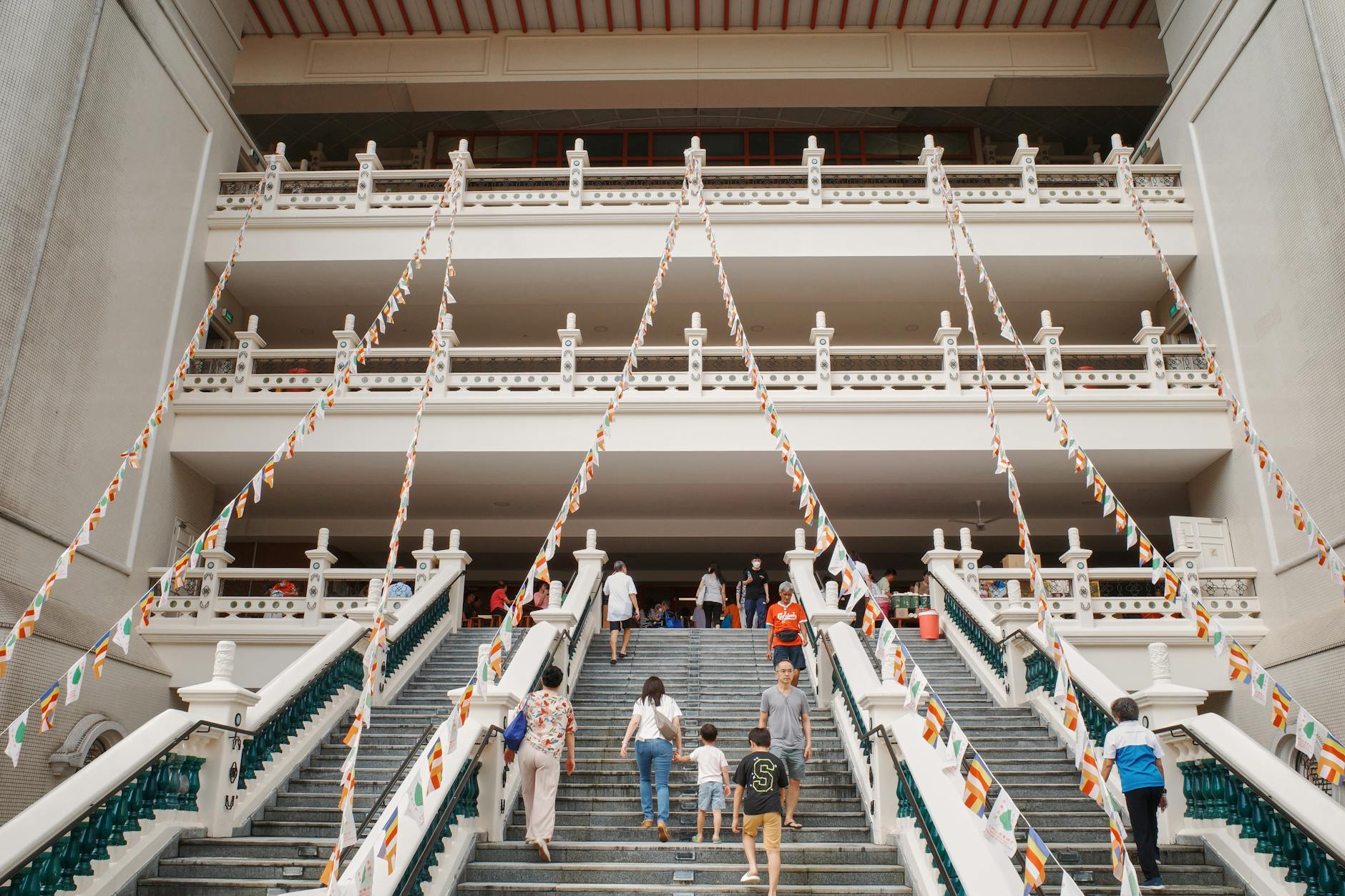
Choose meals before the group is hungry
Family meals in Tsim Sha Tsui should be practical. The traveler should identify options near the hotel, waterfront, museums, and transit points, then check seating, menus, wait times, stroller access, restroom access, noise, and payment. A famous restaurant may not be worth it if it creates a long wait with tired children.
The family should also keep snacks, water, and a late-arrival fallback. Meal planning is less about control and more about preventing the hardest decisions from happening when the group has the least patience.
- Preselect hotel-area, waterfront, museum-area, transit-area, and late-arrival meal options.
- Check seating, menus, waits, stroller access, restrooms, noise, payment, and child tolerance.
- Carry snacks and water so meal timing does not control the whole day.
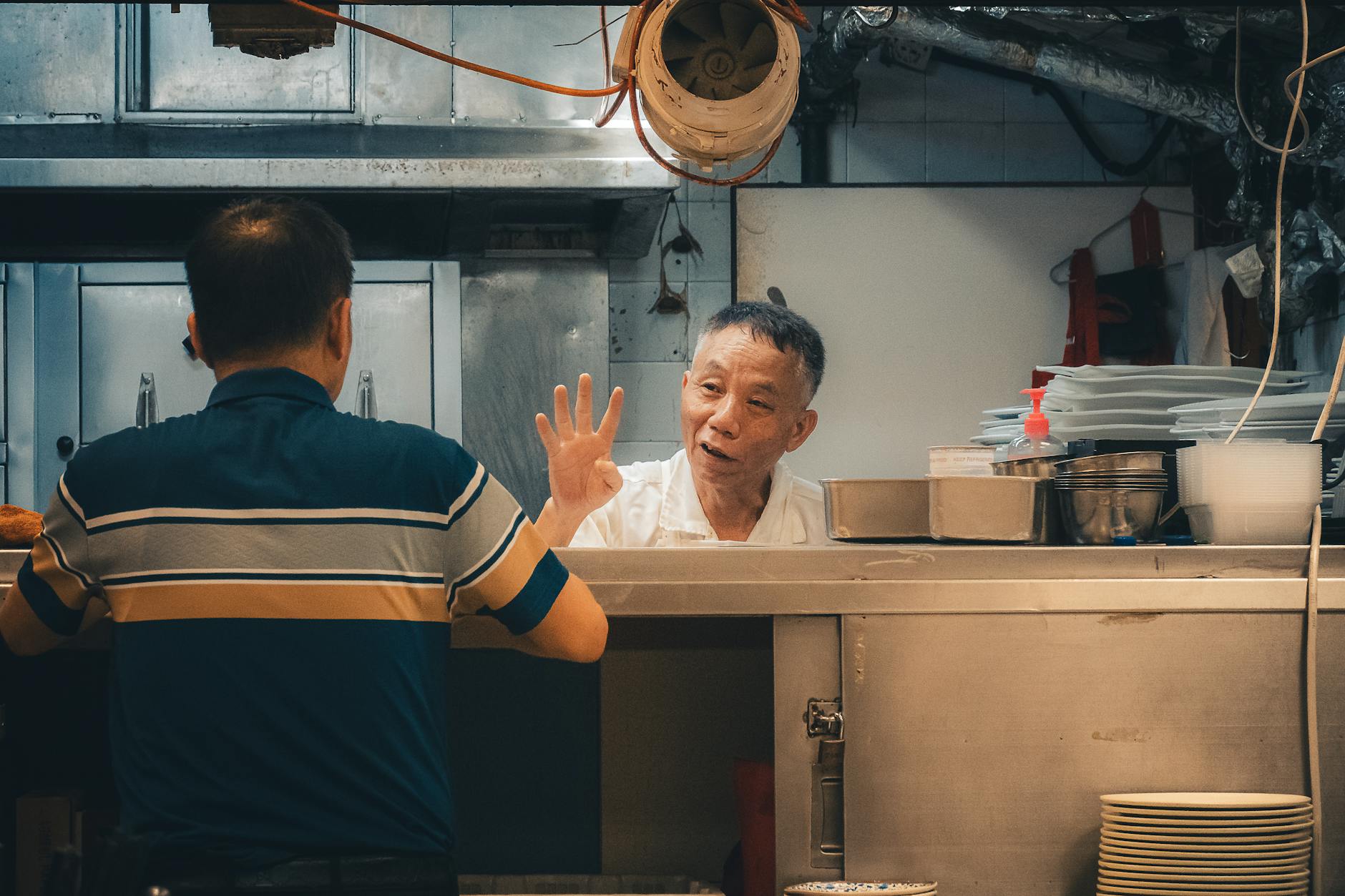
Match transport to the youngest or slowest traveler
In Tsim Sha Tsui, the best family transport choice is not always the fastest one. MTR can be efficient but may involve long station walks and crowded exits. The Star Ferry can be memorable but requires timing and pier access. Taxis can help with fatigue, bags, or rain, but pickup points and traffic matter.
The family should choose transport based on the person with the lowest stamina at that moment. That may be a child, an older relative, or the adult carrying bags. A realistic route protects everyone from preventable frustration.
- Choose MTR, ferry, taxi, or walking by child age, stroller, bags, weather, fatigue, and crowd level.
- Check lifts, station exits, pier access, taxi points, and return routes before leaving.
- Plan around the slowest traveler rather than the theoretical fastest route.
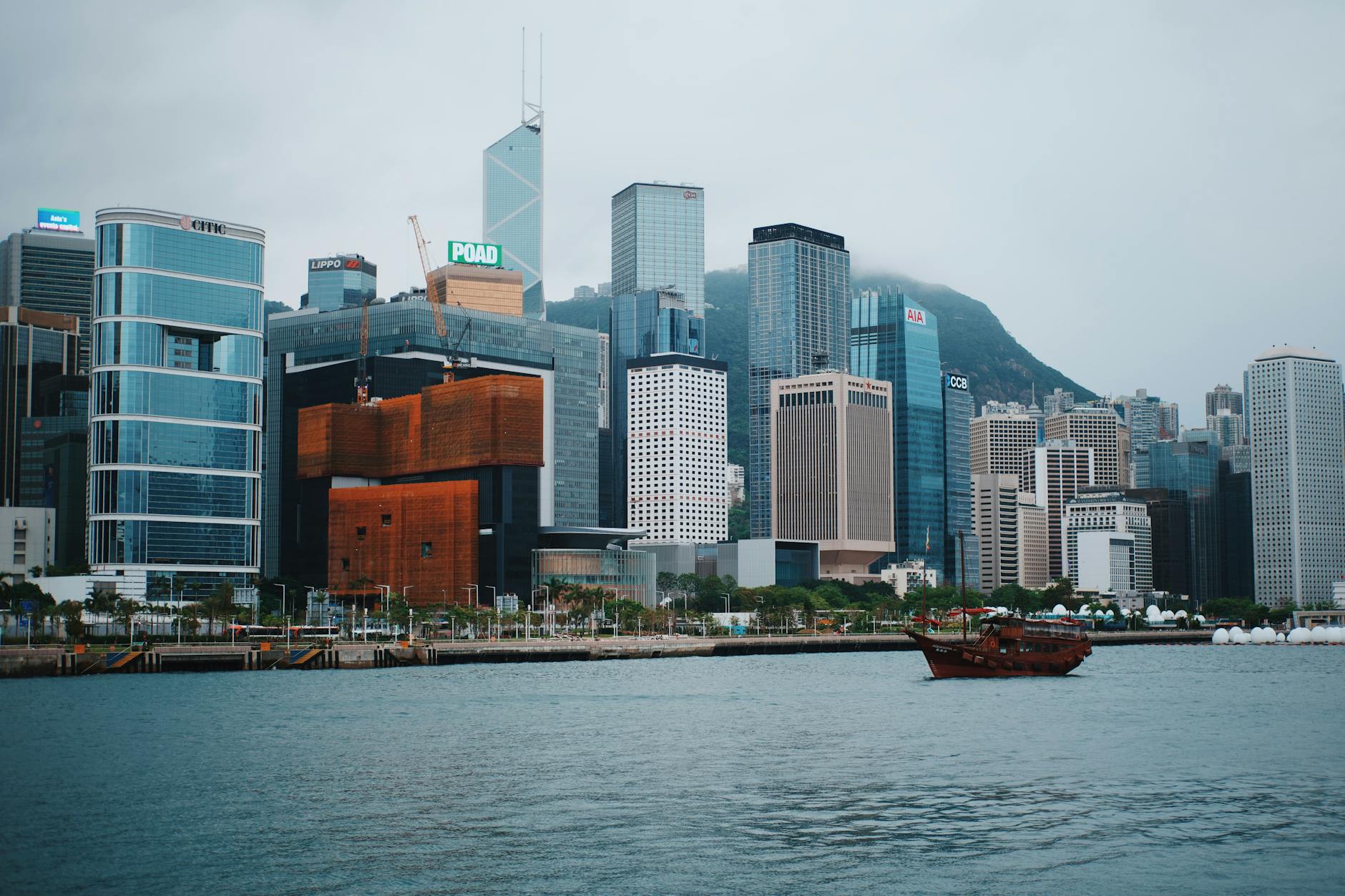
Plan for crowds, heat, rain, and separation risk
Tsim Sha Tsui can be crowded around the waterfront, stations, malls, hotels, and evening viewing areas. Families should plan for humidity, rain, cold interiors, stroller friction, tired children, and the chance of temporary separation in dense spaces. Simple rules and meeting points matter.
The family should carry water, layers, battery backup, hotel information, and any essential medicine. It should also identify indoor alternatives before bad weather arrives. A family day is more resilient when the backup plan is already close by.
- Set meeting points and simple separation rules for waterfront, station, mall, and hotel crowds.
- Carry water, layers, battery backup, hotel details, medicine, and payment backup.
- Use indoor alternatives during heat, rain, or crowd peaks.
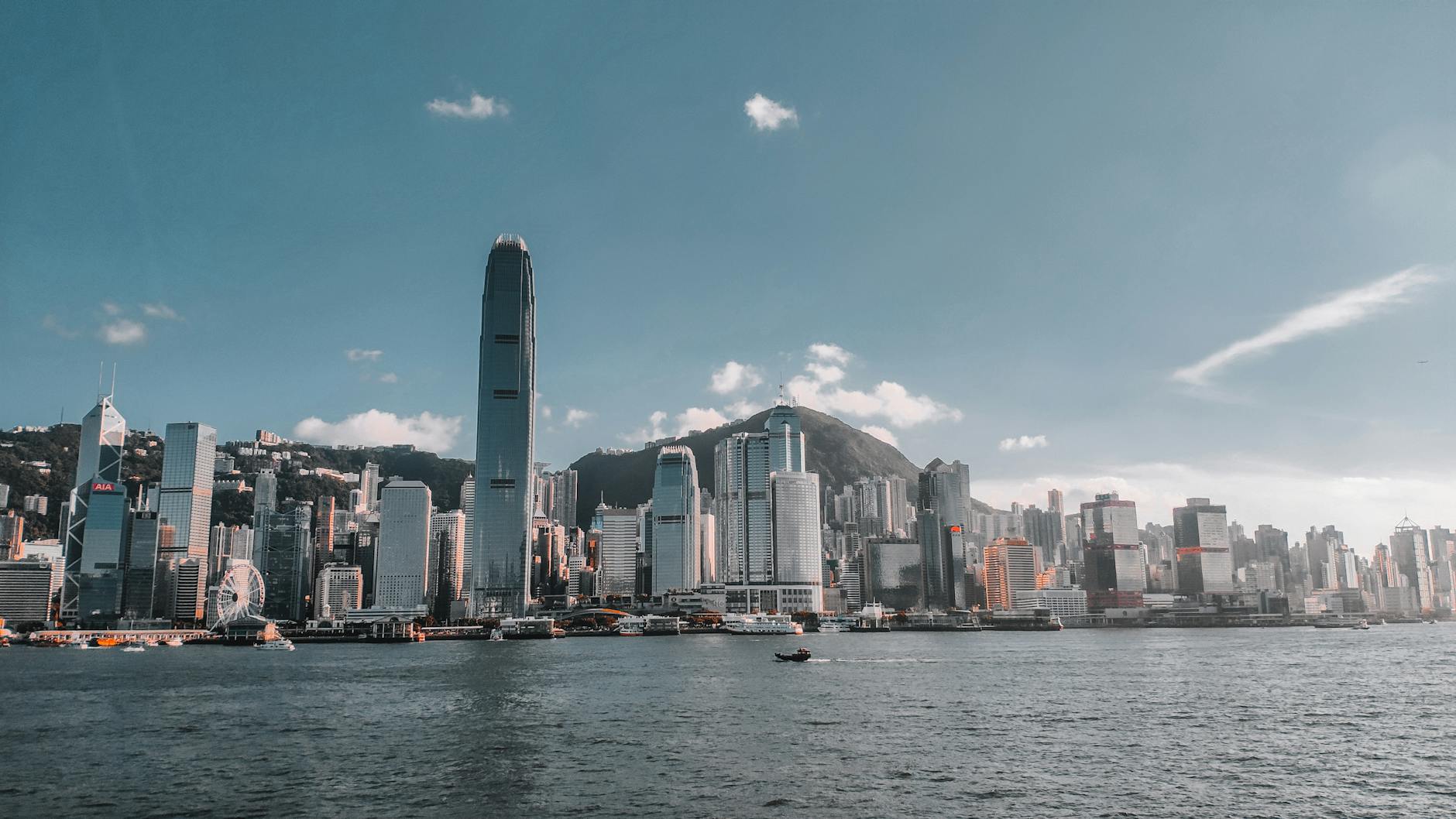
When to order a short-term travel report
A family with a simple hotel, older children, and flexible time may not need a custom Tsim Sha Tsui report. A report becomes useful when the stay is short, room configuration matters, the group includes young children or older relatives, arrival timing is awkward, stroller access is uncertain, or the family wants to combine Hong Kong highlights without turning every day into a negotiation.
The report should test hotel fit, airport arrival, room setup, stroller and luggage movement, meals, child-friendly routes, ferries, MTR and taxi choices, weather backups, rest blocks, budget, and what to cut. The value is a family Tsim Sha Tsui stay that feels full while still being manageable.
- Order when hotel setup, arrival, stroller routes, meals, weather, or mixed-stamina planning needs testing.
- Provide dates, child ages, hotel options, flight times, stroller needs, priorities, constraints, and budget.
- Use the report to make the family trip easier without removing the best Hong Kong moments.