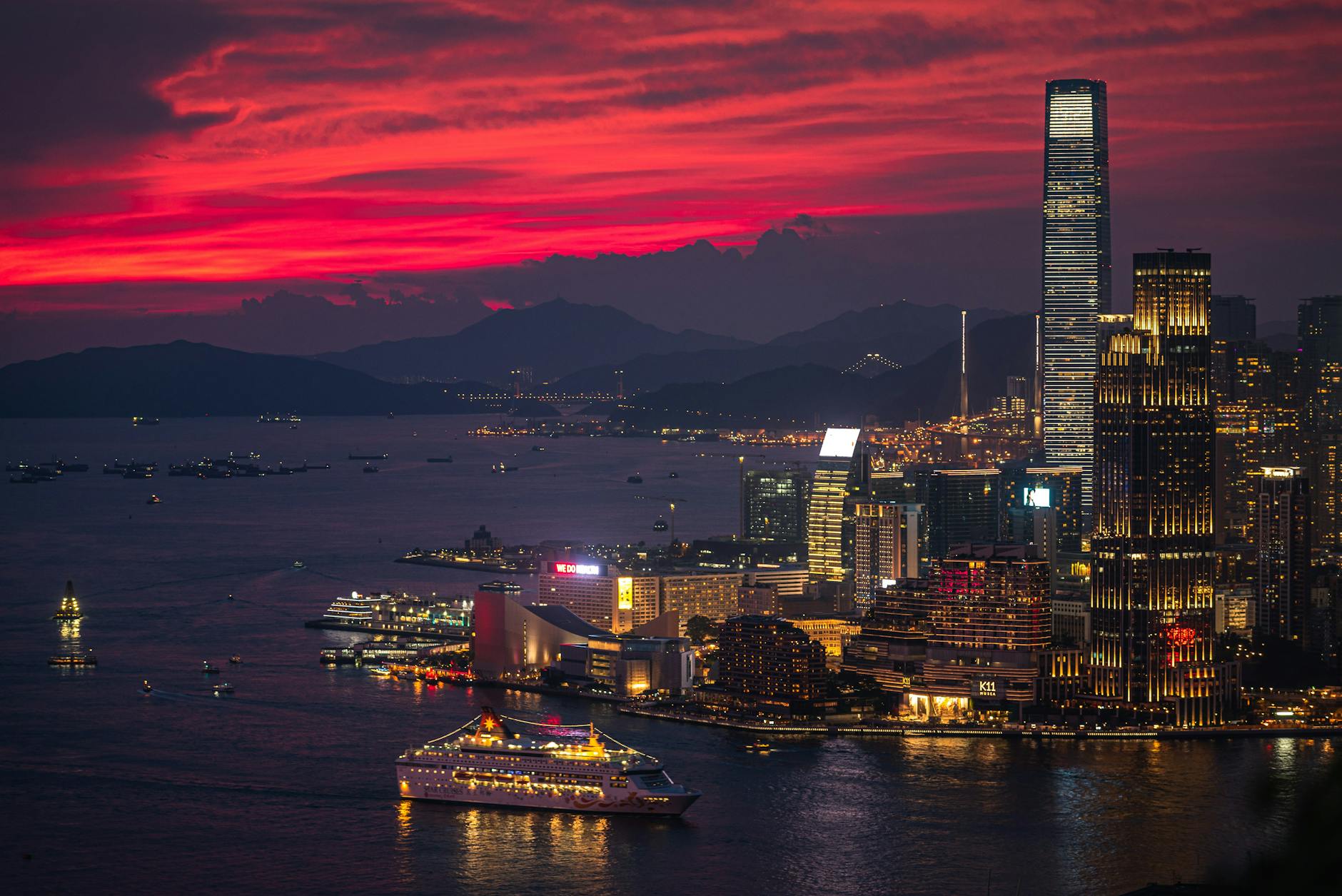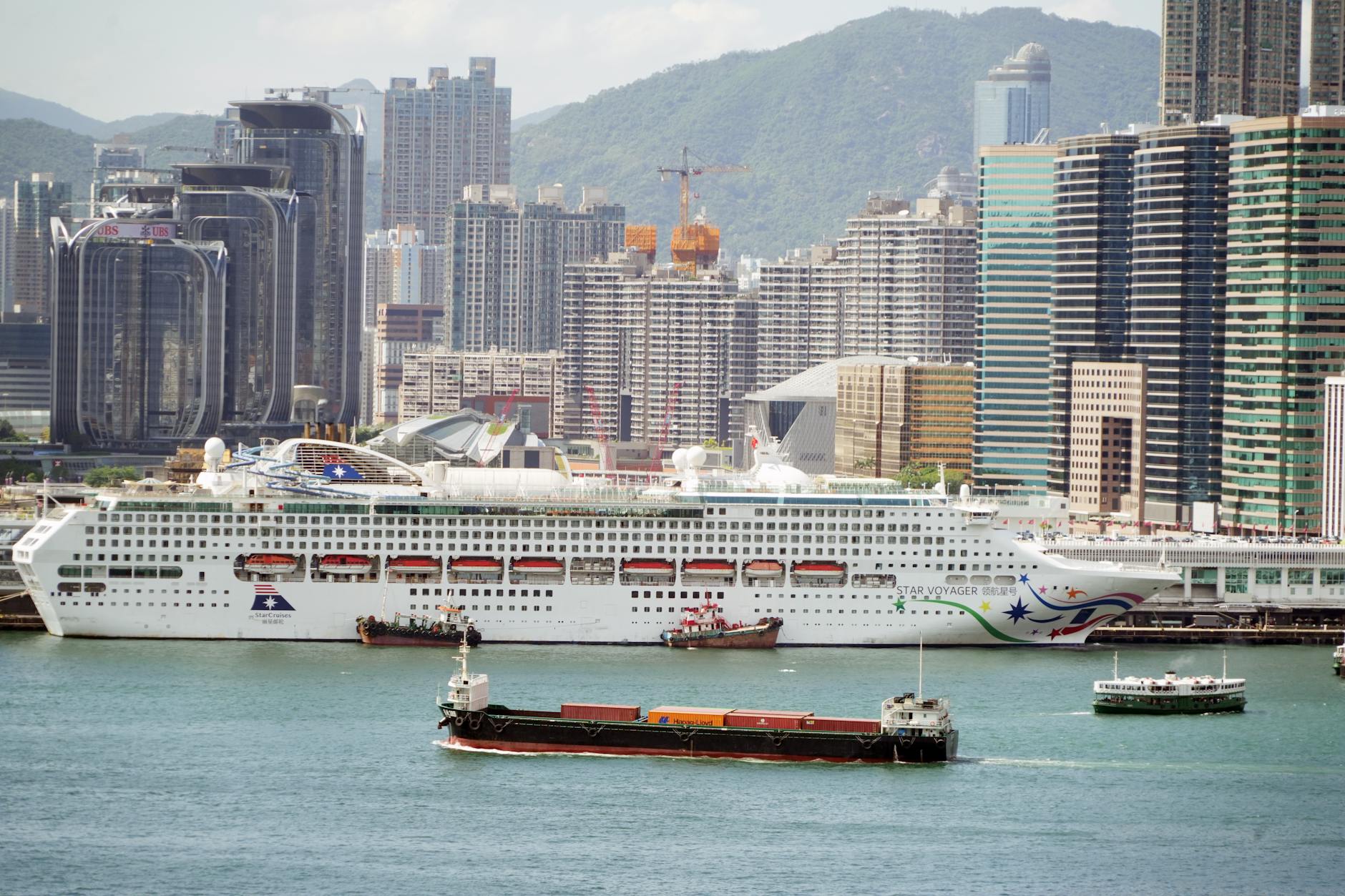
Tsim Sha Tsui can be one of Hong Kong's best short-stay areas for a cruise or port-call traveler because Ocean Terminal, the harborfront, hotels, ferries, restaurants, museums, and skyline views can sit close together. The catch is that not every cruise call puts the traveler directly in Tsim Sha Tsui. Kai Tak, shuttles, taxis, immigration flow, and all-aboard timing can change the day completely. A port day should be planned backward from the ship. The traveler should know where the ship docks, when passengers can leave, how long it takes to reach Tsim Sha Tsui, which activities are worth the shore window, and exactly when to start returning. A good port-call day feels independent without treating the ship's deadline casually.
Confirm the terminal before building the day
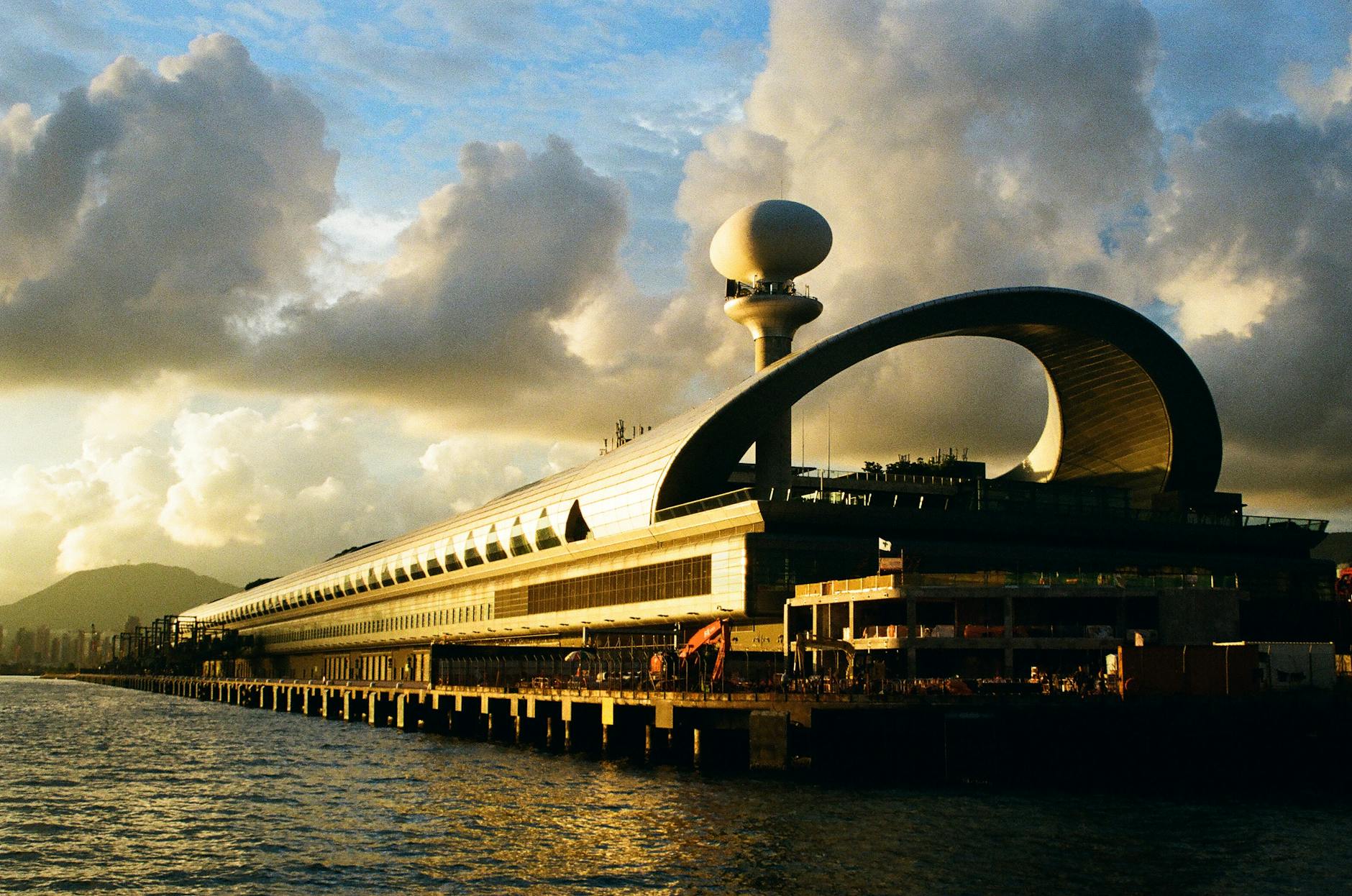
A cruise traveler should not assume that Tsim Sha Tsui is the starting point just because it is a sensible shore-day target. Ocean Terminal can make the district unusually convenient, while Kai Tak or a shuttle arrangement turns the first problem into transfer timing. The traveler should confirm the terminal, gangway process, immigration flow, shuttle rules, taxi access, and all-aboard time before choosing activities.
This first step determines whether the day can include a waterfront route, museum stop, Star Ferry crossing, meal, shopping, or only a short controlled loop. A port day with uncertain terminal details should stay conservative.
- Confirm terminal, gangway time, immigration, shuttles, taxi access, and all-aboard time.
- Treat Ocean Terminal and Kai Tak as different planning problems.
- Build the shore plan from the terminal reality rather than a generic Hong Kong list.
Calculate usable shore time honestly
The scheduled port call is not the same as usable Tsim Sha Tsui time. Disembarkation, terminal exit, transfer, traffic, queues, weather, lunch, shopping, walking distance, and the return buffer all shrink the day. The traveler should calculate the real window before adding the Peak, Central, museums, or long meals.
A strong Tsim Sha Tsui port day usually has one main anchor and a few nearby supports. That might be the waterfront, Star Ferry, a Cantonese meal, a museum, a shopping errand, or a skyline walk. It should not be a race through every famous Hong Kong image.
- Subtract disembarkation, transfer, traffic, queues, weather, meals, walking, and return buffer.
- Choose one main anchor and keep optional stops close enough to cut.
- Avoid adding distant sights before proving the shore window can support them.
Use the Star Ferry only when timing allows
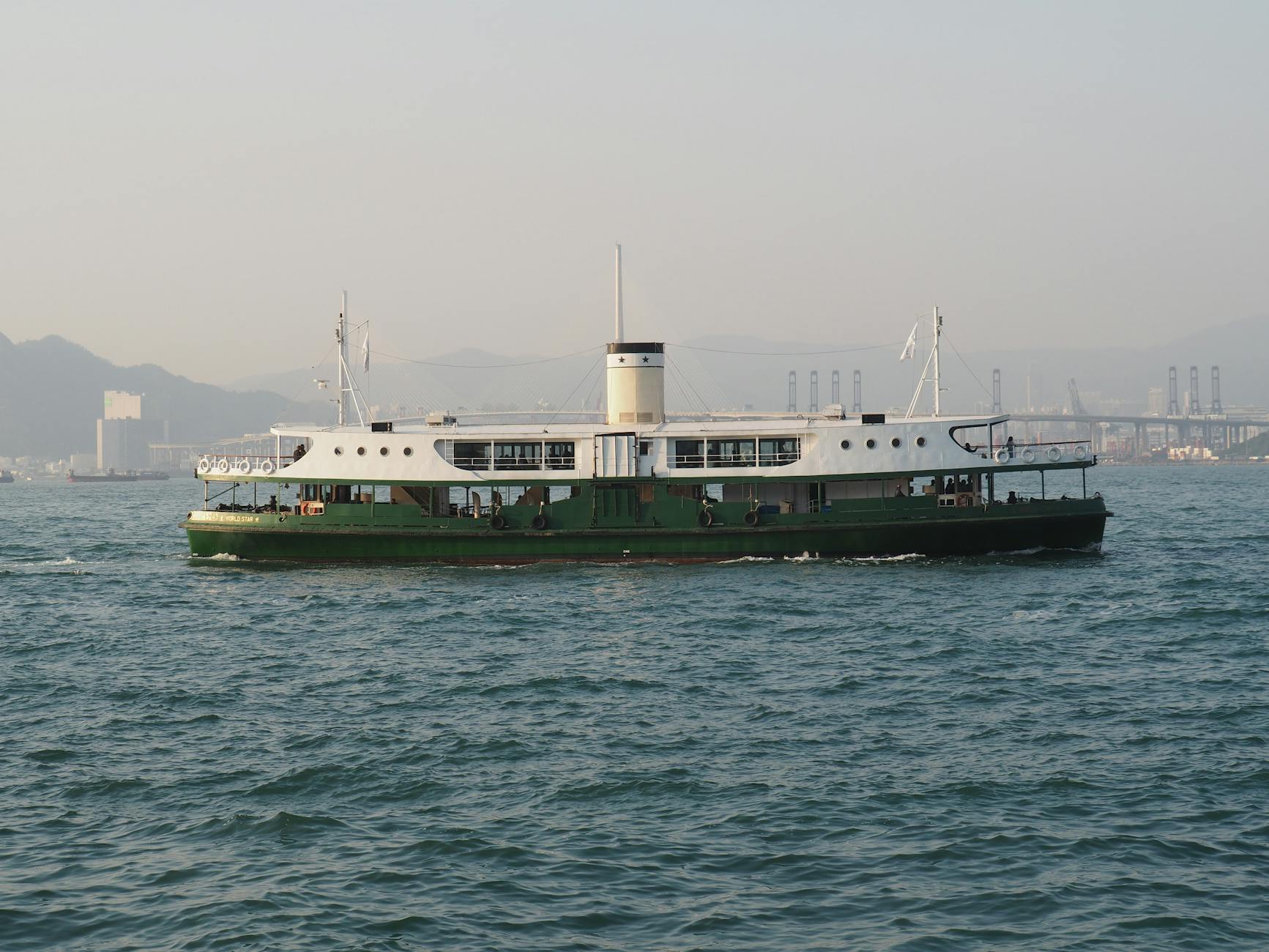
The Star Ferry can be one of the best parts of a Tsim Sha Tsui port call, especially for a traveler who wants a memorable harbor crossing without a complicated excursion. It is still a timed movement. Pier access, queues, weather, onward plans, return route, and the ship's deadline matter.
The traveler should decide whether the ferry is the main experience, a practical crossing to Central, or a scenic addition. If time tightens, the ferry may be the first thing to cut or the one thing worth preserving.
- Check pier access, ferry timing, queues, weather, onward route, and return plan.
- Decide whether the ferry is the main experience or only a scenic connector.
- Cut cross-harbor movement if it threatens the ship return.
Make the waterfront route compact and reversible
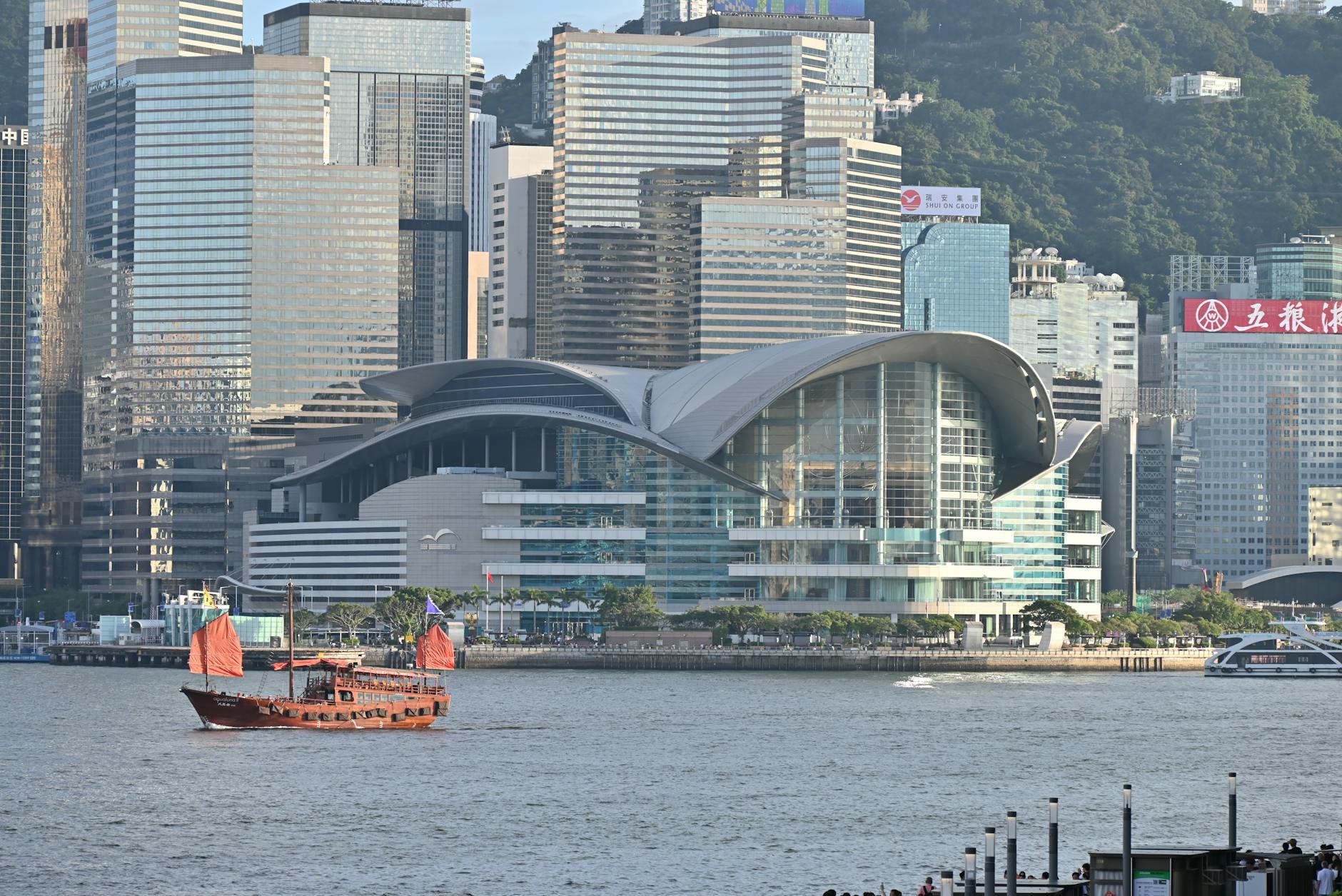
Tsim Sha Tsui's harborfront can give a cruise traveler a high-value Hong Kong day without moving far: skyline views, promenades, museums, hotels, shopping, and restaurants can sit within a compact area. The route should still be reversible. Crowds, heat, rain, event barriers, and photography stops can slow the day more than expected.
The traveler should keep the waterfront plan as a loop that can shrink. If the ship release is late or weather changes, the route should still deliver one or two worthwhile moments without creating return risk.
- Design a compact loop around the waterfront, museums, hotels, shopping, and meals.
- Account for crowds, heat, rain, event barriers, photo stops, and walking fatigue.
- Keep the route easy to shorten if the port day loses time.
Choose transfers for certainty, not cleverness
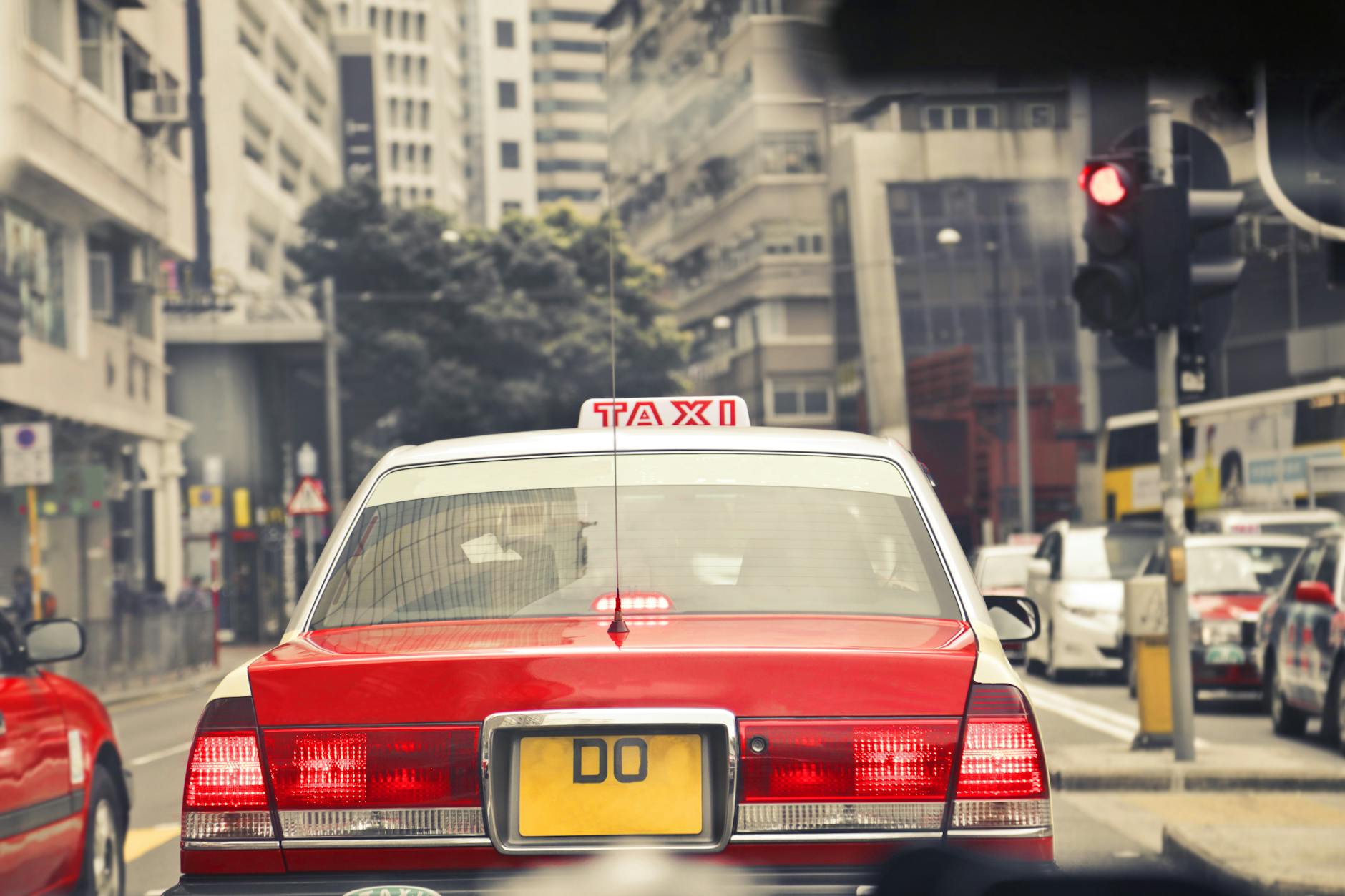
A cruise traveler should make transfers boring on purpose. Taxis, cruise shuttles, private cars, MTR, ferries, and walking links can all work in the right scenario, but port calls are not the time for fragile routing. The outbound transfer should be simple, and the return transfer should be even more conservative.
The traveler should know pickup points, taxi availability, payment options, traffic risk, and what to do if rain or queues change the plan. Saving a small amount can be a bad trade if it puts the all-aboard buffer under pressure.
- Choose transfers by certainty, not novelty or small savings.
- Know pickup points, payment, traffic risk, rain alternatives, and shuttle rules.
- Make the ship return more conservative than the outbound shore movement.
Plan meals and purchases around the return deadline
Tsim Sha Tsui offers strong shore-day meals, but restaurant timing can damage a port call if the traveler does not plan it. Reservations, queues, service pace, payment, dietary needs, and walking distance back to the terminal or transfer point should be checked. The same is true for shopping. Heavy purchases and late errands can make the final hour harder.
The traveler should identify a realistic meal, bathroom stops, water, and one shopping or errand zone if needed. A port day works best when meals and purchases support the return plan rather than compete with it.
- Choose meals by queue risk, service pace, dietary needs, payment, and return distance.
- Keep purchases light enough to carry through the final transfer.
- Set the latest safe departure from the district before sitting down to eat.
When to order a short-term travel report
A cruise passenger taking a ship-organized tour may not need a custom Tsim Sha Tsui report. A report becomes useful when the traveler wants to explore independently, has a short or uncertain port call, does not know the terminal, has mobility concerns, wants a meal or ferry route, or is trying to combine Tsim Sha Tsui with Central, the Peak, or shopping without risking the ship return.
The report should test terminal location, disembarkation timing, transfer options, shore-time math, waterfront routing, Star Ferry feasibility, meals, purchases, weather, mobility, return buffers, budget, and what to cut. The value is a Hong Kong port day that feels free but remains controlled.
- Order when terminal details, transfers, ferry choices, meals, mobility, or return buffers need testing.
- Provide cruise line, ship, port times, terminal if known, interests, constraints, and budget.
- Use the report to make an independent Tsim Sha Tsui port call realistic and safe.