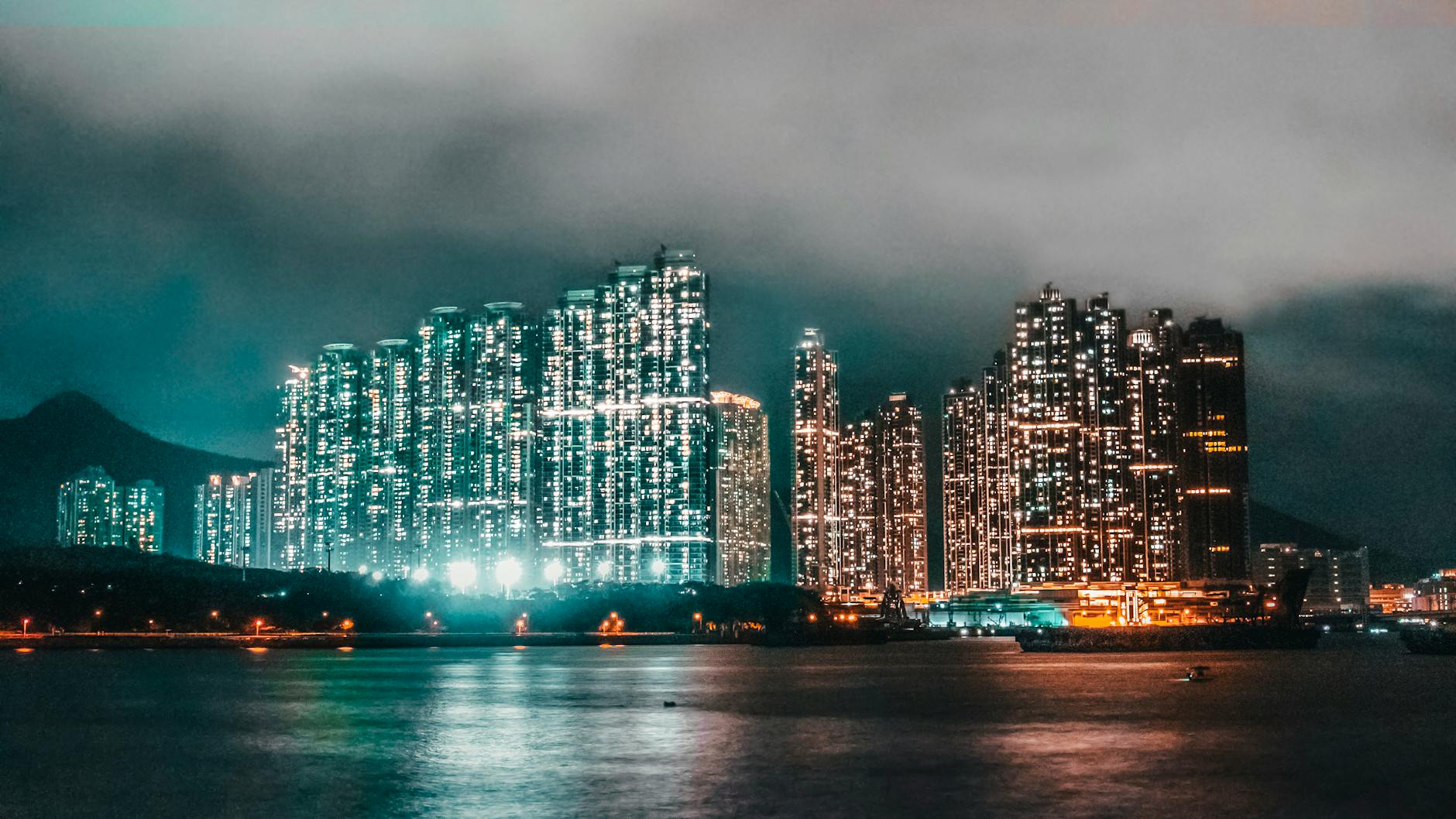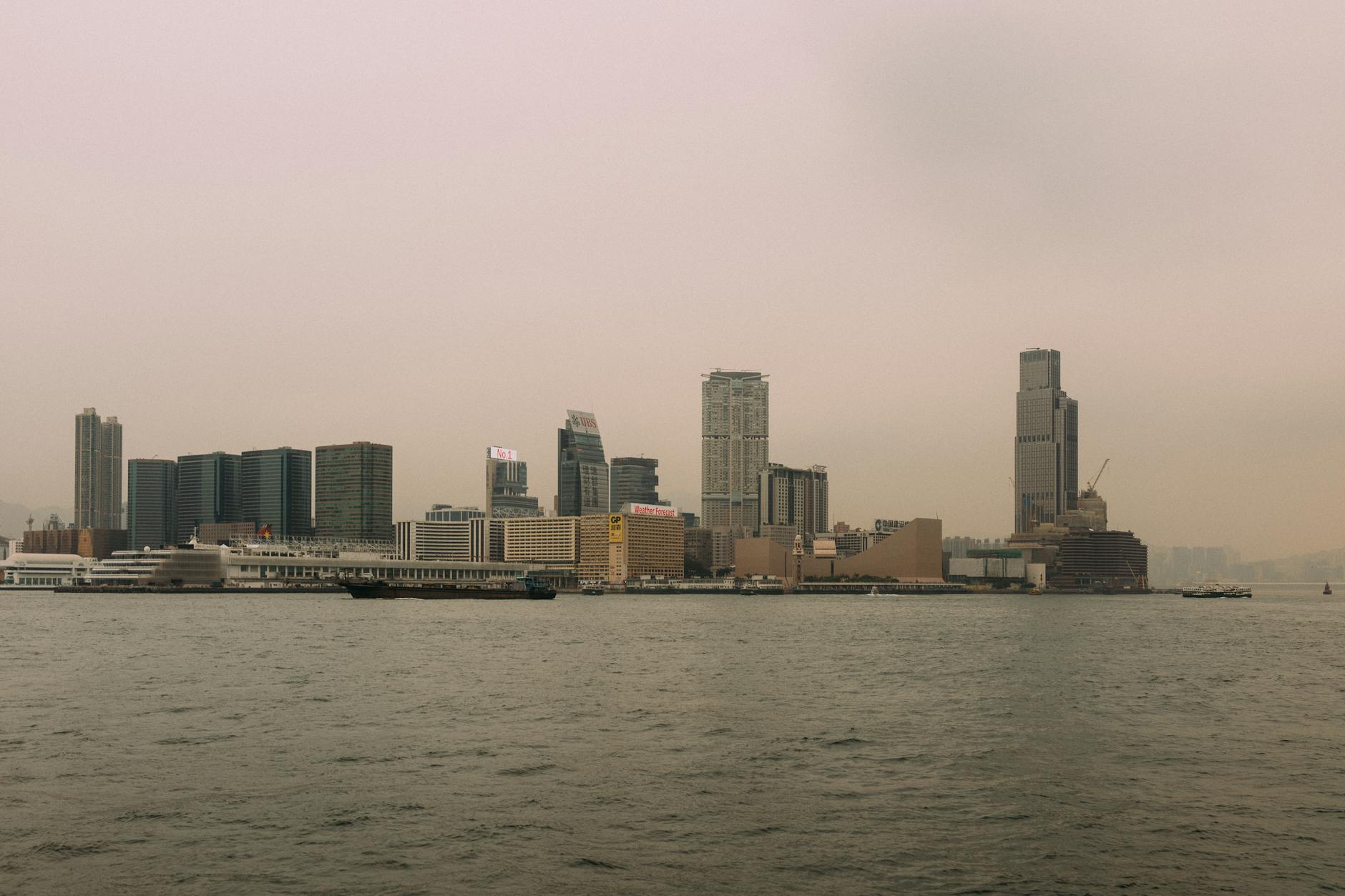
Tsim Sha Tsui is visually tempting for a content creator: skyline views, Star Ferry crossings, waterfront walks, hotels, restaurants, shopping streets, museums, and night scenes are close together. That density can produce strong work, but it can also lead to crowded, repetitive, or logistically messy content if the creator does not plan timing, angles, gear, and editing blocks. A short content trip should be built around usable output, not just famous locations. The creator should know which scenes serve the audience, when to shoot them, how to move with gear, where to edit, and what to skip so the trip does not become a scramble for the same images everyone already has.
Choose the hotel as a production base
A content creator should choose a Tsim Sha Tsui hotel by production usefulness as well as budget or view. Room light, desk space, Wi-Fi upload speed, quiet, charging points, gear storage, laundry, elevator access, taxi pickup, and proximity to early or late shoot locations all matter during a short trip.
The hotel may also be part of the story, but that should be intentional. A room with a view can be useful only if the creator has time and permission to use it properly.
- Check room light, desk, Wi-Fi, quiet, charging, storage, laundry, lifts, and taxi access.
- Compare hotels by early shoots, late returns, gear movement, and editing needs.
- Use a view or hotel scene only when it serves the content plan.
Plan light, crowds, and repeatable shots
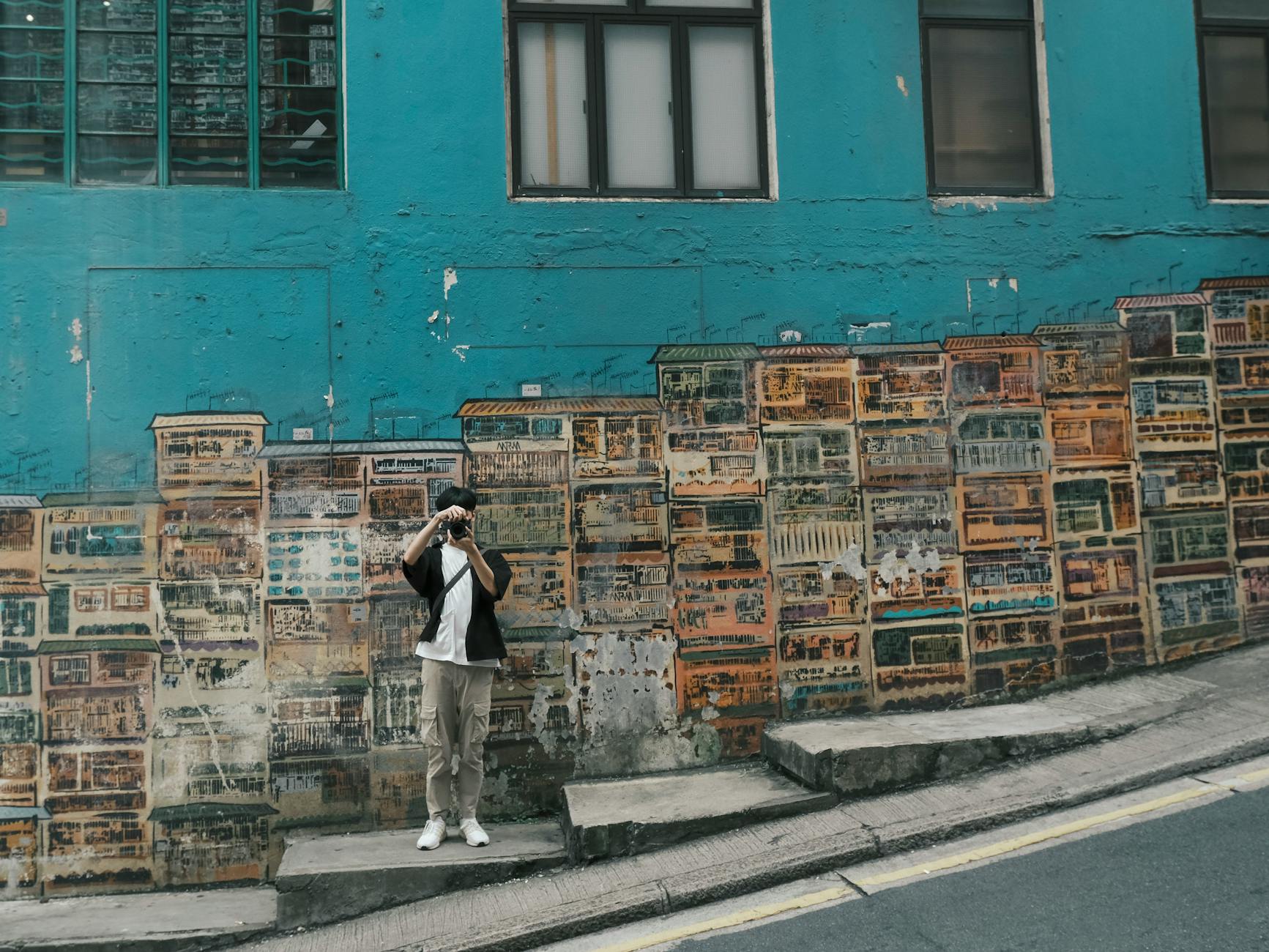
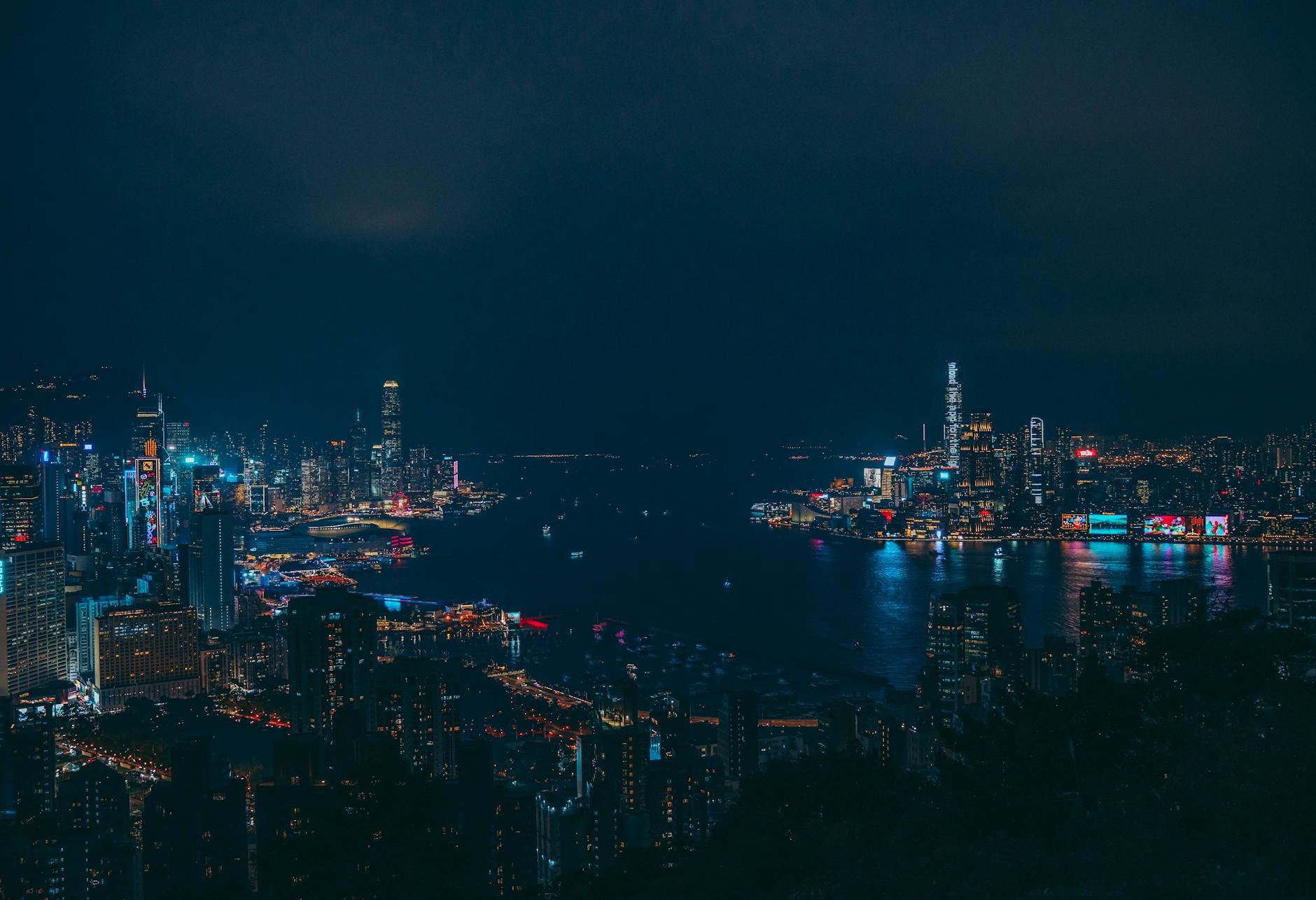
Tsim Sha Tsui's best-known scenes are highly dependent on light and crowd timing. The waterfront, ferry, skyline, shopping streets, museums, and night views can look very different by hour, weather, and season. A content creator should identify priority shots and the best time windows before arrival.
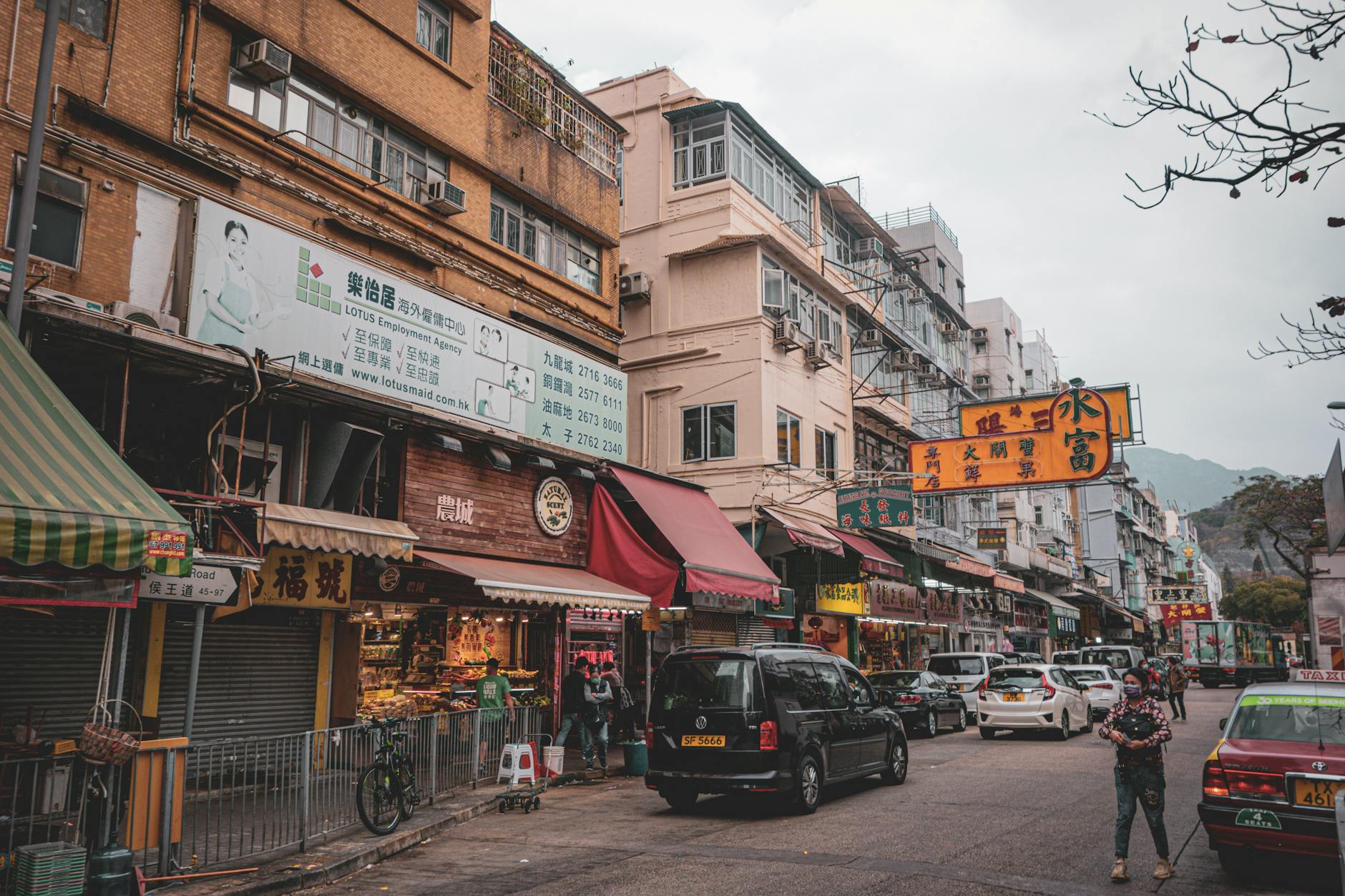
The creator should also avoid relying only on obvious skyline angles. A stronger short trip usually mixes recognizable Hong Kong visuals with smaller details that match the audience.
- Plan waterfront, ferry, skyline, street, museum, and night shots by light and crowd timing.
- Mix iconic views with smaller details that fit the audience.
- Keep backup scenes for haze, rain, construction, or event barriers.
Check permission, etiquette, and commercial limits
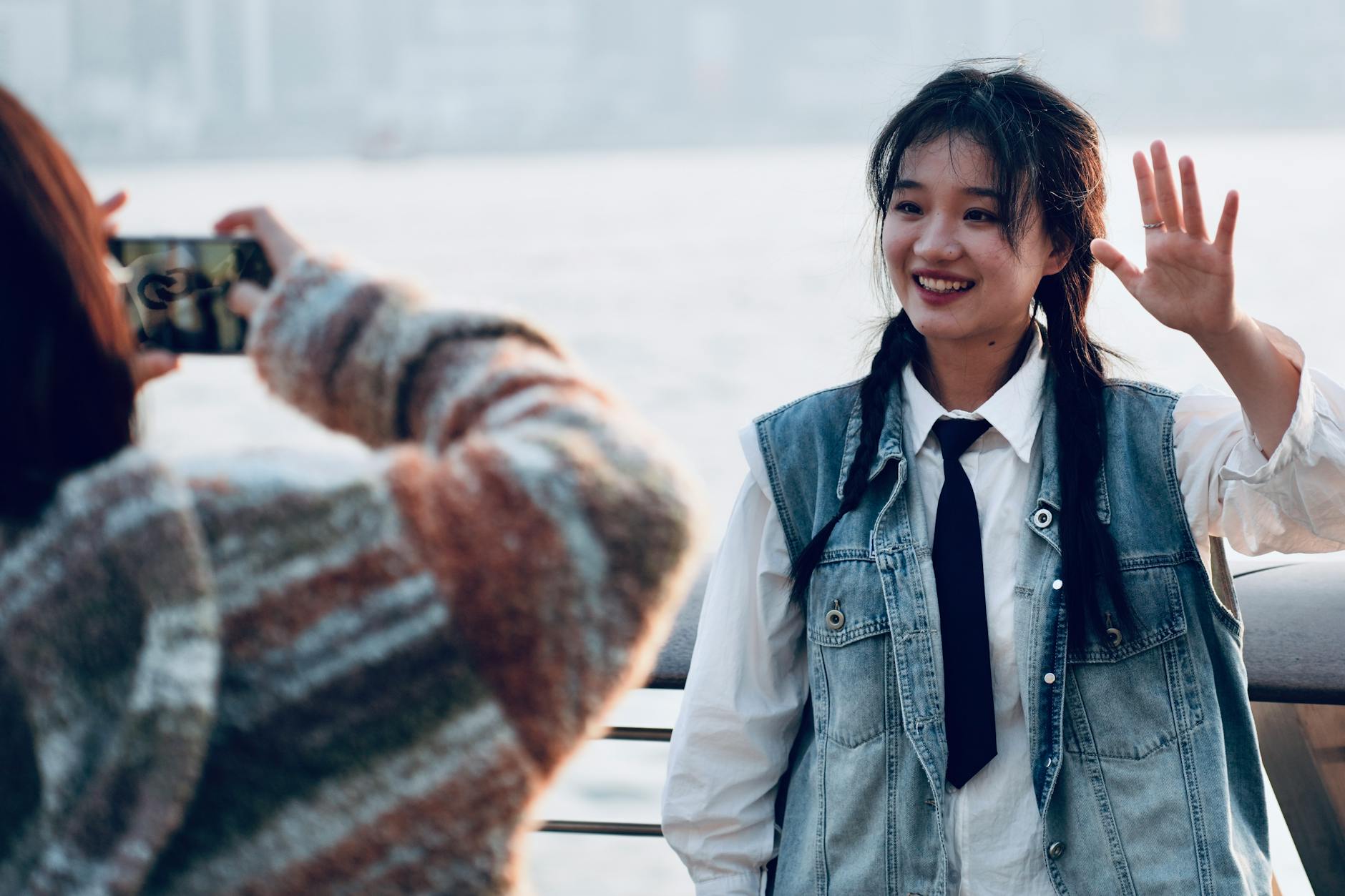
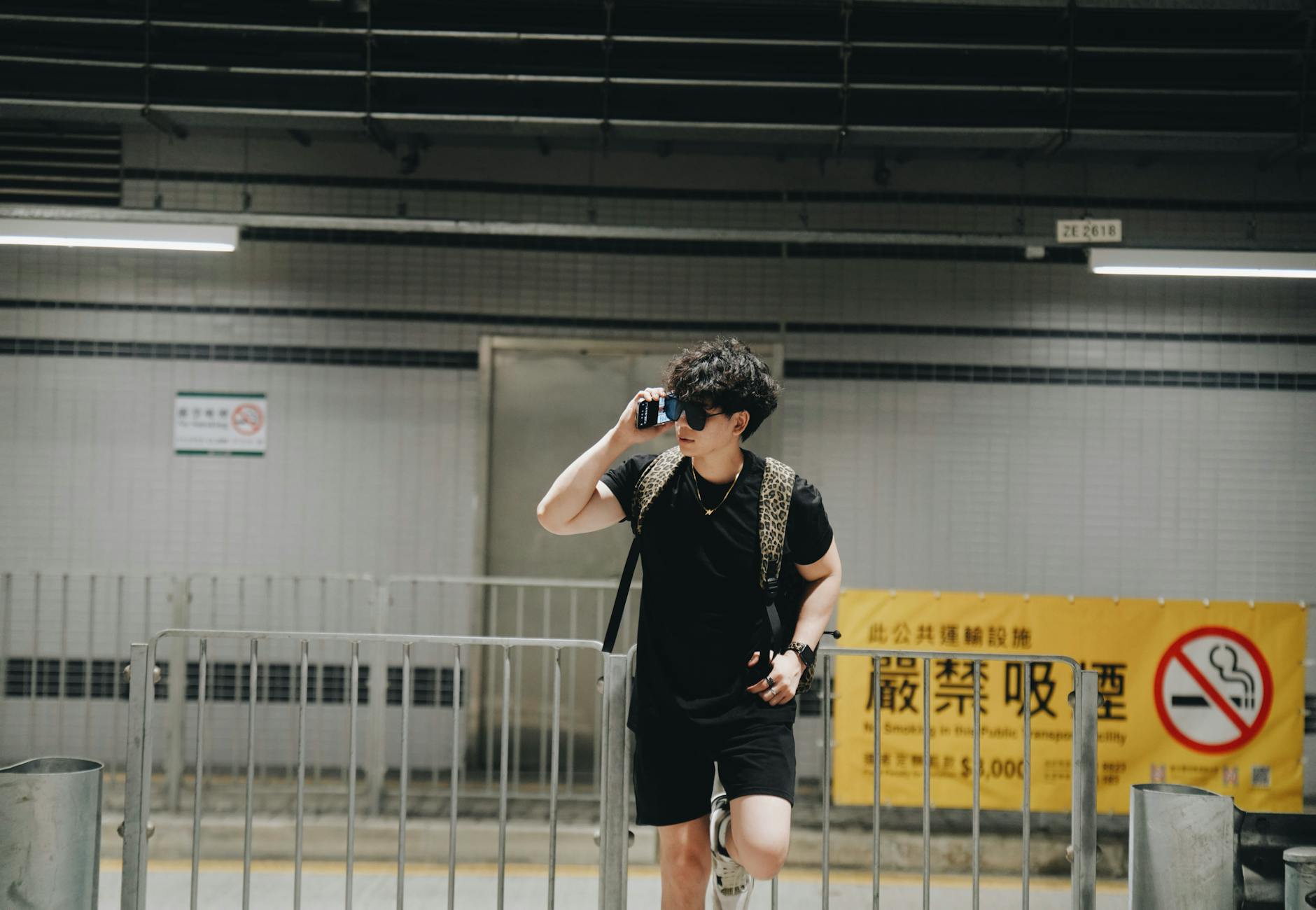
A creator should think about permission before filming in hotels, malls, restaurants, museums, transit spaces, and around people. Casual personal content is not the same as commercial production. Tripods, microphones, drones, staged shoots, paid collaborations, and identifiable people can raise different issues.
The creator should confirm venue rules, brand obligations, disclosure needs, and whether a shoot could create inconvenience or unwanted attention. Respectful production protects both the content and the destination.
- Check rules for hotels, malls, restaurants, museums, transit spaces, people, and commercial shoots.
- Plan around tripods, microphones, drones, staged work, brand obligations, and disclosures.
- Avoid shoots that create disruption, unwanted attention, or permission problems.
Move with gear without losing the day
Tsim Sha Tsui can be crowded and humid, which matters when carrying cameras, batteries, gimbals, microphones, tripods, lights, wardrobe, or laptops. The creator should choose gear by the day's real output, not by every possible shot. MTR, ferry, taxis, and walking each have different tradeoffs with gear.
A lighter kit can produce better content if it allows more movement and less fatigue. The creator should also plan charging, file backup, rain protection, and safe storage.
- Choose gear by planned output, weather, crowds, transport, and stamina.
- Plan charging, file backup, rain protection, safe storage, and battery swaps.
- Use taxis or hotel returns when gear weight starts controlling the day.
Make meals part of the content plan
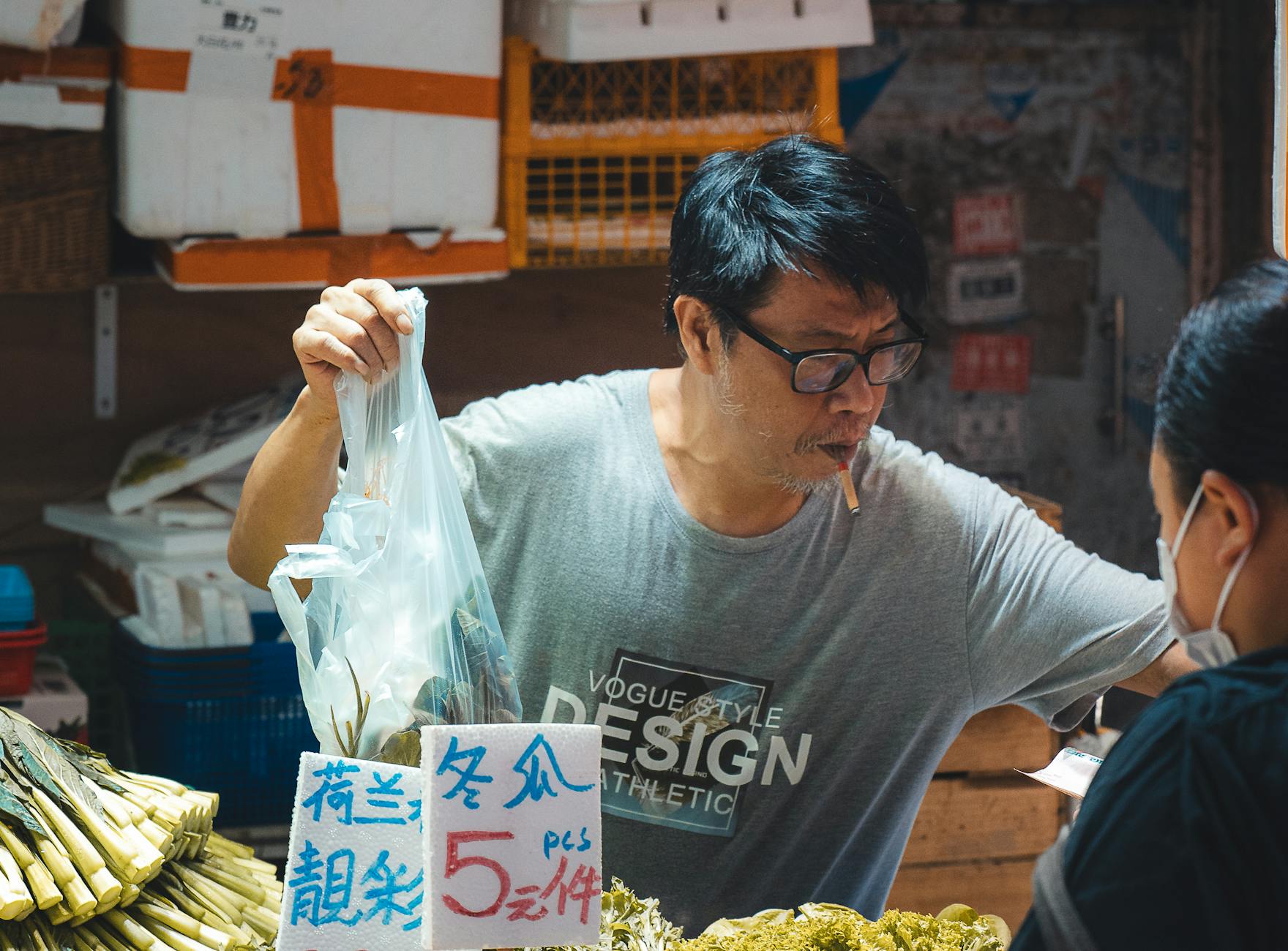
Tsim Sha Tsui has strong food content potential, but the creator should choose restaurants by story, light, noise, permission, seating, queue tolerance, budget, and whether filming is appropriate. A famous meal may not be the right content if the environment is too dark, rushed, or restrictive.
The creator should also separate meals for work from meals for recovery. Not every meal needs to be filmed, and over-documenting can make the trip less useful.
- Choose food content by story, light, noise, permission, seating, queues, budget, and audience fit.
- Separate filmed meals from recovery meals.
- Keep simple meal options near the hotel for editing or low-energy days.
Protect editing and publishing blocks
A short content trip can fail after the shoot if editing, file management, captions, approvals, and uploads are left for the end. The creator should schedule blocks for backups, selects, rough edits, brand review, posting windows, and analytics. Tsim Sha Tsui has enough distractions that this work will not happen automatically.
The creator should also plan for internet reliability, power, time-zone posting, and whether content must be published during the trip or after returning home.
- Schedule backups, selects, edits, captions, approvals, posting windows, and analytics review.
- Check Wi-Fi, power, upload time, brand deadlines, and time-zone needs.
- Protect editing blocks from being absorbed by extra sightseeing.
When to order a short-term travel report
A content creator with flexible time and no deliverables may not need a custom Tsim Sha Tsui report. A report becomes useful when the trip has brand obligations, tight posting windows, limited daylight, gear constraints, hotel choice uncertainty, commercial permission concerns, or a need to make the content feel distinct from standard Hong Kong skyline coverage.
The report should test hotel production fit, shot timing, permissions, routes, gear movement, meals, weather, editing blocks, audience fit, budget, and what to cut. The value is a short creator trip that produces usable work instead of only collecting footage.
- Order when hotel fit, shot timing, permissions, gear, brand work, or editing blocks need testing.
- Provide dates, platform goals, deliverables, hotel options, gear, constraints, and budget.
- Use the report to turn a short Tsim Sha Tsui stay into usable content.