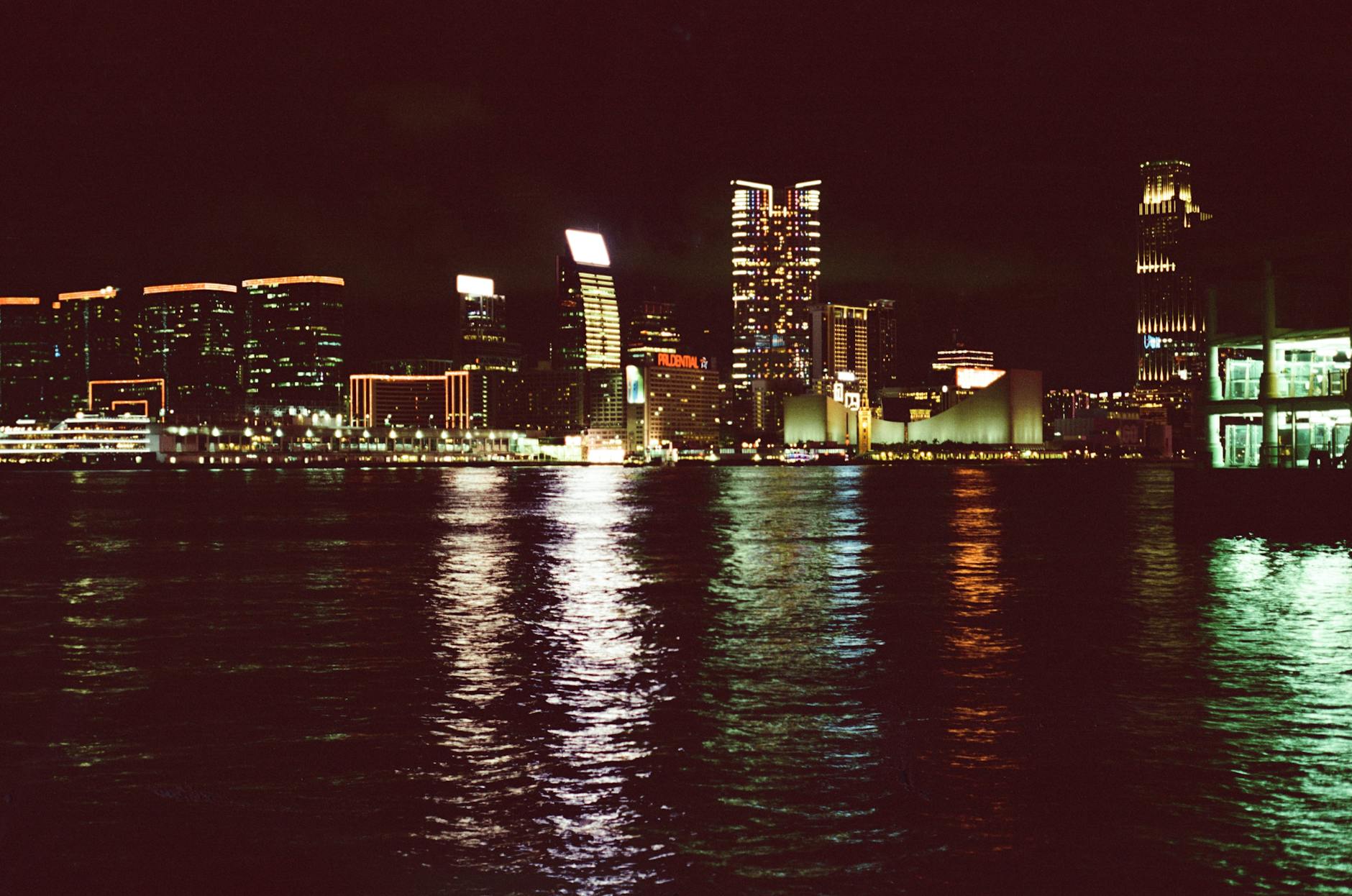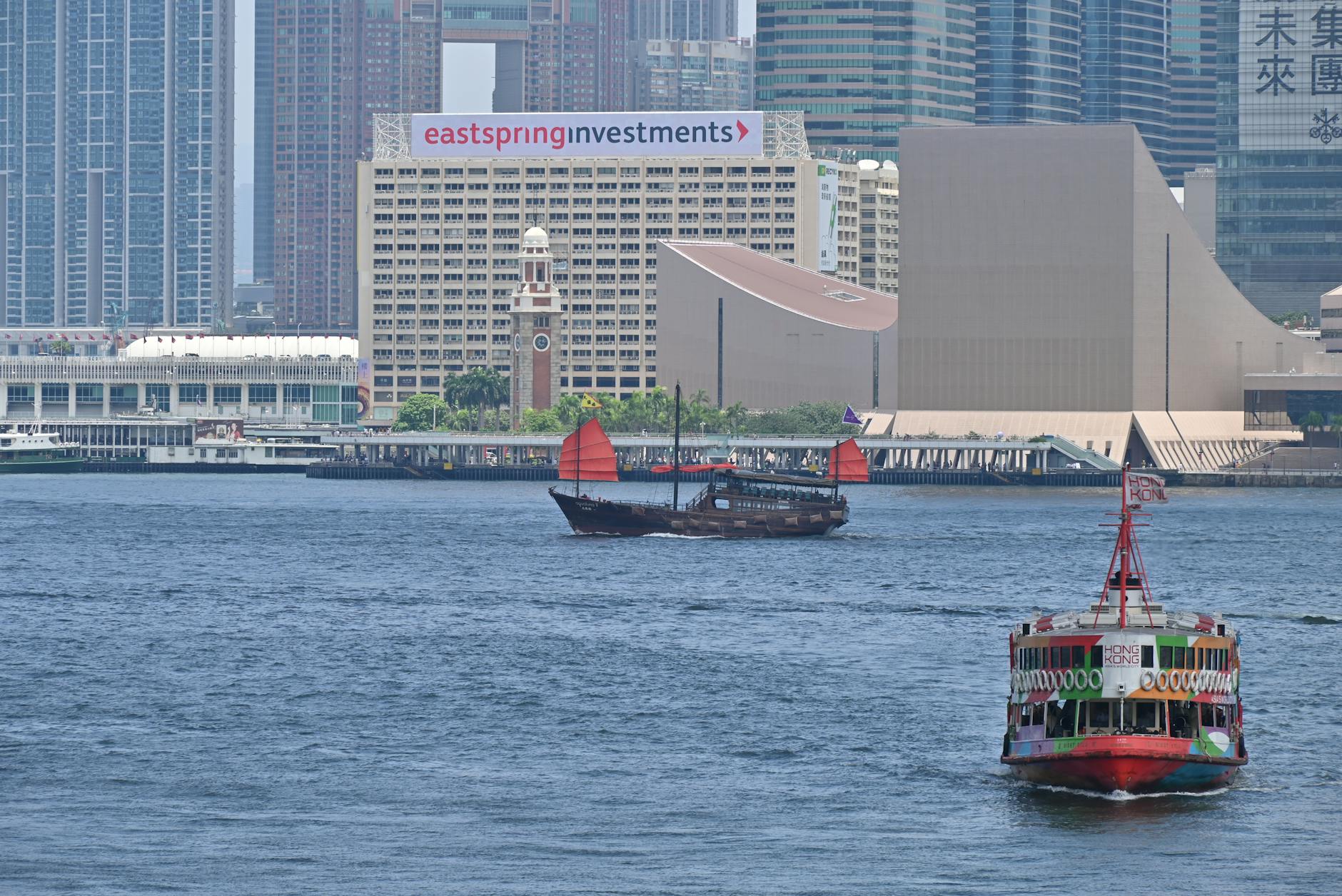
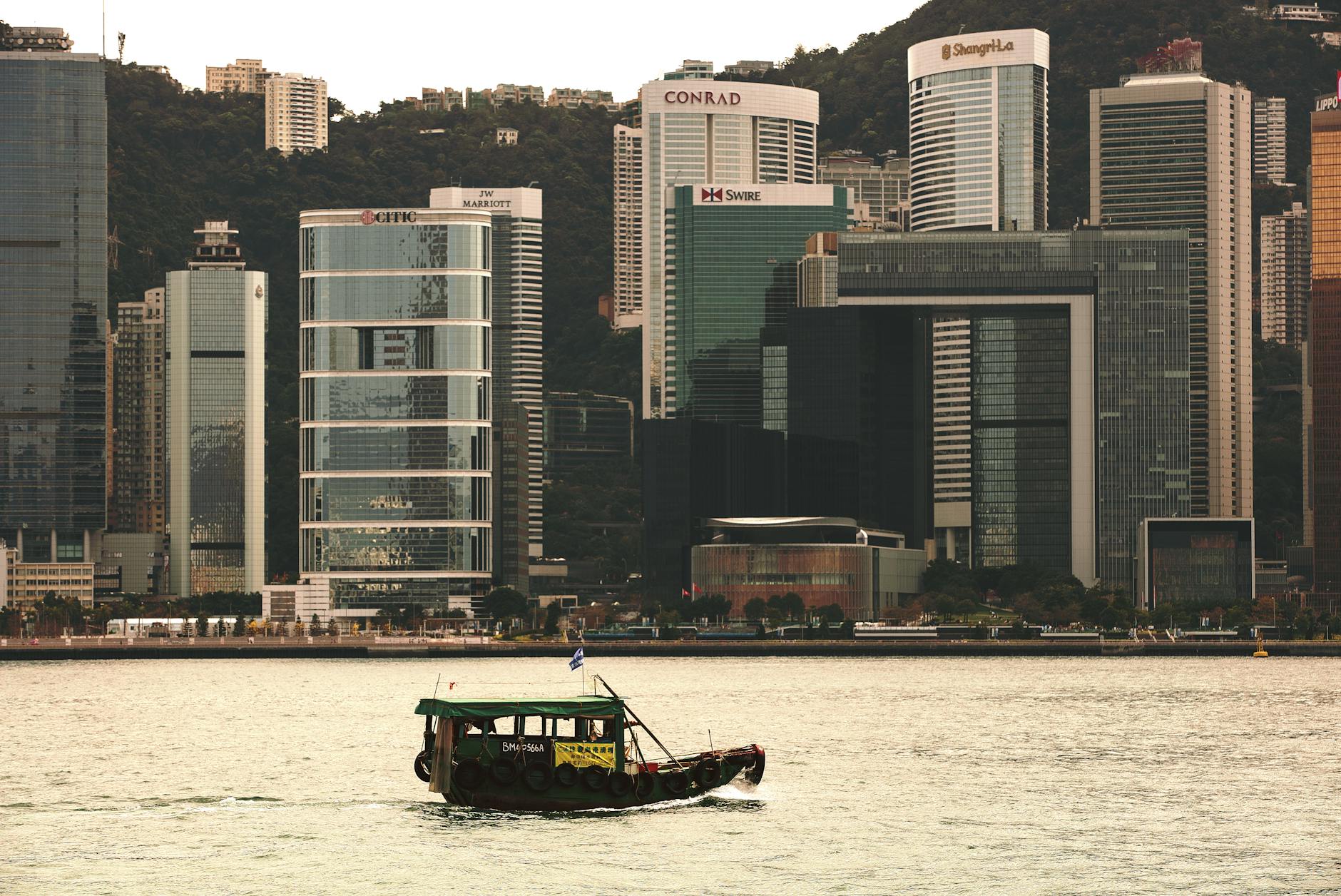
Tsim Sha Tsui can be a strong base for a consultant when the engagement involves Kowloon clients, hospitality groups, retail, sourcing, waterfront hotels, conference-adjacent meetings, or cross-harbor work with Hong Kong Island stakeholders. It can also create wasted time if the consultant books for view or rate without testing the client schedule. A short consulting trip should be built around meeting reliability, work blocks, quiet recovery, and usable routes. The consultant should know whether Tsim Sha Tsui is the client zone, the hotel base, the dinner area, or the cross-harbor compromise.
Map the client geography before booking
A consultant should first decide whether Tsim Sha Tsui genuinely supports the engagement. Client offices, workshops, hotel meeting rooms, dinners, stakeholder interviews, site visits, and airport timing may point toward Kowloon, Hong Kong Island, or a split base. A harbor-side hotel can be excellent or inefficient depending on the actual meeting map.
The consultant should test the first morning, longest day, and most senior meeting before choosing the hotel. The right base is the one that protects credibility and reduces avoidable movement.
- Map client offices, workshops, interviews, dinners, site visits, hotel, and airport timing.
- Check whether Tsim Sha Tsui supports Kowloon work or creates cross-harbor friction.
- Choose the base around the first morning and most senior meeting.
Choose a hotel that supports work
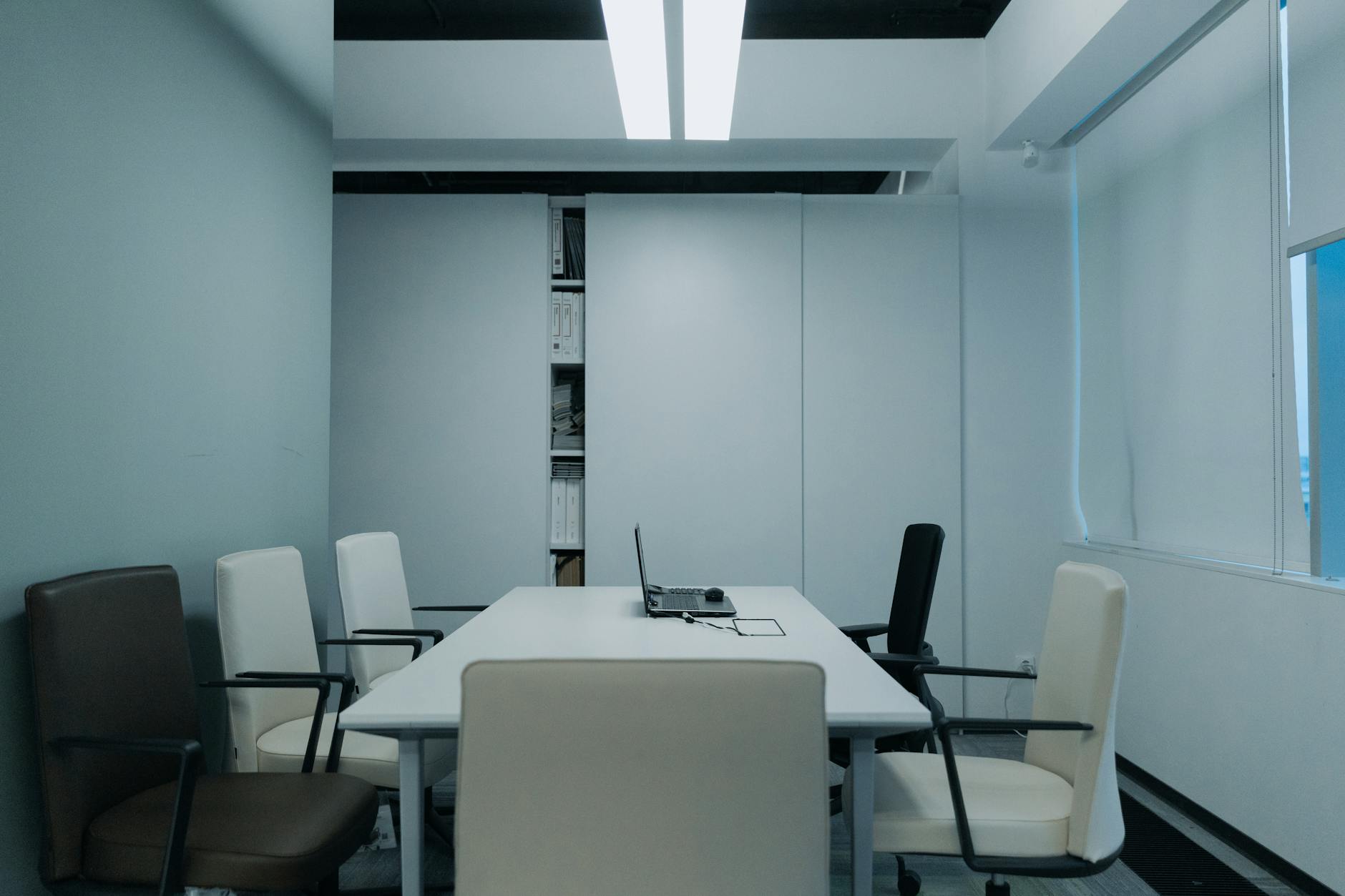
Consultants need more from a hotel than a bed. In Tsim Sha Tsui, the traveler should check desk setup, Wi-Fi, room quiet, breakfast speed, laundry, gym or recovery options, lobby crowding, meeting space, business services, taxi access, and whether calls can be taken without interruption.
A hotel with a strong work setup can make a short engagement easier. If the consultant needs late-night slide edits, early calls, confidential documents, or quick changes before meetings, the room and hotel services become part of the delivery plan.
- Check desk, Wi-Fi, room quiet, breakfast, laundry, lobby crowding, business services, and taxi access.
- Plan for late work, early calls, confidential documents, and quick meeting preparation.
- Treat the hotel as part of the consulting delivery environment.
Plan cross-harbor movement by meeting stakes
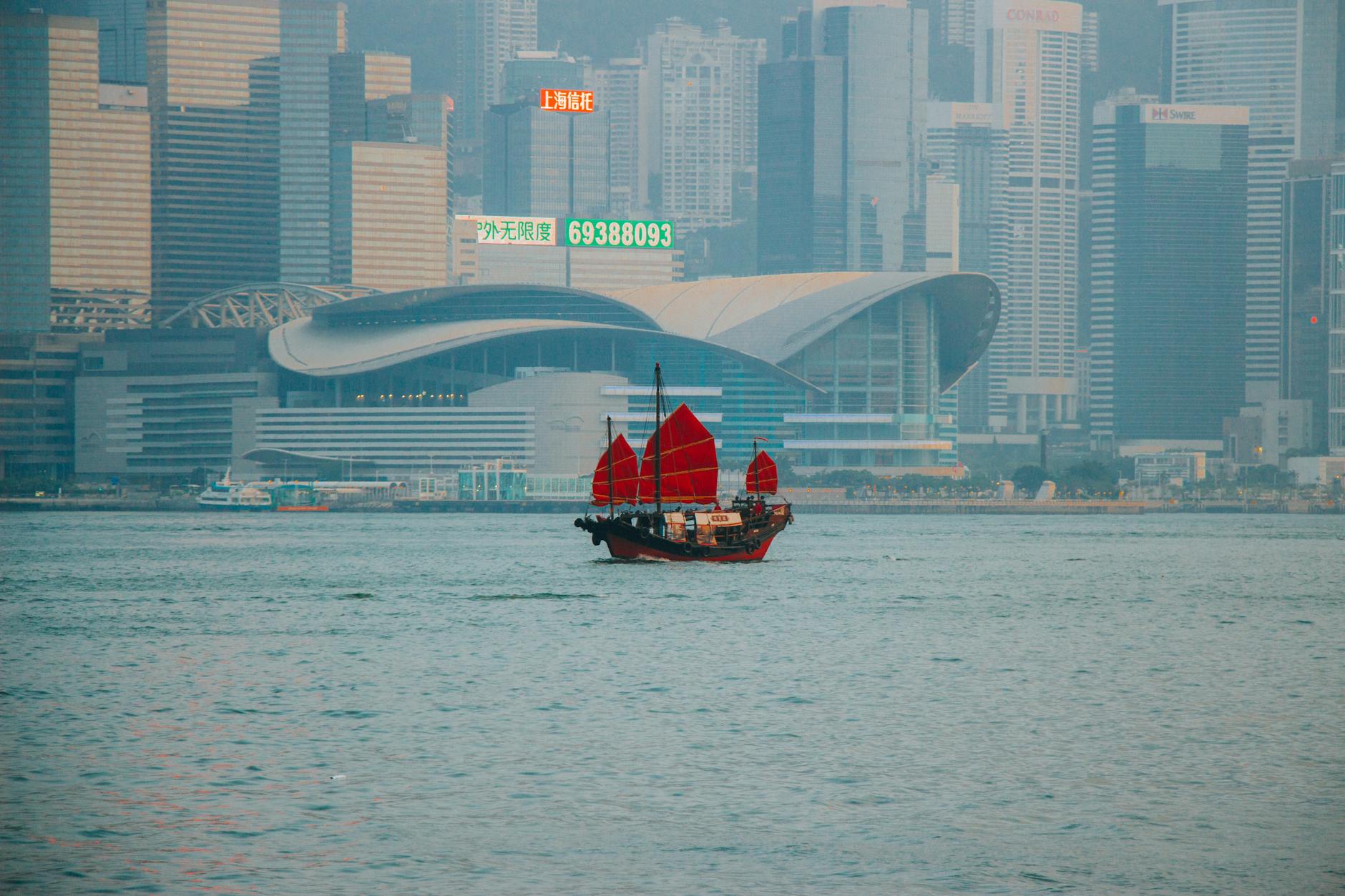
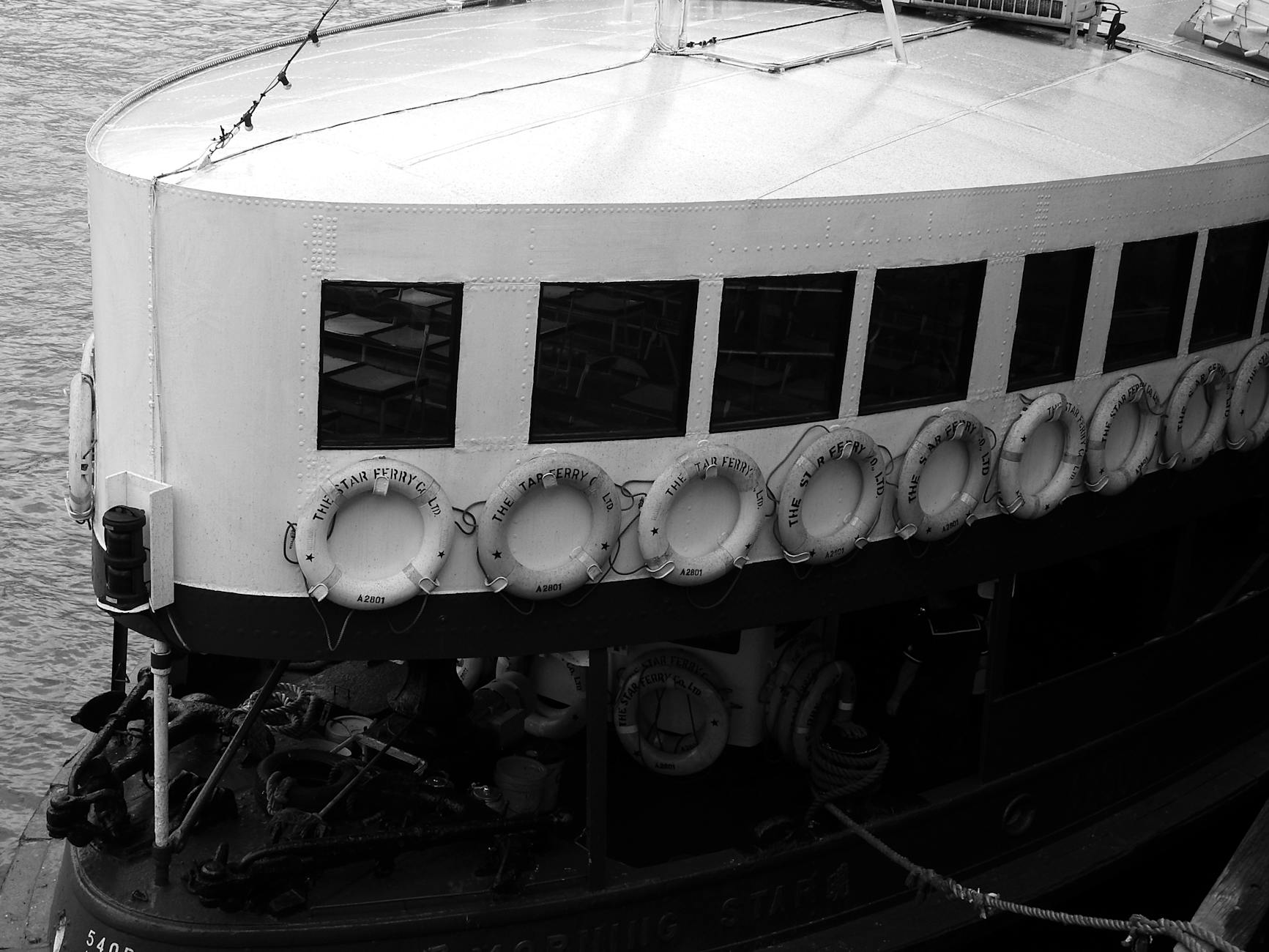
A consultant may need to move between Tsim Sha Tsui and Central, Admiralty, Wan Chai, Quarry Bay, or other districts. MTR can be efficient, taxis can help with formal clothing or materials, and the Star Ferry can be useful for lower-pressure moves. The right choice depends on meeting stakes, time of day, weather, and what must be carried.
The consultant should not use the same route for every obligation. A senior client workshop needs different timing than an informal dinner or a solo work block.
- Choose MTR, taxi, ferry, or car by meeting stakes, weather, materials, clothing, and timing.
- Use conservative buffers for senior meetings, workshops, and presentations.
- Separate scenic or low-pressure movement from critical client travel.
Protect client confidentiality in public spaces
Tsim Sha Tsui's hotel lobbies, cafes, restaurants, ferries, and lounges can be convenient, but consultants should think carefully about confidentiality. Calls, screens, printed materials, client names, and sensitive conversations may be visible or audible in crowded public spaces. Convenience should not weaken discretion.
The consultant should decide where private work can happen, which calls require the room, and when a hotel meeting room or quieter lounge is worth booking. A short trip leaves little room for awkward improvisation.
- Avoid sensitive calls, screens, documents, and client names in crowded public spaces.
- Use the room, meeting space, or a quiet lounge for confidential work.
- Plan private work blocks before the day fills with meetings and travel.
Make meals serve the engagement
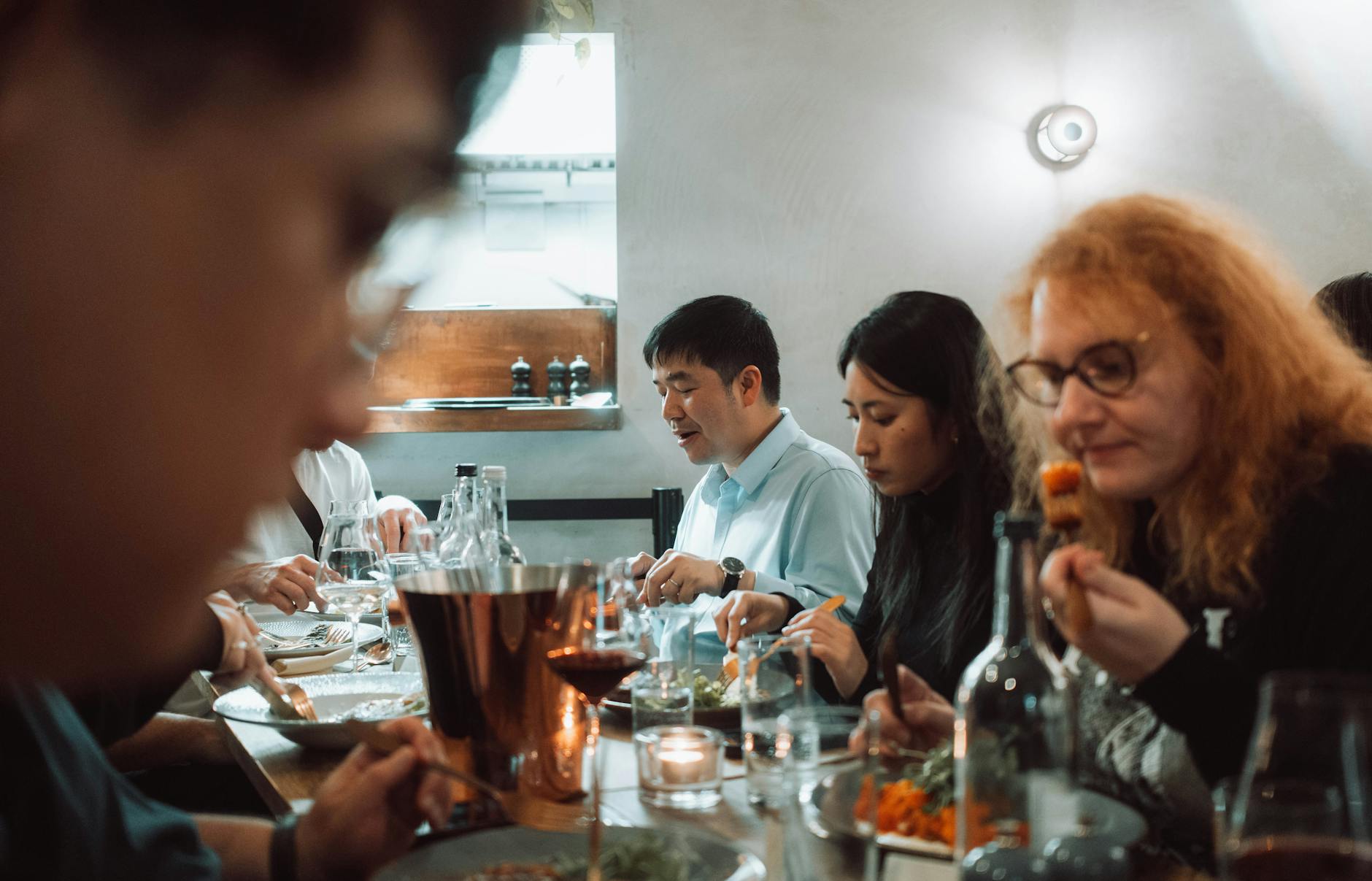
Consultants may use Tsim Sha Tsui meals for client hosting, team debriefs, solo recovery, or informal stakeholder conversations. The traveler should choose restaurants by privacy, noise, timing, dietary fit, payment expectations, and return route. A harbor-view dinner can be useful if it supports the relationship, but it should not compromise the next day's work.
The consultant should also keep a simple solo meal option near the hotel. Not every evening needs to become a client event.
- Choose meals by privacy, noise, timing, dietary fit, payment, relationship purpose, and return route.
- Keep a simple hotel-area solo meal for recovery or late work nights.
- Avoid dinners that weaken the next morning's delivery.
Build recovery into the engagement plan
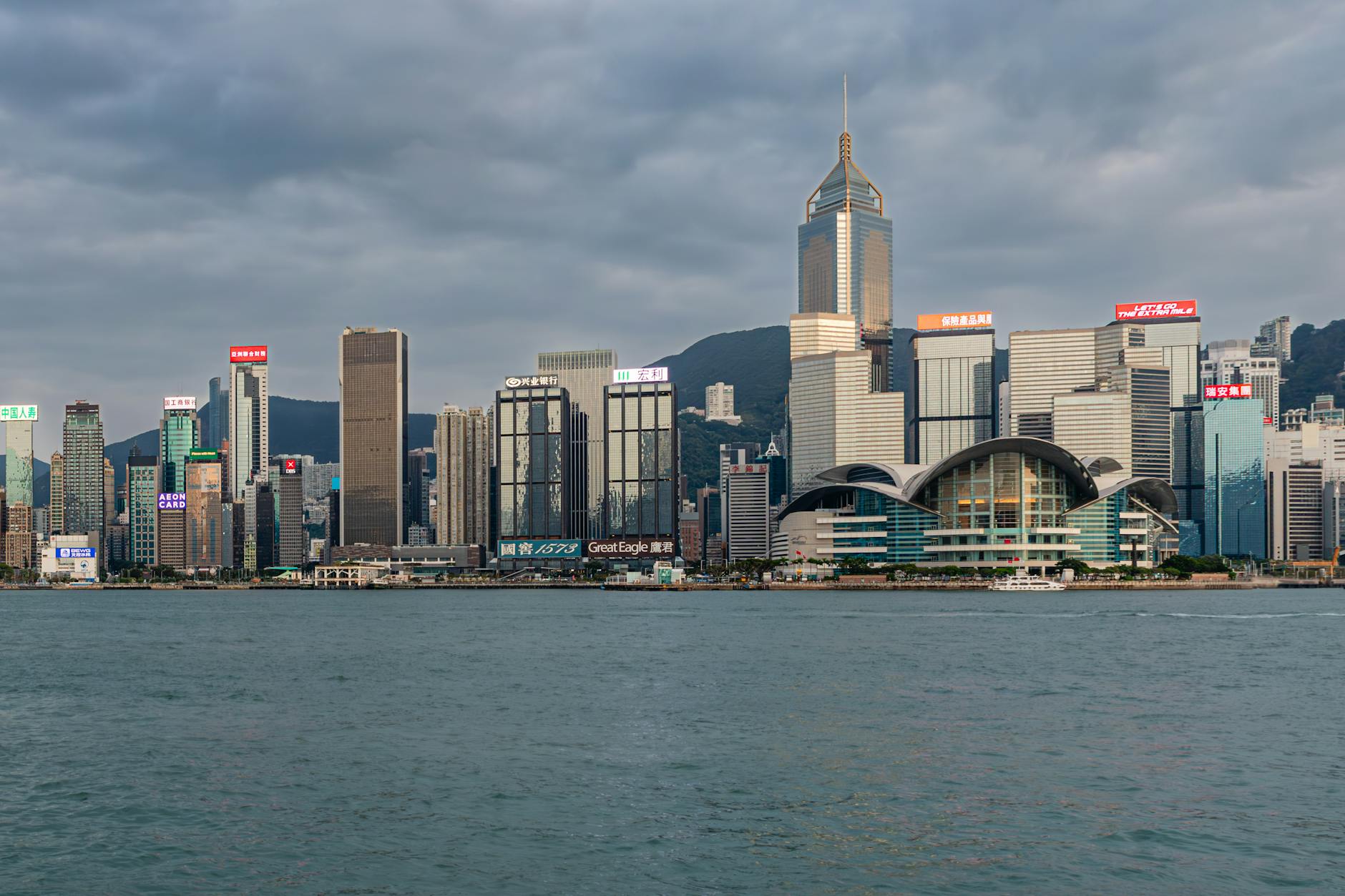
Consulting trips can become compressed quickly: early calls, client workshops, cross-harbor transfers, evening dinners, late edits, and time-zone pressure. Tsim Sha Tsui offers useful reset options through hotel amenities, the waterfront, short walks, and nearby meals, but recovery has to be scheduled.
The consultant should protect sleep, exercise, water, laundry, and work blocks. A pleasant harbor view is not enough if the schedule leaves no room to think.
- Plan around early calls, workshops, transfers, dinners, late edits, and time-zone pressure.
- Protect sleep, exercise, water, laundry, quiet work blocks, and short reset periods.
- Use the waterfront or hotel amenities as practical recovery tools, not only scenery.
When to order a short-term travel report
A consultant with a single hosted client site and arranged transport may not need a custom Tsim Sha Tsui report. A report becomes useful when the engagement has multiple client locations, cross-harbor movement, hotel choice uncertainty, confidential work needs, client meals, late work blocks, or tight airport timing.
The report should test client geography, hotel work fit, meeting timing, transport, privacy, meals, weather, recovery, airport transfer, budget, and what to cut. The value is a Tsim Sha Tsui consulting trip that protects delivery rather than simply housing the traveler near the harbor.
- Order when client geography, hotel work setup, privacy, meals, or transport needs testing.
- Provide dates, client locations, hotel options, meetings, work needs, constraints, and budget.
- Use the report to make the consulting trip punctual, discreet, and workable.