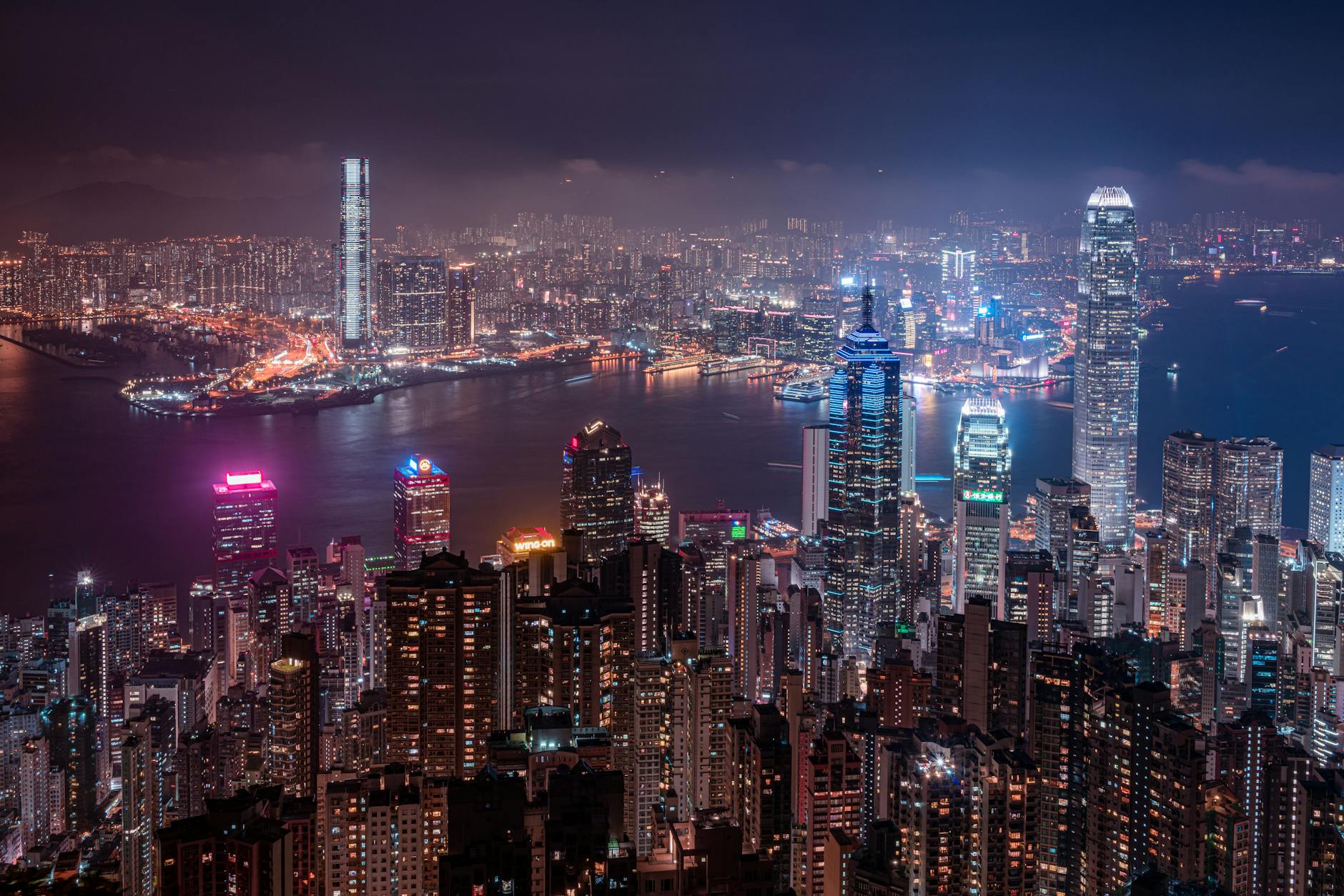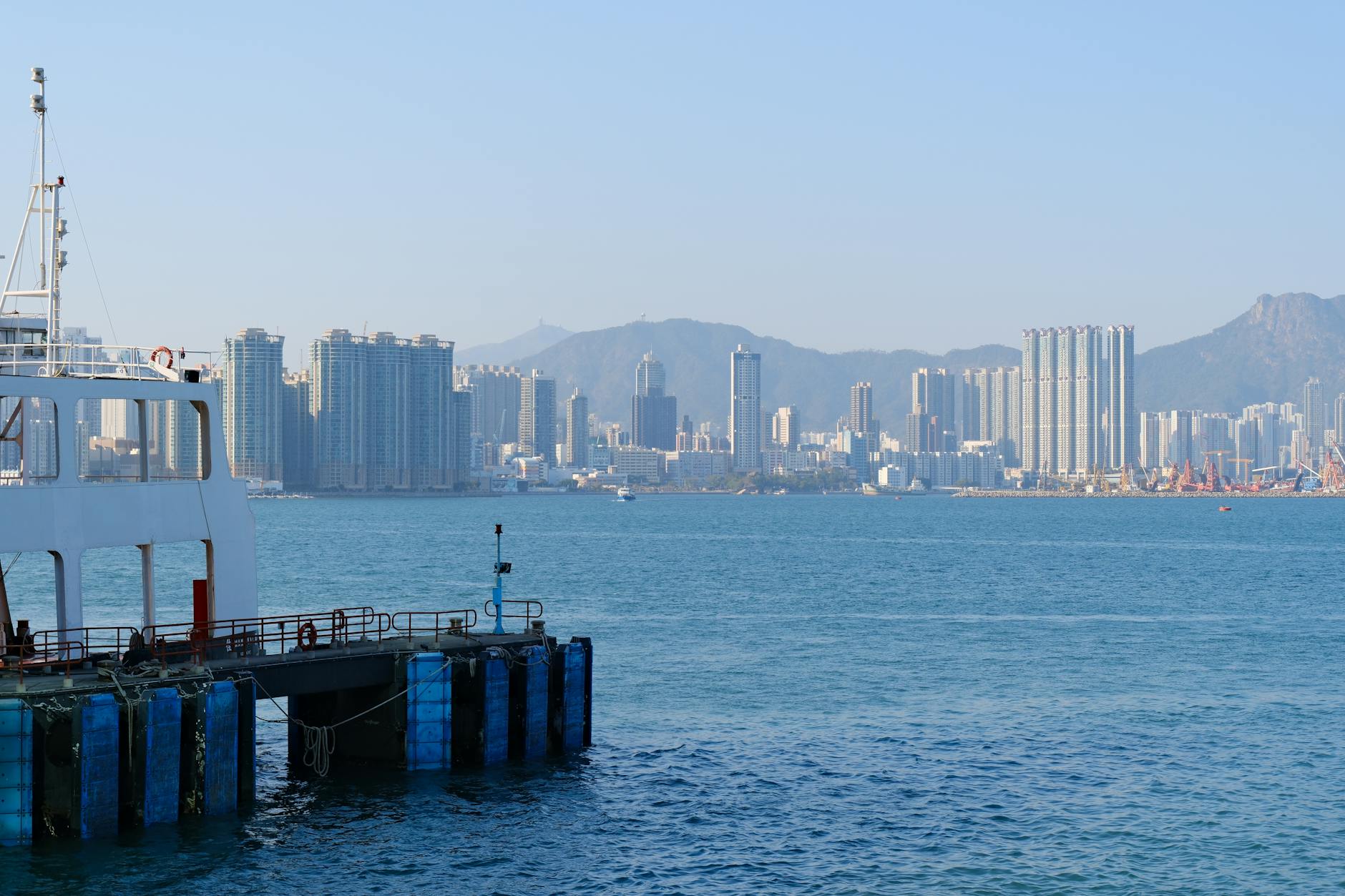
Tsim Sha Tsui is a serious Hong Kong business base when the trip is connected to Kowloon hotels, waterfront venues, retail groups, hospitality, trading, tourism, professional meetings, or cross-harbor client schedules. It is also easy to underestimate because many visitors read it as leisure waterfront first and business district second. A short business visit should decide whether Tsim Sha Tsui is the meeting district, the hotel base, the hosting location, or the cross-harbor alternative to Central. The district can work very well when hotel choice, MTR exits, Star Ferry timing, taxis, meals, and evening returns are planned around the actual business purpose.
Decide whether Tsim Sha Tsui is the base or the meeting zone
A business visitor should first decide why Tsim Sha Tsui is in the itinerary. The district may hold the hotel, a waterfront meeting, a conference-adjacent reception, a retail partner, a hospitality client, or a convenient Kowloon base. If the main meetings are in Central, Admiralty, Quarry Bay, or the New Territories, Tsim Sha Tsui may still work, but the cross-harbor rhythm must be deliberate.
The traveler should map each meeting, dinner, hotel, airport link, and return route before choosing the base. Tsim Sha Tsui is strongest when the business purpose actually benefits from Kowloon-side access.
- Map client offices, hotel, meetings, dinners, airport links, and cross-harbor obligations before booking.
- Choose Tsim Sha Tsui when Kowloon access, waterfront hosting, or hotel value supports the trip.
- Do not assume a harbor view makes the base efficient for every Hong Kong business schedule.
Choose the hotel for entrances, lifts, and meeting flow
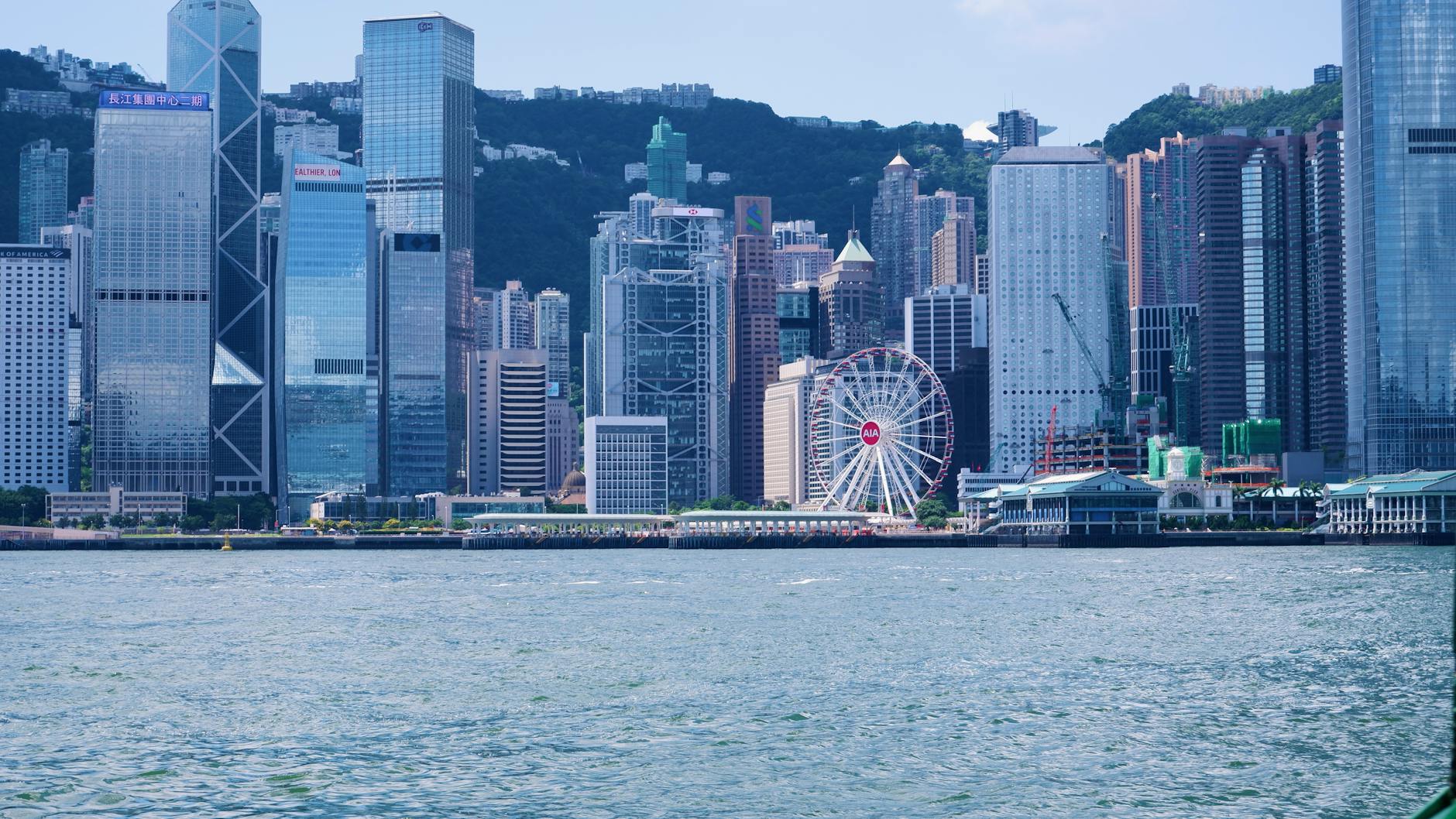
Tsim Sha Tsui hotels can be excellent for business visitors, but the details matter. Entrance placement, taxi access, MTR exits, lobby crowding, lift speed, room quiet, breakfast, desk space, Wi-Fi, laundry, and proximity to client meals can all shape the trip. A beautiful waterfront hotel may be worth it; a poorly accessed one can make every movement harder.
The traveler should compare the hotel against morning departures and late returns, not just against view and brand. If meetings require formal clothing or materials, the last few minutes between taxi, lobby, and meeting room are part of the business plan.
- Check entrance, taxi access, MTR exits, lifts, lobby crowding, Wi-Fi, breakfast, desk, and room quiet.
- Compare hotel choices by morning routes, late returns, meeting flow, and client hosting.
- Treat the final approach to the hotel or meeting room as a business constraint.
Plan cross-harbor movement by meeting type
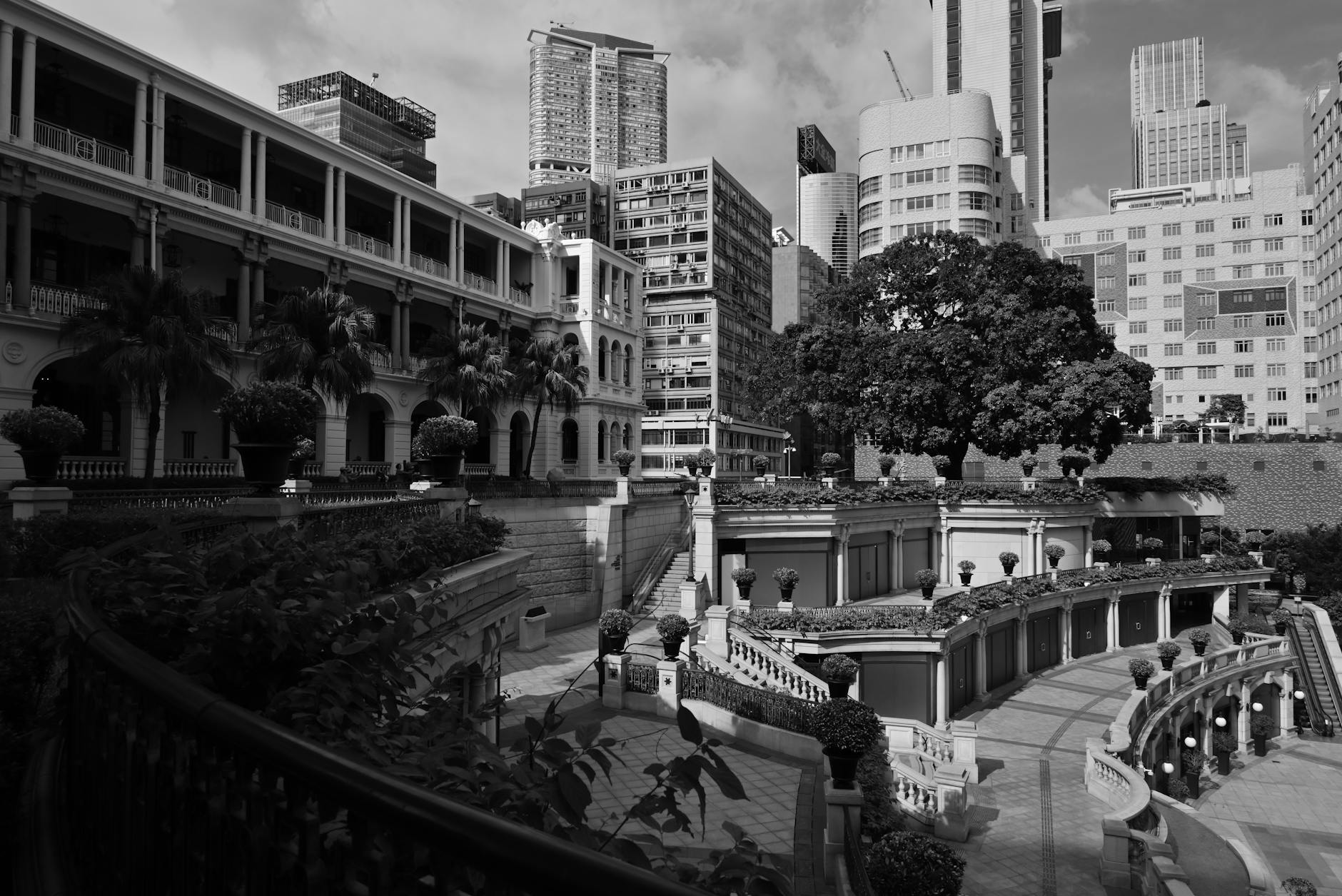
Cross-harbor movement is one of Tsim Sha Tsui's strengths and one of its traps. The MTR can be efficient, the Star Ferry can be memorable and sometimes useful, taxis can help with formal clothing or materials, and cars may be needed for senior meetings. None of those choices is universally best.
The traveler should choose the route by meeting type, weather, timing, and what needs to be carried. A ferry may be excellent before a relaxed client meal and wrong before a time-sensitive presentation. A taxi may be comfortable and still lose to traffic.
- Choose MTR, ferry, taxi, or car by meeting seniority, clothing, materials, weather, and timing.
- Check station exits, pier distance, taxi pickup points, traffic, and covered routes before meetings.
- Plan different routes for formal meetings, dinners, airport transfers, and casual client movement.
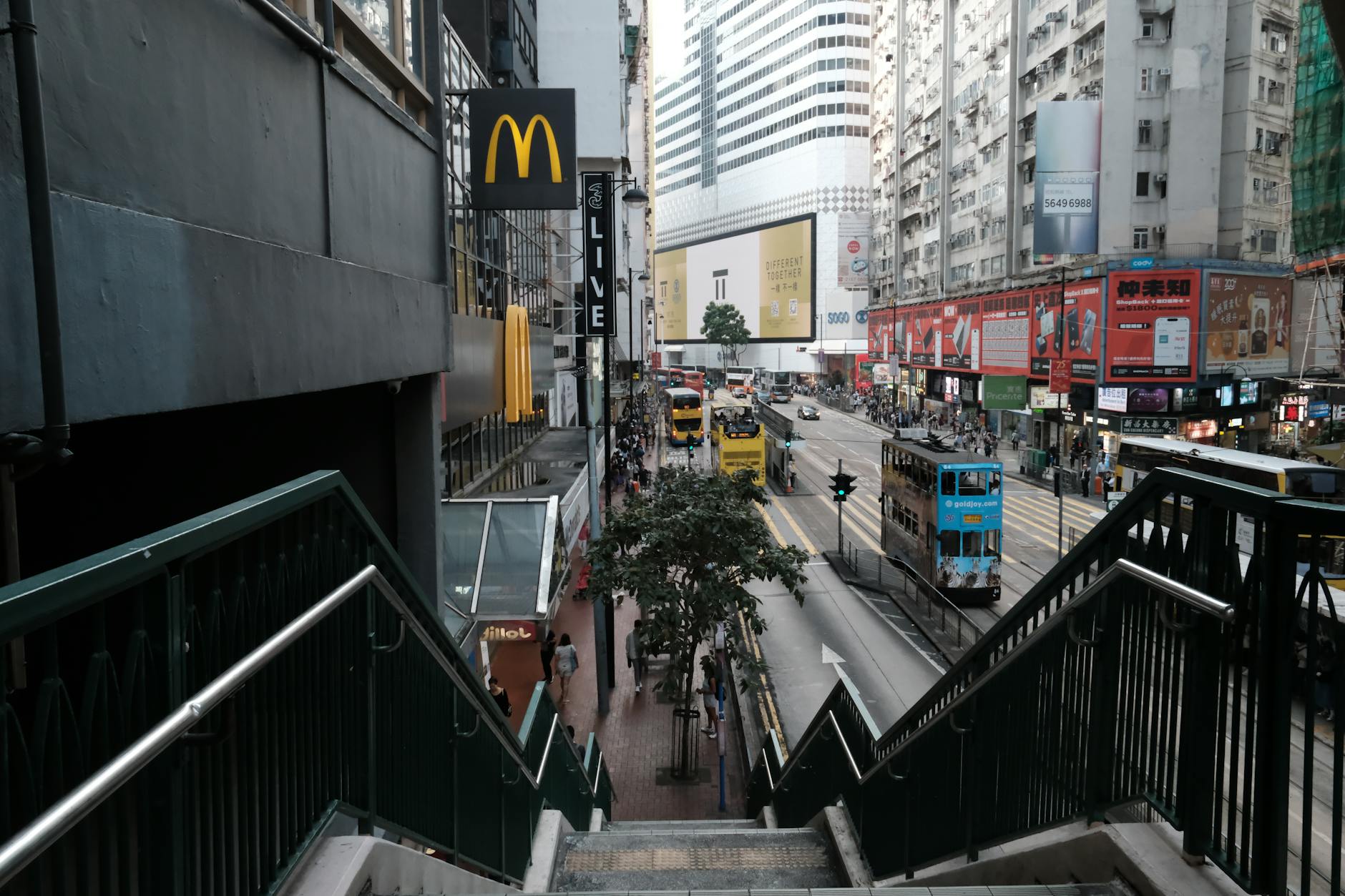
Use the waterfront without letting it control the schedule
Tsim Sha Tsui's waterfront is one of the district's best business assets. It can support walking meetings, pre-dinner views, client hosting, conference breaks, and a calmer reset between obligations. It can also distract a business visitor into poorly timed scenic detours.
The traveler should decide when the waterfront adds business value and when it is simply a pleasant extra. Weather, crowds, haze, heat, and event timing can all change whether a harbor-facing plan helps or complicates the day.
- Use the waterfront for client hosting, breaks, walking meetings, or reset time when it fits.
- Account for crowds, heat, haze, rain, event barriers, and walking distance.
- Keep scenic movement secondary to meeting punctuality and preparation.
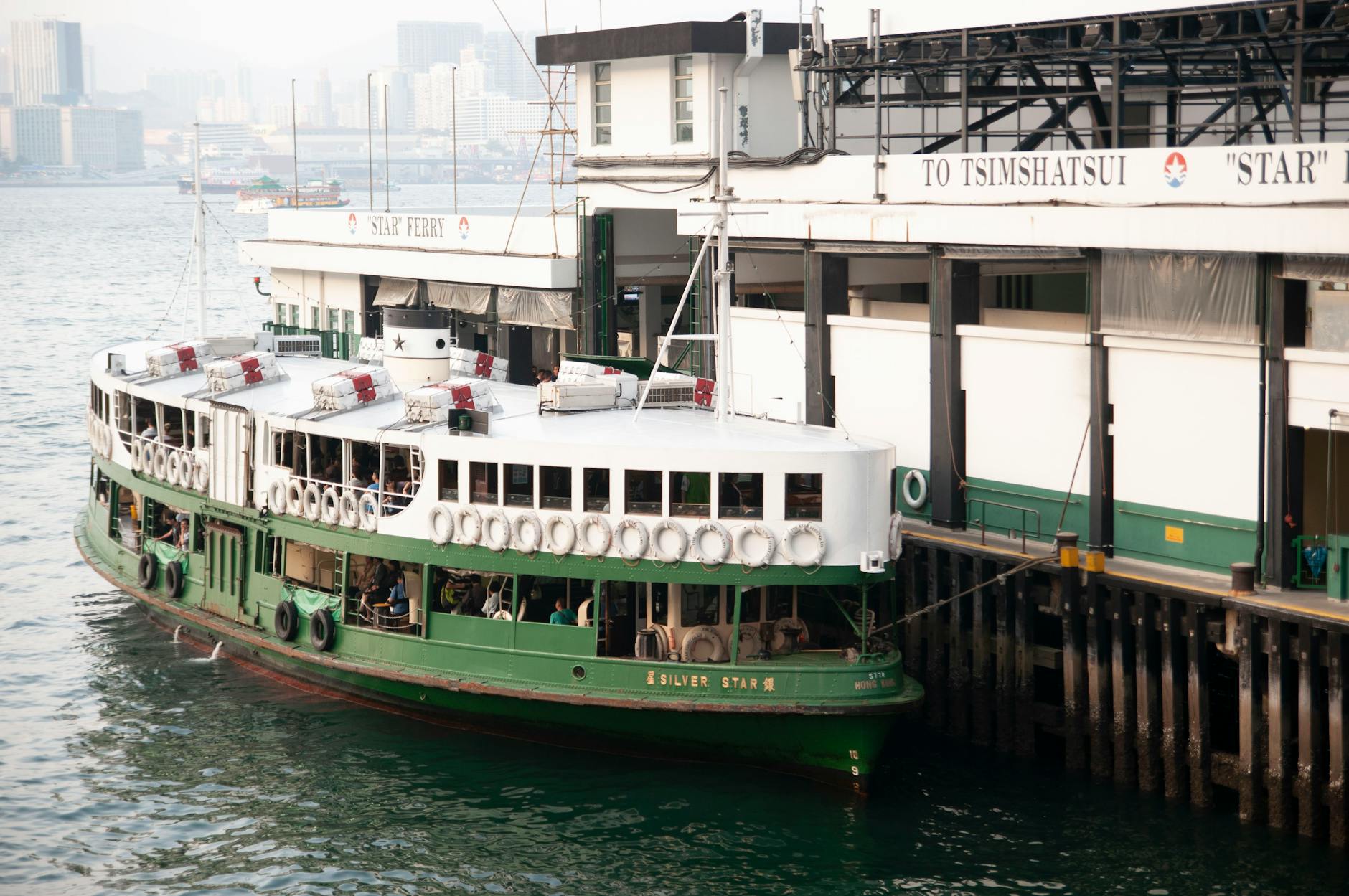
Make meals and hosting practical
Tsim Sha Tsui is strong for business meals because it offers hotels, harbor views, Cantonese dining, private rooms, international restaurants, and easy pre- or post-meeting options. The traveler should still select venues by noise, privacy, timing, dietary needs, payment expectations, and return route.
A waterfront dinner can create a strong impression, but it should not weaken the next morning or strand the traveler far from the right cross-harbor route. Hosting should serve the relationship, not merely the view.
- Choose meals by privacy, noise, timing, dietary needs, payment, view, and return route.
- Use hotel restaurants, private rooms, or waterfront venues only when they fit the business purpose.
- Avoid scenic meals that make follow-up, sleep, or the next day's meetings harder.
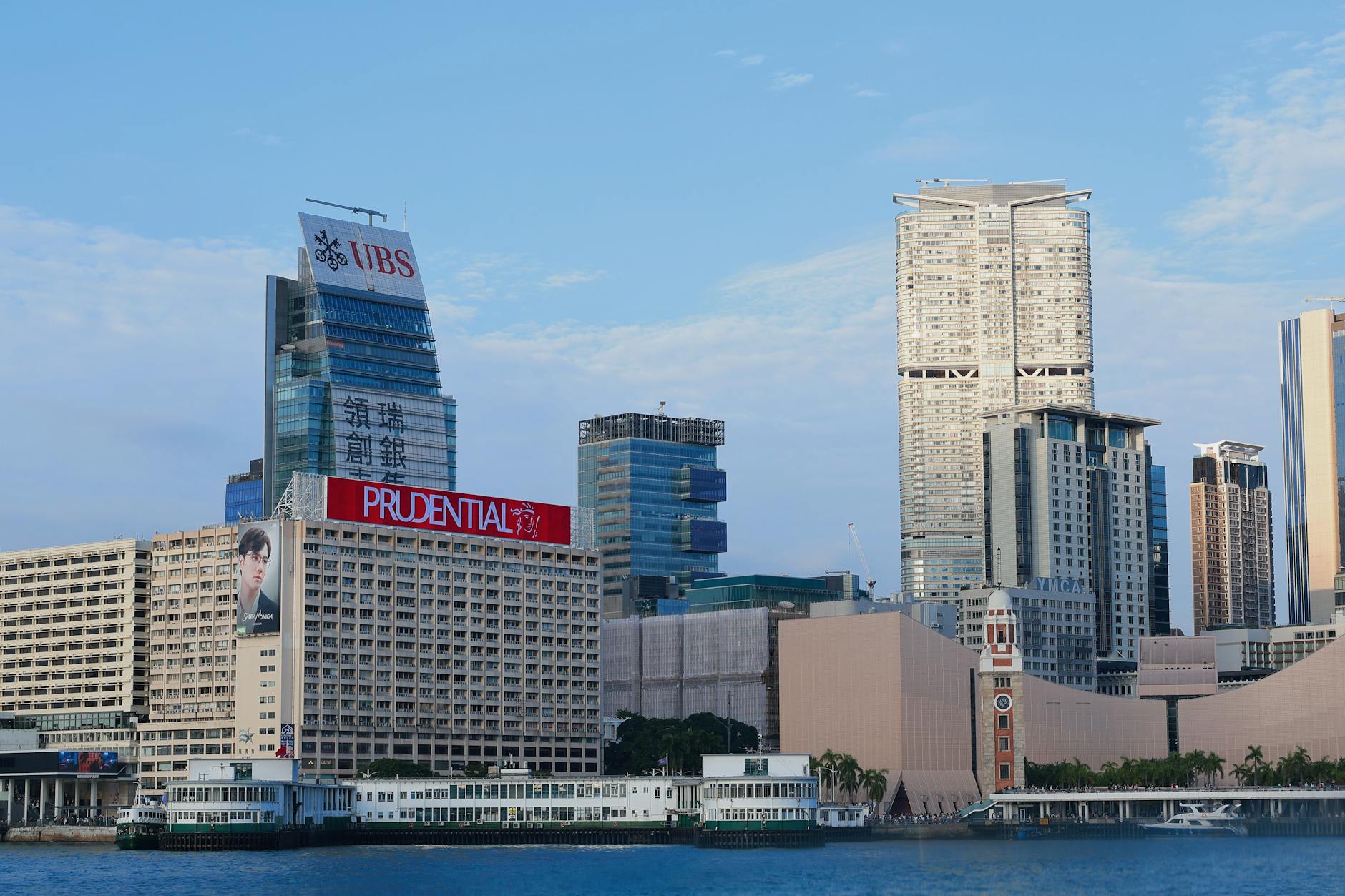
Prepare for crowds, weather, and district friction
Tsim Sha Tsui can be dense with shoppers, tourists, office workers, hotel guests, ferry users, and evening crowds. Business visitors should plan for humidity, rain, crowded sidewalks, mall routes, cold interiors, formal clothing, laptop bags, and possible delays around the waterfront or major hotels.
The district remains highly usable when the traveler builds enough margin. A business day should include realistic walking time, indoor alternatives, water, phone battery, payment backup, and a plan for getting out of crowded areas quickly when a meeting is approaching.
- Plan for crowds, humidity, rain, cold interiors, laptop bags, formal clothing, and hotel traffic.
- Use indoor mall links, taxis, MTR, or ferry routes when streets become inefficient.
- Keep water, battery, payment backup, and meeting addresses ready.
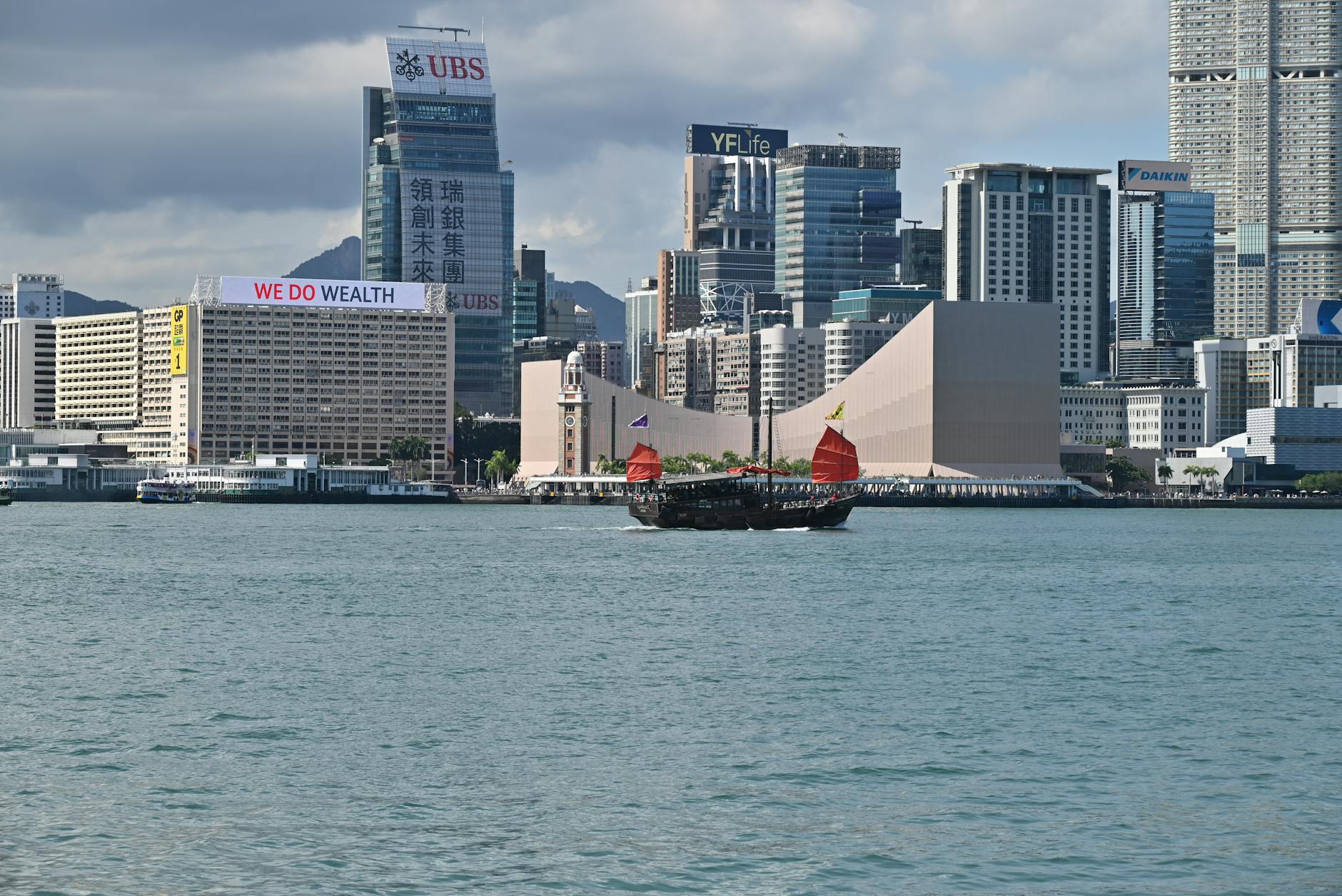
When to order a short-term travel report
A business visitor with a hosted hotel and one Kowloon meeting may not need a custom Tsim Sha Tsui report. A report becomes useful when the traveler is choosing between Kowloon and Hong Kong Island bases, has multiple meetings, cross-harbor obligations, senior client hosting, tight airport timing, weather-sensitive clothing, or uncertainty about whether Tsim Sha Tsui is efficient for the business purpose.
The report should test meeting geography, hotel fit, cross-harbor movement, MTR and ferry routes, meals, hosting, weather, airport transfer, work blocks, budget, and what to cut. The value is a Tsim Sha Tsui business trip that uses the district's strengths without letting the harbor become a distraction.
- Order when hotel choice, Kowloon access, cross-harbor routes, hosting, or timing needs testing.
- Provide dates, meeting locations, hotel options, airport timing, hosting plans, constraints, and budget.
- Use the report to make Tsim Sha Tsui efficient for the actual business trip.