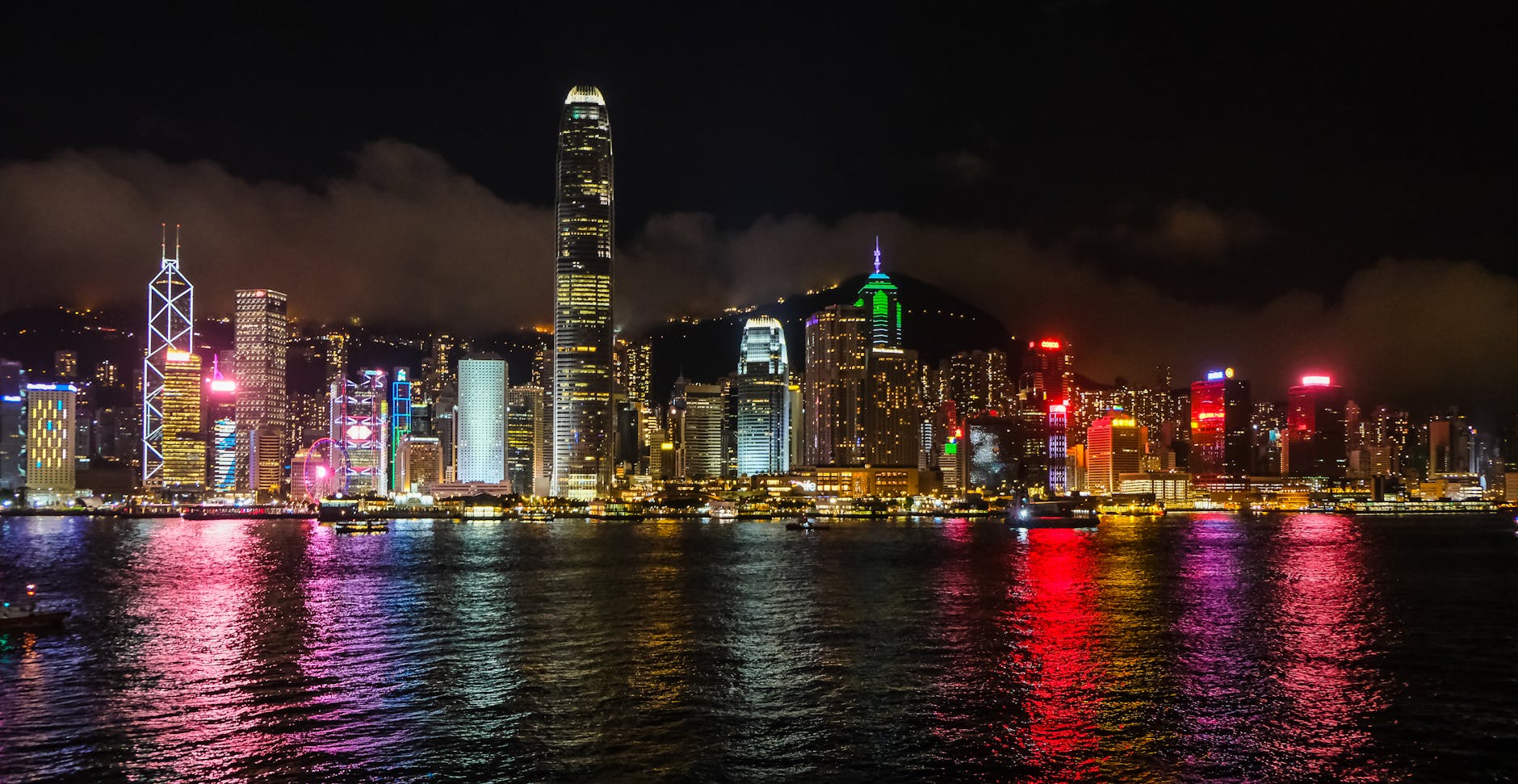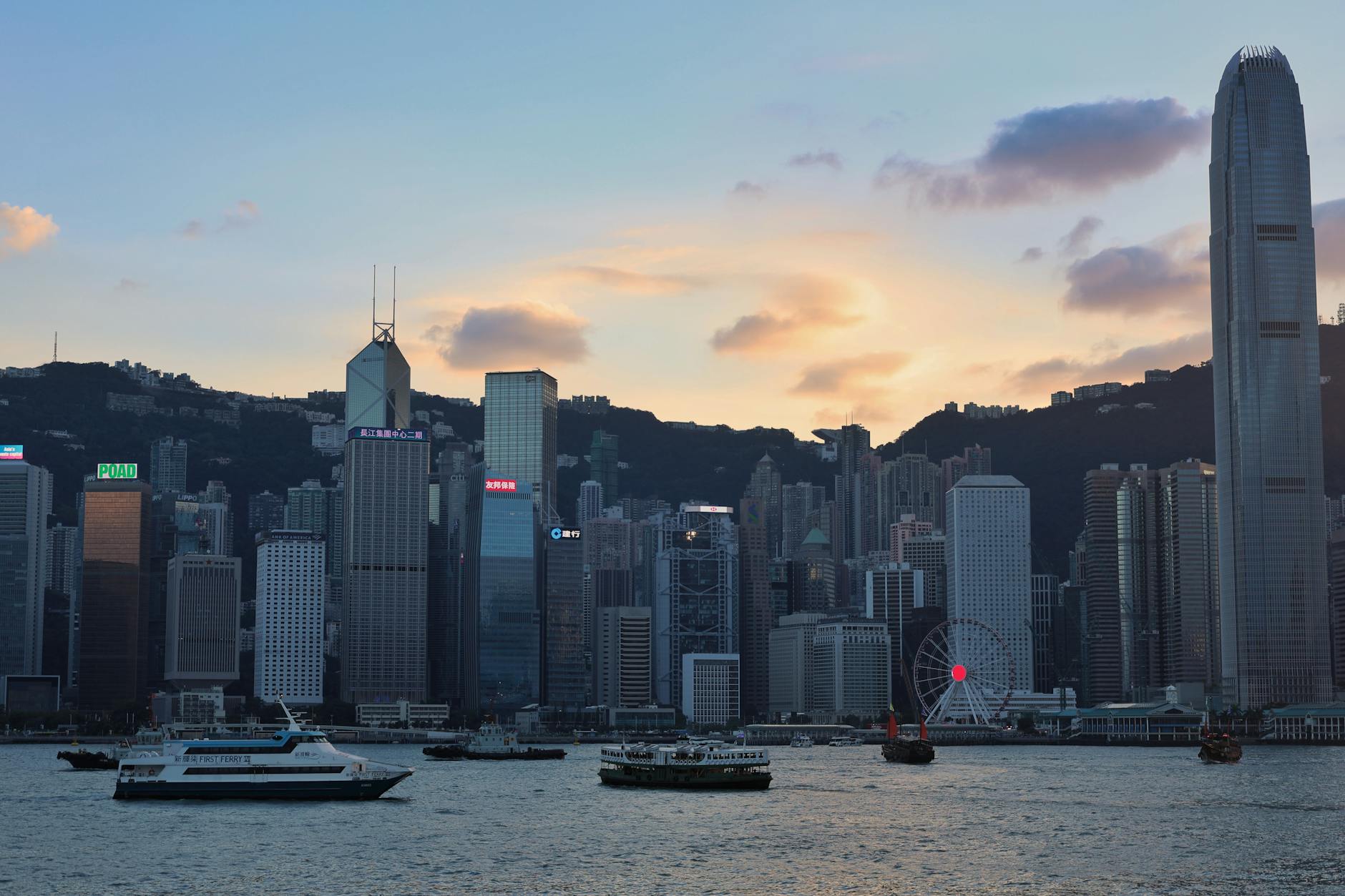
Tsim Sha Tsui can be attractive for a budget traveler because it offers free skyline views, Star Ferry access, MTR connections, affordable eats, hostel and guesthouse options, shopping streets, and many sights within walking distance. It can also punish weak planning because cheap lodging, confusing entrances, long walks, and crowded routes can cost time, comfort, and energy. A short budget stay should focus on real value, not the lowest visible price. The traveler should know which costs are worth paying, which experiences are free or inexpensive, and where saving money would create avoidable stress.
Treat lodging savings carefully
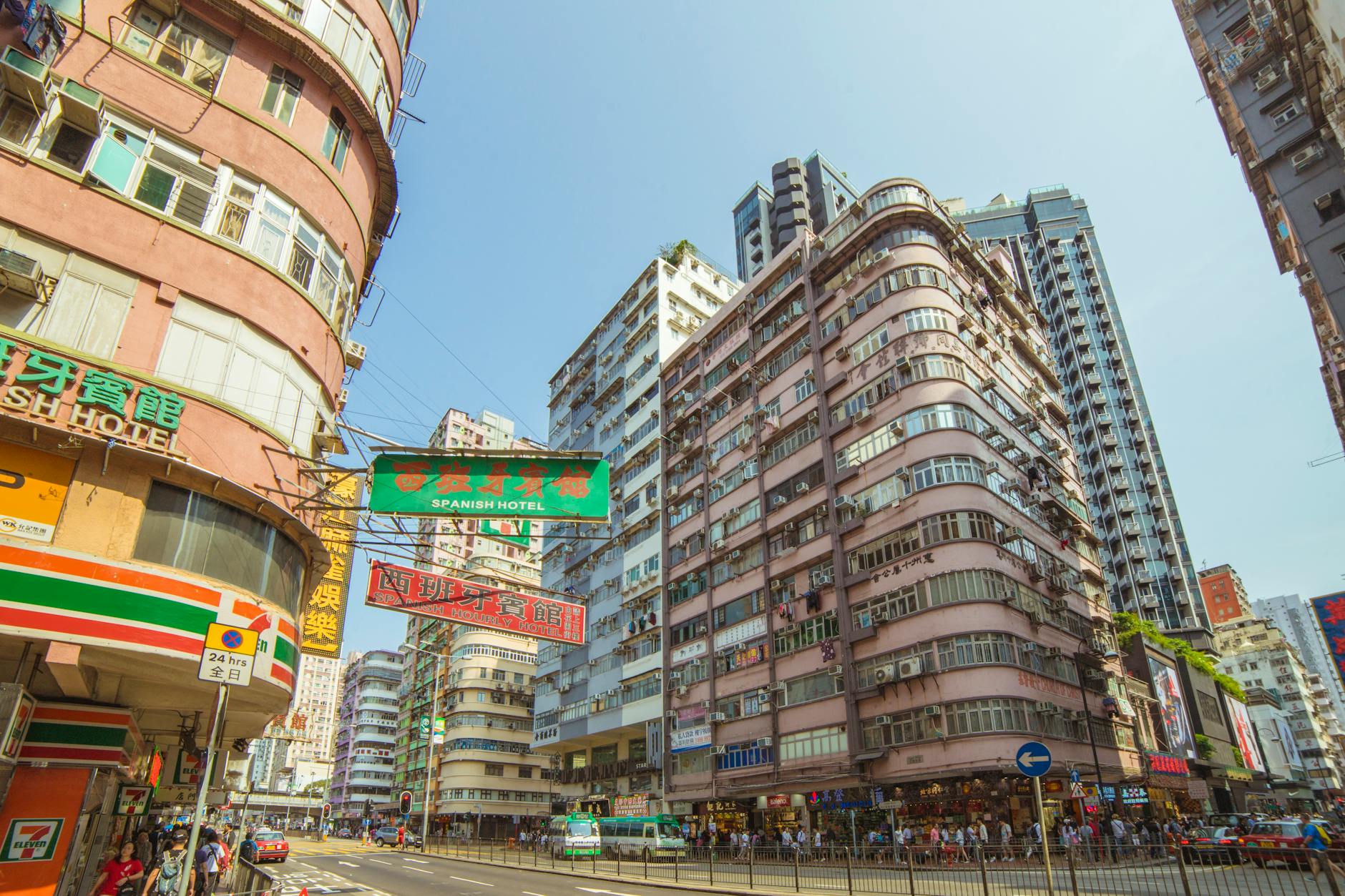
Budget lodging in Tsim Sha Tsui can be useful, but the traveler should inspect tradeoffs closely. Room size, elevator waits, building entrance, reception hours, shared facilities, luggage storage, noise, air conditioning, bathroom setup, and route from the MTR can matter more than a small price difference. Some cheap rooms save money but make the trip harder every day.
The traveler should decide which comfort basics are non-negotiable. In a short stay, paying slightly more for cleaner access, quieter sleep, or better transit can be the better budget decision.
- Check room size, entrance, lifts, reception hours, luggage storage, noise, air conditioning, and bathroom setup.
- Compare lodging by daily usability, not only by nightly rate.
- Pay slightly more when it protects sleep, safety, or transit access.
Use transit value rather than taxi default
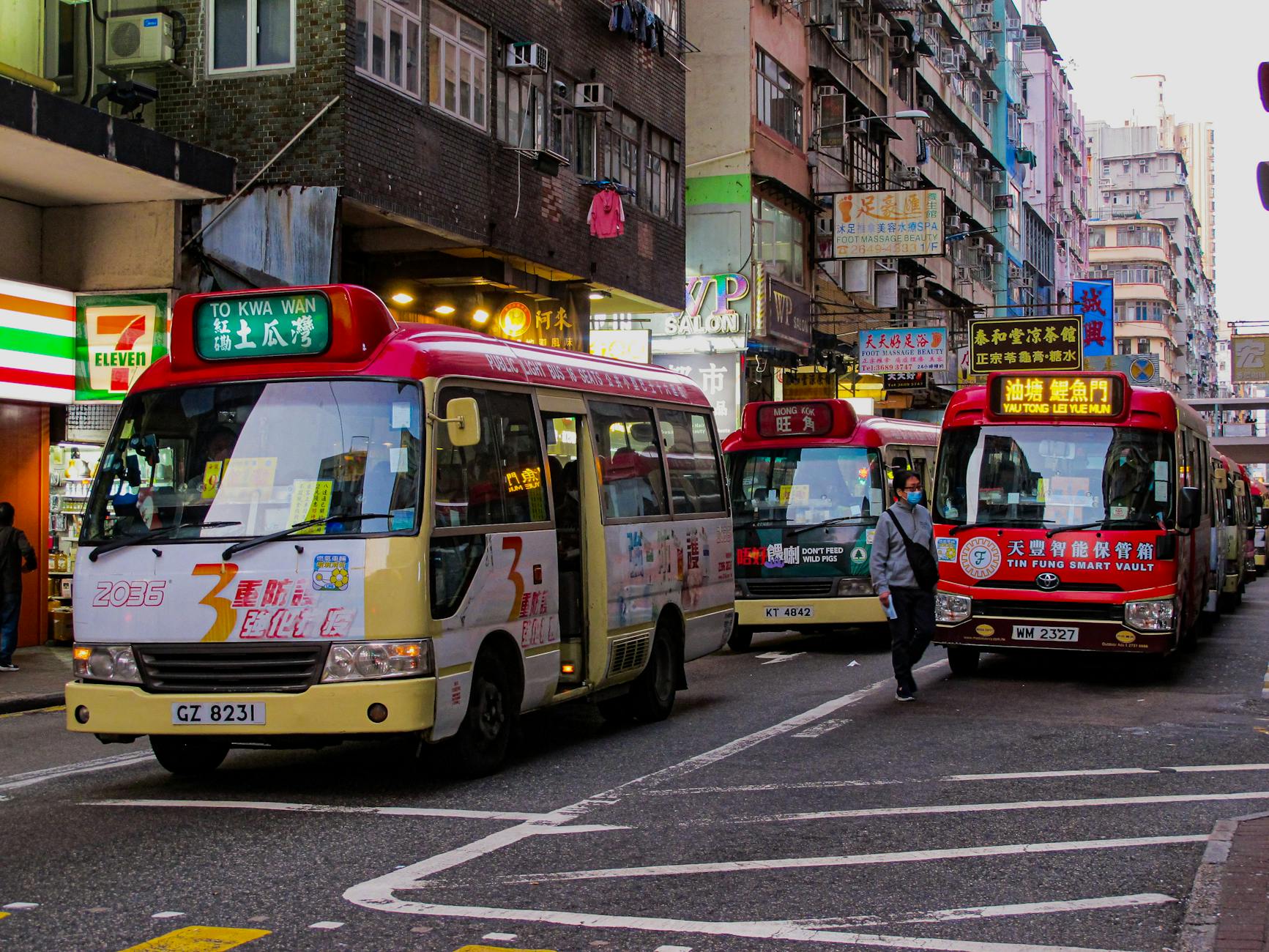
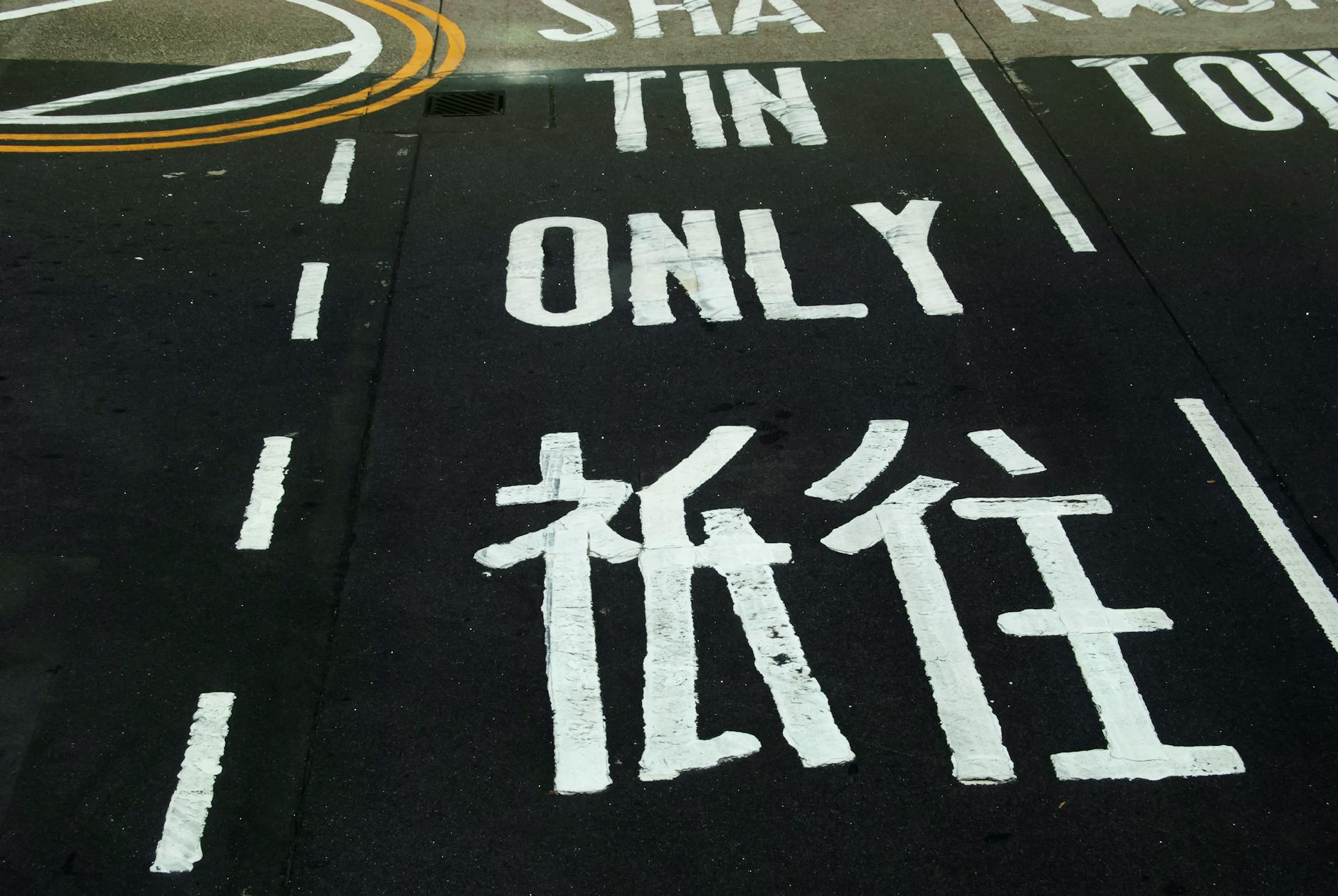
Tsim Sha Tsui is useful for budget travelers because MTR, buses, walking routes, and the Star Ferry can cover many needs at low cost. The traveler should still understand exits, transfers, pier distance, service hours, and when a taxi may be worth the expense. A low fare does not help if the route drains energy before the main activity.
The best budget plan uses cheap transit where it works and spends selectively where it prevents a bigger problem. Airport arrival, late-night returns, heavy luggage, or bad weather may justify a more direct option.
- Use MTR, buses, ferry, and walking for low-cost movement where routes are clear.
- Check exits, transfers, pier distance, service hours, and return routes before leaving.
- Spend on taxis when luggage, weather, late hours, or fatigue would cost more in stress.
Build the trip around free and low-cost highlights
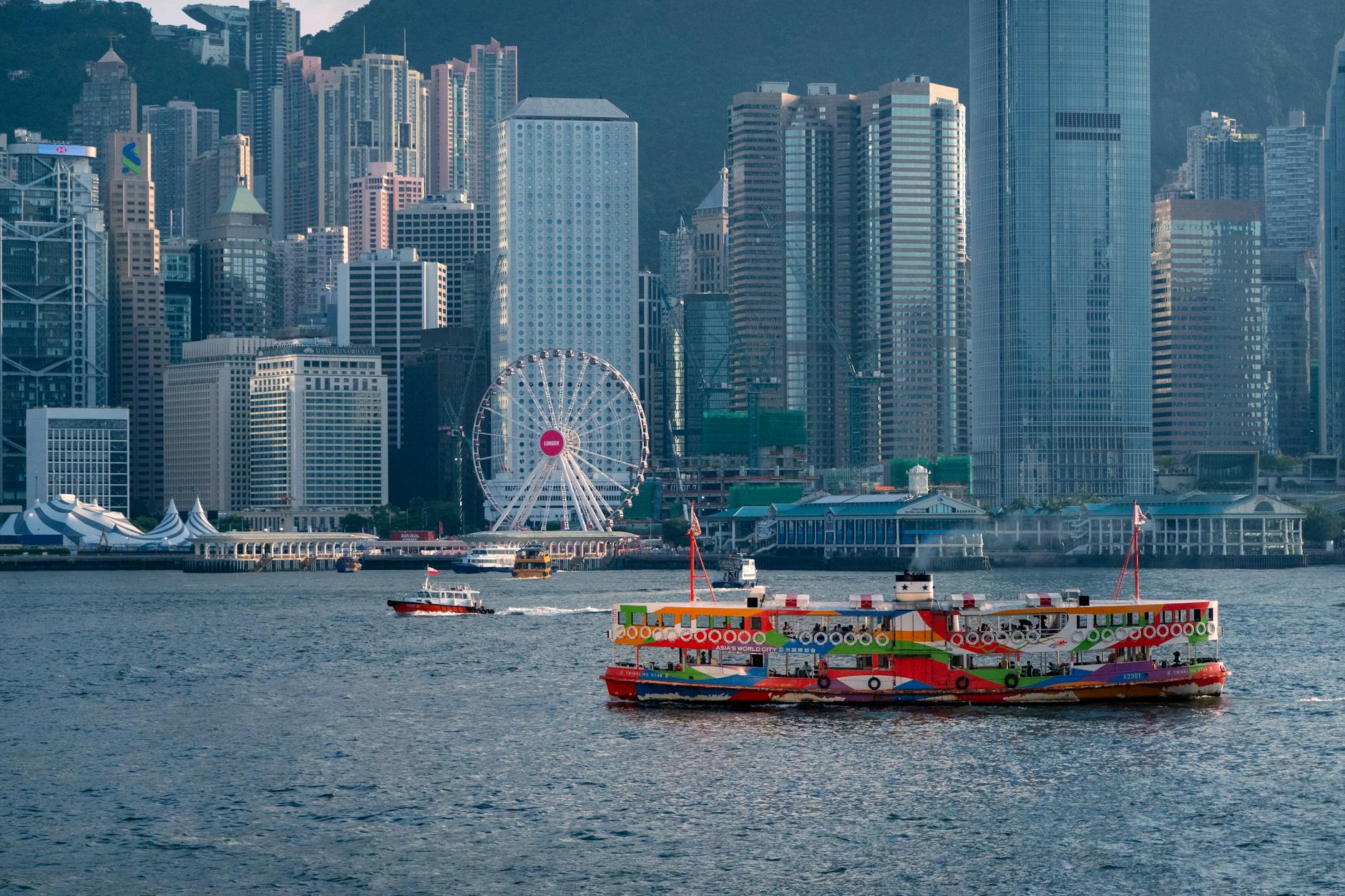
A budget traveler can get a strong Tsim Sha Tsui experience without expensive tickets. The waterfront, skyline, Star Ferry, public promenades, street wandering, window shopping, selected museums, and cheap meals can form a full itinerary. The key is sequencing them so the day does not become a tiring loop.
The traveler should decide which paid experiences are actually worth it. A single carefully chosen museum, meal, or viewpoint may be better than several mid-value charges.
- Use waterfront views, ferry rides, promenades, street walks, window shopping, and selected museums.
- Choose paid experiences by real value, not fear of missing out.
- Sequence low-cost highlights to avoid unnecessary backtracking.
Plan affordable food before hunger decides
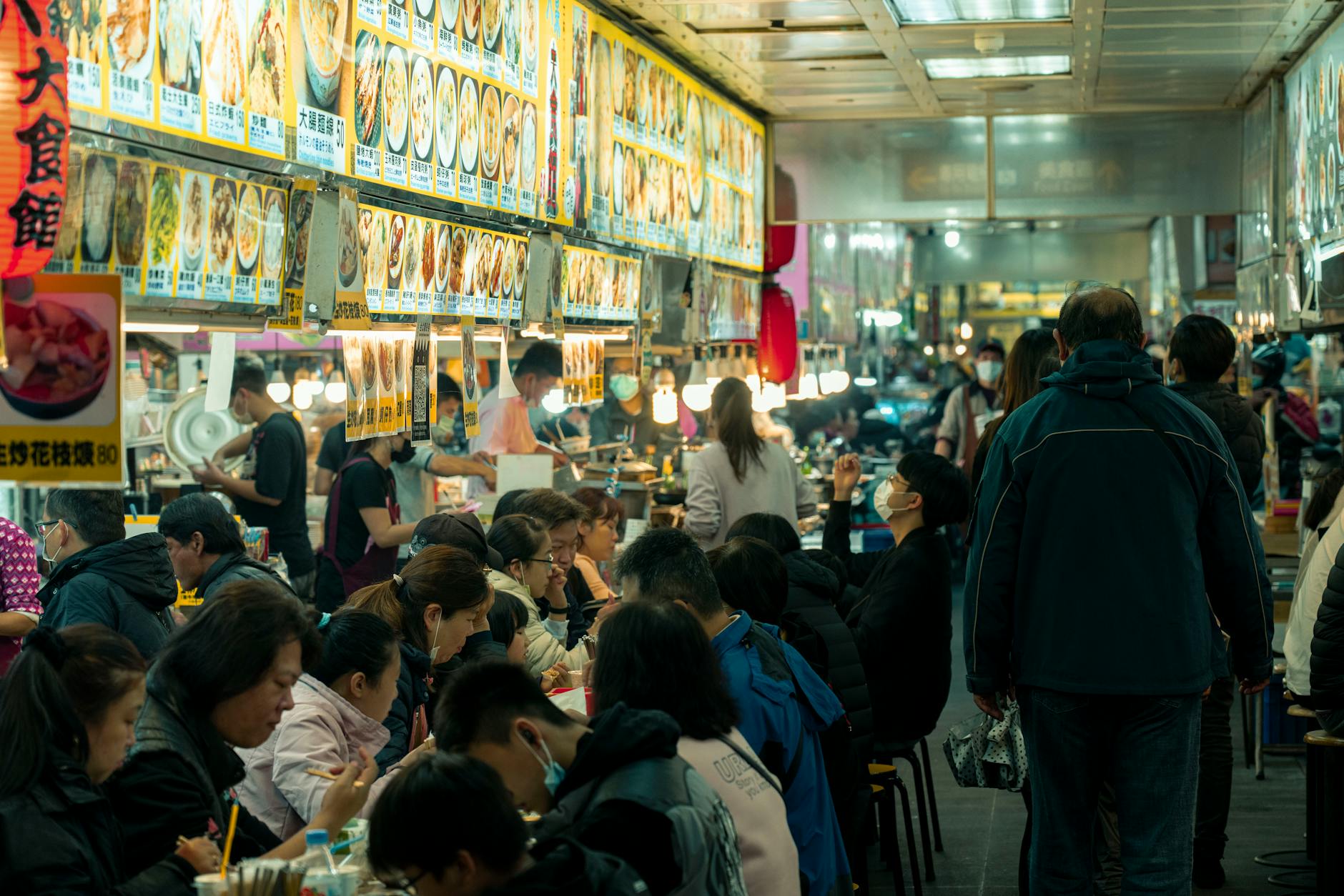
Food can be one of the best budget advantages in Tsim Sha Tsui, but the traveler needs a plan. Casual Cantonese spots, bakeries, noodle shops, food courts, cafes, convenience stores, and takeaway can keep costs controlled. Tourist-heavy streets and unplanned mall meals can quickly push spending higher than expected.
The traveler should identify affordable meals near lodging, transit, the waterfront, and late-night return routes. A simple food map protects both budget and energy.
- Preselect affordable meals near lodging, transit, waterfront routes, and late-night returns.
- Use bakeries, noodle shops, casual restaurants, food courts, cafes, and takeaway selectively.
- Avoid hungry wandering through expensive tourist-heavy dining areas.
Control shopping and small costs
Tsim Sha Tsui can make small costs add up: snacks, drinks, transit mistakes, taxis, souvenirs, mobile data, laundry, baggage storage, service charges, and impulse shopping. A budget traveler should separate useful purchases from distractions before entering dense shopping areas.
The traveler should set a daily cash or card target, know which payment methods are accepted, and leave room for one or two worthwhile purchases. Budget control works best when it is specific, not vague restraint.
- Track snacks, drinks, transit mistakes, taxis, data, laundry, storage, service charges, and souvenirs.
- Set a daily spending target and a small list of acceptable purchases.
- Check payment methods before relying on one card or cash plan.
Protect energy as part of the budget
Budget travelers sometimes overspend energy to save money. In Tsim Sha Tsui, long walks, crowded station corridors, heat, rain, bad lodging, and late returns can make the trip feel more expensive in time and fatigue. Energy should be treated as a limited resource.
The traveler should build rest stops, free indoor breaks, water, practical shoes, and weather backups into the plan. A cheap day that leaves the traveler exhausted may reduce the value of the next day.
- Plan for long walks, station corridors, heat, rain, crowds, and late returns.
- Use free indoor breaks, water, practical shoes, and weather backups to protect energy.
- Spend selectively when a small cost prevents a much larger loss of time or comfort.
When to order a short-term travel report
A budget traveler with flexible time, simple lodging, and low itinerary pressure may not need a custom Tsim Sha Tsui report. A report becomes useful when the stay is short, lodging tradeoffs are unclear, airport transfer costs matter, the traveler is trying to avoid false savings, or the itinerary needs to balance low cost with comfort and safety.
The report should test lodging value, arrival route, low-cost transit, free activities, affordable meals, shopping boundaries, weather, rest blocks, payment needs, budget, and what to cut. The value is a short Tsim Sha Tsui stay where savings do not create hidden costs.
- Order when lodging tradeoffs, arrival cost, transit, meals, or false savings need testing.
- Provide dates, flight times, lodging options, budget ceiling, interests, constraints, and comfort limits.
- Use the report to keep the trip affordable without making it unnecessarily hard.