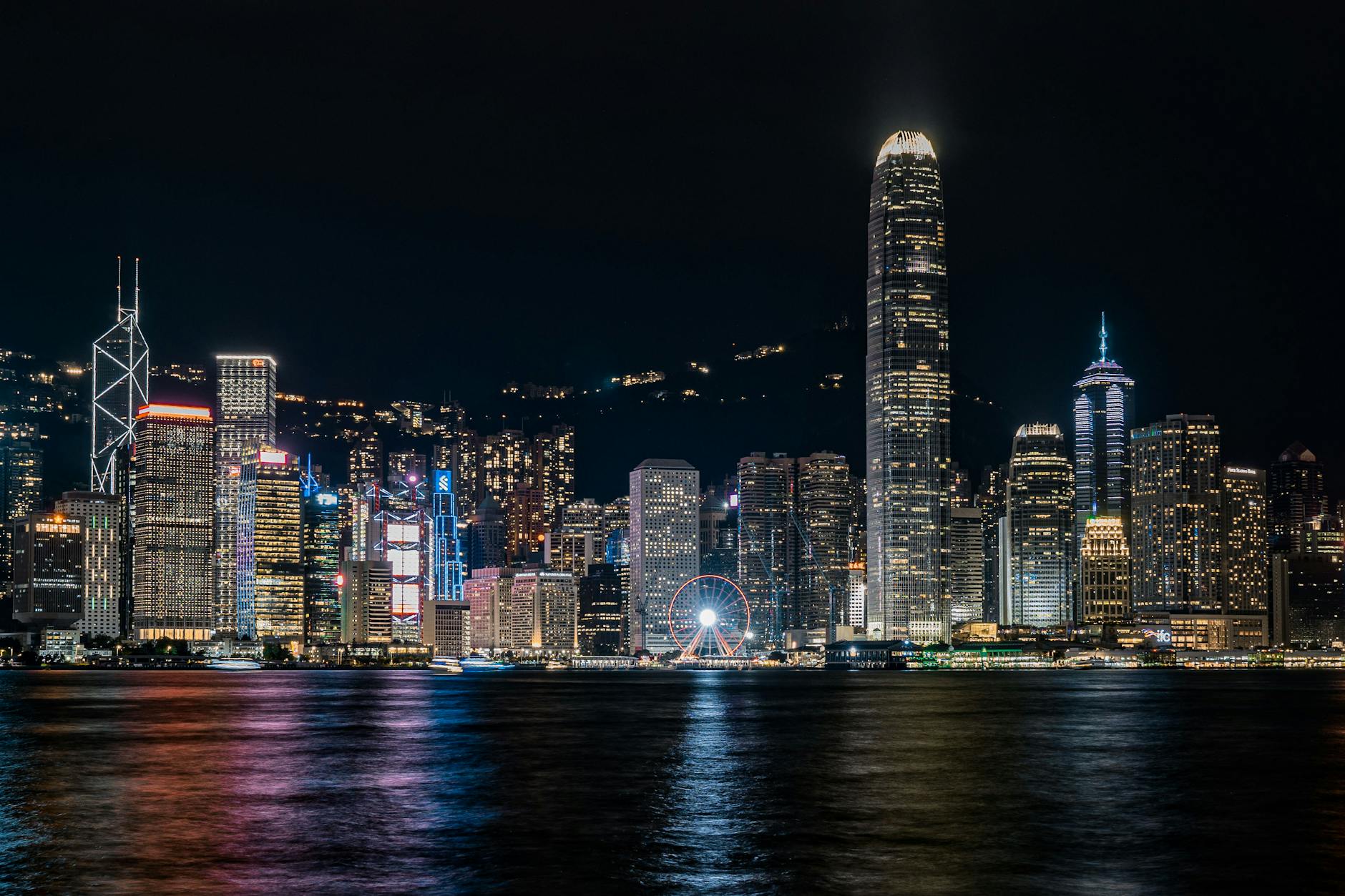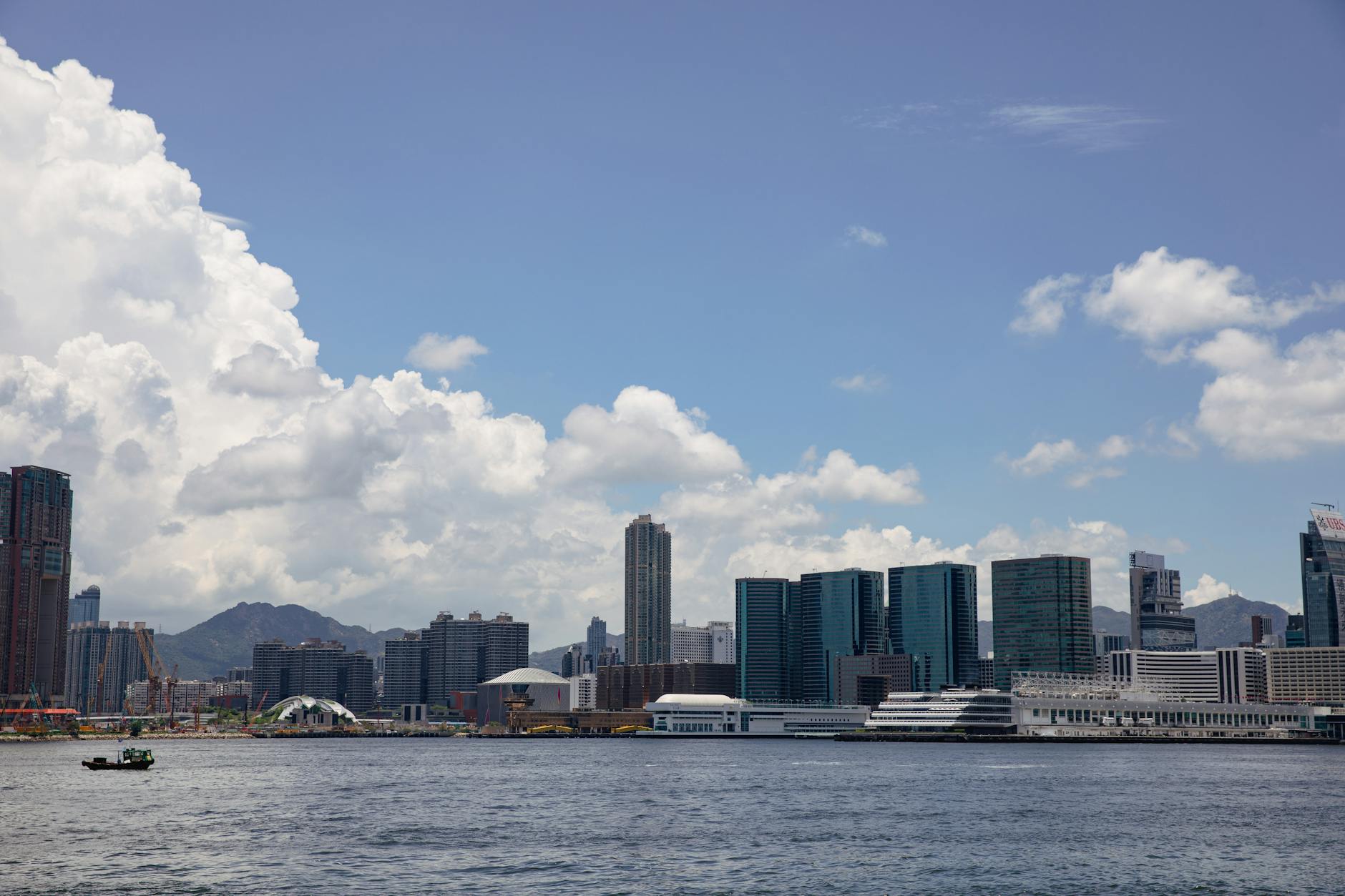
Tsim Sha Tsui is not a mountain village, but it can be a useful Hong Kong base for an adventure or outdoor traveler who wants harbor walks, ferry movement, quick transit, urban recovery, and access to hikes or coastal days elsewhere in the territory. The problem is that many outdoor travelers underestimate how much time is lost if trailheads, gear, weather, meals, and return routes are treated casually. A short outdoor-focused trip should decide what Tsim Sha Tsui is for. It can be the lodging base, the waterfront recovery zone, the transit hub, or the first and last scene of the day. It should not be mistaken for the whole adventure plan.
Decide what outdoor access means from this base
An outdoor traveler should be honest about the difference between Tsim Sha Tsui's waterfront and Hong Kong's more serious outdoor terrain. The district supports walking, harbor movement, ferry crossings, and easy logistics, but hikes such as Dragon's Back, Lion Rock, Sai Kung routes, or Lantau days require time, transit planning, and weather judgment.
The base can still make sense if the traveler wants a polished urban return after outdoor days. It works poorly when every outdoor goal sits far away and the traveler refuses to budget the transfer time.
- Separate waterfront walking from trailheads, country parks, island days, and coastal routes.
- Use Tsim Sha Tsui when urban recovery and transport convenience support the outdoor plan.
- Do not choose the base only because the skyline looks adventurous.
Build each outdoor day around the return route
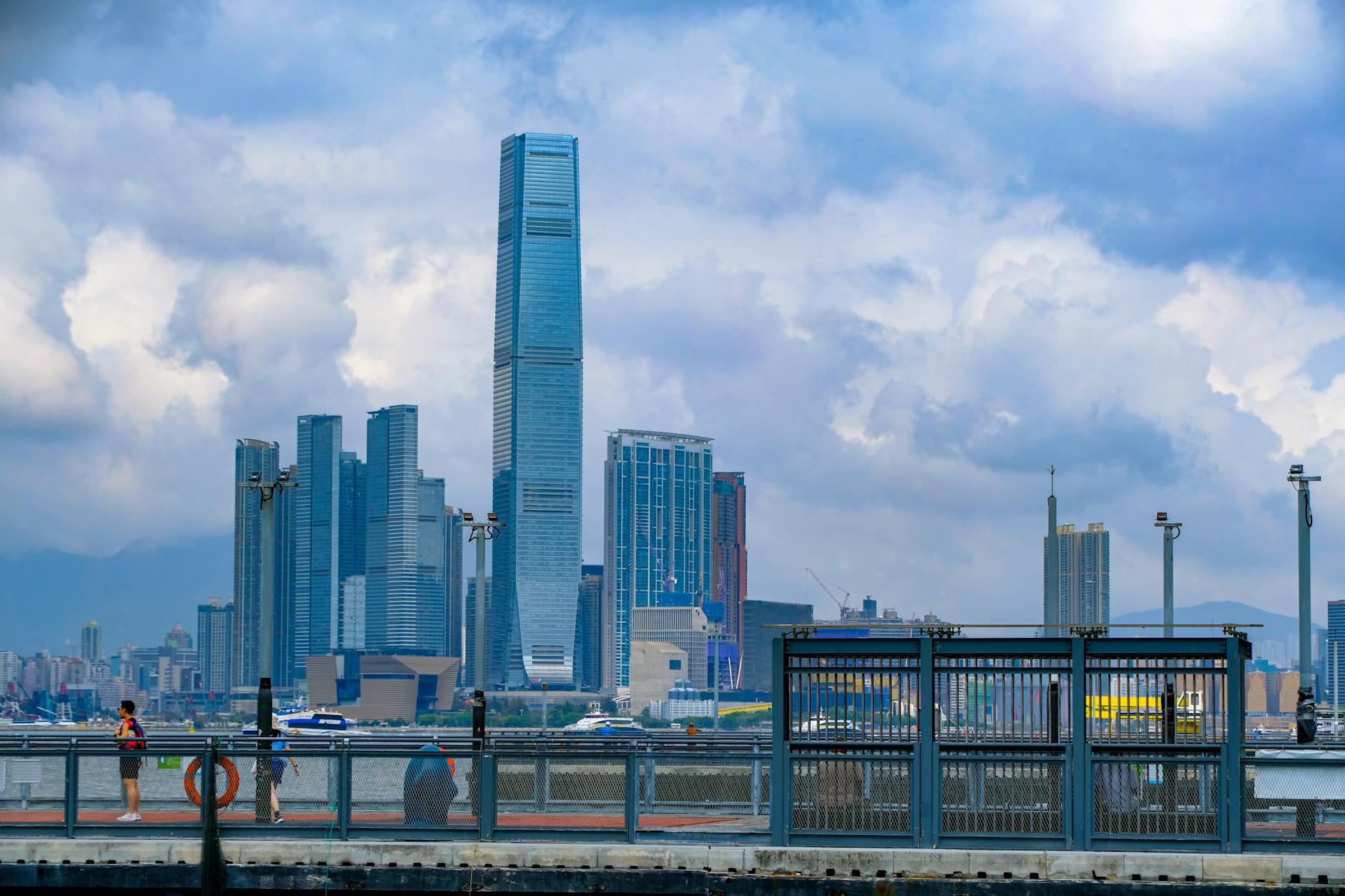
For a short trip, the return route matters as much as the outbound route. After heat, stairs, humidity, rain, or a long trail, the traveler may not want a complicated sequence of buses, transfers, ferries, and crowded stations. Tsim Sha Tsui works best when the day has a clear exit strategy back to the hotel.
The traveler should decide in advance when to use MTR, taxi, ferry, or a shorter route. A scenic outbound plan can still need a practical return plan.
- Plan the return from each hike, ferry day, waterfront walk, or outdoor session before leaving.
- Account for heat, rain, fatigue, bus frequency, station exits, and late-day crowding.
- Use taxis or simpler transfers when fatigue makes the scenic route less sensible.
Treat Hong Kong weather as a planning variable
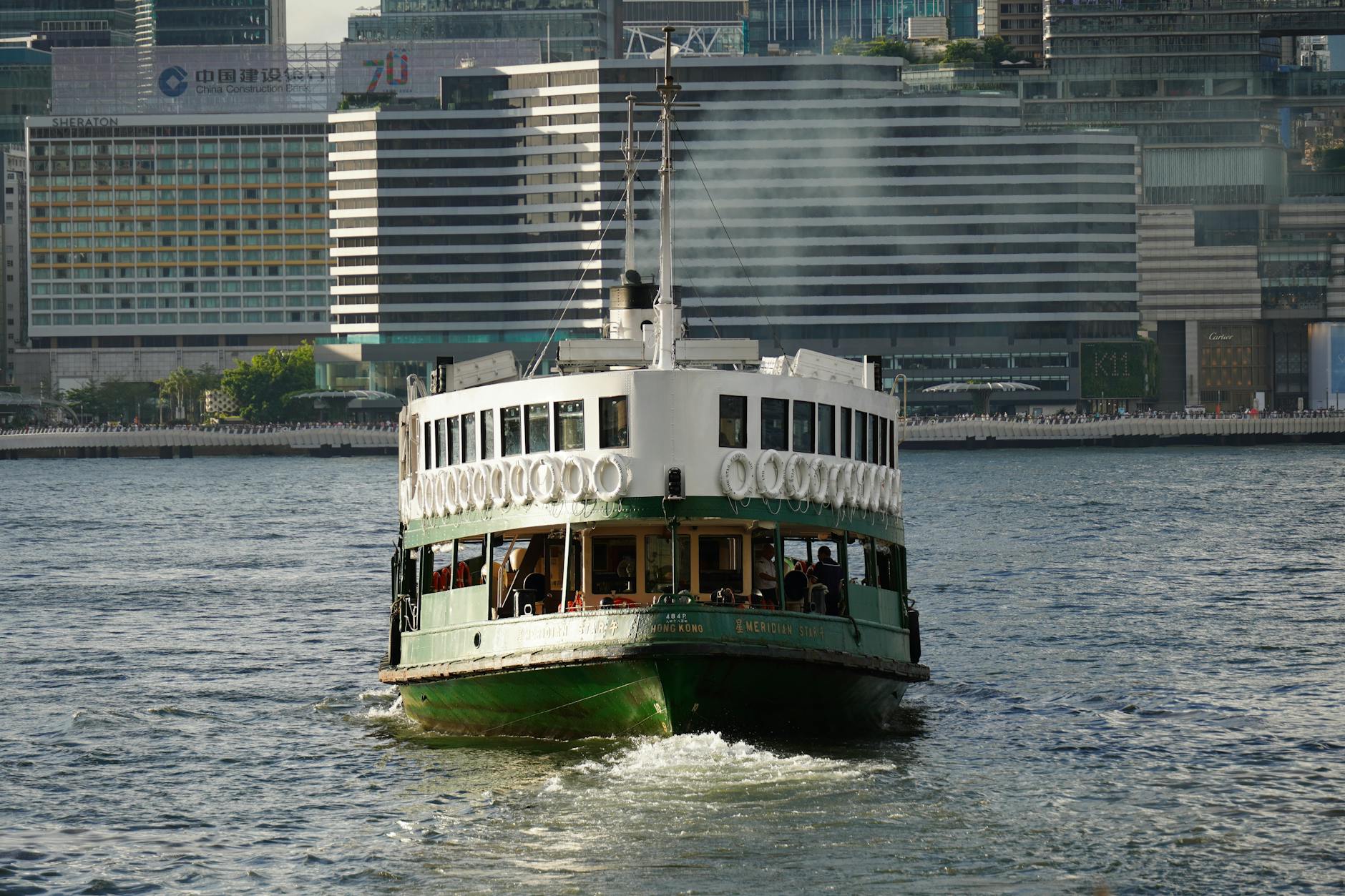
Hong Kong outdoor plans are highly weather-sensitive. Heat, humidity, rain, typhoon signals, haze, slippery paths, and exposed ridgelines can change the answer quickly. A traveler based in Tsim Sha Tsui should not assume that a planned hike remains sensible just because the hotel day still looks fine.
The plan should include alternate activities near the harbor, museums, ferries, indoor meals, or shorter urban walks. Outdoor judgment includes knowing when to reduce the day.
- Check heat, humidity, rain, typhoon signals, haze, trail condition, and exposure before each outing.
- Keep indoor, ferry, waterfront, and short-walk alternatives ready.
- Cut outdoor ambition early when weather turns the route into a poor decision.
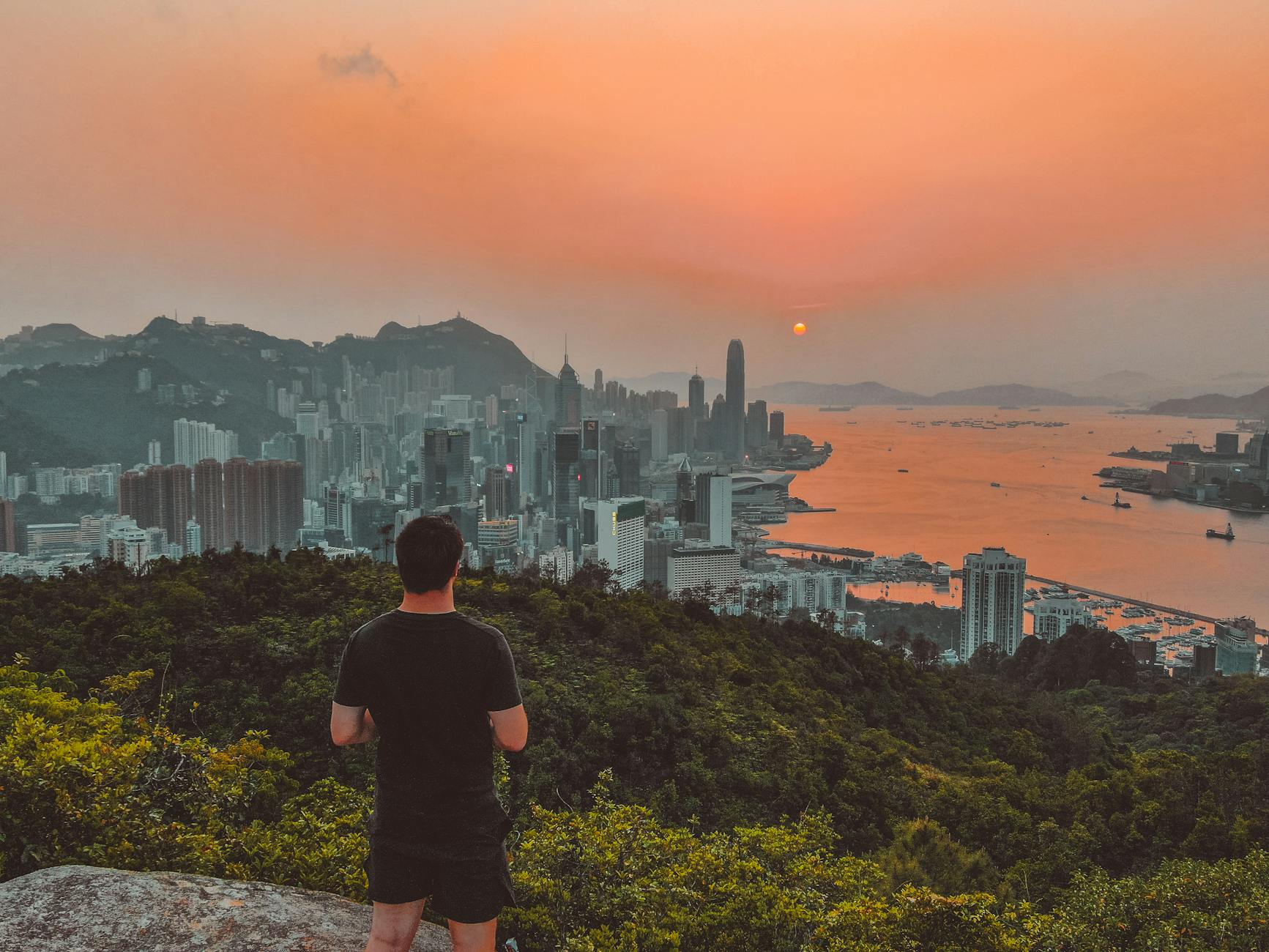
Pack for city movement and trail reality
The outdoor traveler has to pack for both dense city movement and actual terrain. Shoes, rain layer, sun protection, water, battery backup, transit card, offline maps, towel, change of shirt, and a small first-aid kit can matter. The traveler should also think about what to do with wet shoes, sweaty clothing, or bulky gear after returning to a hotel room.
Tsim Sha Tsui's sidewalks, stations, and ferries are easier with a compact kit. Bringing too much gear can turn ordinary movement into friction.
- Pack shoes, rain layer, sun protection, water, offline maps, battery backup, and basic first aid.
- Plan for wet clothing, shoes, laundry, storage, and hotel room recovery.
- Keep the kit compact enough for sidewalks, stations, ferries, and restaurants.
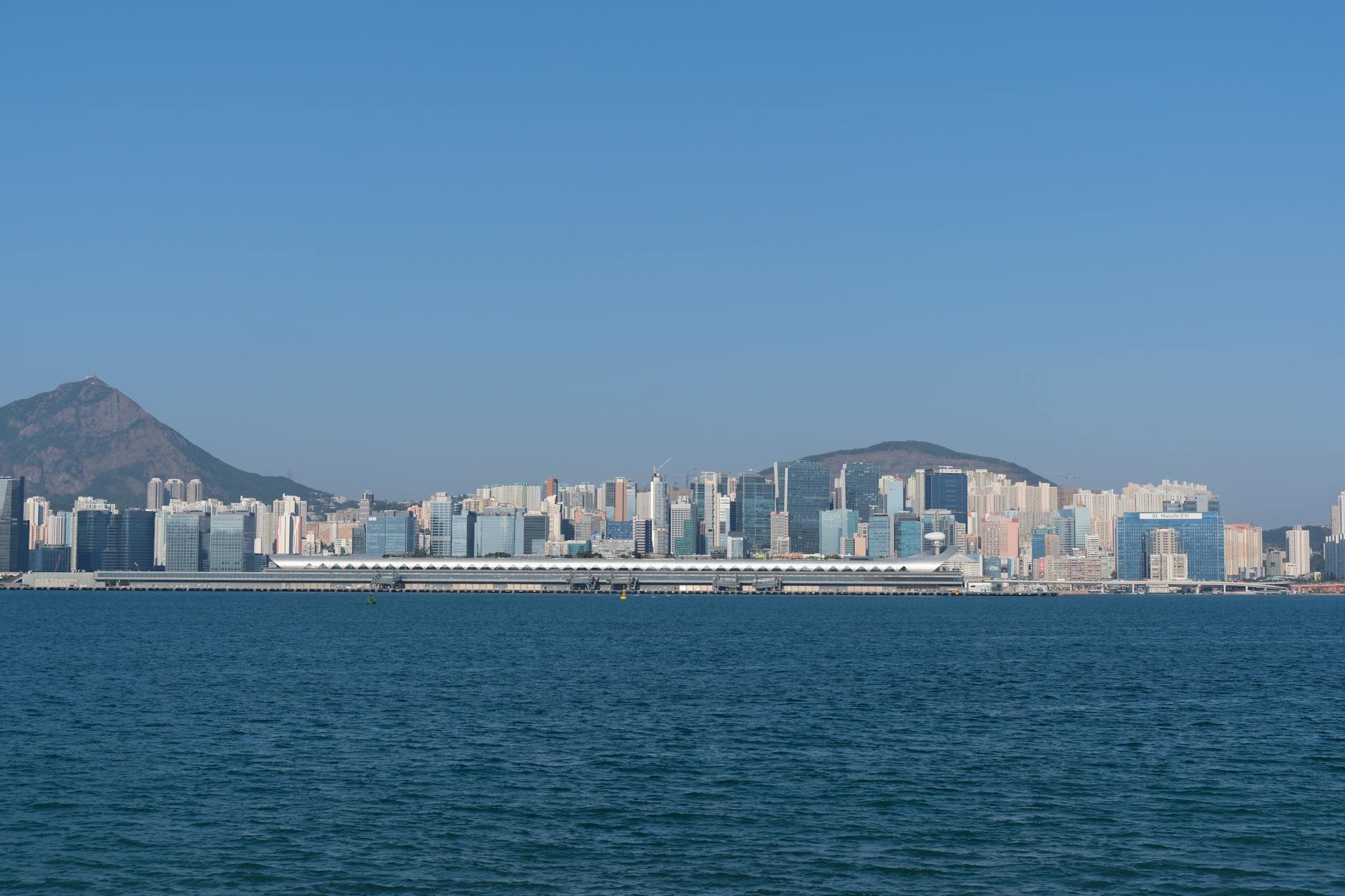
Use the harbor without letting it replace the plan
The Tsim Sha Tsui waterfront is one of the district's strengths for an outdoor traveler. It can provide low-friction walking, sunrise or evening movement, skyline orientation, and recovery after a trail day. But it can also become a substitute for the more intentional outdoor experiences the traveler came to Hong Kong to do.
The traveler should decide which waterfront blocks are for movement, which are for rest, and which are simply scenic transitions. That keeps the trip from turning into repeated promenade loops.
- Use the waterfront for sunrise, evening walks, orientation, and recovery blocks.
- Do not let easy harbor movement replace planned hikes, coastal routes, or island days.
- Treat promenade time as a specific tool, not a default filler.
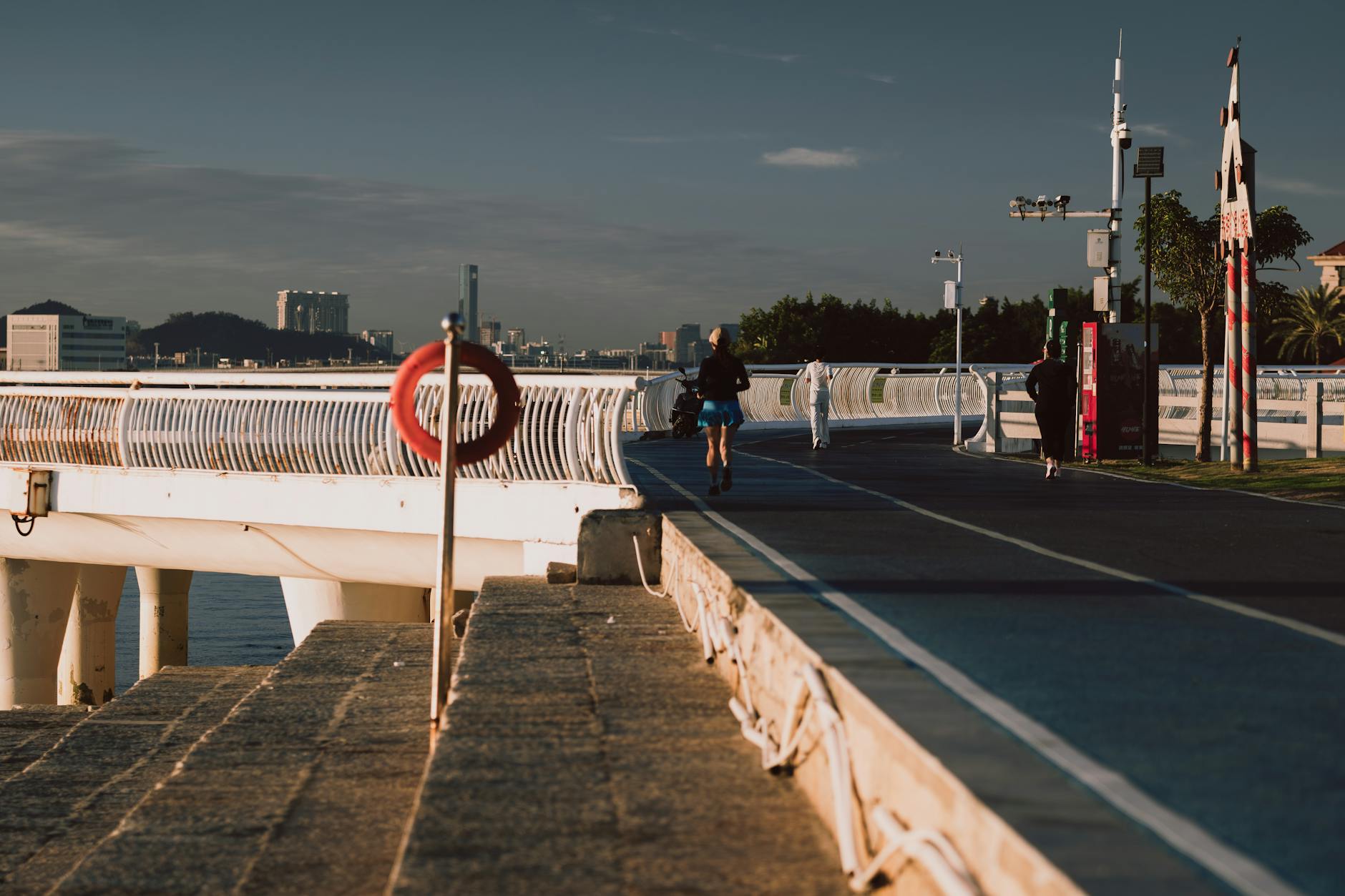
Plan recovery meals and sleep as part of the itinerary
Outdoor travelers often plan the hike and neglect the recovery. In Tsim Sha Tsui, restaurant choice, hydration, breakfast timing, laundry, massage or stretching time, and sleep quality can determine whether the second day works. A hotel in the wrong noise environment can undermine a good outdoor schedule.
The traveler should identify simple meals near the hotel for tired returns and avoid turning every evening into an additional mission. Recovery is not wasted time when the next day depends on it.
- Plan hydration, breakfast, recovery meals, laundry, stretching time, and quiet sleep.
- Keep easy restaurants near the hotel for tired returns after outdoor days.
- Avoid adding complicated evening plans after long heat, stairs, or trail exposure.
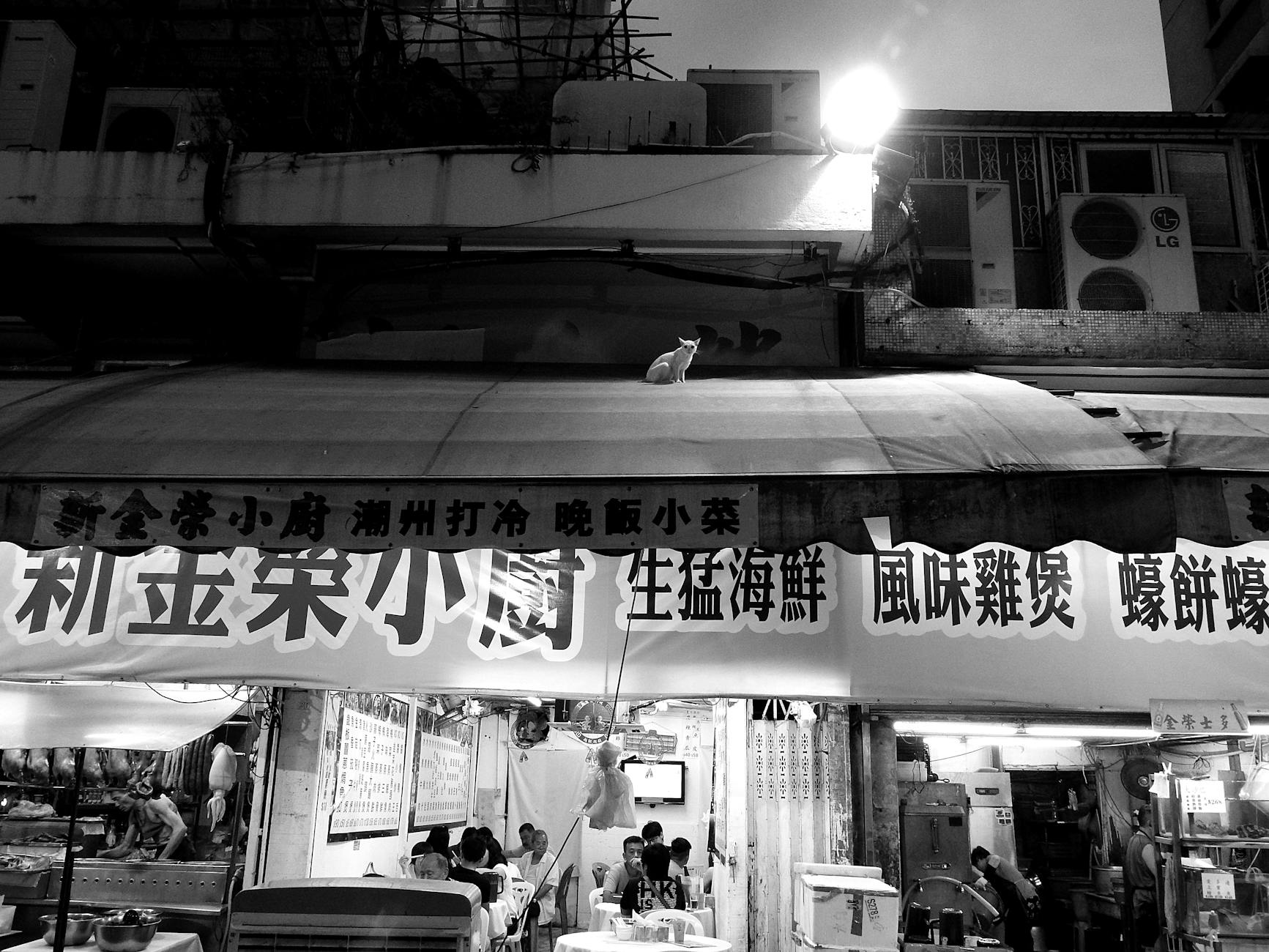
When to order a short-term travel report
An outdoor traveler with one relaxed waterfront walk may not need a custom Tsim Sha Tsui report. A report becomes useful when the trip includes multiple hikes, weather-sensitive plans, island or ferry movement, gear constraints, mobility concerns, a tight schedule, hotel uncertainty, or a need to balance outdoor ambition with urban recovery.
The report should test base fit, trail access, transfer time, weather alternatives, gear logistics, meals, recovery, safety, budget, and what to cut. The value is a short Hong Kong outdoor trip that is ambitious without becoming inefficient.
- Order when trail access, ferries, weather, gear, hotel choice, or recovery planning needs testing.
- Provide dates, outdoor goals, fitness level, hotel options, gear, constraints, and budget.
- Use the report to balance Hong Kong outdoor ambition with practical Tsim Sha Tsui logistics.