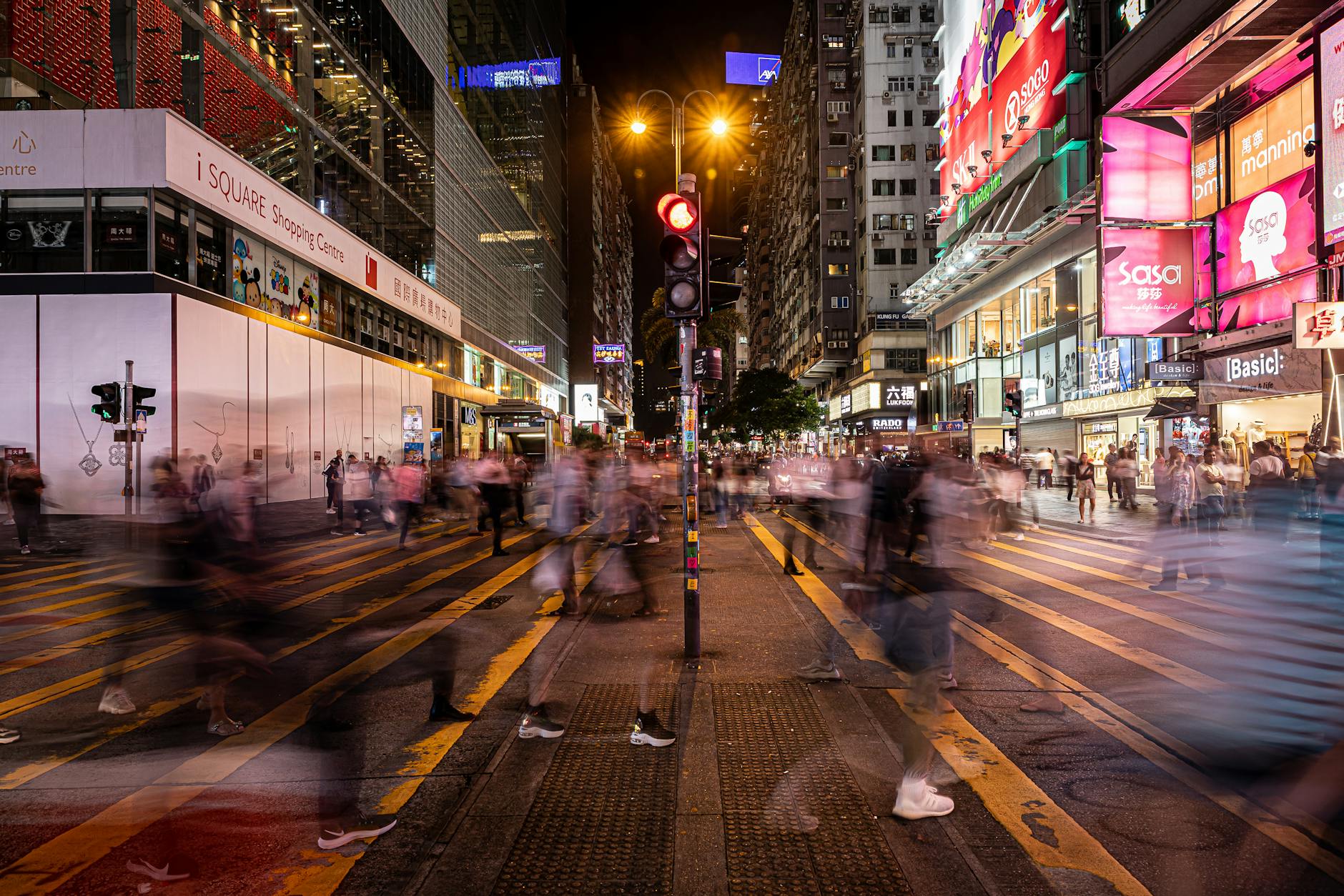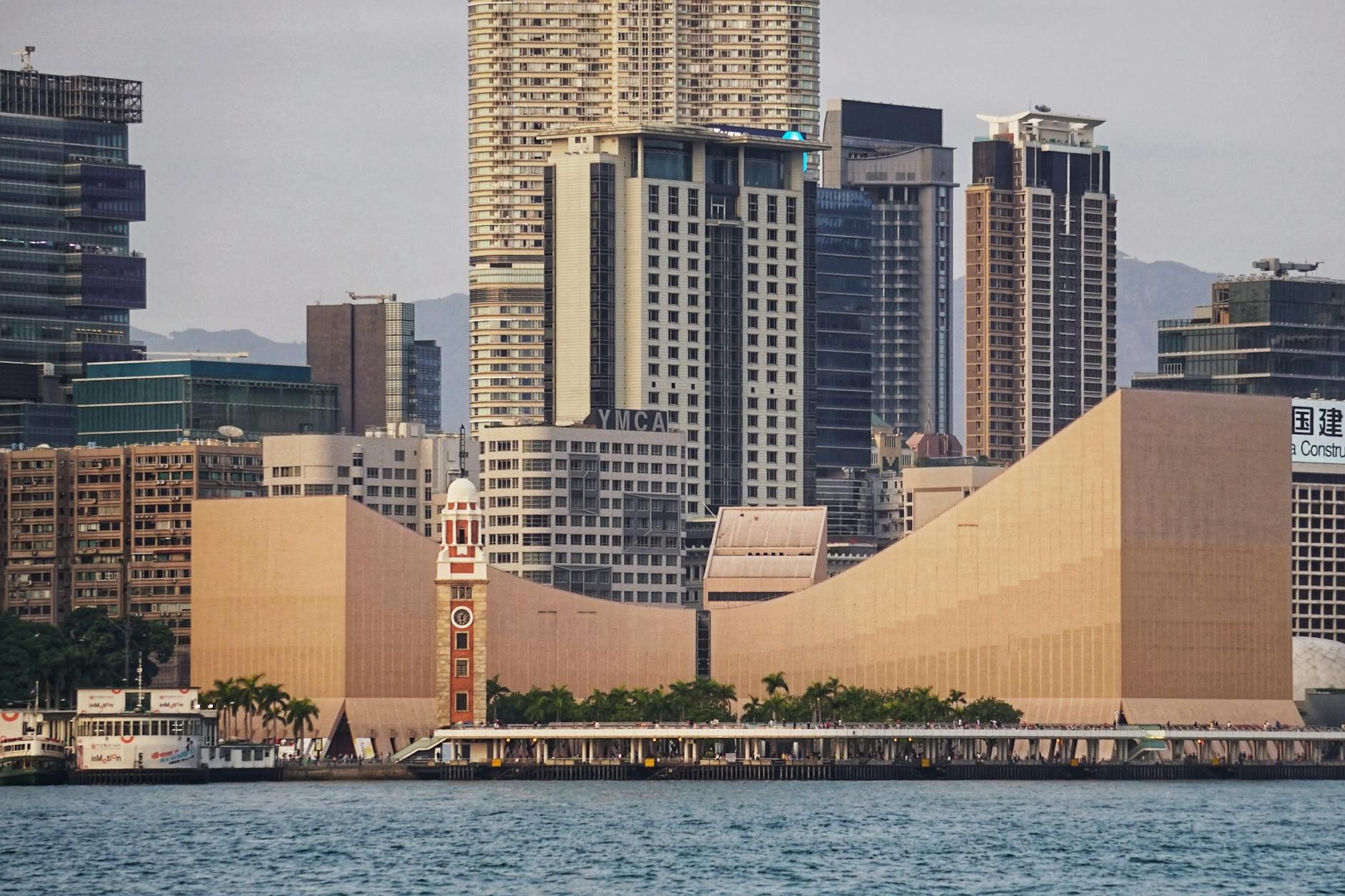
Tsim Sha Tsui can be a strong base for an academic conference attendee when the meeting is in a Kowloon hotel, waterfront venue, cultural institution, university-adjacent program, or cross-harbor schedule with sessions on both sides of Victoria Harbour. It can also become inefficient if the traveler assumes that a central-looking map means every venue is close. A short conference trip should protect session attendance, presentation readiness, networking time, and sleep. The right plan should decide whether Tsim Sha Tsui is the venue zone, the hotel base, the evening recovery area, or a convenient harbor-side compromise.
Confirm the actual conference geography
A conference attendee should start with the exact venue, not just the neighborhood label. Tsim Sha Tsui may mean a waterfront hotel ballroom, a museum auditorium, a Kowloon-side meeting room, a West Kowloon cultural venue, or a hotel that is only one part of a wider program. If major sessions are across the harbor in Wan Chai, Central, or Admiralty, the base decision changes.
The traveler should map keynote halls, poster rooms, side meetings, receptions, hotel entrances, transit exits, and meal plans before committing to a room. The best Tsim Sha Tsui plan is usually built around the first session of the day and the final event of the evening.
- Verify keynote, workshop, poster, reception, hotel, and side-meeting locations before booking.
- Check whether the program is truly in Tsim Sha Tsui or split across Kowloon and Hong Kong Island.
- Use the first morning session and last evening event to test the base choice.
Choose a hotel that protects conference days
A conference hotel should do more than look convenient on a map. The attendee should check walking time to the venue, covered routes, MTR exits, lift speed, breakfast timing, room quiet, desk setup, laundry, iron access, Wi-Fi, and whether the lobby becomes crowded during peak check-in or tour periods. These details matter when the schedule starts early and ends late.
If the traveler is presenting, moderating, carrying a poster tube, or joining breakfast meetings, the hotel choice should reduce friction before the first session. A slightly less scenic hotel can be the better choice if it makes the conference day easier.
- Check walking routes, covered access, MTR exits, lifts, breakfast, desk space, Wi-Fi, and room quiet.
- Prioritize the hotel that makes early sessions, materials, and late returns easiest.
- Do not let harbor views outrank the practical demands of the program.
Plan cross-harbor movement around the program
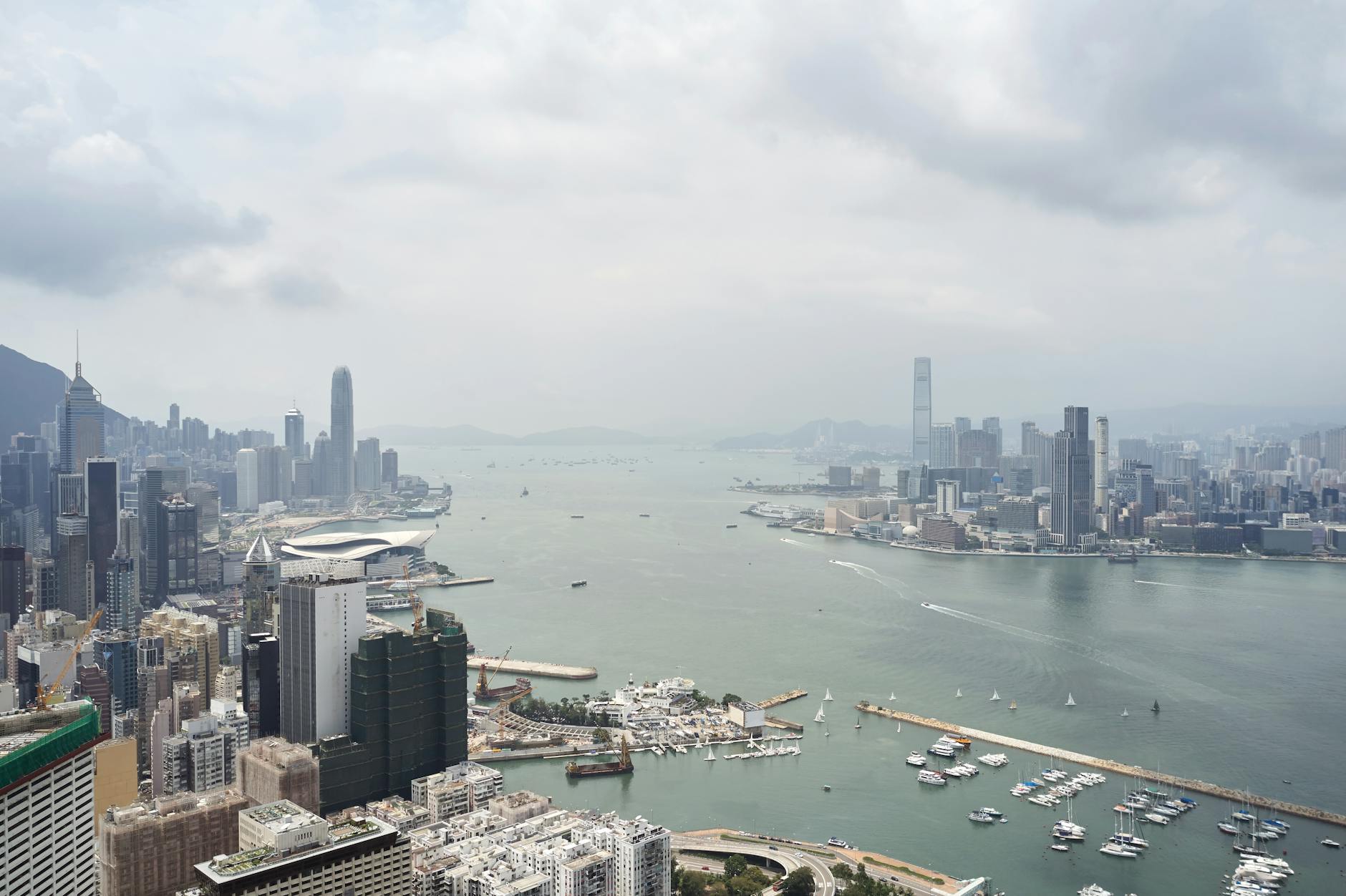
Academic programs often mix formal sessions with receptions, dinners, lab visits, publisher meetings, and informal conversations. In Tsim Sha Tsui, the traveler may use MTR, taxi, hotel car, Star Ferry, or walking routes depending on timing and formality. The right choice changes by session type.
The attendee should decide in advance how to reach any Hong Kong Island venue, how much time to leave between sessions, and when a scenic ferry crossing is useful rather than risky. Presentation days, rain, heat, and formal clothing should push the plan toward more conservative timing.
- Match MTR, taxi, ferry, or car choices to session timing, formality, weather, and what must be carried.
- Build larger buffers before presentations, panels, and chaired sessions.
- Use the Star Ferry for appropriate gaps, not for time-critical moves.
Protect registration, materials, and presentation readiness
The academic traveler should treat registration and materials as operational tasks. Badge pickup, speaker check-in, poster placement, adapter needs, laptop compatibility, printed notes, backup slides, cloud access, local SIM or roaming, payment cards, and venue security can all affect the first conference day.
Tsim Sha Tsui is well supplied, but the traveler should not rely on last-minute errands before a session. If the trip includes a poster, sample materials, books, or equipment, the route from airport to hotel to venue should be tested for stairs, luggage, taxi access, and storage options.
- Prepare badge pickup, speaker check-in, adapters, backup slides, printed notes, cloud access, and payment.
- Test airport, hotel, and venue routes for luggage, poster tubes, stairs, and storage.
- Complete essential errands before the conference day begins.
Make networking meals useful instead of exhausting
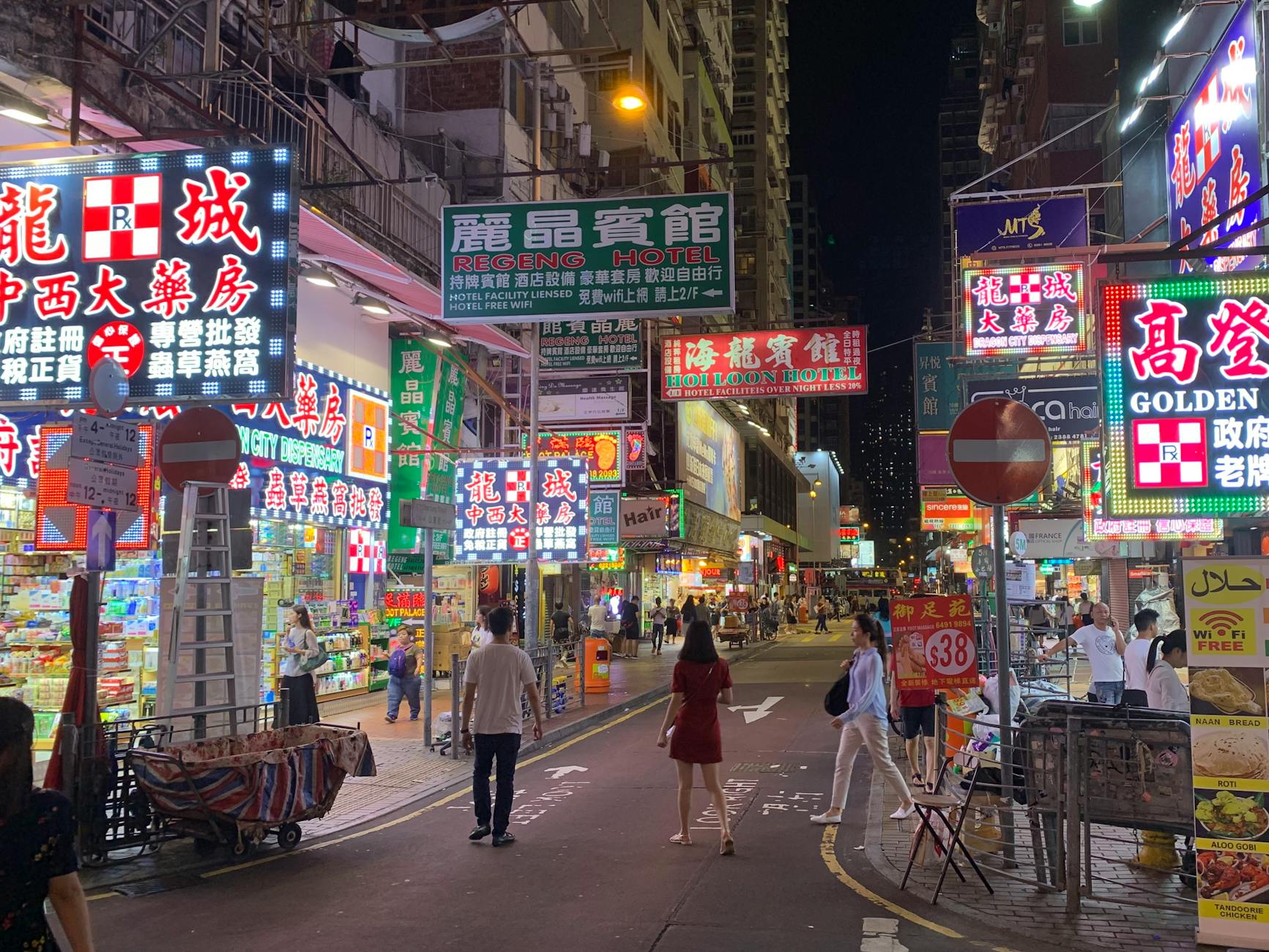
Tsim Sha Tsui is strong for conference meals because it has hotel restaurants, Cantonese dining, harbor views, private rooms, casual coffee options, and easy late-evening choices. The attendee should still choose meals by noise, distance, dietary needs, payment expectations, group size, and how much energy remains after sessions.
Networking can be valuable, but a short conference trip can be damaged by overcommitting every evening. The traveler should decide which receptions, dinners, one-on-one meetings, and quiet recovery blocks matter most before the program starts.
- Choose restaurants by noise, distance, dietary needs, group size, payment, and return route.
- Prioritize the receptions and meals that support the academic purpose of the trip.
- Protect sleep and preparation time on presentation or early-session days.
Build the schedule around weather and crowd friction
Tsim Sha Tsui can be humid, rainy, crowded, bright, windy along the harbor, and cold inside hotels or meeting rooms. Conference clothing, laptops, printed materials, tote bags, and formal shoes can make even short walks harder than expected. Evening crowds near the waterfront can also slow movement between hotels, restaurants, and transit.
The attendee should carry water, a light layer, a compact umbrella, battery backup, and a practical bag. A conference schedule works better when it includes realistic walking time, indoor routes, and a plan for returning to the hotel without losing the final part of the day.
- Plan for humidity, rain, cold meeting rooms, crowds, formal shoes, laptops, and printed materials.
- Use indoor routes, mall links, taxis, or MTR when waterfront crowds slow movement.
- Keep water, umbrella, battery, and a practical conference bag ready.
When to order a short-term travel report
An attendee with one hosted hotel, one venue, and no presentation may not need a custom Tsim Sha Tsui report. A report becomes useful when the program is split across districts, the traveler is presenting, managing a poster, choosing between hotel zones, arranging networking meals, carrying equipment, traveling with mobility or medical constraints, or trying to combine academic obligations with a short personal stay.
The report should test venue geography, hotel fit, session timing, cross-harbor routes, registration, materials, meals, weather, recovery blocks, airport transfers, budget, and what to cut. The value is arriving with a conference plan that protects the academic purpose of the trip.
- Order when venue geography, hotel choice, presentations, materials, or cross-harbor timing needs testing.
- Provide program dates, venue names, hotel options, presentation duties, meals, constraints, and budget.
- Use the report to protect session attendance, networking value, and recovery time.