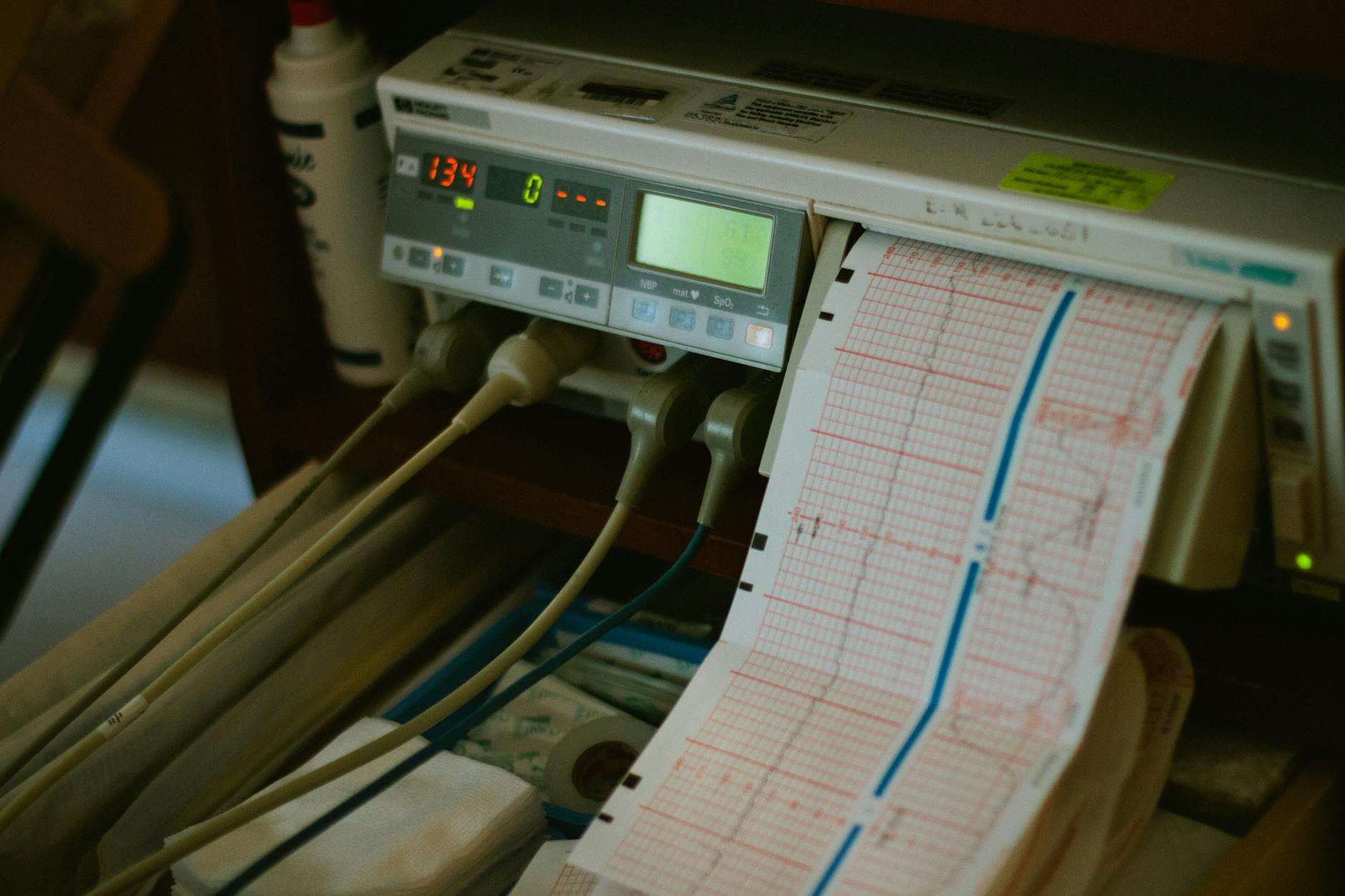
A Trondheim trip with medical constraints should be planned around reliability. Medications, documentation, clinic and pharmacy access, hotel comfort, weather, food needs, pacing, transport, insurance, and emergency contacts all matter before sightseeing. The plan should reduce avoidable strain and keep support options visible.
Define the constraint in travel terms
Medical constraints vary, so the Trondheim plan should translate the condition into travel requirements. Medication timing, fatigue, temperature sensitivity, food restrictions, mobility, restroom needs, infection risk, and appointment access can all affect the itinerary.
Specific requirements make the plan usable.
- List what affects flights, rail, hotel choice, meals, walking, sleep, and emergency planning.
- Confirm whether the traveler needs step-free access, refrigeration, quiet rest, oxygen, equipment, or nearby taxis.
- Avoid assuming that a compact city automatically makes the stay medically easy.
Prepare medications and documents
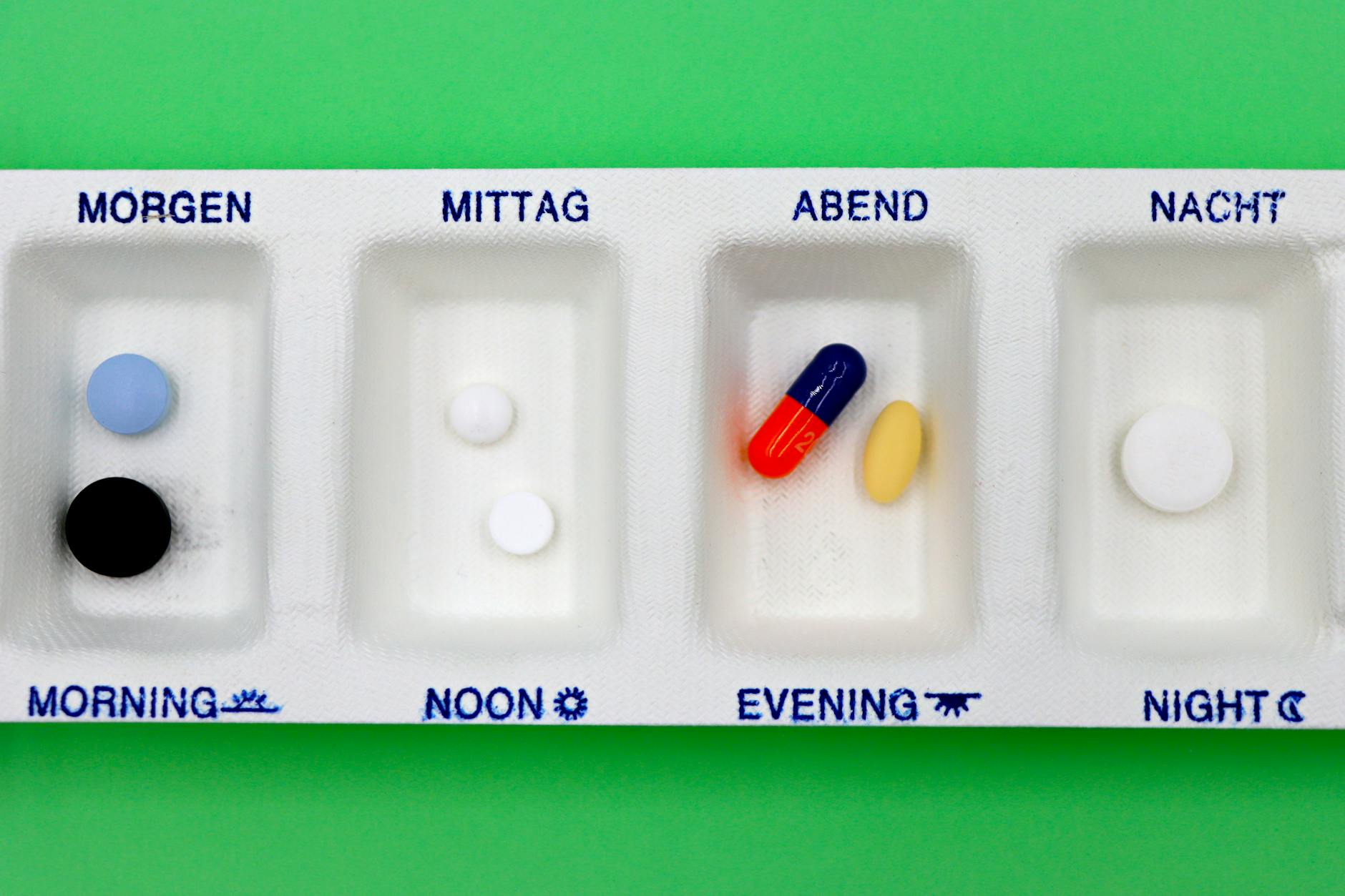
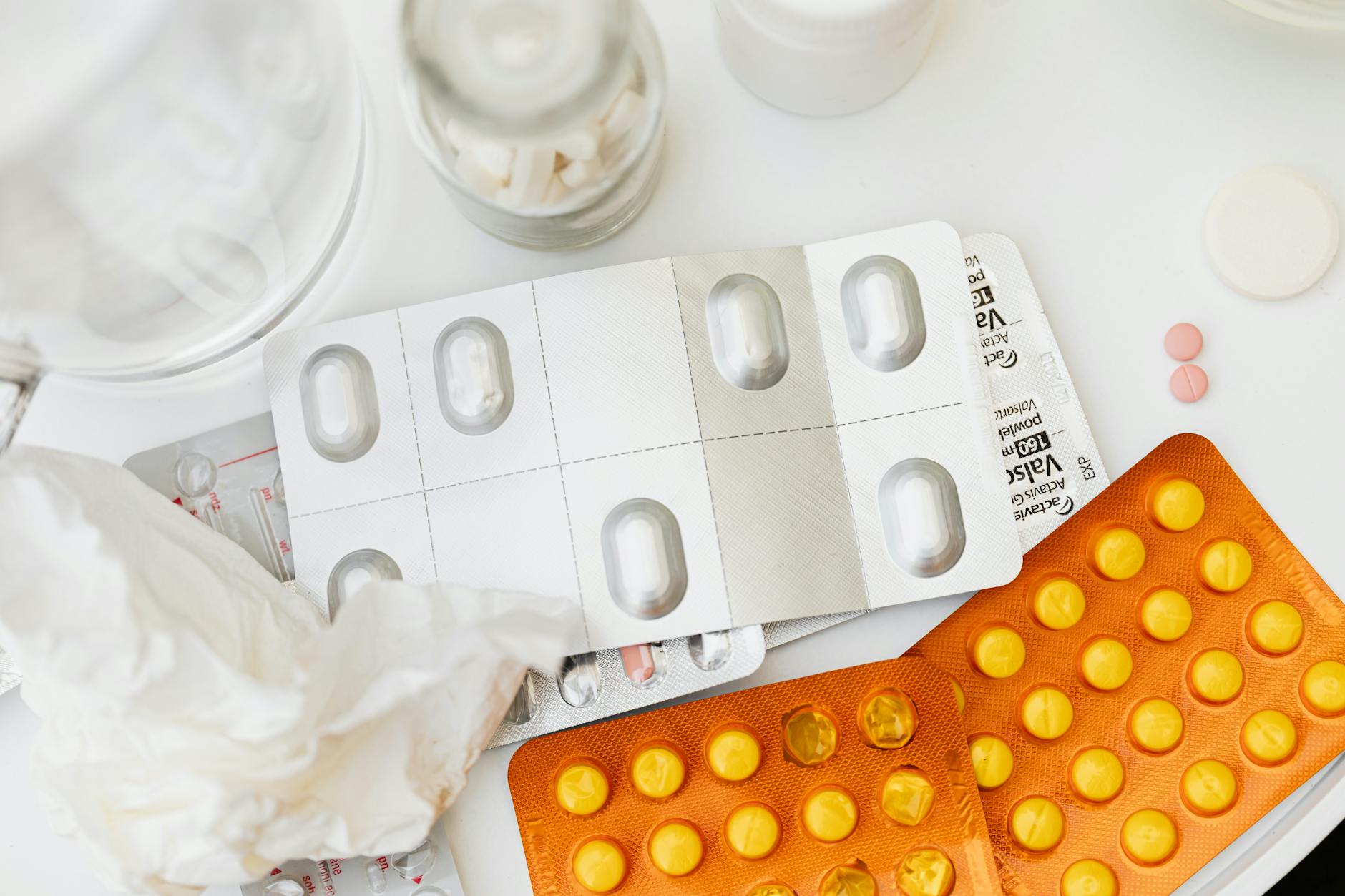
Medication planning should happen before the rest of the itinerary becomes fixed. The traveler should carry enough supply, keep critical items in hand luggage, and have documents that explain prescriptions, devices, allergies, and relevant diagnoses.
Medication logistics should not depend on luck.
- Carry medications in original packaging where practical, with prescription details and dosing notes.
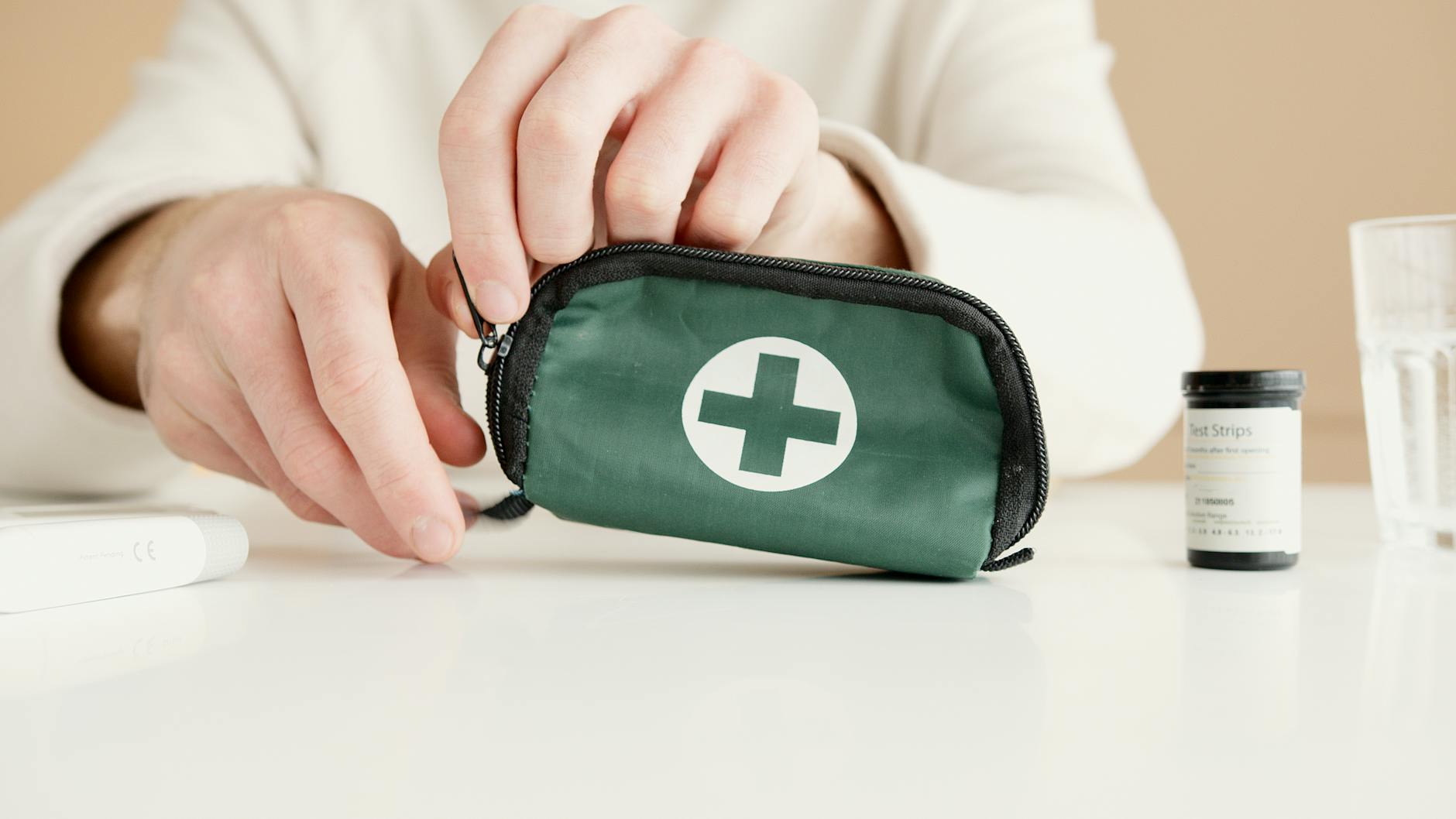
- Pack extra supply, a small day kit, and any refrigeration or device charging support needed.
- Keep a concise medical summary and emergency contact information accessible offline.
Choose lodging around recovery
The hotel should reduce medical friction. Room quiet, elevator access, bathroom layout, temperature control, refrigerator access, breakfast timing, room service, taxi pickup, and proximity to pharmacies or clinics can matter more than scenic charm.
The room is part of the care plan.
- Check elevator access, bed comfort, bathroom setup, heating, air quality, room quiet, and fridge options.
- Choose a location that allows short returns, reliable taxis, and manageable meal access.
- Avoid lodging that makes rest, medication timing, or emergency movement harder.
Map pharmacy and clinic options
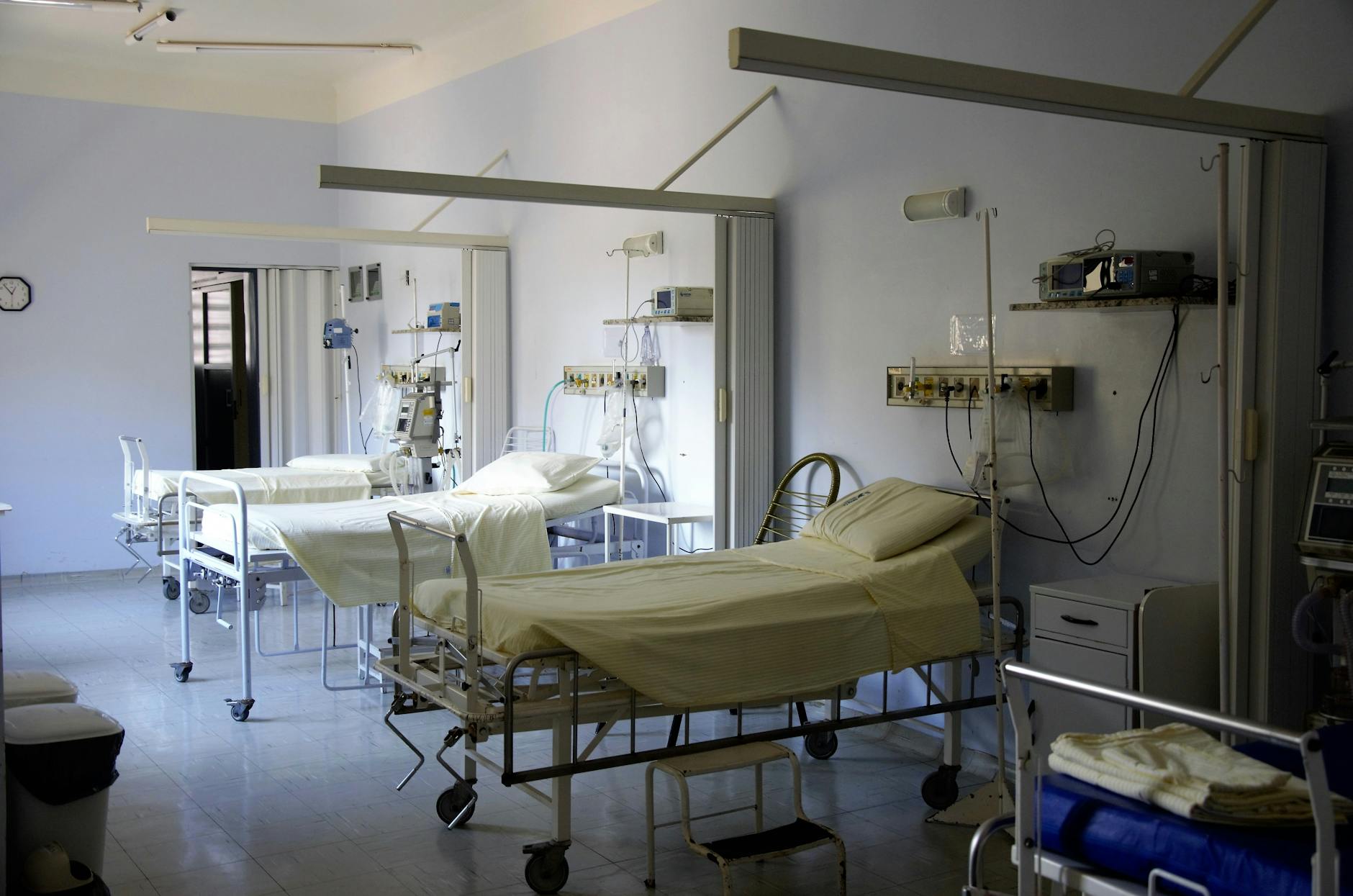
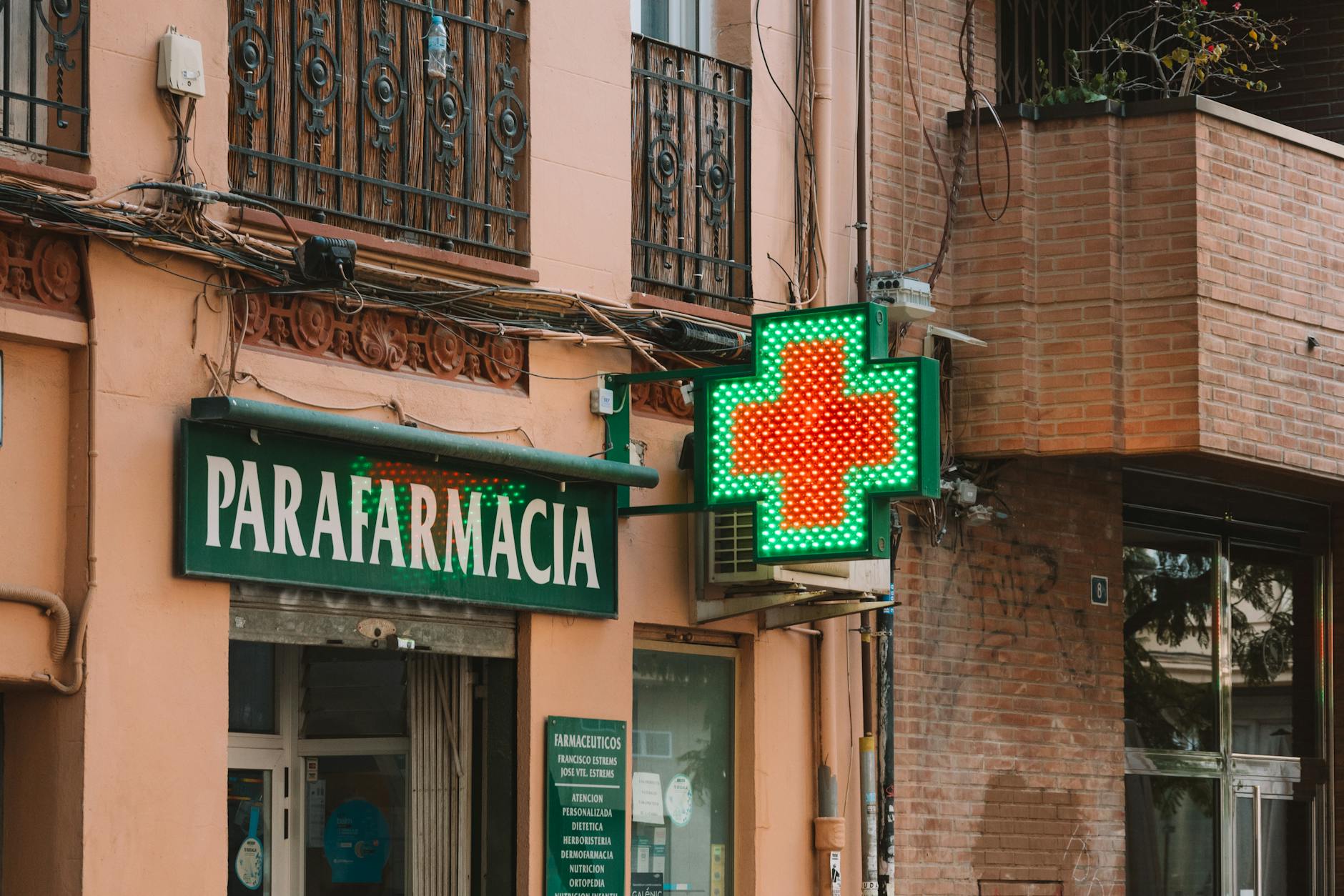
A traveler with medical constraints should know where practical support exists before it is needed. Pharmacy hours, urgent care options, hospital location, insurance contacts, and language support can all affect whether a small issue stays small.
Support options should be visible.
- Identify nearby pharmacies, after-hours options, urgent care routes, and emergency numbers before arrival.
- Check travel insurance procedures and whether any provider authorization is required.
- Save addresses and phone numbers offline with the hotel address and transport backups.
Plan weather, pacing, and exertion
Cold, rain, wind, wet surfaces, short daylight, and uneven streets can matter more when health is fragile. The itinerary should leave room for slower movement, indoor resets, and recovery after transport or sightseeing.
Pacing is health logistics.
- Build shorter routes with cafes, restrooms, taxis, and indoor alternatives nearby.
- Pack layers, waterproof protection, suitable footwear, device chargers, and any medical supplies needed outside the hotel.
- Cut or rearrange plans quickly when symptoms, fatigue, or weather change the day.
Keep meals medically practical
Food can be a health issue when medications, allergies, blood sugar, digestive conditions, hydration, or timing matter. The traveler should plan meals and snacks near the actual route instead of relying on last-minute restaurant searches.
Meal reliability protects the day.
- Identify restaurants, grocery stops, safe snacks, hydration points, and dietary backup options near the hotel and route.
- Reserve when dietary needs, timing, seating, or fatigue make spontaneity risky.
- Carry emergency snacks or supplies if delayed meals could create a medical problem.

When to order a short-term travel report
A traveler with stable needs, a central hotel, and flexible time may not need a custom report. A report becomes useful when medication timing is strict, hotel access is uncertain, weather could aggravate symptoms, food restrictions matter, clinic access needs mapping, or the traveler wants a realistic route that protects health.
The report should test hotel fit, arrival transfer, medication logistics, pharmacy and clinic options, meal reliability, weather contingencies, gentle routes, insurance steps, emergency contacts, and departure buffers. The value is a Trondheim stay that keeps medical constraints visible without letting them consume the whole trip.
- Order when medications, hotel access, clinics, pharmacies, meals, weather, transport, insurance, or departure timing need exact planning.
- Provide dates, arrival details, hotel candidates, medical constraints, medication needs, dietary needs, mobility limits, and budget.
- Use the report to keep the Trondheim medical-constraints stay prepared, paced, and resilient.