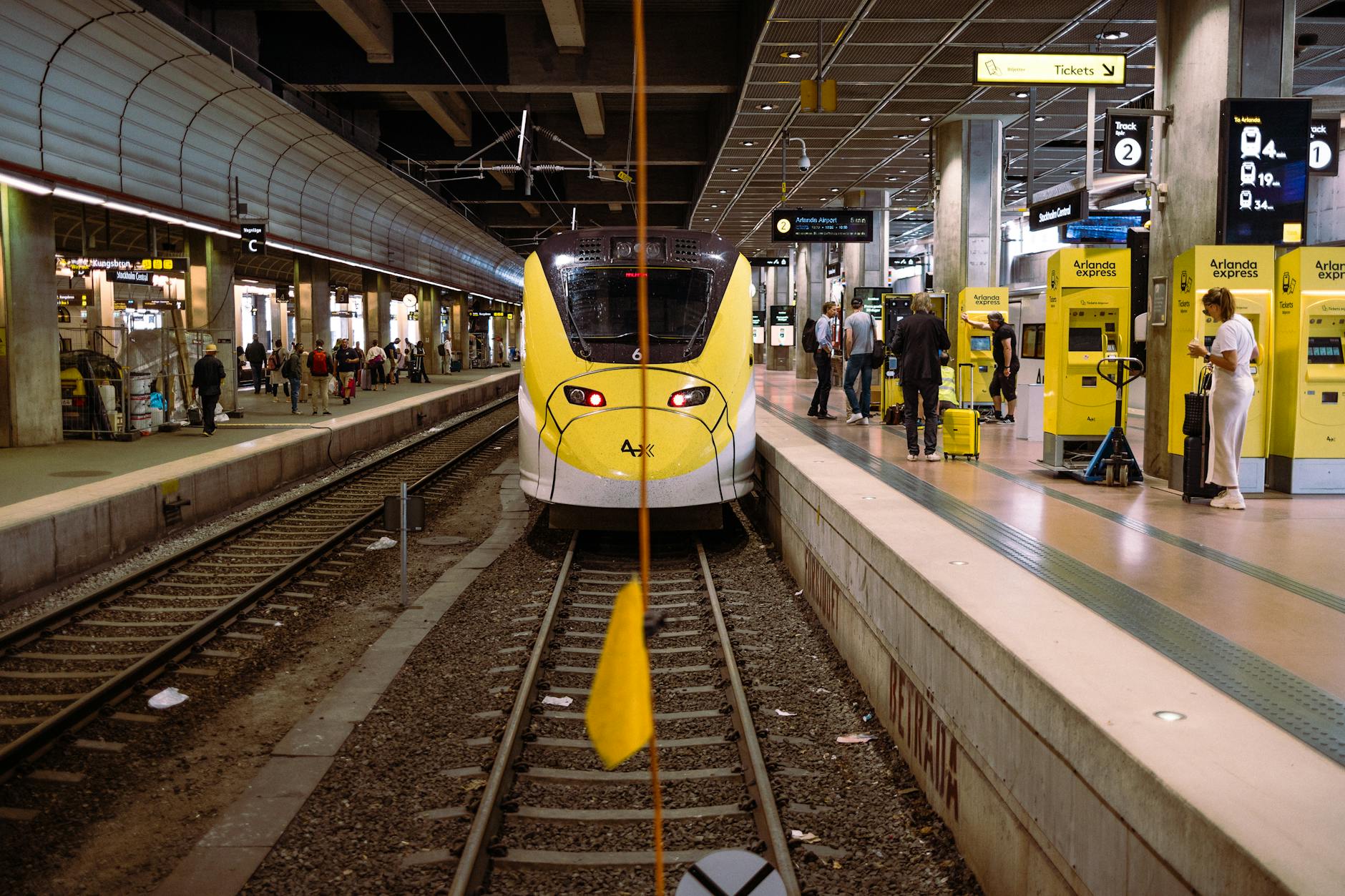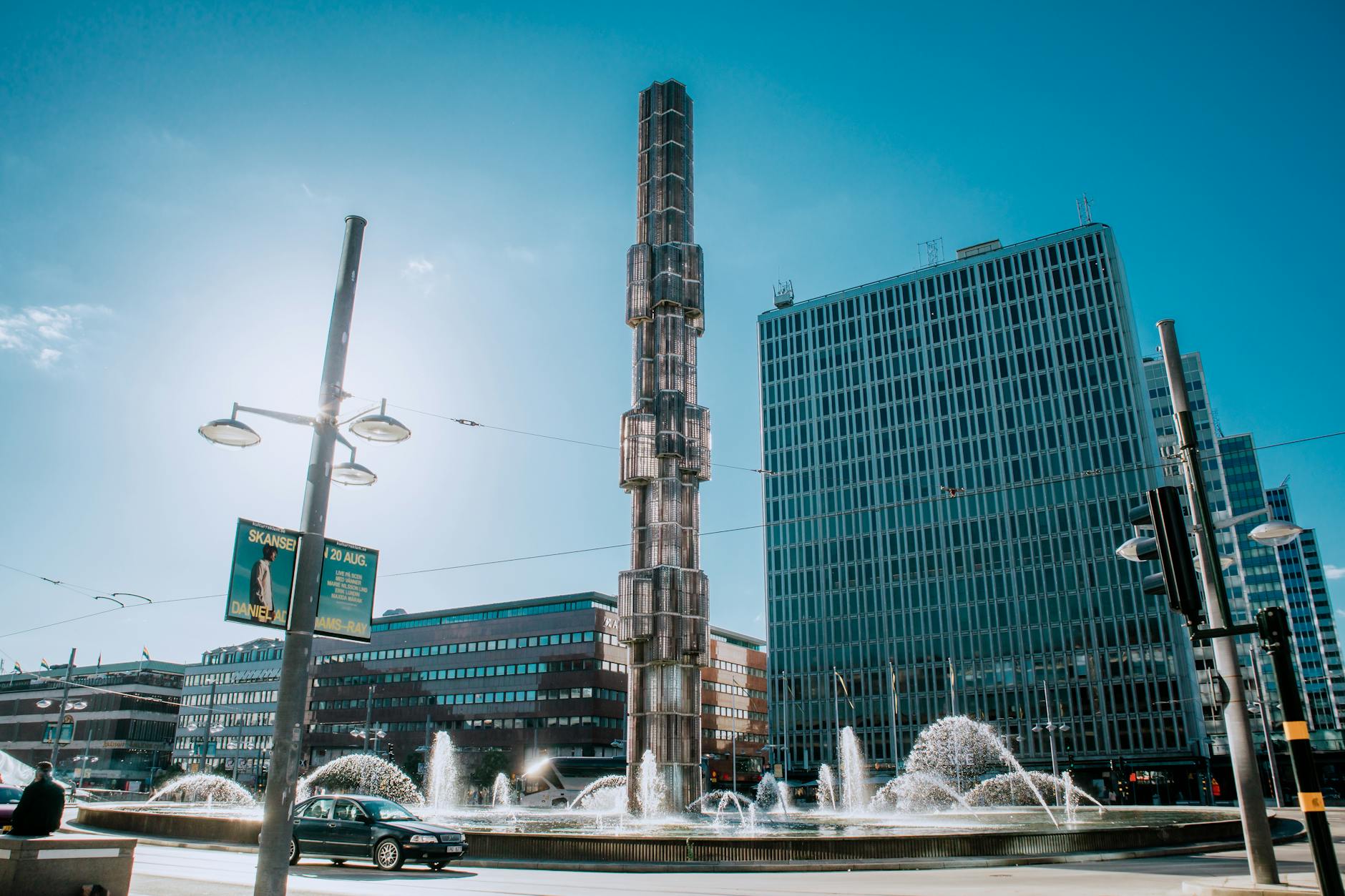
A Stockholm business visit should be built around meeting geography and reliable movement before leisure. Airport or rail arrival, hotel location, office districts, client timing, workspace quality, meals, weather, local transport, privacy, and departure buffers can all affect whether a short stay feels polished and productive.
Map meetings before choosing the hotel
Stockholm business travel starts with geography. Client offices, conference venues, coworking spaces, dinner locations, Central Station, Arlanda links, and the hotel should be mapped together before the traveler commits to a base.
The hotel is a movement decision.
- Confirm meeting addresses, visitor entry, host contacts, and realistic transfer times.
- Choose lodging that supports the most important meeting and the arrival or departure mode.
- Avoid a scenic base if it complicates early meetings or late client dinners.
Use airport and rail links deliberately
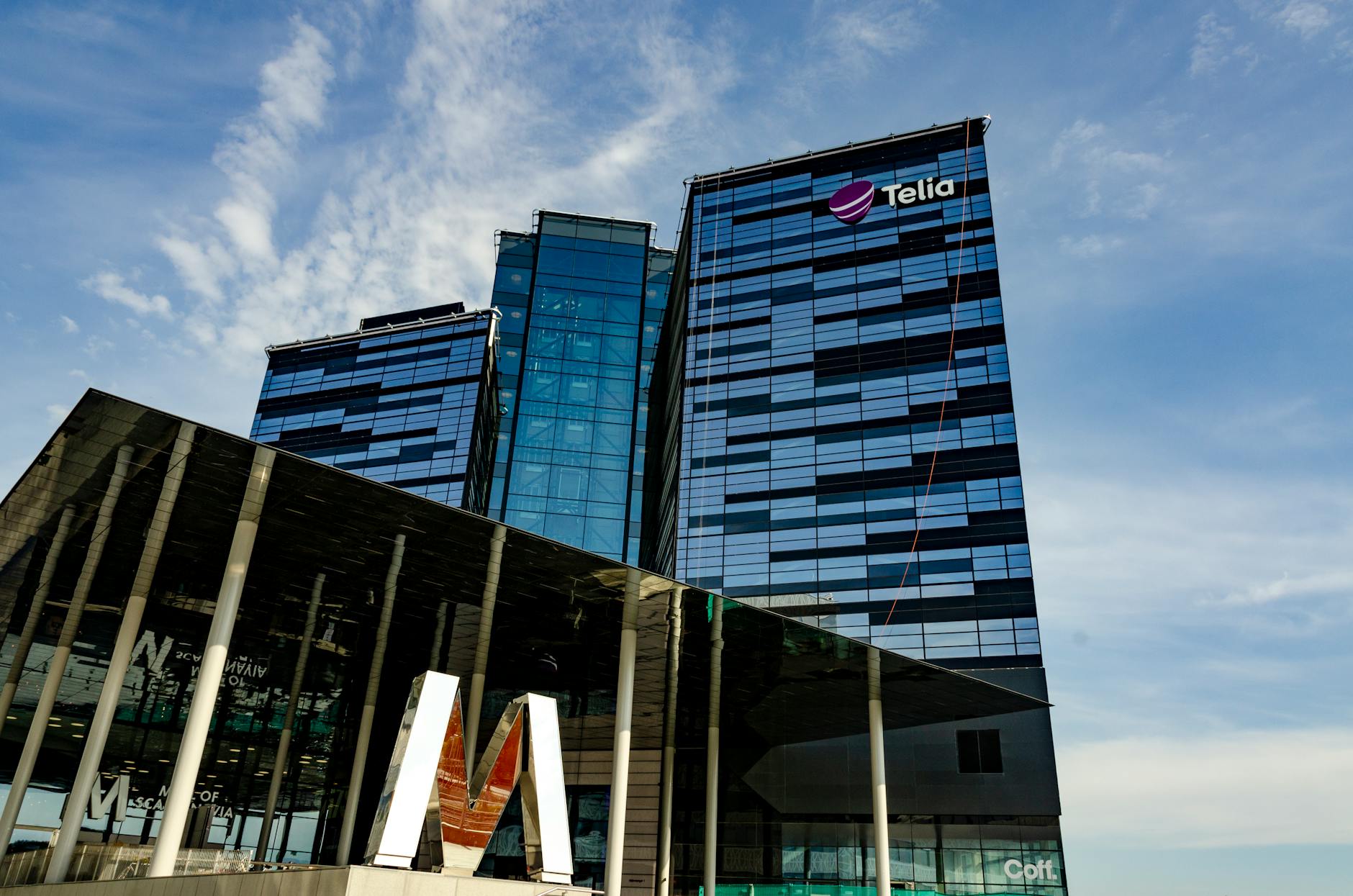
Stockholm business visitors often depend on a clean arrival from Arlanda or a rail connection through Central Station. The traveler should decide whether speed, cost, luggage, weather, or meeting timing matters most before choosing the transfer.
Arrival should create readiness.
- Compare express rail, regular rail, taxi, hotel location, luggage, and meeting timing before arrival.
- Keep ticketing, platform, and hotel directions available offline.
- Build extra margin if the first meeting follows a same-day arrival.
Choose lodging for workability
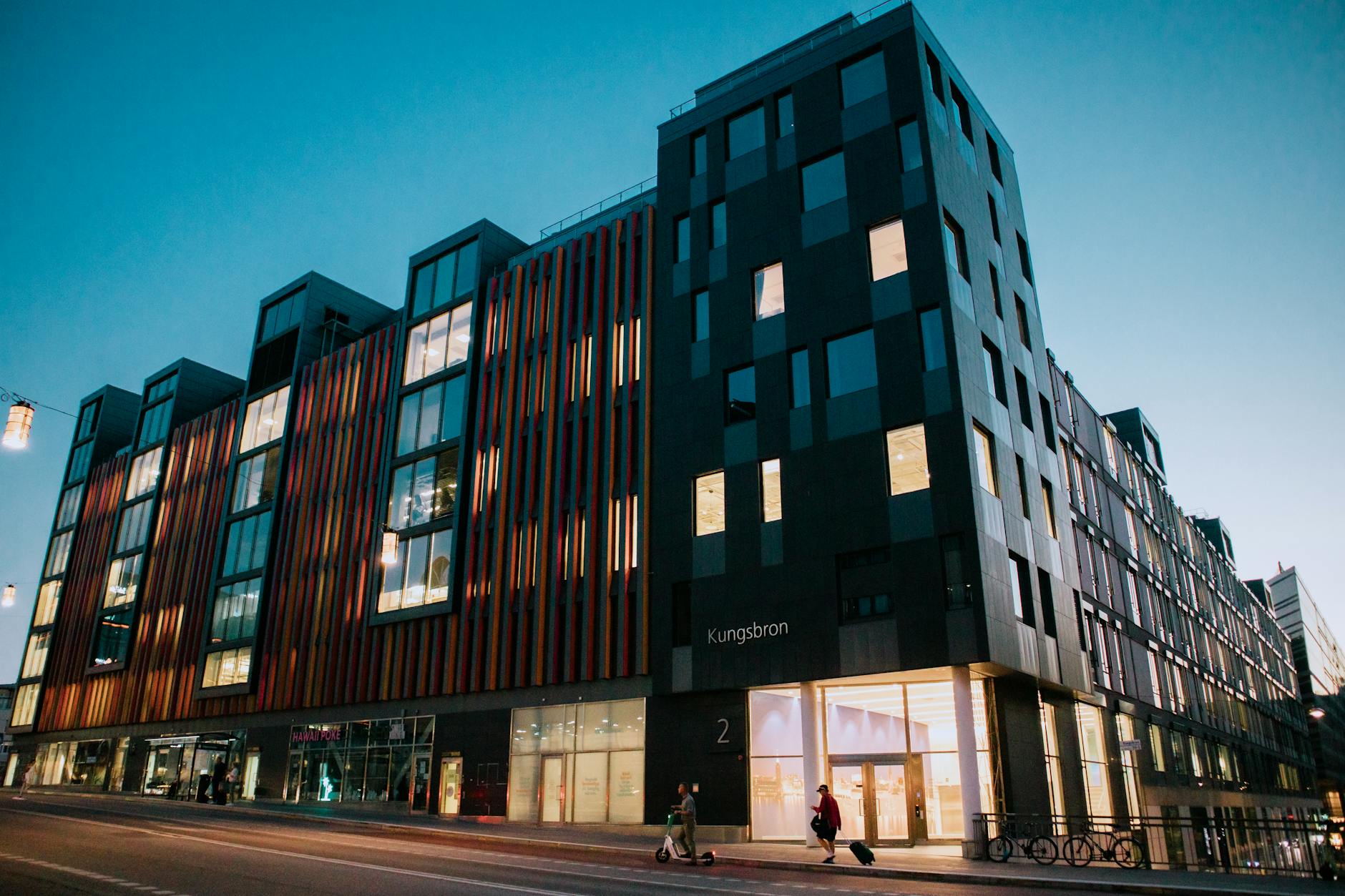
The room may need to support calls, slide edits, quiet sleep, early breakfast, luggage storage, and a fast return after dinner. A business visitor should evaluate the hotel as a workspace, not only as a place to sleep.
Workability is part of the booking.
- Check desk space, Wi-Fi, outlets, room quiet, breakfast hours, laundry, gym, and late checkout.
- Know where private calls can happen before check-in or after checkout.
- Avoid lodging where every work block depends on a crowded lobby or cafe.
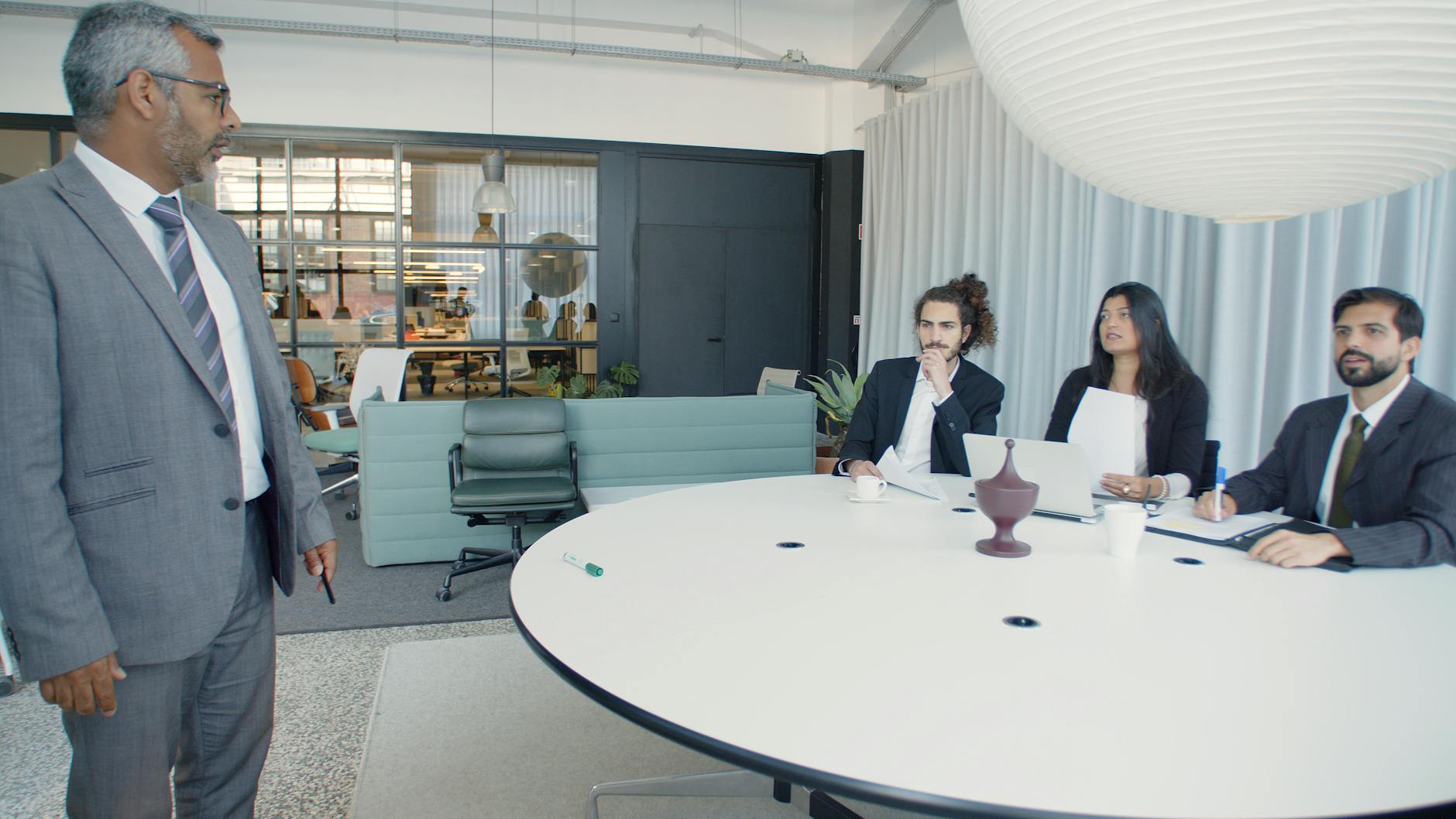
Structure the business day
A short Stockholm business stay can include client meetings, internal calls, site visits, dinners, and follow-up. The schedule should protect the most important work rather than filling every gap with activity.
The day needs a hierarchy.
- Place decision-critical meetings in the most reliable parts of the day.
- Leave gaps for transit, notes, follow-up, meals, and unexpected client availability.
- Use remote calls for lower-priority items when the city route would become fragile.
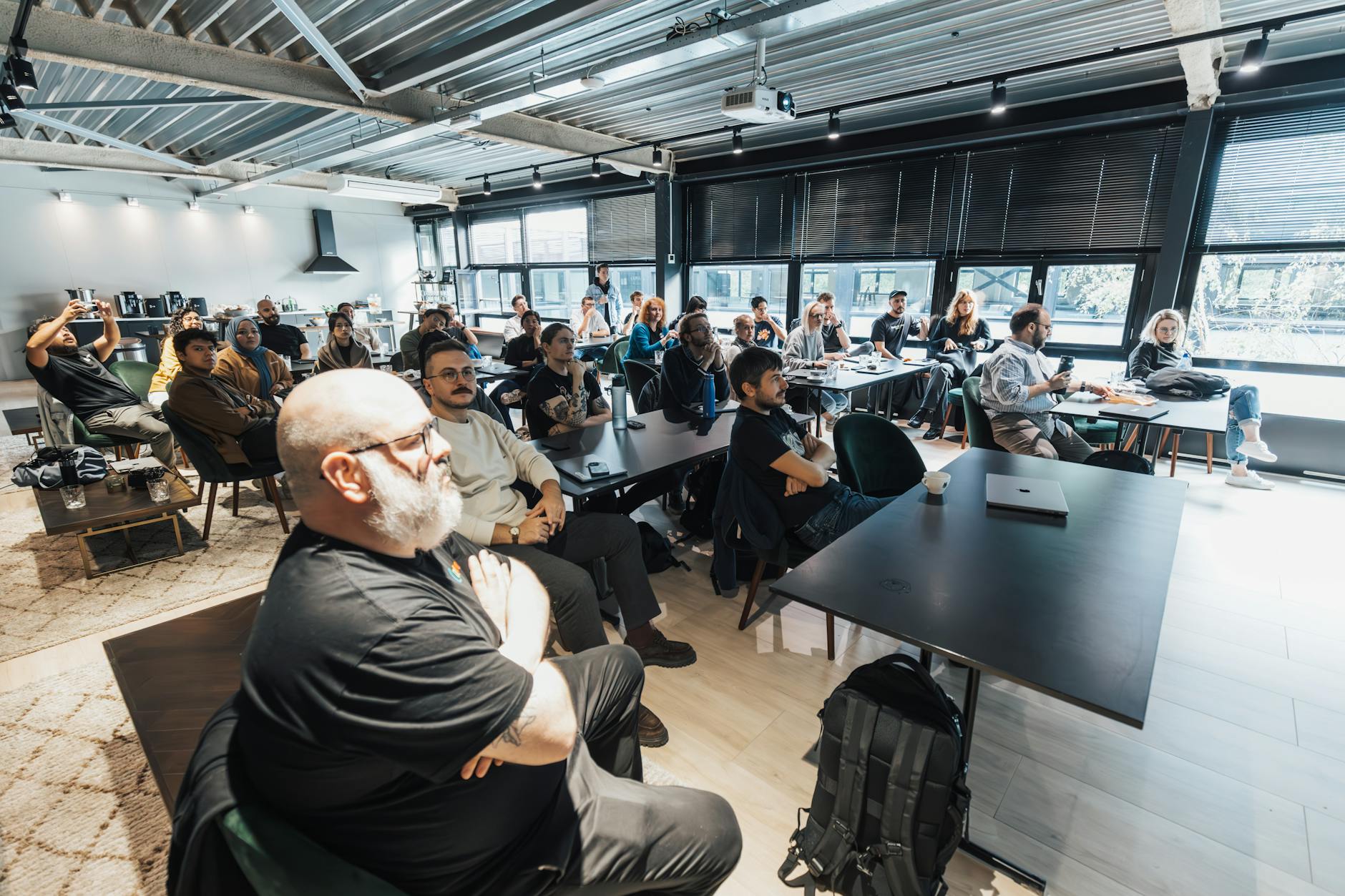
Plan meals and client hospitality
Stockholm can support polished business meals, quick lunches, and informal coffee meetings, but timing and location still matter. A meal that supports the relationship is useful; a meal that breaks the route can damage the day.
Hospitality should serve the work.
- Reserve meals when group size, dietary needs, privacy, or conversation quality matters.
- Choose meal locations that fit the meeting route and the next commitment.
- Leave time after important dinners for notes or next-day preparation.
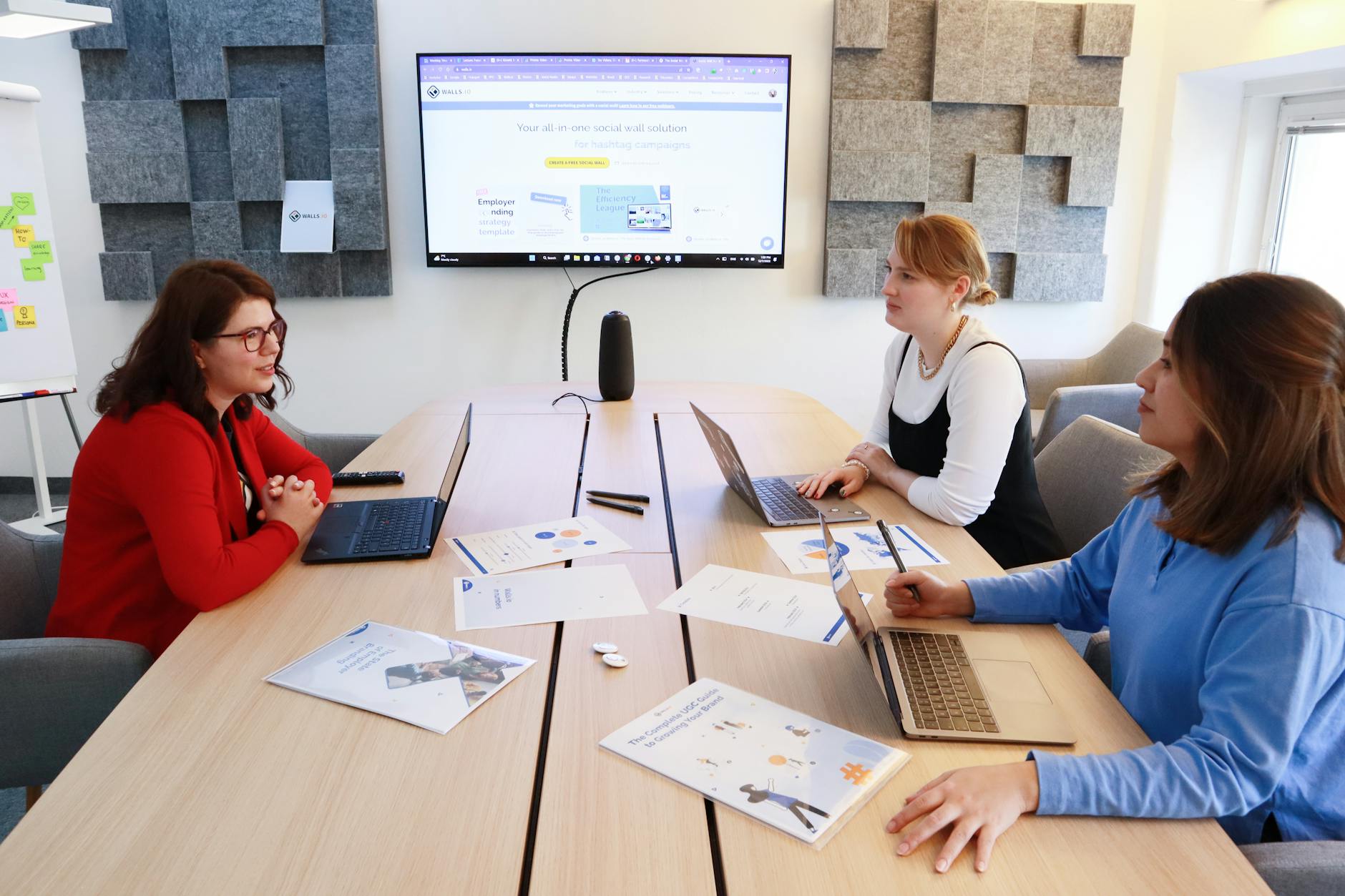
Respect weather and professional presentation
Stockholm weather, winter darkness, rain, snow, and waterfront wind can affect meeting arrival, footwear, coats, and luggage. A business visitor should plan clothing and transport so the weather does not shape the first impression.
Presentation has logistics behind it.
- Pack layers, weather-appropriate shoes, coat strategy, and protection for devices or documents.
- Use taxis or rail when weather would make walking unreliable before a meeting.
- Keep a place to refresh if arriving directly from a flight or train.
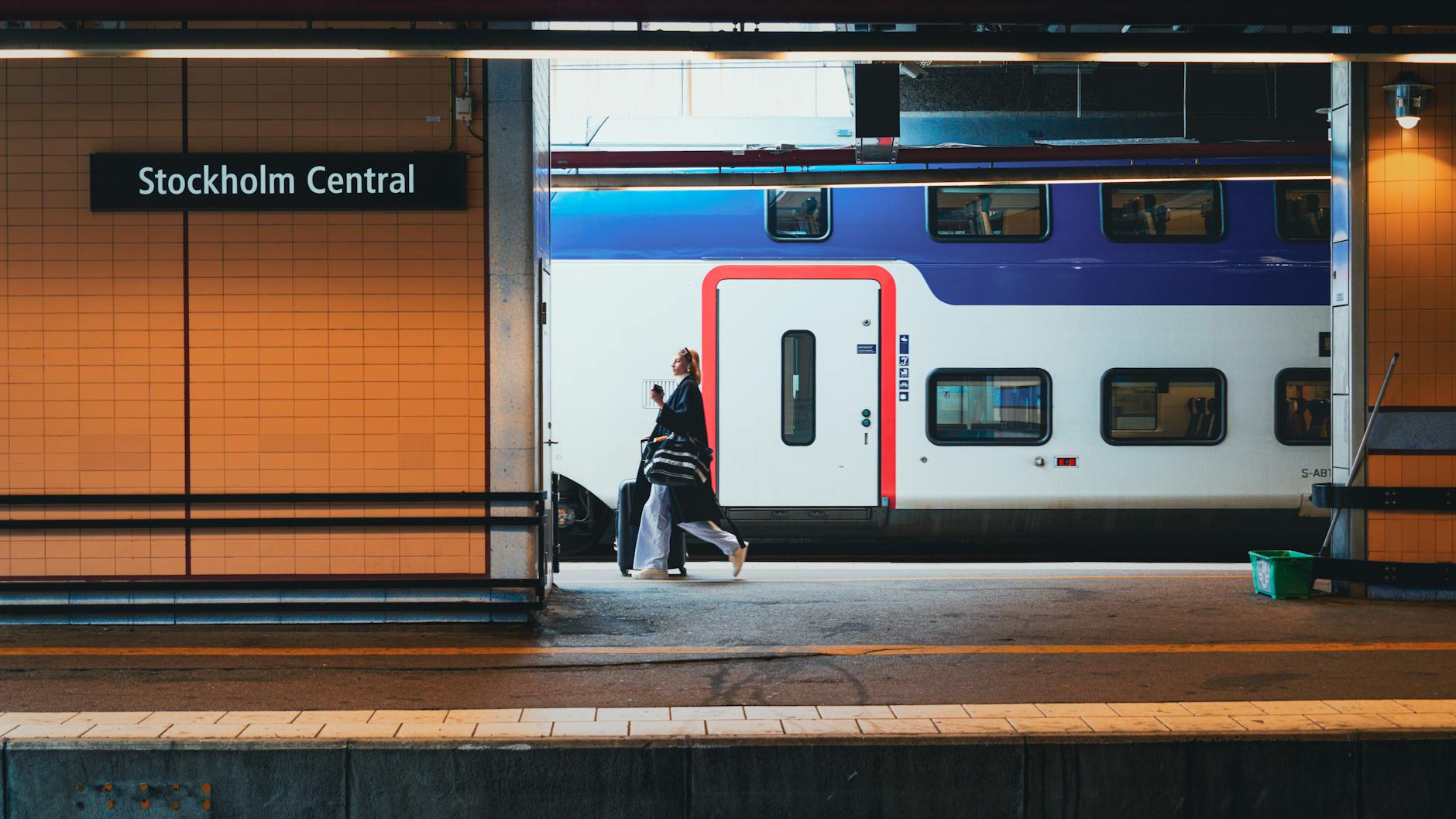
When to order a short-term travel report
A Stockholm business visitor with one meeting near the hotel may not need a custom report. A report becomes useful when meetings span multiple districts, airport timing is tight, client meals matter, weather could slow movement, or the traveler needs private work time between commitments.
The report should test meeting geography, hotel workability, Arlanda or rail transfer, local transport, meal choices, private work locations, weather contingencies, professional presentation, and departure buffers. The value is a Stockholm business stay that stays efficient, composed, and easy to execute.
- Order when meeting geography, airport or rail transfers, hotel fit, meals, weather, privacy, local transport, or departure timing need exact planning.
- Provide dates, meeting addresses, arrival mode, hotel candidates, work requirements, meal needs, budget, and departure details.
- Use the report to keep the Stockholm business visit focused, polished, and resilient.