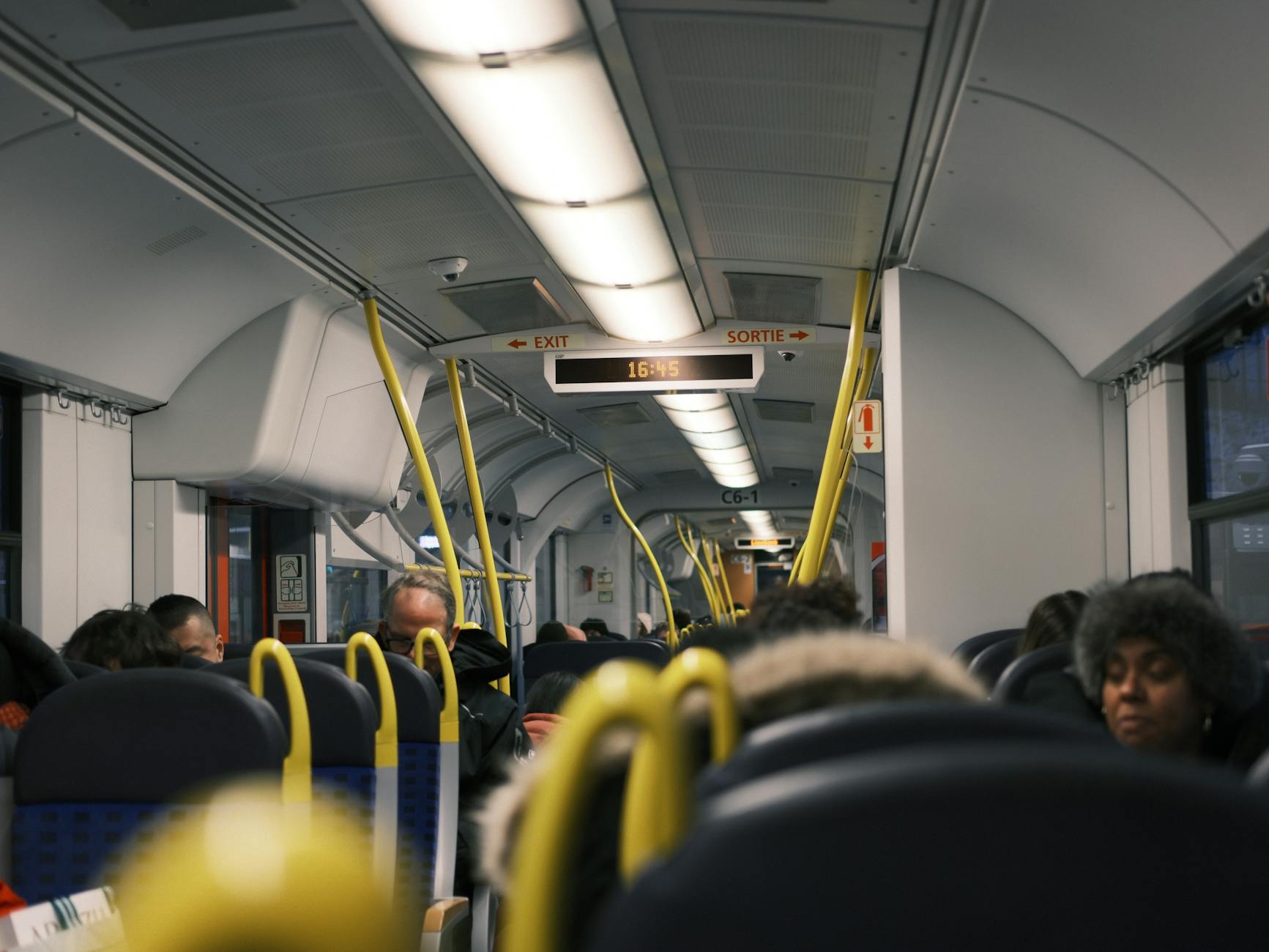
A Trondheim transit or stopover visit can work well if the traveler is honest about time. Luggage, airport or rail transfer, ticketing, weather, daylight, compact routes, meals, delays, and onward-departure buffers all decide whether leaving the transit zone is worthwhile. The goal is a short, clean plan rather than a full city day.
Measure usable time, not layover time
A transit traveler should subtract arrival procedures, luggage, transfer time, ticketing, security, boarding, and delay margin before deciding whether Trondheim city time is realistic. A six-hour stopover may produce a much smaller usable window.
The clock needs subtraction.
- Calculate the time between actual exit and required return, not just scheduled arrival and departure.
- Add buffers for delayed arrival, ticket queues, security, platforms, and unfamiliar transport.
- Stay near the transit point if the usable window is too small.

Solve luggage before the route
Luggage can decide whether a stopover feels pleasant or punishing. The traveler should know storage options, hotel drop-off, station lockers, airline rules, or whether a small bag makes more sense than hauling everything through the center.
Hands-free time is better time.
- Confirm luggage storage, locker availability, hotel drop-off, or through-check rules before arrival.
- Keep documents, medication, chargers, and essentials separate from checked or stored bags.
- Avoid routes with cobblestones, stairs, or weather exposure if luggage must stay with the traveler.

Choose one compact city objective
A good stopover usually needs one main objective: a quick look at the center, Nidaros Cathedral, a river walk, a cafe, or a simple meal. The route should have a clean return point and no complicated branching.
One objective keeps the stopover calm.
- Pick one main stop and one nearby fallback instead of a full sightseeing list.
- Choose a route that can be shortened instantly if weather or timing changes.
- Leave distant sights for a real Trondheim stay.
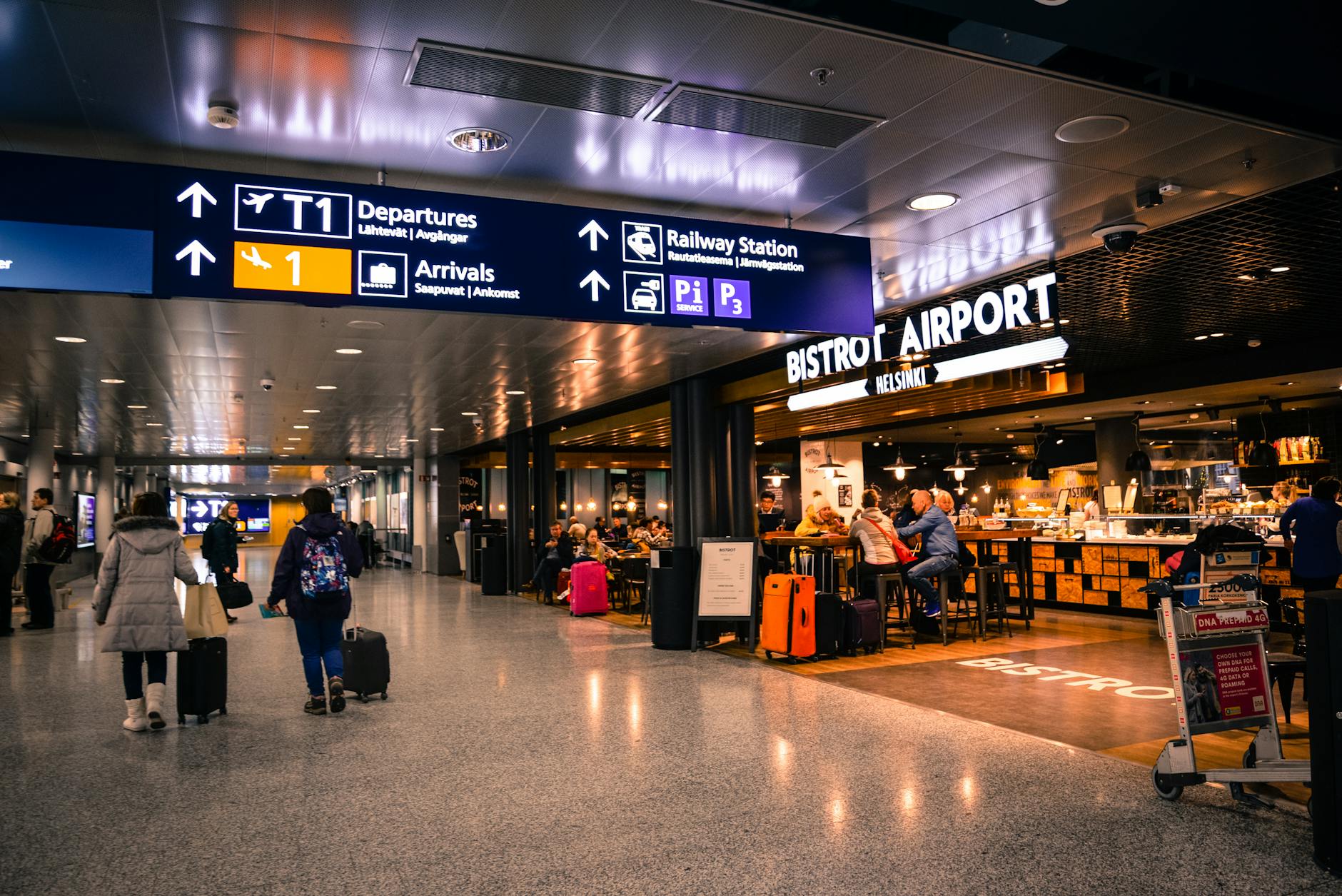
Plan the airport, rail, or bus transfer
The transit plan should be built around the exact arrival and onward mode. Airport rail, buses, taxis, trains, station platforms, ticketing, and walking from the stop into the center all add time and uncertainty.
Transfers are the trip structure.
- Check schedules, ticket purchase method, platform or stop location, taxi options, and return frequency.
- Keep screenshots or offline notes for the return journey.
- Avoid a city route that depends on the final possible connection.

Respect weather and daylight
A stopover gives little room to adapt slowly. Rain, snow, wind, cold, low light, and wet surfaces can make even a short route less enjoyable and slower than expected.
Weather should shrink the plan early.
- Pack a layer, rain protection, footwear, and a small bag that works for the short route.
- Use an indoor meal, cafe, museum, or station-area plan when weather is poor.
- Turn back early if weather changes the return timing.

Keep food and communication simple
Food, payment, roaming, battery, and messaging can take more time than expected during a stopover. The traveler should choose a simple food plan and keep onward-travel information easy to reach.
Small friction matters in a short window.
- Choose one meal, cafe, or takeaway option close to the route or return point.
- Keep phone battery, payment method, onward ticket, hotel or airline details, and alerts available.
- Avoid restaurants that require a long wait unless the stopover is intentionally meal-focused.

When to order a short-term travel report
A transit traveler with a short connection or no desire to leave the station or airport may not need a custom report. A report becomes useful when the stopover is long enough to consider the city, luggage storage is uncertain, weather may affect walking, or the traveler needs a clean route that protects the onward connection.
The report should test usable time, luggage options, transfer schedules, compact routes, meal stops, weather backups, ticketing, phone and payment needs, and return buffers. The value is a Trondheim stopover that feels worthwhile without risking the next leg.
- Order when usable time, luggage, transfers, routes, meals, weather, ticketing, payment, or onward timing need exact planning.
- Provide arrival and departure details, luggage situation, mobility needs, must-see interests, budget, and risk tolerance.
- Use the report to keep the Trondheim transit or stopover plan clean, short, and connection-safe.