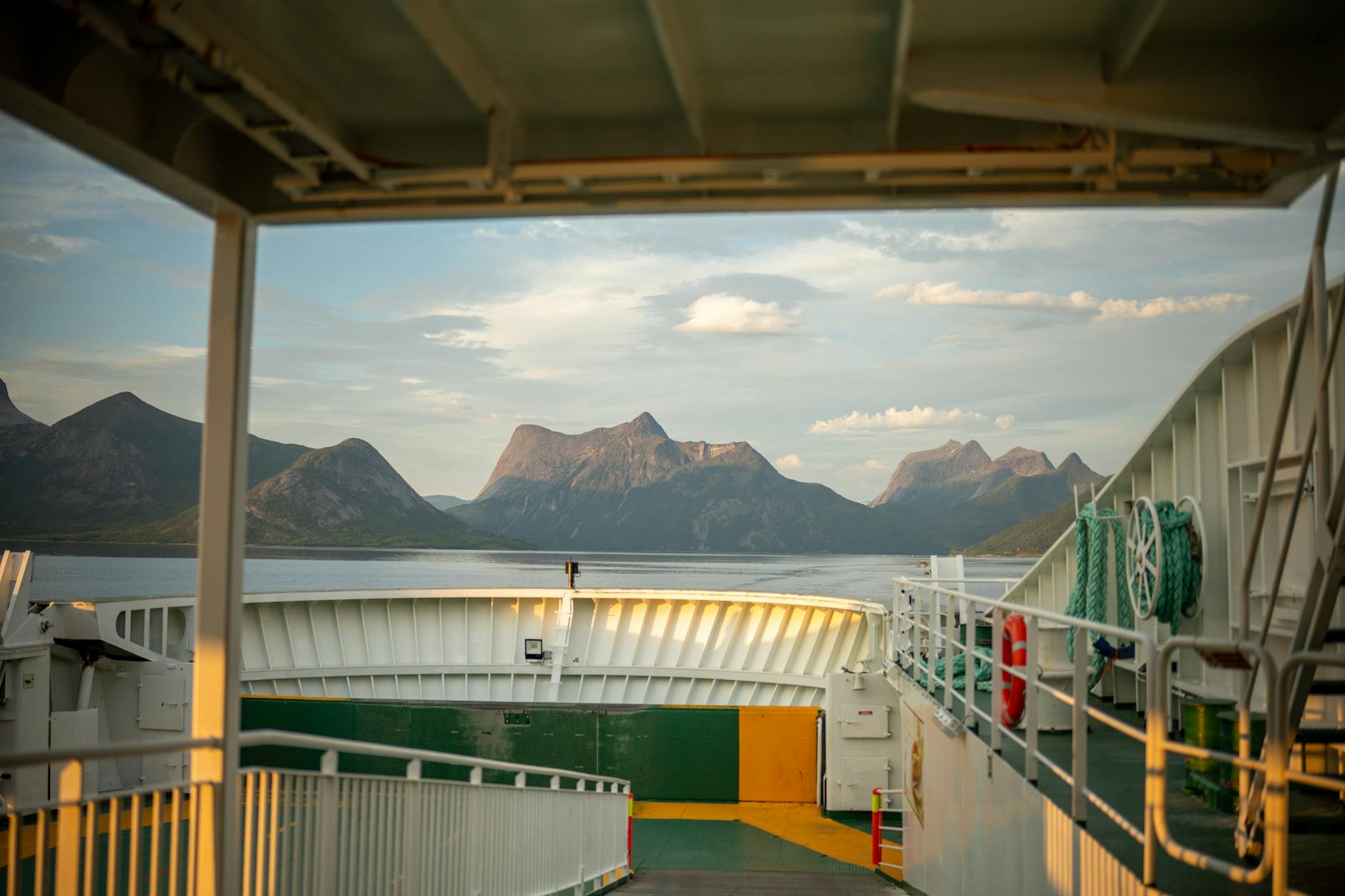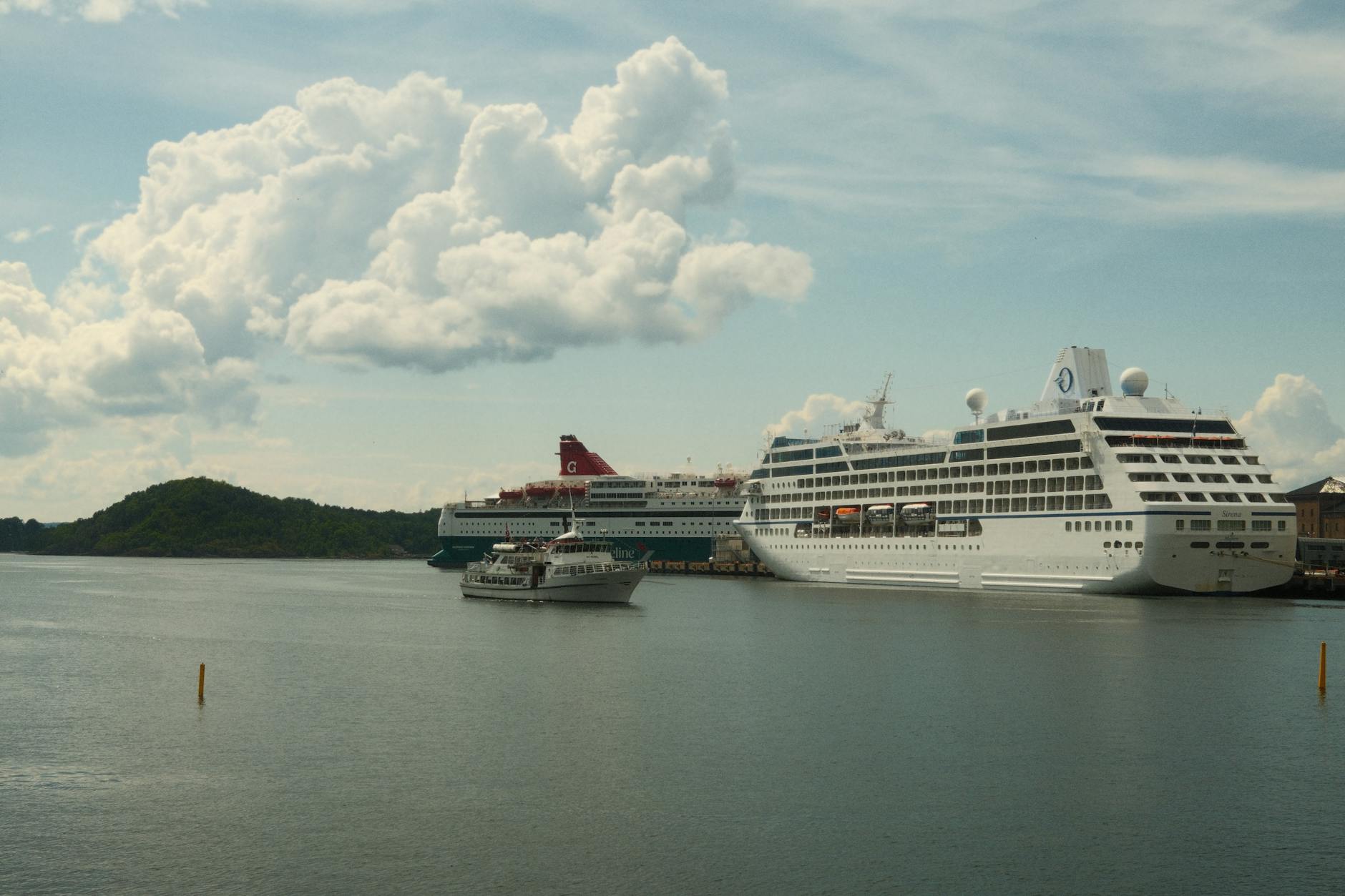
A Trondheim port call can be rewarding, but the day has to respect the ship clock. Docking location, shuttle timing, walking distance, taxi access, attraction hours, weather, lunch, purchases, and the final return buffer all shape whether the visit feels calm or rushed. The best plan uses Trondheim's compact center without pretending the port day is unlimited.
Confirm the real port-call window
A cruise or port-call traveler should start with the usable time ashore, not the published arrival and departure times. Gangway opening, immigration or ship procedures, shuttle timing, tour meeting points, and all-aboard time can reduce the day quickly.
The ship clock controls the plan.
- Confirm docking location, gangway time, all-aboard time, shuttle details, and tour meeting points.
- Build the route from usable shore time rather than the full ship schedule.
- Avoid plans that depend on every transfer and attraction running perfectly.
Decide how independent the day should be
Some port-call travelers should use a ship excursion or private guide, while others can handle a compact independent route. The choice depends on mobility, weather, language comfort, attraction priorities, and how much return risk the traveler accepts.
Independence should be deliberate.
- Compare ship tours, private guides, taxis, shuttles, and walking routes against the same return buffer.
- Use guided support when mobility, weather, or attraction timing makes the day fragile.
- Keep independent routes short enough to recover from delays.
Prioritize a compact Trondheim route
A short port day should usually focus on the highest-value central pieces: Nidaros Cathedral, the river, Bakklandet, selected viewpoints, a cafe, or a waterfront return. The route should have a clear sequence and a clear point where the traveler turns back.
Compact beats scattered.
- Choose one main cultural anchor and one atmospheric walking area before adding extras.
- Keep the route close enough to return by shuttle, taxi, or a simple walk.
- Skip distant additions if they threaten the final return window.
Plan weather and walking surfaces
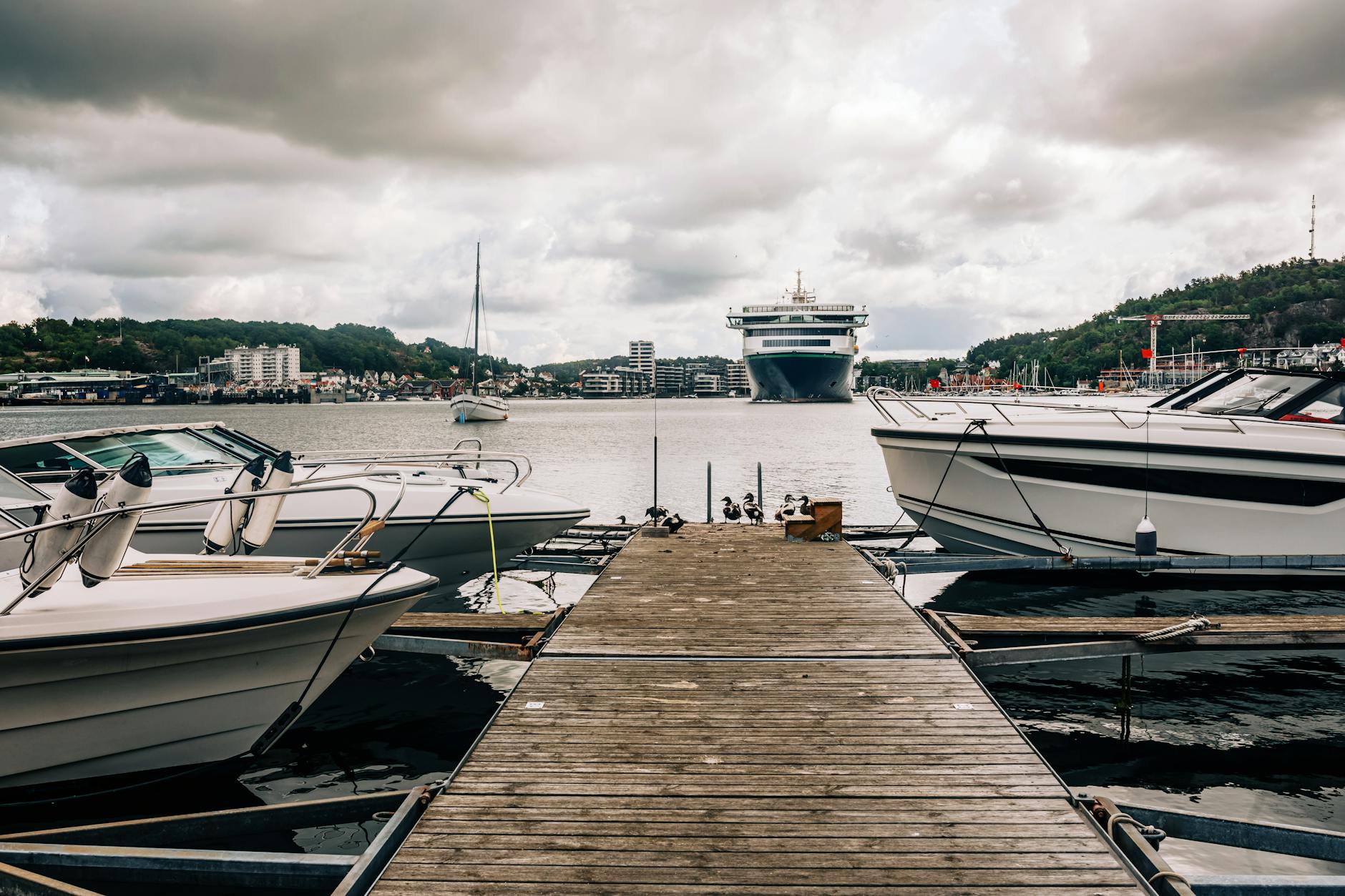
Trondheim weather can make a shore day feel very different from the cruise brochure version. Rain, wind, cold, wet stone, and uneven surfaces can slow the route and make an outdoor-heavy plan less appealing.
Weather is part of the shore plan.
- Pack layers, rain protection, footwear for wet surfaces, and a small bag that is easy to carry.
- Use indoor pauses such as cafes, shops, churches, or museums when weather changes.
- Shorten the route if rain or wind makes the return slower than expected.
Handle meals, purchases, and payments
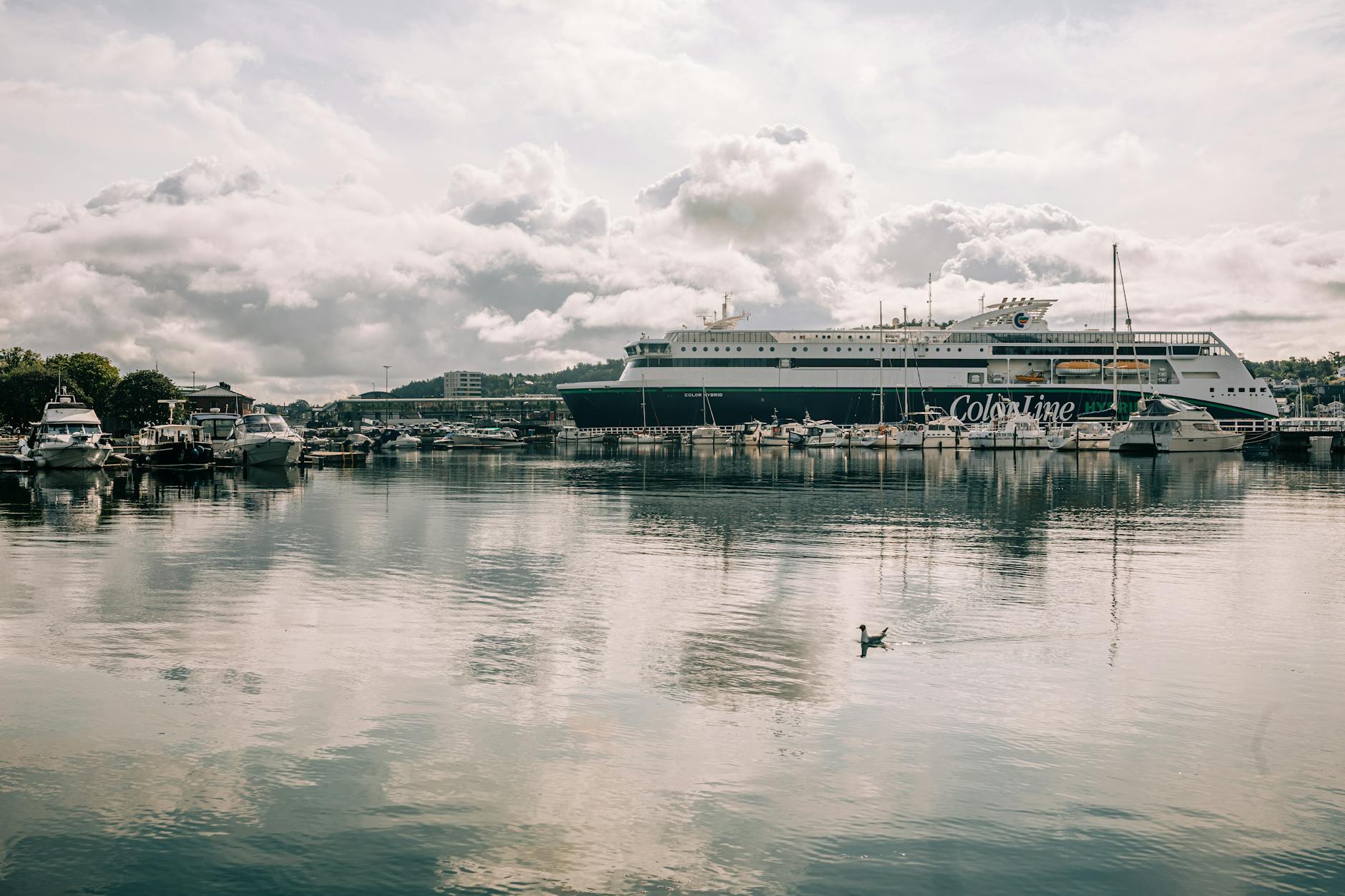
A port call gives little time for inefficient meals, unclear payment, or shopping that adds weight. The traveler should decide whether food is part of the Trondheim experience or only a quick pause between sights.
Small logistics can consume shore time.
- Choose one meal, cafe, or bakery stop that fits the route and the ship schedule.
- Carry a payment method that works ashore and avoid last-minute shopping far from the return point.
- Leave time for receipts, VAT questions, restrooms, and getting purchases back to the ship.
Protect the return-to-ship buffer
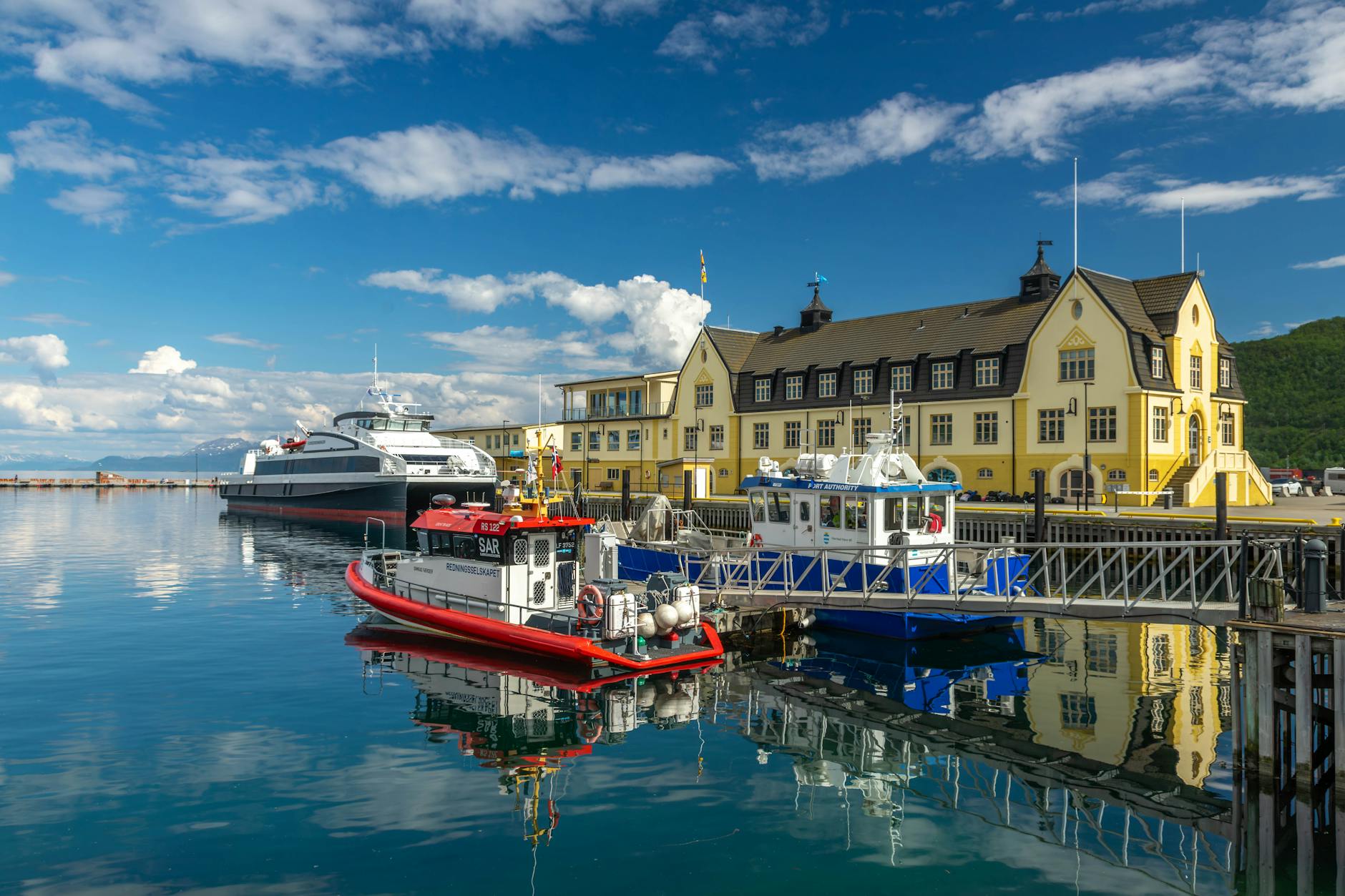
The last move of a port day is the most important one. A traveler should know the route back, the shuttle pickup point, the taxi fallback, and the time at which the day ends no matter what remains unseen.
The return buffer is not optional.
- Set a hard turnaround time and keep the ship card, ID, phone, and port details accessible.
- Know the shuttle stop, taxi option, walking route, and what to do if weather slows movement.
- Do not let a final cafe, shop, or photo stop erode the all-aboard margin.

When to order a short-term travel report
A port-call traveler with a ship excursion and no special needs may not need a custom report. A report becomes useful when the traveler wants an independent route, has mobility limits, wants Nidaros Cathedral and Bakklandet timed cleanly, faces uncertain weather, or needs a shore day that avoids return risk.
The report should test docking details, shuttle timing, attraction hours, walking surfaces, taxi options, weather backups, meal stops, shopping timing, mobility needs, and return-to-ship buffers. The value is a Trondheim port call that feels intentional while staying safely inside the ship schedule.
- Order when docking details, shuttles, routes, attractions, meals, shopping, weather, mobility, or return timing need exact planning.
- Provide ship schedule, docking details, mobility needs, must-see sights, budget, meal preferences, and risk tolerance.
- Use the report to keep the Trondheim port-call day focused, flexible, and safely timed.