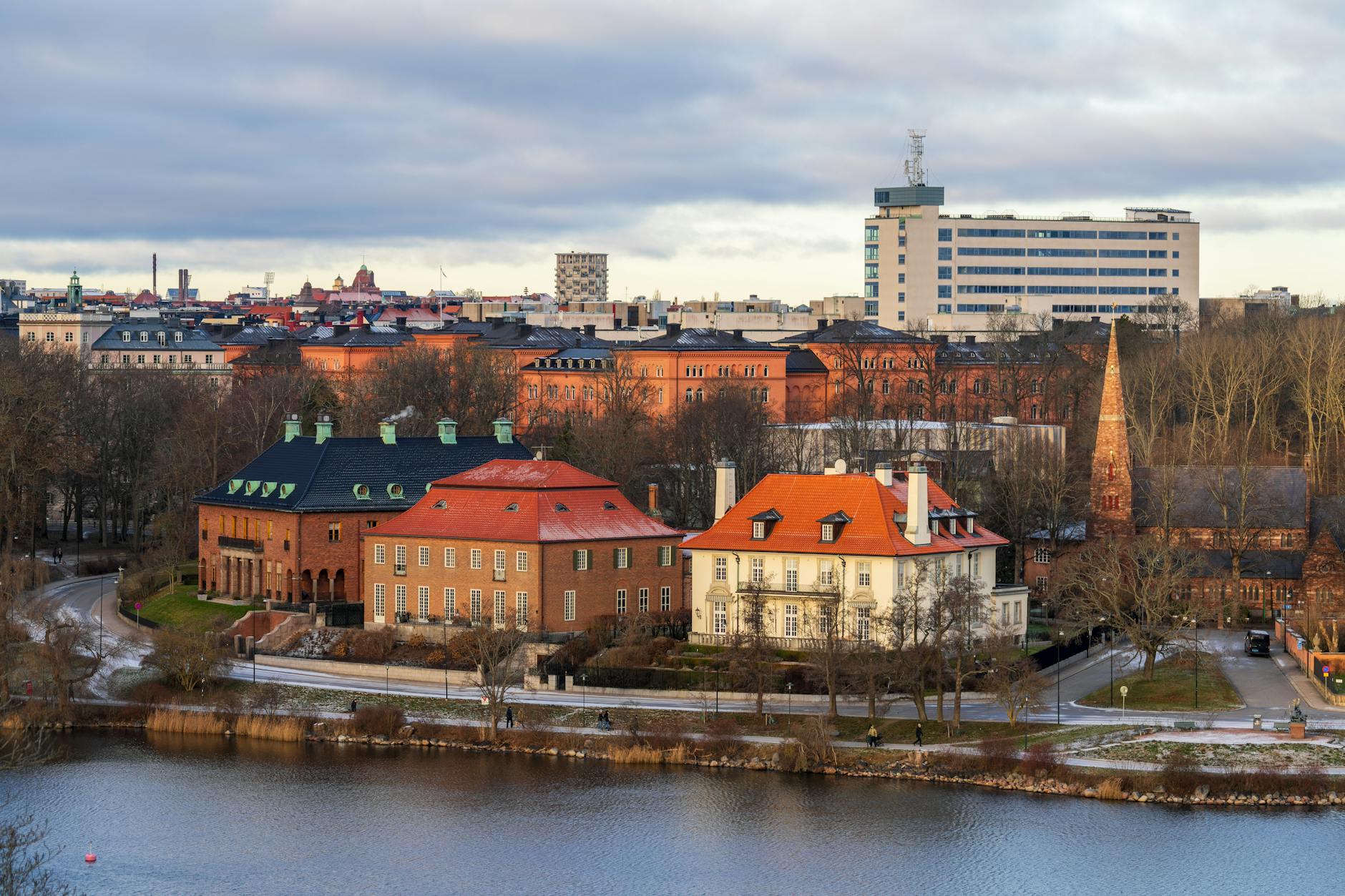
A repeat leisure trip to Stockholm should not simply redo the first visit at a slower pace. The stronger plan uses familiarity to choose neighborhoods, seasonal walks, ferries, cafes, parks, design stops, quieter museums, meals, weather buffers, and departure timing with more precision.
Do not rebuild the first trip
A repeat visitor should resist turning the stay into the same old town and landmark loop. Familiarity is useful because it lets the traveler choose a narrower, more personal version of Stockholm.
The second trip should have a different reason.
- Name what should be different this time: neighborhood depth, food, design, water, parks, or seasonality.
- Keep one familiar anchor if it supports orientation or pleasure.
- Avoid spending scarce time proving that the classic sights still exist.
Choose a neighborhood to inhabit
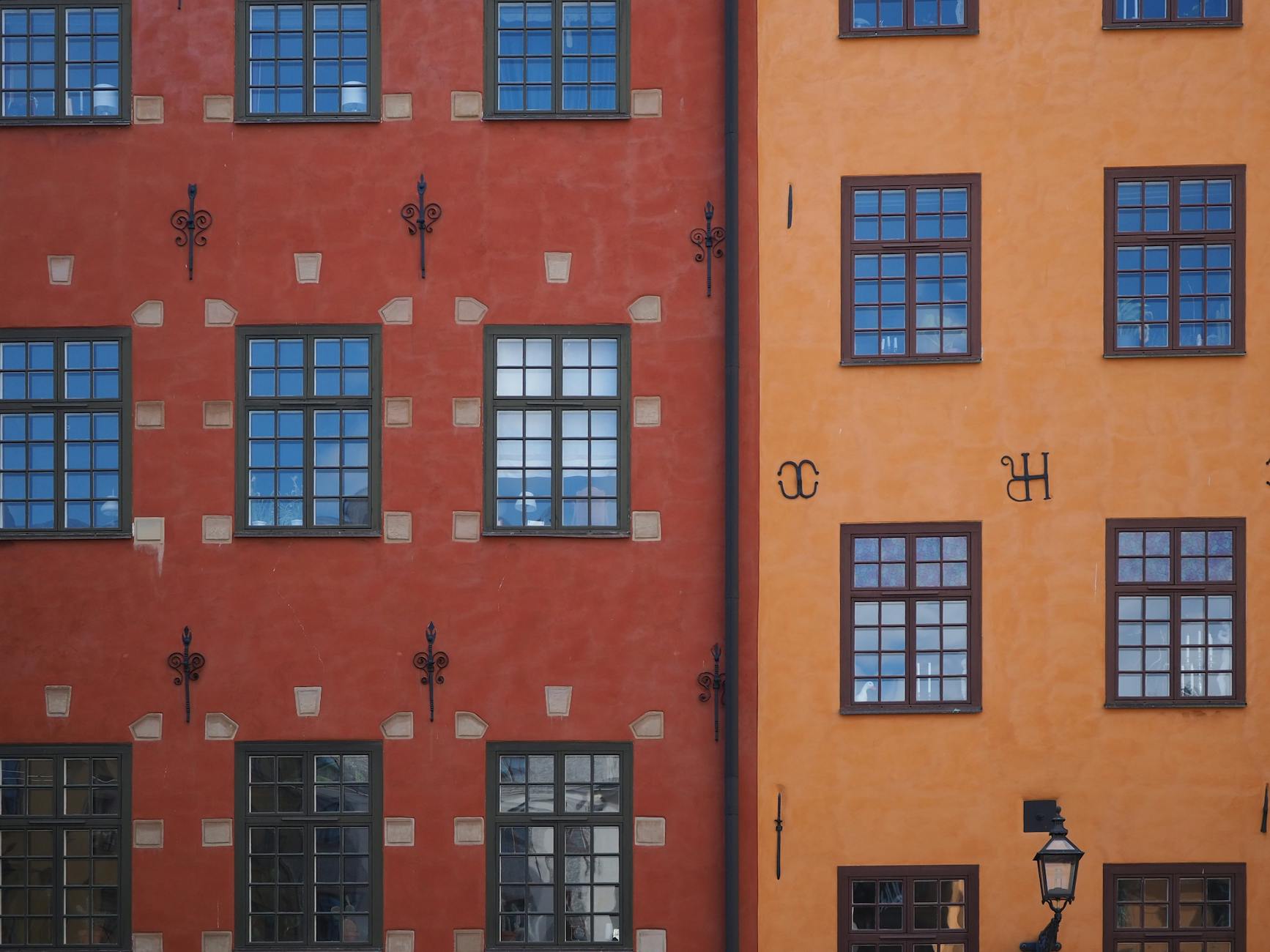
Repeat leisure trips often improve when the traveler inhabits one district more deeply. Sodermalm, Ostermalm, Norrmalm, Djurgarden, or a quieter waterfront base can each produce a different stay.
Depth beats coverage.
- Choose lodging and daily routes around the neighborhood that best fits the trip's mood.
- Leave time for shops, cafes, galleries, streets, and parks that were not first-trip priorities.
- Avoid moving across the city for every meal or errand.
Use ferries and water with purpose
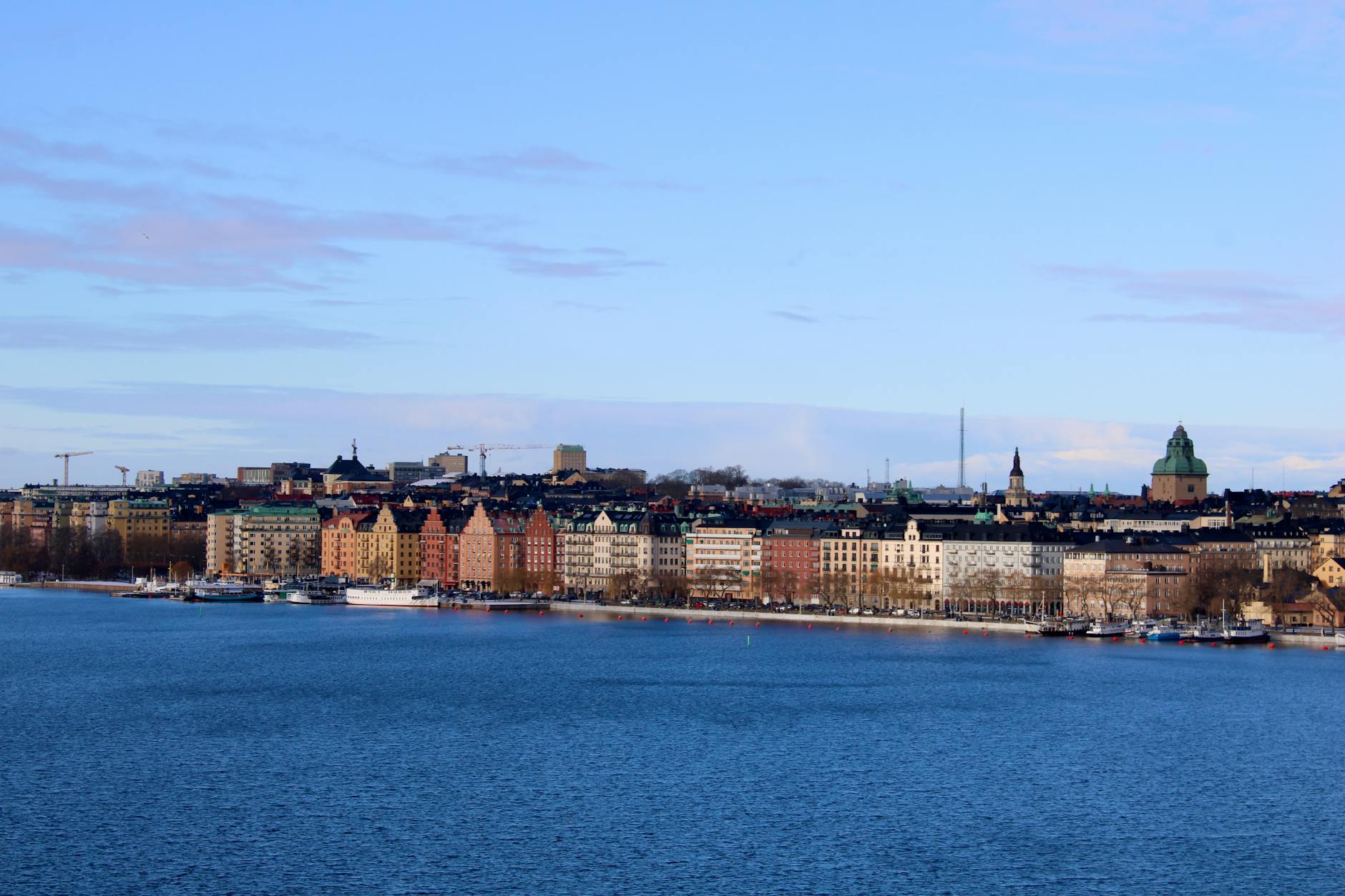
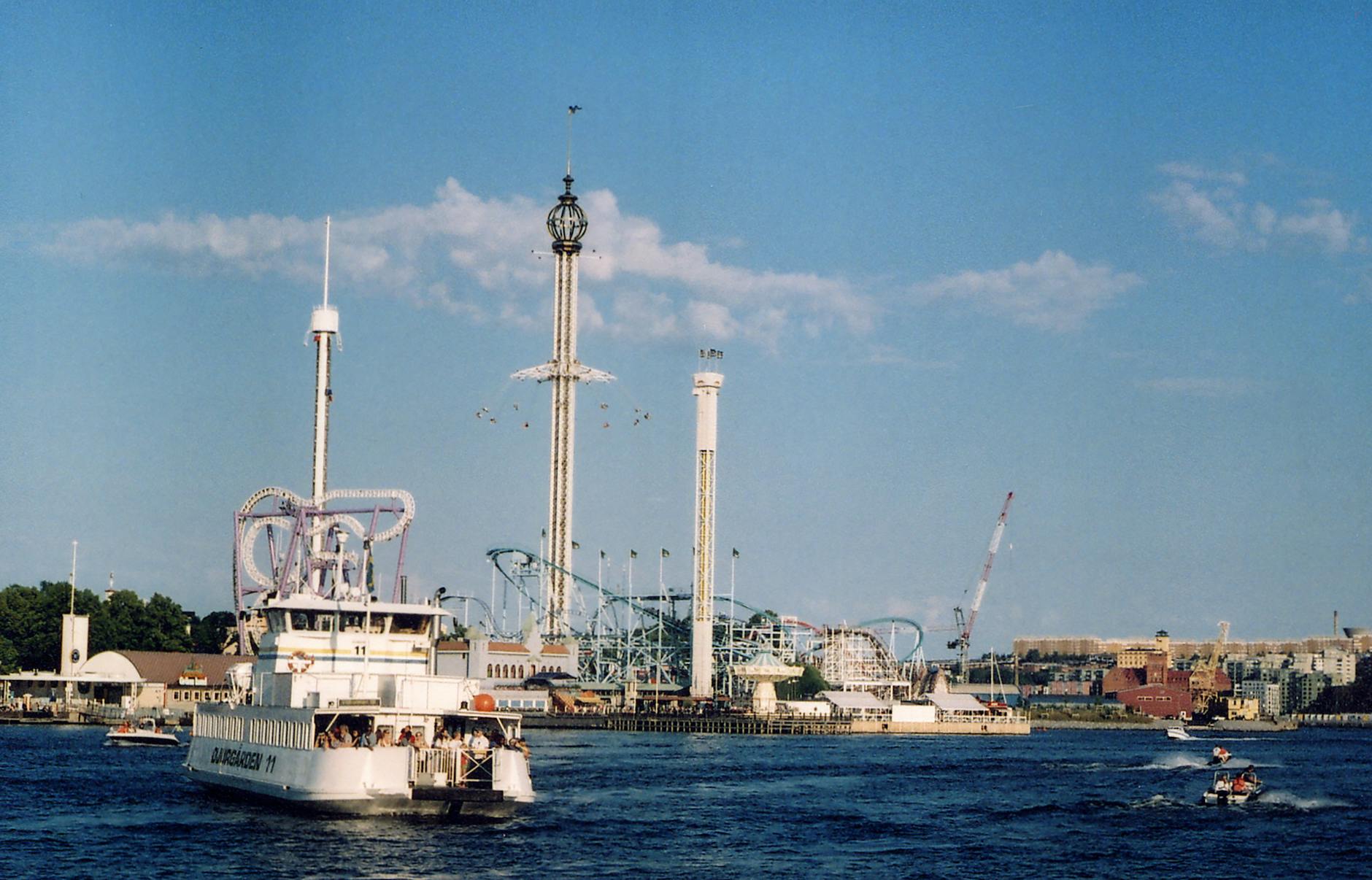
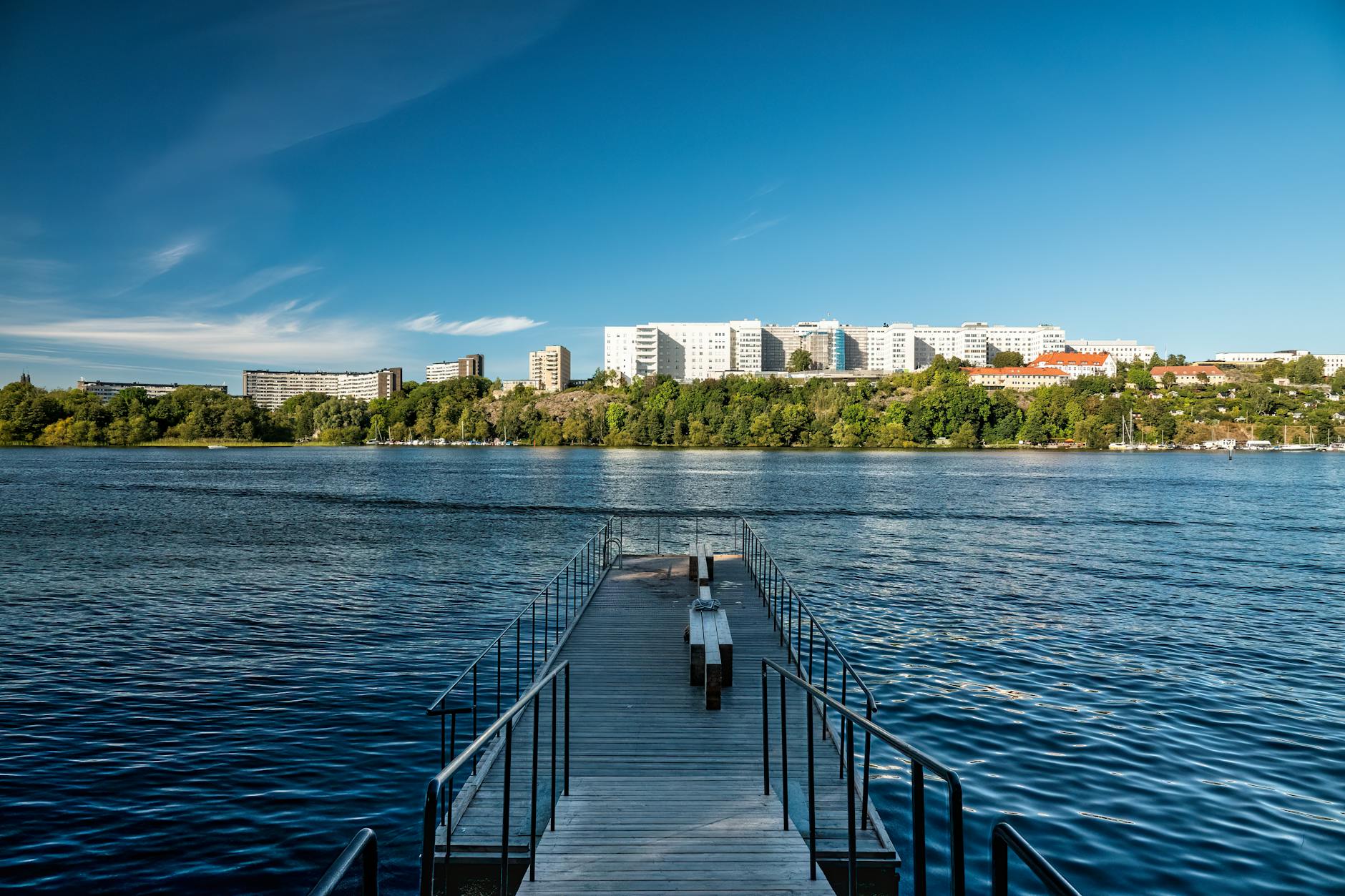
A repeat visitor can use Stockholm's water in a more relaxed way. Instead of treating boats as novelty, the traveler can use ferries, waterfront walks, island edges, and harbor views to shape the day.
Water should create rhythm.
- Choose one water movement that improves the day's route or mood.
- Check ferry timing, ticketing, wind, temperature, and return options.
- Keep a land-based backup when weather makes water less appealing.
Let parks and quiet interiors matter
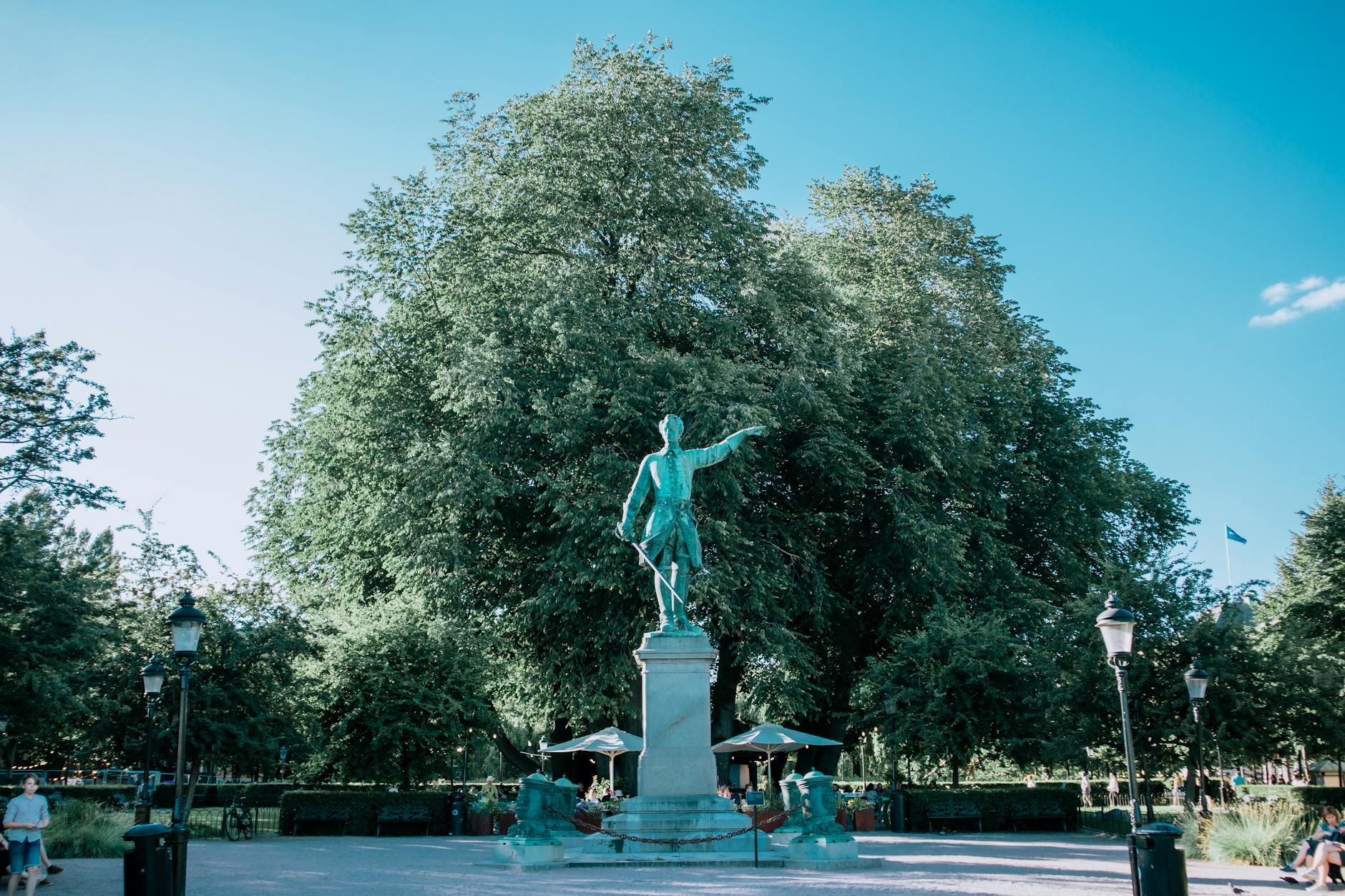
Repeat visits are a good time to value parks, smaller museums, churches, courtyards, libraries, and design interiors that may have been skipped before. These stops can make a short stay feel more local and less checklist-driven.
Quiet stops can carry the day.
- Choose one park, garden, or interior anchor that fits the season.
- Check opening hours and nearby cafes before relying on a quieter stop.
- Use these places to slow the trip rather than filling every hour with movement.
Add one outside-the-core choice
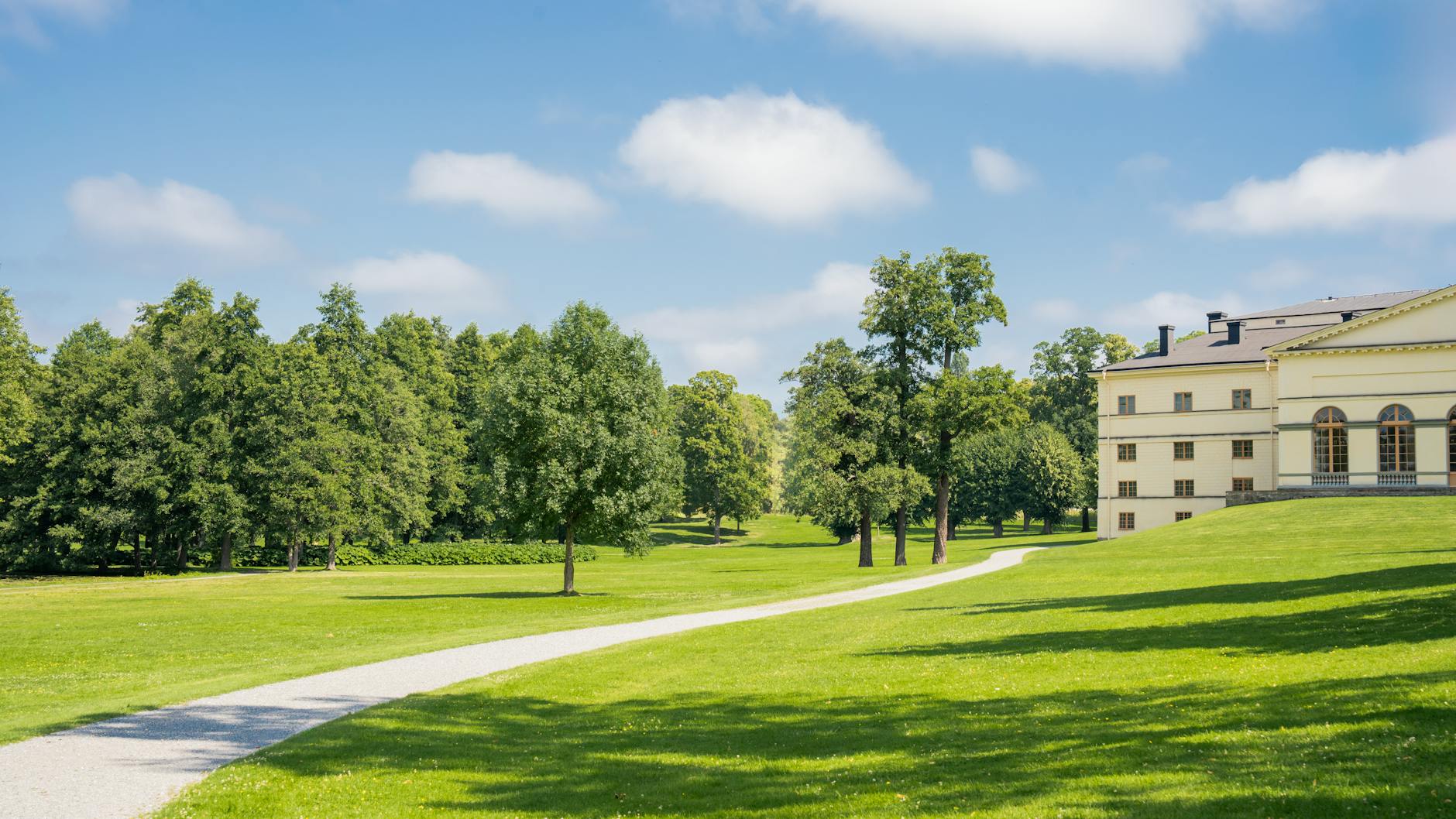
A repeat visitor may want a palace garden, a different island, a design district, a seasonal market, or a half-day excursion. The key is to choose one outside-the-core idea and give it enough room.
Expansion should be selective.
- Choose one larger detour only when it genuinely changes the trip.
- Check travel time, weather, opening days, and meal options before committing.
- Avoid pairing a long detour with a dense evening.
Plan meals for pleasure, not necessity
Repeat visitors can plan meals with more confidence because they are not using every dining decision to solve basic orientation. A strong cafe, neighborhood lunch, waterfront dinner, bakery stop, or design-forward restaurant can become the day's anchor.
Meals can define the trip.
- Reserve the meals that matter and leave one casual slot for discovery.
- Match dining ambition to neighborhood, weather, and the day's walking load.
- Avoid turning every meal into a citywide transfer.
When to order a short-term travel report
A repeat leisure visitor who already knows exactly what they want may not need a custom report. A report becomes useful when the traveler wants a different Stockholm than the first trip, needs help choosing between neighborhoods, or wants seasonal depth without drifting into weak filler.
The report should test hotel base, neighborhood depth, ferry choices, quieter museums, parks, design stops, meal anchors, seasonal weather, larger detours, and departure buffers. The value is a Stockholm repeat visit that uses prior familiarity instead of repeating it.
- Order when hotel base, neighborhoods, ferries, parks, quieter museums, meals, seasonal weather, detours, or departure timing need exact planning.
- Provide dates, prior Stockholm experience, hotel candidates, interests, meal preferences, budget, mobility needs, and arrival details.
- Use the report to make the repeat Stockholm stay more personal, slower, and better chosen.