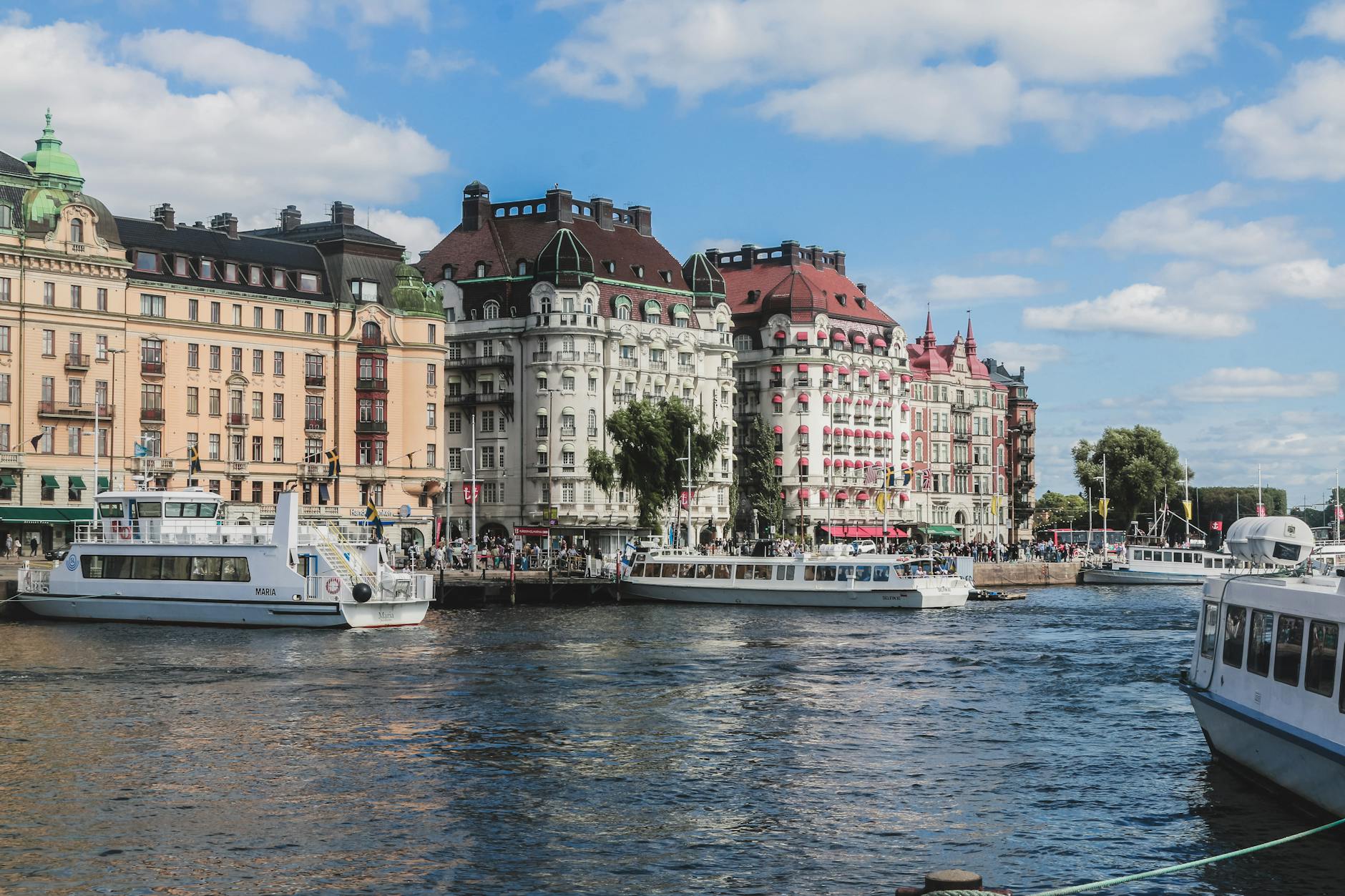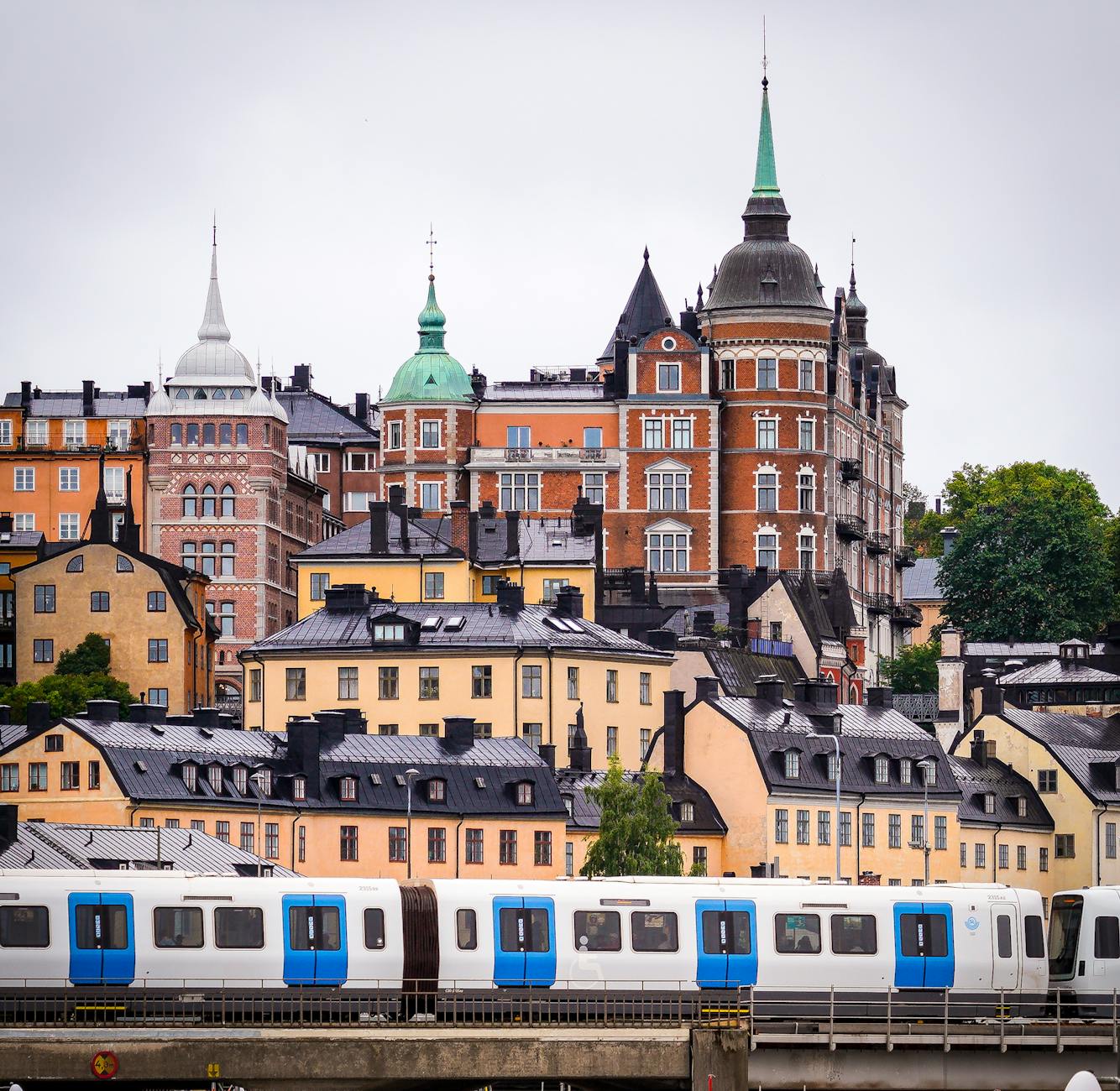
Stockholm can be expensive, but a budget traveler can still build a strong short stay with careful geography and disciplined choices. Lodging location, public transport, free walks, waterfront views, low-cost meals, museum choices, weather, luggage, daily limits, and departure timing all affect the real cost of the trip.
Budget by geography first
The cheapest room is not always the lowest-cost choice in Stockholm. A weak location can add transit costs, time, late-night taxis, luggage strain, and meal compromises that make the stay more expensive than expected.
Location is a budget tool.
- Compare lodging price against transit cost, travel time, luggage handling, and nearby food.
- Choose a base that keeps the main route simple.
- Avoid saving on the room if it creates avoidable transport or meal costs every day.

Use public transport deliberately
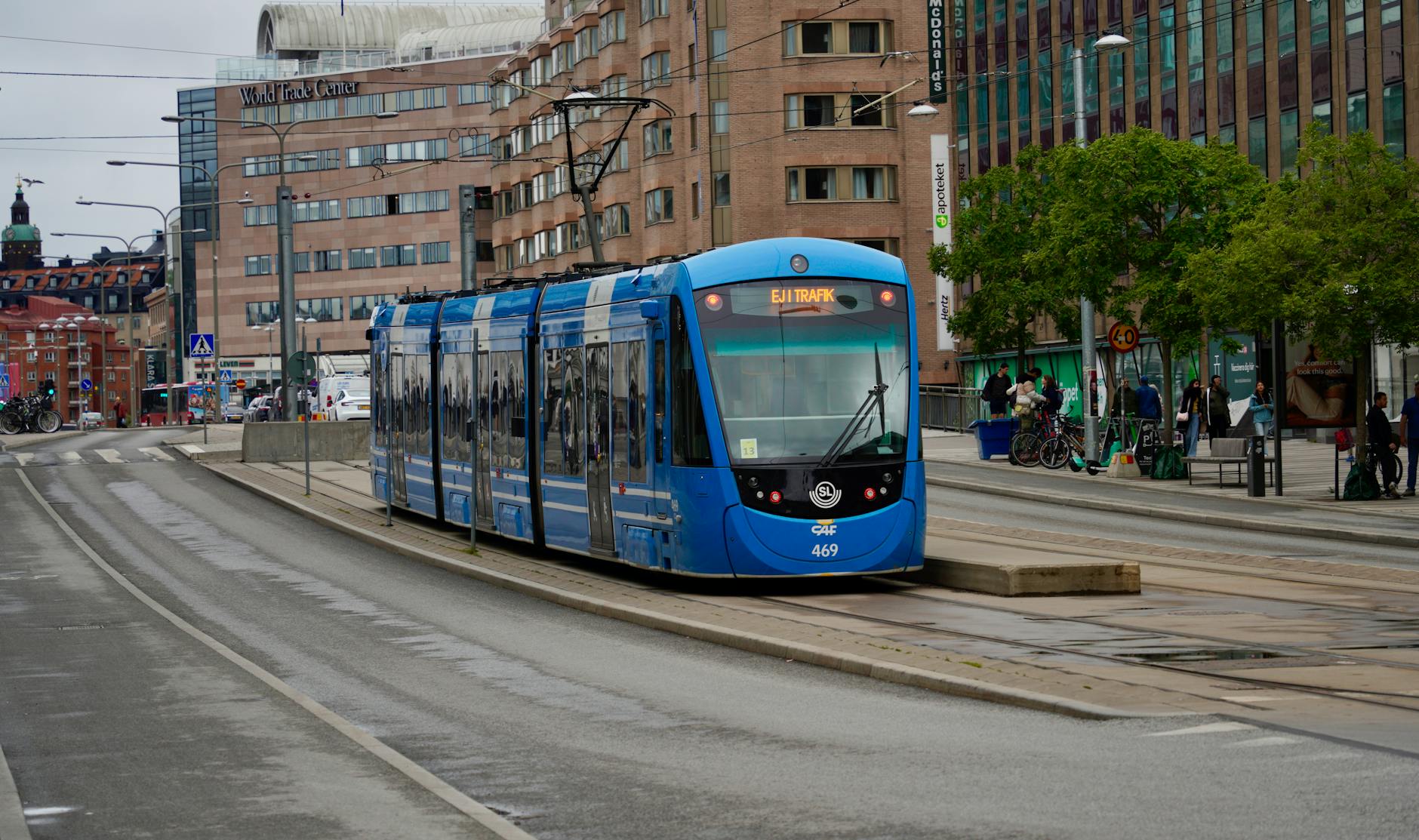
Stockholm transit can protect a budget when the traveler understands passes, zones, airport transfer choices, and when walking is actually better. The goal is not to avoid transit but to avoid paying repeatedly for poor routing.
Transit should be planned, not improvised.
- Compare single tickets, passes, airport rail, buses, ferries, and walking for the actual stay length.
- Group sights so each paid ride does useful work.
- Avoid late returns that could turn a low-cost day into an expensive taxi.
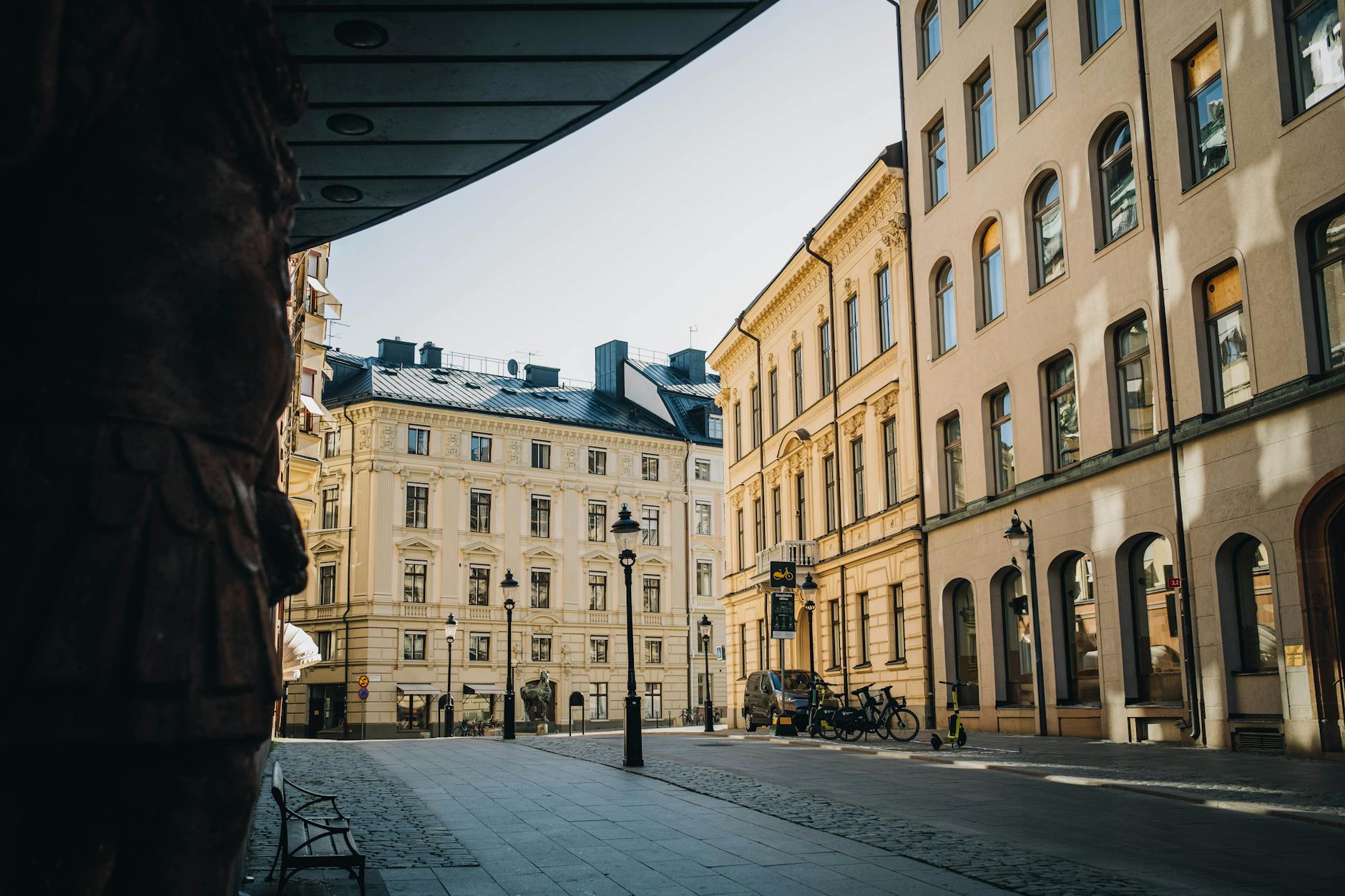
Build free routes around the water
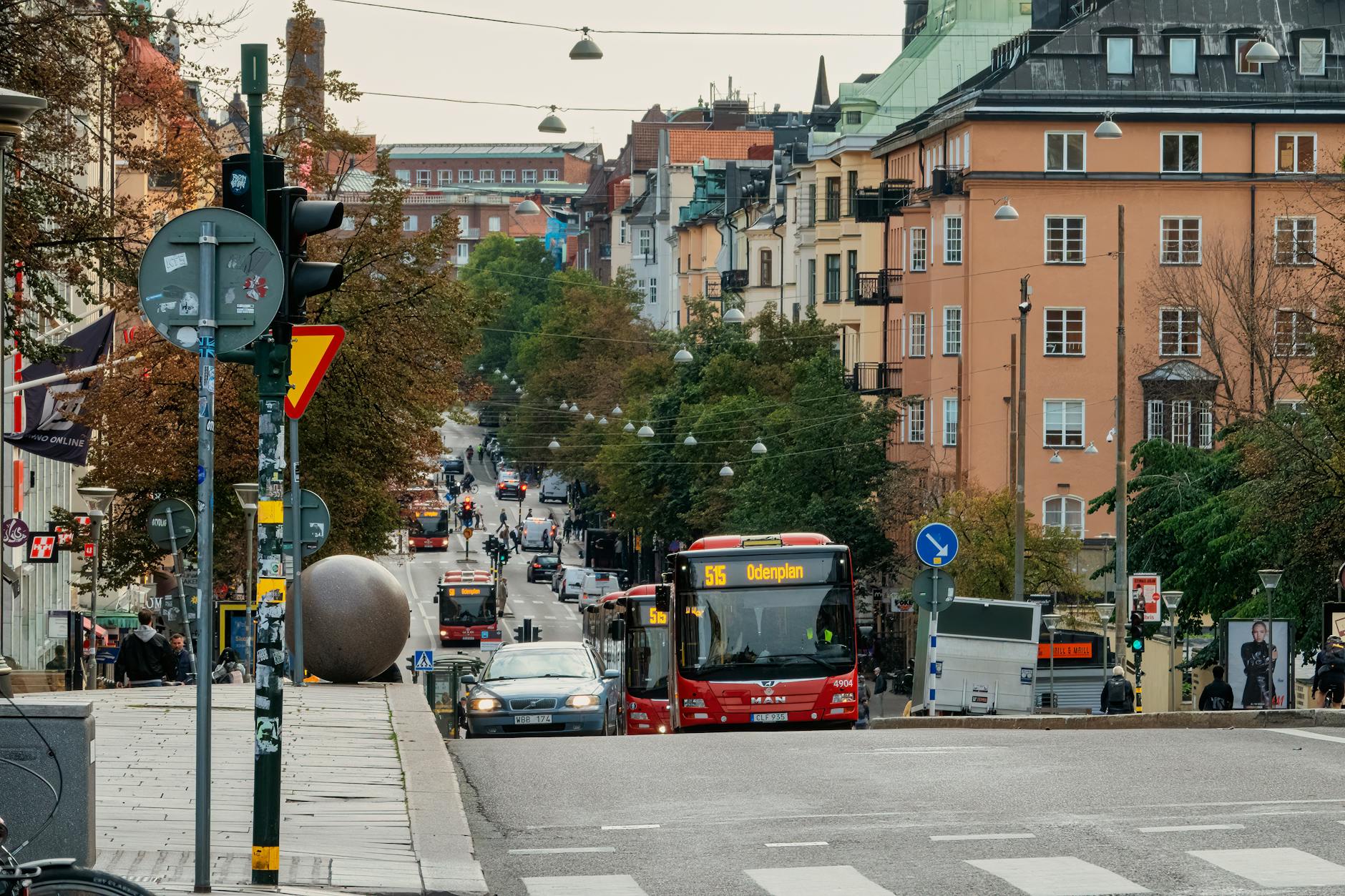
Some of Stockholm's best budget experiences are outside: old town streets, bridges, viewpoints, waterfront paths, parks, and public squares. These are only satisfying when the traveler plans distance, weather, and daylight honestly.
Free still needs structure.
- Create one or two strong walking routes instead of wandering until tired.
- Use viewpoints, bridges, and waterfront edges as free anchors.
- Keep rain, wind, cold, and winter darkness in the plan.
Choose paid sights selectively
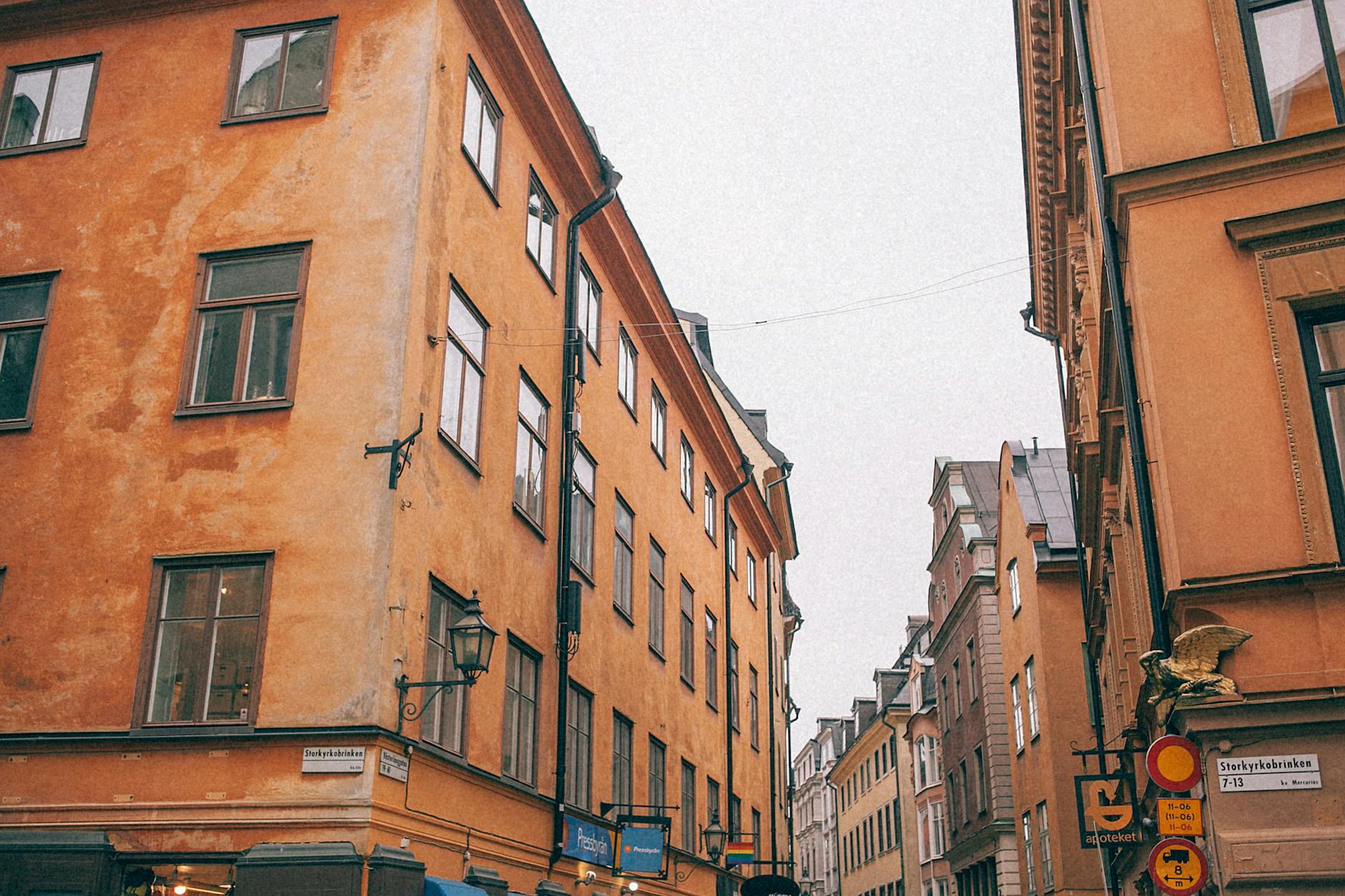
A budget traveler does not need to skip museums or attractions, but paid stops should earn their place. One strong museum, palace, ferry, or guided activity can be better than several rushed admissions.
Paid choices need a reason.
- Pick one paid anchor that fits interests, weather, and location.
- Check free hours, discounts, city passes, student eligibility, and booking rules when relevant.
- Avoid stacking paid sights just because they are famous.
Plan food before hunger decides
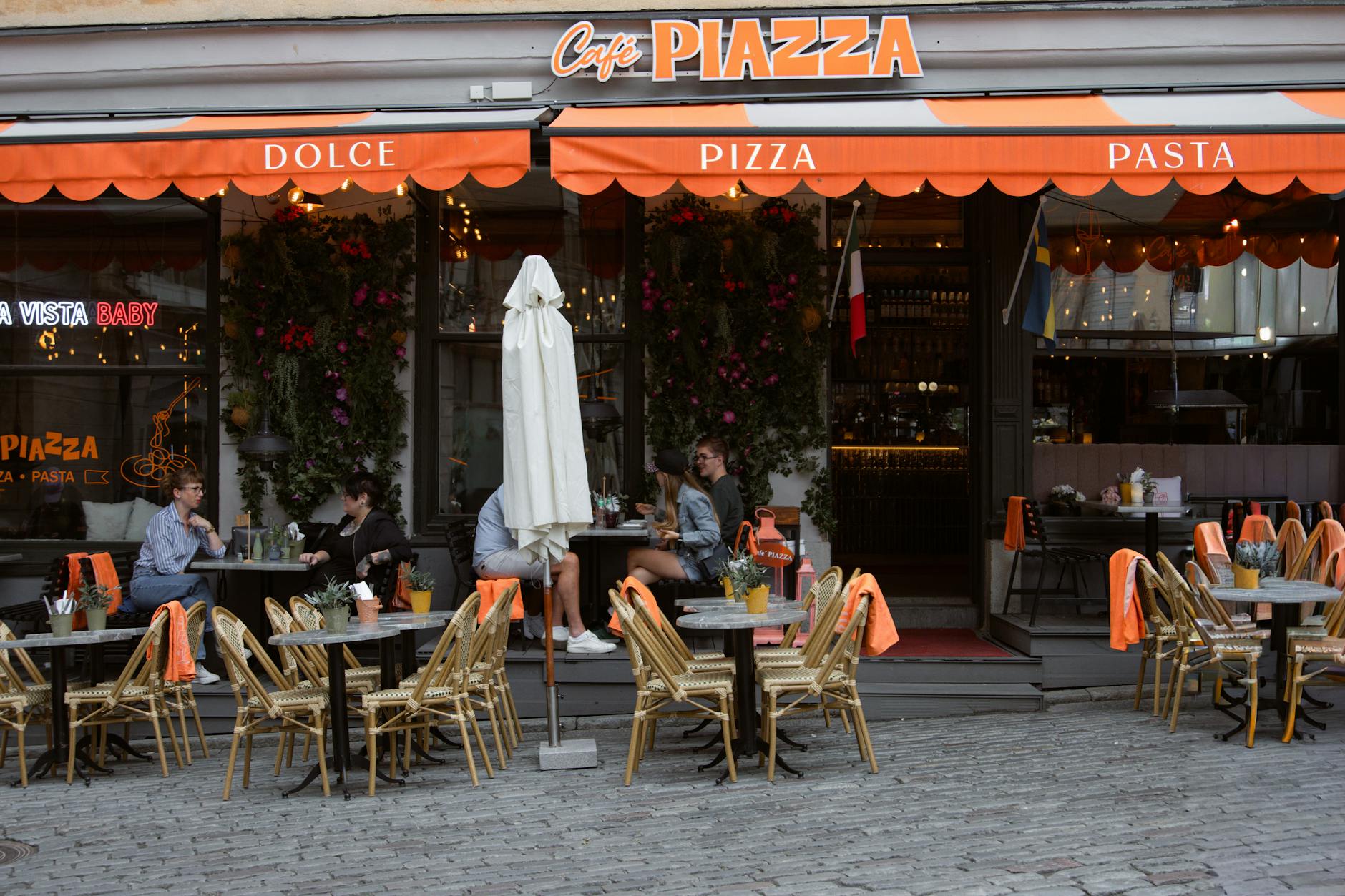
Food can quietly break a Stockholm budget. The traveler should know where breakfast comes from, where casual meals are available, when a grocery or bakery stop makes sense, and which meals deserve more spending.
Meal planning protects the day.
- Check whether lodging includes breakfast or has nearby low-cost options.
- Place casual meals, bakeries, grocery stops, and cafes near the route.
- Reserve one nicer meal only if it fits the total budget and day shape.
Control luggage, weather, and fatigue
Budget travel often involves early arrivals, late departures, smaller rooms, and more walking. Luggage storage, footwear, layers, phone power, and rest breaks can decide whether the savings still feel worth it.
The low-cost plan needs comfort checks.
- Confirm luggage storage before check-in and after checkout.
- Carry layers, rain protection, comfortable shoes, and phone power.
- Leave room for a cafe pause or short transit ride when walking stops being efficient.
When to order a short-term travel report
A budget traveler with simple dates, central lodging, and flexible interests may not need a custom report. A report becomes useful when lodging choices are confusing, transport costs could change the math, weather may affect free routes, or the traveler wants a strong Stockholm trip without accidental overspending.
The report should test lodging geography, arrival transfer, transit passes, free routes, paid sight choices, low-cost meals, luggage storage, weather contingencies, daily spending limits, and departure buffers. The value is a Stockholm budget stay where savings are intentional rather than inconvenient.
- Order when lodging, transit, free routes, paid sights, meals, luggage, weather, daily limits, or departure timing need exact planning.
- Provide dates, arrival details, lodging candidates, budget ceiling, food preferences, mobility needs, and must-see interests.
- Use the report to keep the Stockholm budget trip efficient, realistic, and worth the savings.