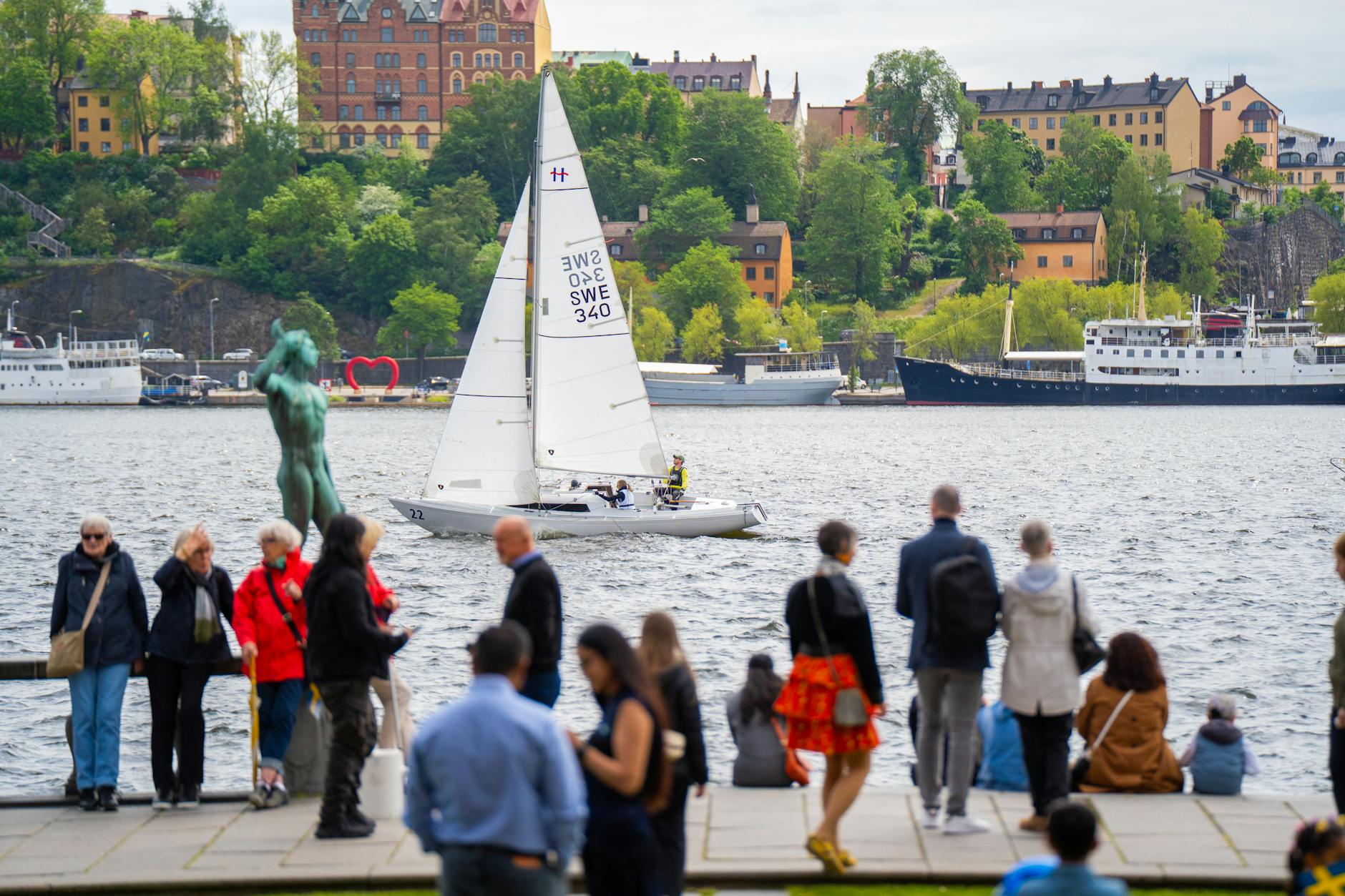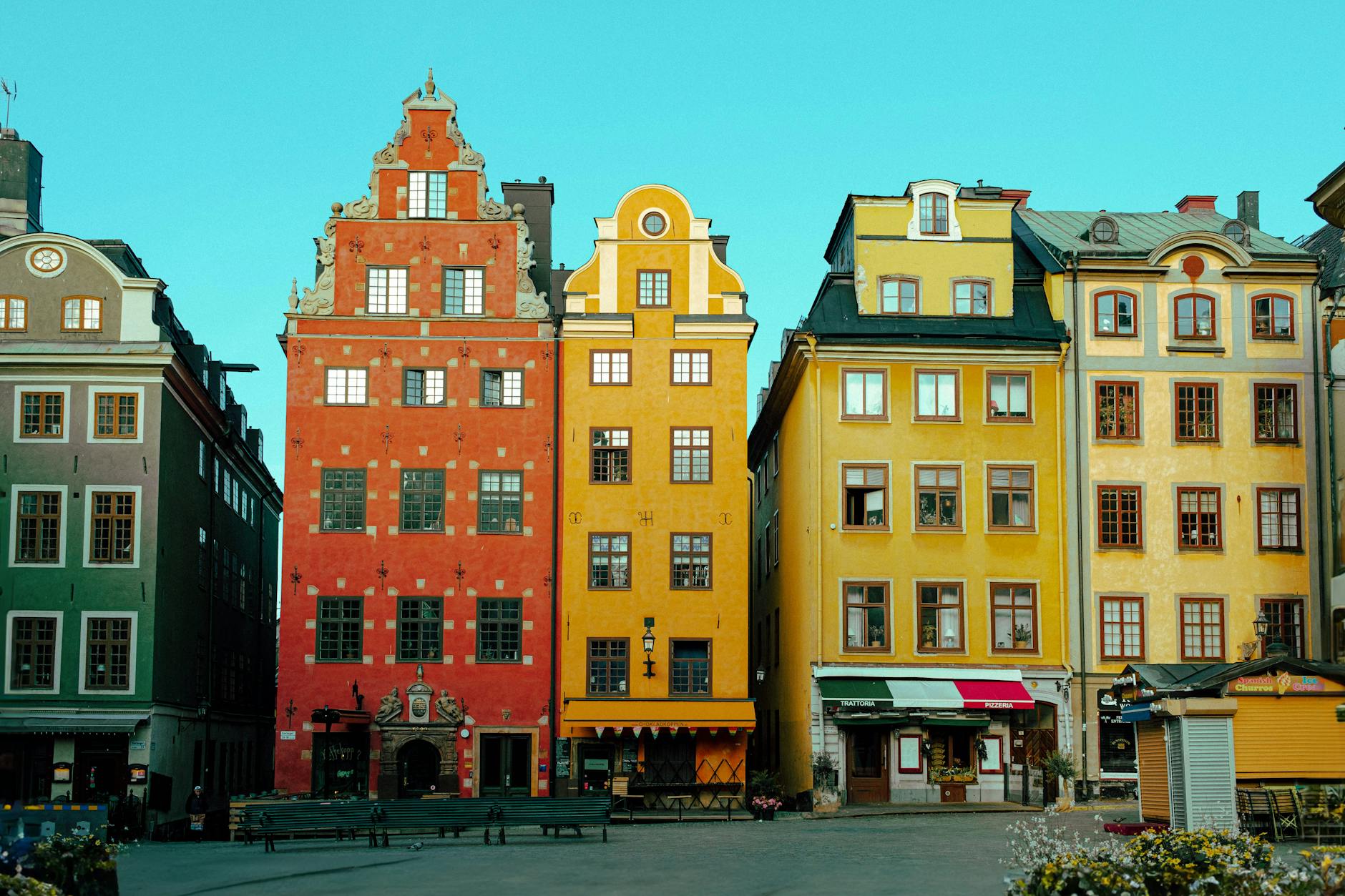
A short tourist trip to Stockholm works best when the visitor treats the city as islands, water, historic streets, museums, and seasonal light rather than a simple attraction checklist. Gamla Stan, City Hall, waterfront routes, ferries, museums, meals, weather, daylight, and departure timing all need a coherent shape.
Choose the main tourist version
A Stockholm tourist should decide what kind of short visit this can be. Old town streets, royal and civic landmarks, museums, waterfront walks, ferries, shopping, and palace excursions can all compete for the same hours.
A tourist trip needs priorities.
- Pick the strongest two or three themes for the available time.
- Use the old town and waterfront as orientation, not as the entire trip.
- Leave distant or specialist sights for a longer return stay when time is tight.
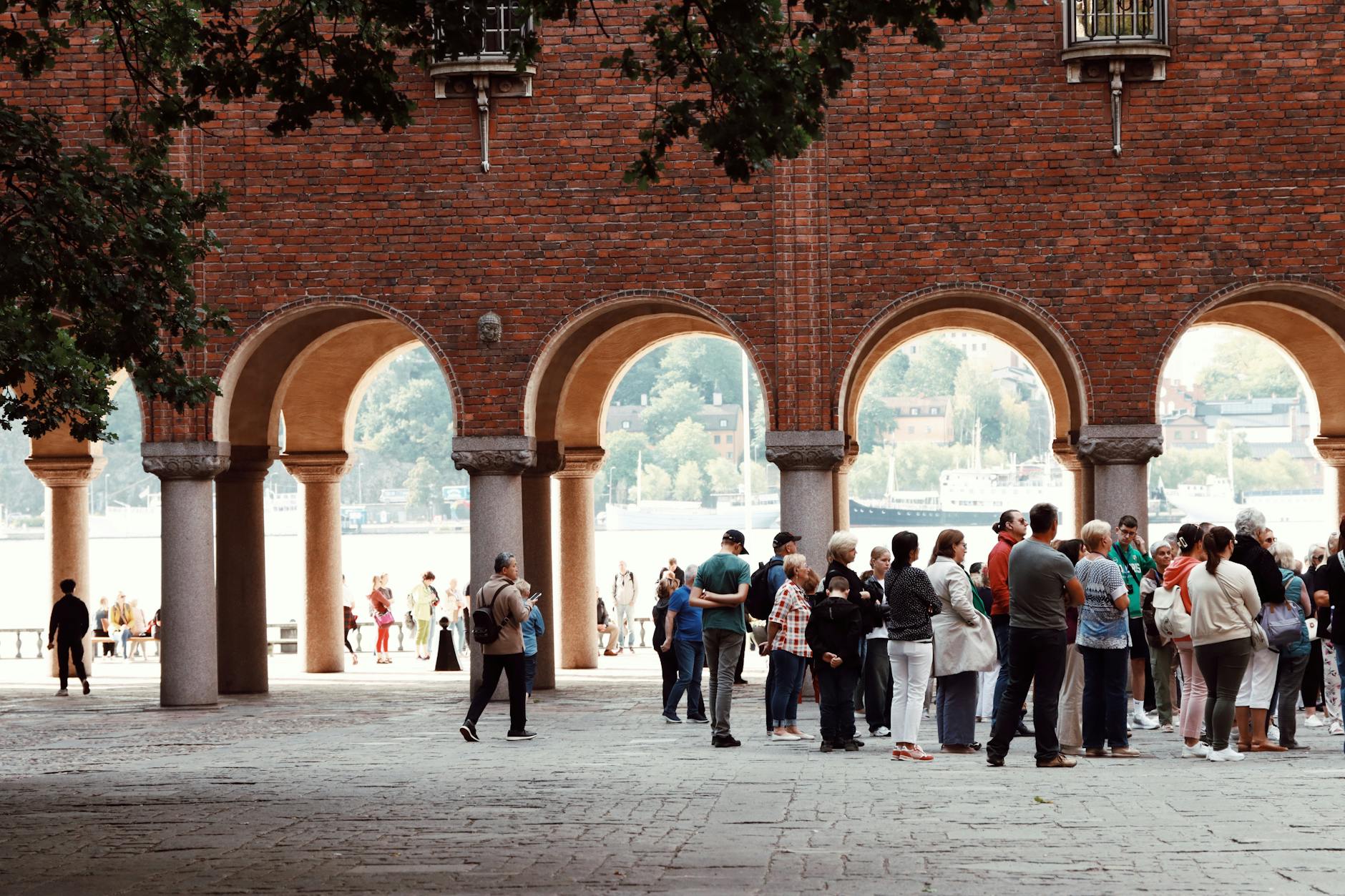
Build around island geography
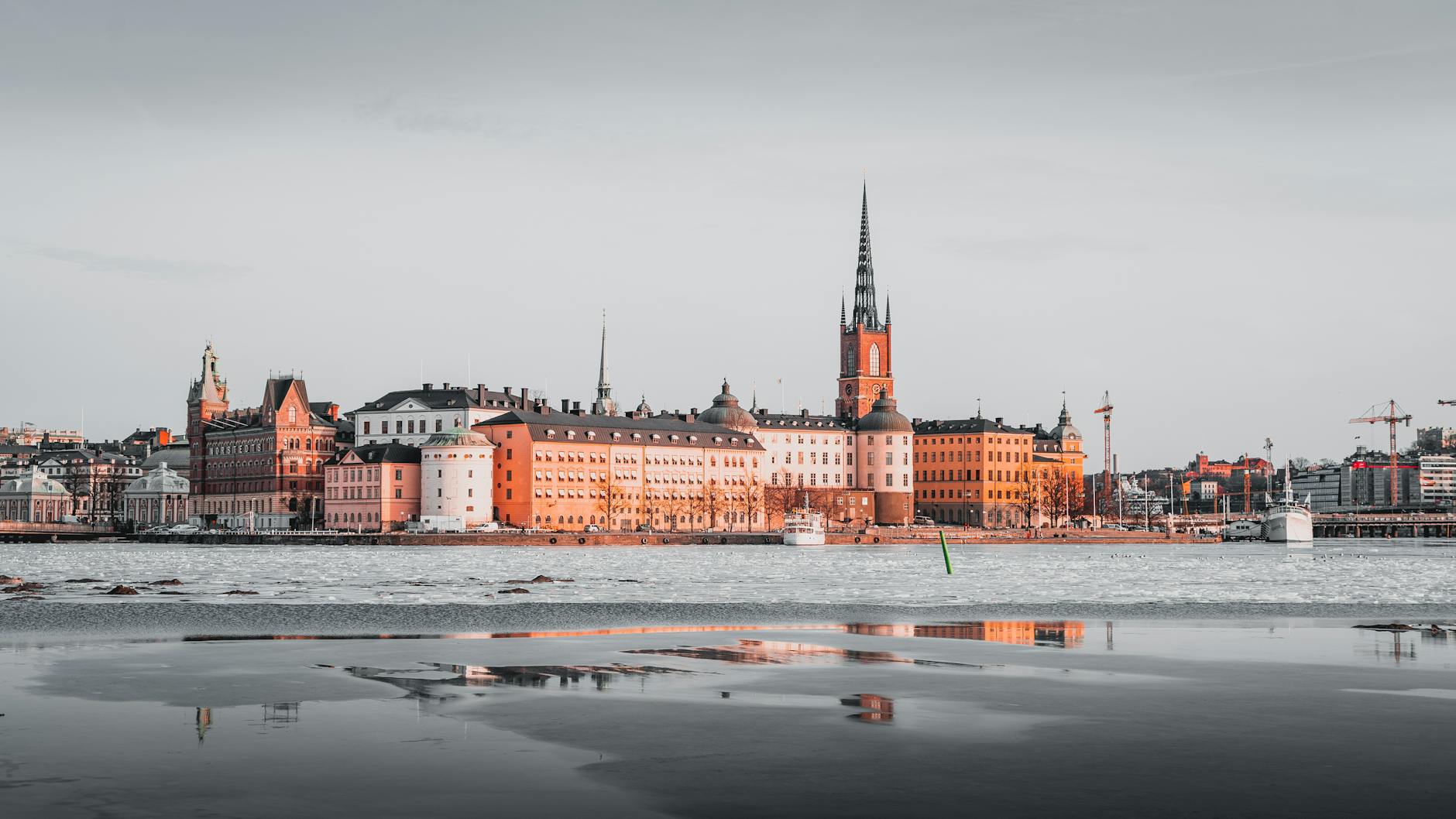
Stockholm's islands make the city beautiful, but they also make routing important. A tourist should group sights by area so the day does not become a chain of bridges, transfers, and backtracking.
The map should make the day calmer.
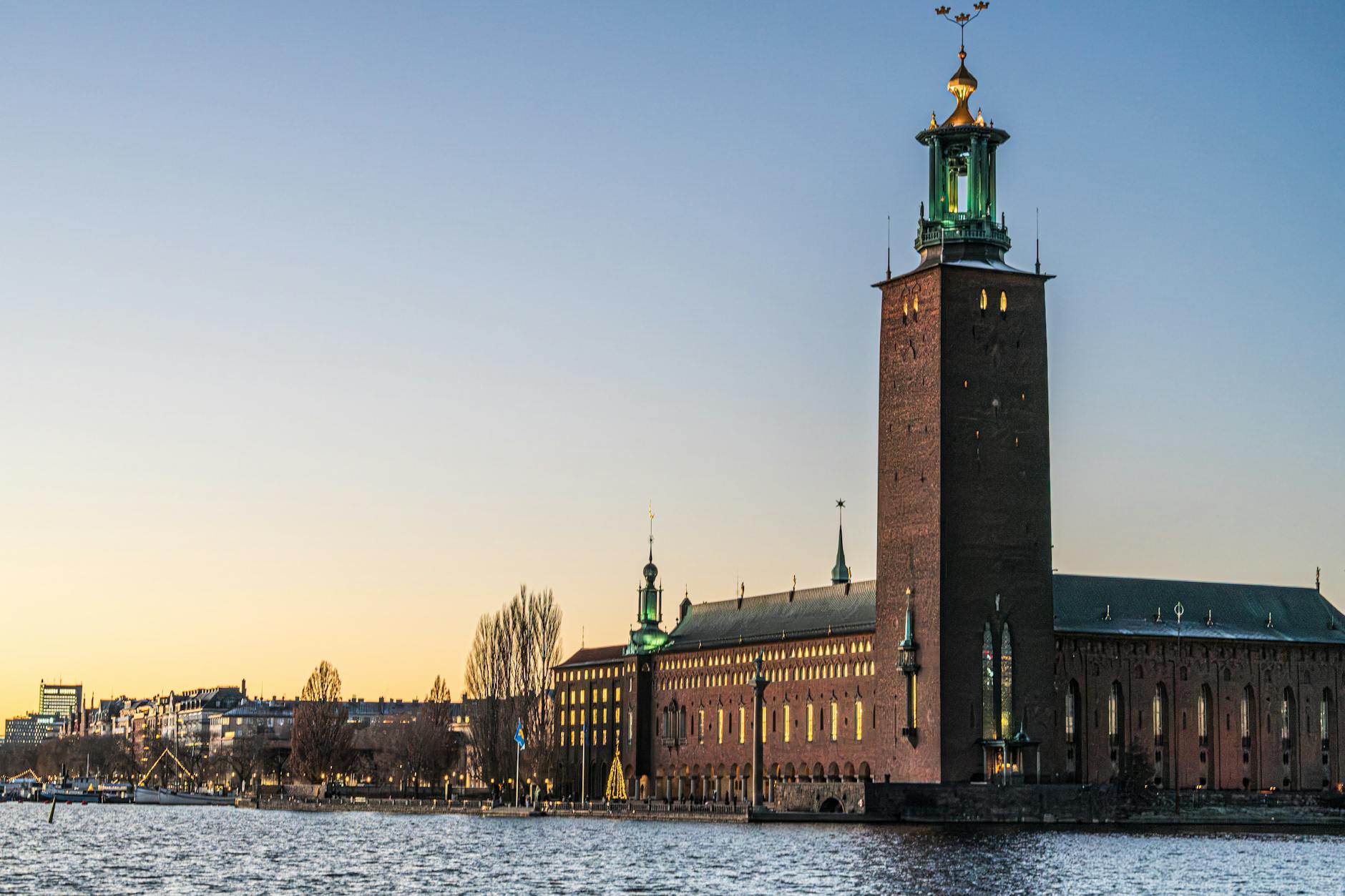
- Group Gamla Stan, City Hall, waterfront views, museums, and meals by practical geography.
- Use bridges, ferries, and metro stops as route tools rather than afterthoughts.
- Avoid crossing the city repeatedly for sights that could fit another day.
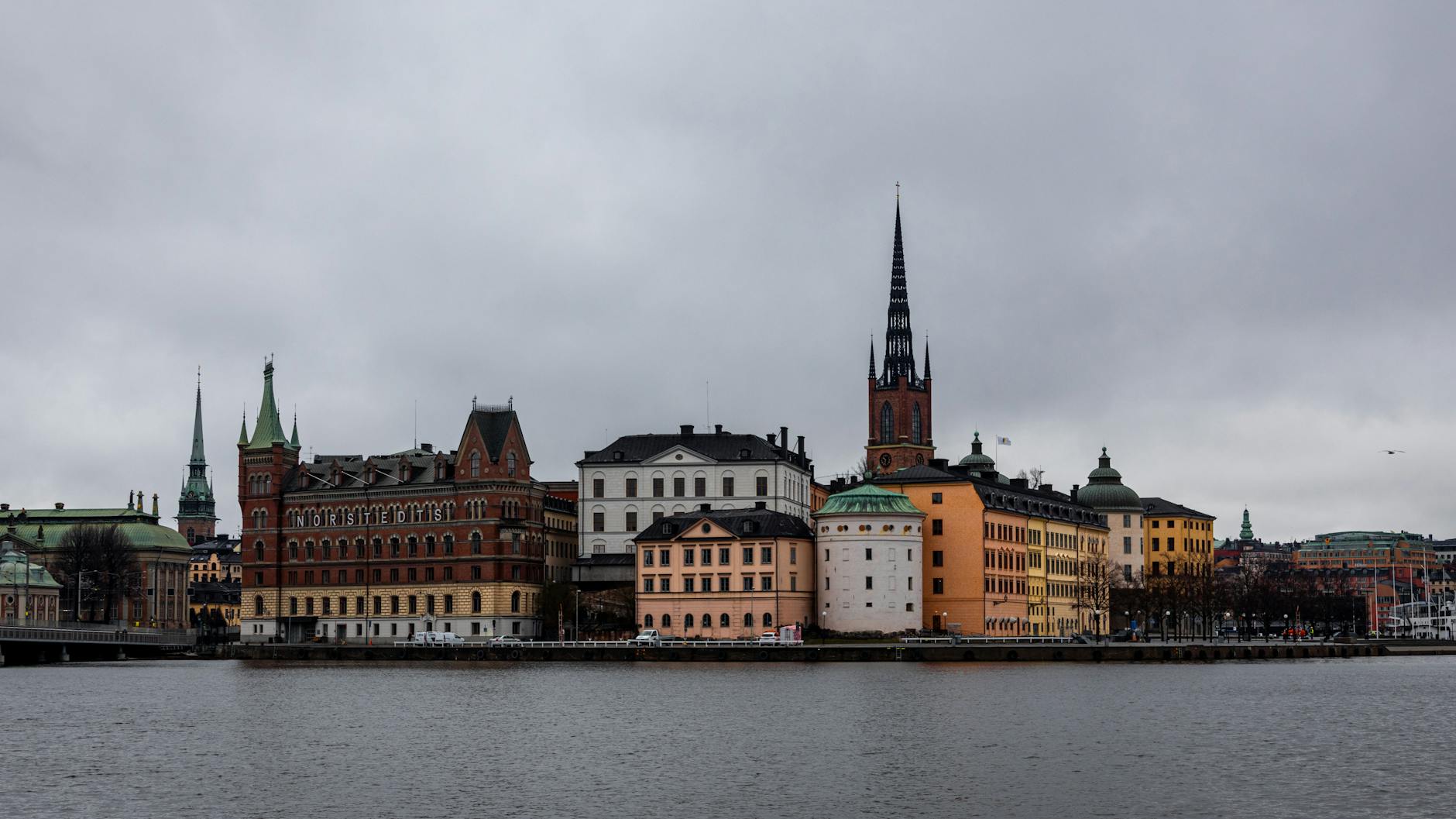
Use Gamla Stan at the right time
Gamla Stan is central to many tourist visits, but it is better with timing and restraint. The district can feel rich early, late, or along side streets, and thin when every decision defaults to the busiest lanes.
Old town should have a route.
- Visit with a specific walk, square, church, palace, or waterfront edge in mind.
- Use quieter streets when the busiest areas feel crowded.
- Choose meals carefully so the old town does not become the most expensive default.
Select museums and palaces carefully
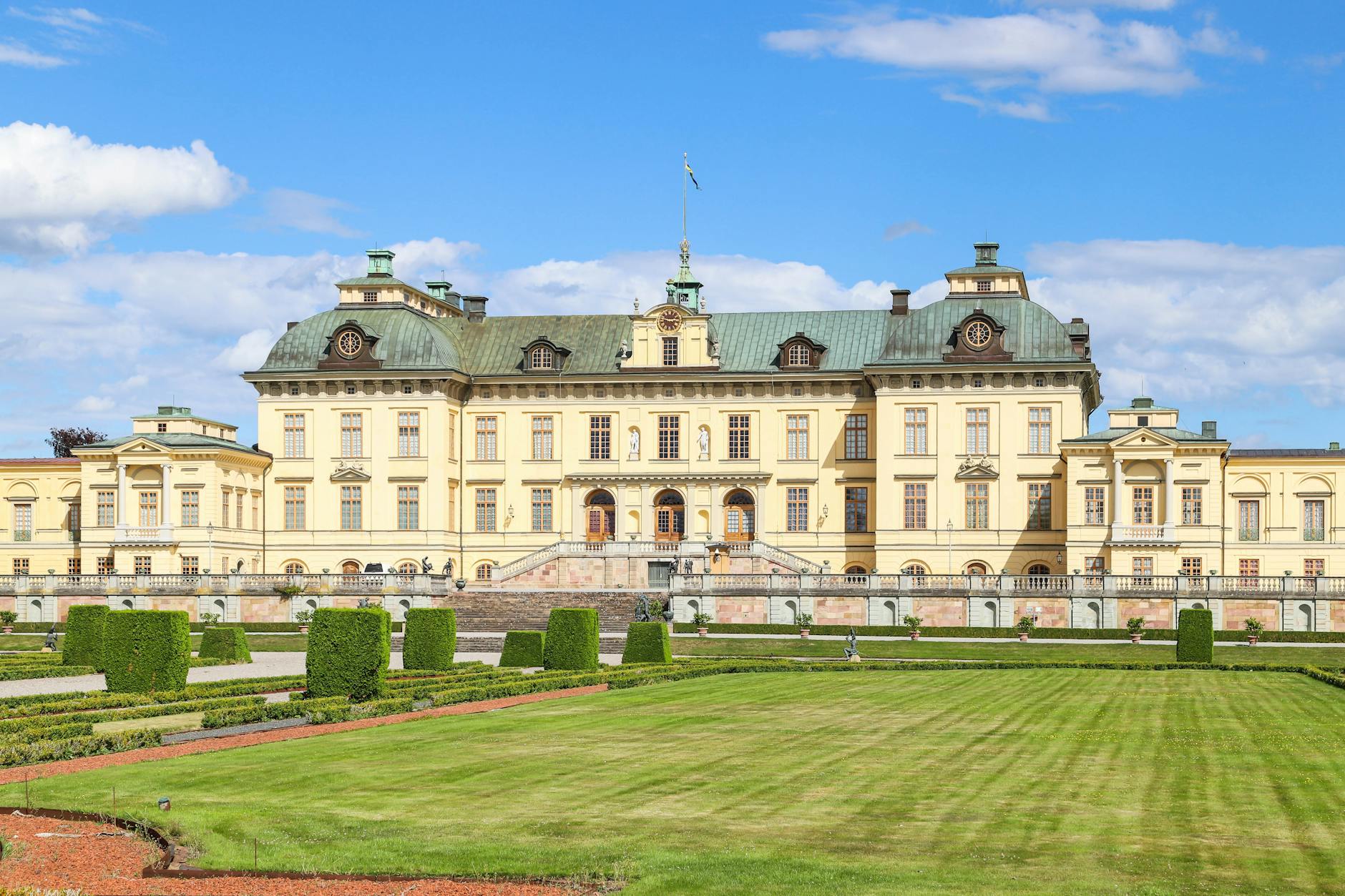
Stockholm has enough museums, palaces, galleries, and indoor attractions to fill several visits. A tourist on a short stay should choose the stops that match interest, weather, location, and opening hours.
One strong anchor can be enough.
- Choose one major museum, palace, or indoor attraction per day when time is short.
- Check tickets, opening days, bag rules, cafe options, and travel time before arrival.
- Use indoor attractions as weather buffers rather than adding them randomly.
Plan views, photos, and movement
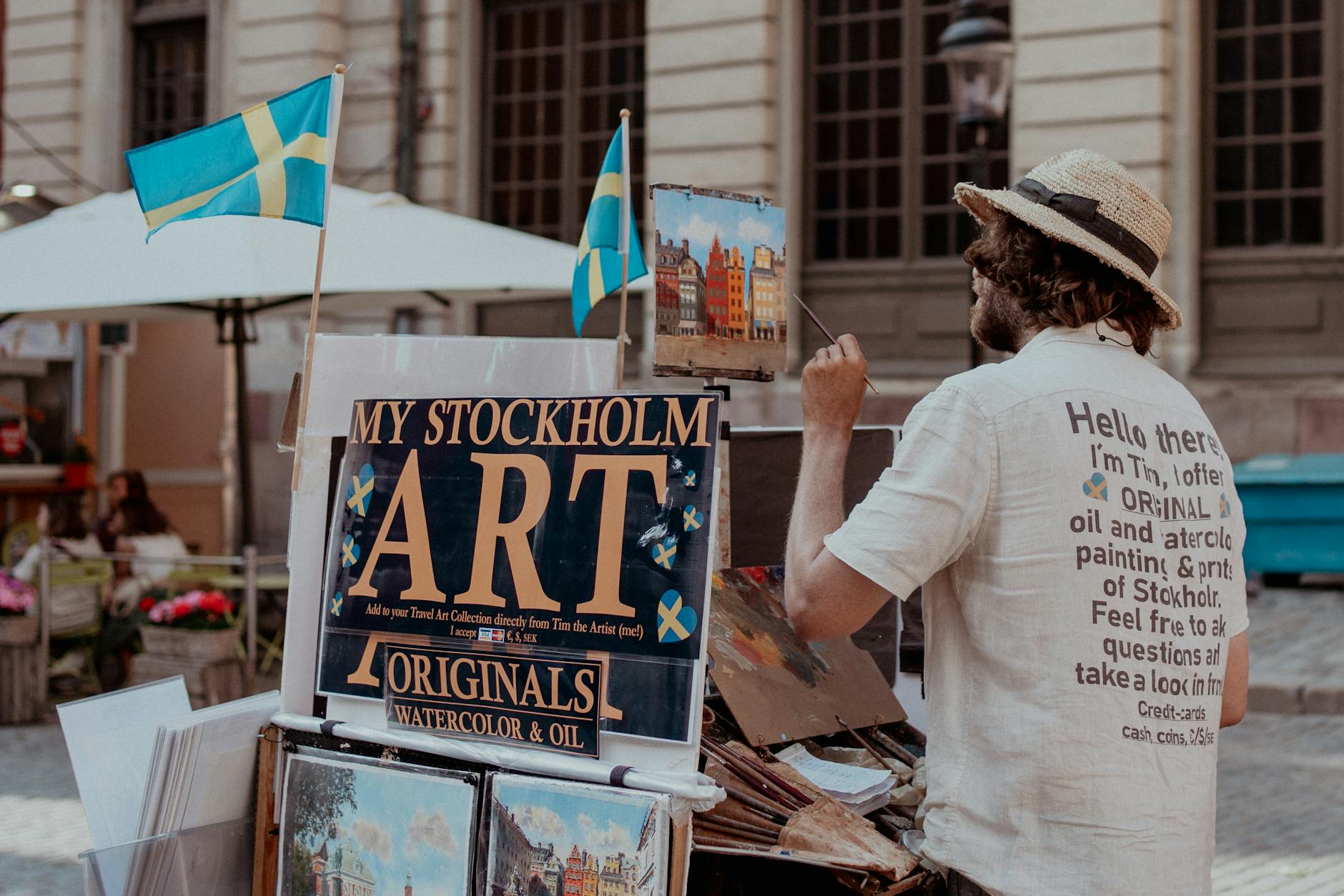
Tourist travel often includes photos, viewpoints, and iconic scenes. Stockholm rewards that impulse, but the best viewpoints still need daylight, weather, footwear, and enough time to pause rather than rush.
Views need pacing.
- Place photo stops along routes that already make sense.
- Check daylight and weather before depending on skyline or waterfront views.
- Avoid carrying heavy sightseeing ambition into the end of an already long day.
Keep meals and weather practical
Meals, cafes, layers, rain, wind, and seasonal light shape how much a tourist can enjoy in a day. A good Stockholm plan includes places to sit, warm up, eat, and adjust if the waterfront feels colder than expected.
Comfort keeps sightseeing useful.
- Identify meal and cafe options near the main route.
- Carry layers and rain protection for exposed waterfront walks.
- Leave room for weather changes, tired feet, and a slower museum or meal.
When to order a short-term travel report
A tourist with a central hotel and a short list of sights may not need a custom report. A report becomes useful when the visitor wants the classic Stockholm experience without overfilling the day, when museum choices are unclear, or when weather and daylight could change the route.
The report should test hotel location, arrival transfer, first-priority sights, Gamla Stan timing, museum choices, ferry usefulness, meal stops, weather contingencies, daylight, and departure buffers. The value is a Stockholm tourist stay that feels complete without becoming scattered.
- Order when hotel geography, top sights, old town timing, museums, ferries, meals, weather, daylight, or departure timing need exact planning.
- Provide dates, arrival details, hotel candidates, mobility needs, budget, food preferences, and must-see sights.
- Use the report to keep the Stockholm tourist trip coherent, flexible, and satisfying.