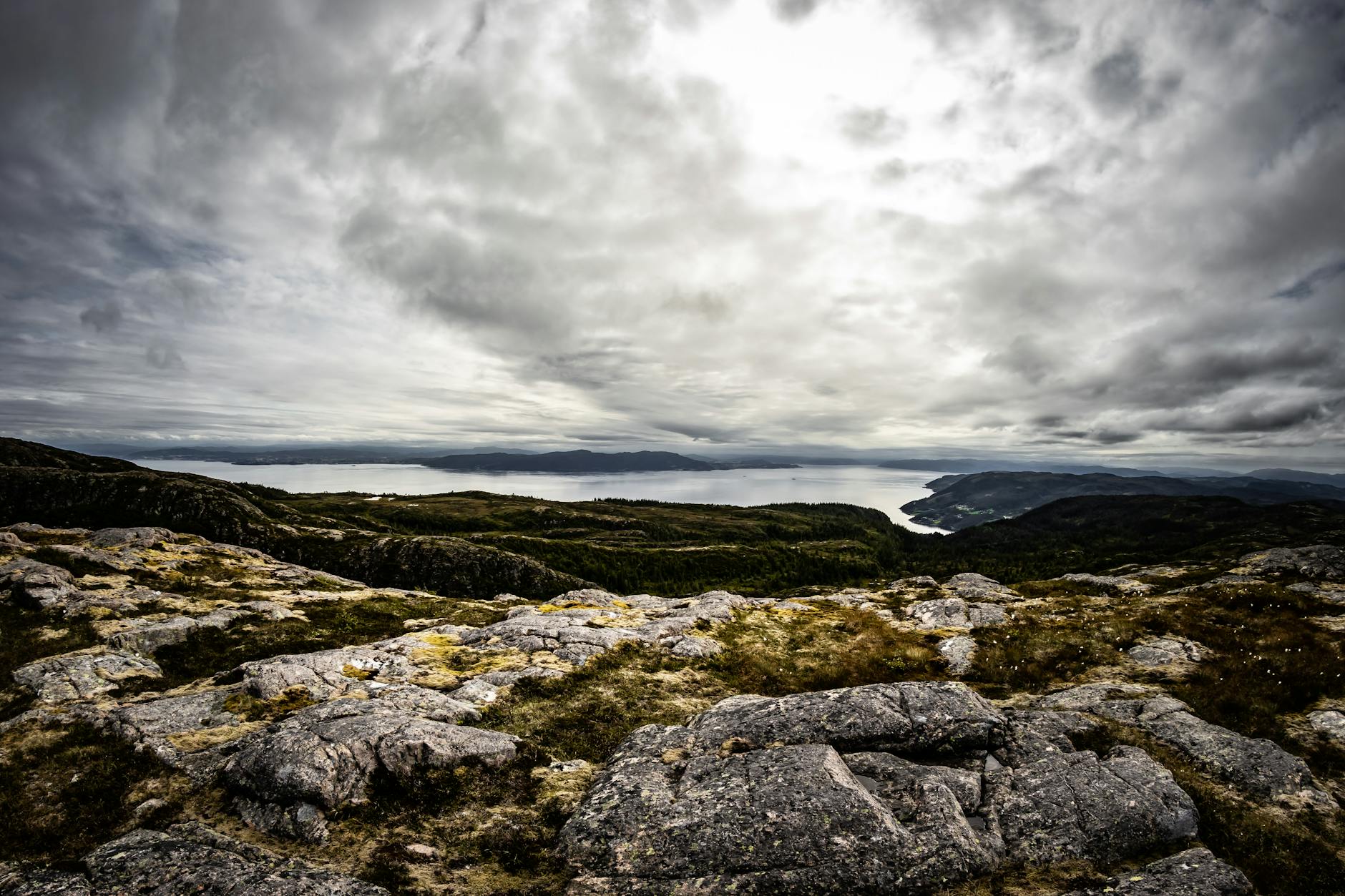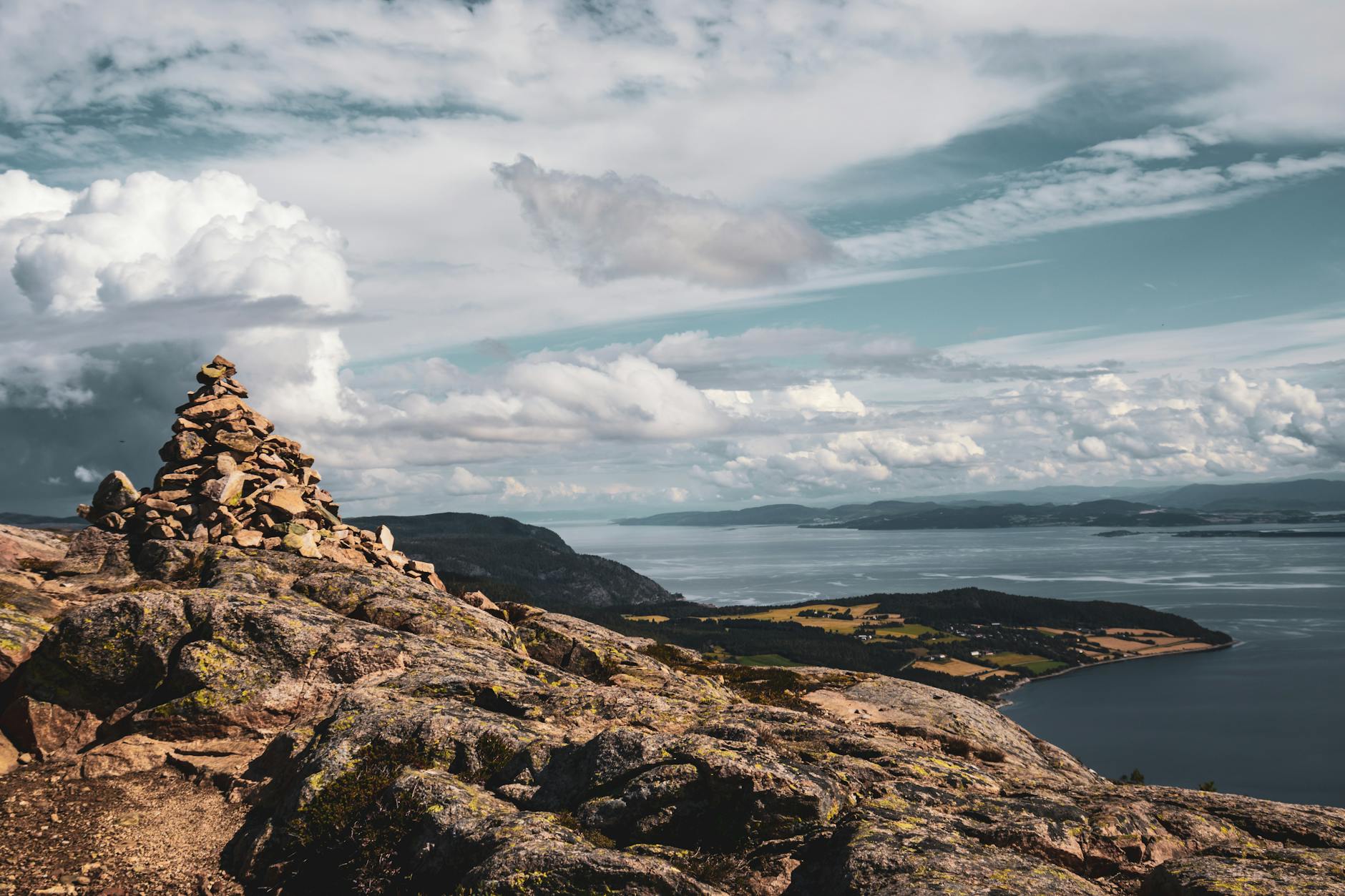
A short tourist stay in Trondheim works best when the city has a clear shape. Nidaros Cathedral, the Nidelva river, Bakklandet, cafes, museum choices, weather, and fjord scenery can all fit, but not if the day becomes a scattered list. The plan should make the historic center legible and leave enough room for weather and quiet views.
Choose the tourist version of Trondheim
A short tourist trip should start with a clear choice: cathedral and history, river walks, Bakklandet streets, cafes, museums, fjord scenery, or a slower city break. Trondheim can support all of those, but not all at equal depth in a compressed stay.
The tourist plan needs a center.
- Choose one primary reason for the visit and one backup reason for poor weather.
- Keep the first day close to the center if arrival timing is uncertain.
- Avoid adding regional scenery before the core city route is secure.
Anchor the day around the cathedral and river
Nidaros Cathedral and the river can give a tourist day a strong shape. The traveler should check opening hours, services, nearby routes, and meal options before turning the landmark into a rushed photo stop.
A landmark should organize the route.
- Check cathedral opening hours, tickets, services, and nearby walking routes before arrival.
- Pair the cathedral area with the river or Bakklandet rather than crossing the city repeatedly.
- Leave time for weather, photos, and a cafe stop so the visit does not feel mechanical.
Use Bakklandet and waterfront routes carefully
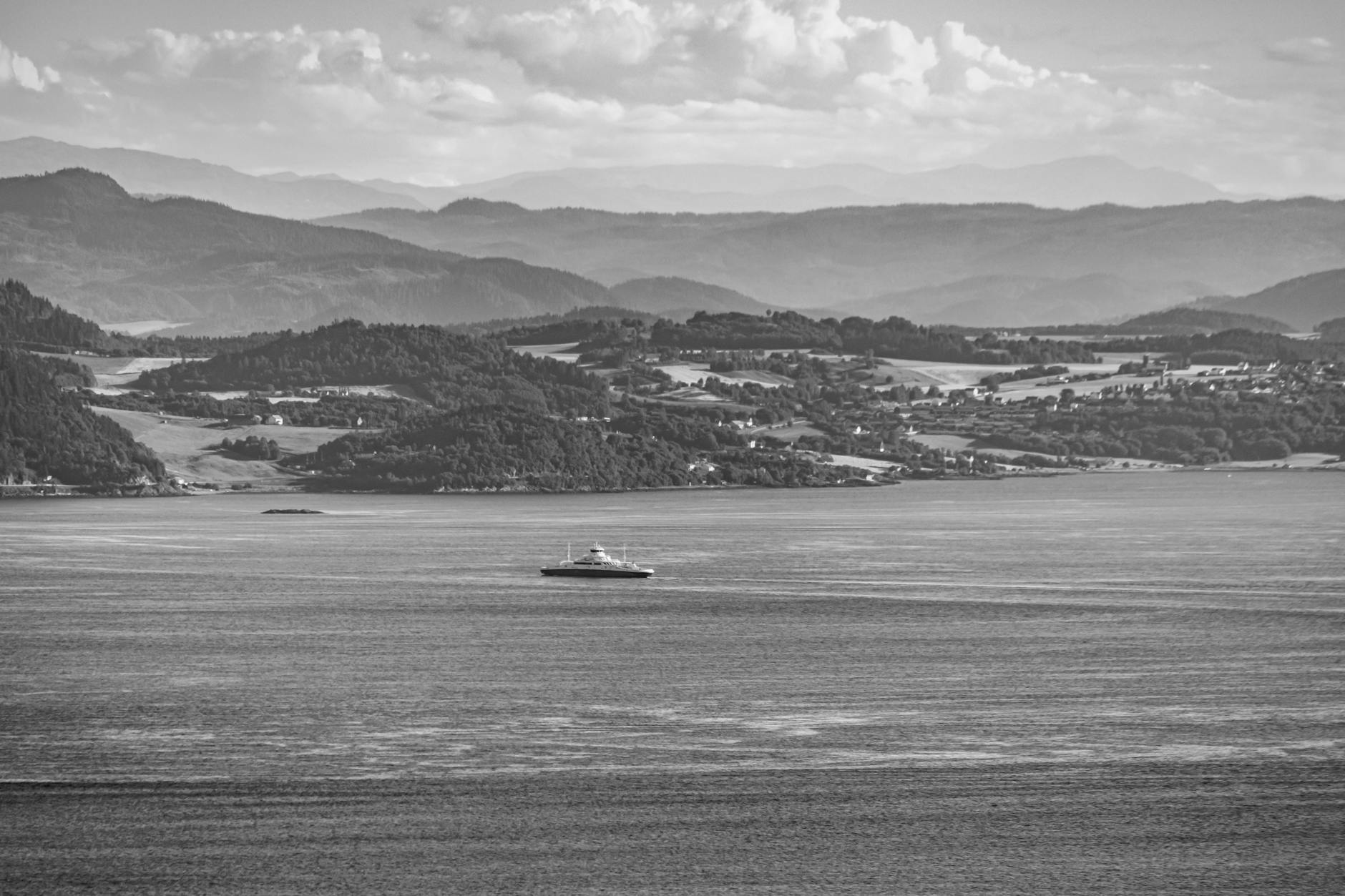
Bakklandet, bridges, river views, and small streets can make Trondheim memorable quickly. A tourist should let one compact route do the work rather than chasing every view and arriving tired before dinner.
A short loop can be stronger than a long list.
- Plan a route with a start, midpoint, cafe or restroom, and simple return path.
- Watch wet surfaces, steps, bicycles, and short daylight when choosing the route.
- Leave time to wander if the streets are the main reason for the visit.
Plan meals and breaks deliberately
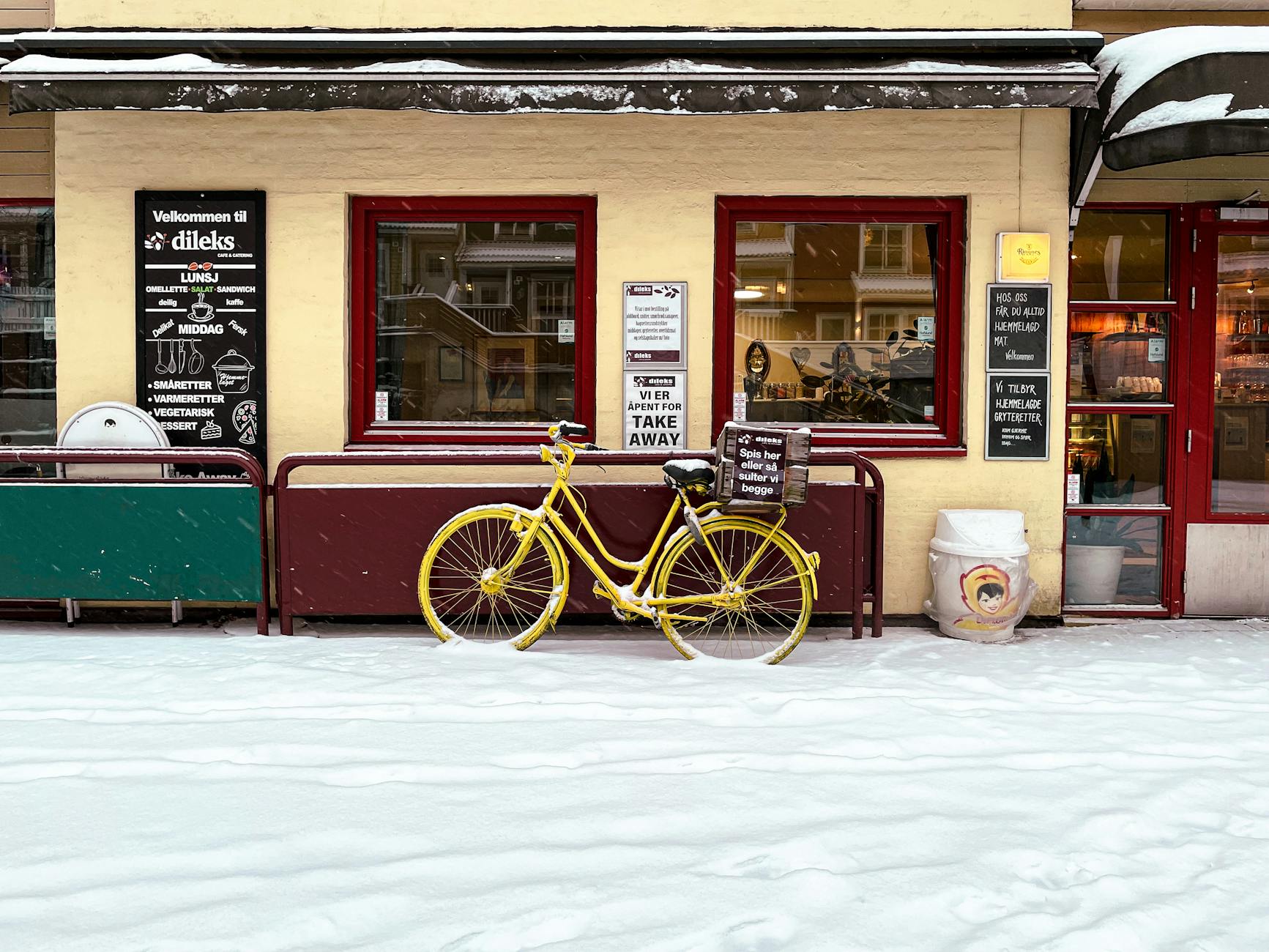
A tourist can lose too much time when meals are left until everyone is cold, wet, or hungry. Trondheim cafes and restaurants should be placed as anchors in the day, especially in winter, rain, or short daylight.
Breaks keep the city pleasant.
- Identify coffee, lunch, and dinner options near the main route.
- Reserve when timing, dietary needs, price, or group size matters.
- Use a cafe break to review the next route instead of pushing through fatigue.
Respect weather and daylight
Rain, wind, cold, snow, wet surfaces, and limited daylight can change how much sightseeing feels realistic. The tourist plan should have a good-weather version and a shorter weather-protected version.
Comfort protects attention.
- Pack waterproof layers, warm clothing, shoes with grip, and a dry place for phone and documents.
- Keep indoor or shorter-route alternatives near the main walking loop.
- Avoid treating bad weather as a reason to cross town repeatedly.
Add fjord or regional scenery selectively
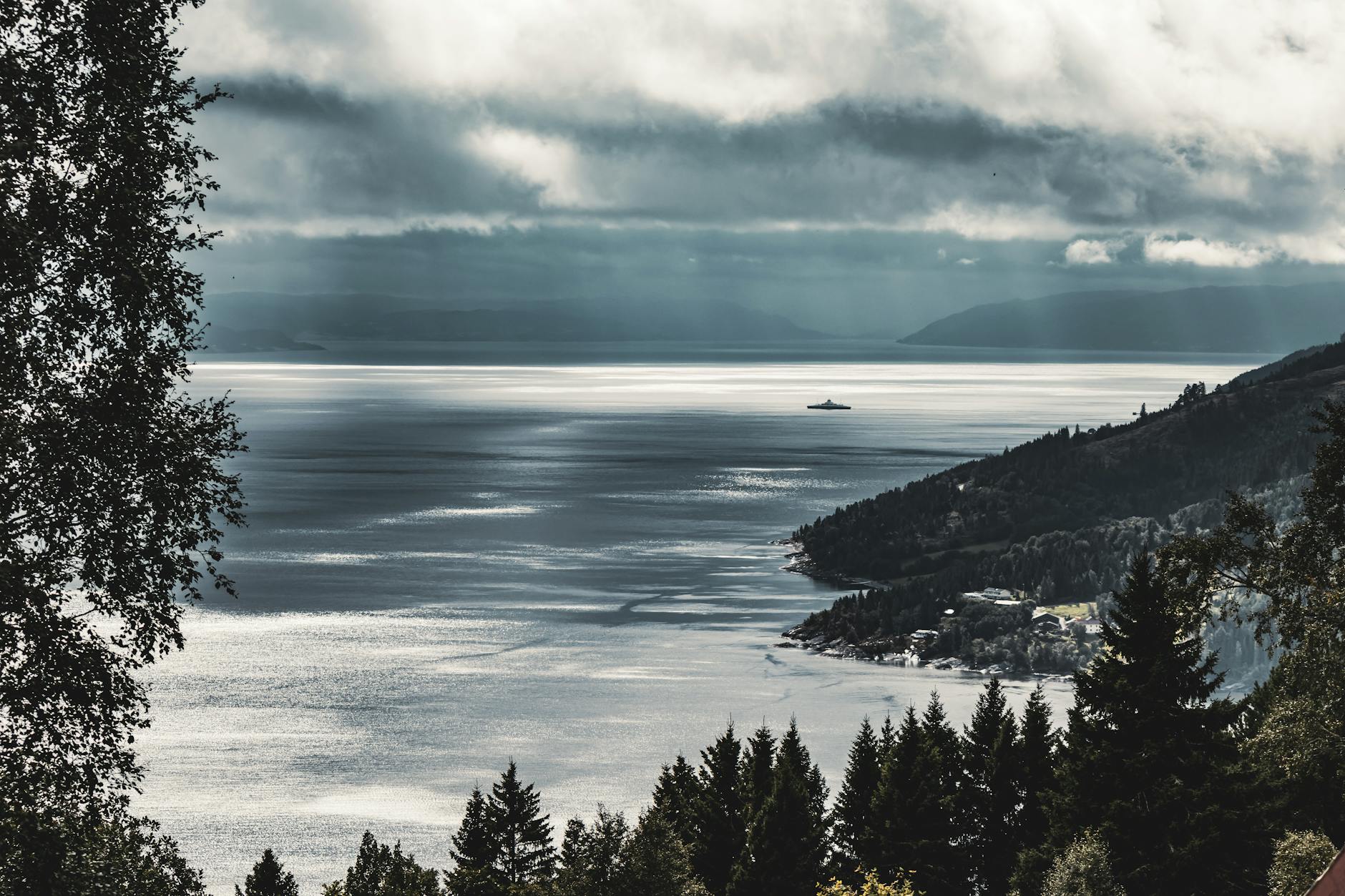
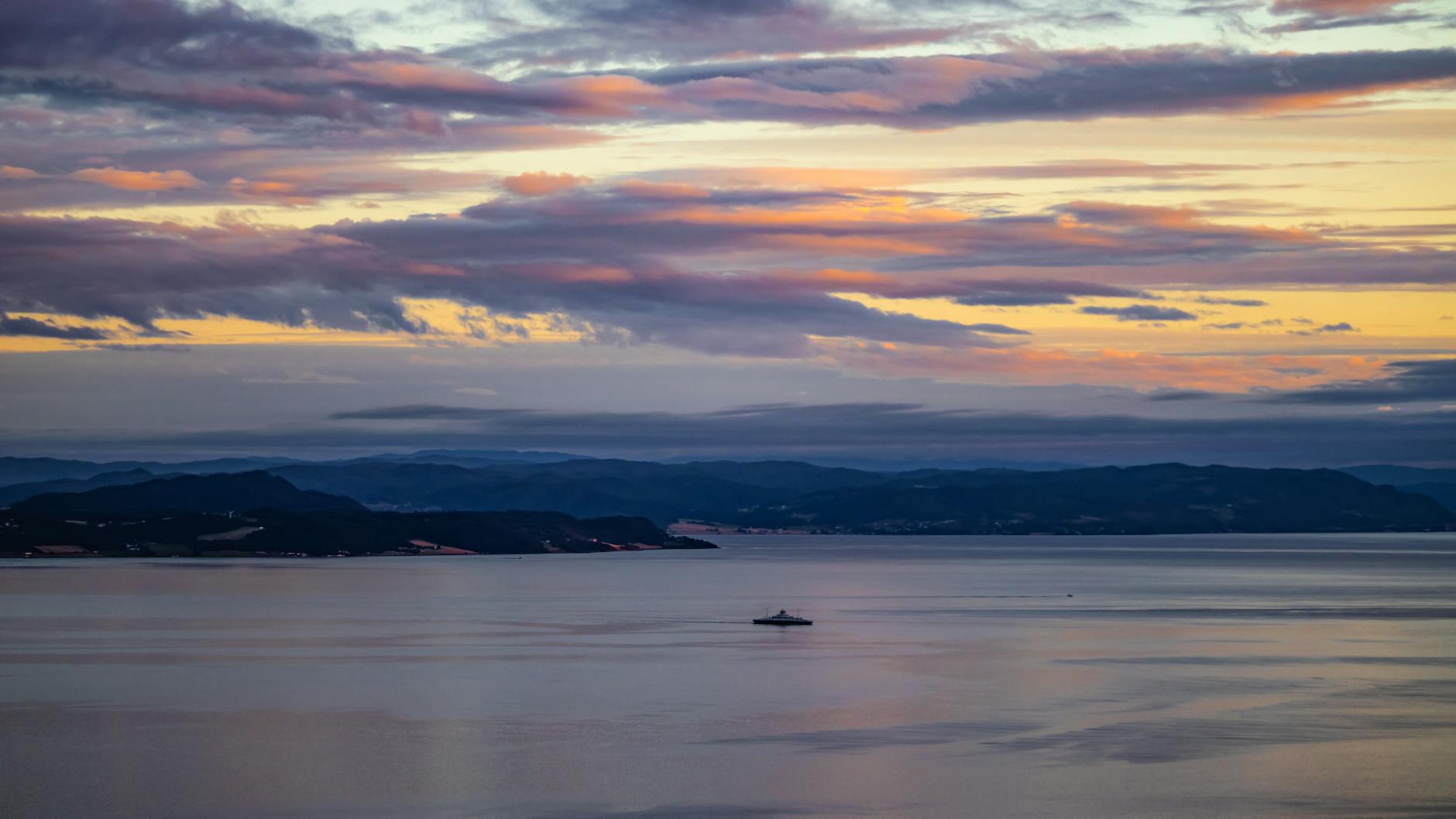
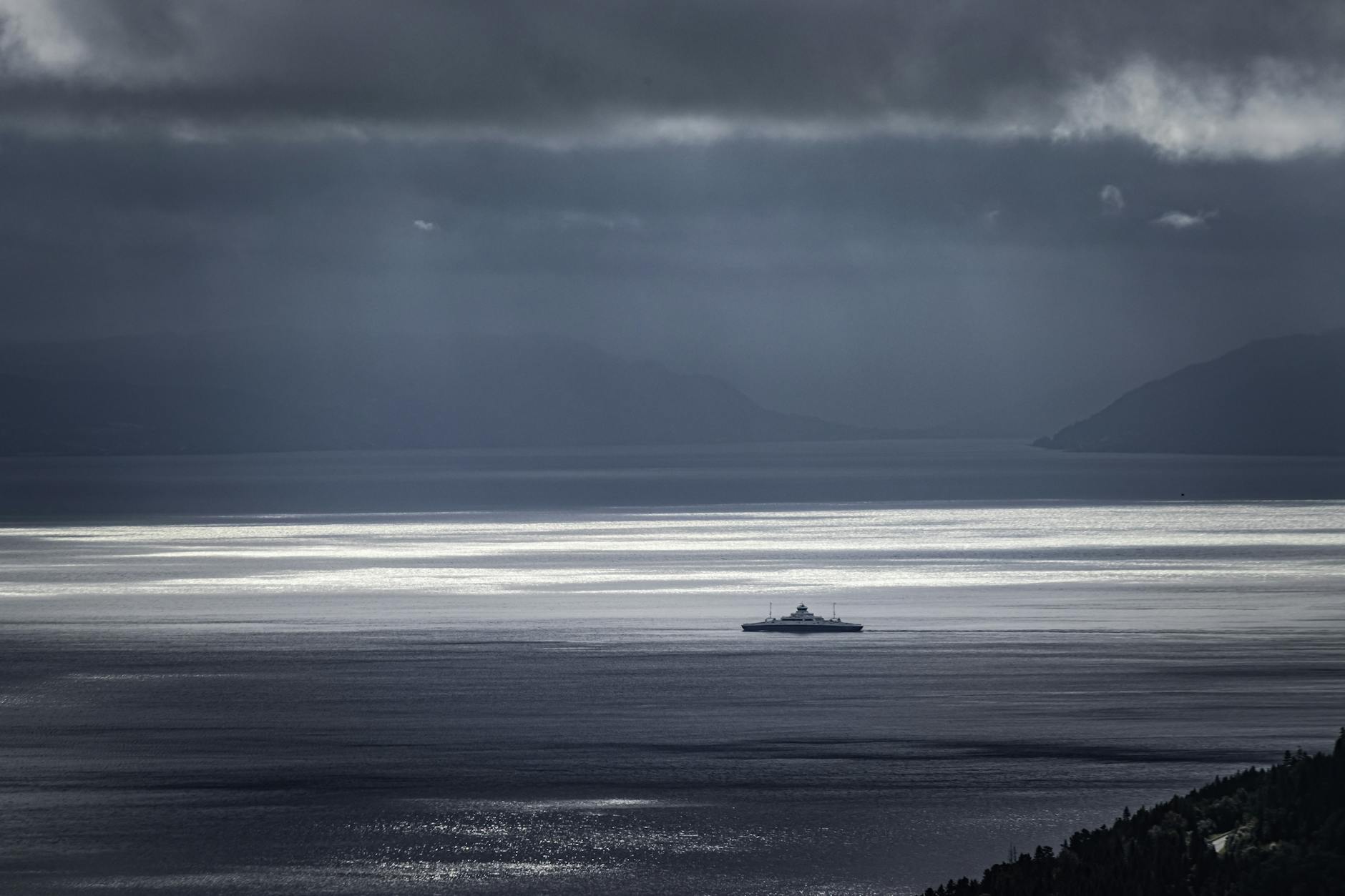
Fjord views and nearby scenery can deepen a Trondheim stay, but they should not erase the city itself. A tourist should test transport, daylight, weather, food, and return timing before adding a scenic extension.
The extra stop should earn its place.
- Check travel time, weather exposure, food access, and return options before leaving the center.
- Avoid a major scenic outing after a late arrival or before an early departure.
- Choose one scenic extension rather than several fragile ideas.

When to order a short-term travel report
A tourist with a central hotel and simple sightseeing goals may not need a custom report. A report becomes useful when the stay is short, weather is uncertain, cathedral timing matters, meals need coordination, fjord scenery is important, or the traveler wants a realistic plan instead of a long wish list.
The report should test hotel location, arrival transfer, cathedral timing, river and Bakklandet routes, cafes, meal choices, museum options, rain alternatives, fjord scenery, budget, and departure buffers. The value is a Trondheim tourist stay that feels complete without becoming overfull.
- Order when arrival, hotel location, weather, landmarks, meals, museums, scenery, budget, or departure timing need exact planning.
- Provide dates, arrival details, hotel candidates, sightseeing priorities, mobility limits, meal preferences, and budget.
- Use the report to keep the Trondheim tourist stay focused, scenic, and realistic.