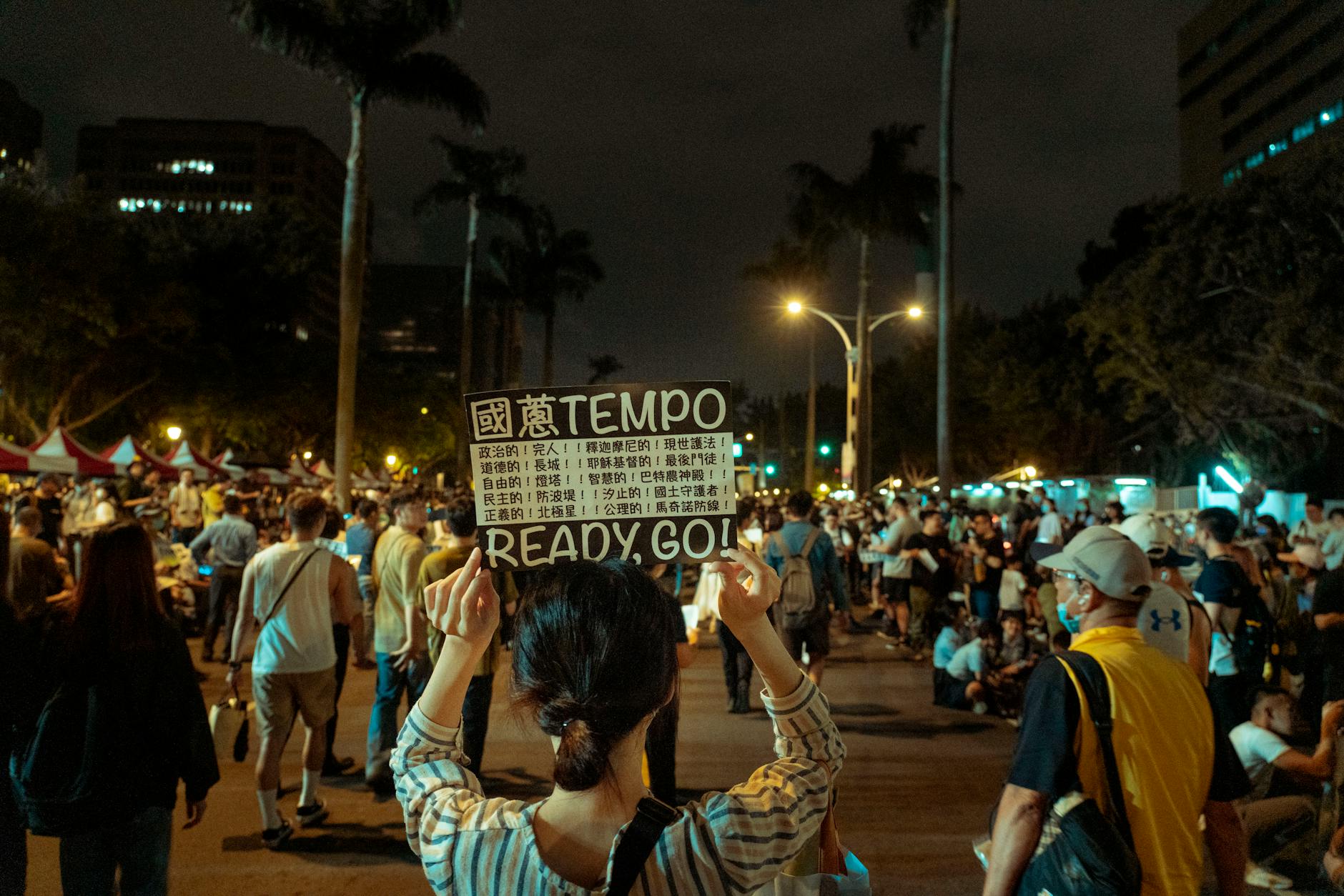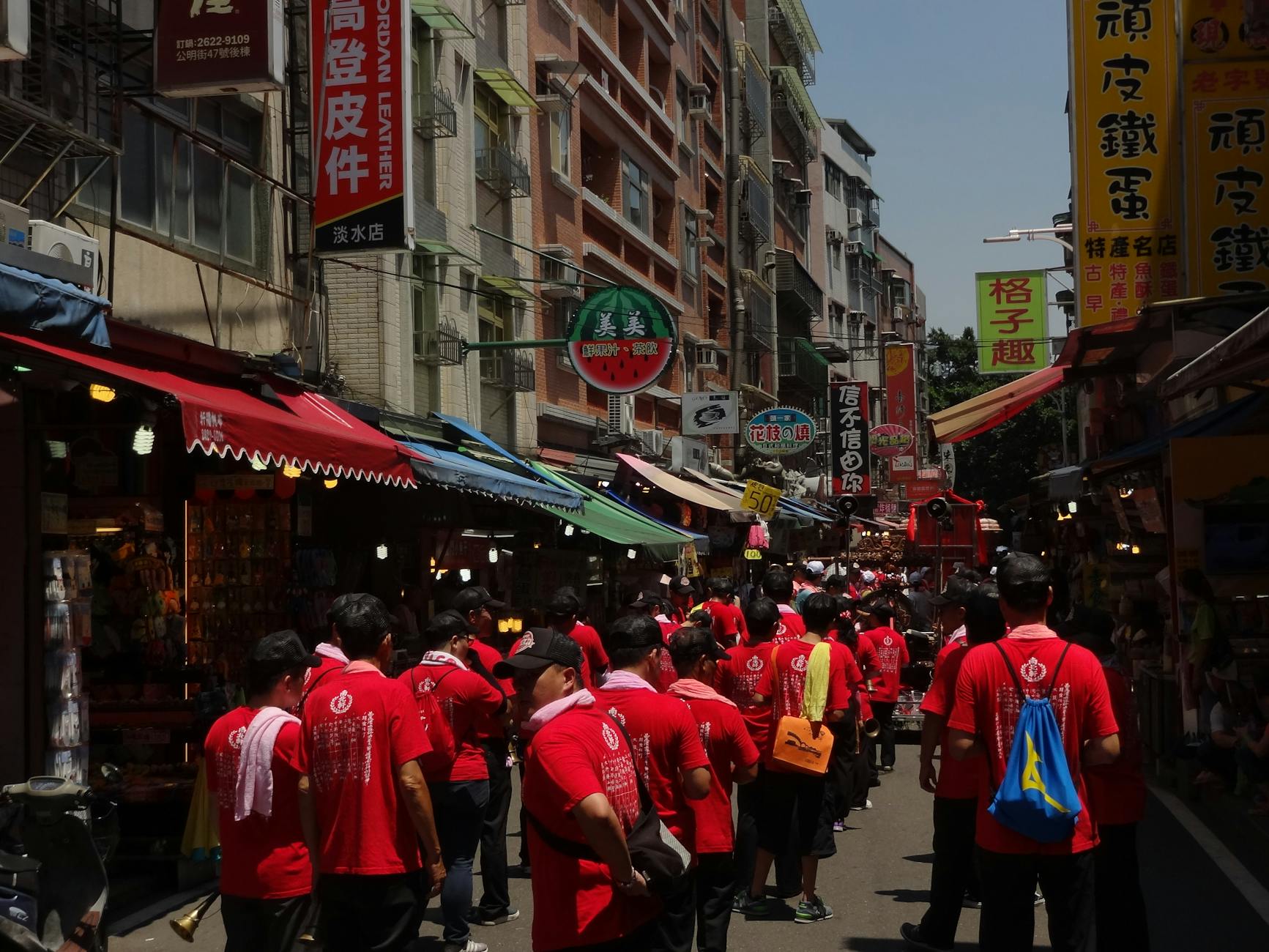
A short volunteer or NGO trip to Taipei should start with the partner and the role, not with a generic city itinerary. Taipei can support community work, university-linked projects, nonprofit meetings, faith-based service, cultural exchange, advocacy work, and regional coordination, but the trip becomes fragile when the traveler does not understand where the partner operates, what the traveler is actually permitted to do, and how daily movement will work. The best plan is practical and respectful. It protects the host organization's time, avoids turning service into sightseeing with a label, and leaves enough energy for the work itself.
Start with partner fit and role clarity
A volunteer or NGO traveler should confirm the partner's legitimacy, expectations, schedule, supervision, language support, and local point of contact before booking the trip. A short stay is rarely the right format for complex direct service unless the host has a clear role ready. The traveler should understand whether the work is observation, logistics, translation, training, meetings, fundraising, research, or community support.
Role clarity protects everyone. It reduces wasted time, avoids overpromising, and helps the traveler arrive as a useful guest rather than an improvised burden.
- Confirm partner legitimacy, supervision, schedule, local contact, and language support.
- Define whether the role is observation, logistics, training, meetings, research, or support.
- Avoid short-term work that depends on vague promises or unclear authority.
Choose housing by project geography
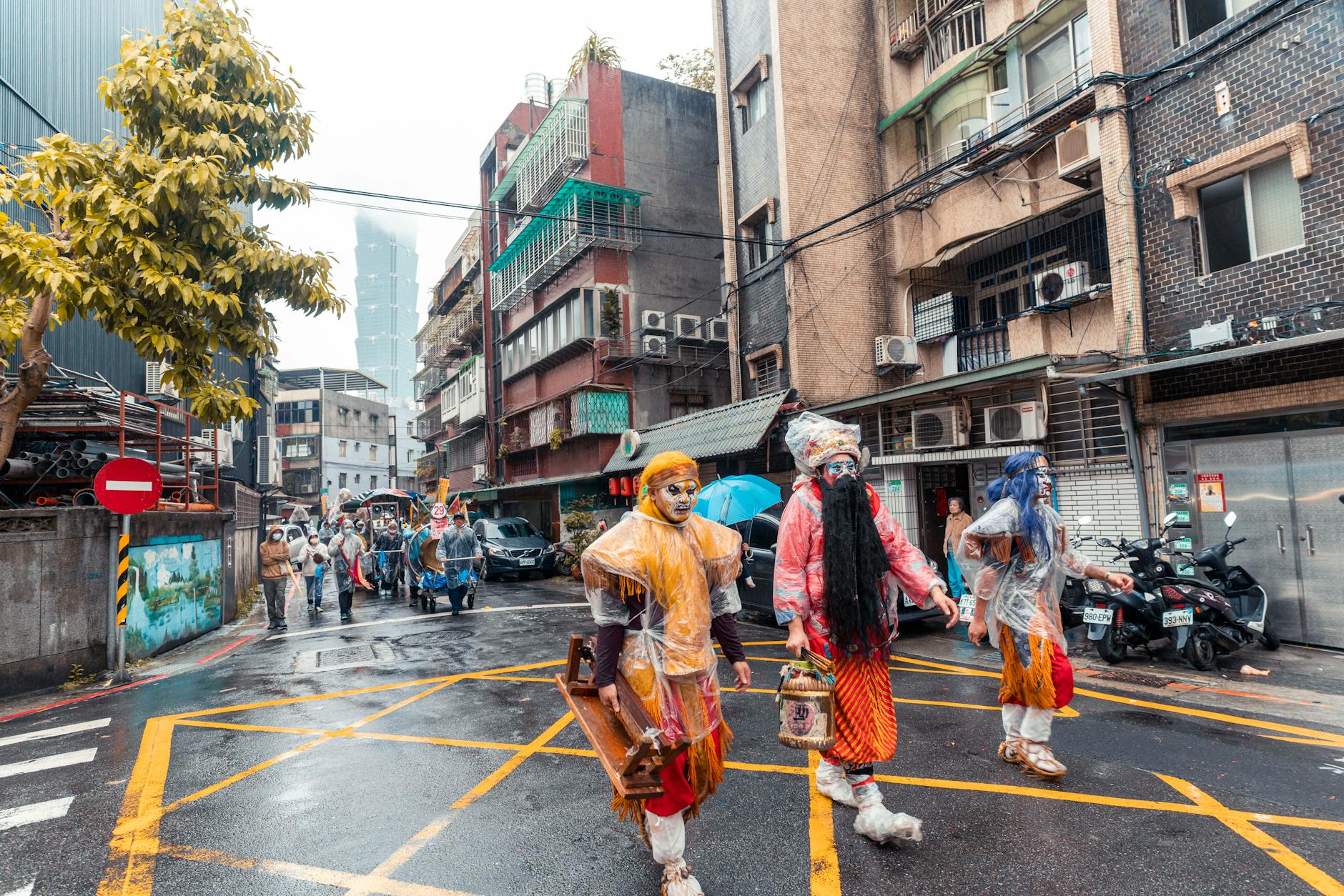
Housing should be chosen around the project's actual geography. A partner office, community center, school, clinic, church, university, or meeting venue may not sit near the tourist neighborhoods a first-time visitor would choose. Xinyi, Daan, Zhongshan, Wanhua, Nangang, Taipei Main Station, and New Taipei links can all make sense depending on where the work happens.
The traveler should test the morning route, evening return, meal access, laundry, quiet sleep, and whether the housing area makes it easy to arrive prepared each day.
- Map partner office, project site, meeting venues, housing, meals, and laundry.
- Compare districts by morning route, evening return, quiet sleep, and project reliability.
- Do not choose housing only by tourist appeal or lowest price.
Check permission, documentation, and boundaries
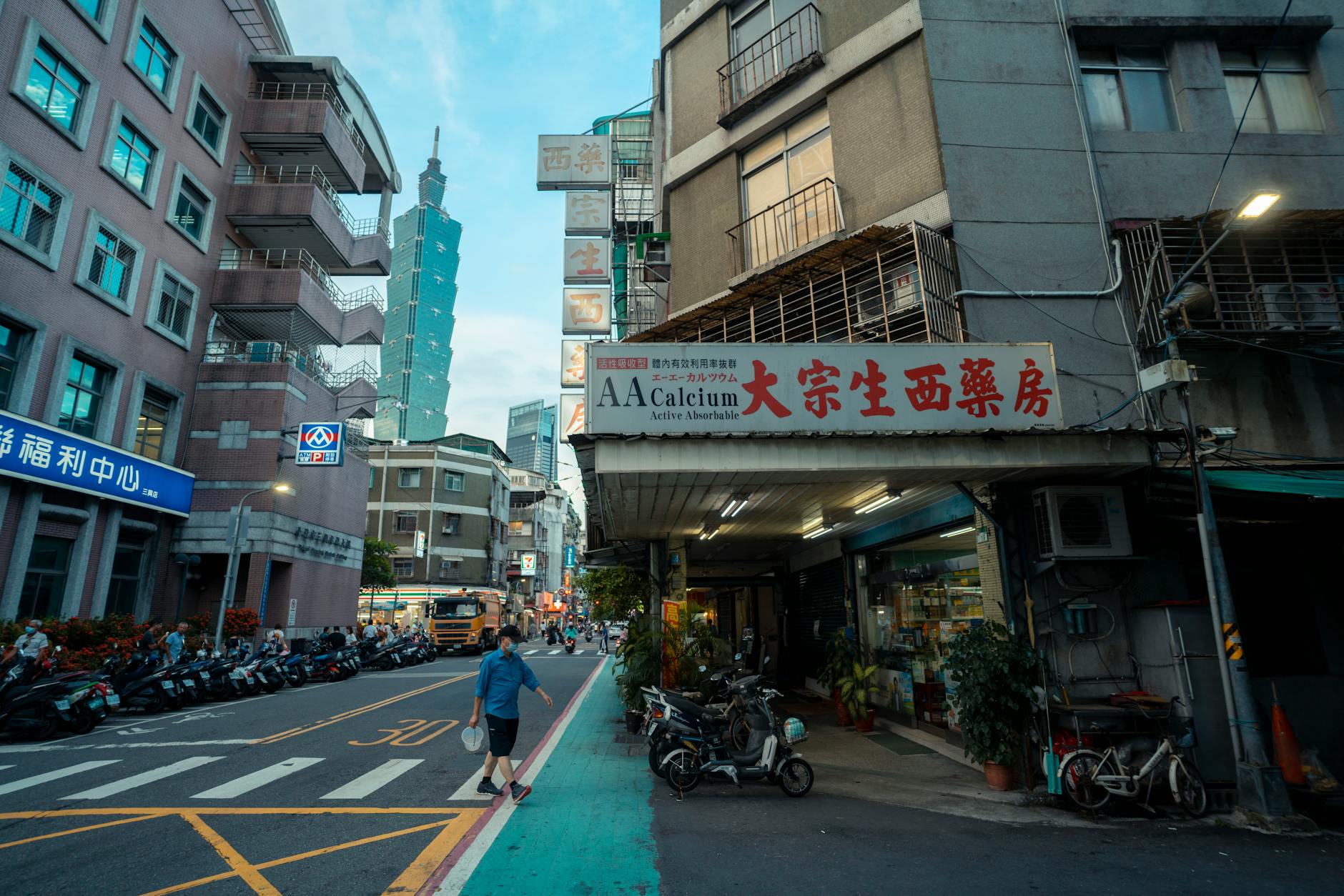
Volunteer and NGO travel can involve boundaries that ordinary tourism does not. The traveler should confirm entry status, invitation letters if needed, insurance, vaccination or health requirements, background checks, data handling, photography rules, child-protection policies, confidentiality, and what the host wants shared publicly. These details should be addressed before arrival, not at the first meeting.
The traveler should also know when to decline a task. Good intentions do not replace local authority, training, or consent.
- Check entry status, invitation needs, insurance, background checks, health requirements, and host rules.
- Confirm photography, data, confidentiality, child-protection, and public sharing boundaries.
- Decline tasks that exceed training, permission, or the partner's clear request.
Plan movement without draining the workday
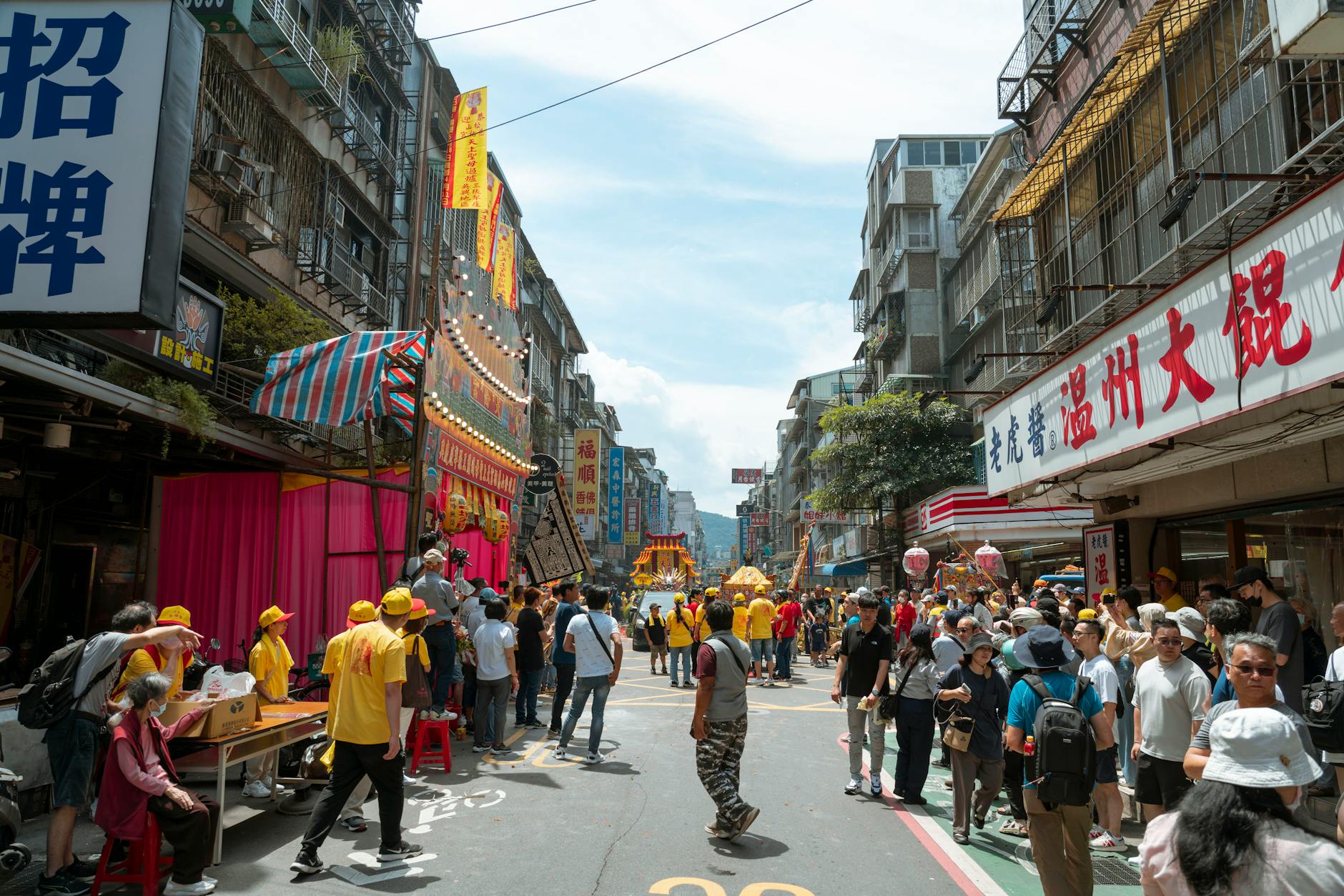
Taipei's MRT can make daily movement manageable, but volunteer and NGO days can involve early starts, supplies, group movement, rain, or unfamiliar neighborhood routes. The traveler should know station exits, bus or taxi backups, pickup points, route duration at the actual time of day, and how to return after evening meetings.
Transport should serve the project. A cheap route that leaves the traveler late, tired, or lost is not a good service decision.
- Check MRT exits, bus options, taxi backups, pickup points, and evening return routes.
- Plan for supplies, group movement, rain, and early starts.
- Choose transport by reliability and energy, not only cost.
Respect community etiquette and language realities
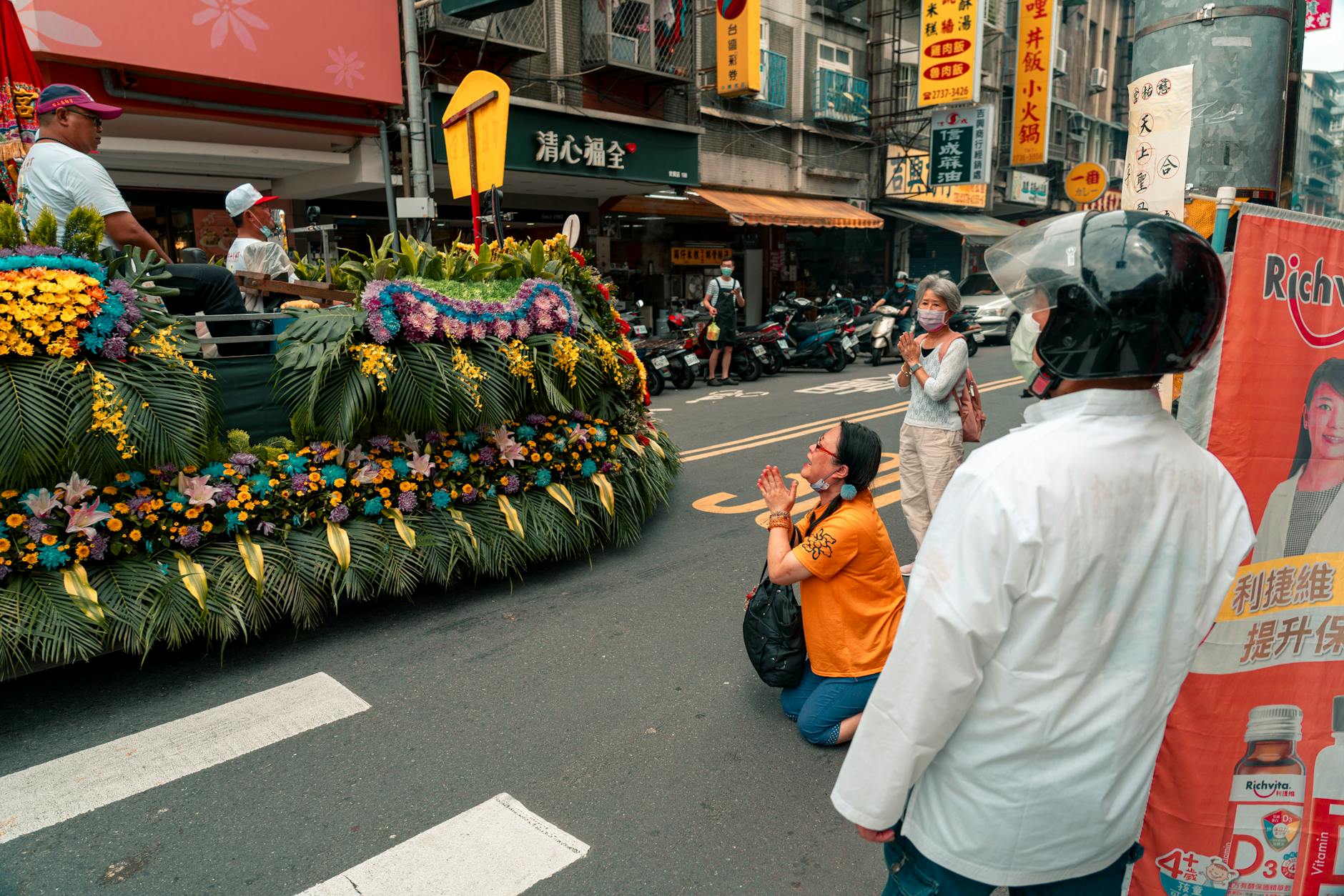
A short volunteer stay should include cultural humility in practical form. The traveler should ask how introductions work, what clothing is appropriate, when gifts are welcome, whether interpreters are available, how names and titles should be used, and what topics are sensitive. Basic Mandarin phrases may help, but they do not replace local guidance.
The traveler should also avoid treating community spaces as personal content material. Even positive stories need consent and context.
- Ask about introductions, clothing, gifts, titles, interpreter use, and sensitive topics.
- Use basic language preparation while relying on the host for local context.
- Do not photograph, post, or tell stories about people without consent and purpose.
Protect health, weather margin, and emotional energy
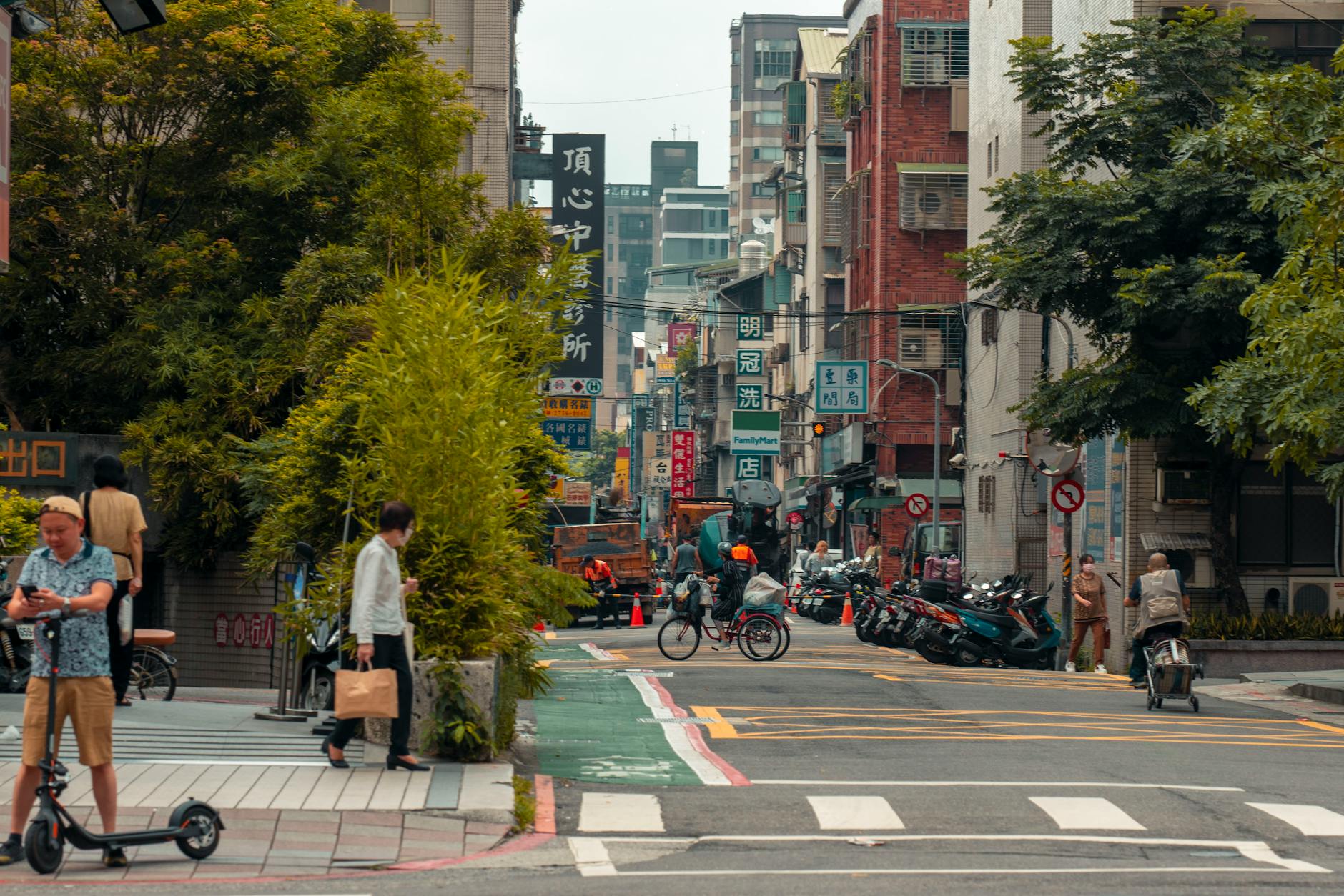
Volunteer and NGO travelers often underestimate the physical and emotional load of a short project. Taipei heat, humidity, rain, wet shoes, long transit, unfamiliar food, group expectations, and difficult subject matter can affect the trip. The traveler should plan medication, water, food, rest, appropriate clothing, rain gear, and a way to step back if needed.
A sustainable pace is more respectful than dramatic effort followed by exhaustion.
- Plan medication, hydration, meals, rest, rain gear, clothing, and backup transport.
- Account for heat, humidity, wet pavement, long days, and emotionally difficult work.
- Use a sustainable pace that does not create extra burden for the host.
When to order a short-term travel report
A volunteer or NGO traveler on a fully hosted program may not need a custom Taipei report. A report becomes useful when the partner site is not near housing, role expectations are unclear, several meetings are involved, health or mobility needs matter, public storytelling needs boundaries, or the traveler wants to add a little city time without weakening the project.
The report should test partner geography, housing, Taoyuan or Songshan arrival, MRT and taxi routes, role boundaries, language support, meals, health, weather, rest, city add-ons, budget, and what to cut. The value is a Taipei service trip that is useful, realistic, and respectful.
- Order when partner geography, housing, role boundaries, movement, health, or city add-ons need testing.
- Provide dates, partner sites, role, housing options, constraints, language needs, and budget.
- Use the report to make the trip helpful to the host and manageable for the traveler.