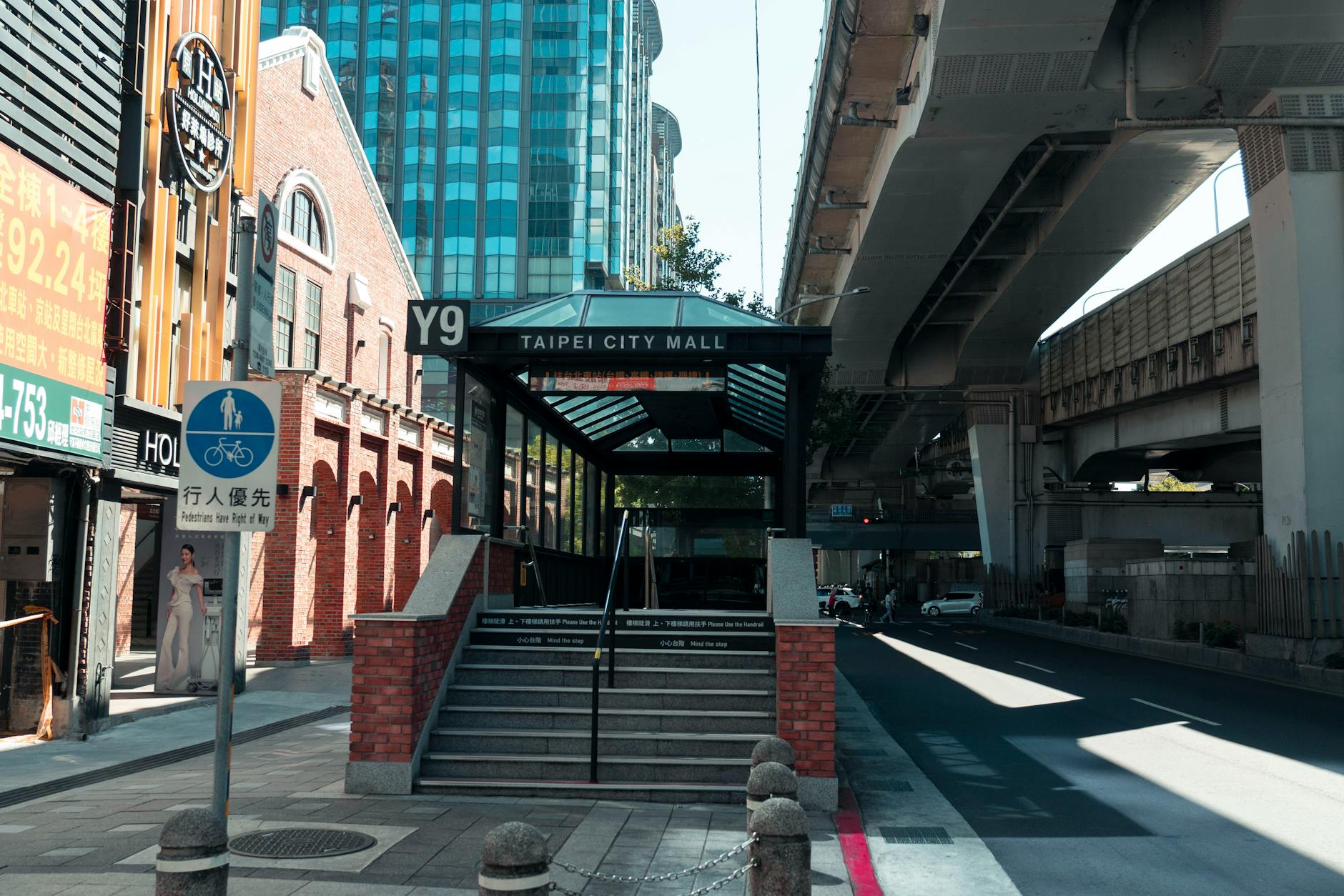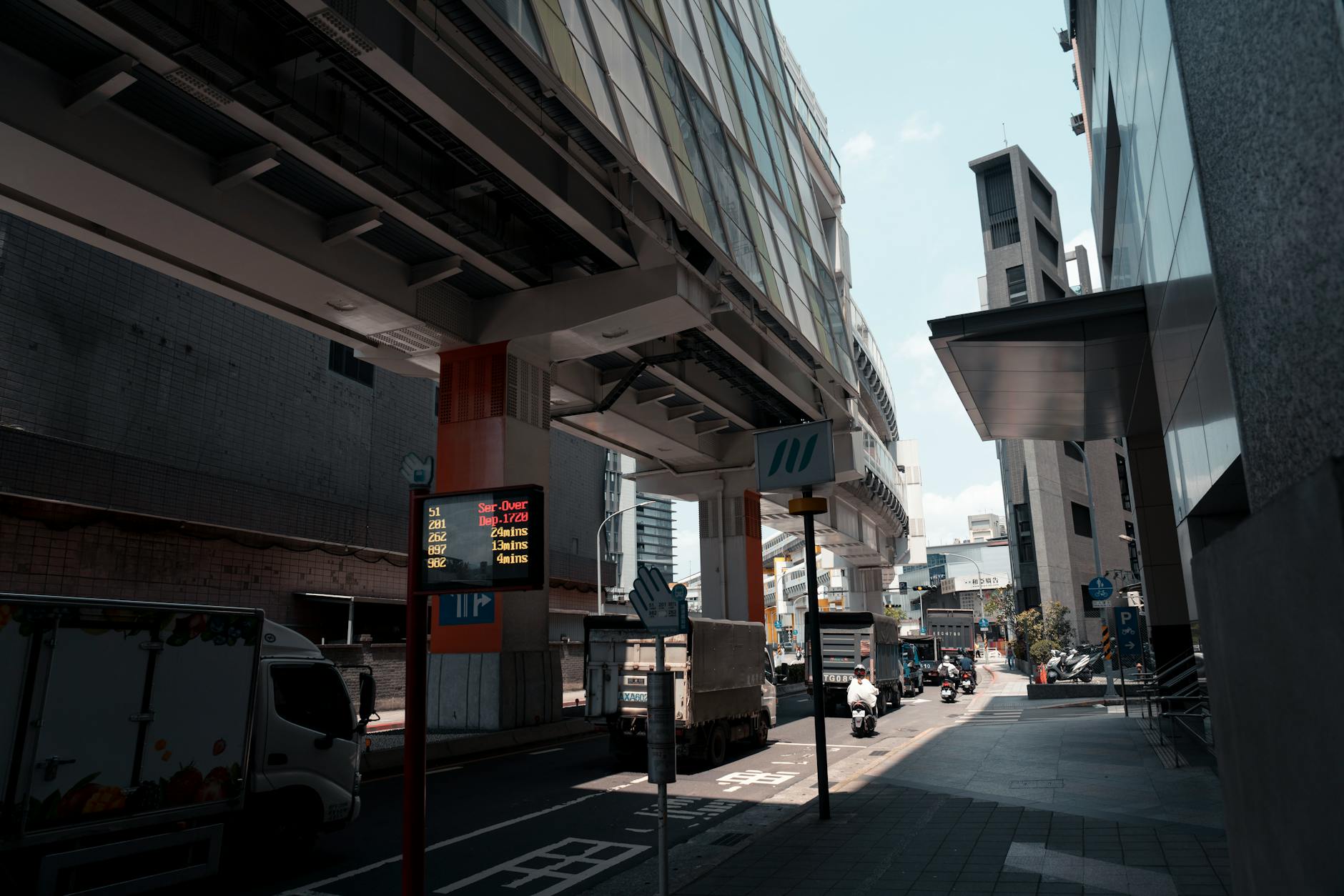
Taipei can be a manageable short-stay city for travelers with mobility limitations because the MRT is useful, taxis are common, many hotels are modern, and strong experiences can be arranged in compact districts. It can also become harder than expected when station exits, elevator locations, wet pavement, curb cuts, crowded night markets, temple steps, and long museum approaches are treated as minor details. A good Taipei plan should be built from the route inward. The traveler needs to know where to stay, which exits and entrances actually work, where to pause, when to use taxis instead of MRT, and which experiences are worth the physical cost.
Choose the hotel by usable access
Hotel choice is the main mobility decision in Taipei. The traveler should check step-free entrance, elevator reliability, room layout, bathroom setup, lobby seating, breakfast access, taxi pickup, nearby meals, and the distance to the right MRT exit. A hotel can be close to a station and still be awkward if the closest exit has stairs or the final block is crowded and wet.
Xinyi, Zhongshan, Daan, Taipei Main Station, and Songshan can all work depending on the trip, but the right base is the one that reduces repeated strain rather than the one that looks most central on a map.
- Check step-free entrance, elevators, bathroom setup, lobby seating, taxi pickup, and nearby meals.
- Confirm the actual MRT exit and final block, not only station proximity.
- Choose the base that reduces repeated friction across the whole stay.
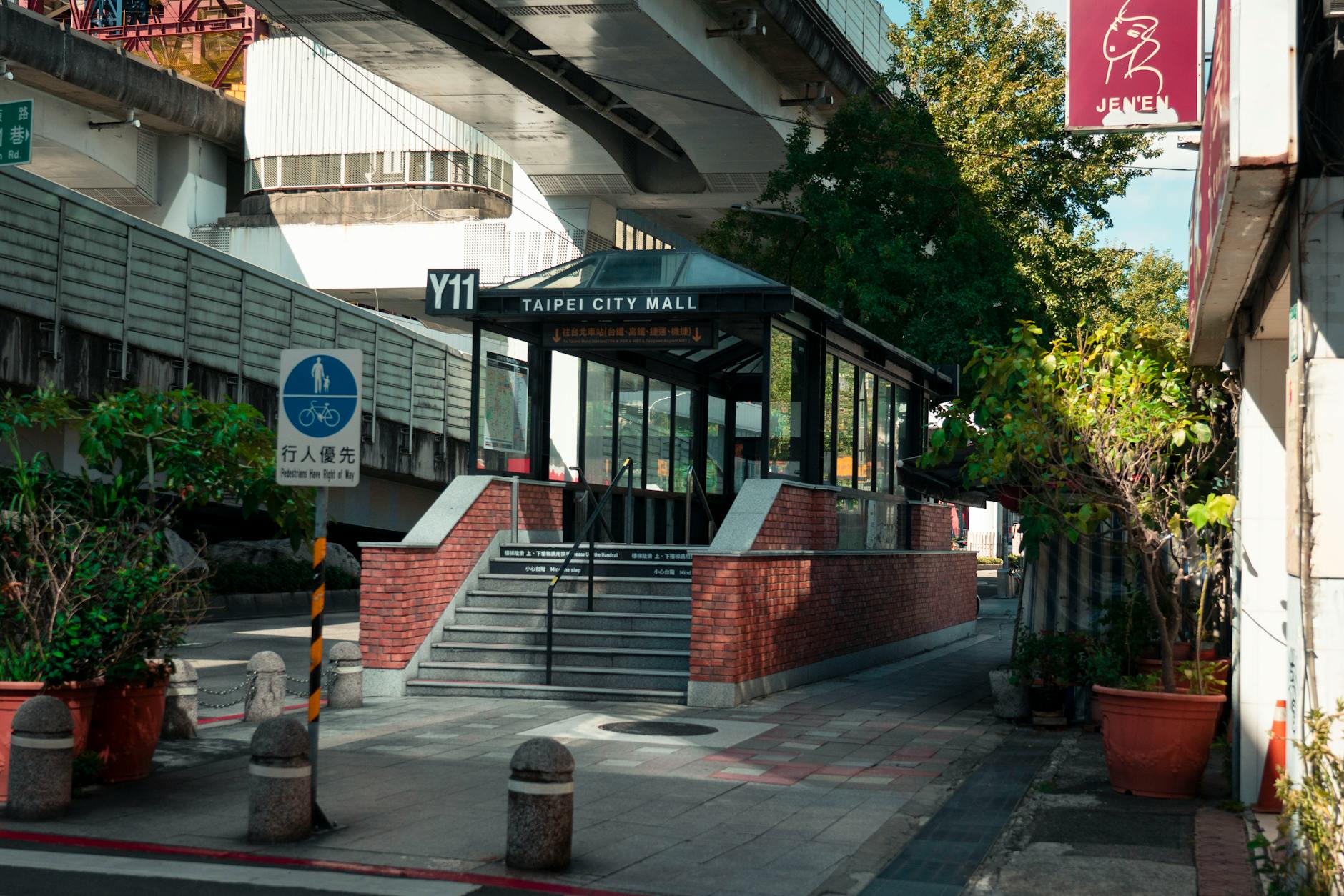
Map MRT elevators and station exits before leaving
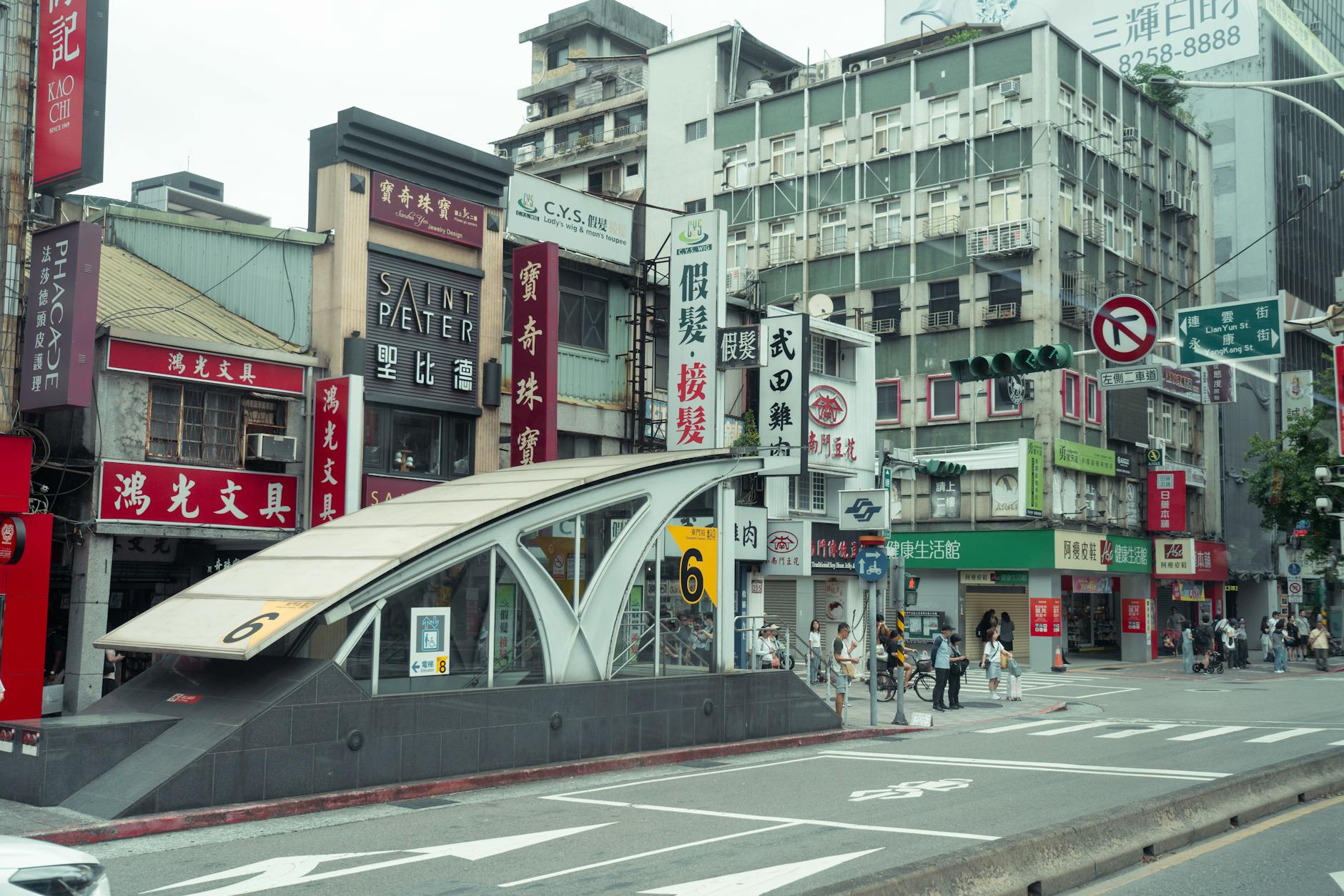
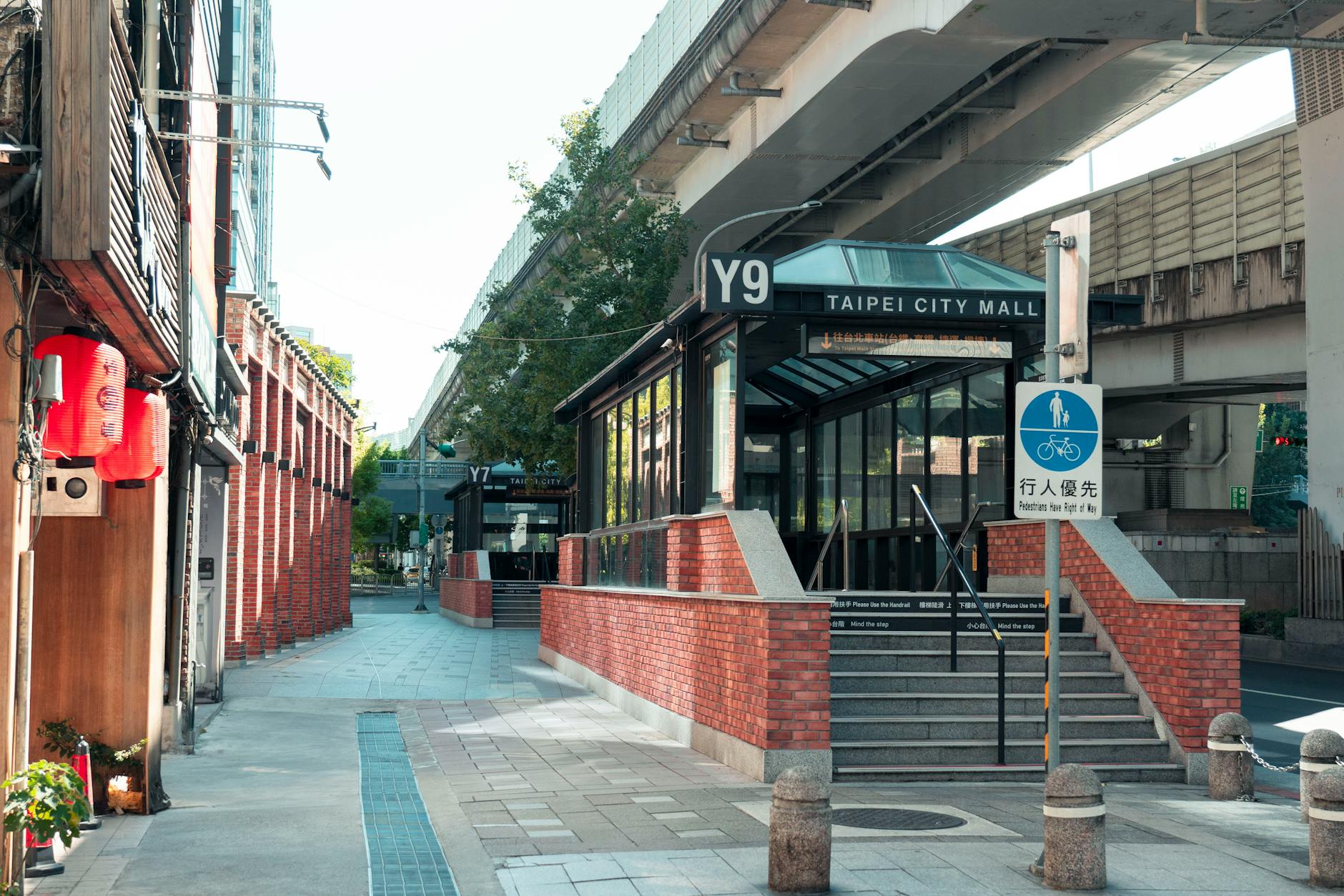
Taipei's MRT can be helpful, but travelers with mobility limitations should not assume every station path is equally usable. Elevator locations, transfer distances, platform changes, station crowds, ticket gates, exit numbering, and the sidewalk outside the exit can all shape the route. A short ride may still require a long internal walk.
The traveler should plan the outward and return paths separately. Fatigue is often higher on the return, and a route that feels acceptable in the morning may feel too hard after rain, crowds, or a long meal.
- Check elevator locations, exit numbers, transfers, gates, platform changes, and sidewalk conditions.
- Plan the return route separately from the outbound route.
- Use taxis when the MRT saves money but costs too much energy.
Use taxis for the right segments
Taxis can solve important Taipei mobility problems when they are used deliberately. They may be best for airport arrival with luggage, wet evenings, temple-to-museum links, late returns, or routes where the MRT requires too many transfers. The traveler should still check pickup points, hotel address in Chinese, payment expectations, traffic, and whether the final drop-off is actually close to the usable entrance.
A taxi is not a failure of planning. For some Taipei routes, it is the planning.
- Use taxis for luggage, wet weather, late returns, difficult transfers, and entrance-specific drop-offs.
- Keep hotel address, destination name, payment backup, and pickup point ready.
- Compare taxi usefulness against traffic and final-entry distance.
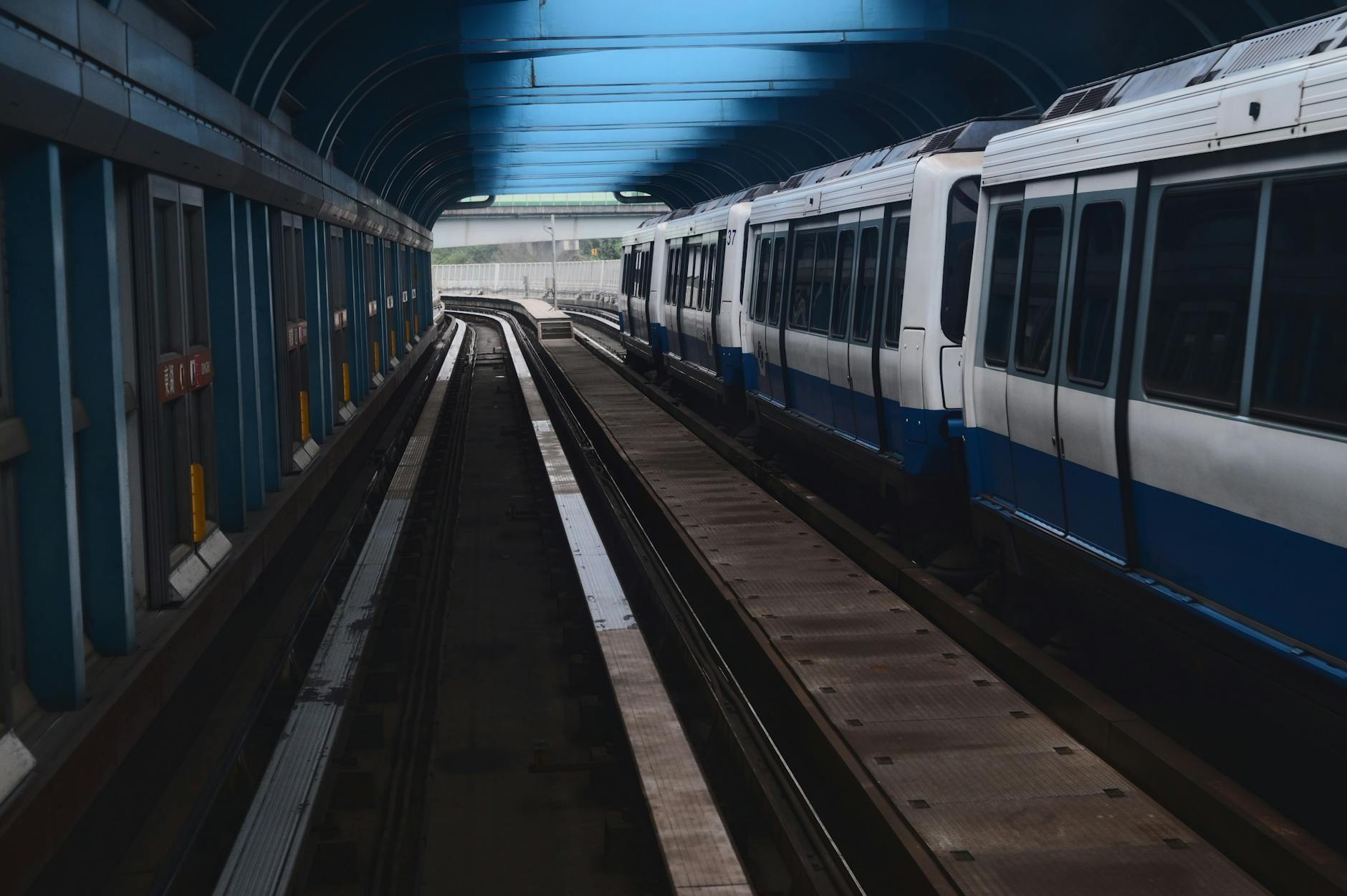
Match sights to entrances, seating, and crowd levels
Taipei 101, Longshan Temple, Chiang Kai-shek Memorial Hall, the National Palace Museum, Dihua Street, Ximending, parks, and night markets each create different access questions. The traveler should look beyond the headline sight and check entrances, steps, ramps, lifts, seating, restroom access, crowd density, surface quality, and nearby taxi pickup.
The best short itinerary may choose fewer sights and experience them with better access. Trying to cover every famous stop can turn the trip into a sequence of hard approaches.
- Check entrances, ramps, lifts, seating, restrooms, crowd levels, surfaces, and taxi pickup.
- Treat Taipei 101, temples, museums, memorials, streets, and night markets as different access problems.
- Choose fewer sights when access quality makes them more enjoyable.
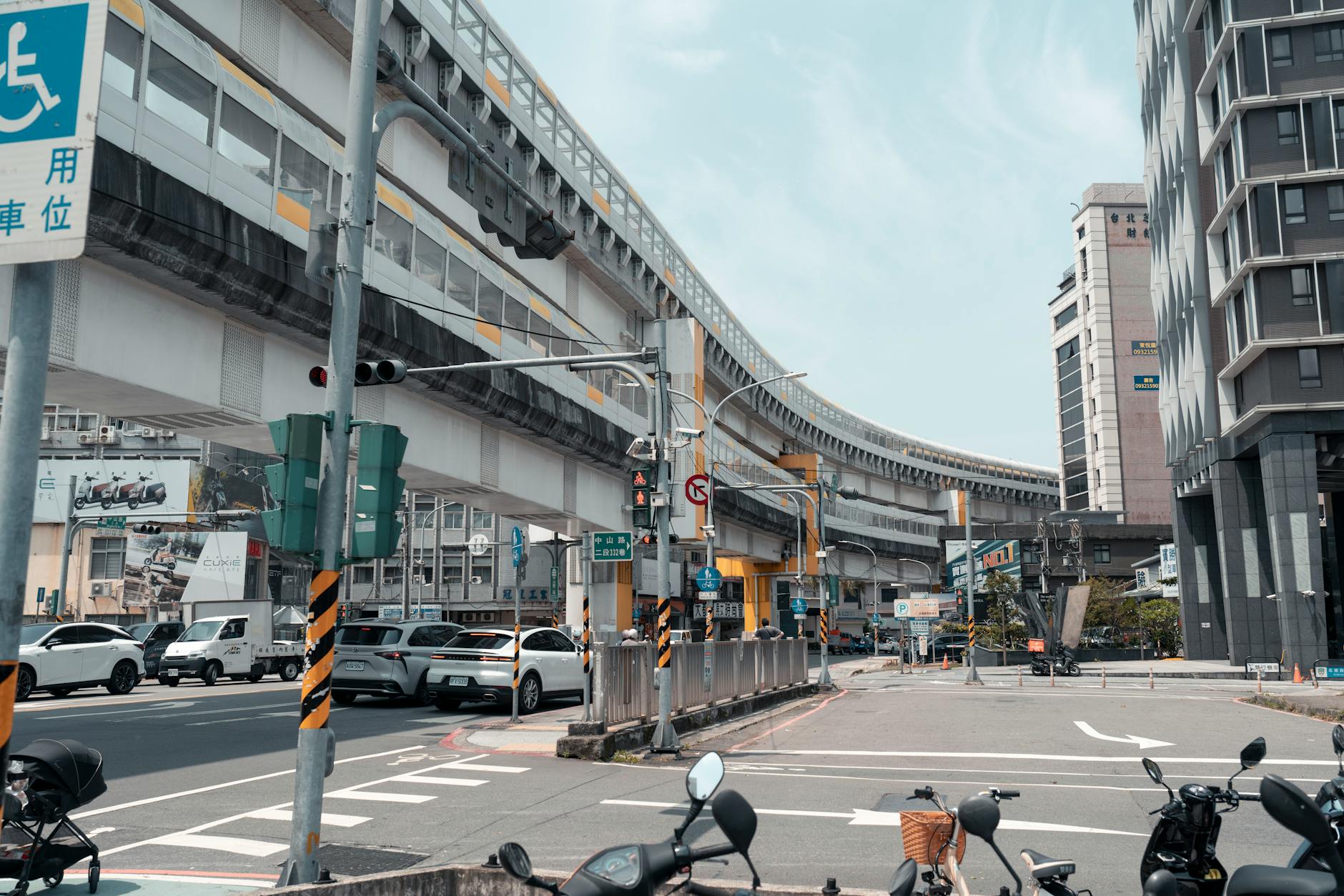
Build rest points into the route
A mobility-aware Taipei plan should include pauses before they are urgently needed. Department stores, hotel lobbies, cafes, museums, tea houses, food courts, parks, and indoor walkways can provide useful breaks from heat, rain, crowds, and standing. The traveler should know where those breaks sit in relation to the route.
Rest points also help companions. When the group knows where to slow down, the day is less likely to become tense or rushed.
- Identify cafes, museums, department stores, food courts, parks, hotel lobbies, and indoor pauses.
- Use rest points before fatigue forces a larger change.
- Give companions a shared route plan so pace changes are expected.
Be selective with day trips
Beitou, Tamsui, Maokong, Jiufen, Yehliu, Pingxi, Yangmingshan, and New Taipei outings can be tempting, but mobility needs change their feasibility. Steps, slopes, crowded lanes, transfer points, uneven surfaces, weather exposure, restroom access, and return fatigue may matter more than the travel time shown online.
The traveler should choose any day trip because the route works, not because it appears on a must-see list. A better Taipei city day can be more valuable than an inaccessible excursion.
- Evaluate day trips by steps, slopes, surfaces, crowds, transfers, restrooms, weather, and return fatigue.
- Consider Beitou, Tamsui, Maokong, Jiufen, Yehliu, Pingxi, and Yangmingshan selectively.
- Keep a Taipei-based alternative that still feels worthwhile.
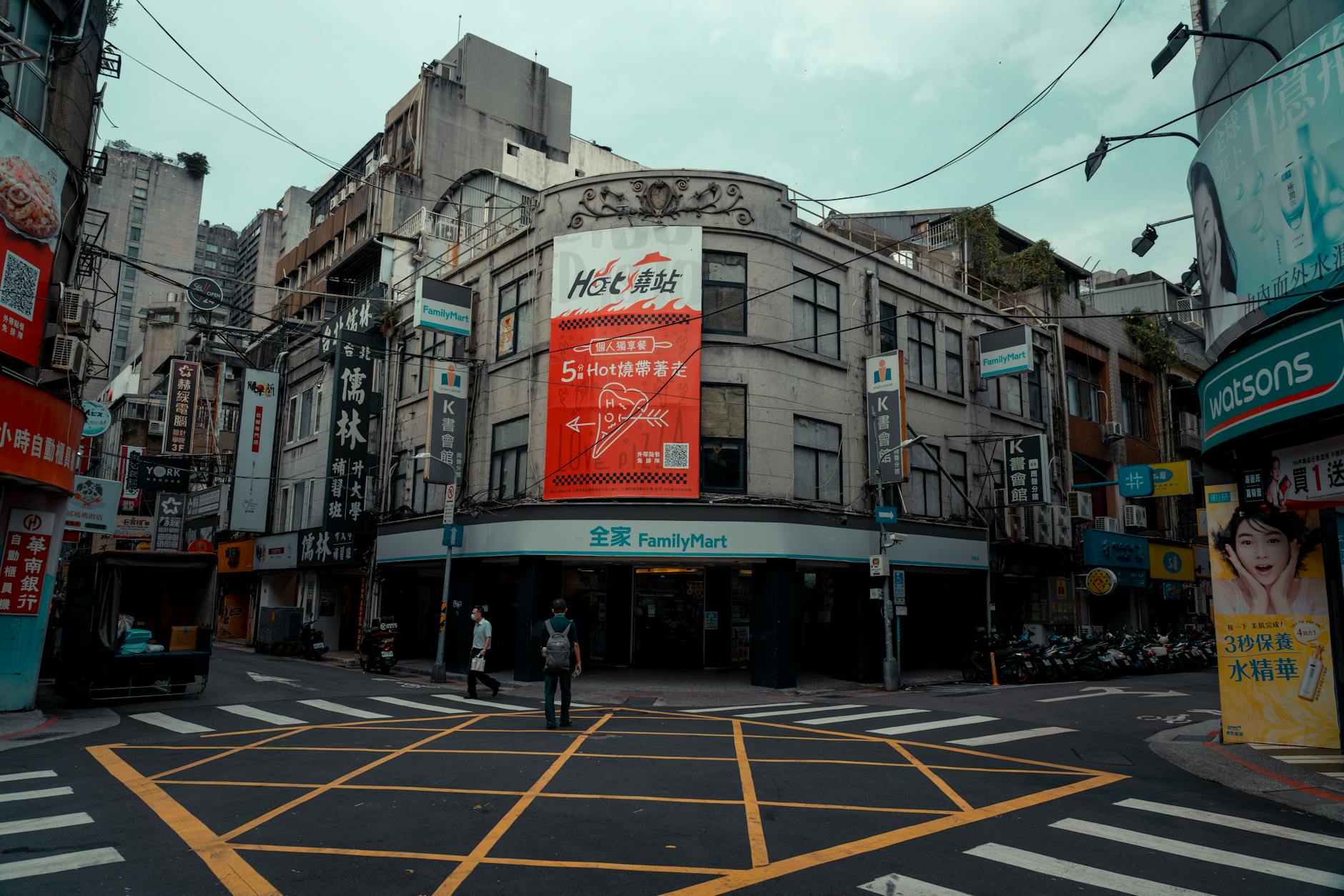
When to order a short-term travel report
A traveler with mobility limitations may not need a custom Taipei report if the stay is simple, the hotel is confirmed, and daily routes are short. A report becomes useful when hotel access is uncertain, MRT exits matter, attractions need entrance checks, companions have different pace expectations, medical needs overlap with mobility, or day trips are under consideration.
The report should test hotel fit, Taoyuan or Songshan arrival, taxis, MRT exits, attraction entrances, rest points, restrooms, meals, weather, day trips, companion pacing, budget, and what to cut. The value is a Taipei stay that reduces avoidable strain without flattening the trip.
- Order when hotel access, MRT exits, taxis, attraction entrances, rest points, or day trips need testing.
- Provide dates, mobility limits, equipment, hotel options, arrival airport, pace, priorities, and budget.
- Use the report to protect comfort, dignity, and a realistic version of Taipei.