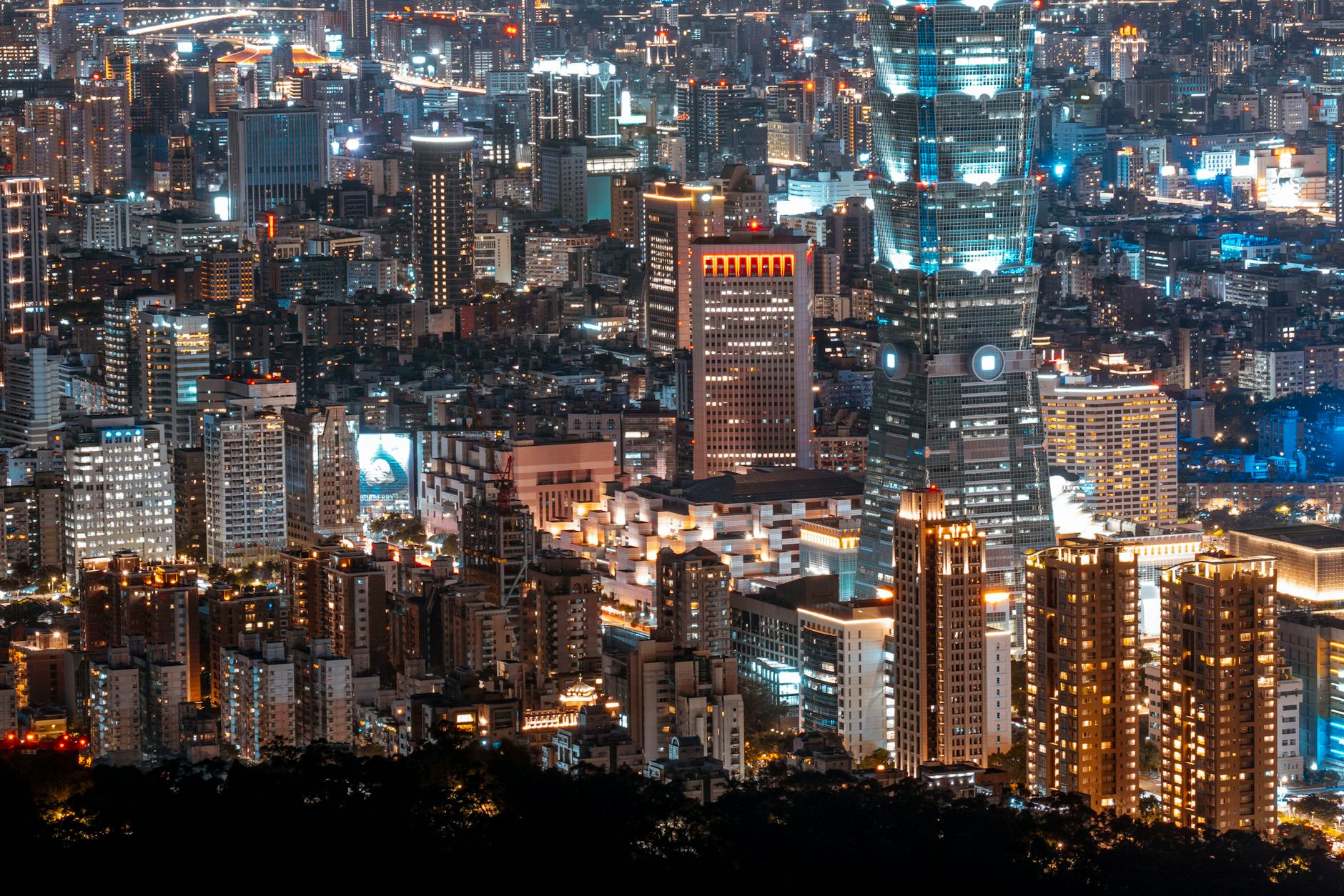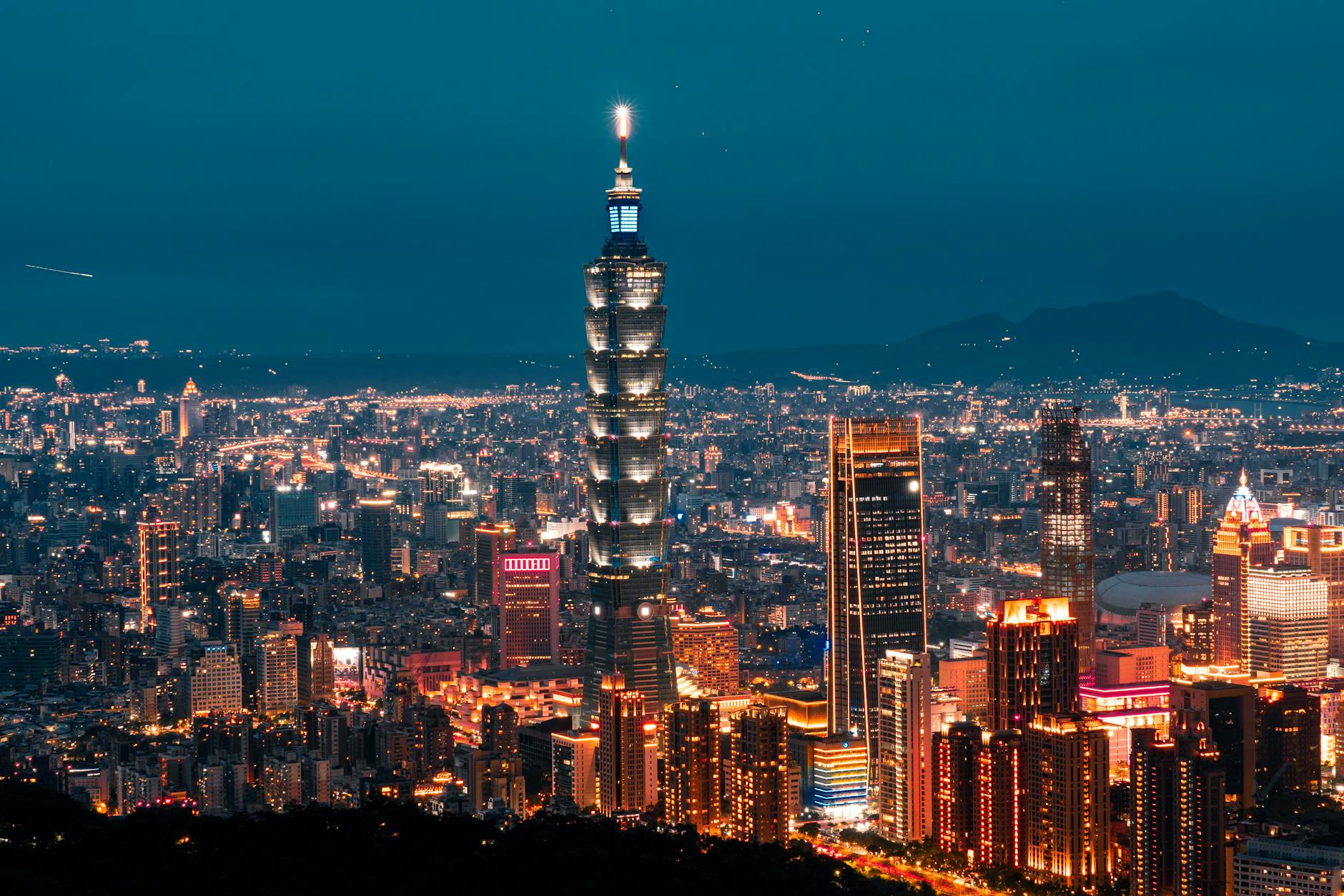
Taipei can be a practical city for travelers with medical constraints because it has strong medical infrastructure, useful taxis, efficient transit, good hotels, convenience stores, pharmacies, and many indoor reset points. That does not mean every Taipei itinerary works for every medical profile. Heat, humidity, rain, station exits, food uncertainty, medication timing, and day-trip ambition can all affect the stay. A short trip should be built around the constraint rather than hoping the constraint stays quiet. The traveler needs a hotel, transport plan, food plan, weather plan, and backup care logic that match the actual condition.
Start with the constraint, not the attractions
The first planning question is what the medical constraint changes. Medication timing, fatigue, heat sensitivity, mobility, immune risk, food restrictions, hydration, sleep, pain management, respiratory needs, medical devices, or access to care may matter more than a list of sights. Taipei can support many needs, but the trip should be honest about the limits.
A traveler should decide which parts of the day are non-negotiable: rest, meals, medication, shade, indoor breaks, or proximity to the hotel. The itinerary should be built around those points.
- Identify what the condition changes: fatigue, medication, food, mobility, heat, sleep, devices, or care access.
- Build the day around non-negotiable rest, meals, medication, shade, and indoor breaks.
- Cut attractions before the health plan becomes fragile.
Choose lodging for medical usability
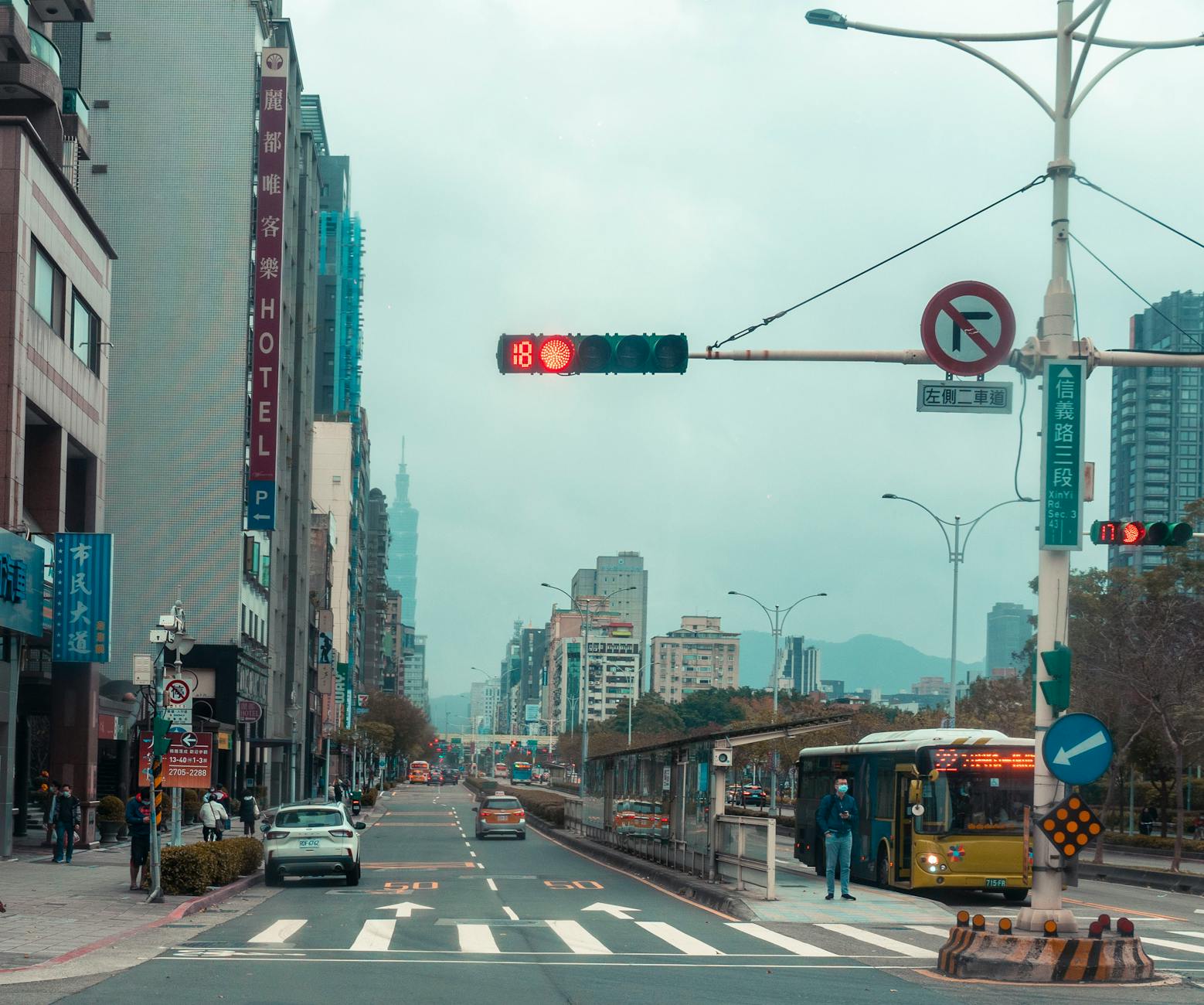
The hotel should be evaluated as part of the care plan. Elevator reliability, quiet rooms, bathroom layout, refrigerator access, medication storage, breakfast suitability, nearby simple meals, pharmacy access, taxi pickup, lobby assistance, laundry, and proximity to appropriate medical facilities may all matter. A beautiful hotel can still be wrong if it creates daily strain.
The traveler should also confirm arrival and departure logistics. Early check-in, late checkout, luggage support, and the ability to rest after arrival can be medically relevant rather than merely convenient.
- Check elevators, quiet, bathroom layout, refrigerator access, breakfast, meals, pharmacy access, taxis, and staff help.
- Consider proximity to suitable medical facilities when the condition warrants it.
- Treat early check-in, late checkout, and rest access as health-related planning details.
Make airport transfers low risk
Taoyuan arrival can be manageable, but it should not be treated casually when medical constraints are present. The traveler should choose between Airport MRT, taxi, bus, and car service by luggage, medication timing, fatigue, mobility, infection concerns, arrival hour, and weather. Songshan may reduce transfer burden for some routes.
The first transfer should include a plan for water, medication, rest, restroom access, and what to do if the flight is delayed. The destination begins before the hotel.
- Choose transfer mode by luggage, medication timing, fatigue, mobility, infection concerns, arrival hour, and weather.
- Plan water, medication, restrooms, and delay response before landing.
- Use a taxi or car service when the health burden makes transit too exposed.
Use MRT and taxis by symptom tolerance
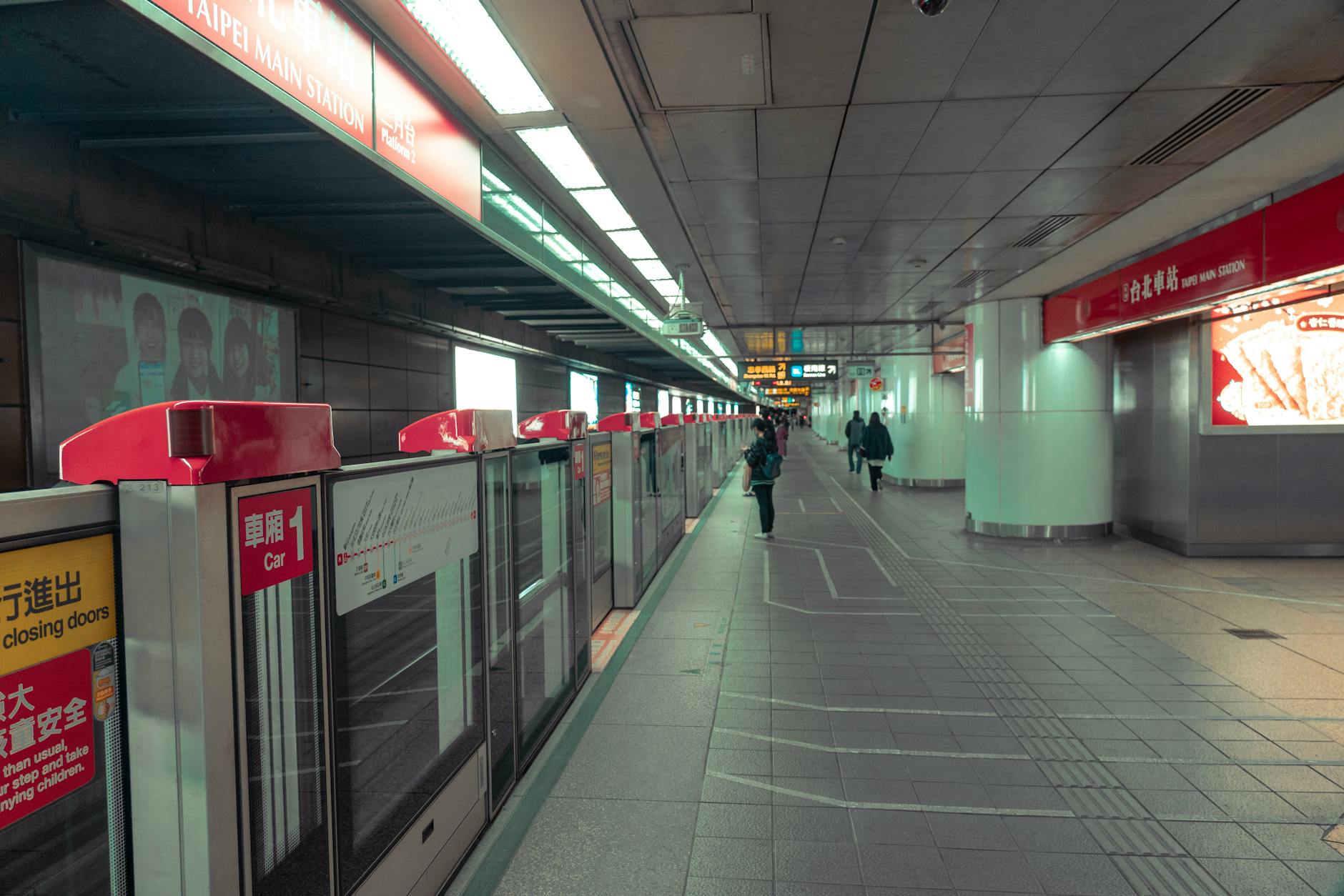
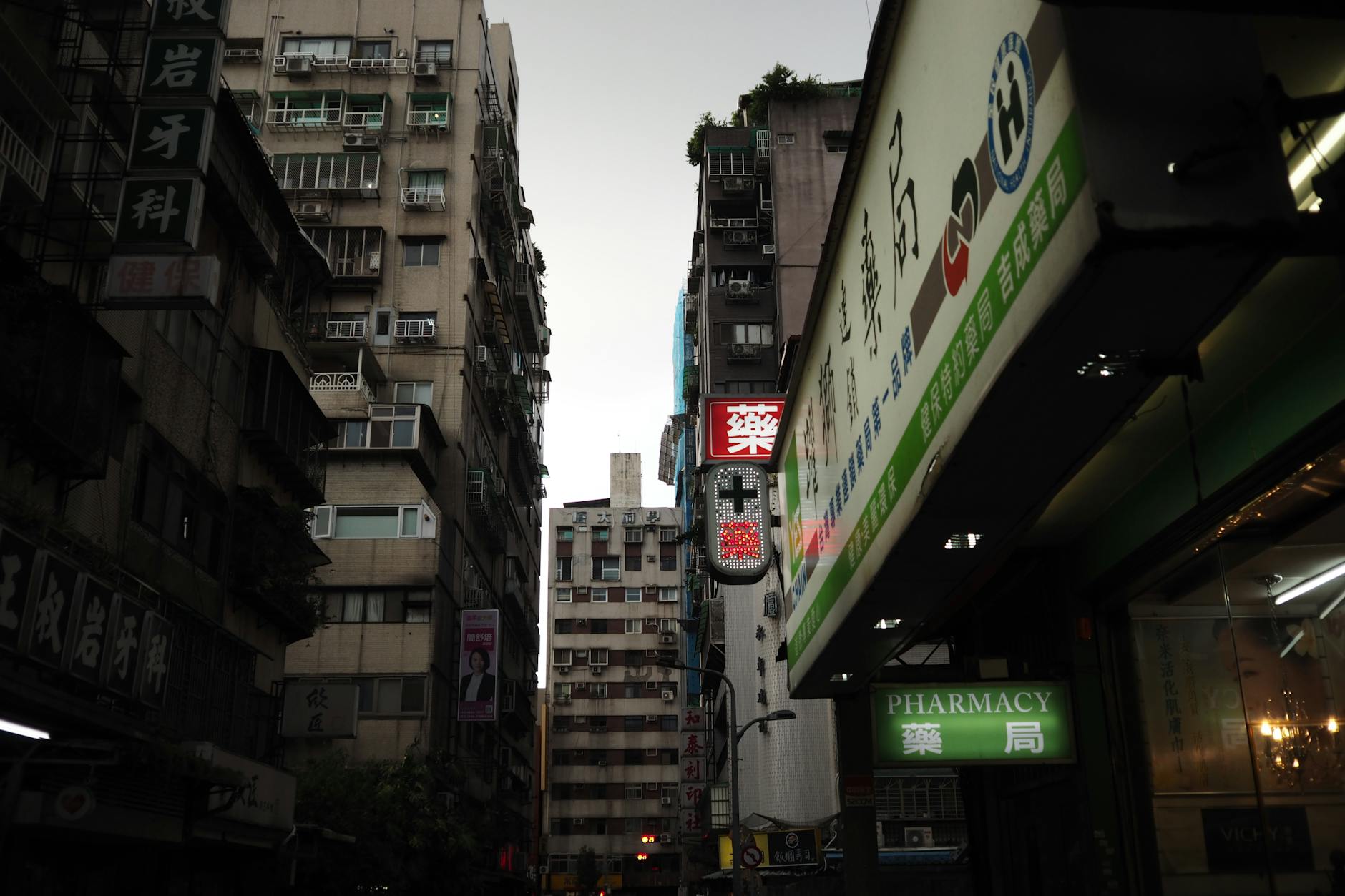
Taipei's MRT can be clean and efficient, but medical constraints change how useful it is. Station exits, elevators, stairs, transfers, crowding, standing time, temperature changes, and walking distance can be important. Taxis can reduce exposure and fatigue, but traffic, communication, and pickup points still need attention.
The traveler should not choose movement by theory. They should choose it by symptom tolerance at that point in the day.
- Check elevators, exits, stairs, transfers, crowding, standing time, temperature changes, and walking distance.
- Use taxis when symptoms, fatigue, rain, heat, or medical equipment make transit burdensome.
- Reassess movement choices through the day instead of locking into one method.
Plan meals, medication, and hydration together
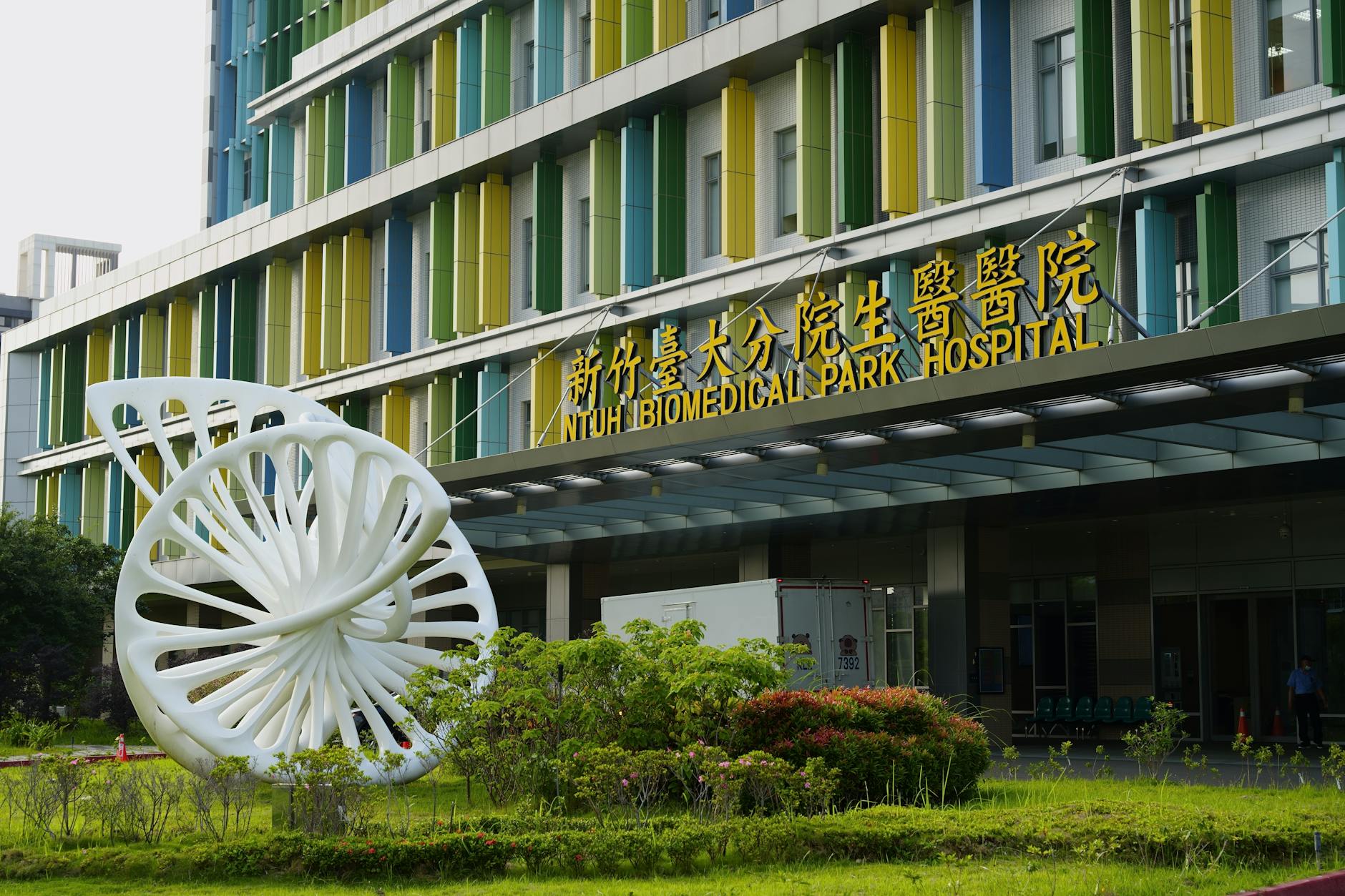
Food planning matters when medication, allergies, blood sugar, gastrointestinal concerns, salt intake, or hydration are part of the trip. Taipei offers hotel meals, food courts, convenience stores, cafes, breakfast shops, tea houses, pharmacies, and many restaurants, but the traveler should know which options are reliable for their needs.
Night markets and food exploration can still be possible, but the traveler should consider seating, crowds, standing time, ingredients, restroom access, and the route back.
- Coordinate meals with medication, allergies, blood sugar, hydration, digestion, and energy needs.
- Identify reliable hotel meals, food courts, convenience stores, cafes, and restaurants before each day.
- Use night markets only when seating, ingredients, crowds, restrooms, and return routes fit the condition.
Prepare for weather and care access
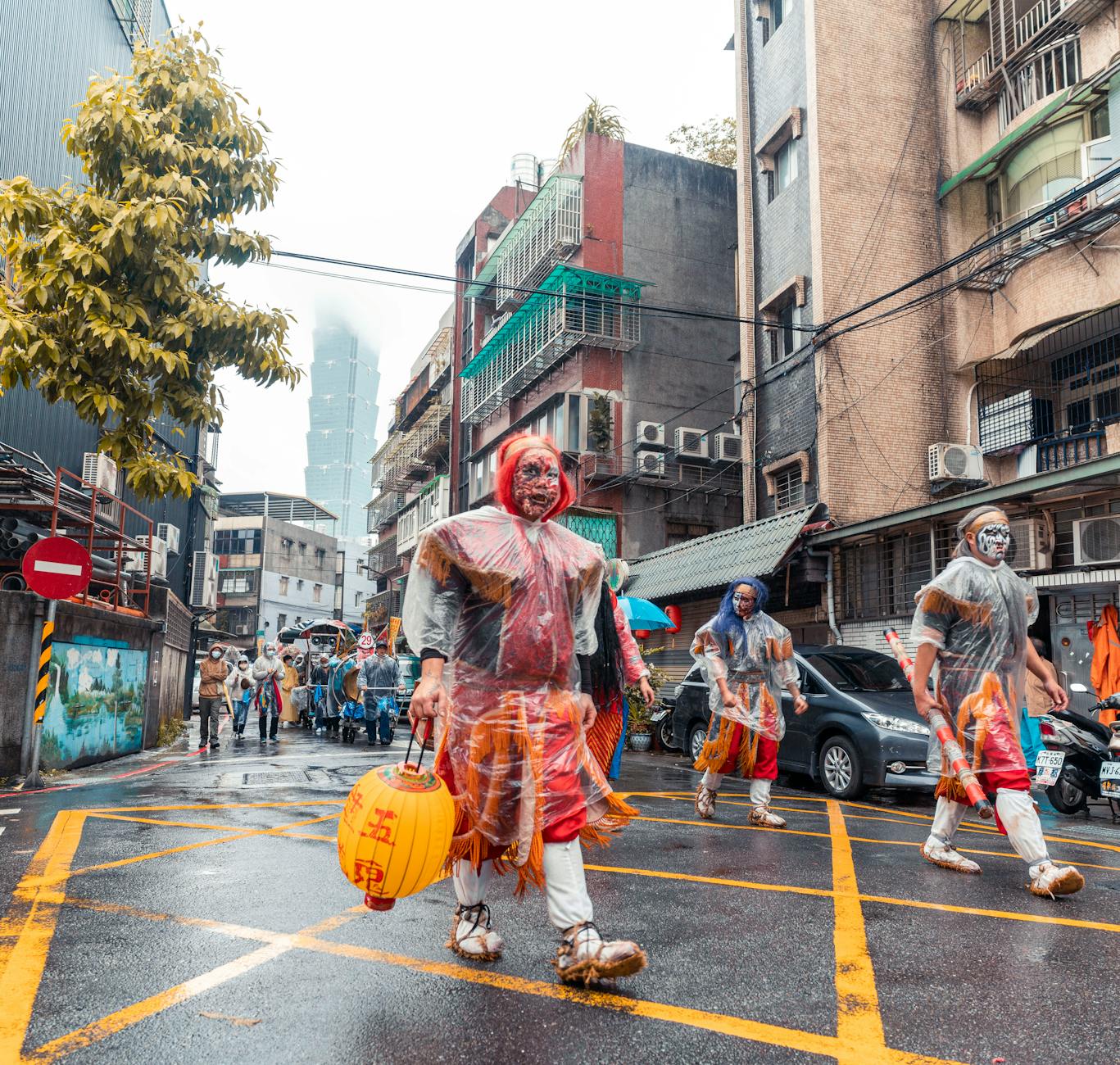
Rain, heat, humidity, wet pavement, cold interiors, and typhoon-season disruption can affect symptoms and movement. The traveler should plan shoes, umbrella, layers, hydration, cooling, indoor backups, rest blocks, and shorter routes. Weather planning is part of medical planning in Taipei.
The traveler should also carry insurance details, medication names, prescriptions where relevant, emergency contacts, and the name or location of suitable care options. Taipei has strong healthcare capacity, but a tired traveler should not be researching basics during a problem.
- Plan for heat, humidity, rain, wet pavement, cold interiors, and typhoon-season disruption.
- Carry insurance, medication names, prescriptions where relevant, emergency contacts, and care locations.
- Use indoor backups and rest blocks before symptoms control the day.
When to order a short-term travel report
A traveler with mild, familiar needs and a flexible Taipei schedule may not need a custom report. A report becomes useful when the condition affects mobility, meals, medication timing, heat tolerance, airport transfers, hotel choice, day trips, care access, or whether the planned itinerary is realistic.
The report should test hotel fit, arrival airport, transfer mode, MRT and taxi choices, walking burden, medication timing, meal reliability, weather, care access, insurance details, day-trip risk, budget, and what to cut. The value is a Taipei trip that is still rewarding because it respects the medical reality.
- Order when health needs affect hotel choice, transfers, meals, medication, movement, weather, care access, or day trips.
- Provide dates, diagnosis-relevant constraints, medication needs, hotel options, mobility details, food limits, and budget.
- Use the report to test the Taipei itinerary against the actual medical profile.