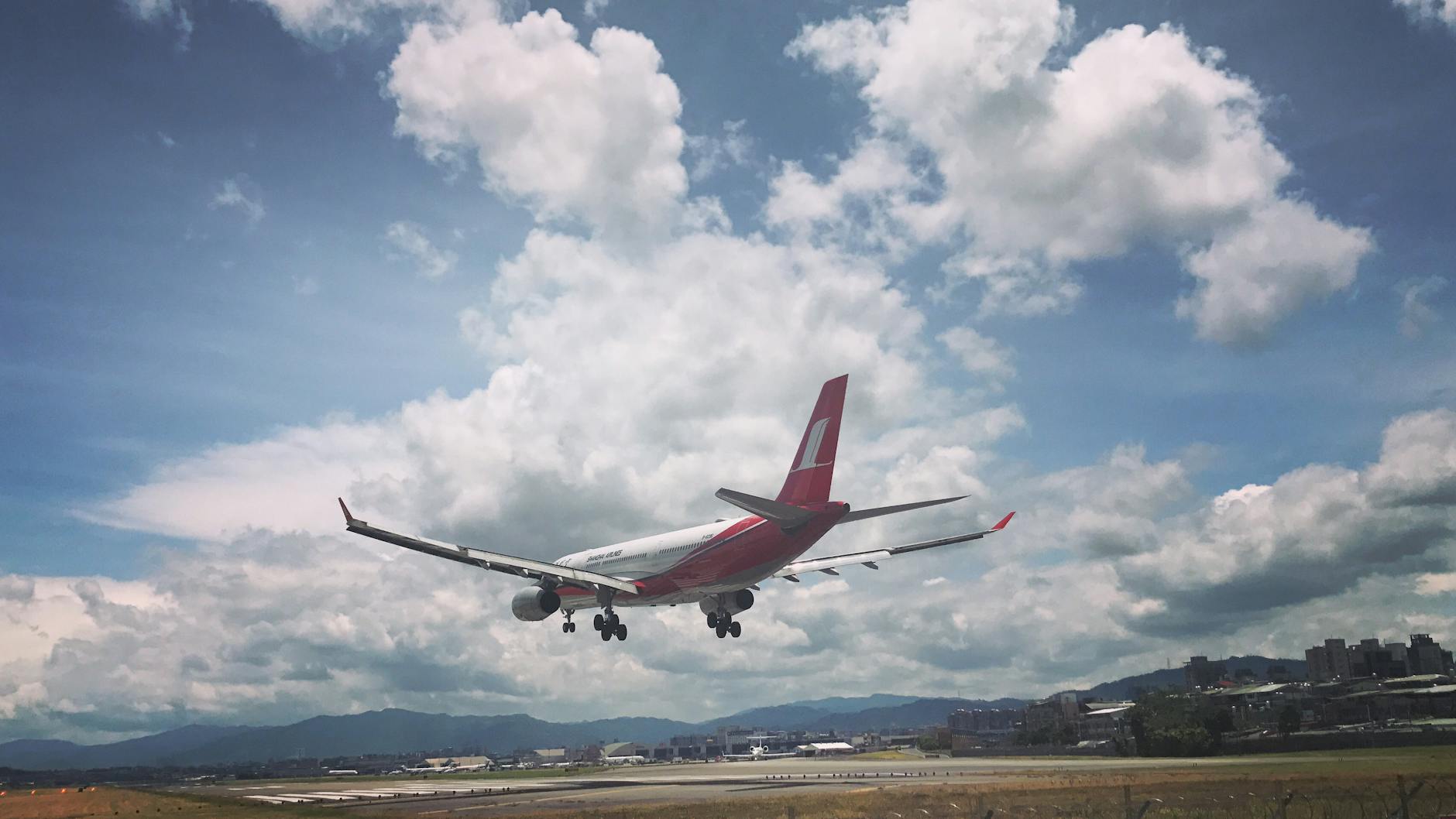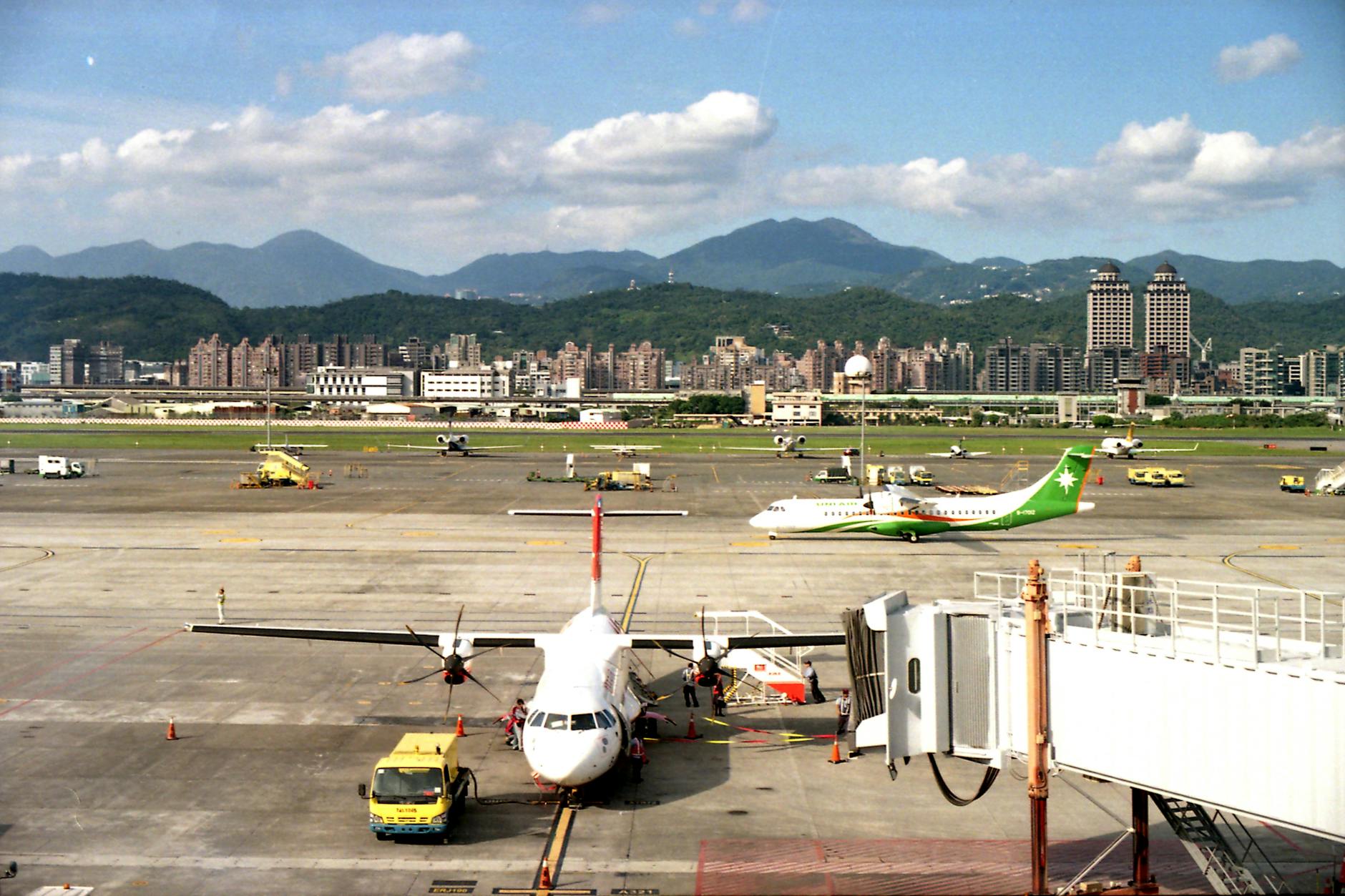
Taipei can be an excellent stopover city because airport rail, compact neighborhoods, late food, efficient hotels, and strong transit can turn a short gap between flights into a real visit. The mistake is assuming every layover is usable. Airport, terminal, immigration, baggage, connection risk, flight timing, weather, fatigue, and the distance between Taoyuan and central Taipei determine what is sensible. A good Taipei transit plan is practical before it is ambitious. It protects the onward flight first, then decides whether the stopover should be an airport hotel rest, a city meal, a compact sightseeing loop, or an overnight stay.
Separate Taoyuan from Songshan
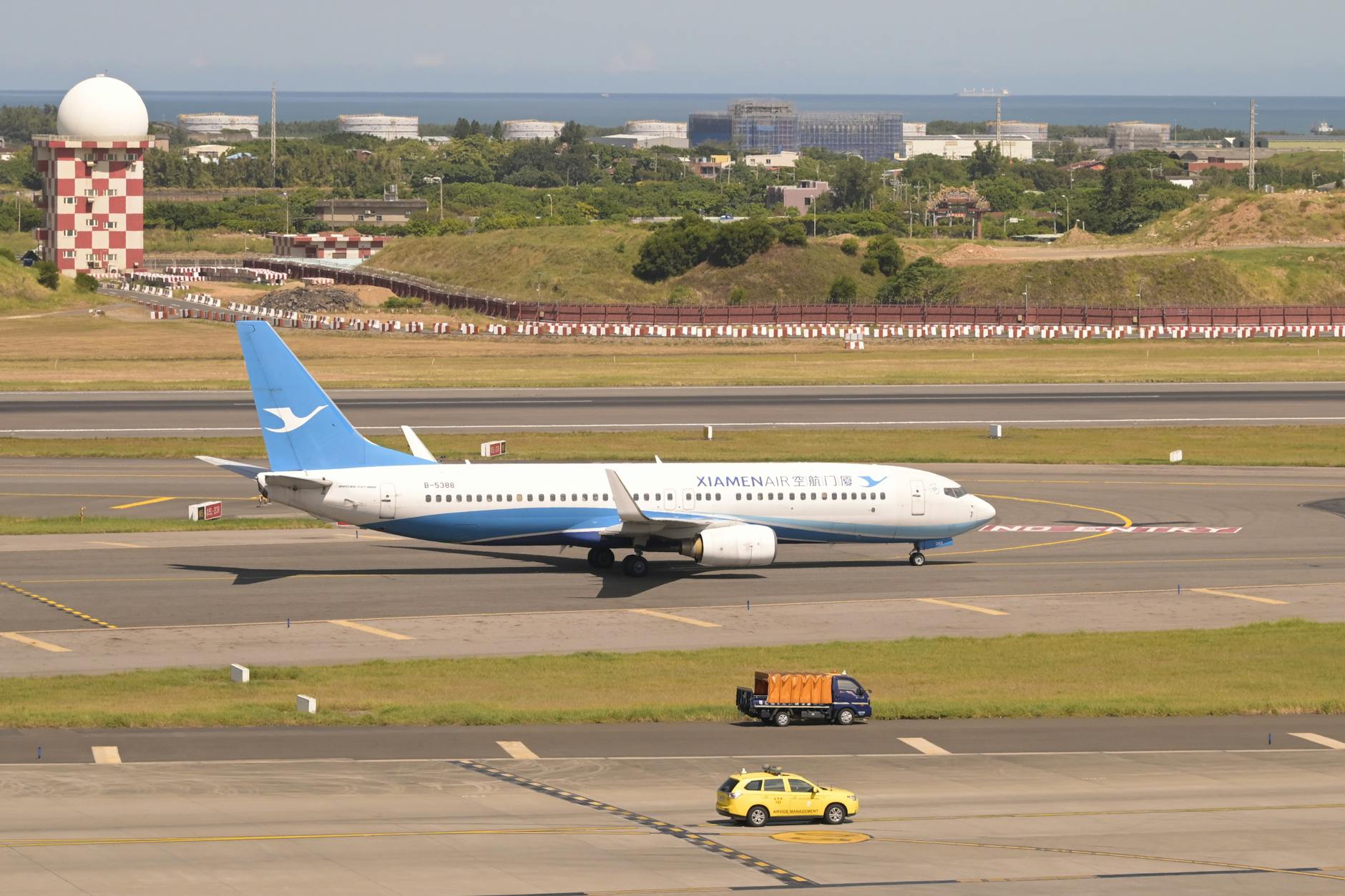
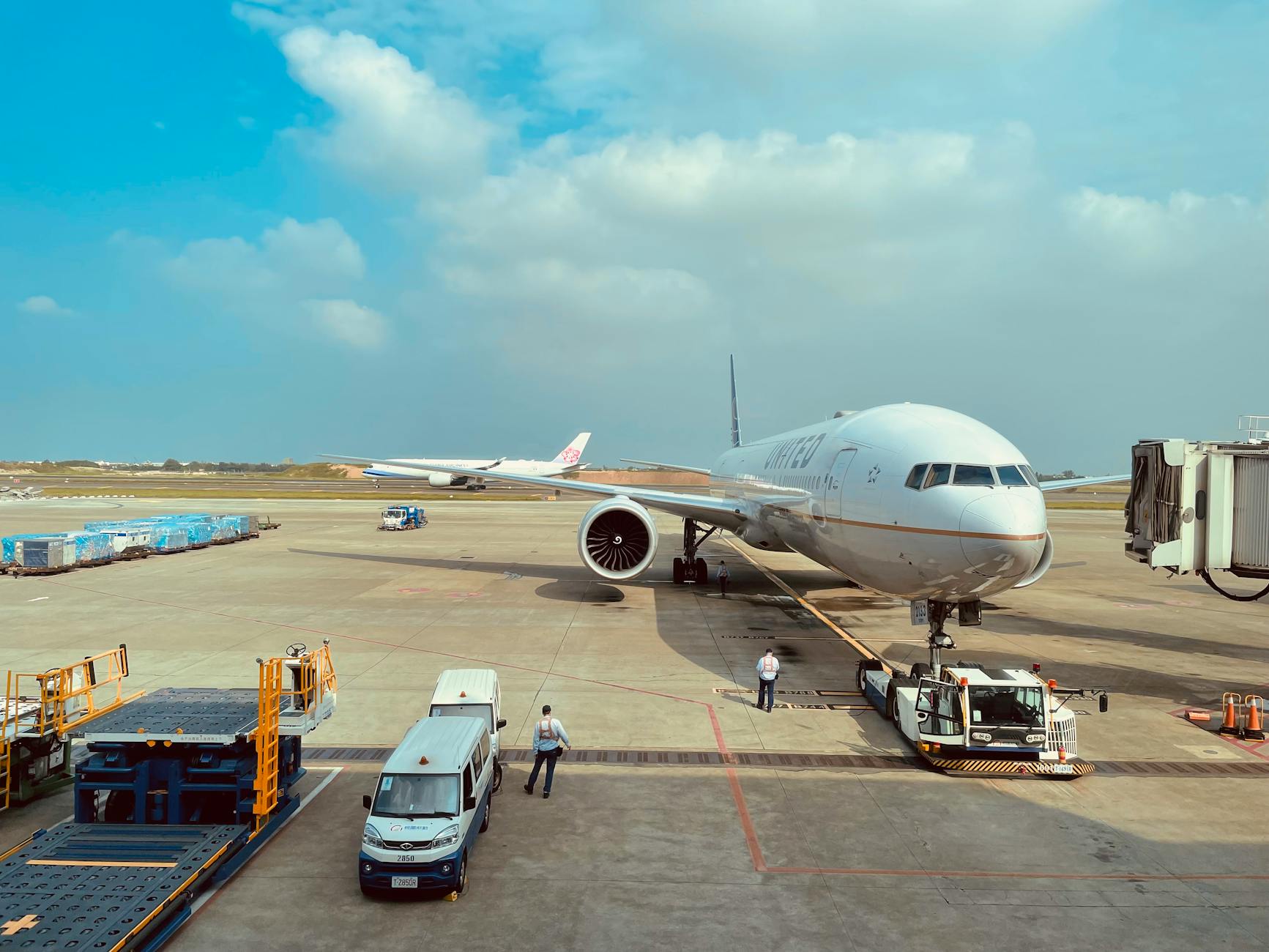
Taipei stopover planning starts with the airport. Taoyuan is the main international gateway and sits outside central Taipei, while Songshan is much closer to the city but serves a different set of routes. A traveler who ignores this distinction may overestimate how much time is available.
The plan should account for terminal, immigration, baggage, airport rail or taxi timing, check-in cutoffs, security, and whether the onward ticket is protected on the same booking.
- Confirm whether the stop uses Taoyuan, Songshan, or both airports.
- Account for terminals, immigration, baggage, transfers, check-in, security, and ticket protection.
- Do not build a city plan from flight times alone.
Calculate usable time conservatively
A layover is not the same thing as free time. The traveler should subtract deplaning, immigration, baggage or luggage storage, transport, city movement, return transport, check-in, security, and a missed-connection buffer. If the remaining time is thin, the better answer may be an airport meal, lounge, hotel, or simple nearby rest.
For overnight stopovers, the calculation changes. Sleep, shower, breakfast, and the morning airport return may matter more than adding another sight.
- Subtract every airport and transport step before deciding what Taipei time exists.
- Keep a missed-connection buffer, especially on separate tickets.
- Treat overnight stops as rest logistics first and sightseeing second.
Use airport rail, taxis, and hotels deliberately
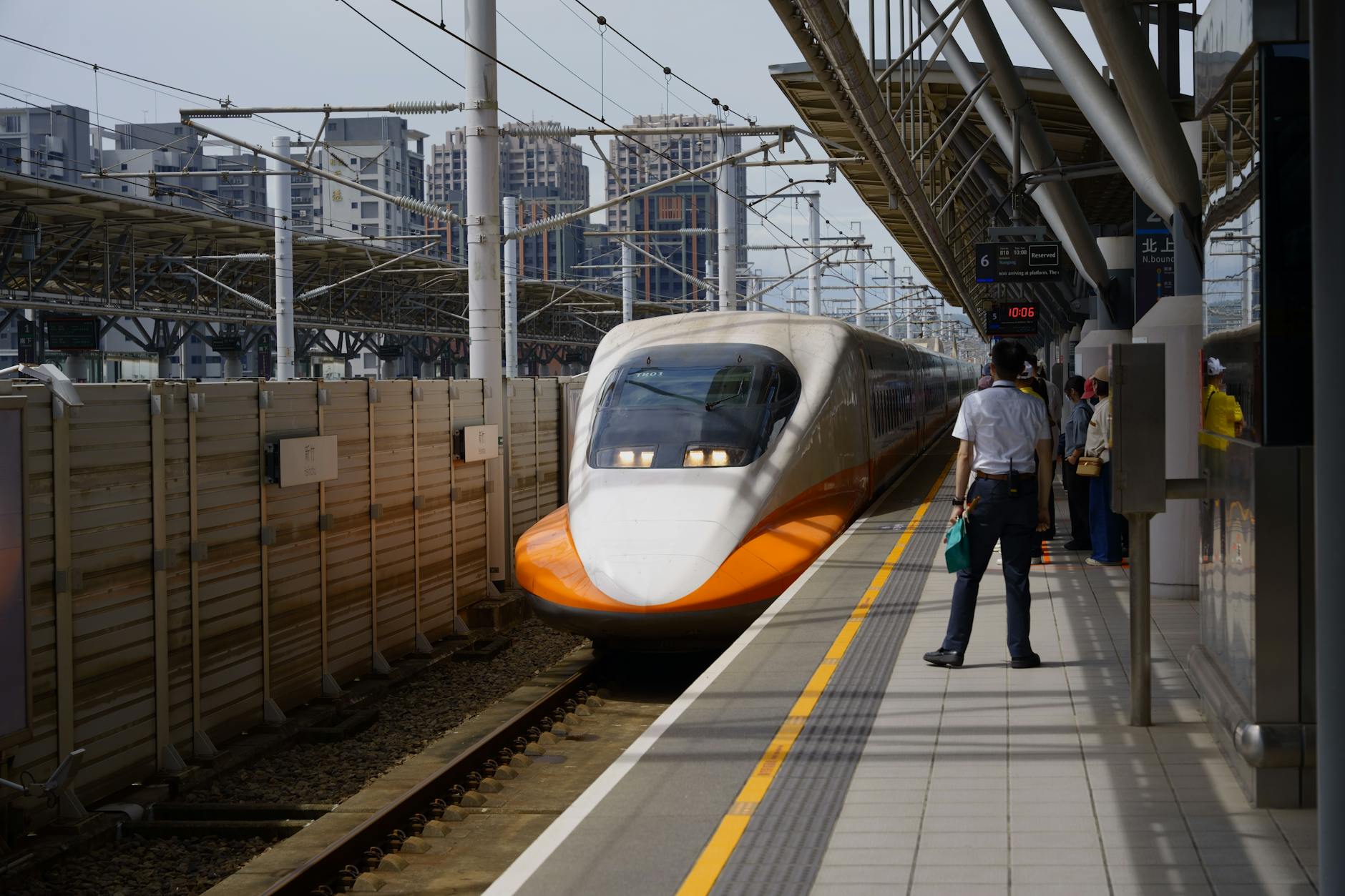
The Taoyuan Airport MRT can make Taipei accessible, but the exact station, express or commuter service, luggage, walking distance, and hotel location all matter. Taxis can be useful for tired travelers, late arrivals, or groups, but traffic and pickup clarity still need planning. Airport hotels may be the best choice when the stopover is mostly about sleep.
The traveler should choose transport based on the weakest part of the stop, not the most optimistic moment.
- Check airport MRT timing, express service, luggage, walking distance, and final station.
- Use taxis or airport hotels when timing, fatigue, or baggage makes city movement inefficient.
- Choose hotels by airport return logic as much as by city appeal.
Keep city plans compact and weather-aware
A Taipei stopover should usually focus on one compact area. Taipei Main Station, Dihua Street, Ximending, Zhongshan, Xinyi, Longshan Temple, or a single food route may fit different timing windows. Crossing the city for several disconnected sights is rarely worth the risk on a short connection.
Rain, heat, typhoon-season disruption, night arrival, and jet lag should shape the route. The best stopover plan has an easy version and a cut-down version.
- Choose one compact city area instead of several disconnected stops.
- Plan around rain, heat, night arrival, jet lag, and airport return timing.
- Keep a smaller fallback route ready.
Plan luggage, documents, and payment
Transit travelers should know whether checked bags are through-checked, whether they need to collect baggage, where luggage storage is available, and what documents are required to enter Taiwan. Payment should be planned as well: transport cards, cash, cards, airport exchange, data, and a charged phone can all affect a short stop.
The traveler should avoid carrying heavy luggage through Taipei unless that is clearly simpler than storage. Every extra bag makes station transfers, meals, and rain harder.
- Confirm checked-bag handling, luggage storage, entry documents, and onward boarding requirements.
- Prepare payment, transport cards, cash, data, charging, and hotel address details.
- Avoid dragging unnecessary luggage through the city.
Respect fatigue and onward-flight risk
A stopover can look generous on paper and still be poor in practice if the traveler is sleep-deprived, arriving after a long-haul flight, traveling with children, managing medication, or connecting onward to an important commitment. Taipei is easy enough to tempt overconfidence. The stronger plan often chooses one rewarding meal, one walk, and one clean return.
The onward flight is the fixed obligation. The city plan should make the traveler sharper for that flight, not more fragile.
- Adjust ambition for jet lag, children, medication, long-haul fatigue, and onward commitments.
- Use simple meals, walks, showers, and sleep when the schedule is tight.
- Protect the onward flight before chasing stopover value.
When to order a short-term travel report
A traveler staying airside or taking a simple airport hotel rest may not need a custom Taipei report. A report becomes useful when the traveler wants to enter the city during a layover, compare Taoyuan and Songshan logistics, manage separate tickets, plan luggage storage, choose a stopover hotel, or fit a short food or sightseeing route between flights.
The report should test airport timing, immigration, baggage, airport rail, taxis, hotel location, city route, weather, fatigue, payment, data, backup plans, budget, and what to cut. The value is a Taipei stopover that is memorable without threatening the connection.
- Order when city entry, separate tickets, airport transfers, luggage, hotel choice, or timing need testing.
- Provide flight numbers, airports, tickets, luggage details, arrival time, departure time, constraints, and budget.
- Use the report to turn a stopover into a controlled plan, not a guess.