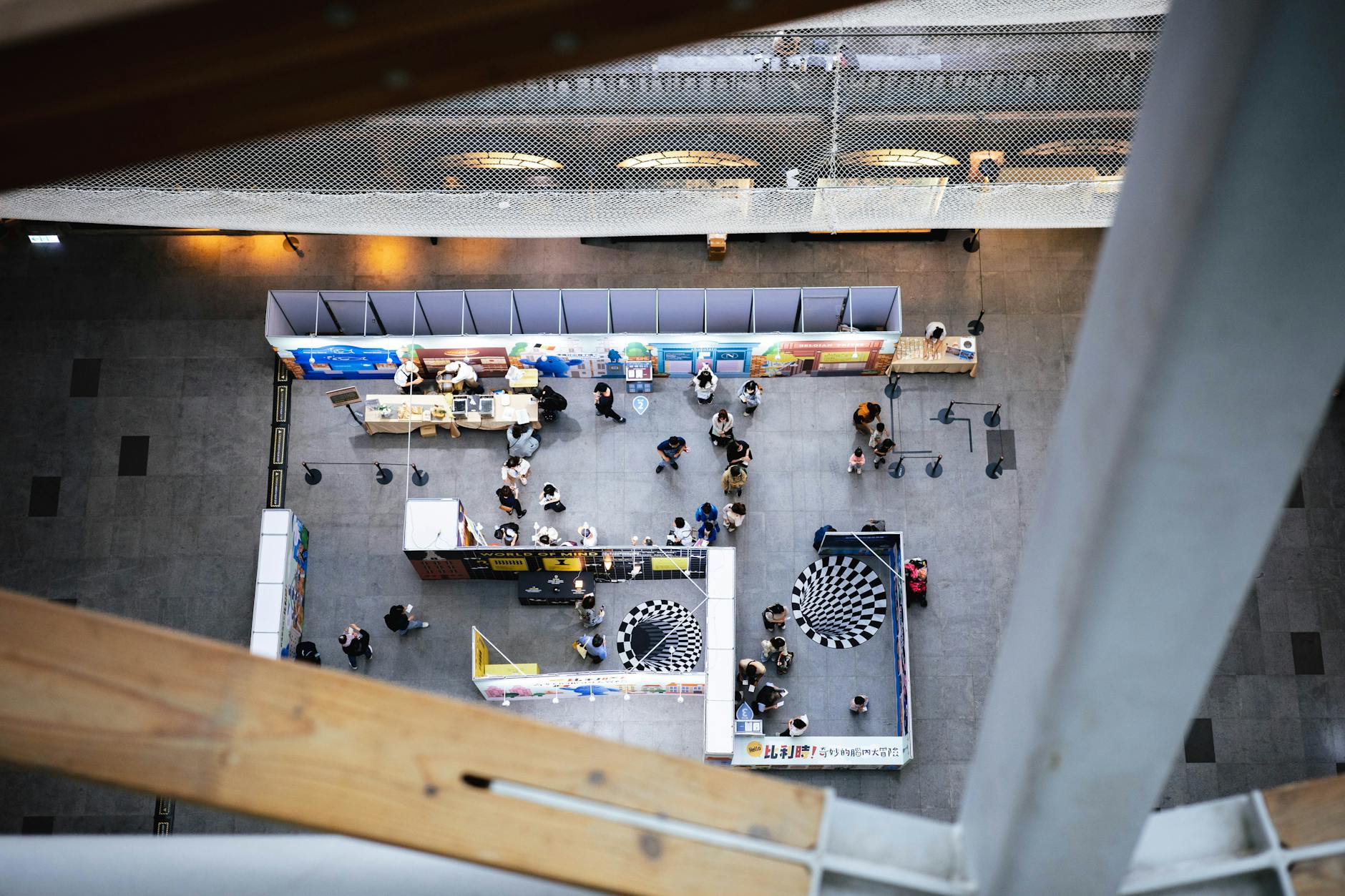
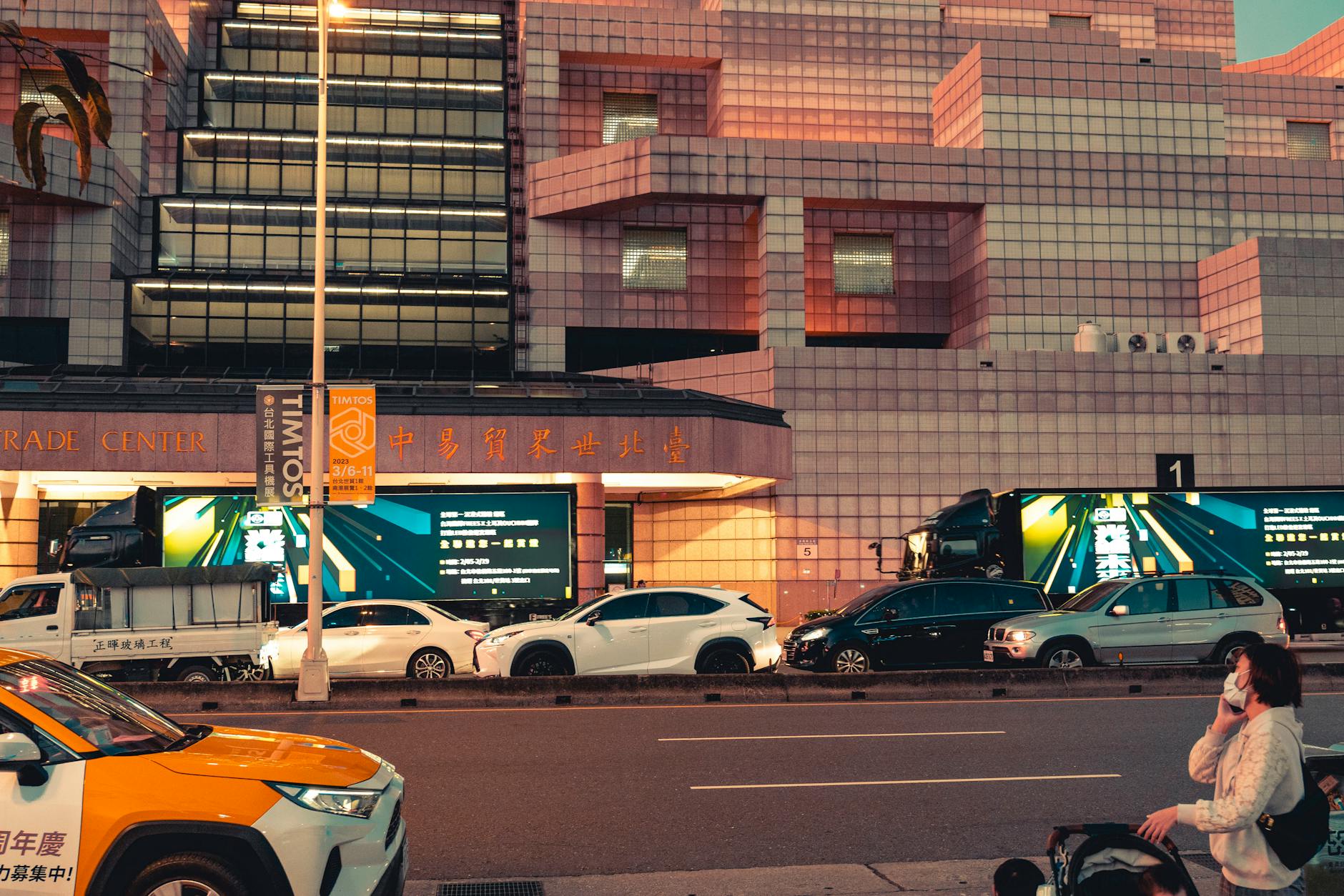
A Taipei trade-show trip is not just a city visit with a badge attached. The trip may revolve around Taipei Nangang Exhibition Center, Taipei World Trade Center, Taipei International Convention Center, a hotel meeting room, or a mix of show-floor time and off-site business meetings. Each pattern changes the right base, arrival timing, transit plan, and recovery strategy. The best short trade-show plan protects the commercial purpose first. Sightseeing, meals, and neighborhood time can fit, but the show schedule, meeting reliability, materials, and return logistics should set the frame.
Start with the exact venue pattern
A trade-show attendee should confirm whether the core venue is in Nangang, Xinyi, or another Taipei location before choosing flights or hotels. Taipei Nangang Exhibition Center has different movement logic from Taipei World Trade Center or TICC. A hotel that is perfect for one venue may be inconvenient for another, especially with samples, a booth schedule, or back-to-back meetings.
The traveler should map registration, badge pickup, exhibitor hours, meeting rooms, evening events, and off-site appointments as one operating plan.
- Confirm whether the show centers on Nangang, Xinyi, TICC, TWTC, or another venue.
- Map badge pickup, show hours, meeting rooms, evening events, and off-site appointments.
- Choose the hotel after the full venue pattern is clear.
Choose lodging for show-floor logistics
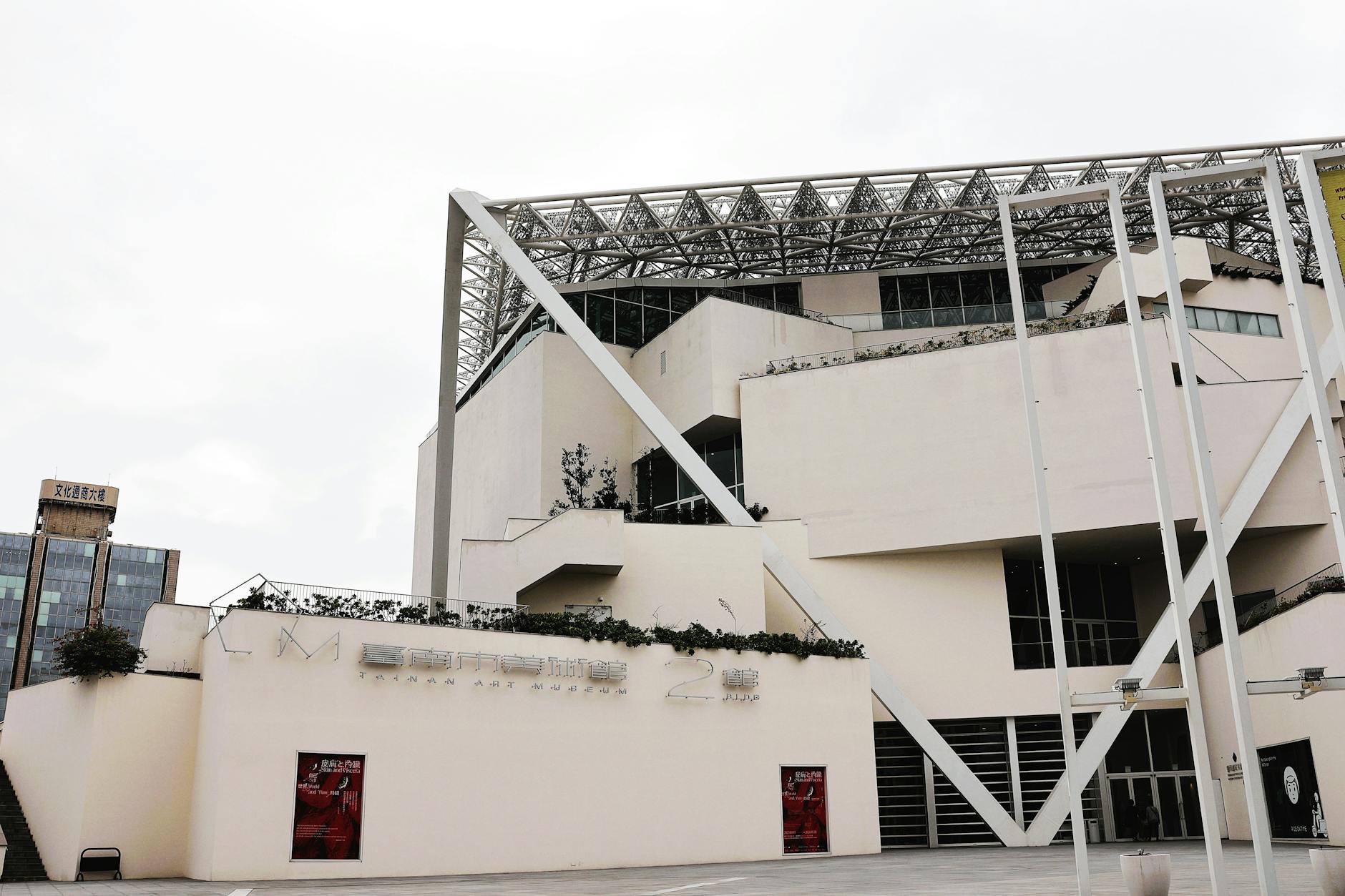
The hotel should support the show day, not only the evening. Check venue transfer time, taxi pickup, MRT access, early breakfast, luggage storage, laundry, room workspace, quiet sleep, nearby simple meals, and whether the hotel can handle samples, parcels, or business deliveries. A scenic or cheaper hotel can be the wrong choice if every show morning starts with friction.
For some attendees, staying near Nangang protects the schedule. For others, Xinyi, Zhongshan, or Daan may work better because dinners and meetings matter as much as booth hours.
- Check venue transfer, taxi pickup, MRT access, early breakfast, workspace, quiet, meals, and storage.
- Account for samples, parcels, luggage, laundry, and business deliveries.
- Compare Nangang, Xinyi, Zhongshan, and Daan by the actual trip purpose.
Plan materials, samples, and digital backups
Trade-show travel often fails through small material mistakes. The attendee should plan badges, invitations, QR codes, chargers, adapters, product samples, catalogs, business cards if still needed, translation notes, shipping documentation, customs issues, and cloud backups before arrival. Taipei is efficient, but it should not be treated as a last-minute print and repair plan.
The traveler should also decide what travels by hand, what ships ahead, what stays at the hotel, and what can be recovered digitally if a bag or box is delayed.
- Prepare badges, QR codes, chargers, adapters, samples, catalogs, documents, and cloud backups.
- Decide what ships, what travels by hand, and what can be replaced digitally.
- Do not rely on show morning to solve material gaps.
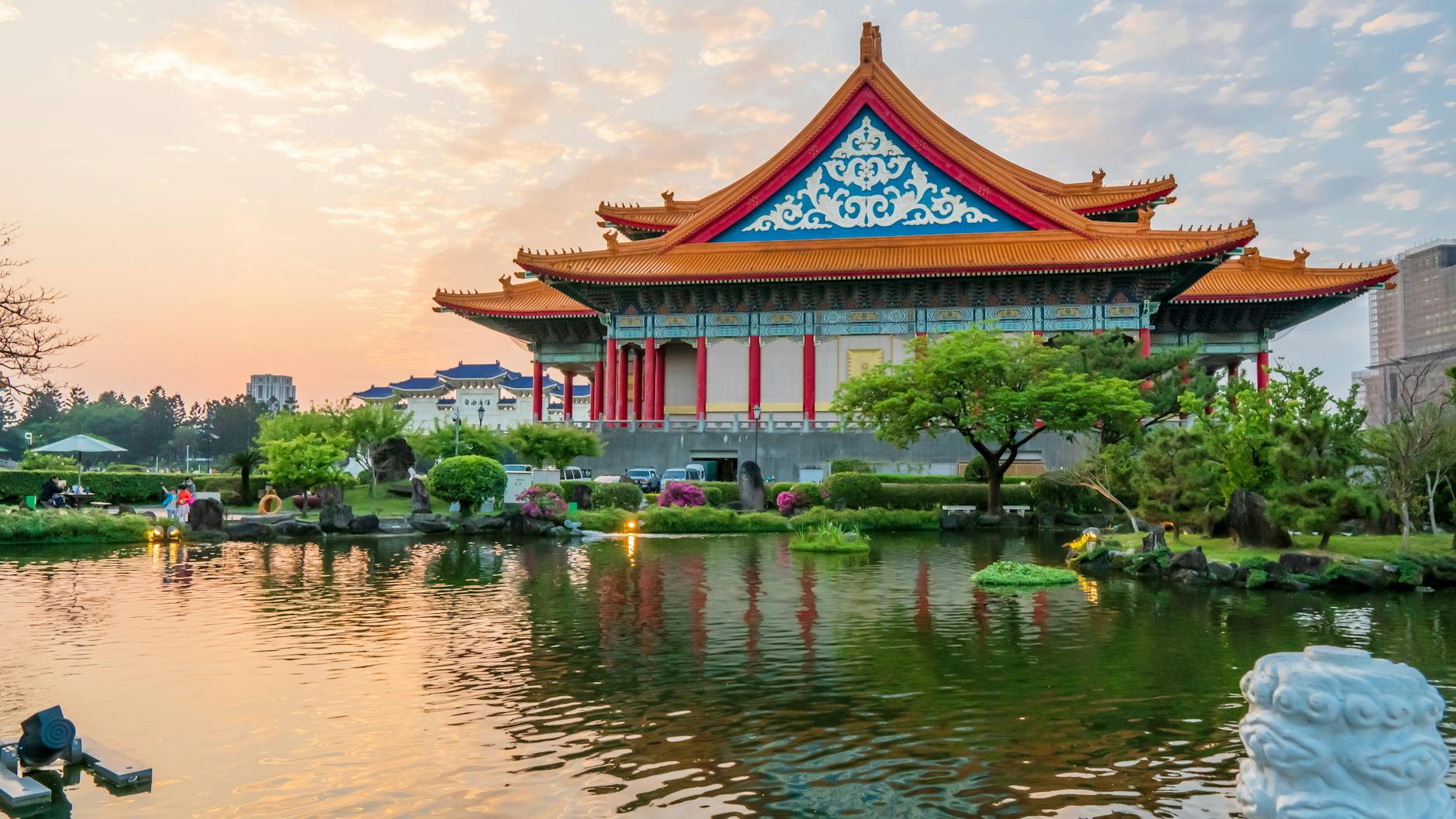
Separate show-floor movement from client meetings
Show-floor time and client meetings create different movement needs. A booth visit can tolerate some queueing and crowding. A private appointment cannot. The attendee should distinguish between meetings inside the venue, hotel meetings, dinners in Xinyi or Daan, factory or office visits, and quick coffee slots near MRT lines.
Each meeting should have a realistic route, buffer, backup contact method, and place to recover before the next commitment. Taipei's MRT helps, but not every business conversation belongs after a rushed transfer.
- Separate venue meetings, hotel meetings, dinners, office visits, and coffee slots.
- Give timed appointments route buffers and backup contact methods.
- Avoid putting important conversations immediately after uncertain transfers.
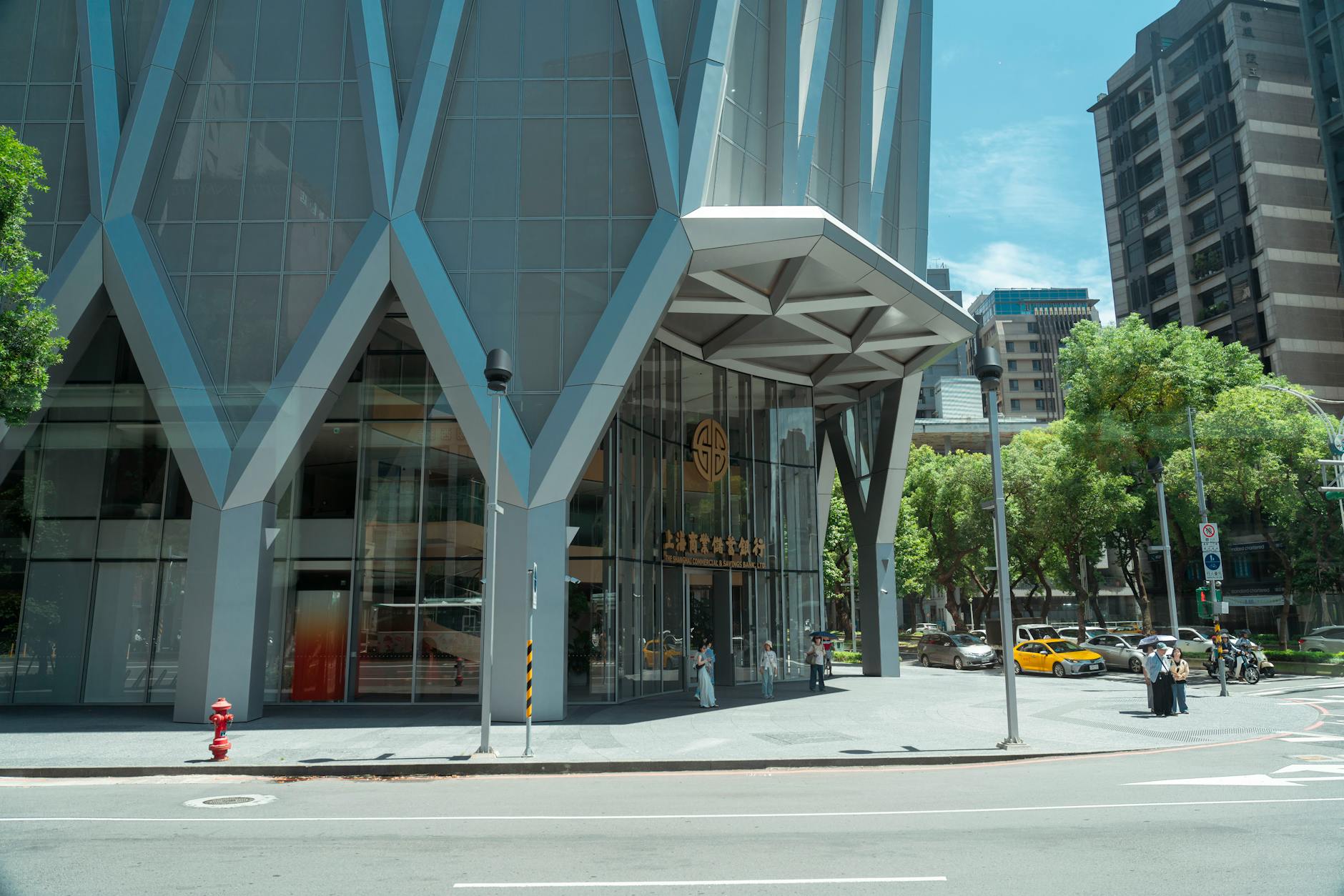
Use meals as business infrastructure
Meals during a Taipei trade-show trip should be planned by purpose. Some meals need to be fast and close to the venue. Some should support relationship building in Xinyi, Daan, Zhongshan, or near the hotel. Some may need privacy, dietary planning, quiet seating, or easy taxi access. Leaving every meal to chance can weaken the business trip.
The attendee should reserve important meals, identify casual backups, and protect hydration and snacks for long show-floor days.
- Separate fast venue meals, relationship dinners, quiet meetings, and late-arrival food.
- Reserve important meals and keep casual backups near the venue and hotel.
- Plan hydration, snacks, and recovery around long show-floor hours.
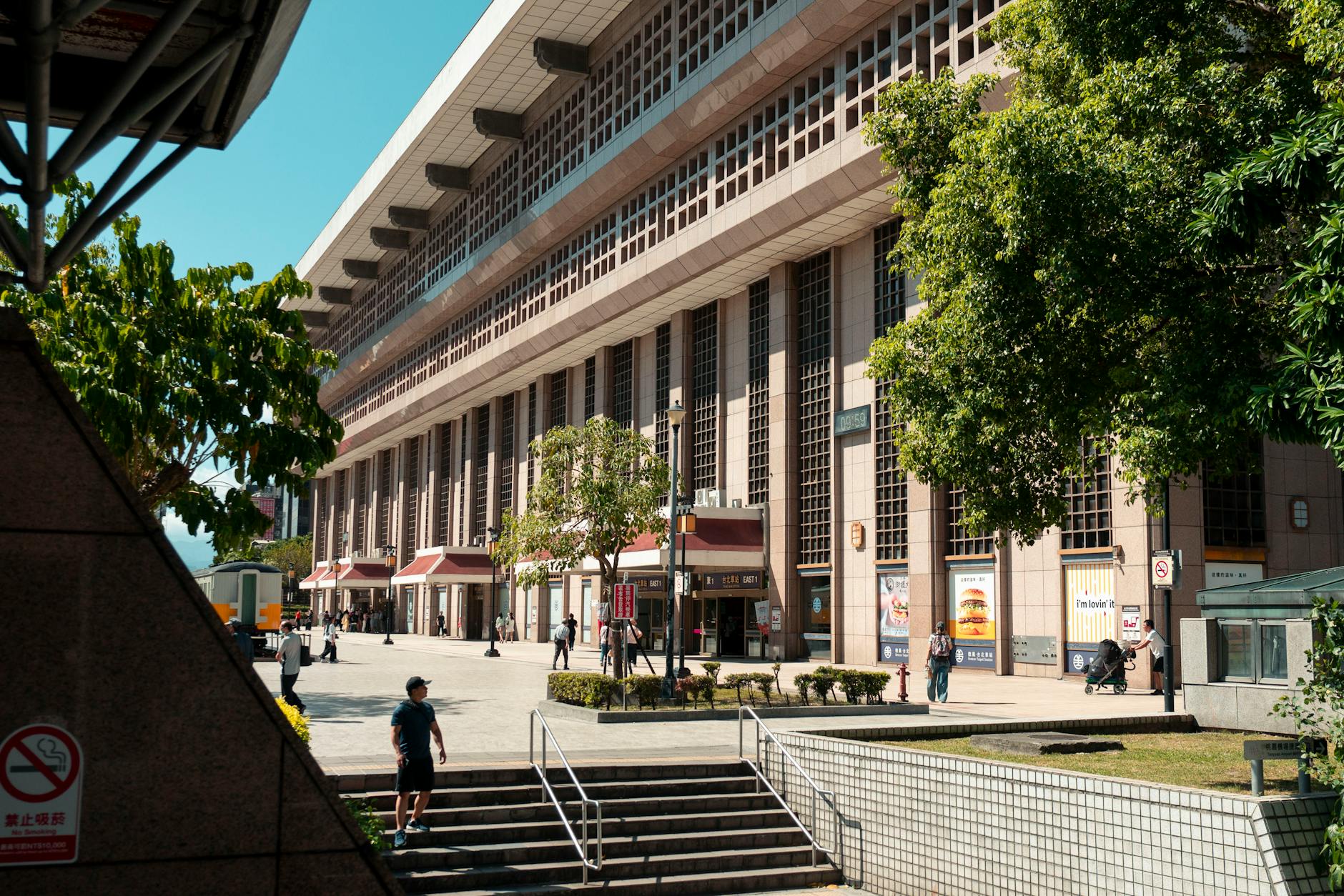
Protect energy, weather margin, and return logistics
Trade-show days are physically demanding even when the city is familiar. Taipei heat, rain, humid walks, crowded MRT cars, booth standing, late dinners, and early calls can quickly reduce performance. The attendee should plan shoes, layers, umbrella, battery, business attire, rest blocks, and a realistic final evening.
Departure logistics matter too. Samples, luggage, receipts, follow-up notes, and airport timing should be organized before the last show session ends.
- Plan shoes, layers, umbrella, battery, attire, rest blocks, and realistic evening commitments.
- Account for heat, rain, crowded transit, booth standing, and late business meals.
- Organize samples, receipts, notes, luggage, and airport timing before departure day compresses.
When to order a short-term travel report
A trade-show attendee with a hosted hotel and a simple badge schedule may not need a custom Taipei report. A report becomes useful when the venue geography is split, samples or shipping matter, meetings are scattered, hotel choice is uncertain, dinners carry business value, or the attendee wants a little city time without damaging the commercial purpose.
The report should test venue location, hotel fit, Taoyuan or Songshan arrival, MRT and taxi routes, badge timing, samples, meetings, meals, weather, recovery, airport return, budget, and what to cut. The value is a Taipei trade-show trip that stays focused and operational.
- Order when venue geography, hotel choice, samples, meetings, meals, or return timing need testing.
- Provide event venue, dates, badge schedule, hotel options, meeting list, materials, and budget.
- Use the report to protect the business purpose while keeping the city plan realistic.