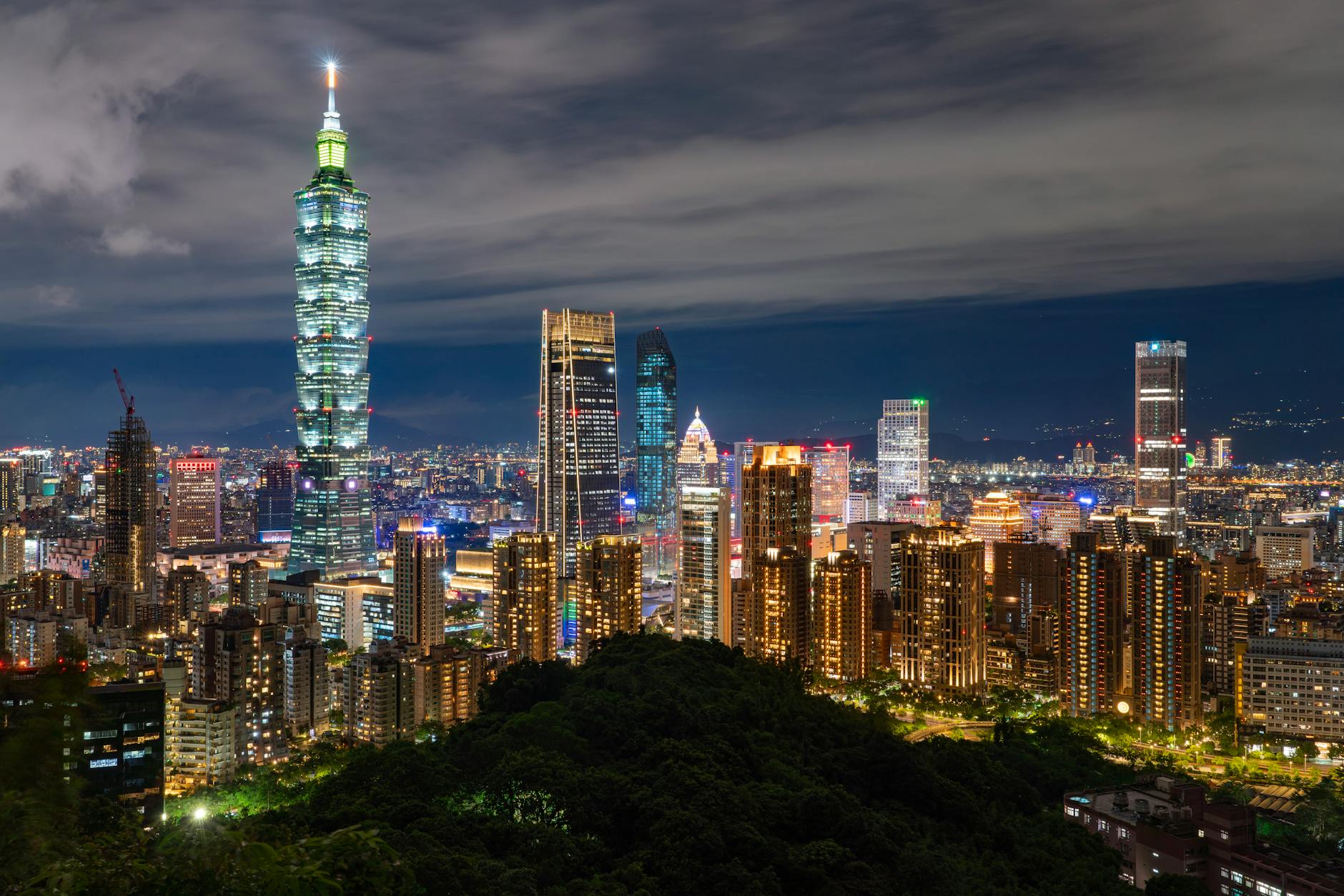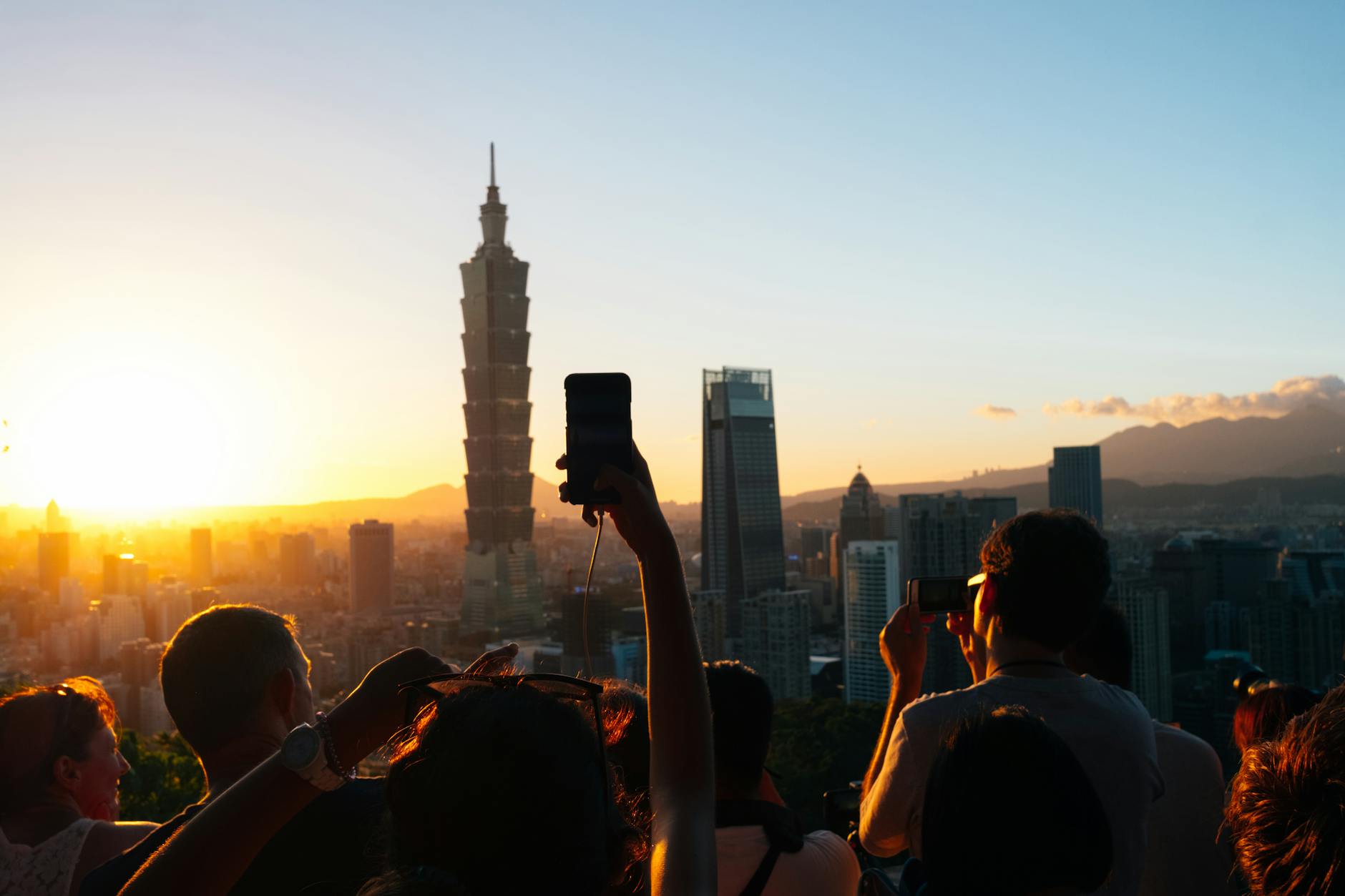
Taipei is a rewarding tourist city when it is treated as more than a list of famous stops. Taipei 101, temples, night markets, memorial spaces, museums, tea, parks, and nearby day trips can all fit a short visit, but not all at once. The city works best when the tourist chooses a base, groups sights by geography, and leaves space for food, rain, heat, and neighborhood time. A tourist itinerary should make Taipei feel layered without making each day feel like a transfer exercise. The strongest plan usually pairs one or two major anchors with easy supporting stops and a clear return route.
Choose a base before choosing every sight
Tourists should choose a Taipei base by how the day will actually unfold. Xinyi can work for Taipei 101, skyline views, polished hotels, shopping, and an easy first impression. Zhongshan and Daan can work for food, cafes, MRT movement, and calmer neighborhood texture. Ximending can work for youth energy and late movement. Taipei Main Station can be practical but busy.
The best base is not simply the most famous district. It is the place that makes repeated departures, returns, meals, and weather resets easy.
- Compare Xinyi, Zhongshan, Daan, Ximending, and Taipei Main Station by actual daily movement.
- Check MRT access, airport transfer, nearby meals, late returns, hotel quiet, and weather shelter.
- Choose the base that reduces friction across the whole short stay.
Use MRT to make the city readable
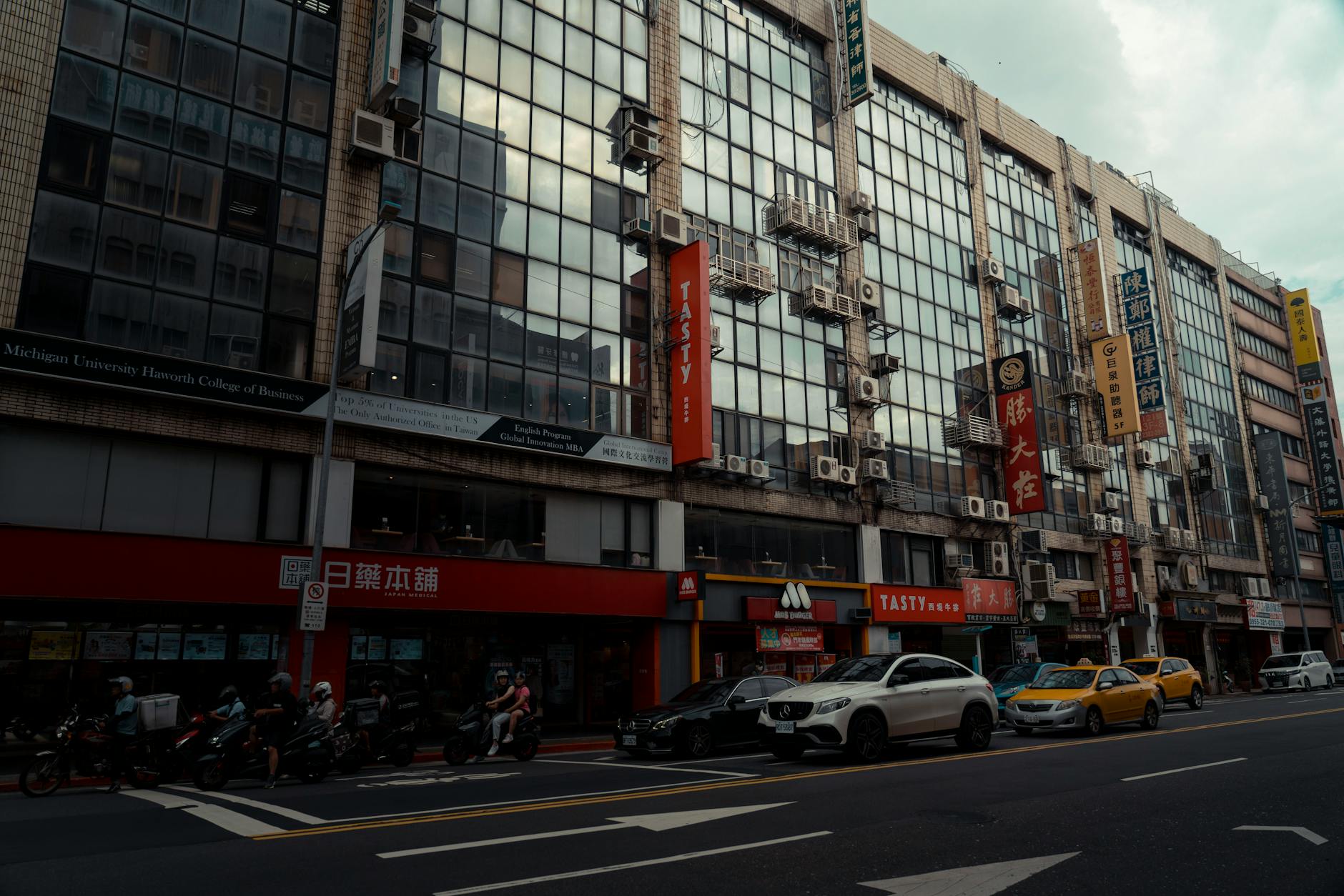
The MRT can make Taipei highly accessible for tourists, but the traveler should still check station exits, transfer length, walking distance, heat, rain, and the last return. A route that looks simple may become tiring if it uses the wrong exit or stacks too many transfers.
Taxis are still useful when returning late, carrying purchases, dealing with rain, or moving to a place that is awkward by rail. The tourist does not need to prove anything by using one transport mode for everything.
- Use MRT for structure, but check exits, transfers, walking distance, heat, rain, and last returns.
- Use taxis when weather, luggage, purchases, late timing, or indirect routes justify them.
- Plan the return route before leaving the hotel.
Group temples, memorials, museums, and views
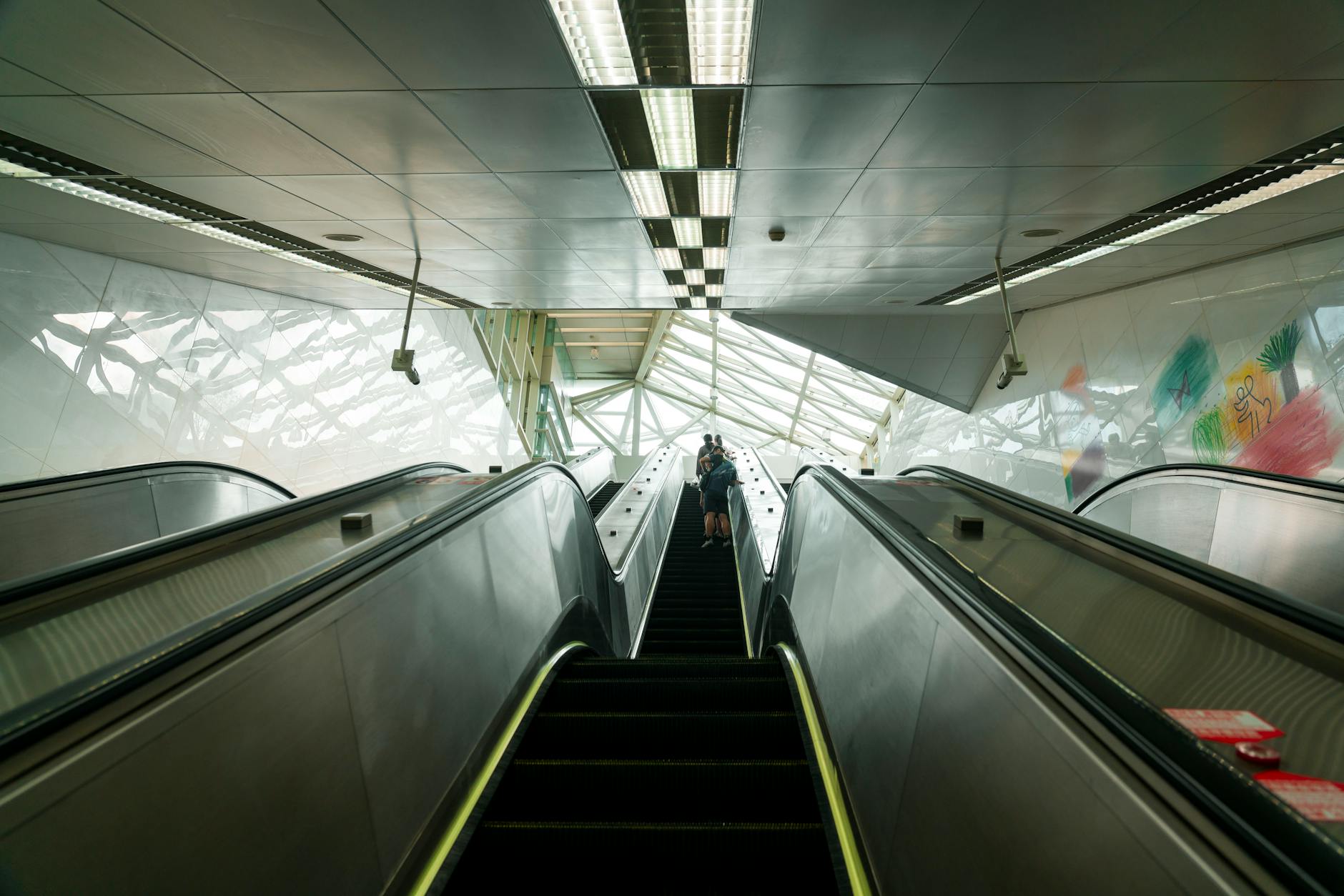
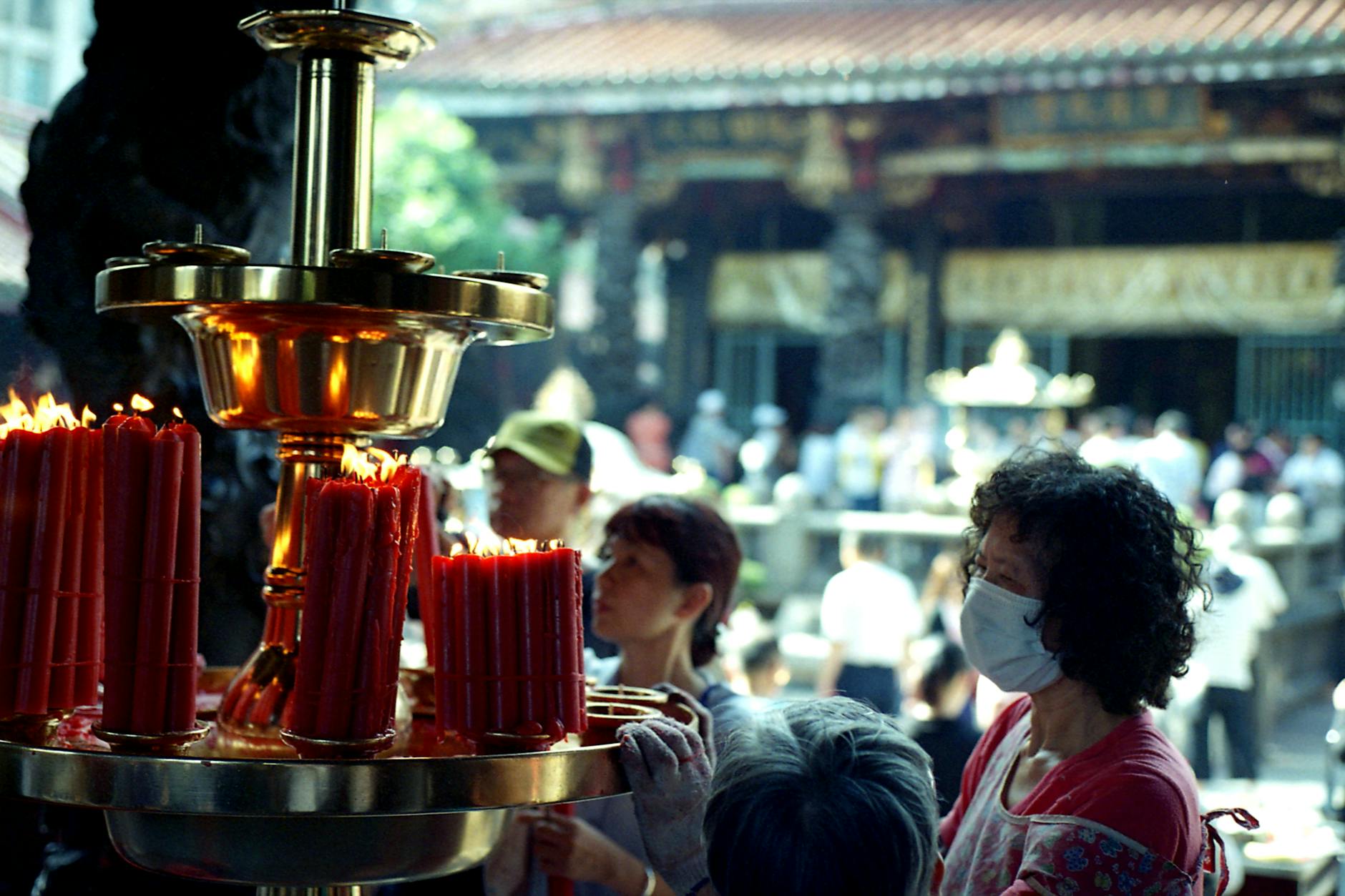
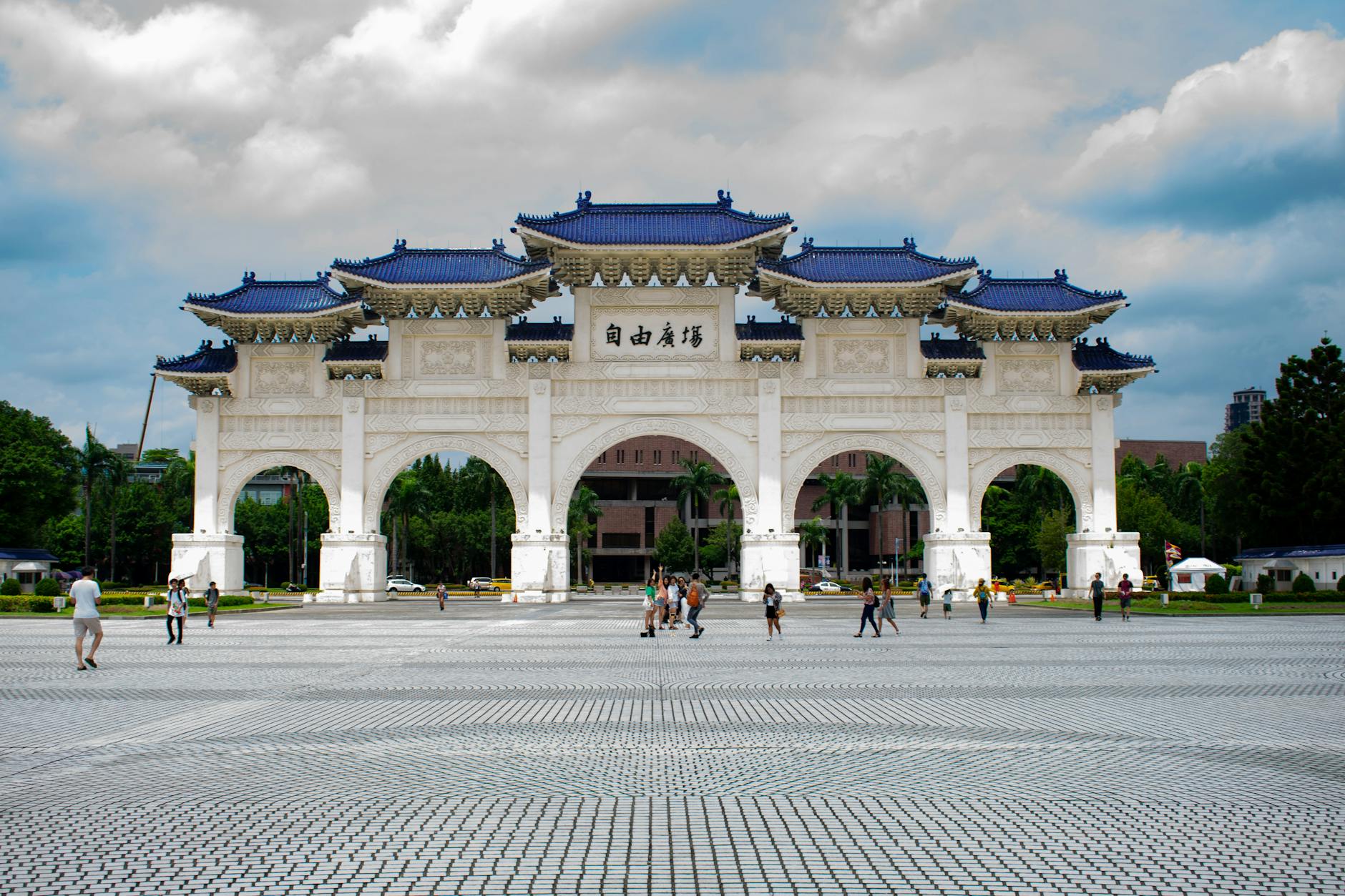
Taipei tourists often try to stack Taipei 101, Longshan Temple, Chiang Kai-shek Memorial Hall, the National Palace Museum, Dihua Street, Ximending, parks, and a night market into too little time. The better plan groups sights by geography and energy. A temple visit, a street walk, a meal, and one major view can be enough for a strong day.
The tourist should also respect context. Temples and memorial spaces are not just photo stops. A measured pace usually improves both the visit and the visitor's behavior.
- Group Taipei 101, Longshan Temple, memorial spaces, museums, Dihua Street, Ximending, and parks by geography.
- Avoid turning sacred or civic spaces into rushed photo stops.
- Use one or two strong anchors per day instead of chasing every famous name.
Plan food and night markets with exit routes
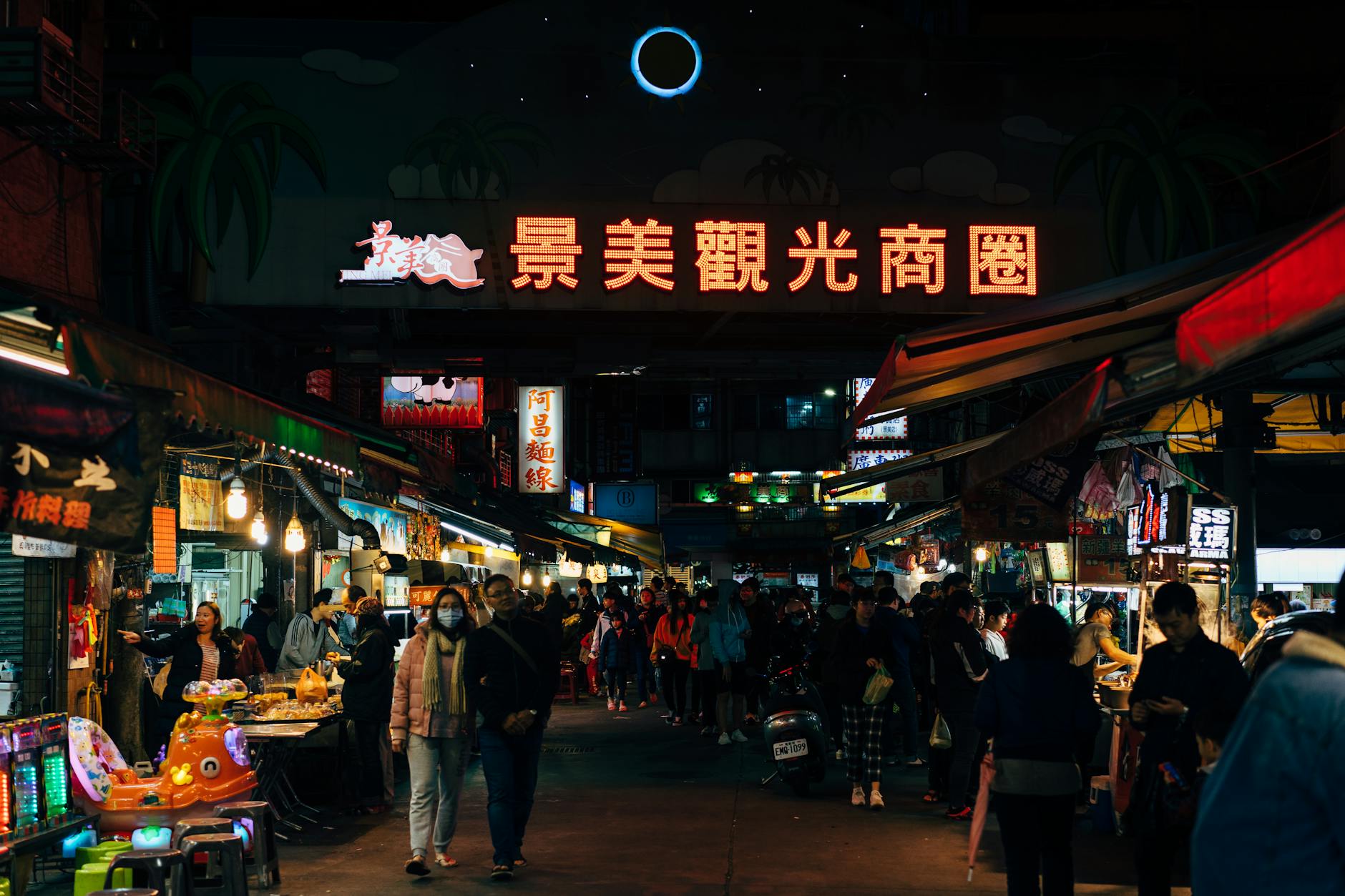
Taipei food can carry a tourist trip, but it should be planned with the same discipline as the sights. Breakfast shops, dumplings, noodles, tea, bakeries, food courts, cafes, night markets, and more serious restaurants all have a place. The tourist should know which meals are flexible and which meals are worth a route.
Night markets can be excellent, but they are not all the same. Crowds, rain, heat, standing meals, bathroom access, and return route matter. The best night-market plan includes a graceful exit.
- Plan flexible meals separately from destination meals.
- Use breakfast shops, food courts, cafes, tea, noodles, dumplings, and night markets by route.
- Choose night markets by crowds, weather, bathroom access, comfort, and return route.
Use weather and indoor resets deliberately
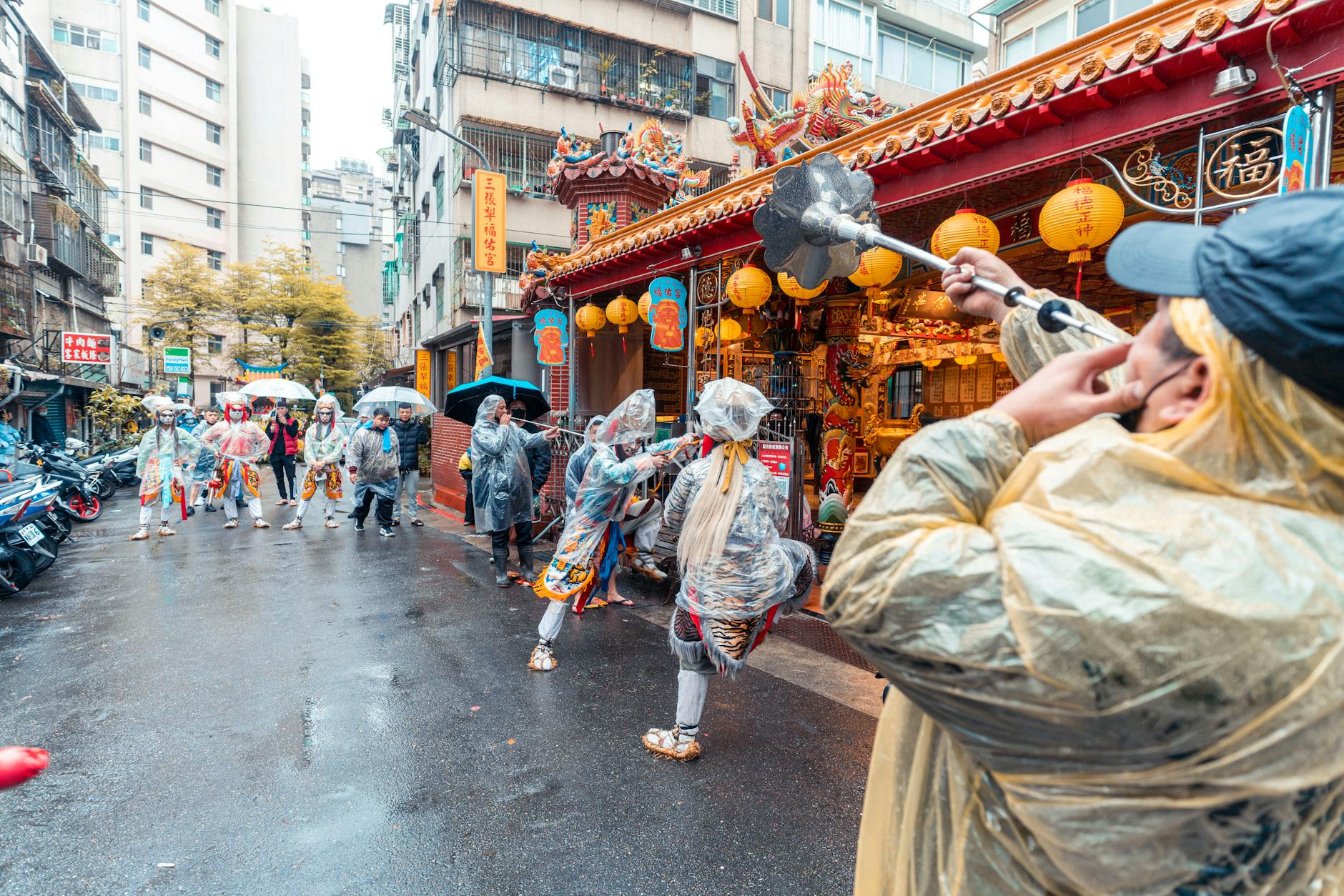
Taipei tourism is weather-aware. Rain, heat, humidity, wet pavement, cold interiors, and typhoon-season changes can reshape a day. Tourists should plan shoes, umbrella, water, layers, and indoor reset points instead of assuming the route will run perfectly.
Museums, malls, cafes, tea houses, hotel breaks, and long lunches can keep the day intact when the weather turns. Indoor time is not a failure in Taipei; it is often part of the better route.
- Plan for rain, heat, humidity, wet pavement, cold interiors, and typhoon-season changes.
- Use museums, malls, cafes, tea houses, hotel breaks, and long lunches as weather resets.
- Choose shoes, layers, water, and umbrella before the day starts.
Be selective with day trips
Taipei tourists often want to add Jiufen, Tamsui, Beitou, Maokong, Yangmingshan, Yehliu, Pingxi, or another excursion. Some can be worthwhile, but a short Taipei stay cannot absorb every outbound idea without weakening the city itself. Weather, crowds, transport, and return energy matter.
The tourist should decide whether the trip is about Taipei or about northern Taiwan more broadly. The day trip should earn its place.
- Compare Jiufen, Tamsui, Beitou, Maokong, Yangmingshan, Yehliu, and Pingxi by weather and transport.
- Add day trips only when the return route and energy level are realistic.
- Leave enough time for Taipei itself instead of making the city only a base.
When to order a short-term travel report
A tourist with several flexible days may not need a custom Taipei report. A report becomes useful when the stay is short, hotel choice is uncertain, day trips are tempting, weather may disrupt the plan, dietary needs matter, or the traveler wants a route that balances famous sights with local texture.
The report should test hotel base, Taoyuan or Songshan arrival, MRT and taxi routes, Taipei 101, temples, museums, night markets, food, weather, day trips, budget, and what to cut. The value is a Taipei tourist stay that feels coherent rather than crowded.
- Order when hotel choice, route grouping, food, weather, day trips, or budget needs testing.
- Provide dates, arrival airport, hotel options, sightseeing priorities, food constraints, pace, and budget.
- Use the report to keep the tourist itinerary clear, balanced, and realistic.