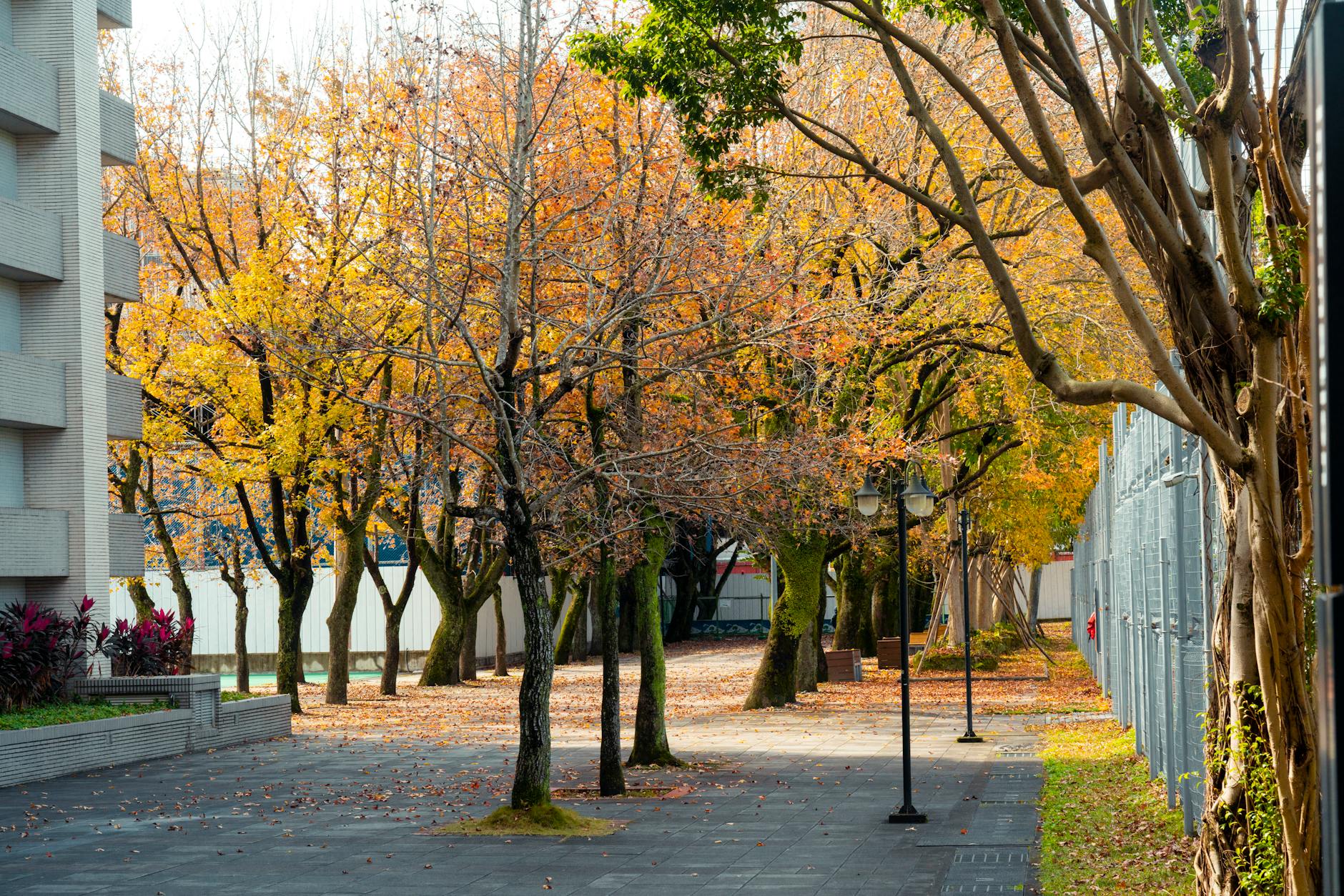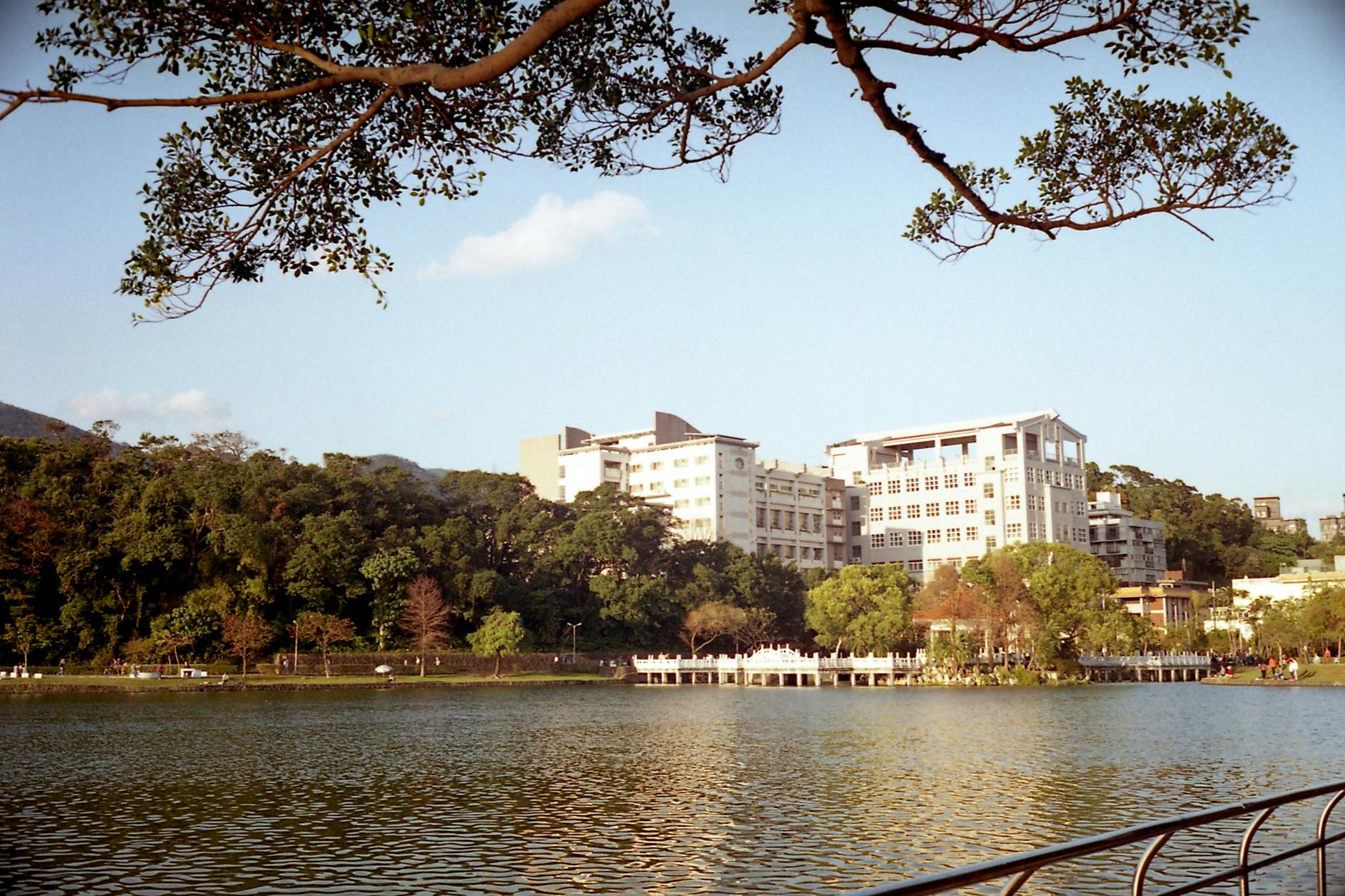
A short student program in Taipei can be academically rich and personally manageable when the plan starts with the program's real geography. Campus location, housing, MRT access, orientation schedule, meals, language expectations, group rules, health needs, and weekend options matter more than a generic city checklist. Taipei is a strong student city, but short programs give little time to correct bad assumptions. The student should arrive with a practical rhythm: how to get to class, where to eat, how to pay, how to get home at night, what to do in rain, and which optional activities are worth the time.
Start with campus and housing geography
The student should identify the exact campus, classroom building, housing location, and orientation meeting point before building any Taipei plan. National Taiwan University, Daan-area schools, language centers, exchange housing, hotel blocks, and homestays can create very different daily routes. A short program has little tolerance for a confusing commute on the first morning.
The student should test walking distance, MRT station exits, bus options, cycling rules if relevant, late return comfort, and how the housing area feels after dinner.
- Confirm campus, classroom building, housing, orientation point, and first-day route.
- Check walking distance, MRT exits, buses, late return comfort, and neighborhood meals.
- Practice the class route before the first required session if possible.
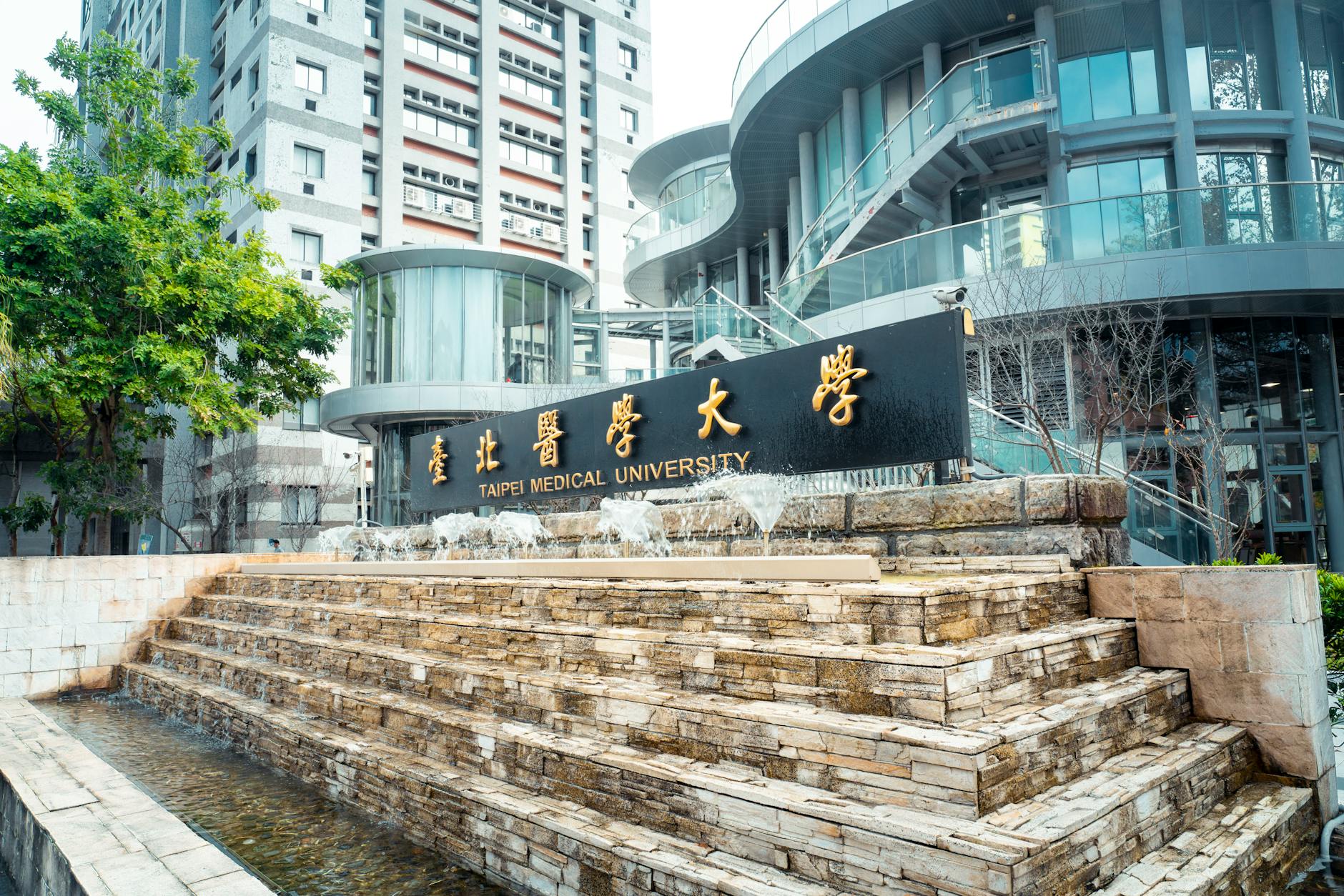
Plan arrival support and first-night basics
Arrival can set the tone for a short program. The student should know whether the program provides airport pickup, whether Taoyuan or Songshan arrival changes the route, how to reach housing, when check-in opens, where to get a SIM or eSIM support, and how to pay for the first transport. Luggage, rain, late arrival, and jet lag should be planned into the first night.
The first evening should be simple: reach housing, eat nearby, set alarms, charge devices, and confirm the next morning's route.
- Confirm airport pickup, arrival airport, housing check-in, payment method, data, and luggage plan.
- Keep the first evening simple and close to housing.
- Set up phone, transport card or payment, alarms, and the first class route before sleeping.
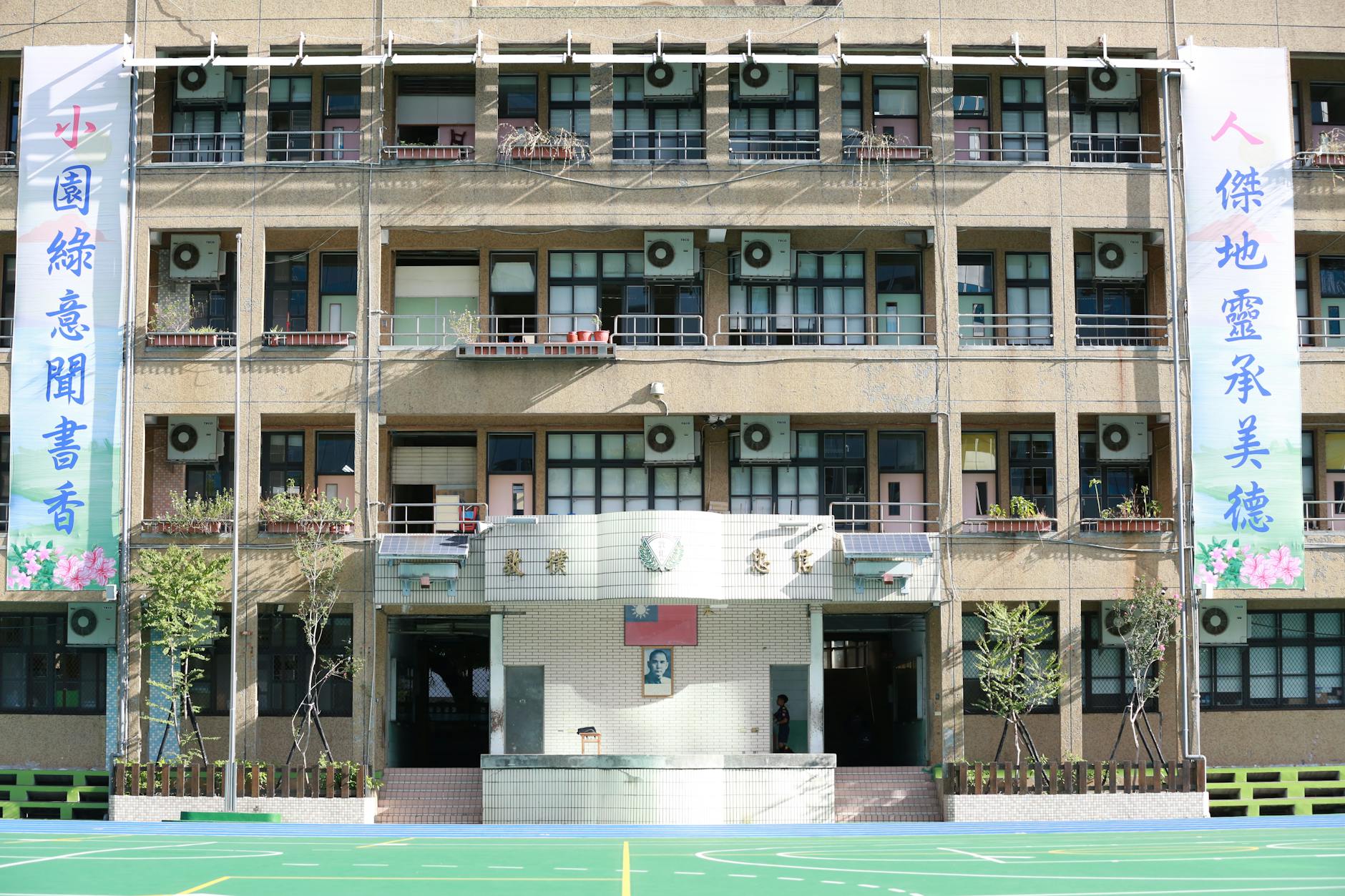
Use MRT confidently but not carelessly
Taipei's MRT can make a short student stay easier, but students should still understand lines, transfers, stored-value payment, station exits, last trains, and the walk after the exit. Group travel can slow everything down, especially when classmates are new to the city or moving after dinner.
The student should save home address details, campus address, and a simple taxi backup. Knowing when to stop trying to solve a route by trial and error is part of staying safe and punctual.
- Learn lines, transfers, payment, station exits, last trains, and the final walk.
- Save housing and campus addresses in a usable format.
- Keep a taxi backup for rain, late nights, illness, or confusing routes.
Build a realistic food and budget rhythm
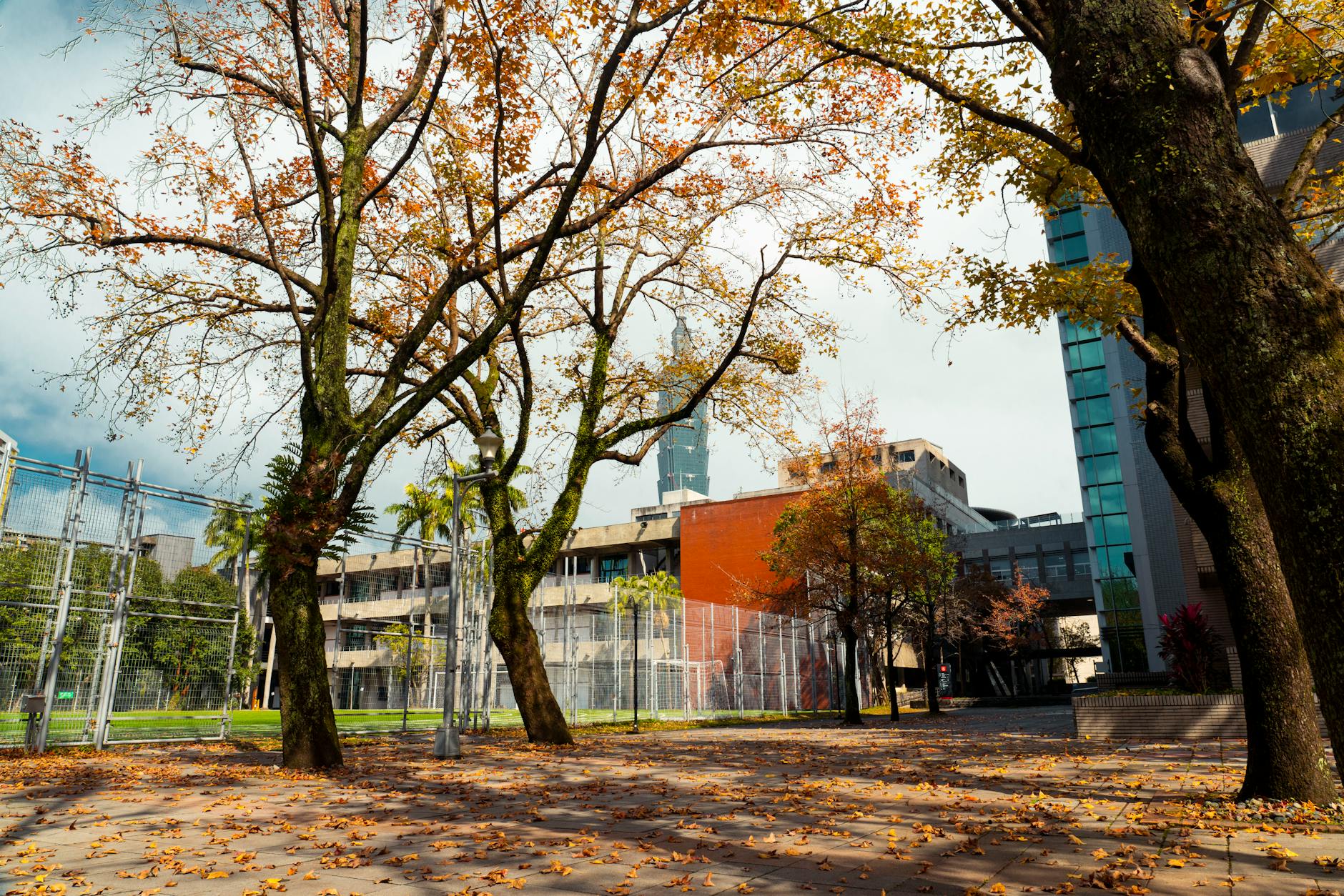
Taipei can be friendly to student budgets if meals are planned around the actual week. Breakfast shops, bento, dumplings, noodles, convenience stores, campus-area meals, food courts, cafes, and night markets can all help. The student should identify low-cost meals near housing and campus before the schedule gets busy.
Budget planning should include transit, laundry, rain gear, group meals, snacks, class materials, weekend trips, and a reserve for mistakes. A short program can become expensive when every meal and movement is improvised.
- Identify low-cost meals near housing, campus, MRT stops, and evening routes.
- Budget for transit, laundry, rain, snacks, group meals, materials, and weekend plans.
- Use simple food routines so class days do not become spending surprises.
Balance class, cultural time, and recovery
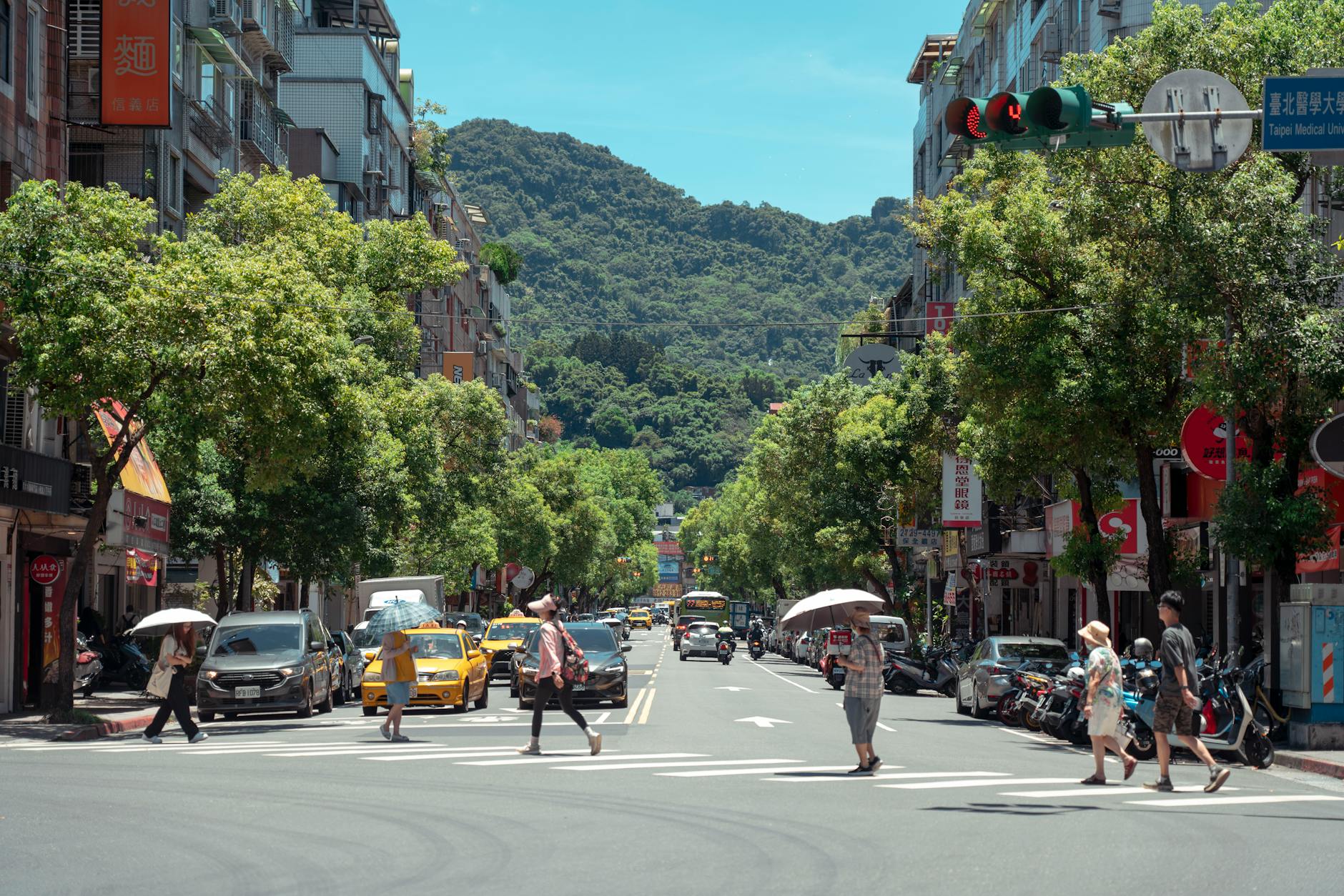
Short programs often combine classes, site visits, group meals, language practice, and optional sightseeing. The student should not assume every free hour can become a night market, museum, temple, cafe, or day trip. Jet lag, homework, social energy, heat, rain, and early starts all matter.
A better plan gives each day a main purpose and keeps one easy backup. Taipei rewards students who leave room to notice the city rather than only rush through activities.
- Treat class, homework, site visits, meals, social time, and recovery as one schedule.
- Limit optional sightseeing when early starts or assignments need attention.
- Keep indoor and low-energy backups for rain, heat, or fatigue.
Set health, safety, and group expectations
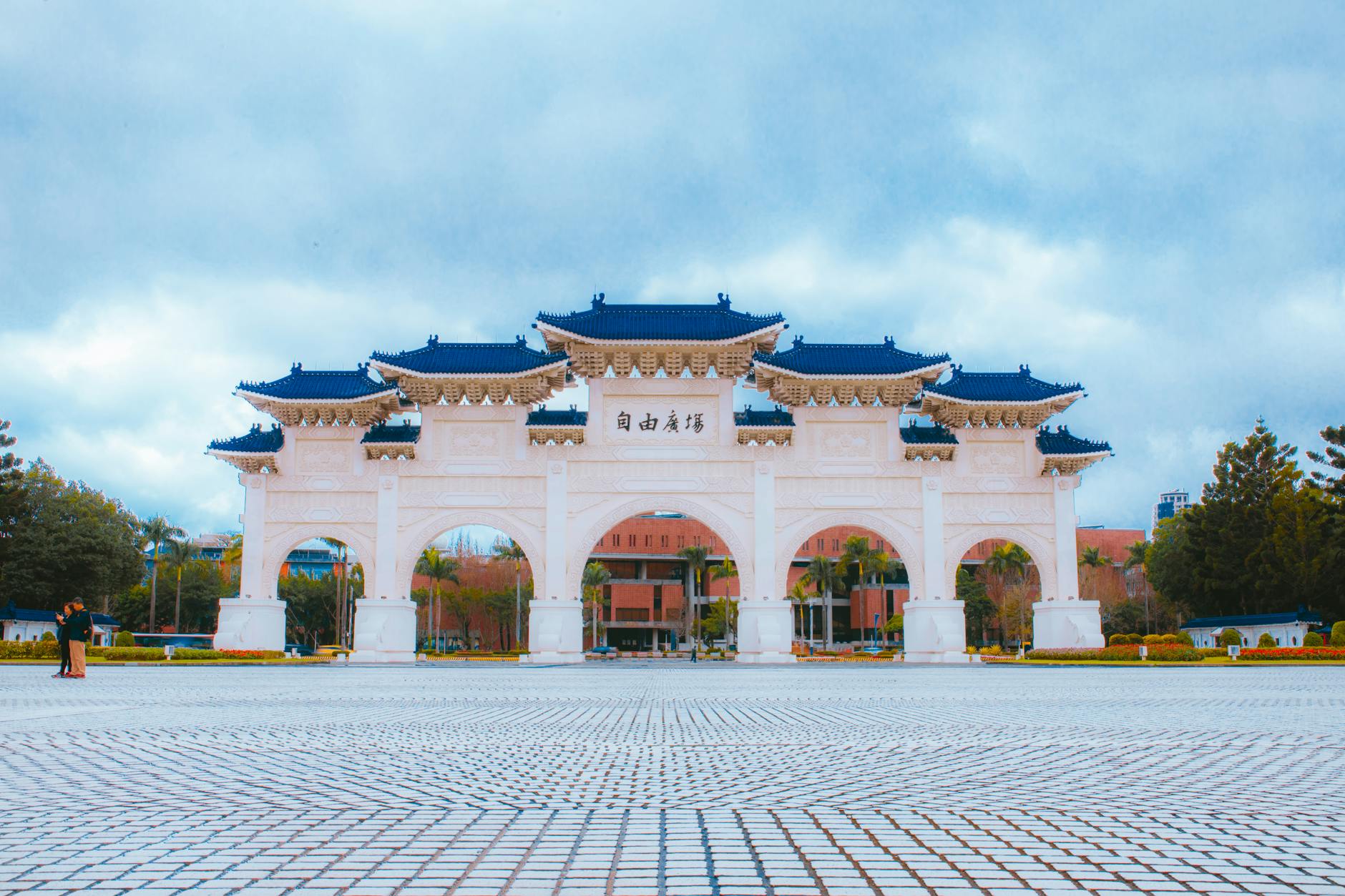
Students should prepare for health and safety without making Taipei feel intimidating. Medication, allergies, dietary needs, emergency contacts, insurance, program staff numbers, phone battery, late-night check-ins, and group meeting rules should be clear. Rain, heat, scooters, crowded crossings, and unfamiliar food can create small problems that are easier to manage with a plan.
The student should also understand program conduct rules, attendance expectations, curfew if any, alcohol rules, guest policies, and what to do if separated from the group.
- Prepare medication, allergies, insurance, emergency contacts, staff numbers, and battery backup.
- Plan for rain, heat, scooters, crossings, food needs, and late-night return rules.
- Understand attendance, conduct, curfew, alcohol, guest, and group separation policies.
When to order a short-term travel report
A student on a fully hosted program with clear housing and staff support may not need a custom Taipei report. A report becomes useful when housing is independent, campus geography is confusing, medical or dietary needs matter, weekend travel is tempting, parents want a clearer plan, or the student wants practical orientation before arrival.
The report should test arrival route, housing, campus commute, MRT, food, budget, health needs, safety routines, program rules, weekend options, weather, and what to cut. The value is a short Taipei study stay that feels organized without becoming rigid.
- Order when housing, campus routes, arrival, food, health, budget, or weekend plans need testing.
- Provide program dates, campus, housing, arrival details, age, constraints, interests, and budget.
- Use the report to make the student stay practical, calm, and easier to start well.