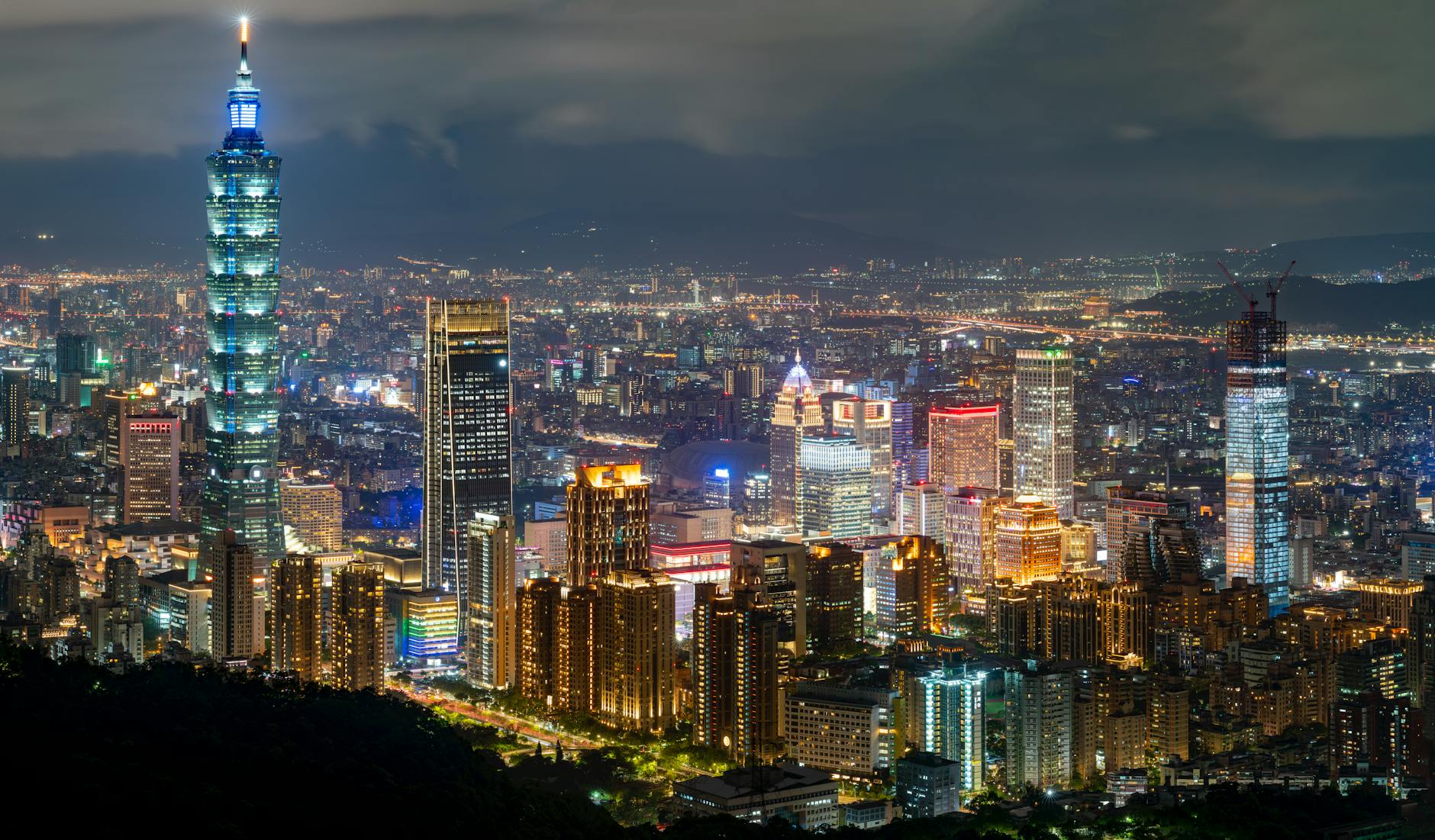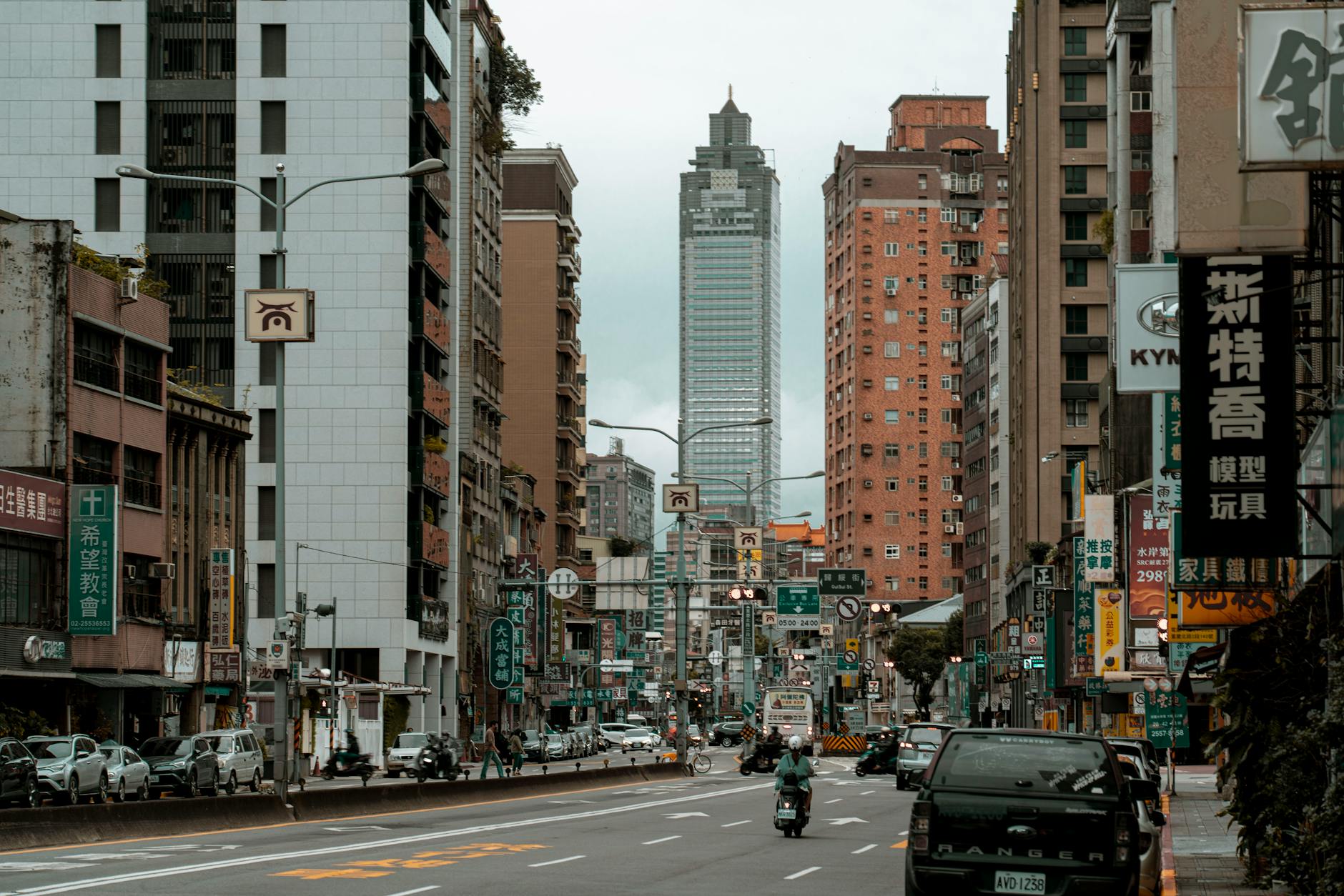
Taipei can be one of the more approachable large Asian cities for a solo traveler. The MRT is useful, food is accessible, neighborhoods are varied, and it is possible to build a rewarding day without needing a group. That does not mean the trip should be casual. Solo travel makes small mistakes more personal: a poor hotel base, a rainy return, an awkward late-night route, or an overambitious day trip has no one else to absorb the friction. A short solo stay should make Taipei feel open without making the traveler improvise everything. The right plan balances independence with clear movement, good meal options, sensible after-dark choices, and enough margin for weather and energy.
Choose a base that supports independent movement
Solo travelers should choose a Taipei base by how easy it feels to leave, return, eat, and reset alone. Zhongshan, Daan, Xinyi, Ximending, Taipei Main Station, and Songshan can all work for different travelers, but the useful test is MRT access, nearby meals, late return comfort, street feel, room quality, and airport transfer simplicity.
A solo traveler may value a livelier district for evening options, but noise and crowding can make recovery harder. The best base gives choices without requiring constant negotiation.
- Compare bases by MRT access, meals nearby, late return comfort, street feel, room quality, and airport transfer.
- Use livelier districts only when the noise and crowding fit the traveler's style.
- Choose lodging that makes solo departures and returns feel simple.
Use MRT confidence without ignoring taxis
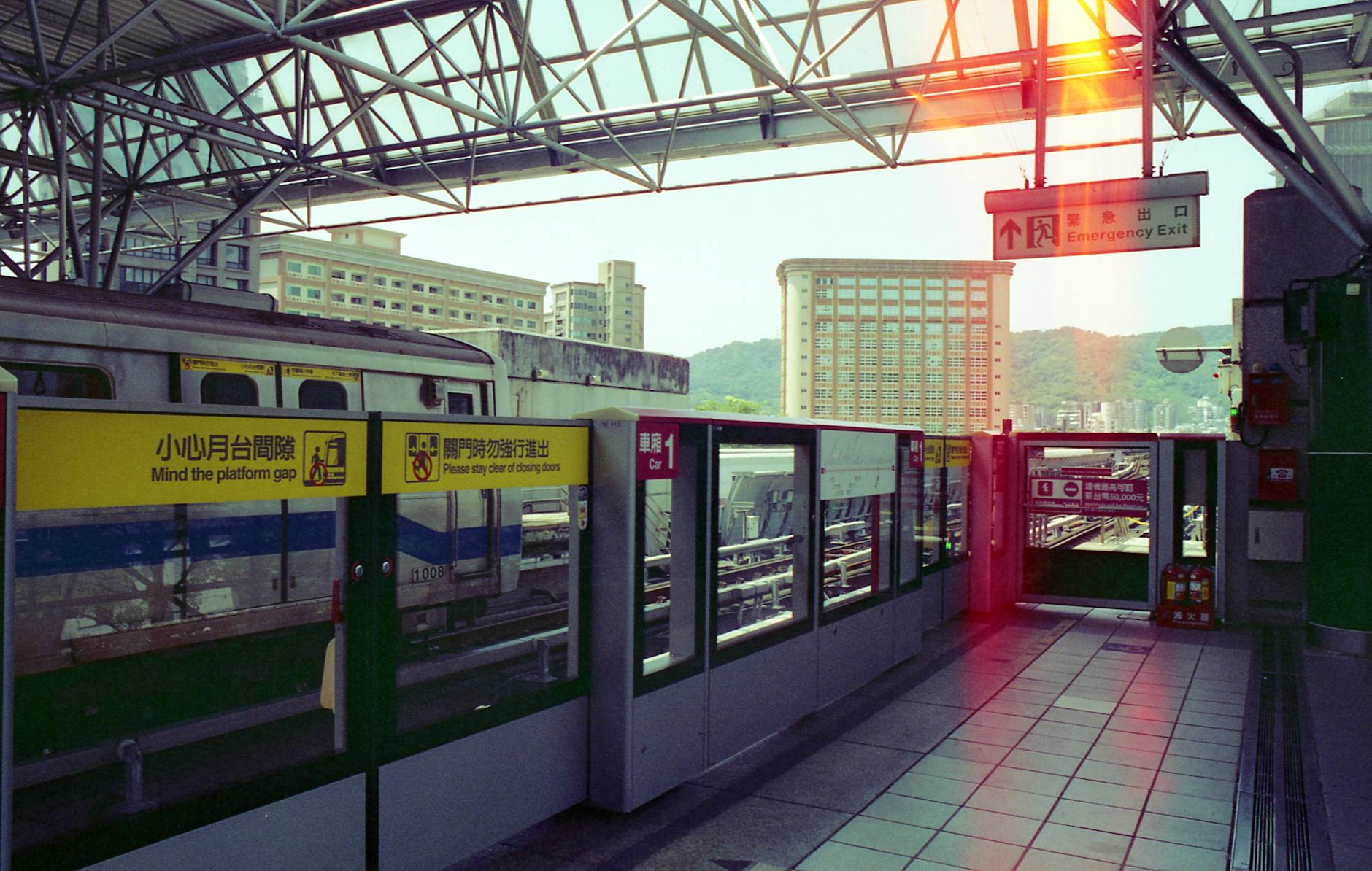
The MRT can make Taipei highly usable for solo travelers. It gives structure to the city and reduces dependence on drivers, but the traveler should still check station exits, transfer walks, last trains, rainy routing, and how the return will feel after dark. A taxi or rideshare may be better when tired, carrying purchases, returning late, or dealing with weather.
The solo traveler should save hotel addresses in Chinese and English, keep phone battery protected, and know when to stop optimizing for cost.
- Use the MRT for structure, but check exits, transfers, last trains, rain exposure, and late returns.
- Use taxis when tired, late, carrying bags, or dealing with poor weather.
- Save hotel addresses and protect phone battery before long solo outings.
Build days around neighborhoods, not lists
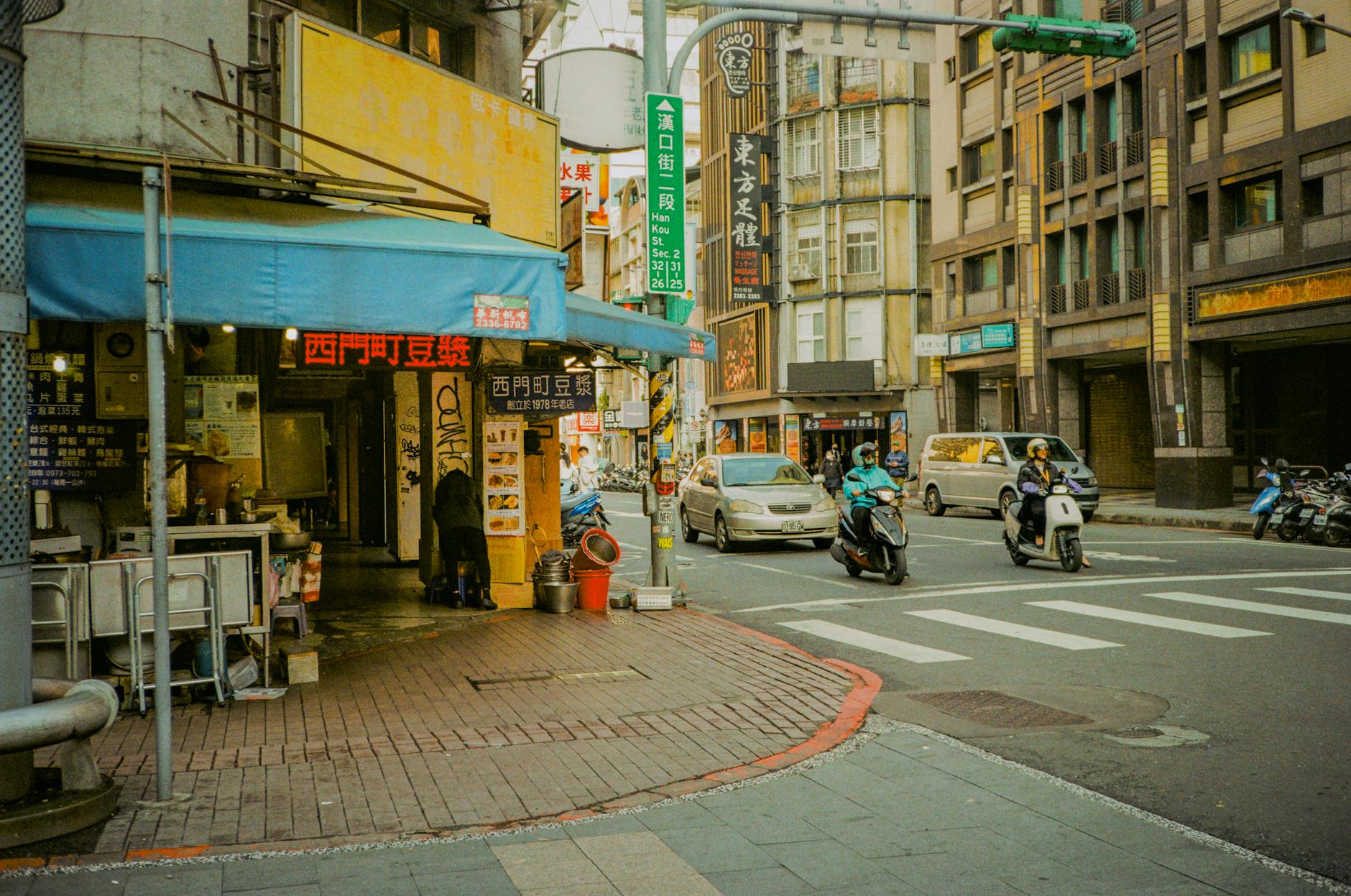
Solo Taipei is strongest when the traveler groups neighborhoods instead of chasing disconnected names. A day can pair a temple, a museum, a cafe, a market, a park, and a simple dinner if the geography is coherent. Daan, Zhongshan, Xinyi, Wanhua, Dihua Street, Yongkang Street, and riverside areas each ask for a different pace.
Solo travelers can move more flexibly than groups, but they can also overfill the day because no one is there to object. The plan should include places to stop.
- Group temples, museums, cafes, markets, parks, and meals by neighborhood.
- Let Daan, Zhongshan, Xinyi, Wanhua, Dihua Street, and Yongkang Street keep distinct rhythms.
- Include reset points so flexibility does not become exhaustion.
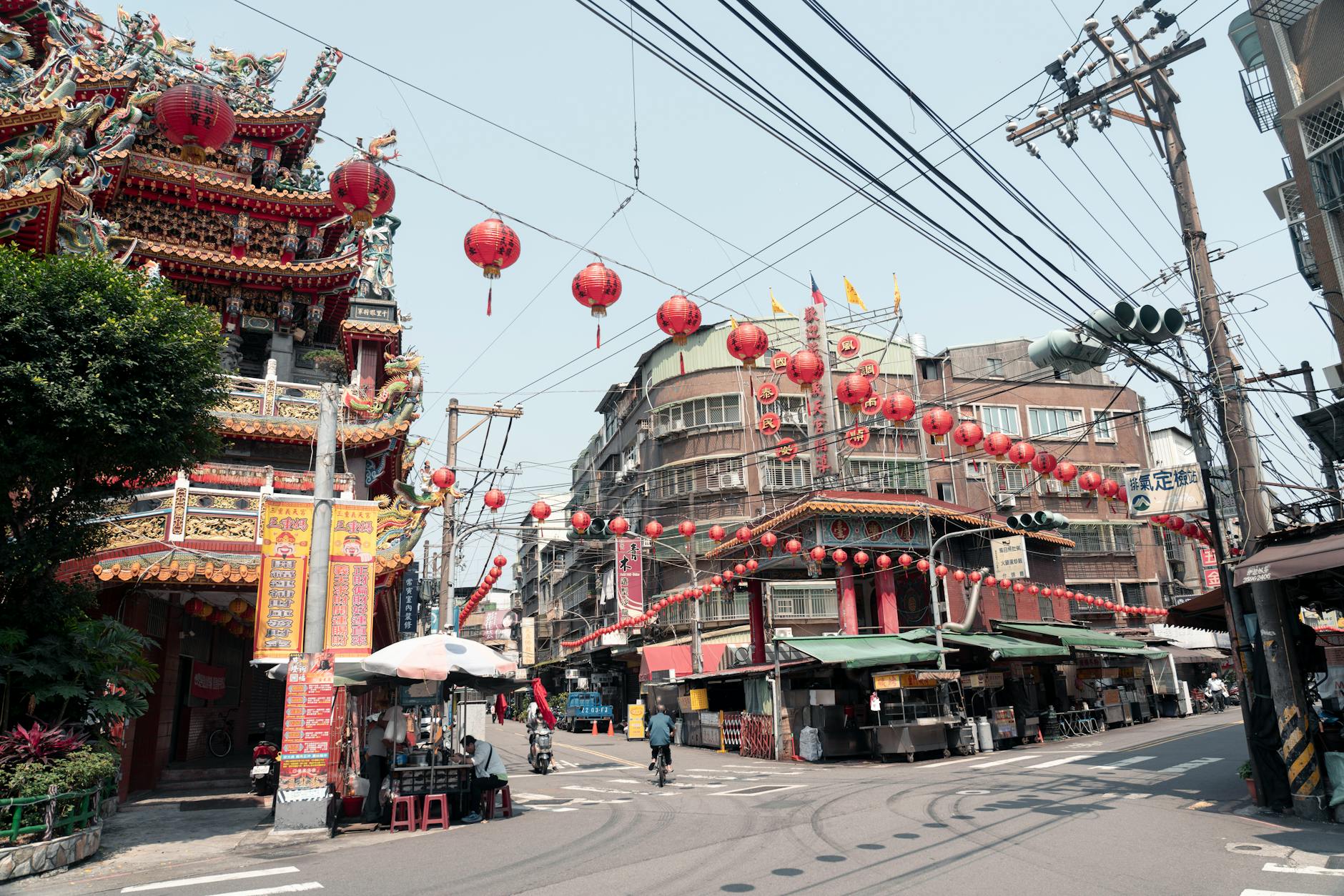
Make solo meals easy before they become awkward
Taipei can be very good for solo meals. Breakfast shops, noodle counters, dumplings, cafes, convenience stores, food courts, tea houses, night markets, and small restaurants all give options, but the traveler should know which meals are quick, which are destination meals, and which are for recovery.
Night markets can work well for a solo traveler because they allow sampling and movement, but crowds, weather, standing meals, and return routes still matter. The best food plan removes hesitation.
- Identify quick meals, destination meals, and recovery meals before each day gets busy.
- Use breakfast shops, counters, cafes, food courts, tea houses, and night markets deliberately.
- Check night-market crowds, weather, comfort, and return route before going late.
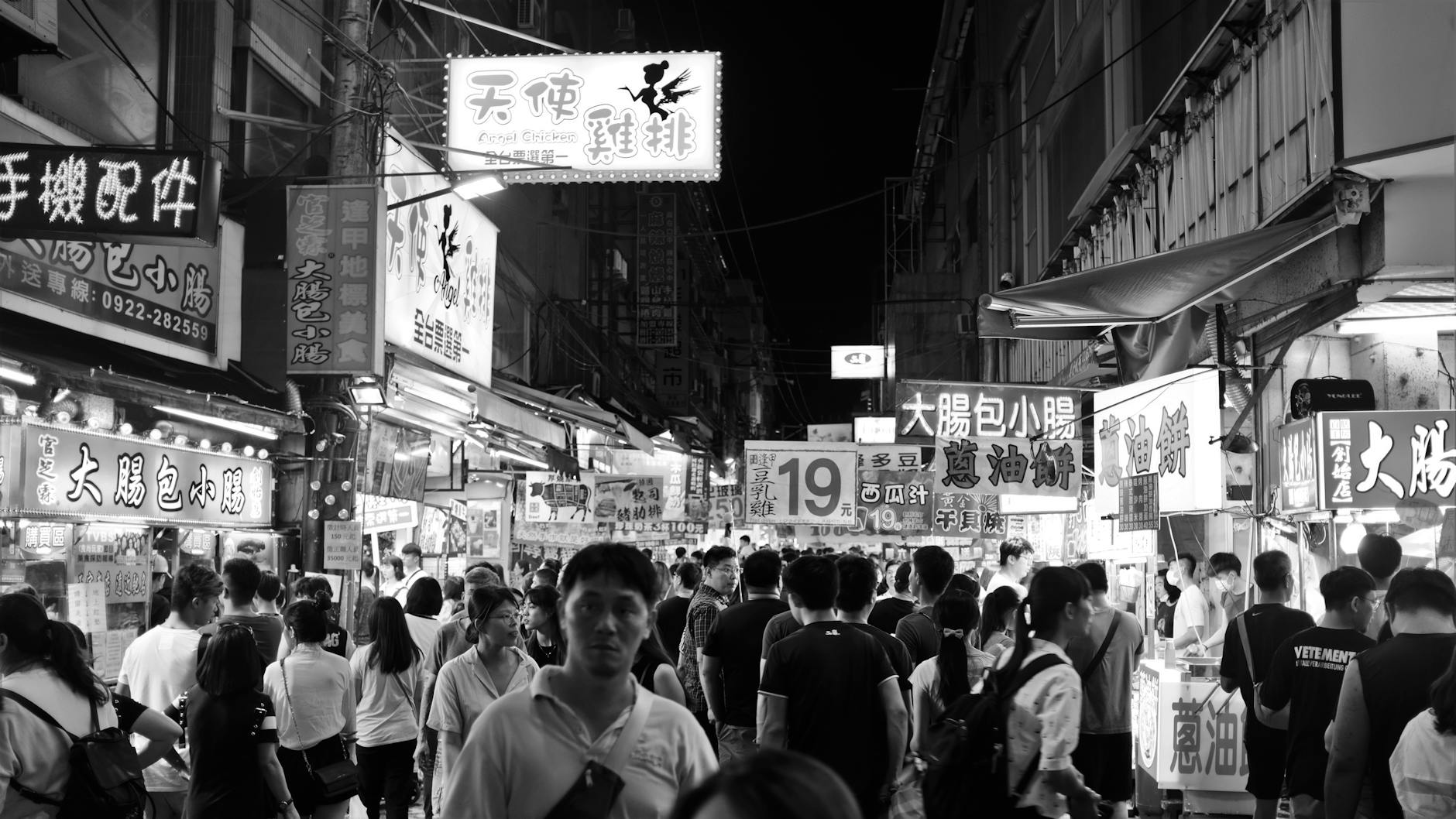
Plan after-dark movement with a sober rhythm
Taipei after dark can be enjoyable for solo travelers, especially around food streets, night markets, riverside areas, hotel bars, and well-lit commercial districts. The traveler should still think about tiredness, rain, phone battery, alcohol, unfamiliar alleys, and how to get back without confusion.
A good evening plan does not need to be anxious. It needs a clear return. Solo travelers should decide before dinner whether the night ends by MRT, taxi, or a short walk.
- Enjoy night markets, food streets, hotel bars, and commercial areas with a clear return plan.
- Account for rain, tiredness, alcohol, phone battery, and unfamiliar side streets.
- Choose the return mode before the evening gets late.
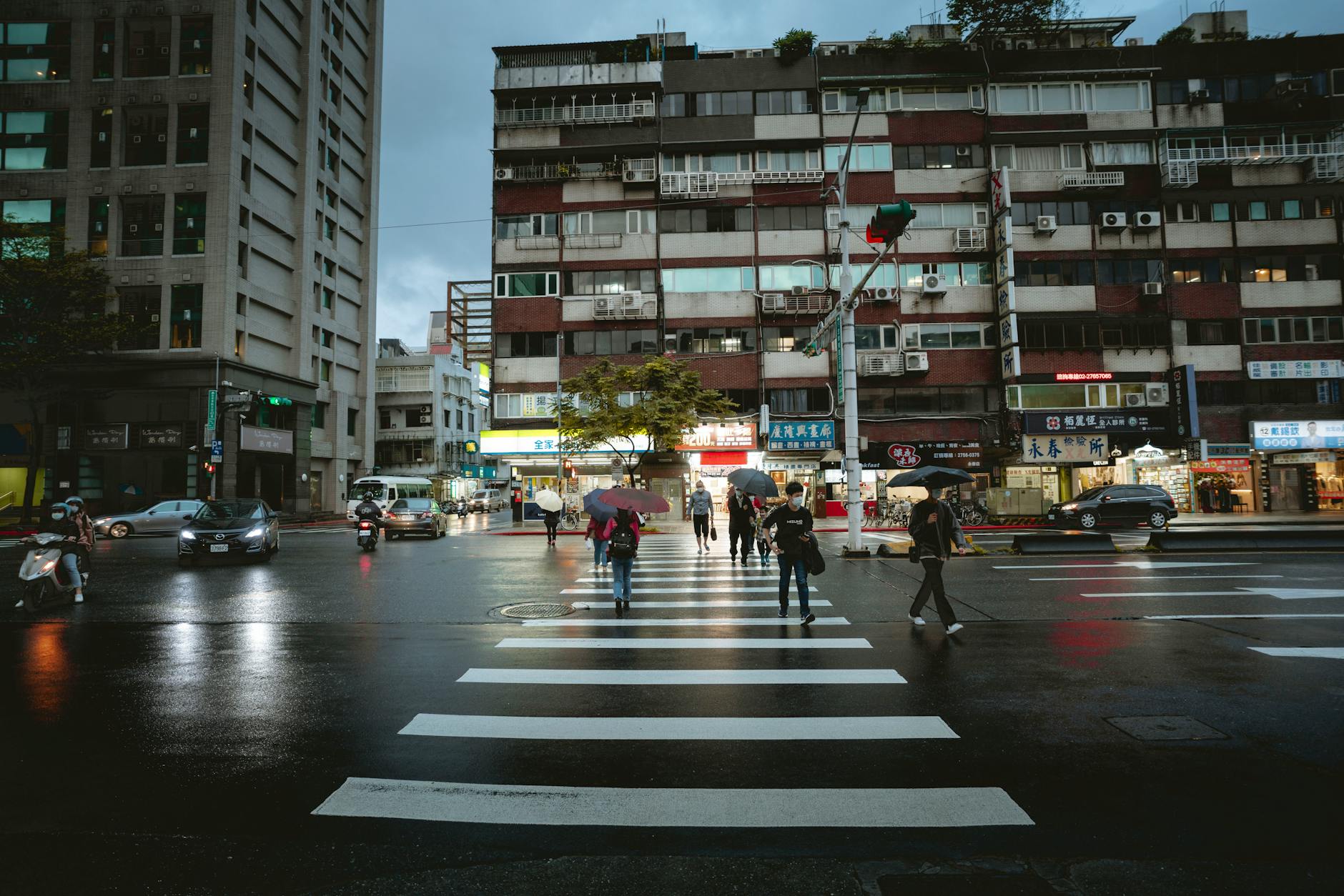
Be selective with solo day trips
Solo travelers may be tempted to add Jiufen, Tamsui, Beitou, Maokong, Yangmingshan, Yehliu, Pingxi, or another excursion because they can move independently. Some of those can be excellent, but a short Taipei stay loses clarity when every day becomes an outbound project.
The traveler should assess transport complexity, weather, crowds, return timing, and whether the trip will still feel good if conditions are imperfect. A solo day trip is easiest when the return is obvious.
- Compare Jiufen, Tamsui, Beitou, Maokong, Yangmingshan, Yehliu, and Pingxi by transport and weather.
- Choose day trips with clear return routes and manageable crowd exposure.
- Keep enough time in Taipei itself for the city to register.
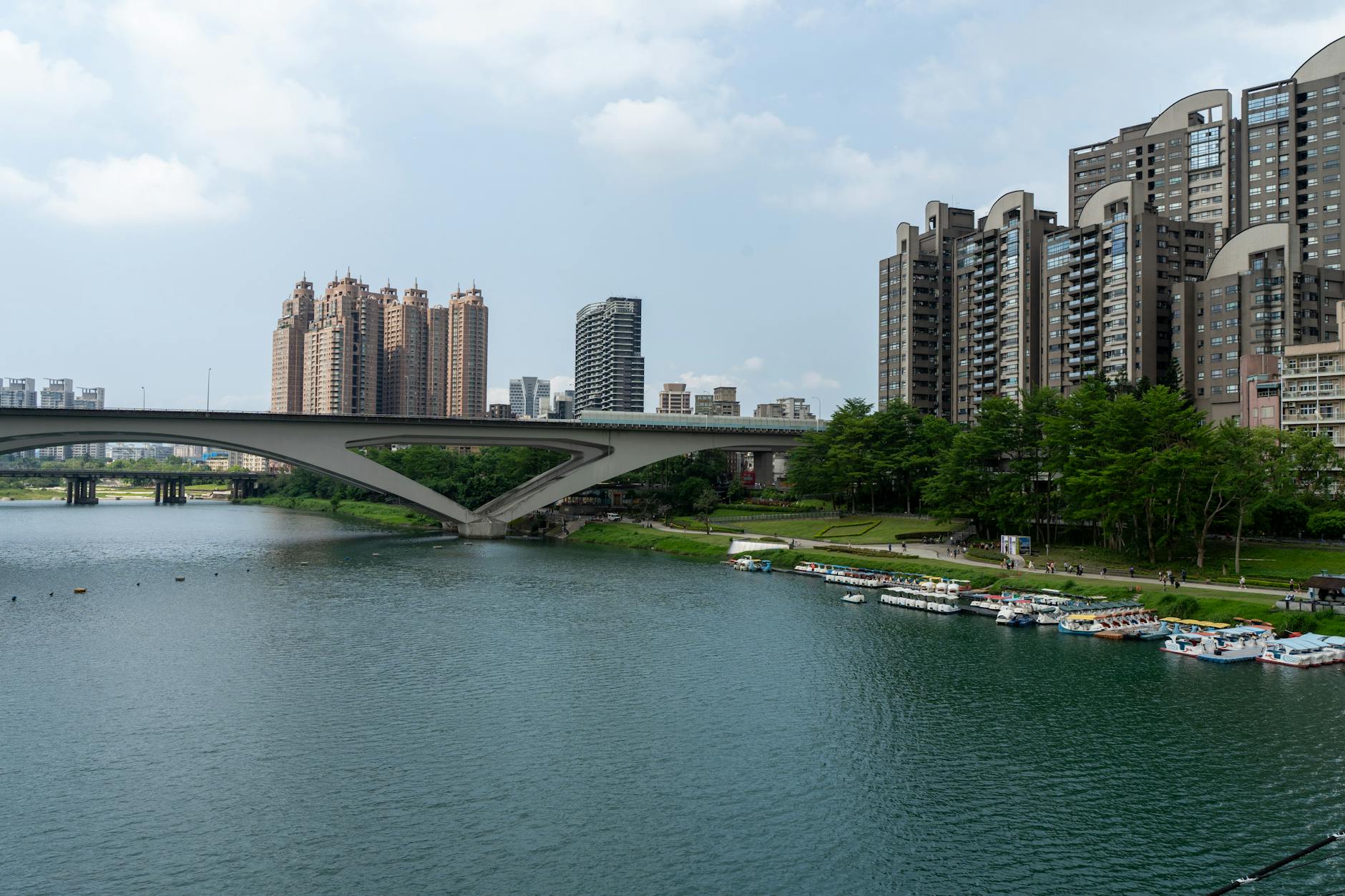
When to order a short-term travel report
A confident solo traveler with flexible time may not need a custom Taipei report. A report becomes useful when the trip is very short, the traveler is new to Taiwan, hotel choice is uncertain, after-dark comfort matters, dietary constraints exist, weather could reshape the plan, or day trips need sorting.
The report should test hotel base, Taoyuan or Songshan arrival, MRT and taxi choices, solo meals, night markets, after-dark movement, temple and neighborhood routes, day trips, weather, payment, language, budget, and what to cut. The value is a solo Taipei stay that feels independent without feeling improvised.
- Order when hotel base, arrival, after-dark movement, meals, weather, or day trips need testing.
- Provide dates, arrival airport, hotel options, comfort concerns, food needs, priorities, and budget.
- Use the report to keep the solo stay confident, flexible, and practical.