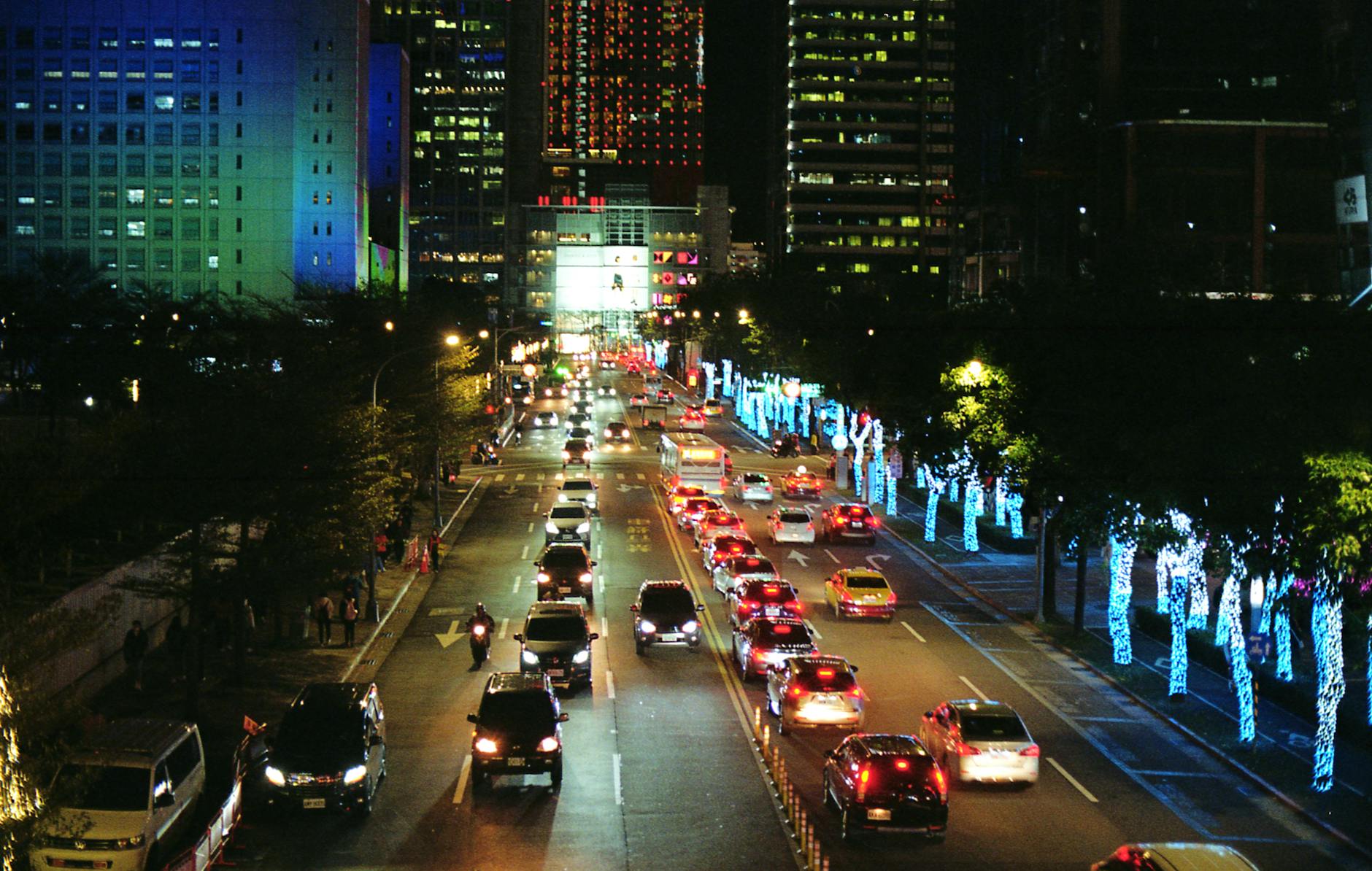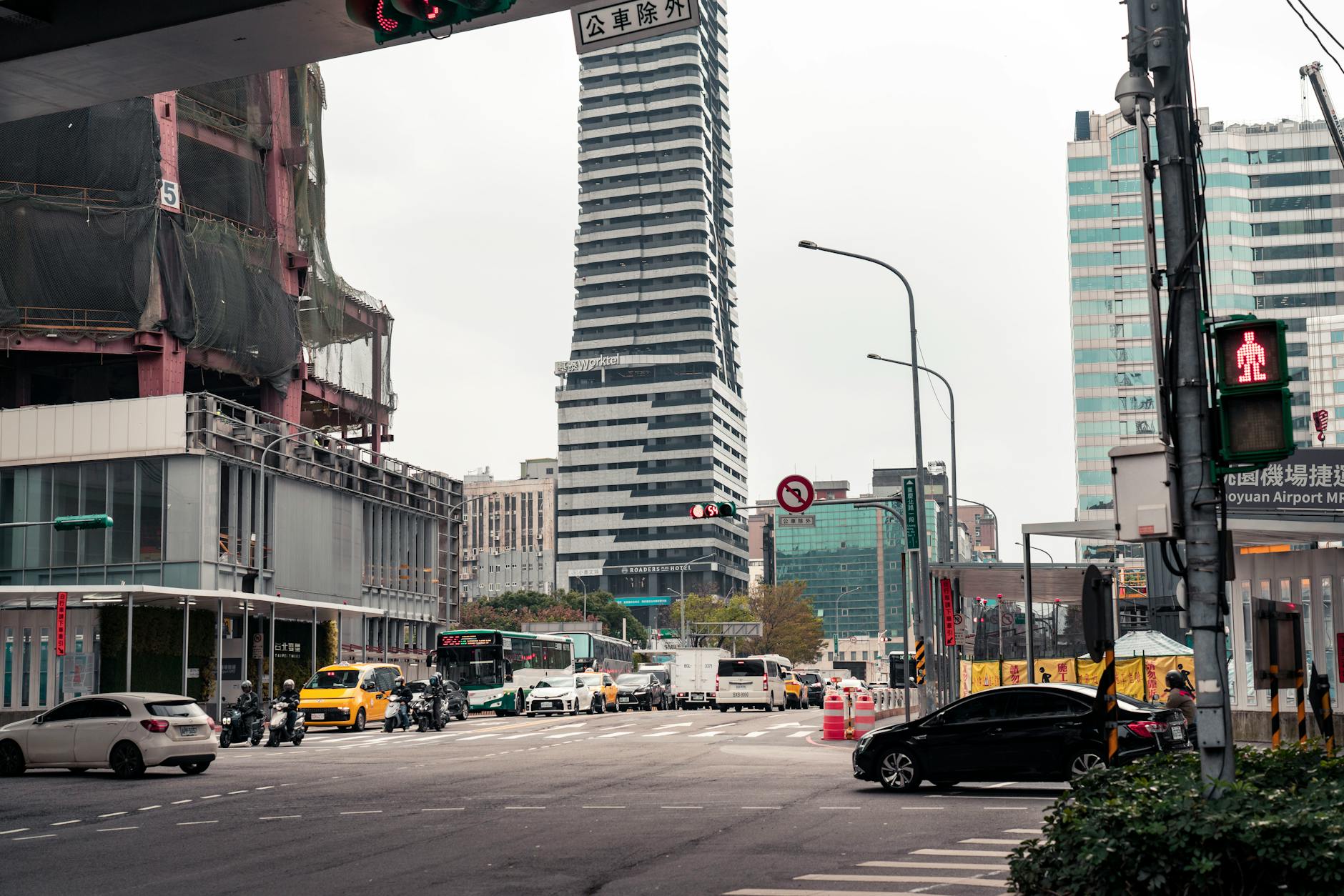
A Taipei sales trip can look simple until the appointments are placed on the map. Client offices, distributor visits, retail checks, hotel meetings, meals, and trade-show side meetings may be spread across Xinyi, Nangang, Neihu, Daan, Zhongshan, Taipei Main Station, or other parts of the city. The sales traveler needs a plan that protects punctuality and makes the commercial conversation easier. The best short Taipei sales itinerary treats movement, samples, meals, and follow-up time as part of the sale. The goal is not only to arrive. It is to arrive prepared, preserve energy, and leave with enough clarity to turn meetings into next steps.
Map the sales territory before choosing a hotel
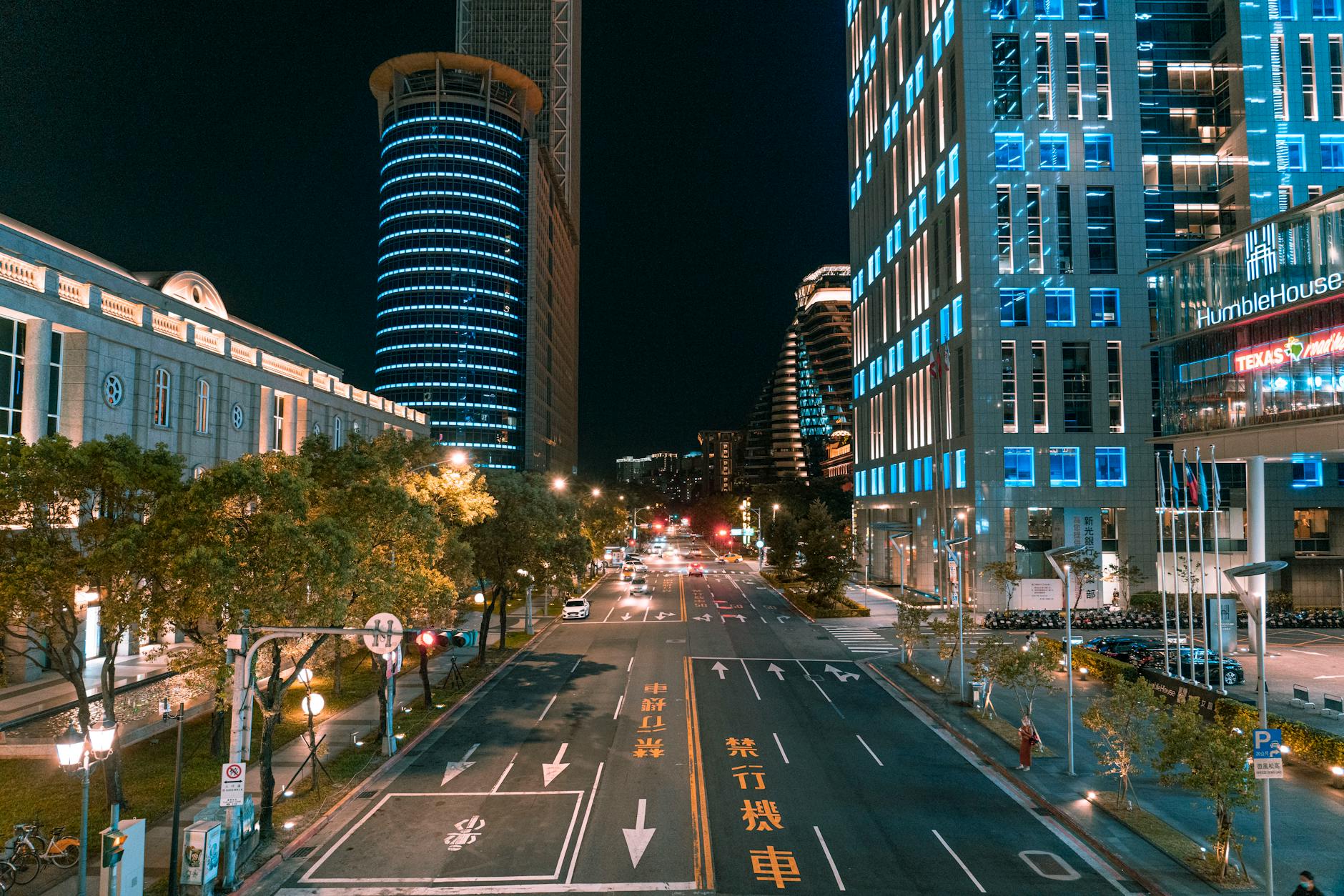
A sales traveler should choose a Taipei base after mapping the actual commercial territory. Xinyi may work for corporate meetings and polished client dinners. Nangang may work for exhibition or technology contacts. Neihu can matter for certain offices. Zhongshan, Daan, and Taipei Main Station may be better when the schedule mixes client visits, meals, and transport links.
The traveler should not rely on a generic central hotel. The right base is the one that keeps the most important appointments reliable and leaves enough room for preparation and follow-up.
- Map client offices, distributor visits, retail checks, dinners, and hotel meeting points.
- Compare Xinyi, Nangang, Neihu, Zhongshan, Daan, and Taipei Main Station by real routes.
- Choose the base that protects the strongest commercial meetings.
Sequence meetings by value and travel risk
Sales schedules can become fragile when meetings are arranged only by who is available. The traveler should sequence high-value prospects when energy is strongest and route risk is lowest. Lower-stakes check-ins, store visits, informal coffees, and internal calls can sit around the main appointments.
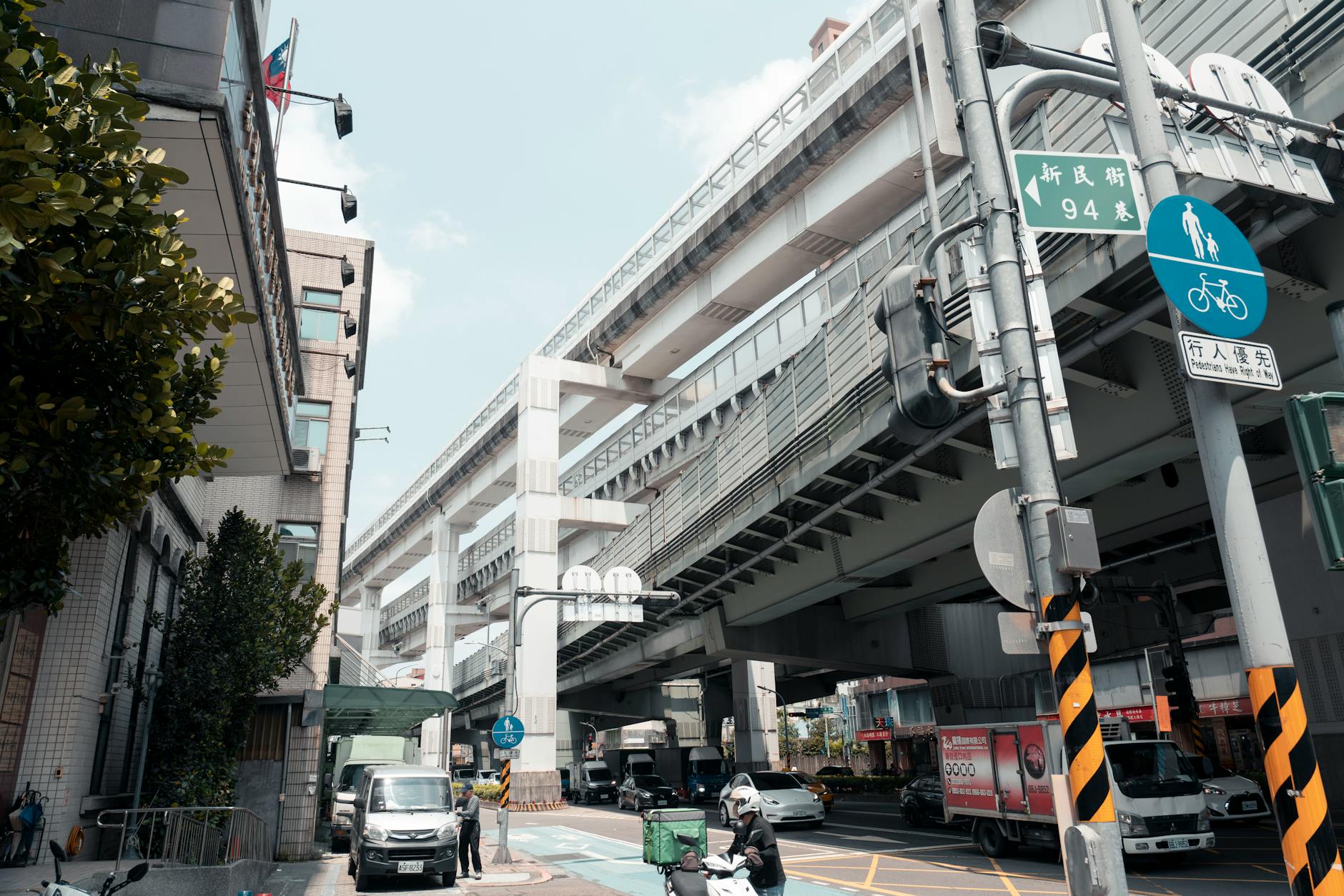
Taipei movement can be efficient, but rain, traffic, station exits, and appointment overruns still matter. A strong sales day should have buffer time between meetings that could run long or turn into a deeper conversation.
- Place high-value prospects when energy, timing, and route certainty are strongest.
- Use lower-stakes calls, coffees, and retail checks around the main appointments.
- Build buffers for rain, traffic, station exits, and meetings that run long.
Plan samples, demos, and printed material
Sales trips often depend on small physical details. Product samples, demo units, chargers, adapters, printed material, QR codes, business cards if useful, price lists, local-language notes, customs documents, and backup files should be organized before arrival. Taipei is not the place to discover that a cable, sample, or presentation file is missing.
The traveler should decide what stays in the hotel, what travels to each meeting, what can be shipped, and what can be recovered digitally. Carrying everything all day can be as damaging as forgetting it.
- Prepare samples, demos, chargers, adapters, QR codes, price lists, notes, and backup files.
- Decide what travels by hand, what ships, what stays at the hotel, and what has a digital fallback.
- Avoid carrying unnecessary material across several Taipei appointments.
Choose MRT or taxi by sales consequence
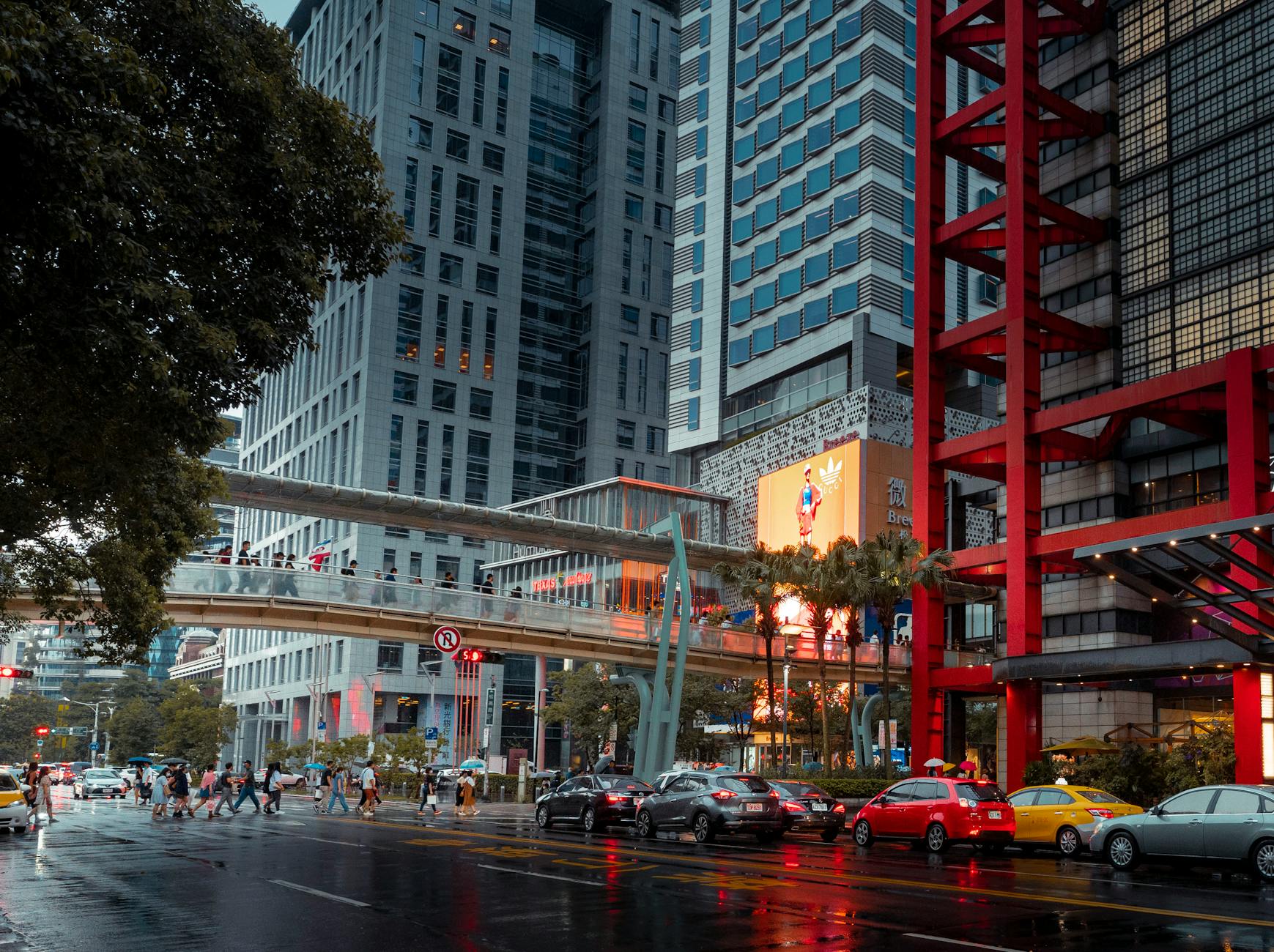
The MRT can be a strong tool for a Taipei sales traveler when the route is direct and the station exit is known. Taxis are often better for samples, formal arrival, rain, late dinners, or high-consequence meetings. The choice should be made by the value of the appointment, not by habit or a blanket cost rule.
The traveler should know building entrances, taxi pickup points, address text, payment backup, and how much time the final block may take. A short-looking transfer can still hurt the meeting if it leaves the traveler rushed.
- Use MRT for direct, predictable routes with known station exits.
- Use taxis for samples, formal arrival, rain, late dinners, and high-value appointments.
- Confirm building entrances, pickup points, address text, payment backup, and final-block timing.
Use meals for relationship building without losing control
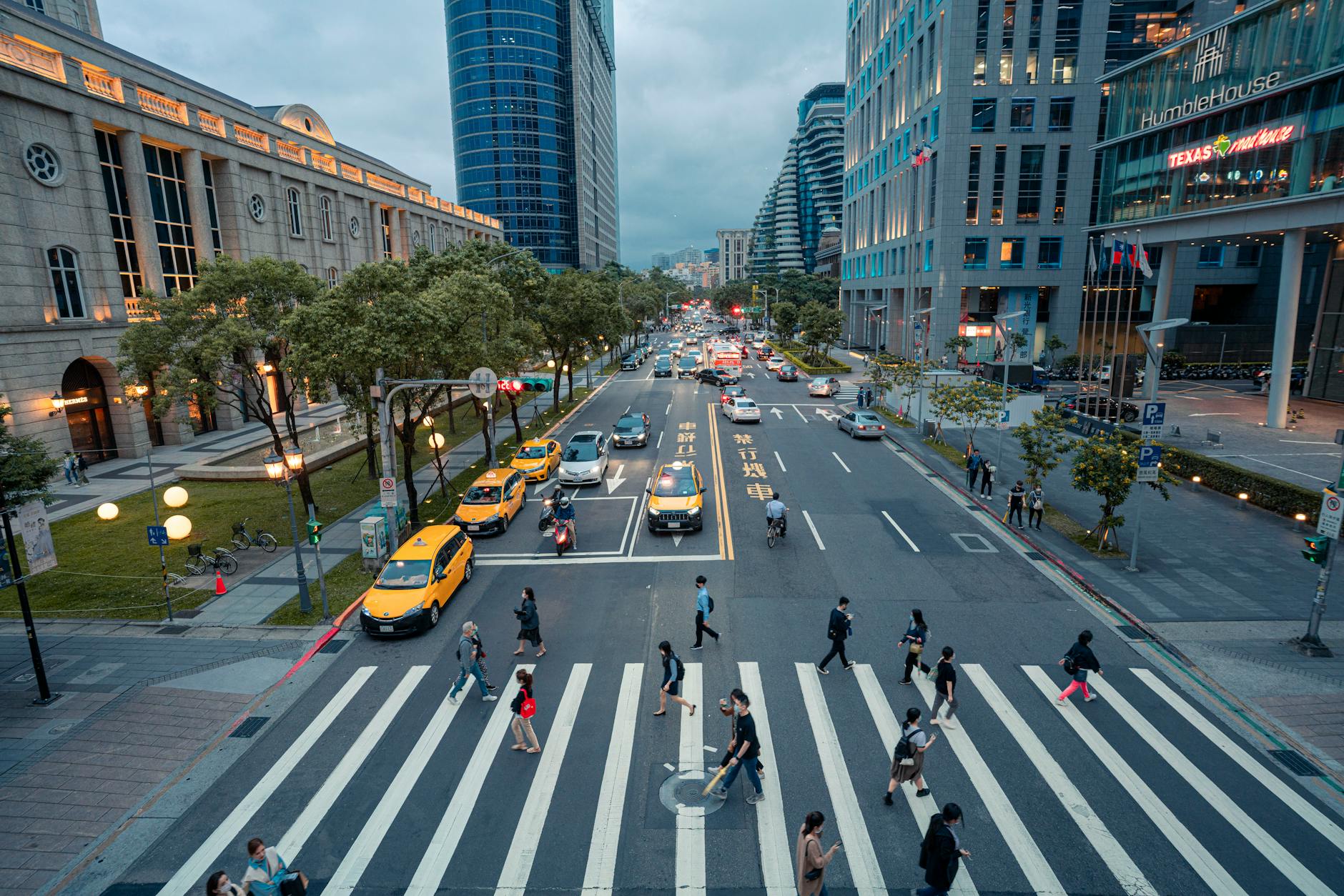
Taipei meals can carry serious sales value. Client dinners, distributor lunches, quick solo meals, hotel breakfasts, and late convenience meals all solve different problems. The traveler should choose restaurants by relationship goal, noise level, seating, dietary fit, location, reservation reliability, and return route.
The meal plan should not depend on finding the perfect place while hungry or under time pressure. A practical meal near the next meeting can be better than a famous recommendation that forces an awkward detour.
- Separate client dinners, distributor lunches, quick solo meals, breakfasts, and late backups.
- Check relationship goal, noise, seating, dietary fit, reservations, location, and return route.
- Use meals to support the sales conversation instead of adding avoidable movement.
Protect follow-up time and recovery
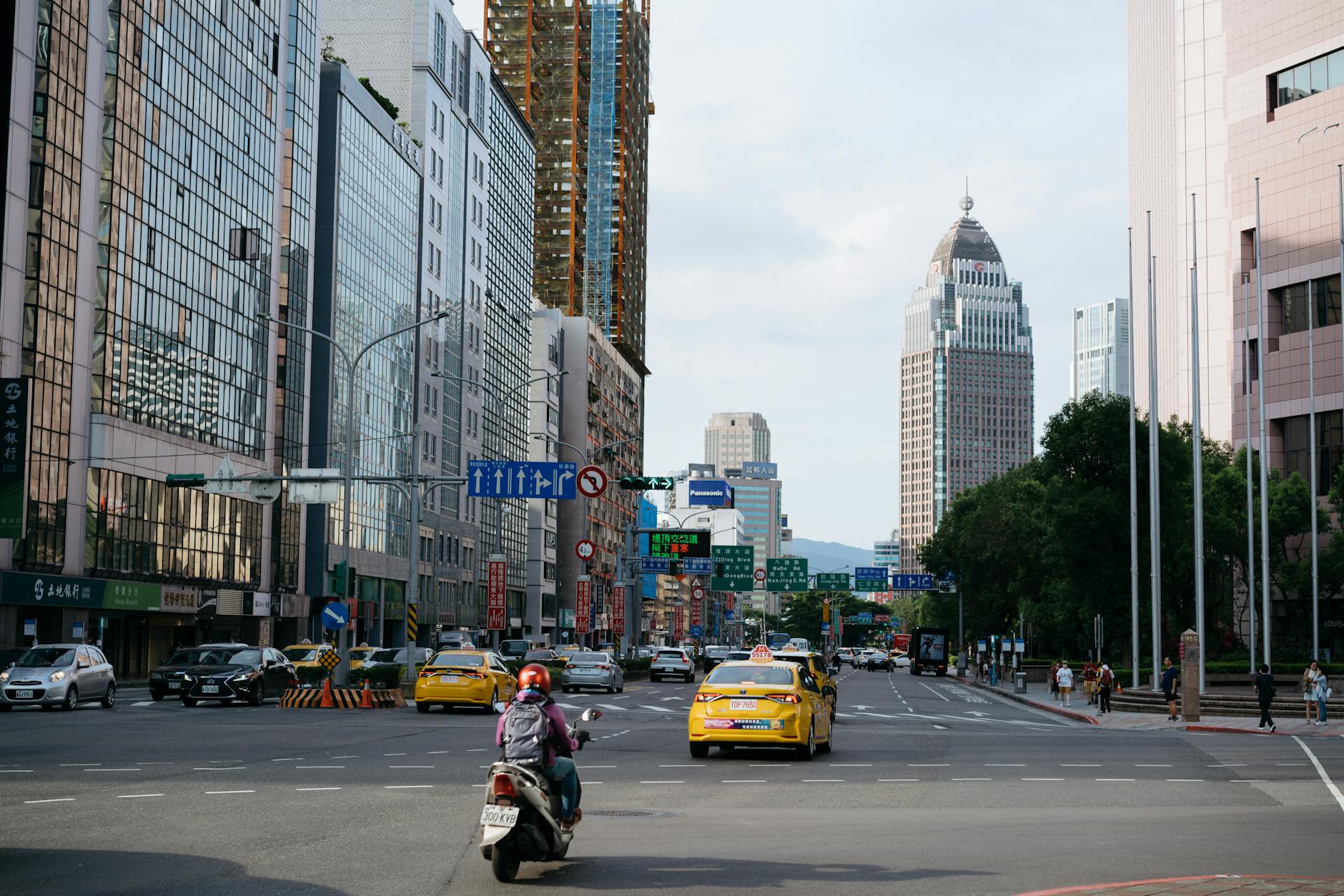
A sales trip is not finished when the meeting ends. Notes, pricing changes, follow-up emails, CRM updates, sample tracking, expense records, and internal debriefs should have real time on the calendar. If every evening becomes a dinner or networking event, the traveler may lose the details that make the trip useful.
Taipei weather and jet lag can also affect performance. Umbrella, spare shirt, battery, water, comfortable shoes, and sleep matter because sales work depends on tone and memory as much as movement.
- Schedule time for notes, pricing, follow-up emails, CRM updates, samples, and expenses.
- Account for rain, humidity, jet lag, long dinners, and tired feet.
- Carry umbrella, spare shirt, water, charger, and payment backup.
When to order a short-term travel report
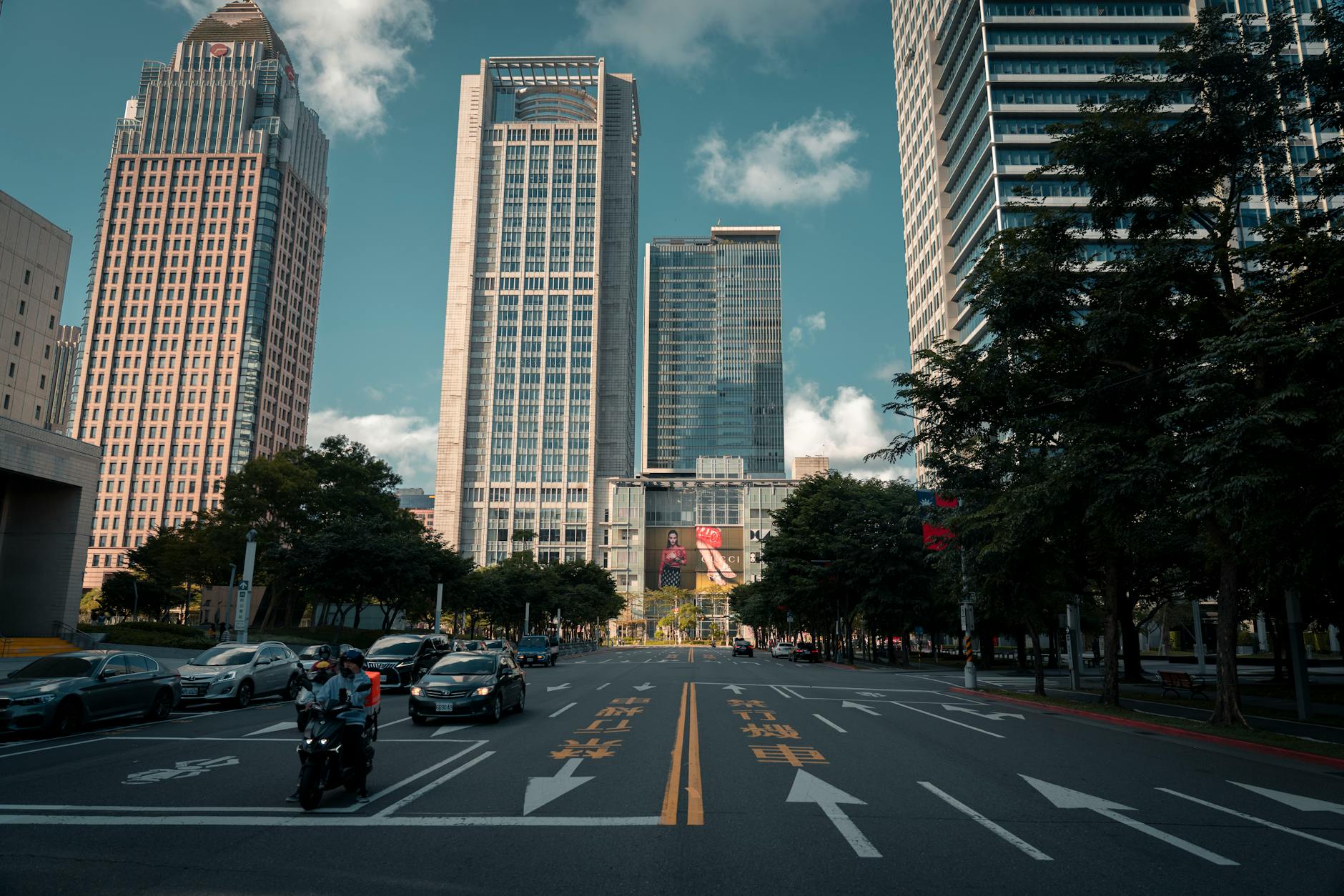
A sales traveler with one hosted client site and a simple hotel may not need a custom Taipei report. A report becomes useful when appointments are split across districts, samples or demos matter, hotel choice is unclear, meals carry relationship value, weather could disrupt movement, or the traveler needs to protect follow-up time.
The report should test client geography, hotel fit, Taoyuan or Songshan arrival, MRT and taxi routes, sales materials, meals, weather, recovery, follow-up blocks, budget, and what to cut. The value is a Taipei sales trip that stays commercial rather than chaotic.
- Order when client geography, hotel choice, samples, meetings, meals, weather, or follow-up needs testing.
- Provide dates, client sites, appointment times, hotel options, materials, constraints, and budget.
- Use the report to make the sales trip punctual, persuasive, and easier to close out.