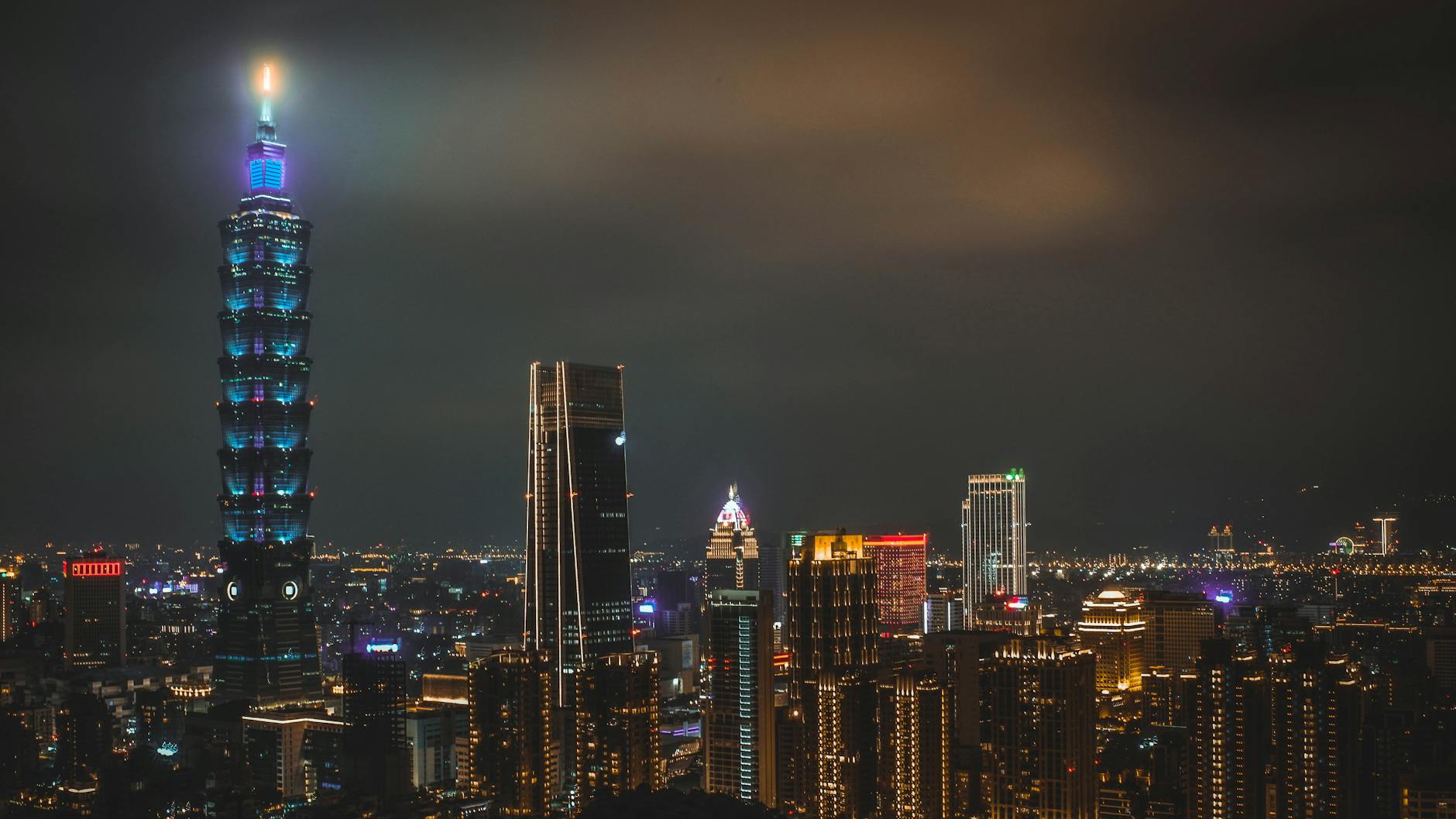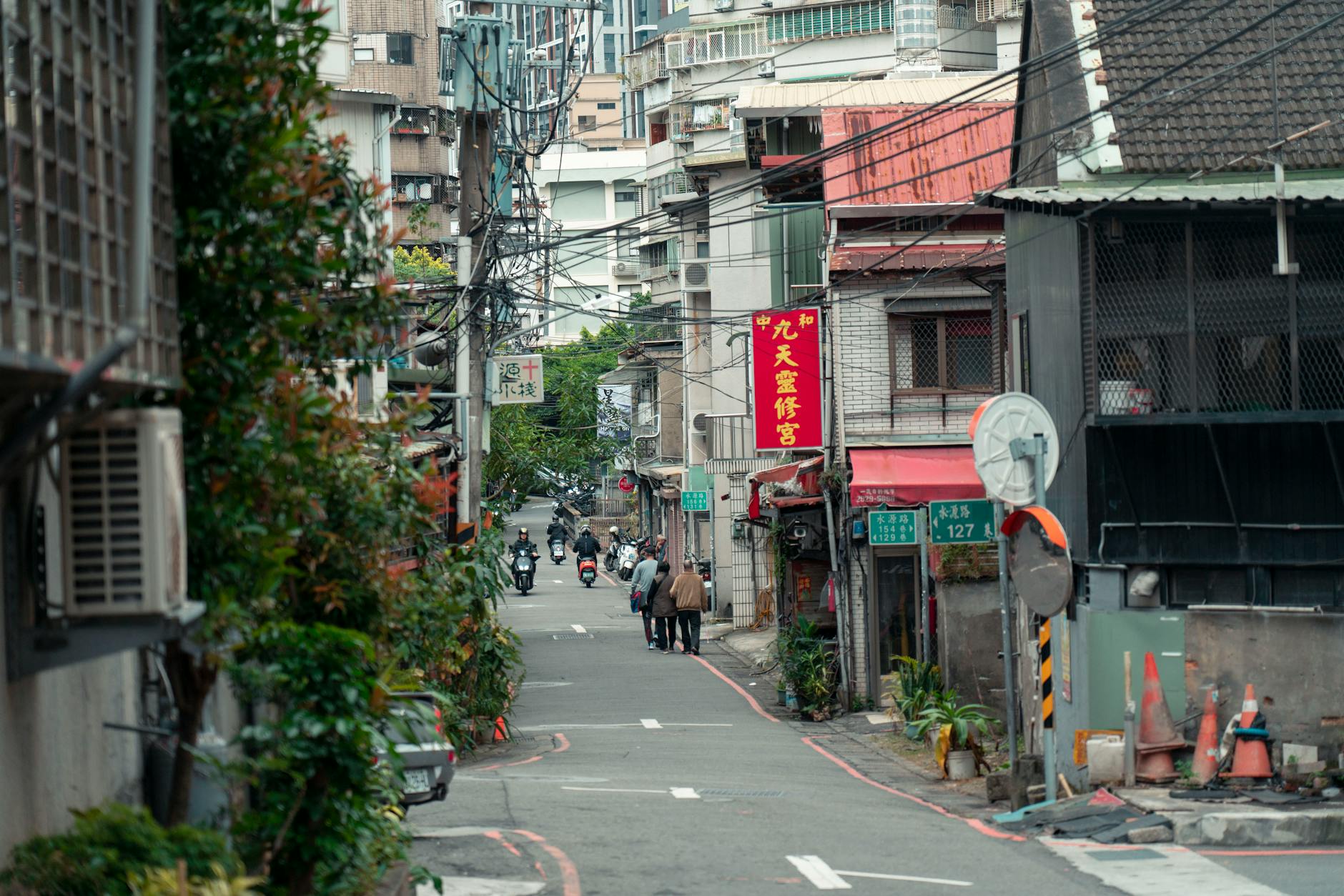
A repeat leisure visit to Taipei should not simply replay the first trip with a different restaurant list. Once Taipei 101, a major temple, a night market, and the basic MRT rhythm are familiar, the return stay can focus on slower neighborhoods, food depth, tea, parks, museums, day trips, and seasonal timing. The risk is assuming familiarity removes the need for planning. The repeat visitor usually gets the best result by choosing a new operating base or a narrower theme. Taipei becomes richer when the traveler stops chasing proof of arrival and starts designing a stay around what they actually want this time.
Do not let the first trip choose the second
Repeat visitors should decide what deserves to change. Staying in Xinyi again may be right if the traveler wants polish and skyline convenience, but a return trip may be better from Daan, Zhongshan, Songshan, Wanhua, or another base with a different rhythm. The hotel should support the new trip rather than preserve the old one.
The visitor should name the theme: food, tea, neighborhoods, museums, hot springs, shopping, parks, photography, or a slower social visit. That theme should guide lodging and routing.
- Decide whether to change the base, pace, theme, or season from the first visit.
- Compare Xinyi, Daan, Zhongshan, Songshan, Wanhua, and Taipei Main Station by the new trip's purpose.
- Let the return theme guide the hotel and route choices.
Go deeper on food and neighborhood rhythm
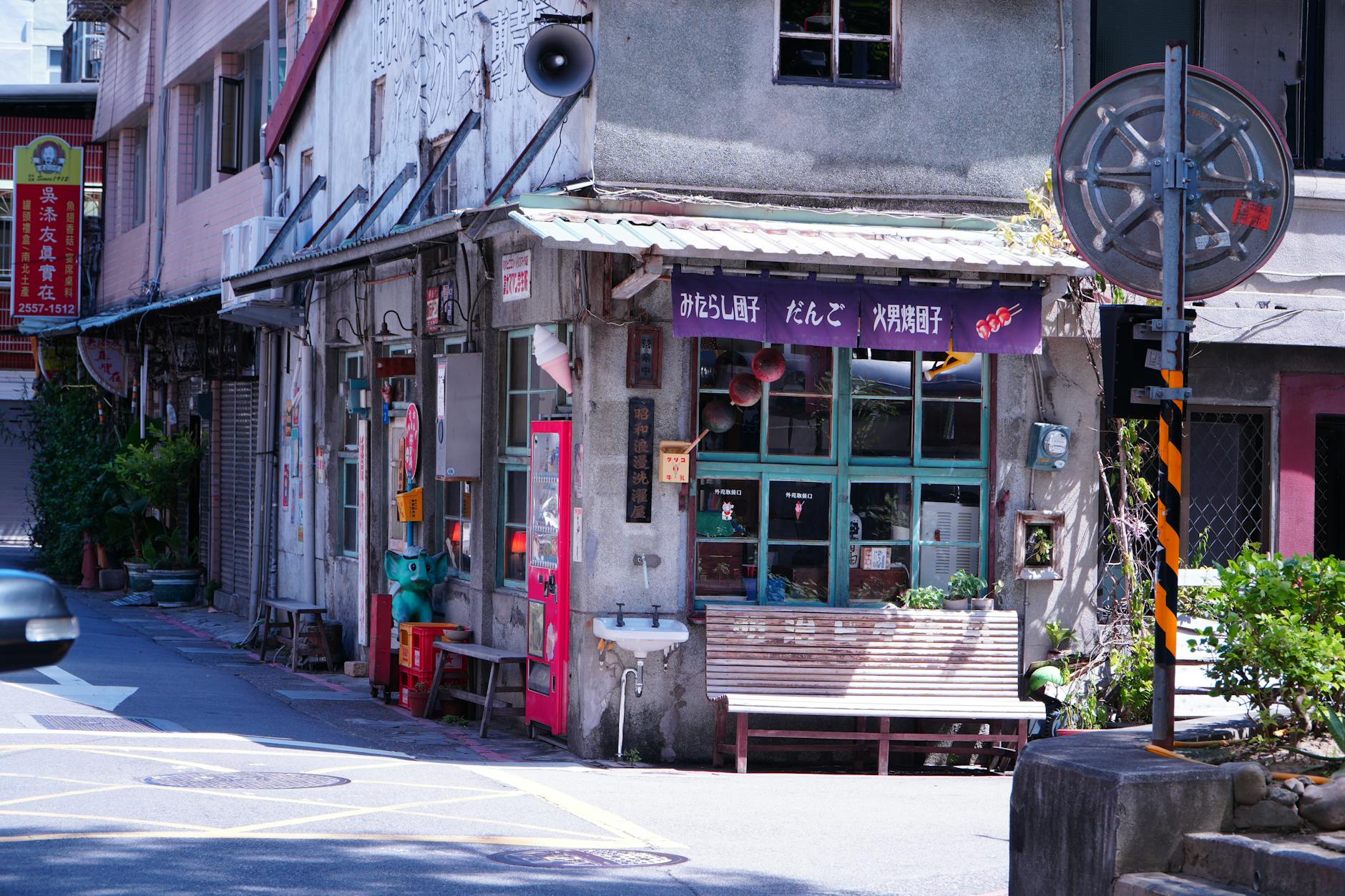
A repeat leisure visitor can move past the obvious night-market checklist. Yongkang Street, Dihua Street, Zhongshan cafes, breakfast shops, tea houses, bakeries, food courts, neighborhood restaurants, and quieter markets can make the trip feel more specific. The point is not to find secret Taipei. It is to stop using the same first-trip template.
Food should support the neighborhood route. A strong repeat day might include one planned meal, one loose cafe or tea stop, and one easy dinner near the hotel.
- Use food to explore Yongkang Street, Dihua Street, Zhongshan, breakfast shops, tea houses, and local markets.
- Plan one serious meal and leave room for flexible neighborhood finds.
- Avoid rebuilding the same first-trip night-market route unless it still fits.
Use tea, museums, and slower anchors
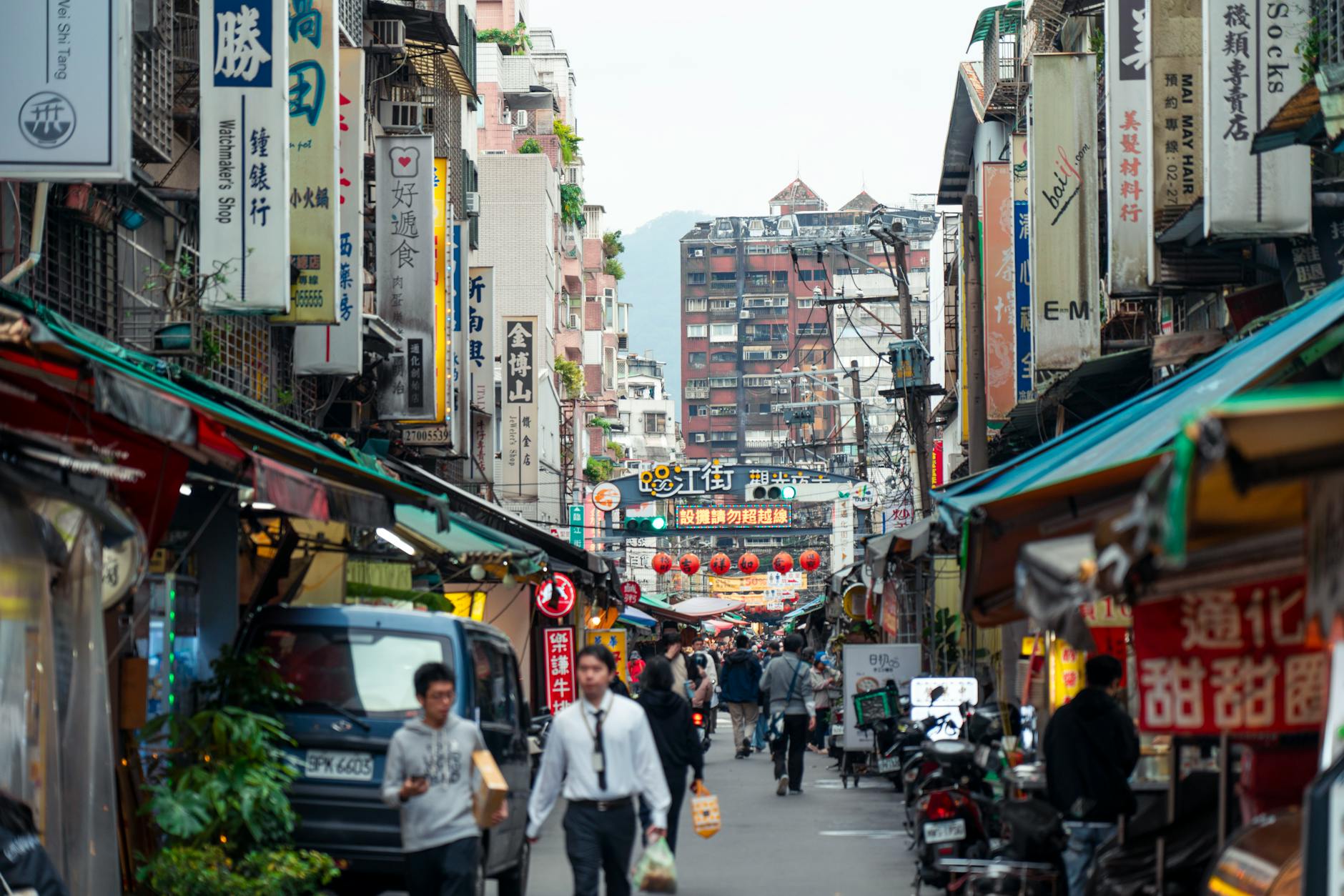
Repeat visits are a good time to give slower Taipei more room. Tea, smaller museums, bookstores, design shops, hot springs, parks, riverside walks, and temple neighborhoods can be the main experience rather than filler between famous sights. The itinerary should allow time for these places to work.
The visitor should also think about season. A humid summer return, rainy spell, or typhoon-season trip needs different pacing than a cooler visit.
- Treat tea, museums, bookstores, design shops, hot springs, parks, and temple neighborhoods as main anchors.
- Leave enough time for slower places instead of using them as filler.
- Adjust pacing for humidity, rain, and seasonal conditions.
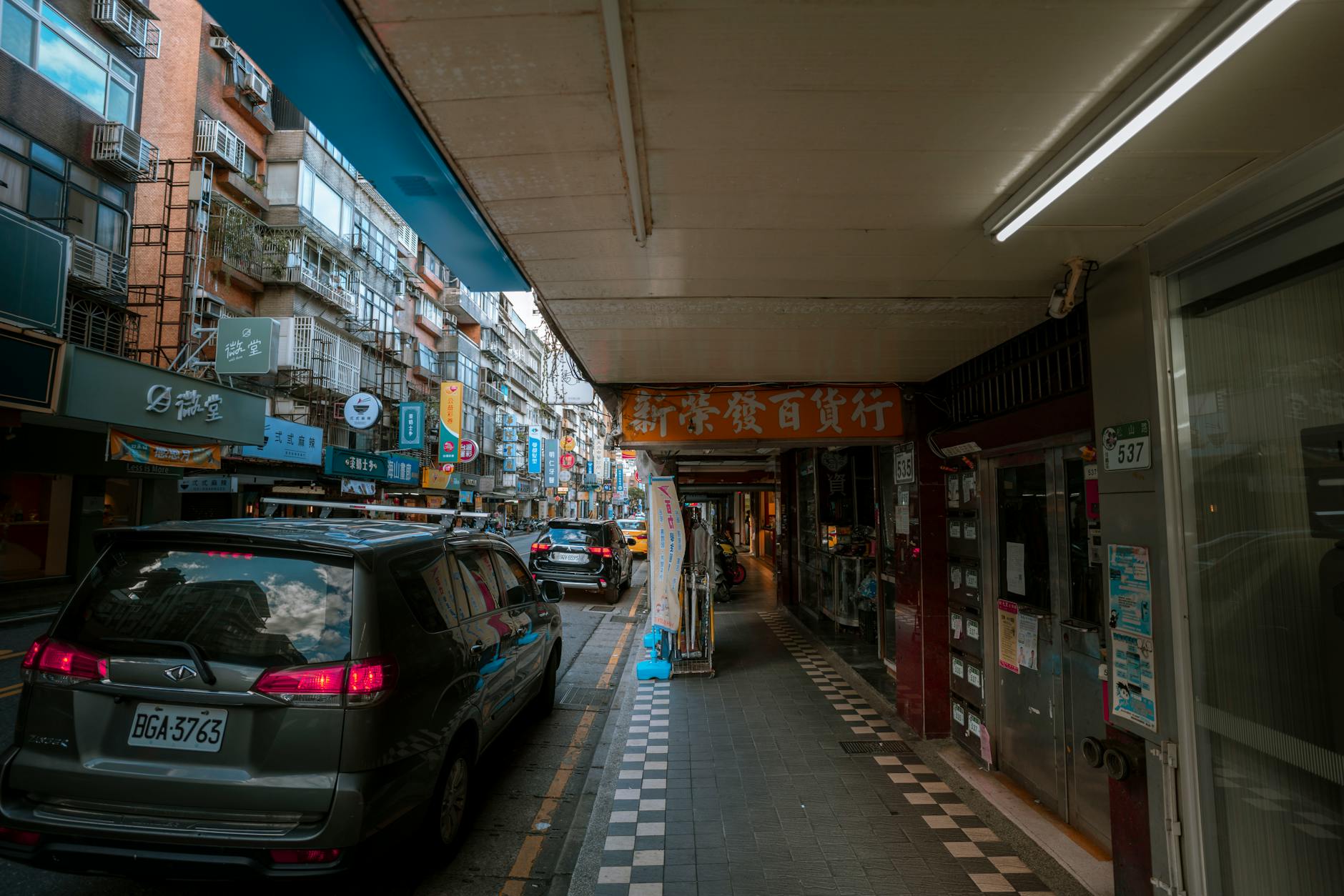
Use MRT familiarity without getting lazy
A repeat visitor may know the MRT well enough to move confidently, but confidence can become careless planning. Station exits, transfer time, weather exposure, last trains, crowding, and taxi fallback still matter. A return trip often includes more niche routes, which can be less forgiving than the obvious tourist corridors.
The traveler should plan the hard segments and leave the easy segments flexible. That keeps the trip relaxed without making it sloppy.
- Check exits, transfers, weather exposure, last trains, crowding, and taxi fallback for less familiar routes.
- Plan hard route segments and leave easy segments flexible.
- Use familiarity to reduce stress, not to ignore logistics.
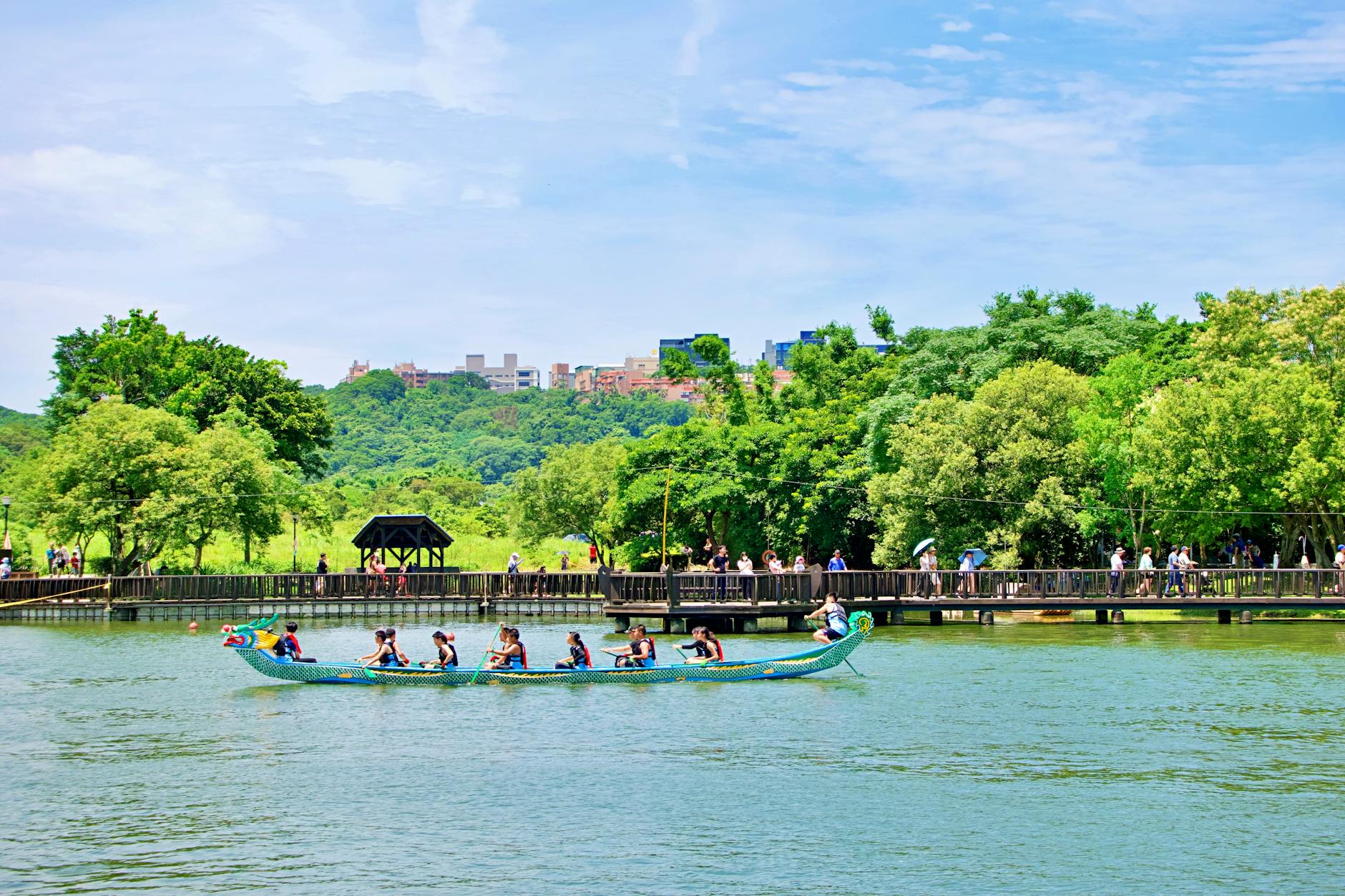
Choose day trips more selectively
Repeat visitors often have stronger reasons to leave the city for Beitou, Tamsui, Jiufen, Maokong, Yangmingshan, Yehliu, Pingxi, New Taipei, or another northern Taiwan route. That can be a good use of the return visit, but it should still be judged by weather, crowds, transport, and return energy.
A good repeat itinerary usually chooses one or two outside-city moves and protects time for Taipei itself. Too many day trips can make the return stay feel shallow.
- Choose day trips by weather, crowds, transit, return energy, and how much Taipei time remains.
- Consider Beitou, Tamsui, Jiufen, Maokong, Yangmingshan, Yehliu, Pingxi, or New Taipei selectively.
- Protect enough time for deeper city neighborhoods.
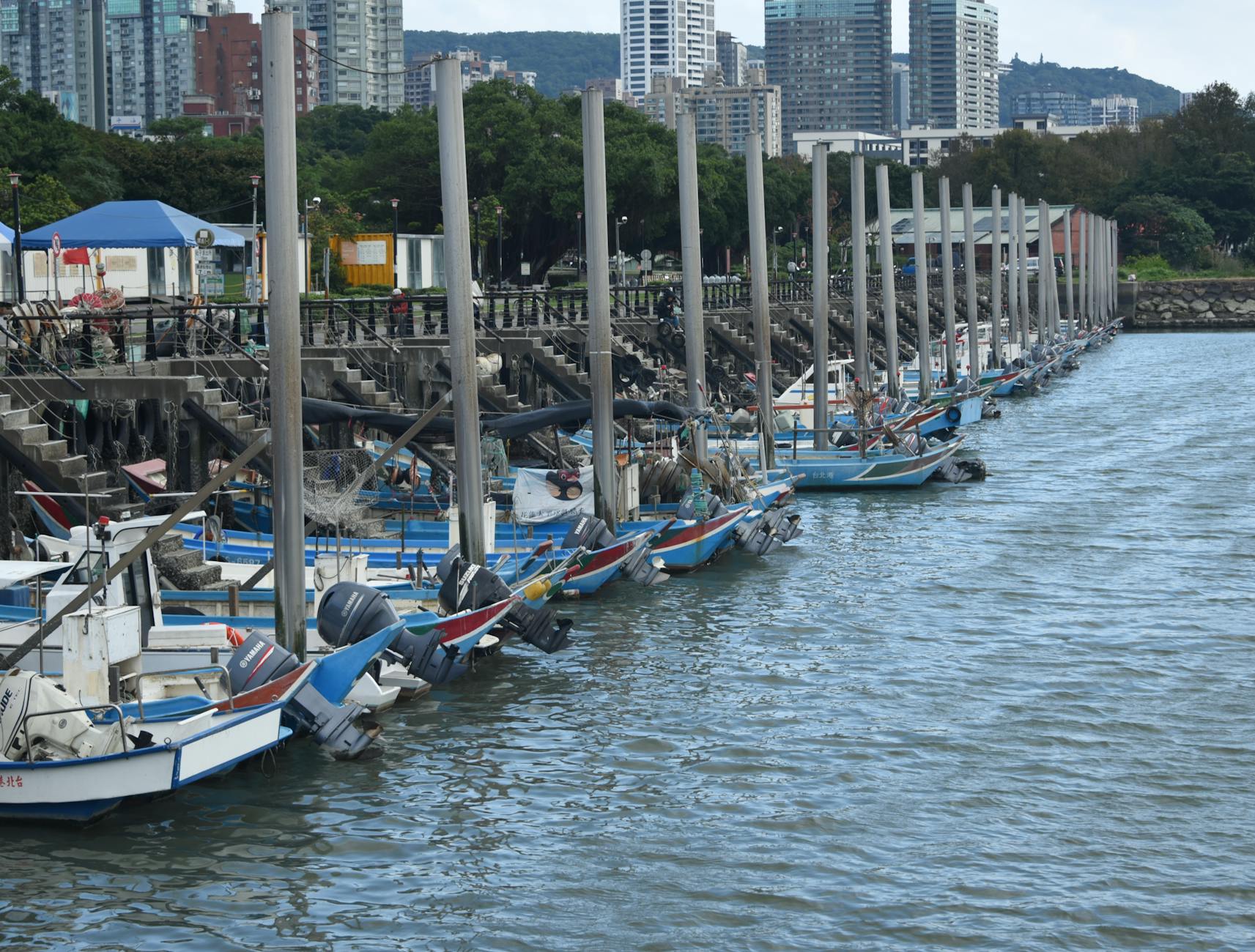
Leave room for weather and mood
A repeat visitor has the advantage of not needing to prove the basics, so the schedule should leave more room for weather and mood. Rain, humidity, heat, wet pavement, and cold interiors can all change what feels enjoyable. The traveler can build alternate indoor and outdoor versions of the same day.
This is where a repeat trip can become better than the first. Flexibility is useful only when the traveler has good backup options.
- Use repeat familiarity to build flexible indoor and outdoor versions of the day.
- Plan around rain, heat, humidity, wet pavement, and cold interiors.
- Keep backup options specific enough to use without research fatigue.
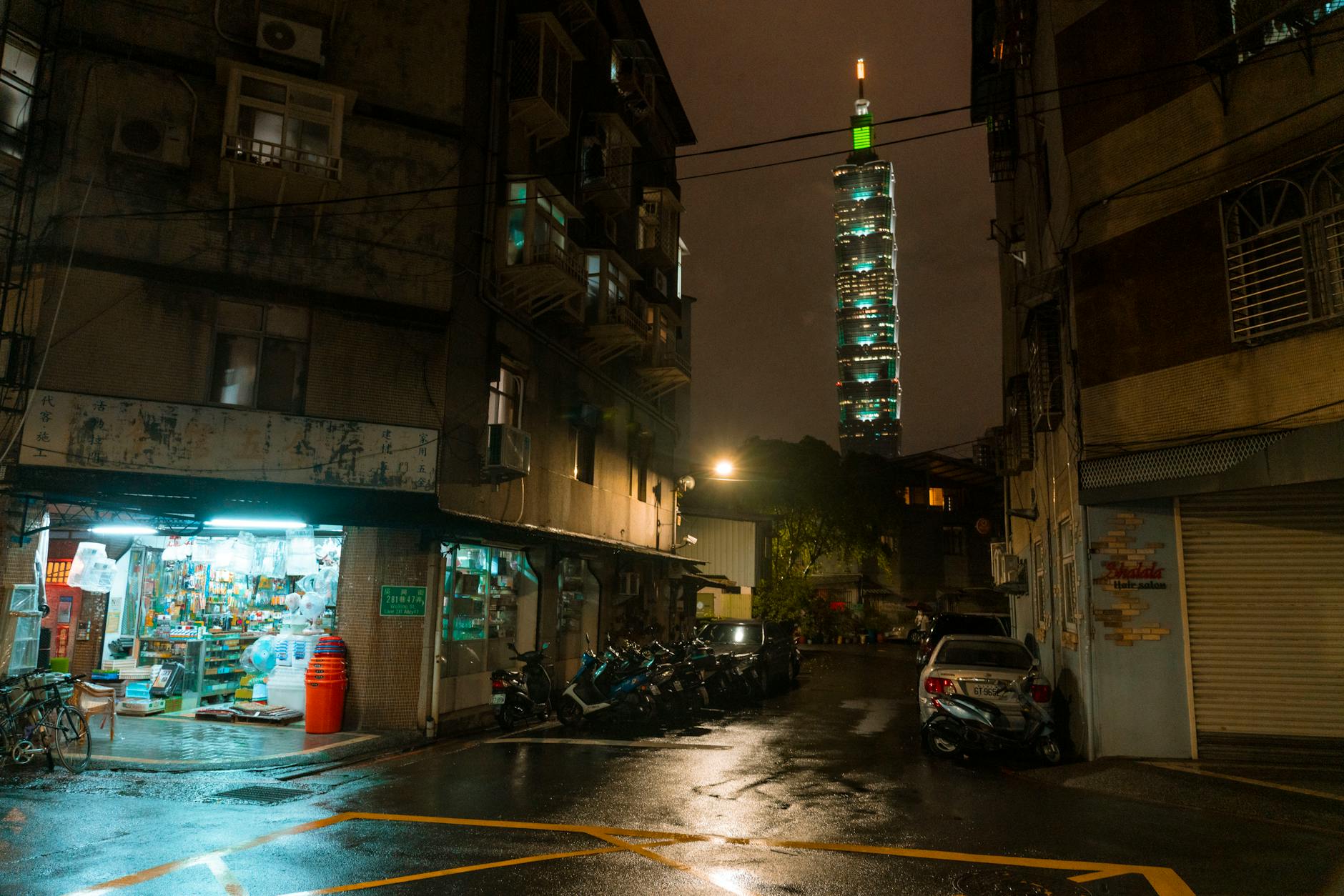
When to order a short-term travel report
A repeat visitor who already knows exactly what they want may not need a custom Taipei report. A report becomes useful when the traveler wants a different base, deeper food planning, a seasonal plan, day trips, medical or mobility accommodation, or a more specific theme than a public guide can provide.
The report should test hotel base, new neighborhoods, food and tea priorities, MRT and taxi routes, day trips, weather, seasonal timing, budget, and what to skip because the traveler has already done it. The value is a return stay that feels deliberate rather than repetitive.
- Order when a new base, deeper neighborhoods, food, tea, weather, or day trips need sorting.
- Provide prior Taipei experience, dates, hotel options, interests, constraints, pace, and budget.
- Use the report to make the return visit specific, fresh, and efficient.