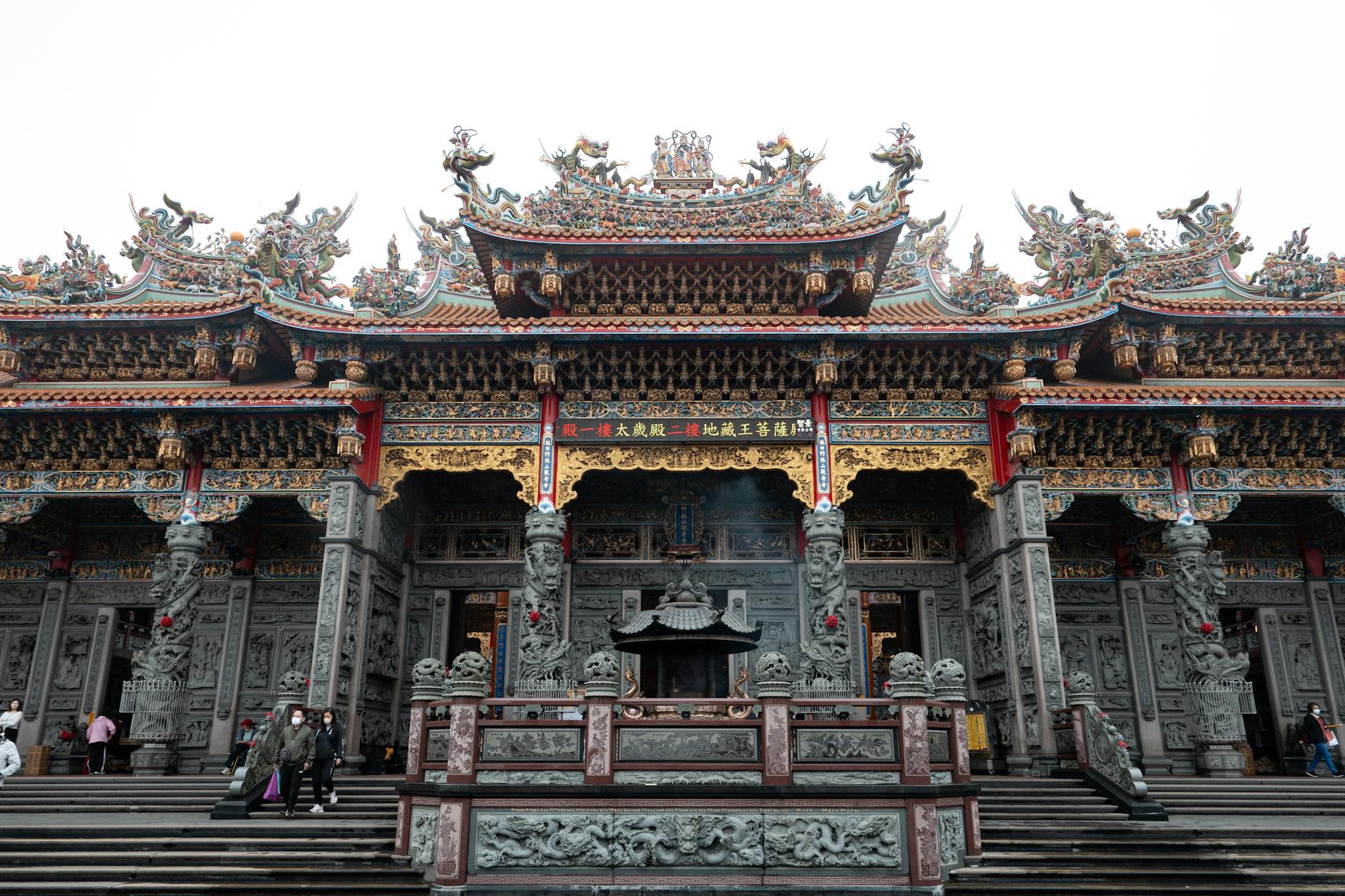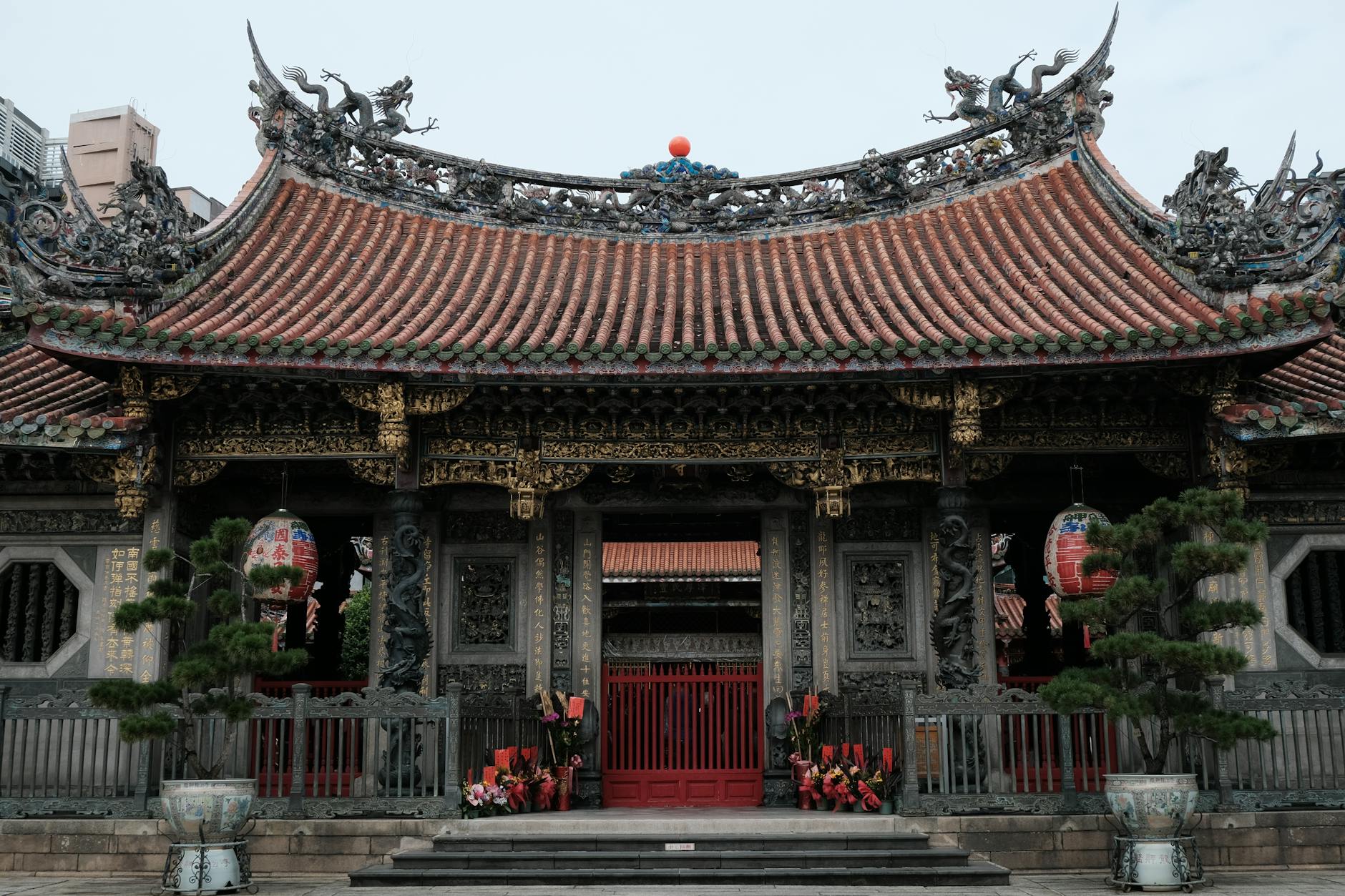
Taipei can support a meaningful religious or pilgrimage stay, but the city should not be treated as a simple temple checklist. Longshan Temple, Baoan Temple, Taipei Confucius Temple, Xingtian Temple, small neighborhood shrines, churches, mosques, memorial spaces, and nearby northern Taiwan routes can all matter depending on the traveler's tradition and purpose. The short stay works best when the traveler understands etiquette, timing, geography, and personal pacing before arrival. A good religious itinerary protects the purpose of the trip. It leaves room for worship, observation, quiet, meals, rest, and respectful movement instead of turning sacred places into hurried stops.
Define the religious purpose before choosing sites
The traveler should decide whether the Taipei stay is for worship, pilgrimage, religious study, family devotion, architecture, festival observation, interfaith learning, or quiet personal reflection. Those purposes create different site choices and different standards of behavior. A traveler who wants to pray at one temple should plan differently from someone documenting religious life across several neighborhoods.
The itinerary should be built around the purpose rather than around a list of famous places. That protects the trip from becoming visually interesting but spiritually thin.
- Clarify whether the trip is for worship, pilgrimage, study, festival observation, or reflection.
- Choose temples, churches, mosques, shrines, or memorial spaces by purpose, not fame alone.
- Keep enough time at each place for the visit to mean something.
Group temples and sacred places by geography
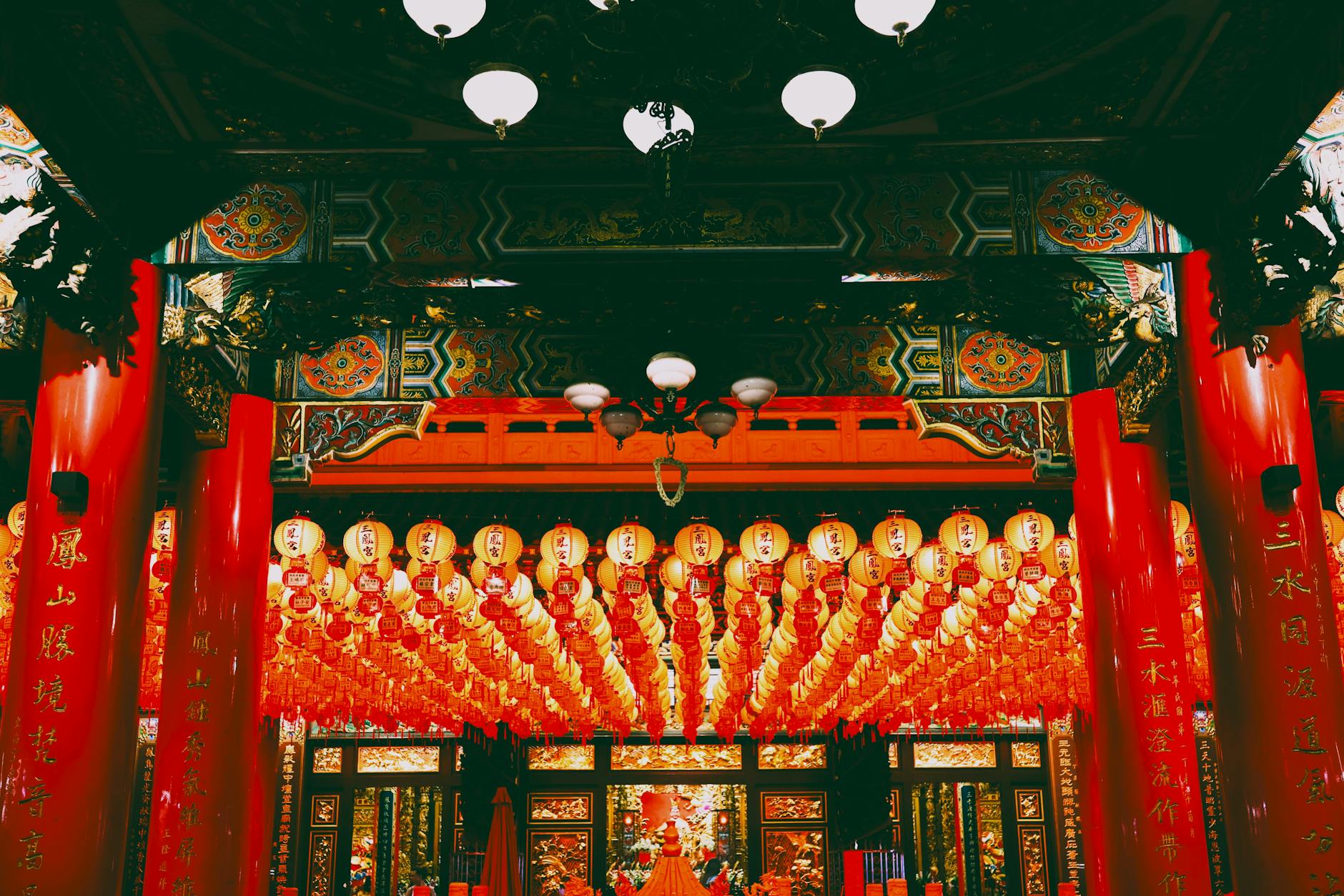
Taipei religious routes should be grouped by neighborhood and transit logic. Longshan Temple and Wanhua, Baoan Temple and Taipei Confucius Temple, Xingtian Temple, Dihua Street, Ximending, Daan, and Xinyi do not all belong in one rushed circuit. A short trip should choose coherent clusters and leave time for meals and quiet transitions.
The traveler should check opening hours, crowd patterns, service or ritual timing, MRT exits, taxi pickup points, and whether a site is better visited early, late, or outside festival peaks.
- Cluster Longshan, Baoan, Confucius Temple, Xingtian, Dihua Street, Wanhua, and other sites by route.
- Check hours, ritual timing, crowds, MRT exits, and taxi pickup points.
- Avoid stacking sacred places so tightly that none receives enough attention.
Learn etiquette before arriving
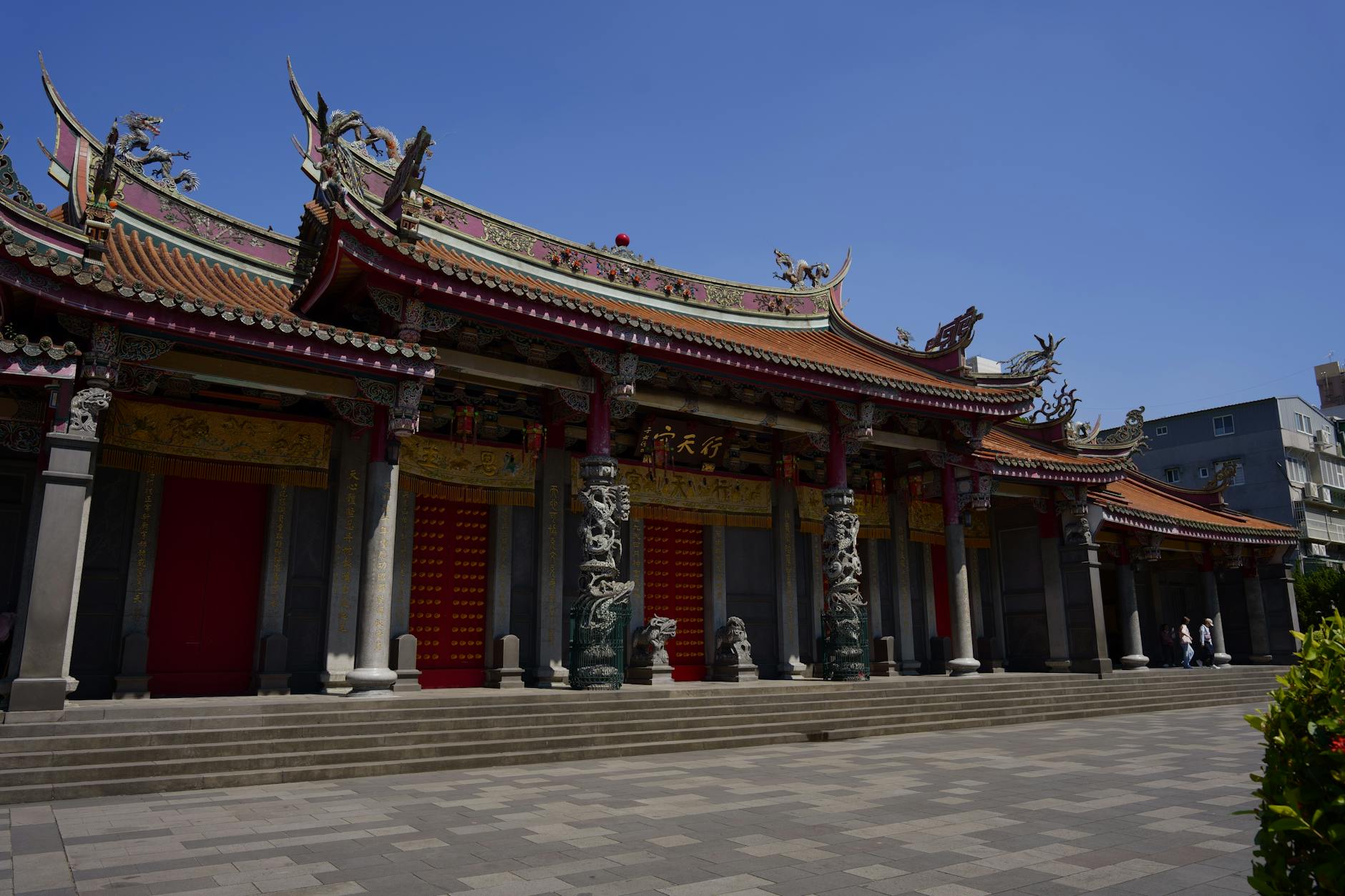
Religious travelers should prepare basic etiquette before entering Taipei sacred spaces. Clothing, incense, offerings, photography, queues, speaking volume, shoes, donations, prayer areas, ritual observation, and where visitors may stand can vary by site. The safest approach is to move slowly, watch local practice, ask when unsure, and avoid making rituals into a performance.
Photography deserves special care. A beautiful temple is still a working religious space, and people praying are not props.
- Prepare for clothing, incense, offerings, donations, photography, speaking volume, and visitor boundaries.
- Watch local practice, move slowly, and ask when unsure.
- Avoid photographing worshippers in ways that turn devotion into content.
Plan festivals, crowds, and quiet alternatives
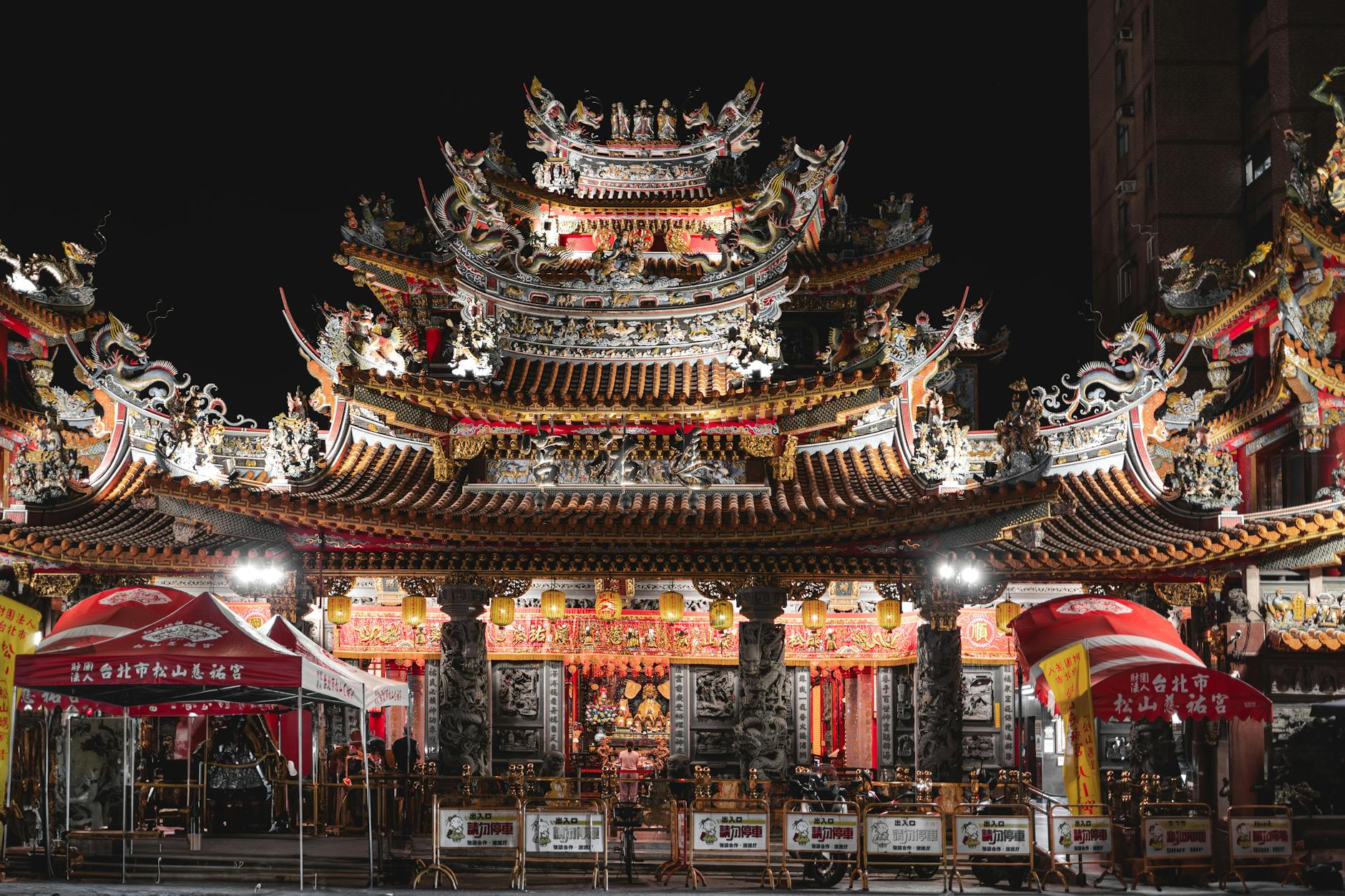
Festival timing can make a Taipei religious trip powerful or overwhelming. Lunar calendar events, temple celebrations, incense crowds, parades, and holiday periods may change access, noise, photography conditions, seating, and transport. A traveler who wants quiet reflection should plan differently from one who wants to witness a busy public religious event.
The itinerary should include both high-energy and low-energy options. If a temple is too crowded, a smaller neighborhood shrine, church service, museum, tea stop, or quiet walk may preserve the day.
- Check lunar calendar events, temple celebrations, holidays, parades, and crowd pressure.
- Decide whether the goal is public religious energy or quiet reflection.
- Keep smaller sacred spaces, museums, tea stops, or quiet walks as alternatives.
Choose lodging for access, meals, and rest
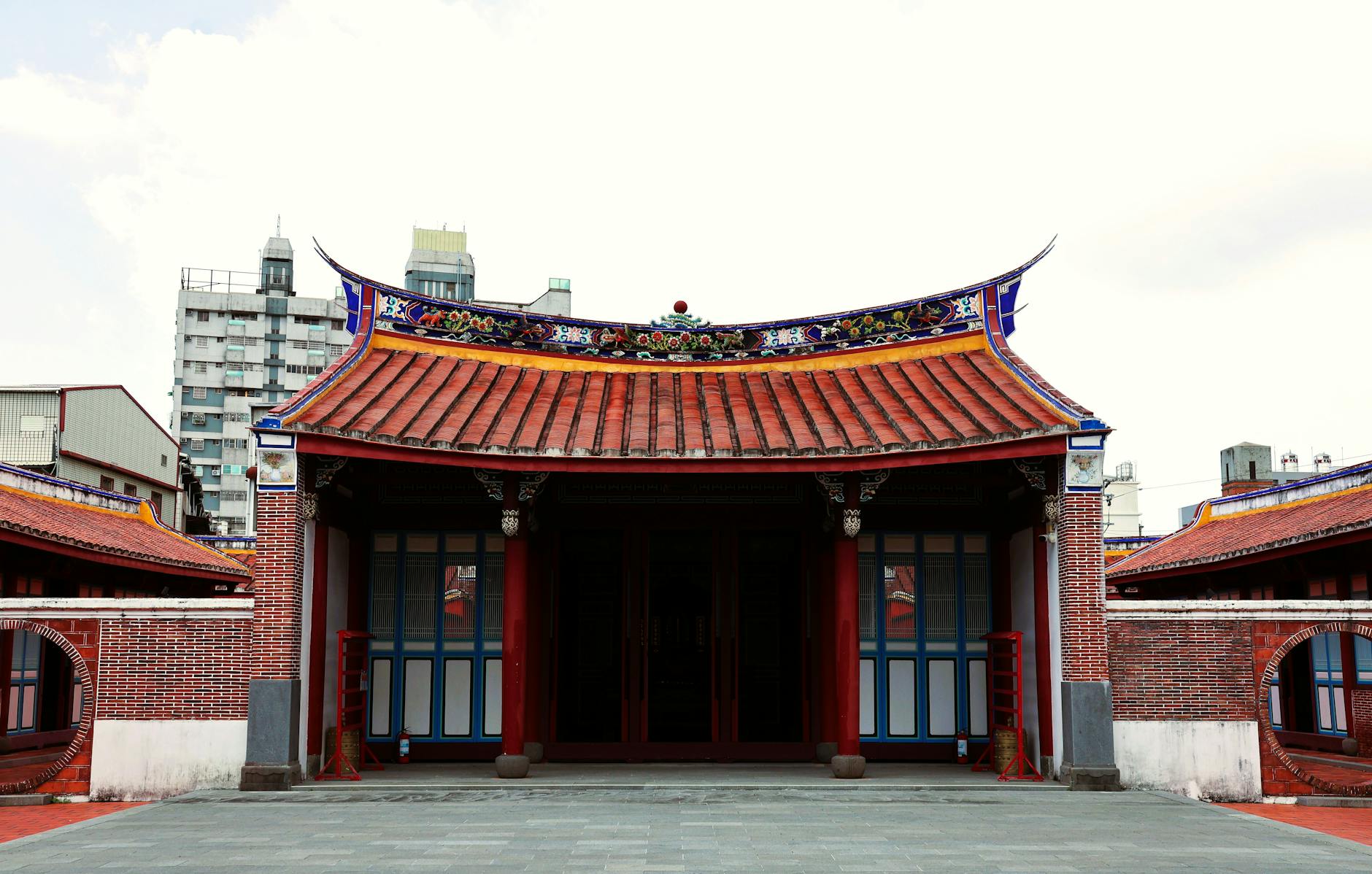
A religious traveler should choose lodging that supports the route and the desired rhythm. Wanhua may place the traveler close to Longshan Temple. Zhongshan or Daan may offer easier meals, MRT movement, and quieter evenings. Xinyi can work when comfort and simple transport matter more than immediate temple proximity. The right answer depends on the purpose of the trip.
The hotel should also support rest, dietary needs, early starts, laundry, prayer or reflection time, and easy returns after evening visits.
- Compare Wanhua, Zhongshan, Daan, Xinyi, and Taipei Main Station by the actual religious route.
- Check meals, quiet, early starts, laundry, transport, and space for prayer or reflection.
- Do not choose lodging only by distance to one famous temple.
Be selective with day trips and physical demands
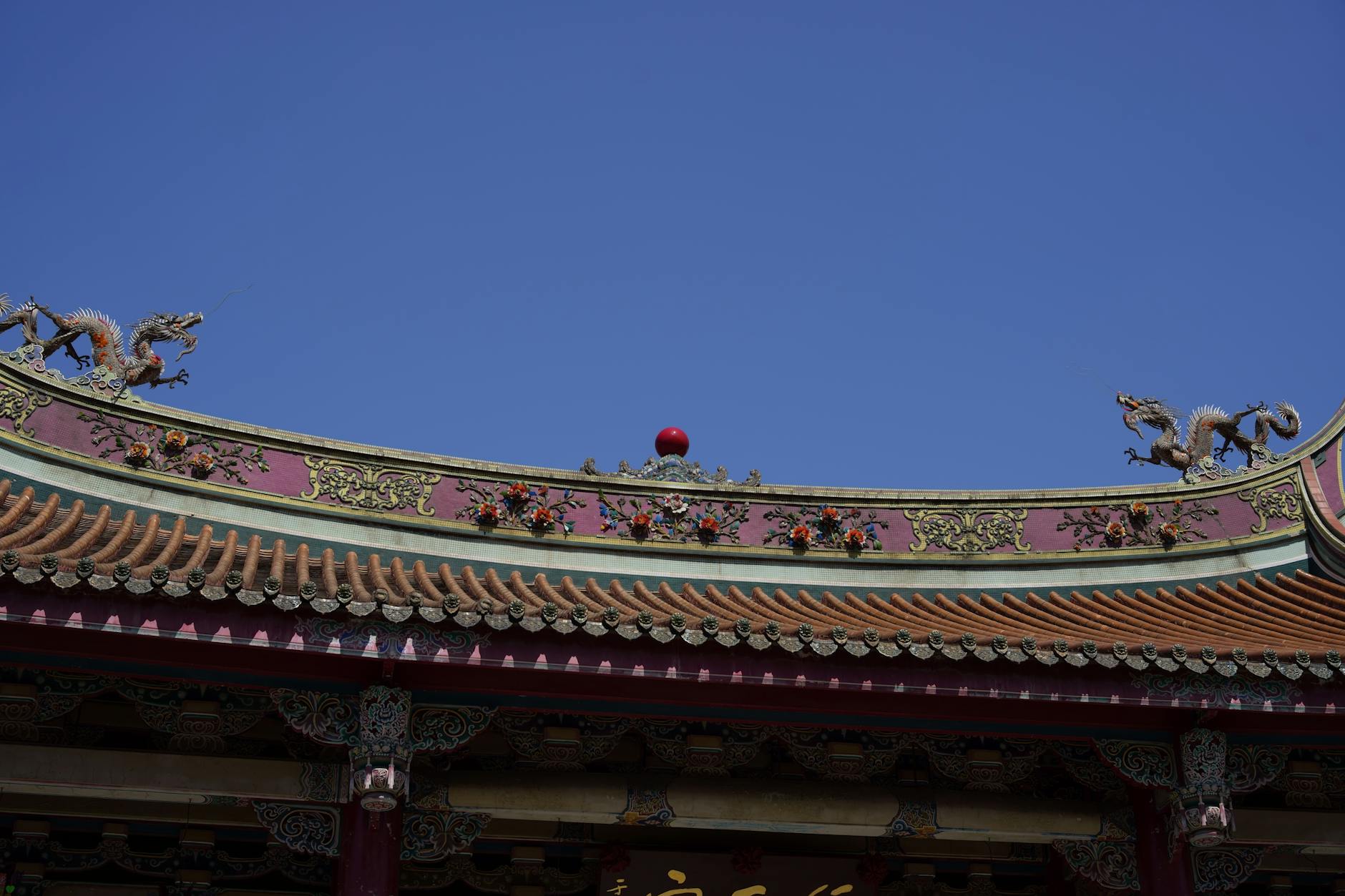
A faith-focused Taipei stay may tempt the traveler toward Jiufen, Tamsui, Beitou, Maokong, mountain temples, or northern Taiwan routes. These can be worthwhile, but steps, slopes, crowds, weather, transfers, opening times, and return energy should be checked before committing. A difficult day trip can weaken the quiet purpose of the visit.
The traveler should decide whether the trip is centered on Taipei or on a broader religious landscape. A well-paced city route may serve the purpose better than an ambitious excursion.
- Evaluate day trips by steps, slopes, crowds, weather, transfers, hours, and return energy.
- Consider Jiufen, Tamsui, Beitou, Maokong, and northern Taiwan routes selectively.
- Protect the religious purpose instead of chasing every possible sacred site.
When to order a short-term travel report
A religious traveler visiting one familiar congregation or hosted temple may not need a custom Taipei report. A report becomes useful when the traveler wants a multi-site route, festival timing matters, access or mobility is uncertain, dietary or worship needs shape the stay, day trips are being considered, or the traveler wants respectful context before arrival.
The report should test sacred-site geography, hotel fit, Taoyuan or Songshan arrival, MRT and taxi routes, etiquette, festival timing, meals, weather, access, day trips, budget, and what to cut. The value is a Taipei religious stay that remains respectful, coherent, and calm.
- Order when sacred-site routing, etiquette, festivals, access, meals, or day trips need testing.
- Provide dates, tradition, site priorities, worship needs, hotel options, constraints, and budget.
- Use the report to keep the religious trip focused, respectful, and realistically paced.