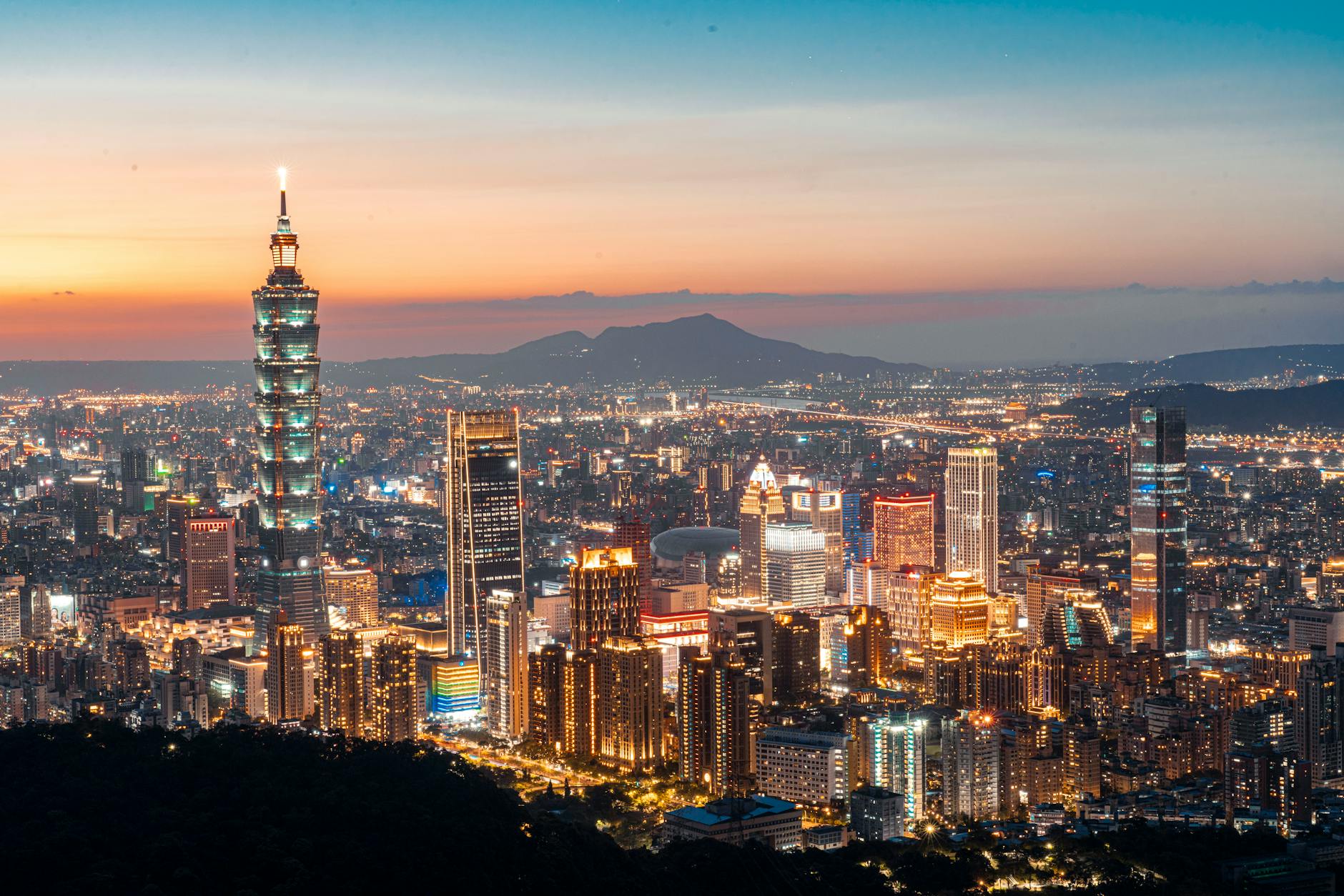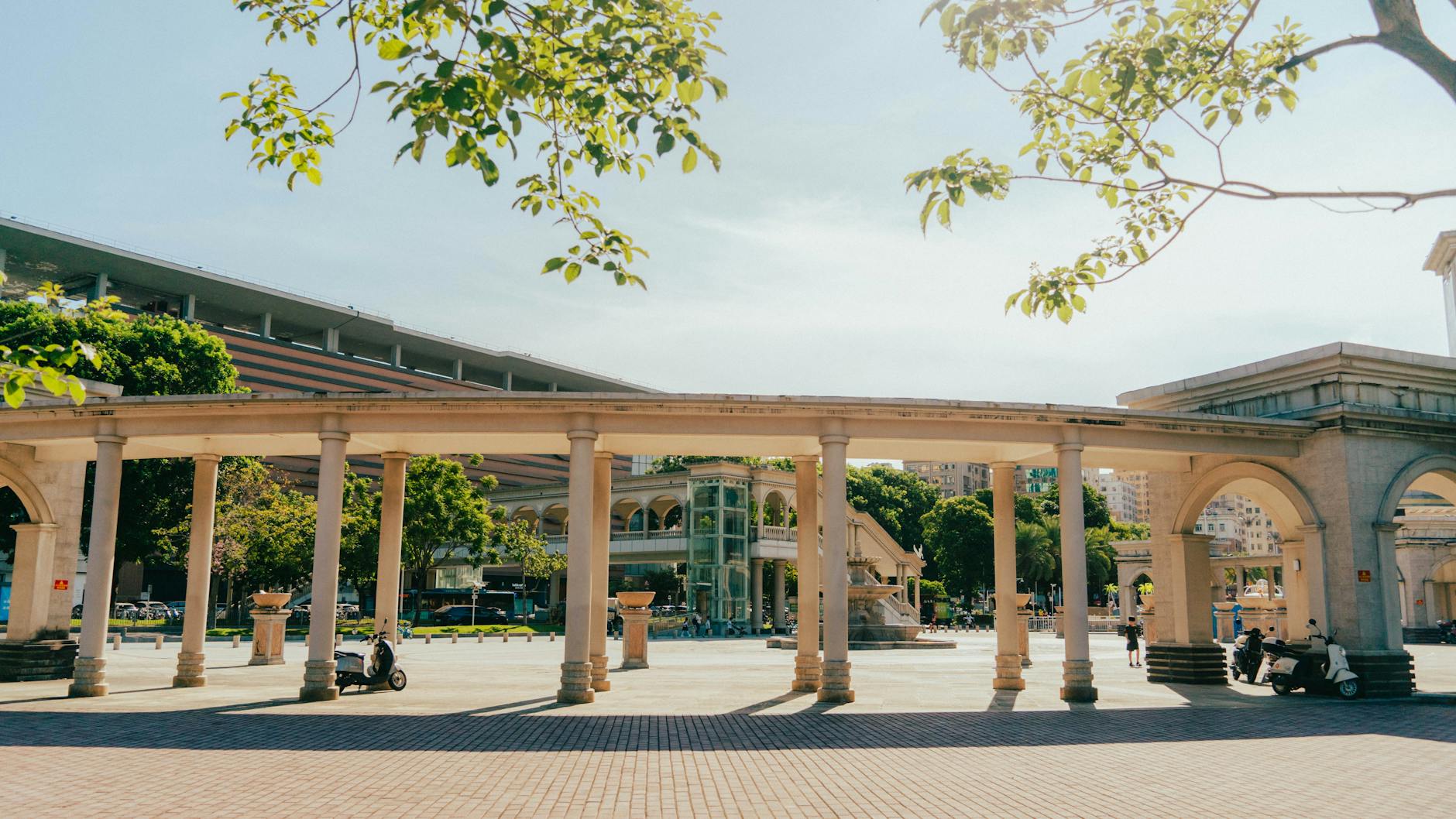
Taipei can work very well for older travelers because it offers good transit, taxis, comfortable hotels, strong food options, parks, museums, temples, medical infrastructure, and a city rhythm that can be adjusted without losing interest. It can also become tiring if the traveler underestimates humidity, rain, station exits, night-market crowds, or the distance between famous places. A short Taipei stay should be planned around comfort and pacing, not reduced ambition. The traveler should know where to stay, how to move, where to rest, which sights are worth the effort, and what to cut before fatigue starts making decisions.
Choose lodging for comfort and low-friction movement
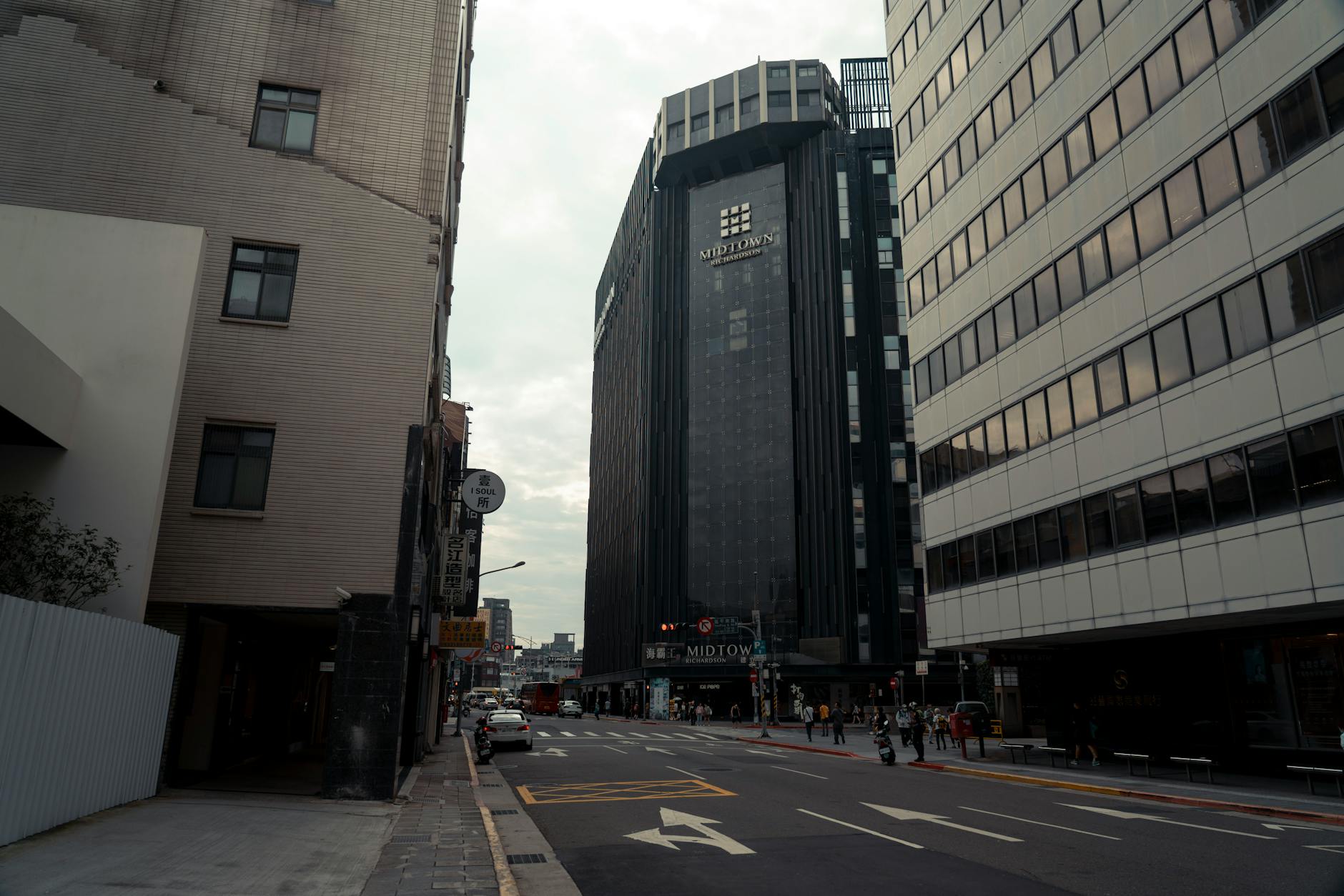
Older travelers should choose a Taipei hotel by daily usability. Elevator reliability, quiet rooms, seating, bathroom layout, breakfast, nearby simple meals, taxi pickup, MRT proximity, lobby assistance, laundry, and distance to the intended sights all matter. A fashionable district can be a poor choice if every outing begins with difficult walking or confusing exits.
The traveler should also decide whether the hotel is a recovery base. In a short stay, a good room and a helpful lobby can make the difference between enjoying Taipei and simply enduring the schedule.
- Check elevators, quiet, seating, bathroom layout, breakfast, meals, taxi pickup, MRT access, and staff help.
- Choose a base that reduces walking burden and makes returns easy.
- Treat the hotel as part of health, comfort, and recovery planning.
Plan airport transfers conservatively
Taipei arrival should be simple. Taoyuan may involve Airport MRT, taxi, or car service, while Songshan can reduce transfer time for some flights. The right choice depends on luggage, mobility, arrival hour, language comfort, and whether the traveler needs rest before sightseeing or meetings.
The traveler should not make the first day too ambitious. Immigration, baggage, traffic, rain, and jet lag can turn a clever plan into a tiring one.
- Separate Taoyuan and Songshan transfer plans by luggage, mobility, arrival hour, and fatigue.
- Consider car service or taxi when bags, rain, or late arrival makes transit burdensome.
- Keep the first day light enough to absorb airport friction.
Use MRT and taxis by energy level
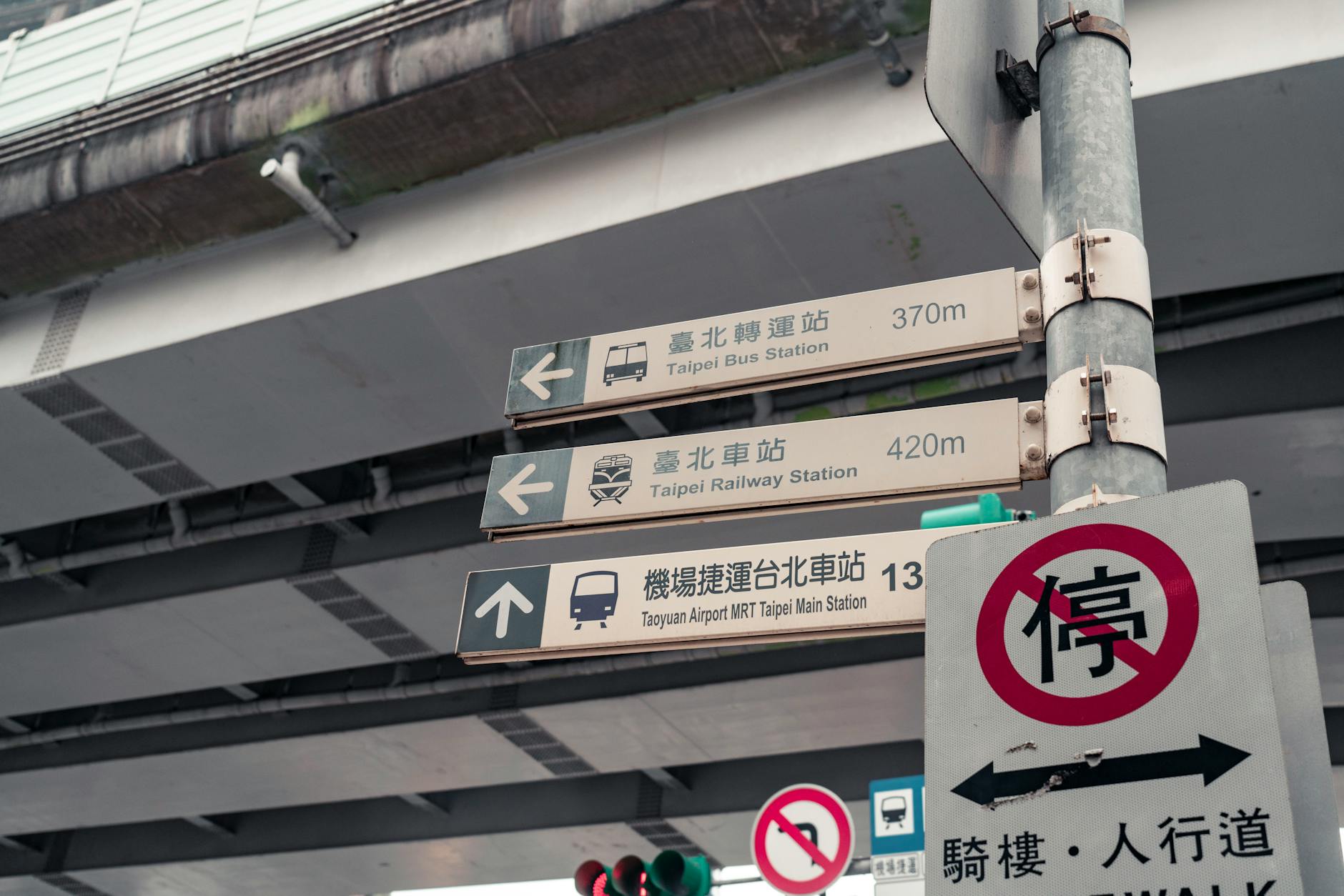
Taipei's MRT is useful, clean, and generally understandable, but an older traveler should still consider station exits, walking distance, stairs or escalators, transfer length, crowding, and weather exposure. Taxis can be valuable when the route is indirect, the weather is poor, or the traveler is managing fatigue.
The best plan often mixes both. MRT can anchor the day, while taxis protect the return or the hardest segment.
- Check station exits, transfer walks, stairs, escalators, crowding, and weather exposure.
- Use taxis for difficult returns, indirect routes, heavy rain, heat, or fatigue.
- Mix MRT and taxis instead of forcing one transport style for the whole trip.
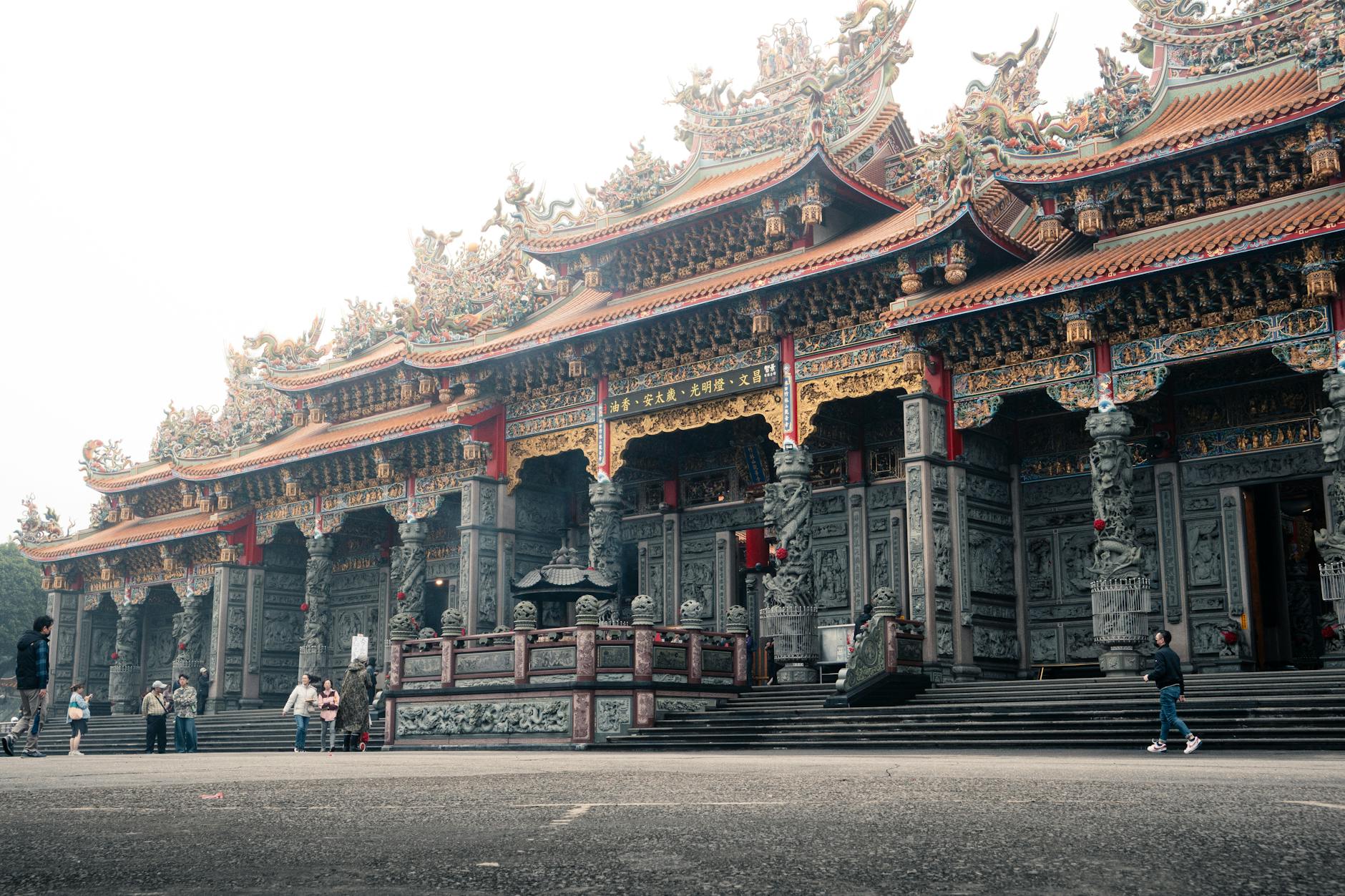
Pace temples, museums, parks, and views
Taipei gives older travelers many good ways to build a satisfying day without overloading it. Temples, museums, parks, tea houses, Taipei 101 views, riverside walks, memorial spaces, and neighborhood meals can be grouped into balanced routes. The key is not to place every famous item on the same day.
The traveler should check seating, shade, restroom access, walking surfaces, and indoor reset points. A slower route can still be a rich route.
- Group temples, museums, parks, views, tea houses, memorials, and meals into balanced days.
- Check seating, shade, restrooms, walking surfaces, and indoor reset points.
- Use slower pacing to improve the trip, not as a compromise.
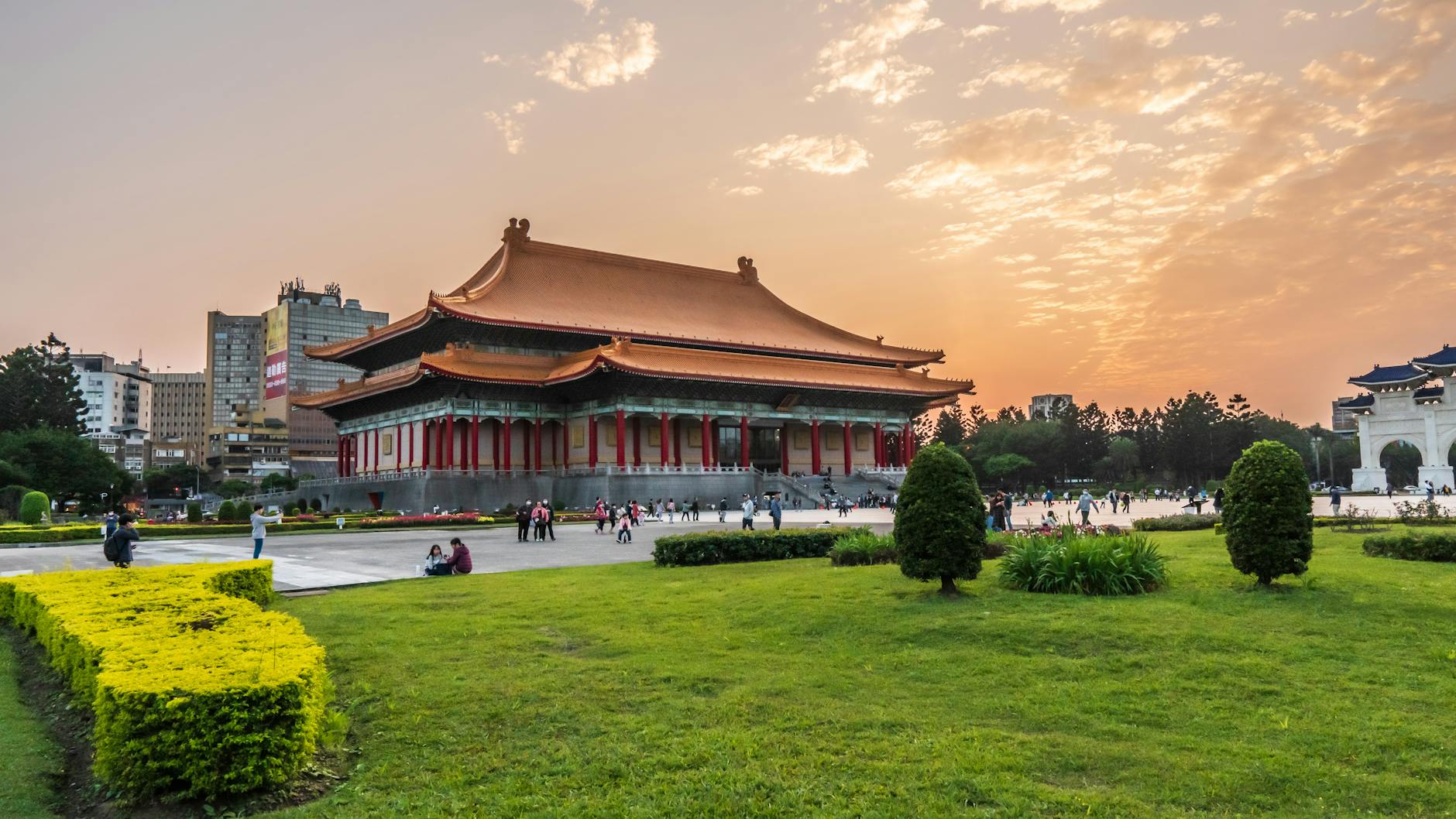
Plan meals around comfort and timing
Taipei food can be excellent for older travelers when it is paced correctly. Breakfast shops, tea houses, dumplings, noodles, hotel meals, department-store food courts, night markets, and quiet restaurants all have a role. The traveler should consider seating, noise, stairs, restrooms, spice level, dietary needs, payment, and return route.
Night markets can be worthwhile but are not mandatory. Crowds, heat, standing meals, and uneven walking can make them tiring. A quieter food plan may produce a better first or short stay.
- Choose meals by seating, noise, stairs, restrooms, spice, dietary needs, payment, and return route.
- Use hotel meals, tea houses, food courts, and quiet restaurants when comfort matters.
- Treat night markets as optional, not compulsory.
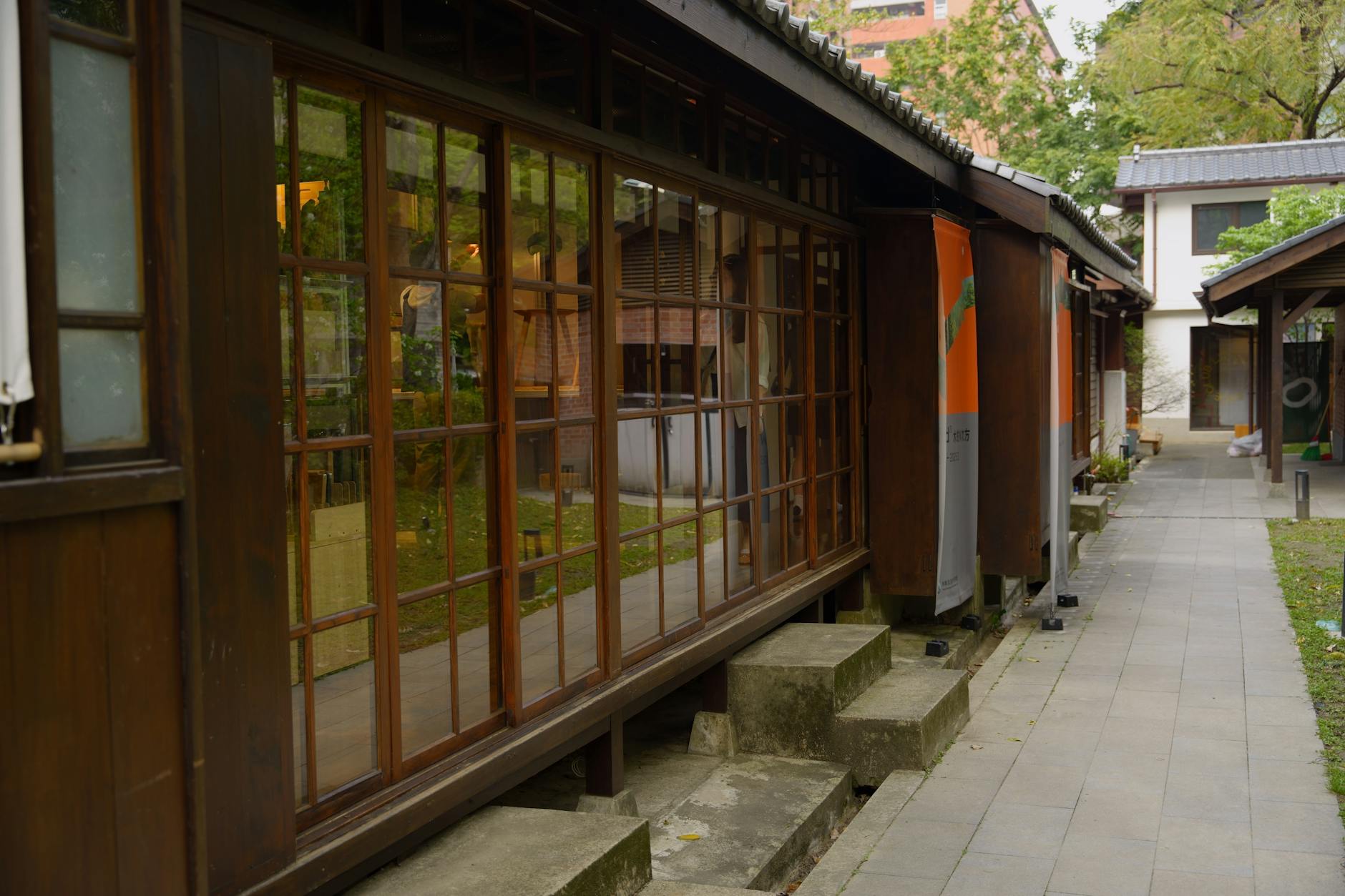
Prepare for weather and health needs
Rain, heat, humidity, slippery pavements, cold interiors, and typhoon-season changes can affect Taipei more than the itinerary suggests. Older travelers should plan shoes, umbrella, layers, hydration, medication timing, rest blocks, and backup indoor plans. Medical access is generally strong, but the traveler should still know insurance details, medication names, and where to seek help.
The goal is not to make the trip anxious. It is to remove small risks that can drain a short stay.
- Plan for rain, heat, humidity, slippery pavements, cold interiors, and weather disruption.
- Organize medication timing, insurance, health contacts, and backup indoor plans.
- Use rest blocks before fatigue turns into a trip problem.
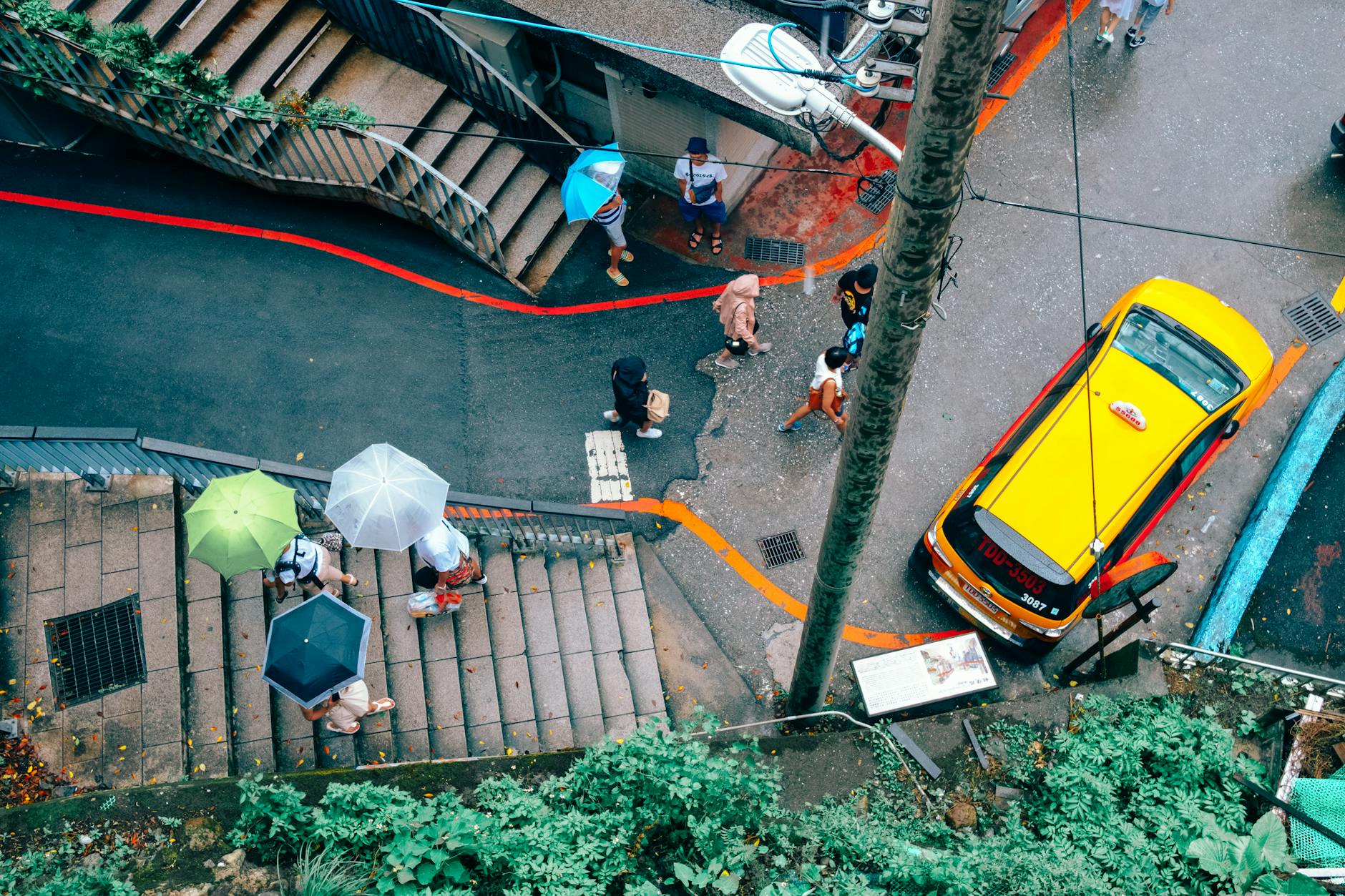
When to order a short-term travel report
An older traveler with a relaxed schedule, a good hotel, and simple priorities may not need a custom Taipei report. A report becomes useful when mobility, medical needs, airport transfer, hotel choice, weather, meals, or day trips require closer planning, or when family members want a clearer view of the trip's practical demands.
The report should test hotel fit, Taoyuan or Songshan arrival, MRT and taxi choices, walking burden, temples, museums, parks, meals, rest breaks, medical access, weather, day trips, budget, and what to cut. The value is a Taipei stay that feels comfortable without becoming small.
- Order when hotel fit, mobility, airport transfers, meals, medical needs, weather, or day trips need testing.
- Provide dates, flight details, hotel options, mobility needs, medical constraints, priorities, and budget.
- Use the report to make the Taipei stay comfortable, paced, and still rewarding.