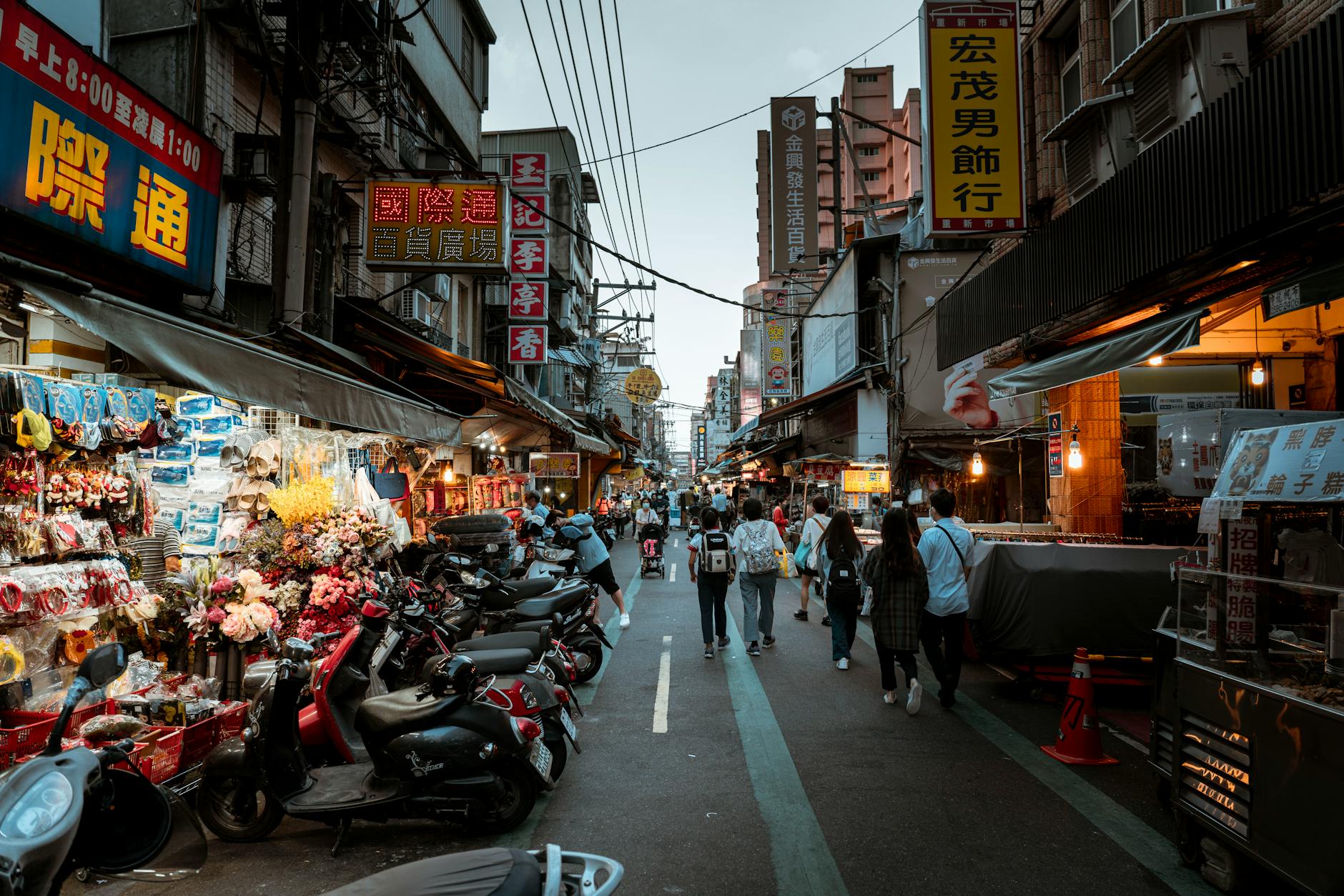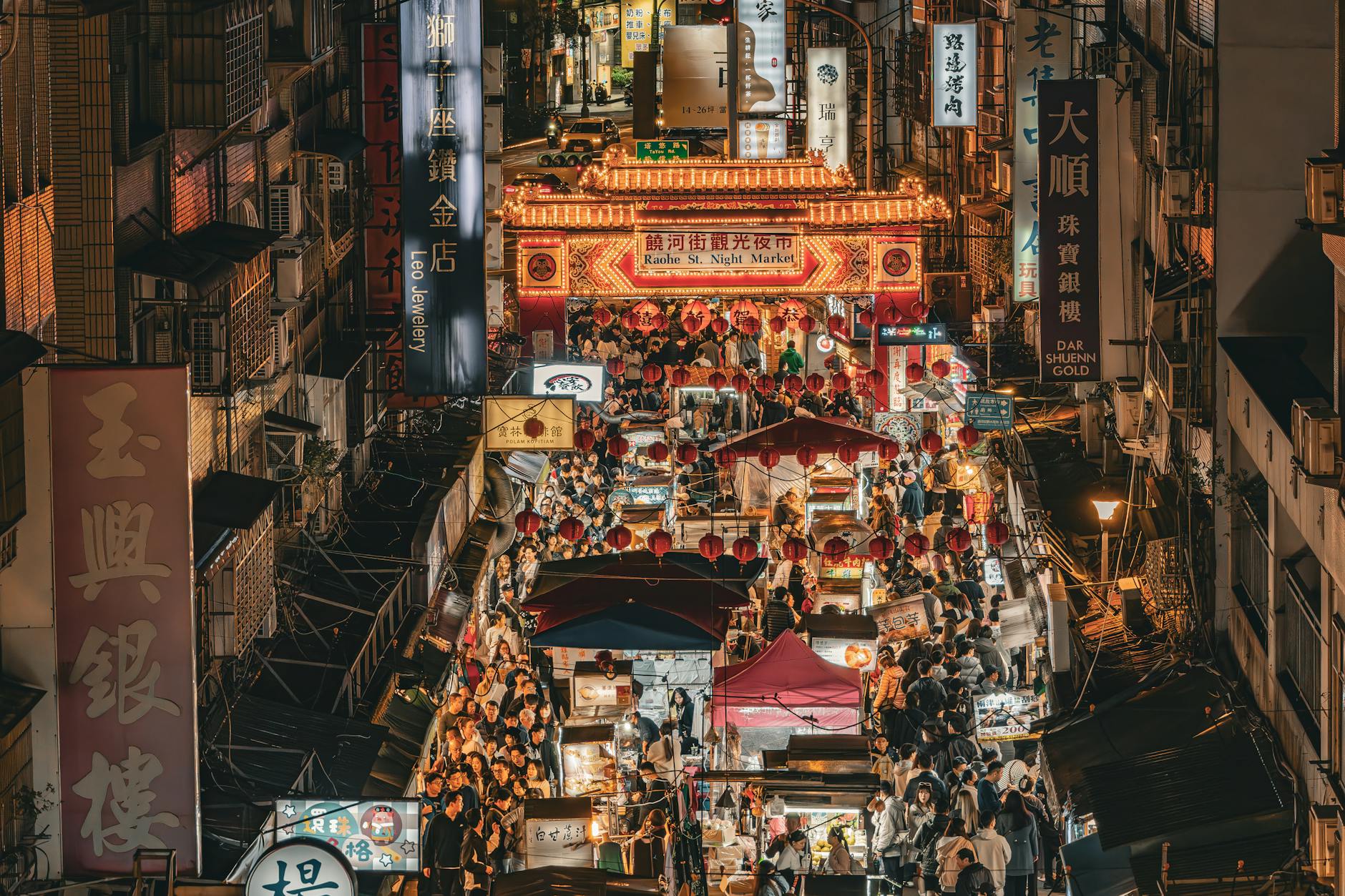
Taipei can be rewarding after dark because night markets, late food, bars, live music, Ximending, Xinyi, Zhongshan, speakeasy-style venues, karaoke, riverside walks, and night views can all fit a short stay. The problem is treating nightlife as one generic category. A night-market food route, a cocktail evening, a club night, and a quiet skyline walk require different hotel choices, transport plans, budgets, and recovery decisions. A good nightlife-focused Taipei trip keeps the fun deliberate. It protects late movement, food, safety, sleep, and the next day instead of relying on tired judgment after midnight.
Choose the evening style before choosing the district
A nightlife traveler should decide whether the trip is about night markets, cocktail bars, clubs, live music, karaoke, LGBTQ nightlife, hotel lounges, food crawls, skyline views, or casual late walks. Shilin, Raohe, Ningxia, Ximending, Xinyi, Zhongshan, Daan, and Taipei Main Station each create different evenings and different return logistics.
The traveler should not use one district to solve every night. Taipei nightlife works best when each evening has a purpose and a realistic exit.
- Separate night markets, bars, clubs, live music, karaoke, lounges, food crawls, and skyline views.
- Compare Shilin, Raohe, Ningxia, Ximending, Xinyi, Zhongshan, Daan, and Taipei Main Station by evening style.
- Give each night a purpose, route, and exit plan.
Book lodging for late returns and sleep
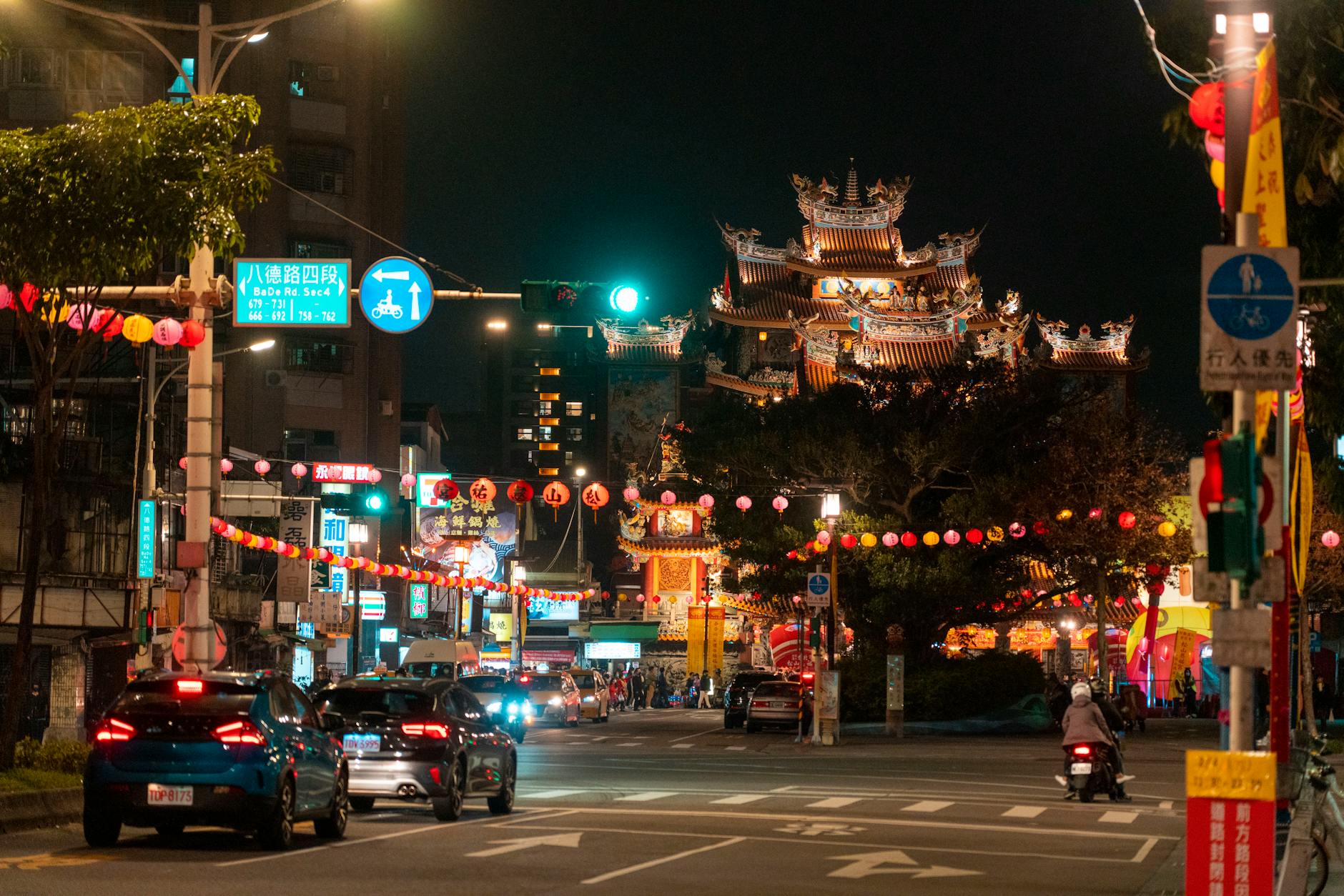
A nightlife-focused hotel should work after midnight as well as during check-in. The traveler should check late taxi access, MRT distance, final walking route, lobby staffing, room quiet, soundproofing, convenience stores, late food, and morning checkout rules. A hotel close to nightlife may still be a poor choice if it makes sleep difficult or the return route uncomfortable.
The best base may change with the trip's main evening style. Ximending, Zhongshan, Xinyi, Daan, and Taipei Main Station all offer different balances of access, energy, and rest.
- Check late taxi access, MRT distance, walking route, lobby staffing, quiet, stores, and late food.
- Balance nightlife proximity against sleep quality and next-morning obligations.
- Compare Ximending, Zhongshan, Xinyi, Daan, and Taipei Main Station by actual nights planned.
Plan late transport before drinking or splitting up
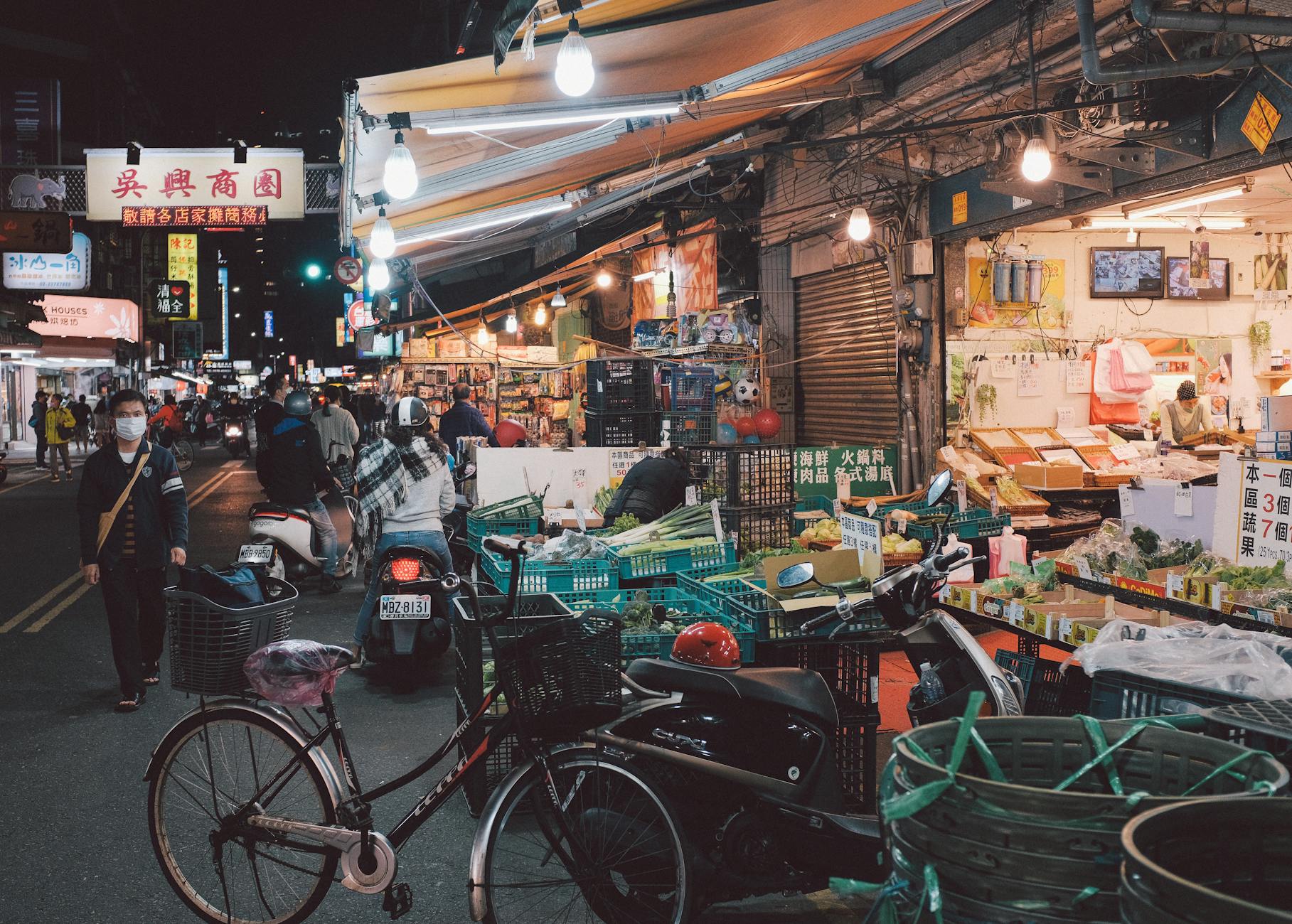
Late transport should be planned before the night starts. MRT timing, taxis, ride-hailing expectations, station exits, night-market crowds, rain, language for addresses, and group split points all matter. A route that is simple at 8 p.m. may feel different after the last train, after rain, or after several venues.
Each night should have a primary return route and a backup. The traveler should keep phone battery, payment backup, hotel address, and data access ready.
- Check MRT timing, taxis, ride-hailing, station exits, address text, rain, and group split plans.
- Know the return route and backup before drinking or changing districts.
- Keep phone battery, payment backup, hotel address, and data access ready.
Use food to pace the night
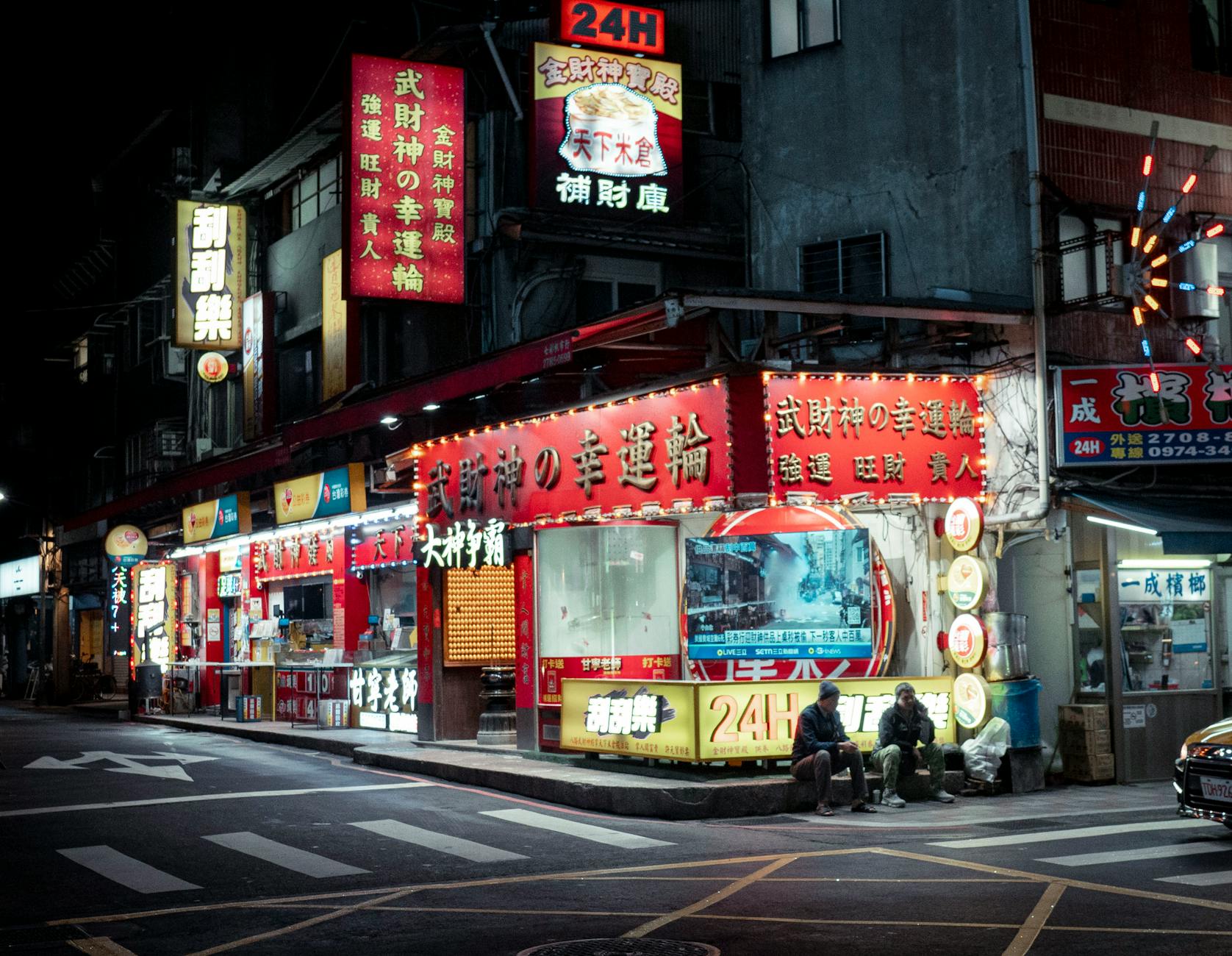
Taipei nightlife is often food-led, and the traveler should use that as an advantage. Night markets, late noodles, convenience stores, hotpot, small restaurants, tea drinks, and hotel-area snacks can pace the evening and reduce poor decisions. Food routes should account for queues, seating, hygiene, allergies, cash or payment habits, and the next destination.
A night-market plan should be selective. Trying to eat everything while filming, drinking, or crossing the city can make the night less enjoyable and the next morning worse.
- Use night markets, noodles, hotpot, tea drinks, convenience stores, and hotel snacks deliberately.
- Check queues, seating, hygiene, allergies, payment, and the next route.
- Keep food pacing realistic so the night stays enjoyable and recoverable.
Set spending, alcohol, and social boundaries
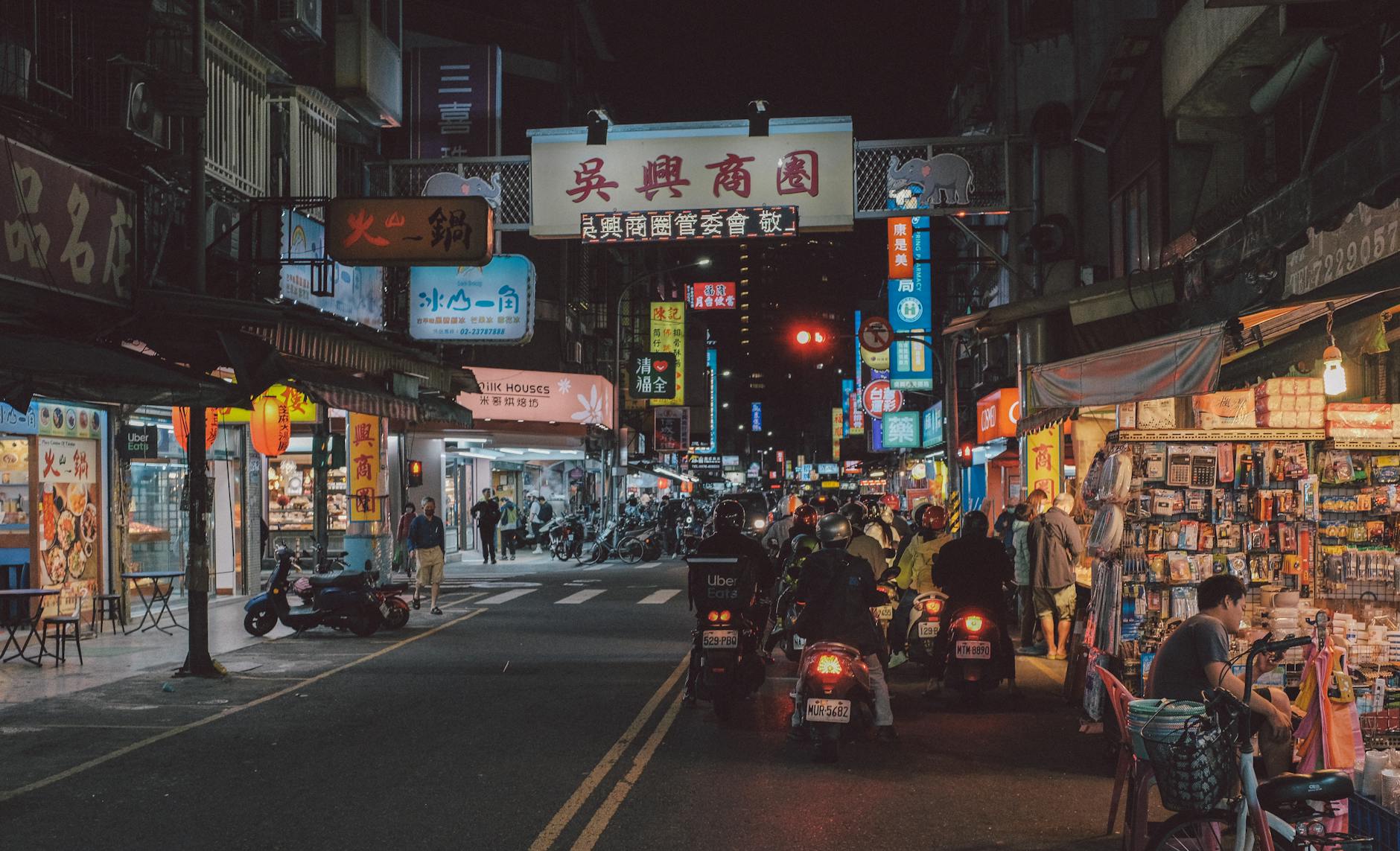
A nightlife trip is easier when boundaries are set while the traveler is rested. Spending limits, alcohol pace, group check-ins, dating apps, invitations, unfamiliar venues, photography, valuables, and how late the night can go should be decided before the evening becomes complicated. Taipei can feel easy, but easy does not mean every decision should be improvised.
The traveler should also understand local drinking culture, venue expectations, dress, cover charges, reservations, and when quiet politeness is better than pushing for more.
- Set limits for spending, alcohol, group check-ins, dating apps, invitations, venues, photos, and valuables.
- Check dress, reservations, cover charges, venue expectations, and payment rules.
- Avoid decisions that depend on perfect late-night judgment.
Protect the next day
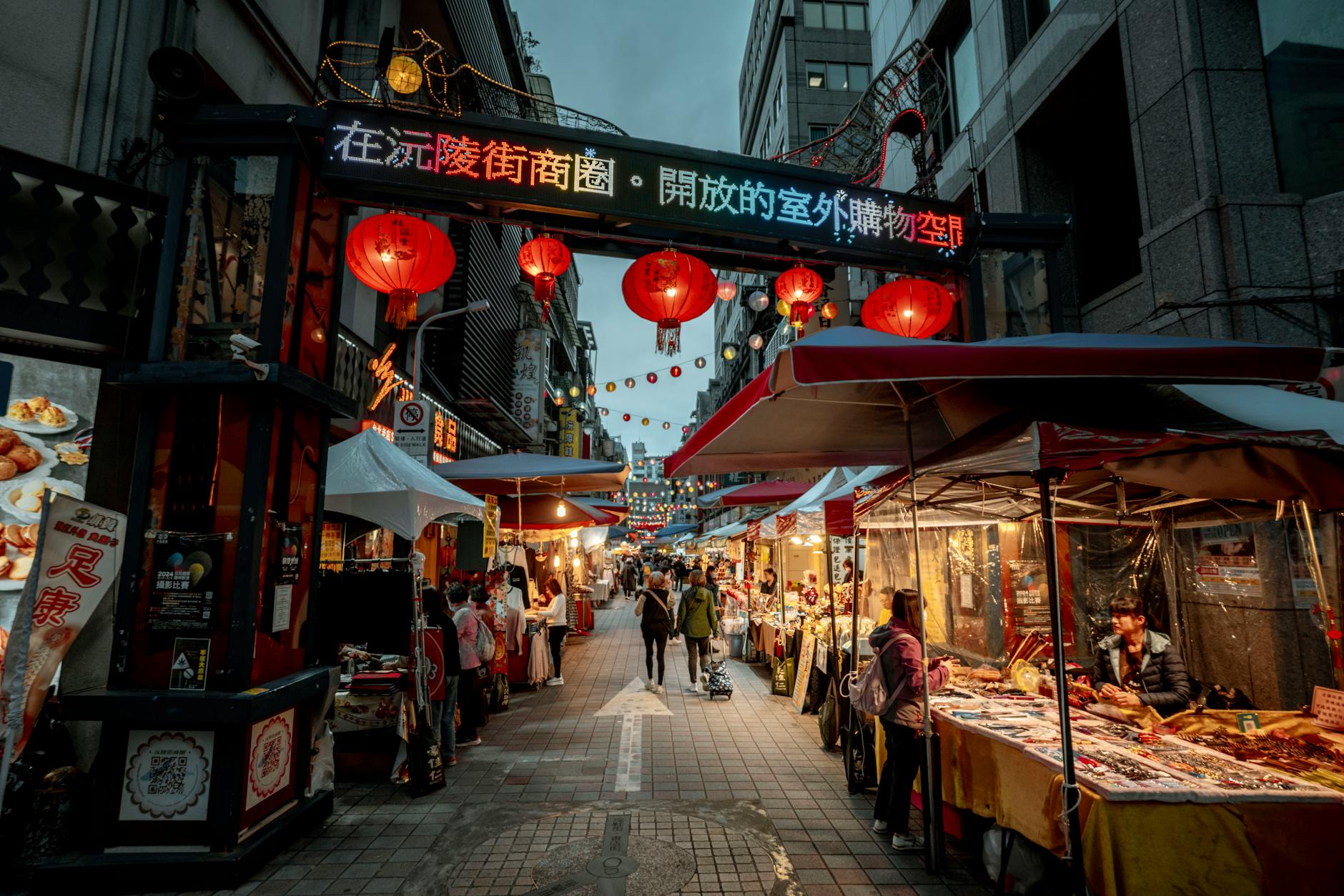
Short nightlife trips often fail in the morning. The traveler may still have work, a flight, family plans, museums, outdoor routes, shopping, or another evening to manage. Sleep, hydration, breakfast, checkout, laundry, and airport timing should be planned around the night's ambition.
A single late night can be worth it. Repeating that pattern without recovery usually makes the Taipei stay blurrier, more expensive, and less safe.
- Plan sleep, hydration, breakfast, checkout, laundry, airport timing, and next-day obligations.
- Use lighter nights before work, flights, outdoor plans, or early tours.
- Do not let one strong night damage the rest of the short stay.
When to order a short-term travel report
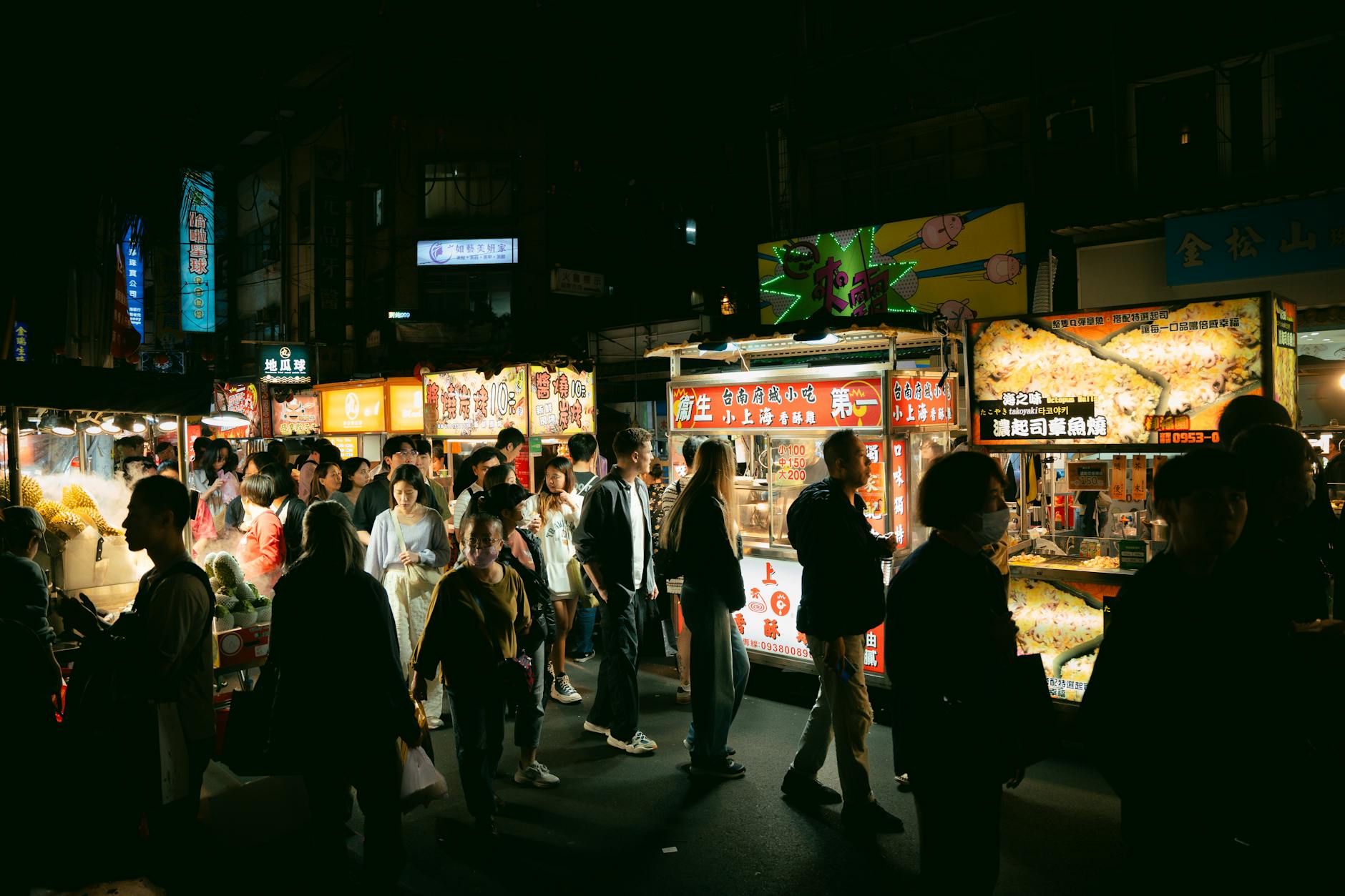
A nightlife traveler who only wants one flexible evening may not need a custom Taipei report. A report becomes useful when the traveler wants specific nightlife styles, several districts, safer late returns, food routes, LGBTQ or music-specific planning, budget control, hotel comparison, or a nightlife trip that also has daytime obligations.
The report should test hotel fit, evening districts, MRT and taxi routes, late food, venue style, weather, safety boundaries, spending, recovery, daytime obligations, budget, and what to cut. The value is a Taipei nightlife stay that feels intentional rather than merely late.
- Order when district choice, late transport, food, venue style, safety, budget, or recovery needs testing.
- Provide dates, hotel options, nightlife style, group size, constraints, dietary needs, and budget.
- Use the report to make the nightlife trip sharper, safer, and easier to recover from.