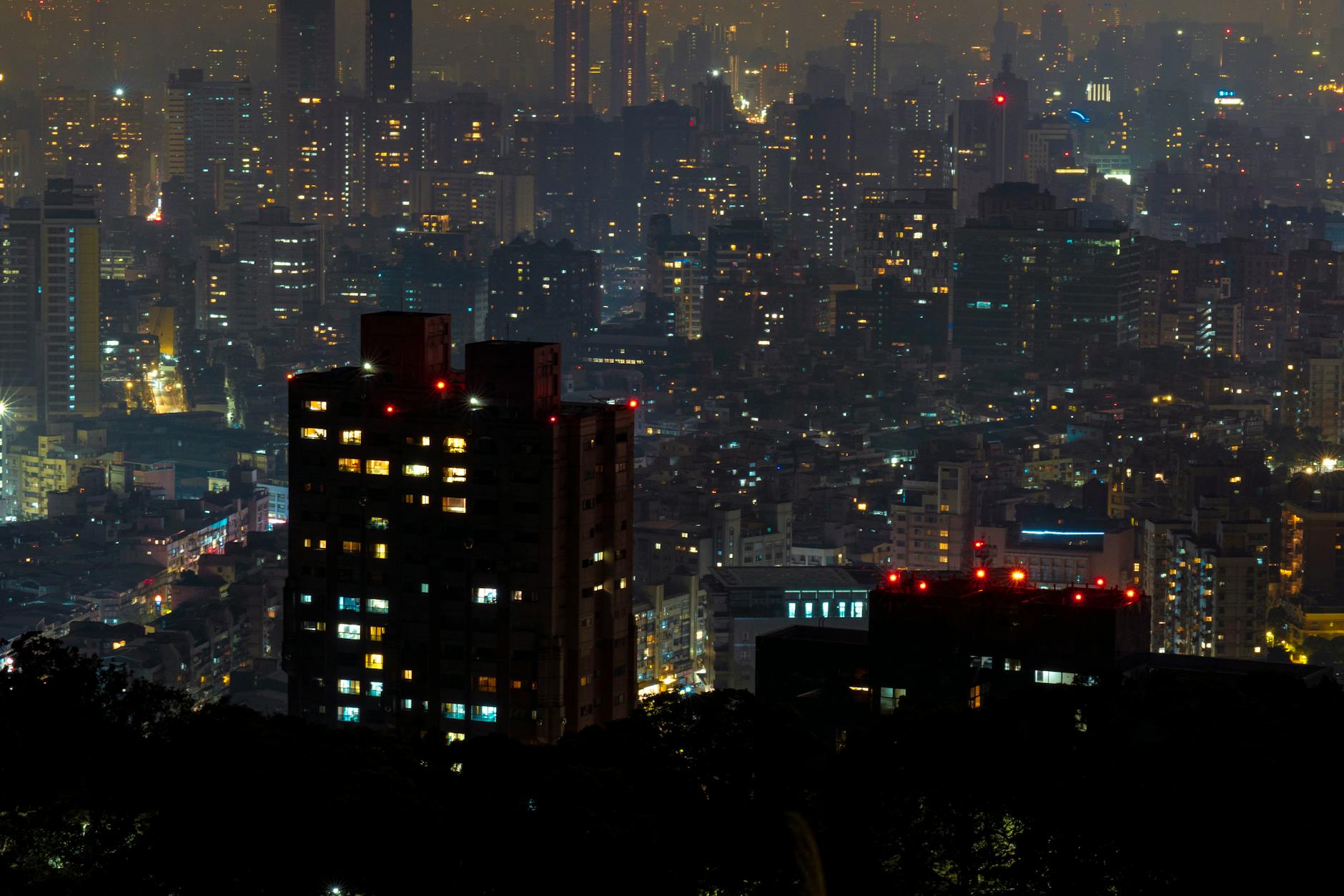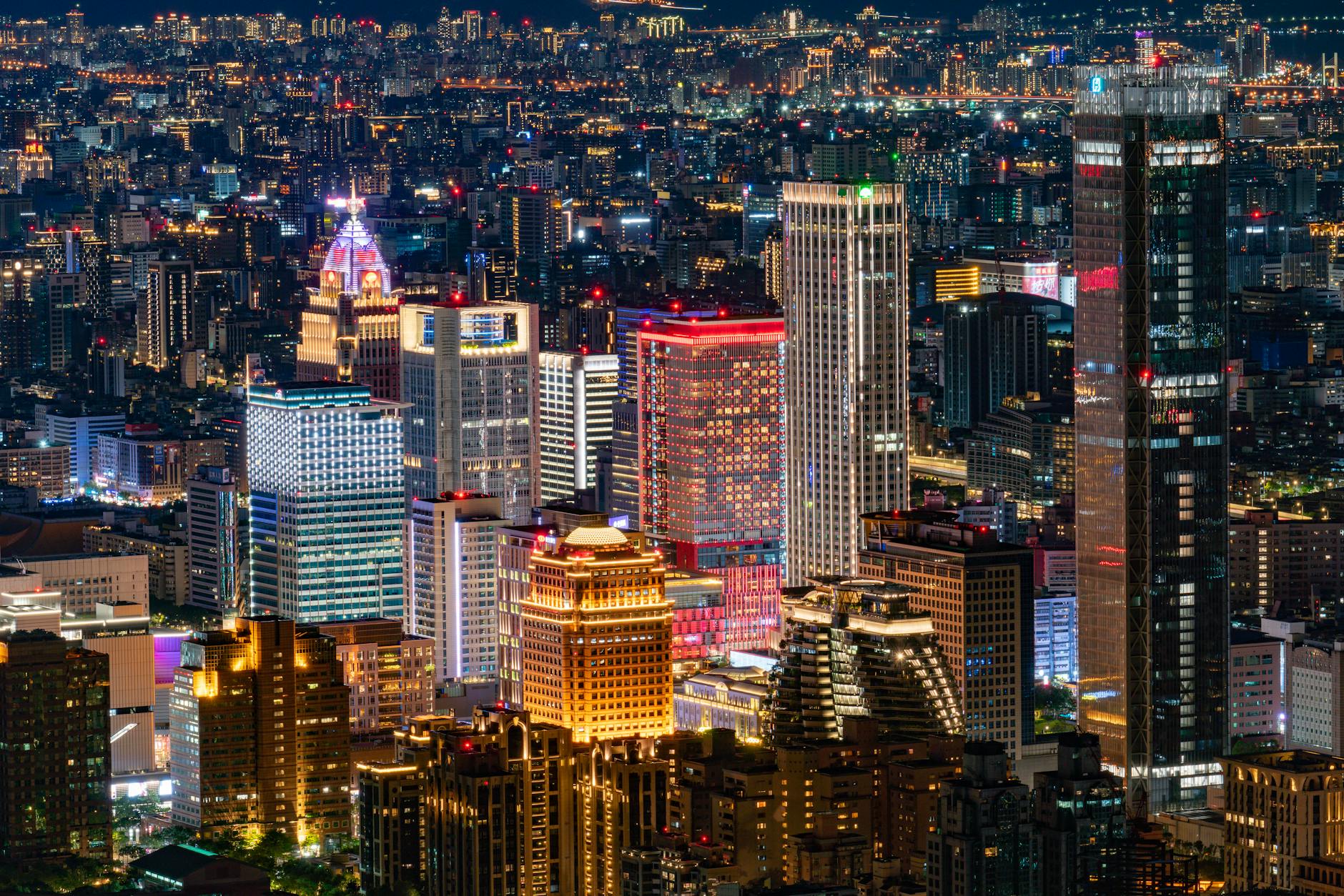
Taipei rewards luxury travelers who define luxury carefully. The city can support polished hotels, excellent food, private transfers, skyline views, serious tea, design shopping, spa time, and calm service, but it does not always present those pleasures in the same obvious way as a resort or a grand European capital. The best short luxury stay is usually a controlled mix of Xinyi polish, neighborhood food, cultural depth, and well-timed recovery. The planning question is not whether Taipei has enough premium options. It is how to connect them without turning the trip into traffic, humidity, reservation stress, or scattered cross-city movement. A strong plan protects comfort while still letting Taipei feel like Taipei.
Decide what luxury should mean in Taipei
Taipei luxury can mean a skyline hotel in Xinyi, a quieter suite in Daan or Zhongshan, a private transfer after a long flight, a carefully reserved restaurant, a tea-focused afternoon, a spa reset, or simply removing friction from a dense short stay. The traveler should define the version of luxury they actually want before choosing the hotel.
A traveler who wants global-brand polish may prefer Xinyi. A traveler who wants restaurants, cafes, and calmer neighborhood texture may prefer a different base. Taipei works best when comfort and location are matched to the trip's real rhythm.
- Define whether luxury means skyline polish, quiet recovery, dining access, cultural depth, or friction removal.
- Compare Xinyi, Daan, Zhongshan, and other bases by the actual daily plan.
- Avoid choosing a hotel solely because it carries a premium brand name.
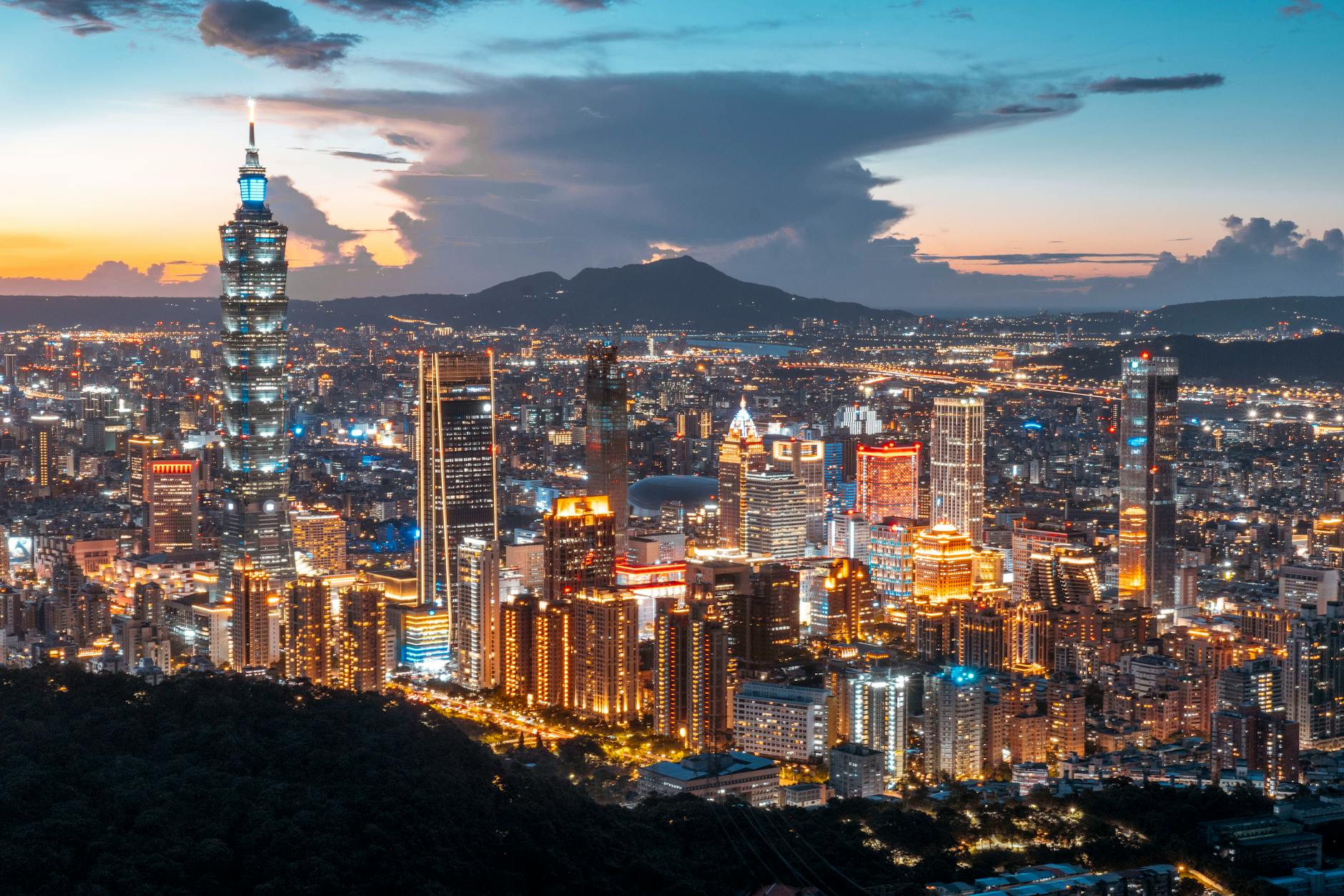
Choose the hotel as the operating base
The hotel should make the short stay easier every time the traveler leaves or returns. Room quiet, view, breakfast, concierge ability, taxi pickup, MRT proximity, spa or pool quality, laundry, restaurant access, and distance to planned dinners all matter. A beautiful room can still be the wrong choice if every useful outing begins with a tiring transfer.
Luxury travelers should also check arrival and departure timing. Early arrival from Taoyuan, late departure, luggage storage, lounge access, and room availability can determine whether the trip starts calmly or begins with dead time.
- Check quiet, views, concierge support, taxi pickup, MRT access, dining, spa, laundry, and late-return comfort.
- Plan early arrival, late departure, luggage storage, and lounge access before booking.
- Use the hotel to protect recovery, not just as a place to sleep.
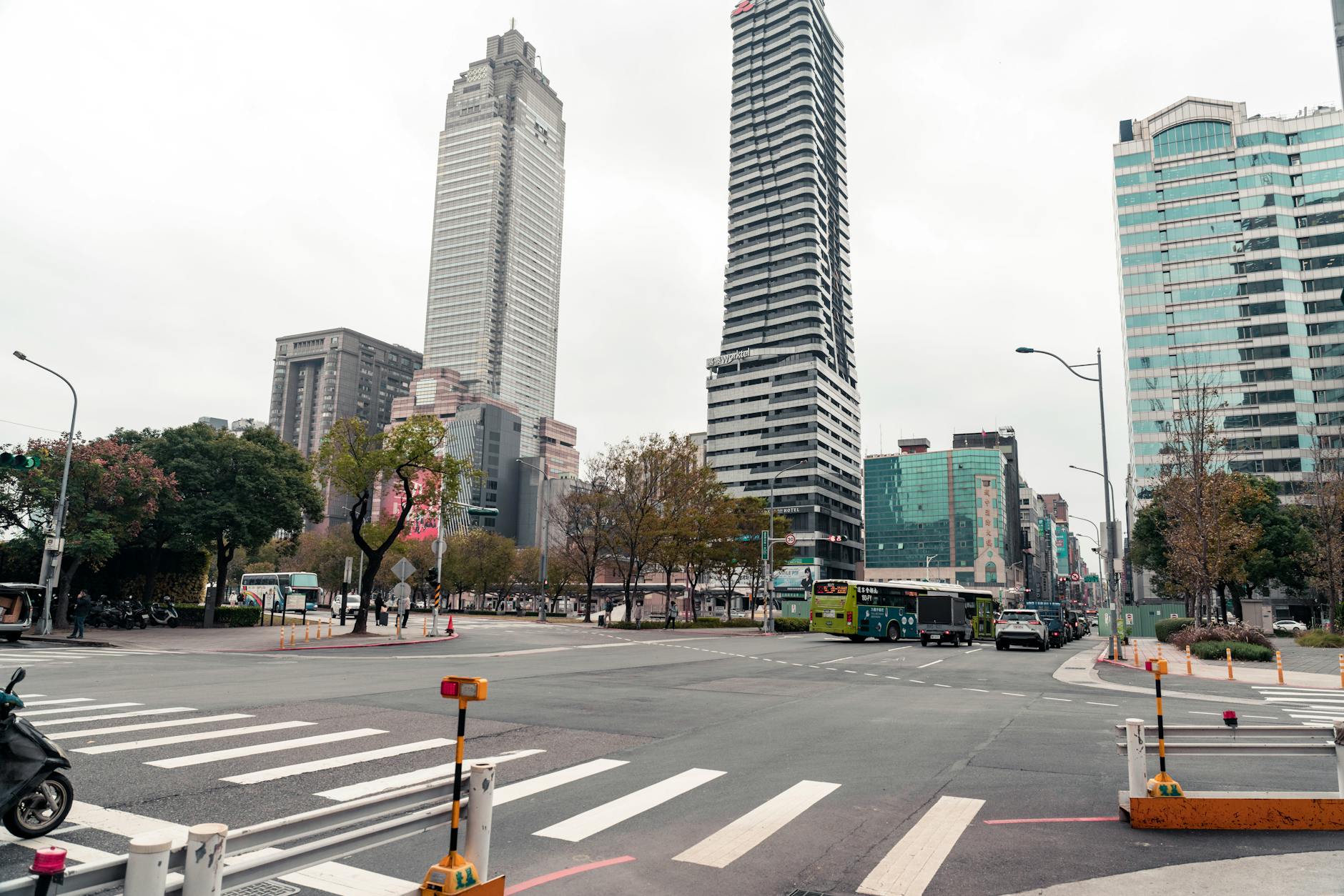
Reserve dining by geography and mood
Taipei can support serious dining, but a luxury traveler should not plan meals only by reputation. Fine dining, hotel restaurants, beef noodle shops, tea houses, night markets, tasting menus, and quiet neighborhood restaurants serve different purposes. The traveler should choose meals by route, privacy, service style, dietary needs, timing, and how much energy remains after the day's main activity.
The best itinerary may include one highly planned dinner and several simpler meals that fit naturally into Daan, Zhongshan, Xinyi, Yongkang Street, Dihua Street, or another area already on the route.
- Reserve important meals by location, privacy, timing, service style, dietary needs, and return route.
- Balance fine dining with tea, neighborhood restaurants, and simple Taipei food strengths.
- Do not let famous restaurants force inefficient movement across the city.
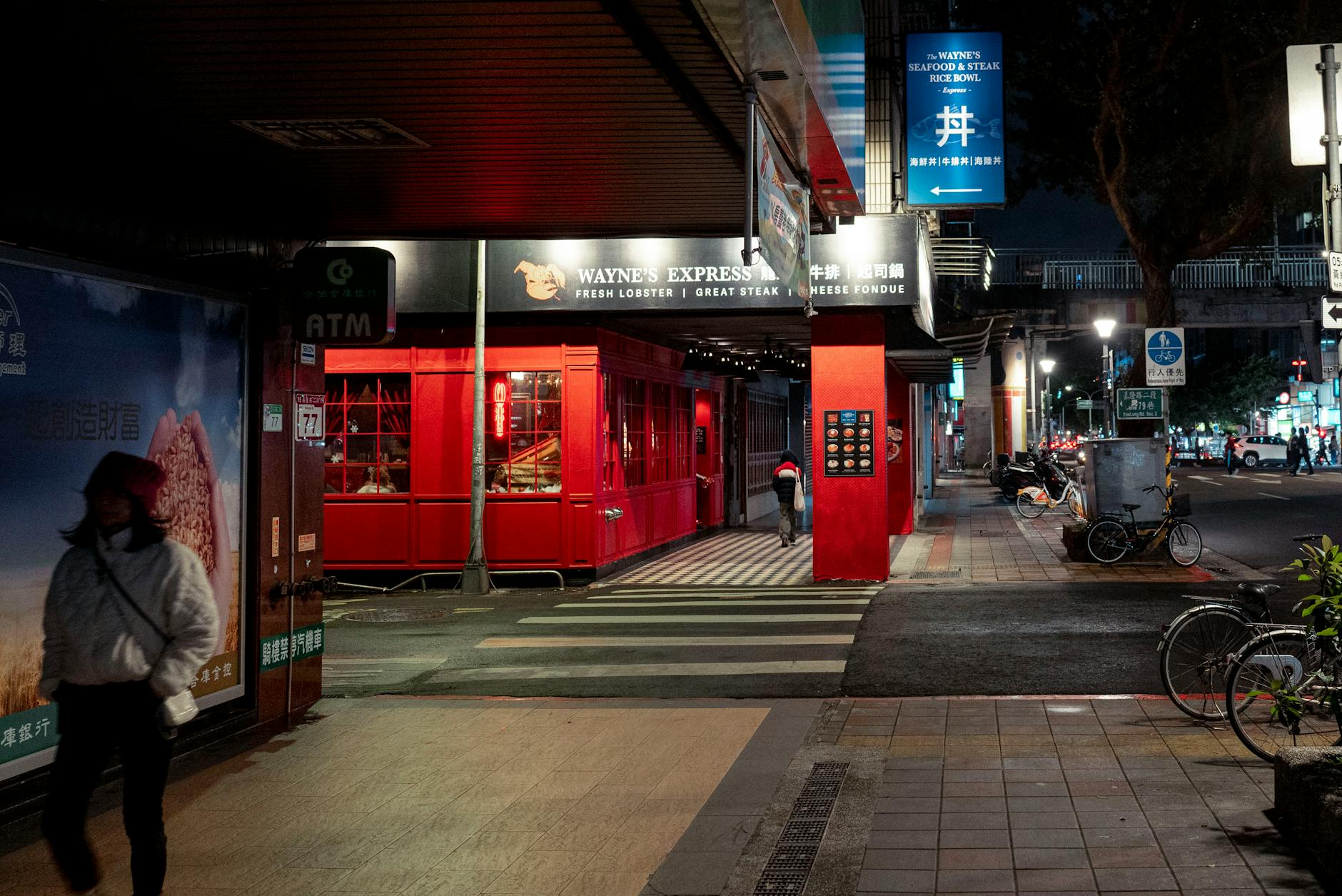
Use private movement where it actually helps
Private transfers can be valuable in Taipei, especially from Taoyuan, for formal dinners, when rain is heavy, when luggage is involved, or when the traveler wants to preserve energy. But Taipei's MRT is often efficient, clean, and easier than traffic for some routes. A luxury plan should not assume cars are always superior.
The traveler should decide where comfort, discretion, and timing justify a car, and where MRT, walking, or a taxi is the more intelligent choice. The highest-comfort plan is often mixed.
- Use private transfers for Taoyuan arrival, luggage, formal evenings, rain, and high-stakes timing.
- Use MRT or walking when road traffic would reduce control.
- Plan movement by comfort and reliability, not by status.
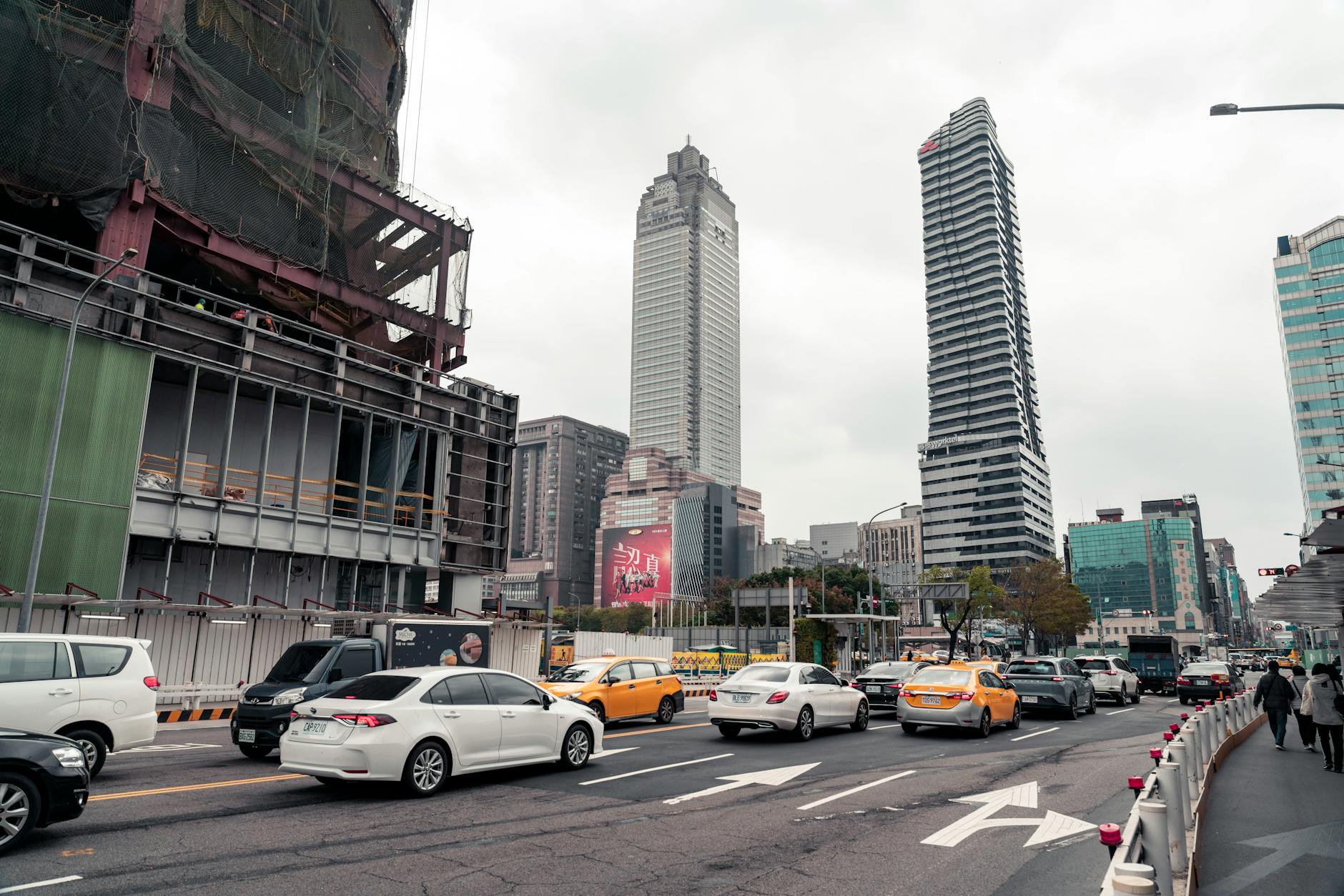
Treat tea, wellness, and culture as premium time
Taipei's more satisfying luxury often comes from pace rather than spectacle. A refined tea session, a spa block, a Beitou hot spring plan, a well-timed museum visit, a quiet temple stop, or a private guide for a specific interest can be more valuable than another hurried landmark. These experiences need space in the schedule.
The traveler should also check etiquette and setting. Tea houses, temples, hotel spas, and smaller cultural spaces reward a more measured style than fast sightseeing.
- Use tea, spa time, hot springs, museums, temples, and private guiding as core premium experiences.
- Leave enough time for the experience to feel restorative rather than squeezed in.
- Match behavior to quieter cultural and wellness settings.
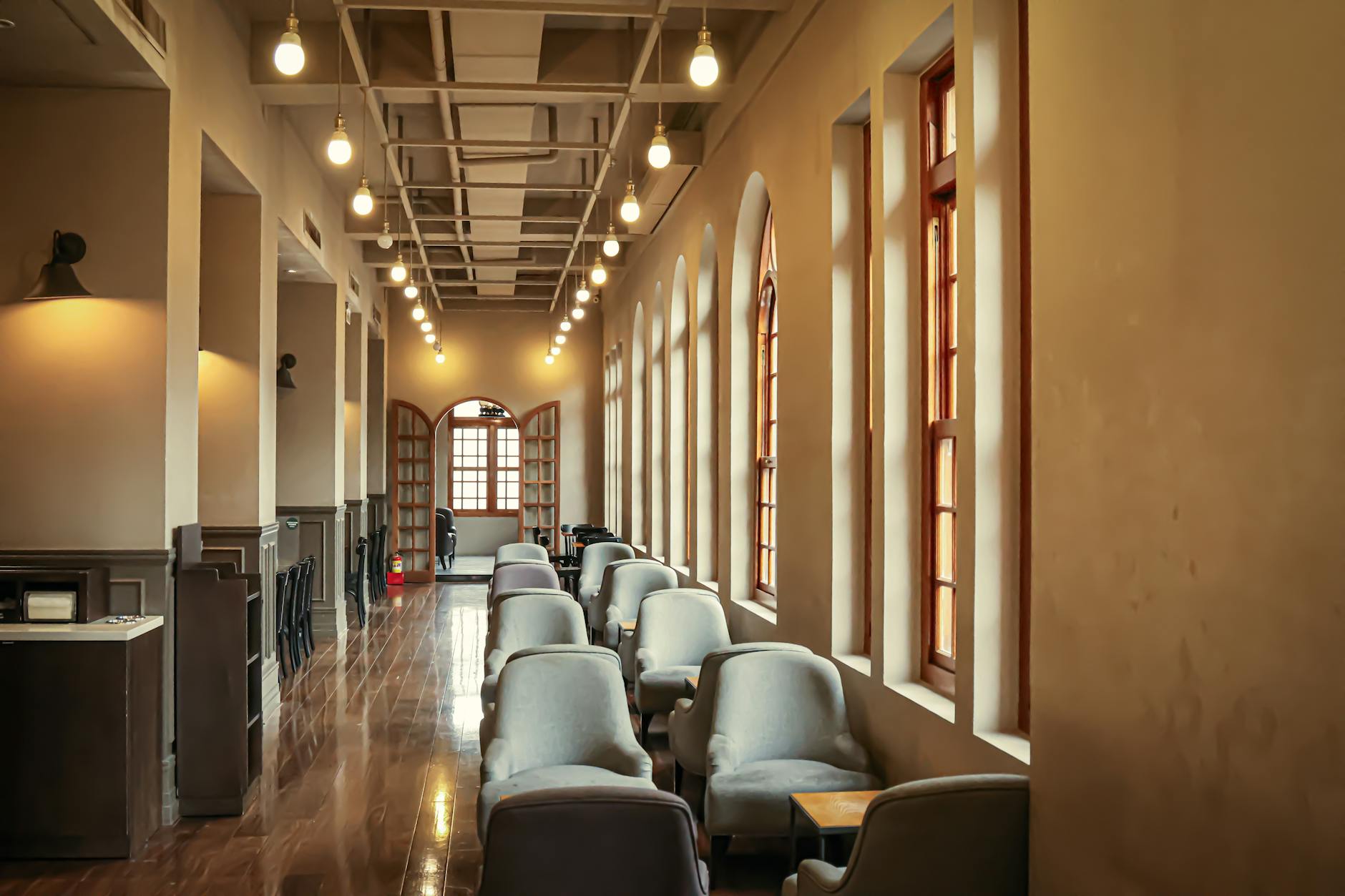
Plan shopping, weather, and discretion together
Xinyi shopping, design stores, department stores, boutiques, tea, electronics, and local crafts can all fit a luxury Taipei stay, but weather and transport matter. Rain, heat, humidity, cold interiors, and taxi demand can turn a shopping route into a tiring errand if the traveler is moving with bags or formal clothing.
Luxury travelers should also think about discretion. Visible purchases, expensive devices, late returns, and distracted street movement are still practical considerations in a safe and orderly city.
- Plan shopping routes around weather, bag handling, taxi access, and indoor resets.
- Balance Xinyi malls with smaller design, tea, craft, or neighborhood stops when relevant.
- Keep purchases, devices, and late returns under control.
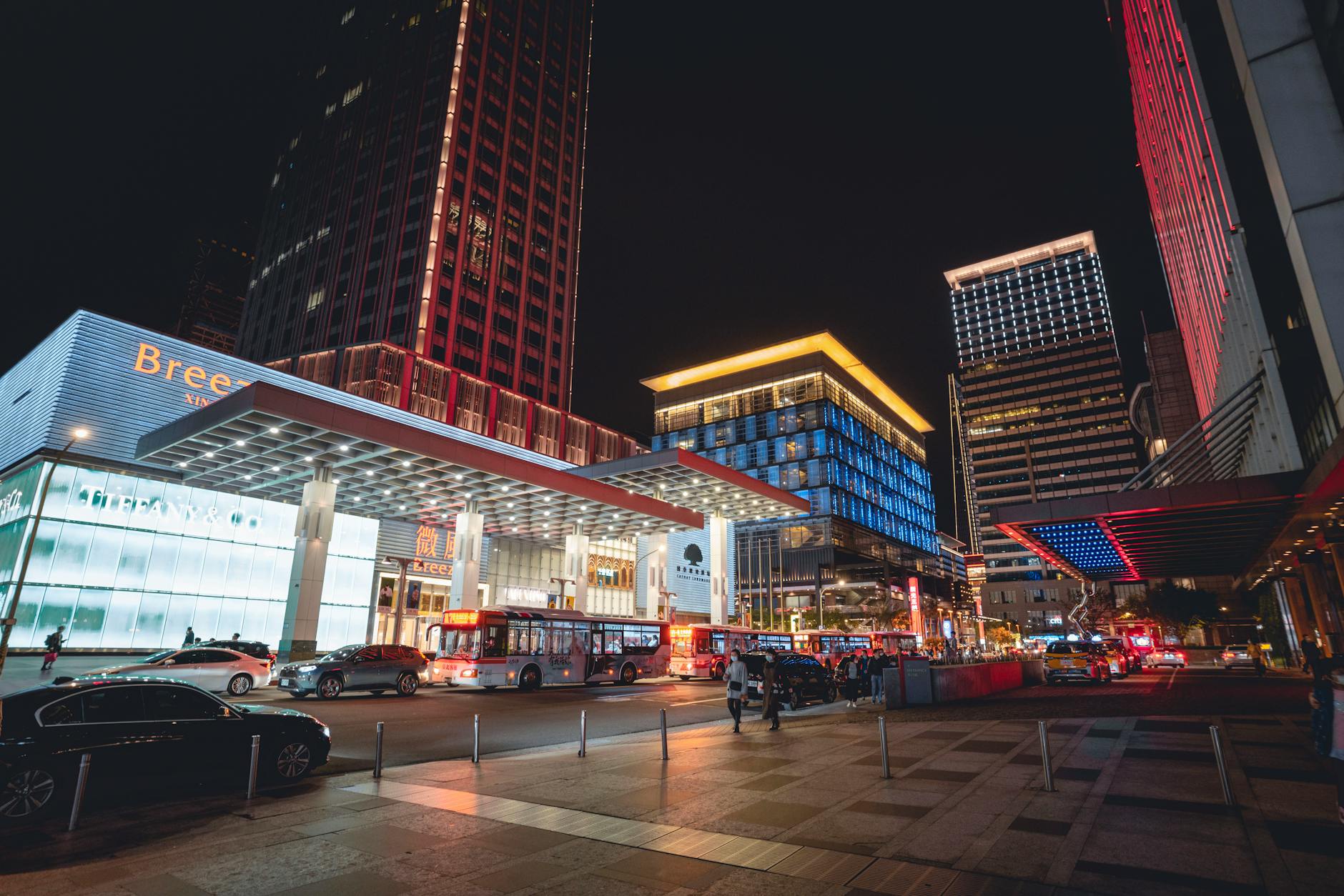
When to order a short-term travel report
A luxury traveler with a familiar hotel and a loose schedule may not need a custom Taipei report. A report becomes useful when the trip is short, hotel choice is unresolved, dining reservations matter, airport timing is tight, private movement needs coordination, weather could affect plans, or the traveler wants a premium stay without wasting time on poor routing.
The report should test hotel fit, Taoyuan or Songshan arrival, Xinyi versus quieter bases, restaurant geography, private transfer use, MRT and taxi tradeoffs, spa and tea time, shopping, weather, discretion, budget, and what to cut. The value is a Taipei stay that feels elevated because it is coherent.
- Order when hotel choice, airport timing, dining, transfers, weather, or premium pacing needs testing.
- Provide dates, flight details, hotel options, dining priorities, comfort expectations, constraints, and budget.
- Use the report to make the luxury stay calm, precise, and still recognizably Taipei.