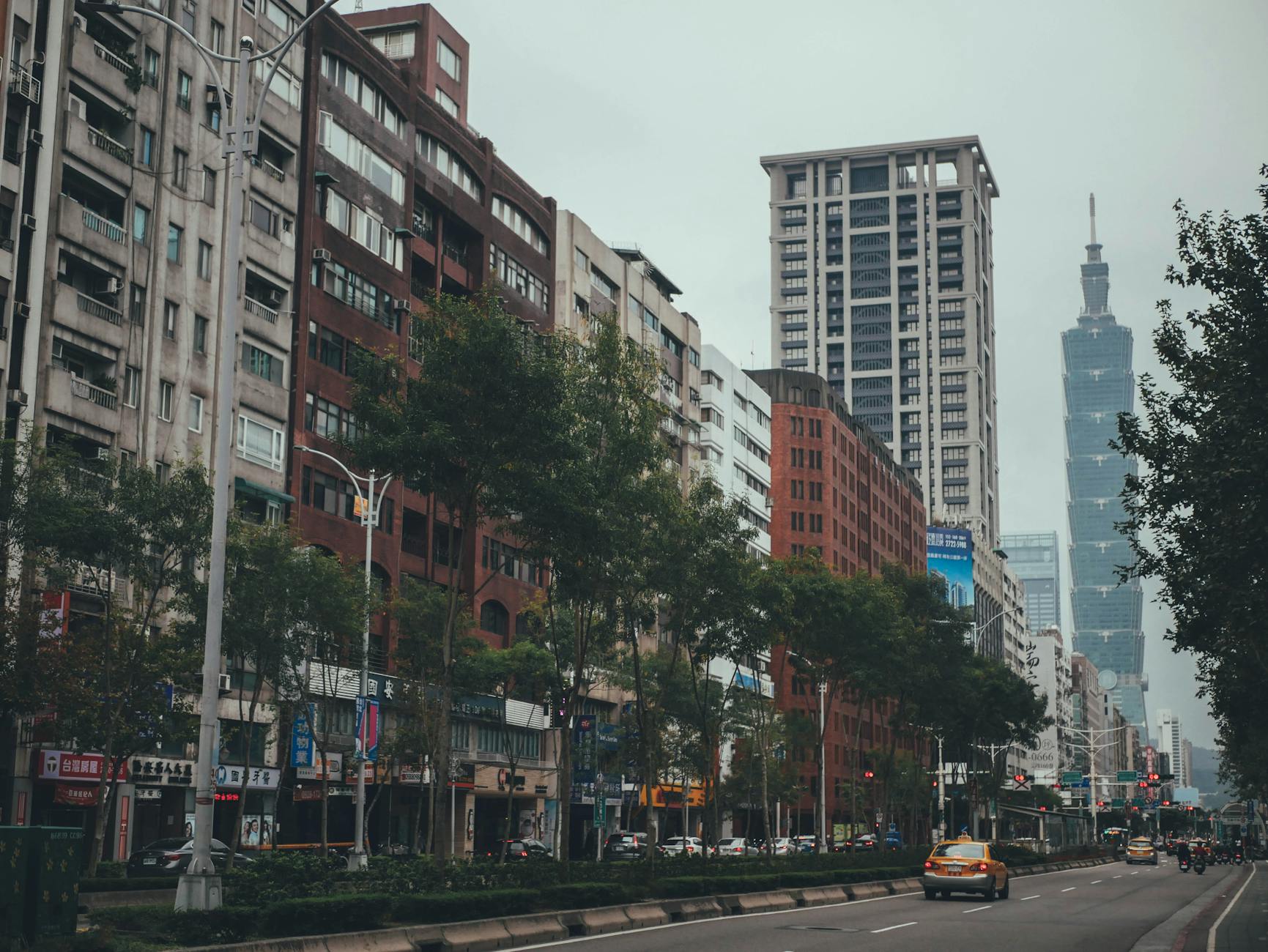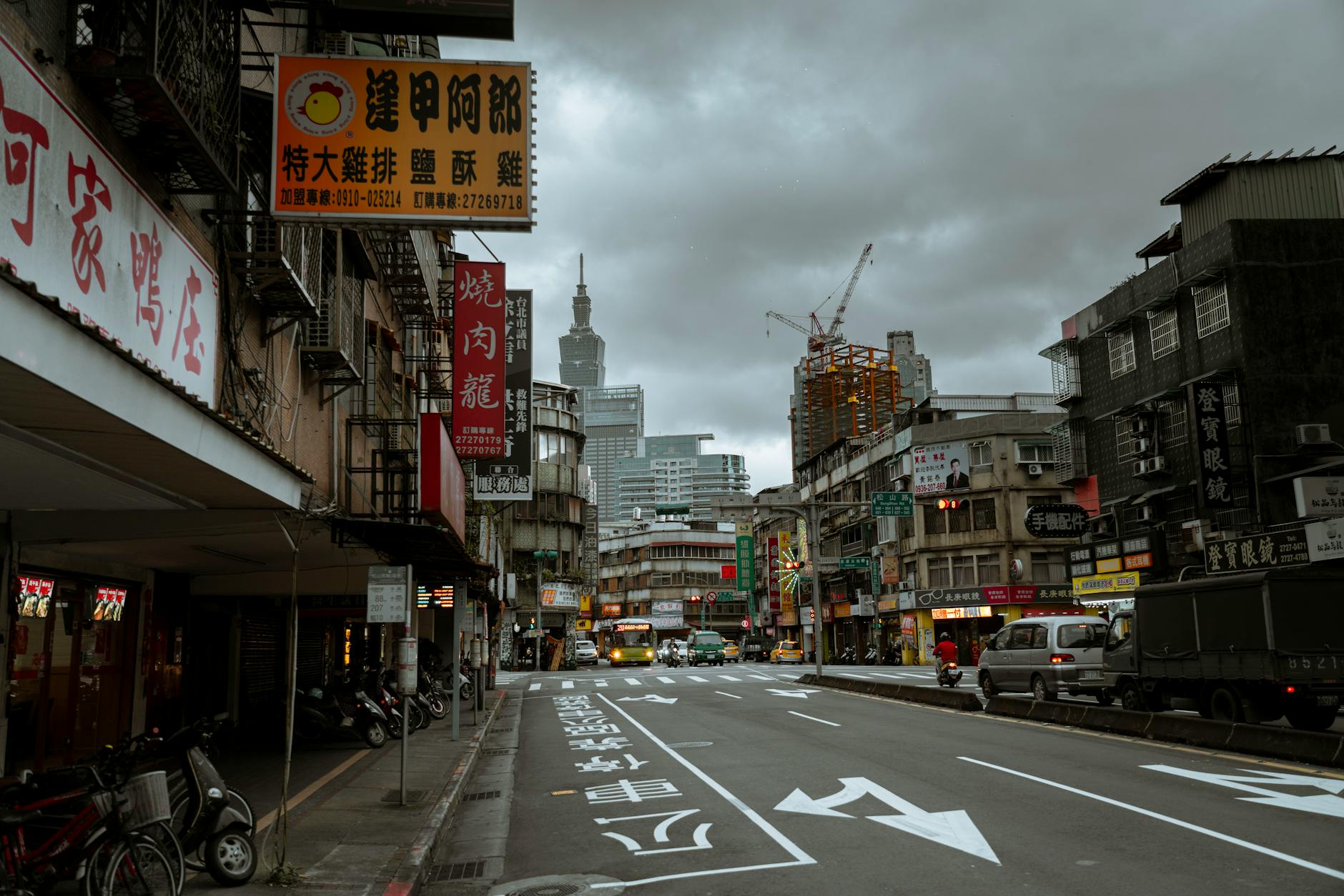
A short journalism trip to Taipei should begin with the assignment's shape. Political reporting, business coverage, culture, technology, food, travel, civic life, elections, cross-strait context, or regional features all create different source lists, neighborhoods, translation needs, and access questions. Taipei is navigable, but reporting time disappears quickly when interviews, transport, equipment, weather, and filing deadlines are not planned together. The best plan gives the journalist enough structure to protect access and deadlines while leaving space for the city to produce better observations than a desk plan can.
Define the assignment before choosing a base
A journalist should choose a Taipei base according to the assignment, not only convenience. Government, political, technology, business, culture, food, travel, and human-interest work may point toward different neighborhoods. Xinyi, Daan, Zhongshan, Wanhua, Nangang, Taipei Main Station, and New Taipei links can all be useful depending on sources and scenes.
The traveler should map interview sites, observation locations, filing space, translator or fixer logistics, and evening deadlines before booking the hotel.
- Map sources, scenes, filing space, translator or fixer logistics, and evening deadlines.
- Compare Xinyi, Daan, Zhongshan, Wanhua, Nangang, Taipei Main Station, and New Taipei links.
- Choose the base that supports reporting access and timely filing.
Confirm access, permissions, and source expectations
Journalists should confirm any accreditation, event access, interview permissions, recording consent, photography rules, and institutional requirements before arrival. Some work may be straightforward; other assignments may require formal requests, local contacts, or careful handling of sensitive topics. The journalist should know what can be recorded, attributed, photographed, and shared.
Source expectations also matter. A person who agrees to meet may not understand the publication, attribution rules, or how quickly a story will appear unless the journalist explains it clearly.
- Check accreditation, event access, interview permission, recording consent, and photography rules.
- Clarify attribution, publication context, timing, and sensitive-topic boundaries with sources.
- Do not assume informal access equals usable on-record material.
Sequence interviews by reliability and story value
A short Taipei reporting trip should place the most important interviews when energy is strong and backup options are available. High-value sources, location-specific scenes, press events, archival or institutional visits, and street observation should not be stacked so tightly that one delay damages the whole day.
The journalist should keep a second source, a substitute location, and a filing fallback for each day. Good reporting trips accept that the story may change once the city starts answering back.
- Place high-value interviews when energy, route certainty, and backup options are strongest.
- Avoid stacking source meetings so tightly that one delay breaks the day.
- Keep substitute sources, locations, and filing options ready.
Plan translation, names, and context carefully
Mandarin, Taiwanese Hokkien, English, and other language realities can affect source work in Taipei. The journalist should know when a translator, fixer, local researcher, or bilingual colleague is needed. Names, titles, institutions, romanization, and neighborhood references should be captured accurately before the reporting trail becomes hard to reconstruct.
Context matters as much as quotes. A rushed translation can flatten nuance, especially on politics, identity, business, religion, labor, or community topics.
- Arrange translator, fixer, researcher, or bilingual support when the assignment requires it.
- Capture names, titles, institutions, romanization, locations, and contact details carefully.
- Protect nuance on politics, identity, business, labor, religion, and community topics.
Protect equipment, files, and filing time
A journalist should plan camera, audio, laptop, chargers, adapters, memory cards, cloud backups, data access, VPN if needed, and a secure filing workflow before reaching Taipei. The hotel should be judged by desk quality, Wi-Fi, quiet, power, and whether late-night filing is realistic. Cafes can help, but they are not a reliable newsroom.
The traveler should also plan what happens if rain, equipment failure, or a late source changes the filing day.
- Prepare camera, audio, laptop, chargers, adapters, memory cards, data, backups, and filing workflow.
- Choose lodging with desk, Wi-Fi, quiet, power, and realistic late filing conditions.
- Keep contingencies for rain, equipment failure, late sources, and missed filing windows.
Respect privacy, safety, and fatigue
Reporting in Taipei is often comfortable, but privacy and safety still matter. The journalist should handle sensitive sources, protest or civic scenes, vulnerable communities, hospitals, schools, temples, and private businesses with care. Equipment visibility, late-night movement, rain, fatigue, and deadline pressure can all affect judgment.
The traveler should set clear working limits and protect sleep. A tired journalist is more likely to miss nuance, mishandle a quote, or make a weak route decision.
- Handle sensitive sources, civic scenes, vulnerable groups, temples, schools, and private spaces carefully.
- Plan equipment visibility, late movement, rain, fatigue, and deadline pressure.
- Protect sleep and judgment so reporting quality does not deteriorate.
When to order a short-term travel report
A journalist with a single hosted event may not need a custom Taipei report. A report becomes useful when sources are scattered, access rules are uncertain, translation matters, filing space is critical, the story involves sensitive topics, or the journalist wants to combine assignment work with a small amount of city context.
The report should test assignment geography, hotel fit, Taoyuan or Songshan arrival, MRT and taxi routes, source sequencing, access needs, translation, equipment, weather, filing time, safety, budget, and what to cut. The value is a Taipei reporting trip that remains flexible without becoming improvised.
- Order when source geography, access, translation, filing space, weather, or safety needs testing.
- Provide assignment type, dates, source locations, access needs, equipment, constraints, and budget.
- Use the report to protect reporting quality, deadlines, and practical movement.