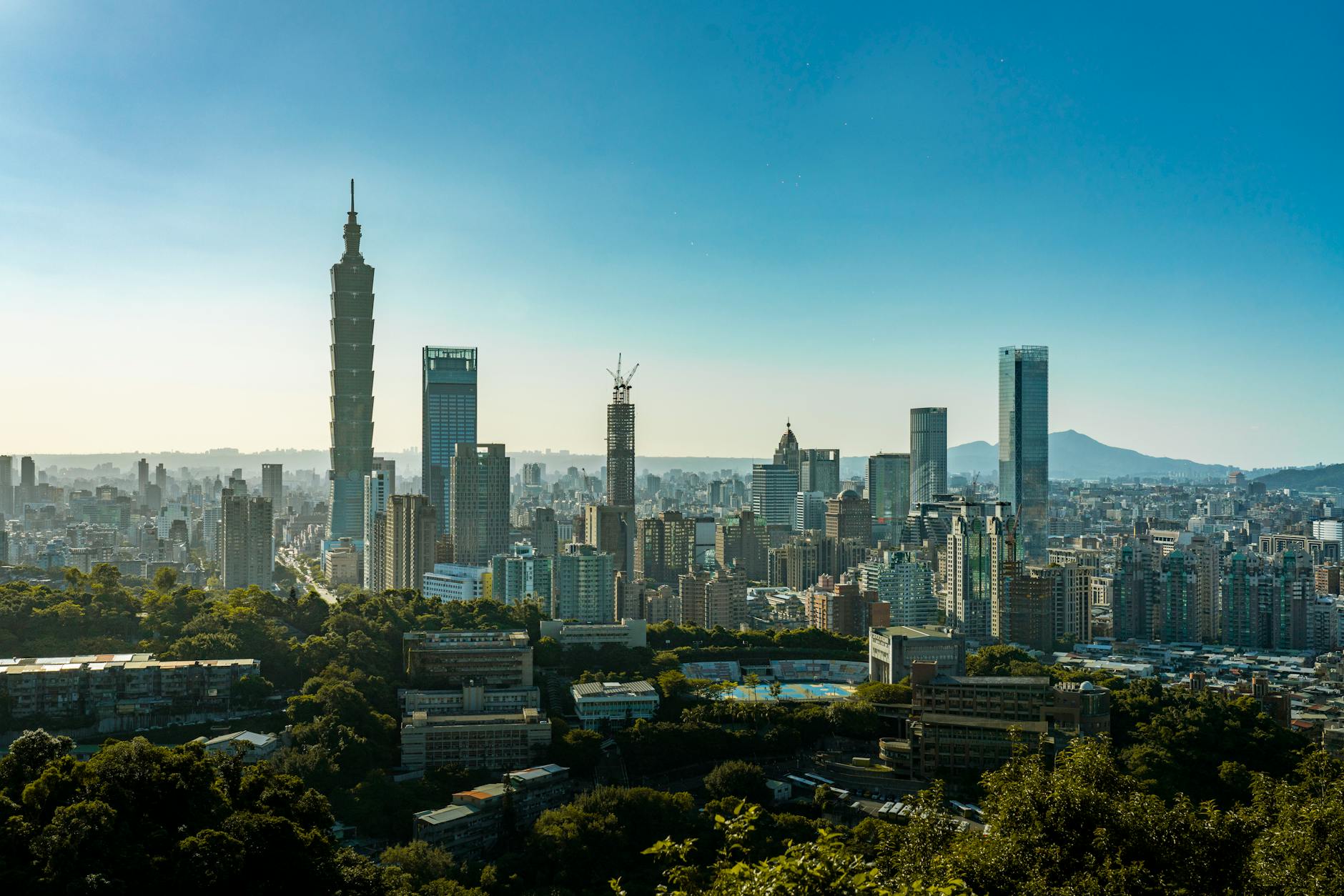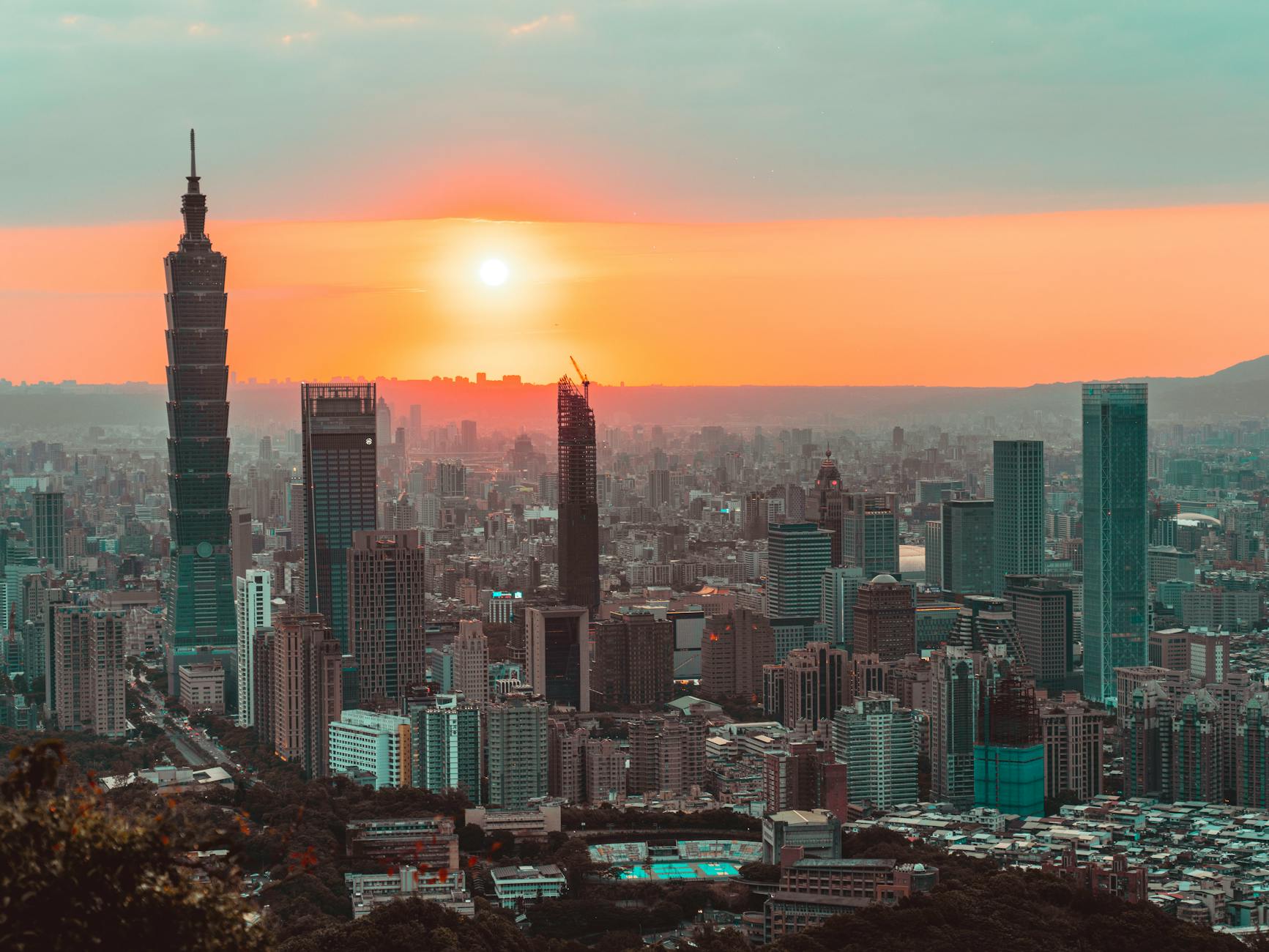
A Taipei trip for an investor or deal team member is usually compressed and consequential. The traveler may need to meet founders, family business owners, corporate teams, banks, lawyers, advisors, regulators, manufacturers, or portfolio companies while also reviewing documents and holding private calls. Taipei can support this well, but only when geography, confidentiality, timing, and recovery are planned as part of the transaction work. The strongest deal trip is selective. It protects the meetings that change judgment, avoids unnecessary movement, and gives the traveler space to process what was learned before the next conversation.
Map counterparties and advisors first
The traveler should map every counterparty and advisor before choosing the hotel. Meetings may sit in Xinyi, Neihu, Nangang, Daan, Zhongshan, Taipei Main Station, or outside the city. Banks, law firms, founder offices, factories, diligence sites, and dinner locations create different route problems and different privacy needs.
A base that looks prestigious may still be wrong if it forces rushed transfers between the people who matter most. The hotel should support judgment, punctuality, and quiet work.
- Map founders, management teams, banks, lawyers, advisors, diligence sites, and dinner locations.
- Compare Xinyi, Neihu, Nangang, Daan, Zhongshan, Taipei Main Station, and outside-city routes.
- Choose the base that protects judgment, punctuality, and quiet work.
Sequence diligence by decision value
A deal trip should not simply follow the order in which meetings were offered. The traveler should put the most decision-critical conversations when attention is highest and route risk is lowest. Site visits, management meetings, advisor briefings, informal dinners, and internal deal-team calls should be sequenced so each one improves the next.
The schedule also needs processing time. A packed day without debrief space can create the appearance of diligence while weakening the actual investment judgment.
- Place decision-critical meetings when attention and route certainty are strongest.
- Sequence site visits, management meetings, advisor briefings, dinners, and internal calls deliberately.
- Protect debrief time so the trip improves judgment rather than only adding meetings.
Treat confidentiality as a travel requirement
Investors and deal teams often need private calls, document review, sensitive notes, and controlled conversations. The hotel should be judged by room workspace, Wi-Fi reliability, desk setup, quiet, lobby privacy, secure luggage handling, and whether calls can happen without relying on public cafes. Airport lounges and hotel bars may be convenient but not always appropriate.
The traveler should prepare device security, VPN access, two-factor authentication, data-room access, charger redundancy, and a plan for working if the room is not ready.
- Check workspace, Wi-Fi, desk setup, quiet, privacy, luggage handling, and call suitability.
- Avoid sensitive calls and document review in public spaces when discretion matters.
- Prepare VPN, authentication, data-room access, chargers, backups, and arrival-day workspace options.
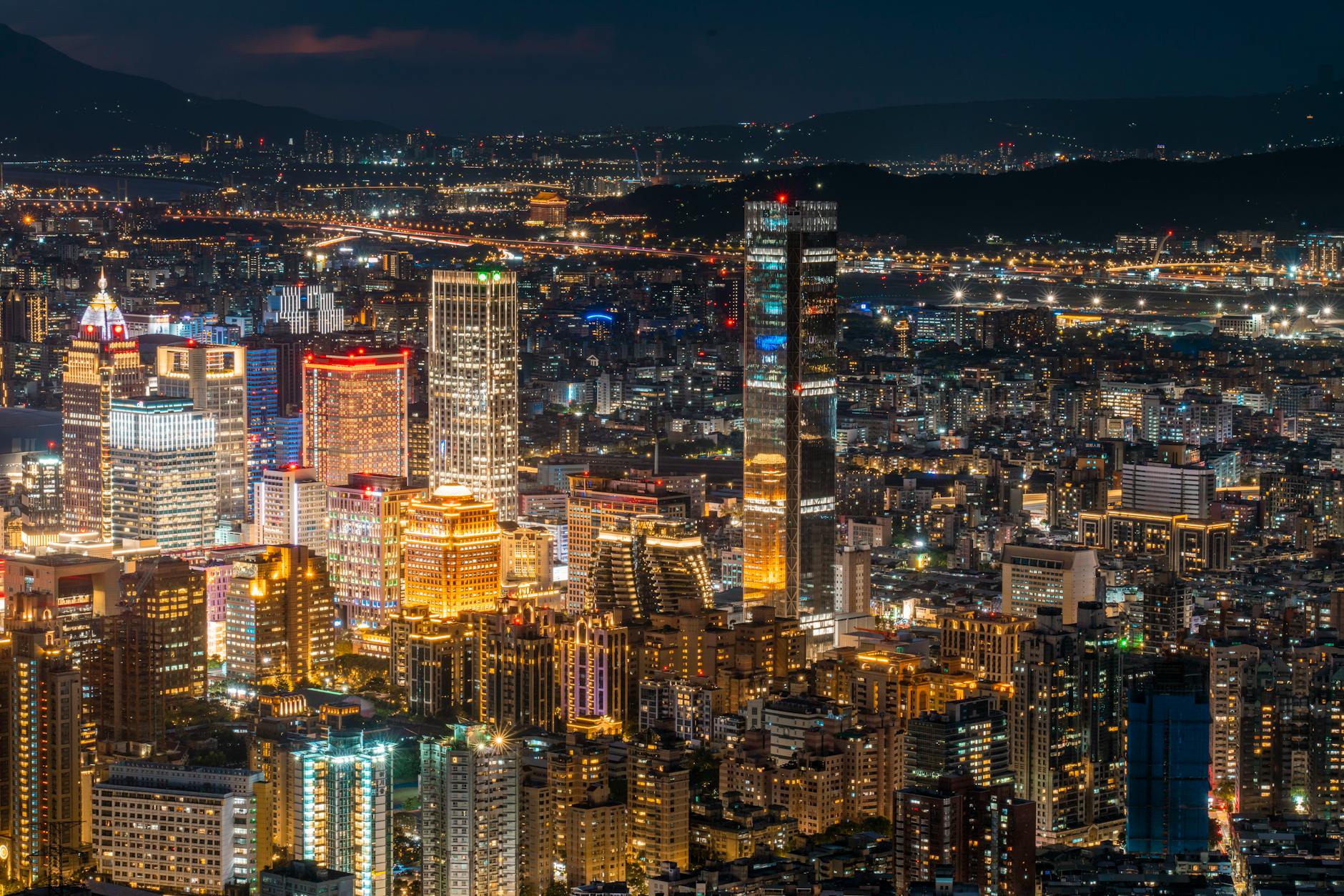
Use transport according to meeting consequence
Taipei's MRT can work well when a route is direct and the traveler knows the exit. Taxis may be better for formal meetings, confidential materials, rain, late dinners, or routes where transfers introduce too much uncertainty. The decision should reflect the consequence of being late or visibly rushed.
The traveler should confirm building names, Chinese address text, pickup points, traffic-sensitive windows, and whether the final entrance is obvious. A polished meeting can be damaged by a confused final five minutes.
- Use MRT for direct and predictable routes with known exits.
- Use taxis for formal meetings, confidential material, rain, late dinners, and high-consequence timing.
- Confirm building names, address text, pickup points, traffic windows, and entrances.
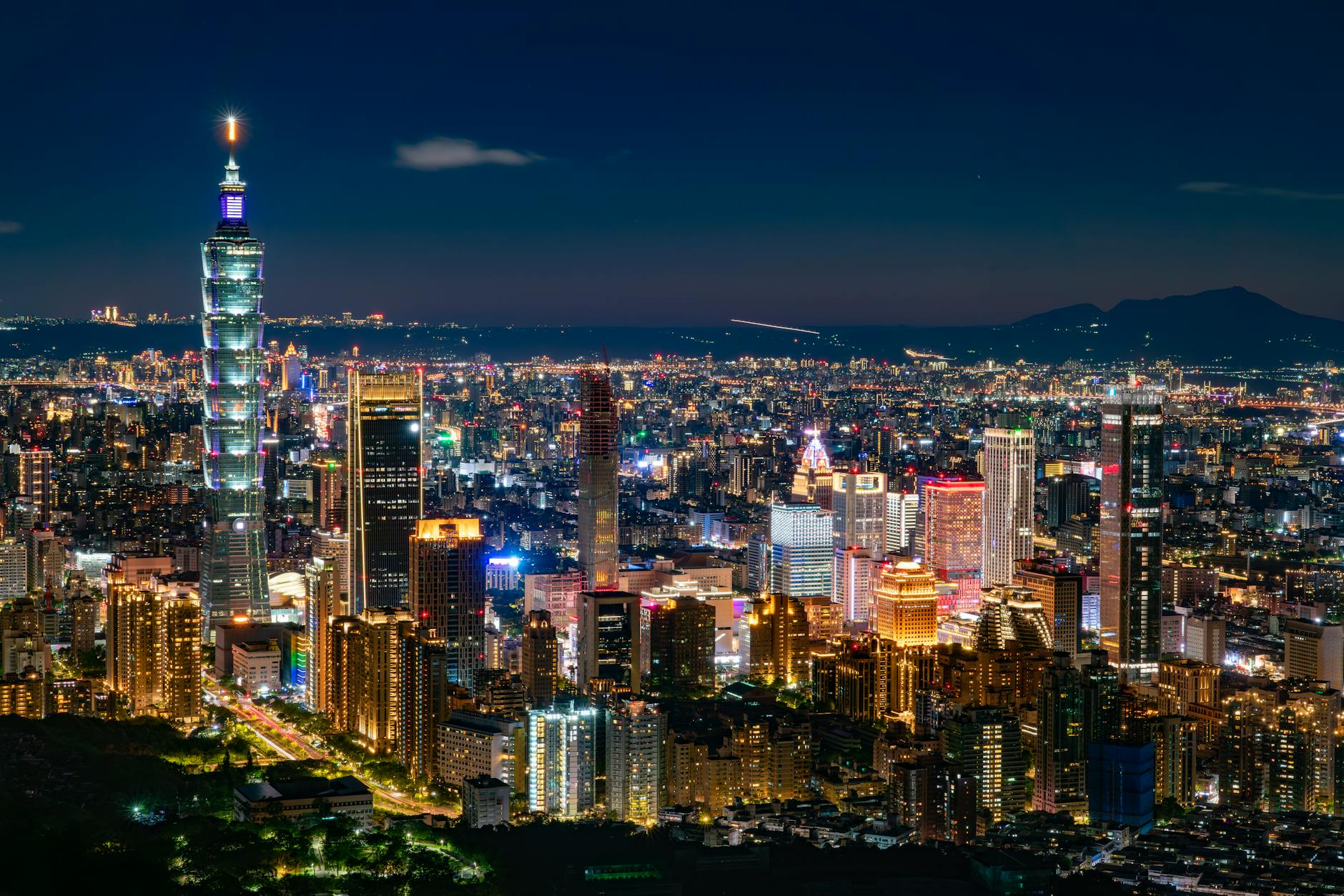
Plan meals for signal, privacy, and stamina
Meals can be important in Taipei deal work. A founder dinner, advisor breakfast, bank lunch, or quiet internal debrief all sends a different signal. The traveler should choose venues by privacy, noise, seating, cuisine, payment expectations, proximity, and whether the setting supports the conversation.
The meal schedule should also protect stamina. Too many late dinners can reduce the quality of the next morning's judgment, especially after long flights and dense meetings.
- Separate founder dinners, advisor breakfasts, bank lunches, and internal debrief meals.
- Choose venues by privacy, noise, seating, cuisine, payment expectations, proximity, and conversation fit.
- Limit late meals when next-morning judgment matters.
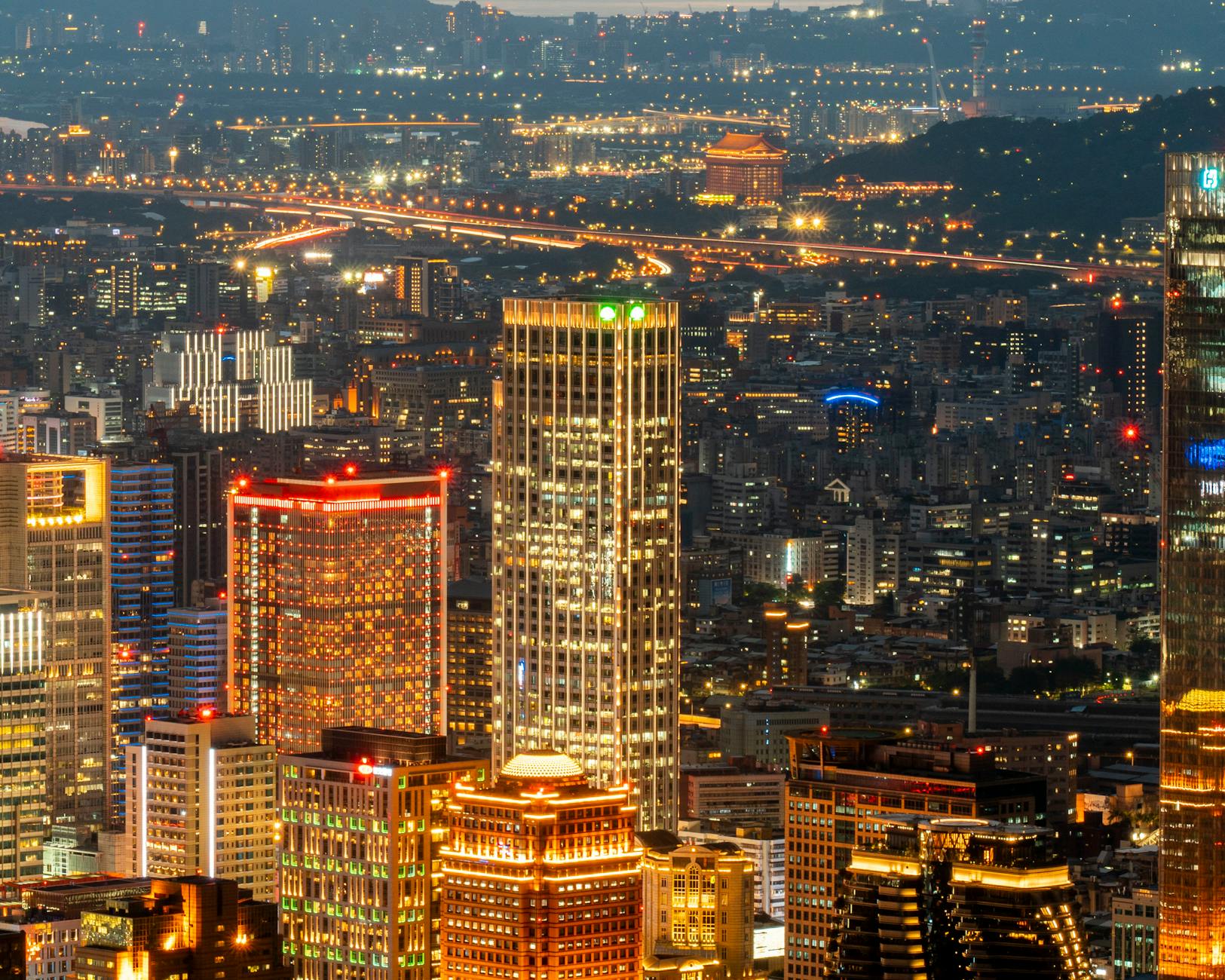
Account for regulatory and operating context
A short Taipei deal trip should leave room for questions that are not visible in a pitch deck. Sector rules, export exposure, cross-strait sensitivity, supply-chain resilience, labor availability, office geography, banking practices, and local advisor availability may all affect the trip. The traveler should use on-the-ground time to test assumptions, not only confirm prepared materials.
This does not mean turning every meeting into an investigation. It means deciding which contextual questions belong in person and which can be handled before or after the trip.
- Identify sector rules, export exposure, supply-chain issues, labor needs, banking practices, and advisor gaps.
- Use in-person time to test assumptions that are hard to judge remotely.
- Separate questions for meetings, document review, advisors, and post-trip follow-up.
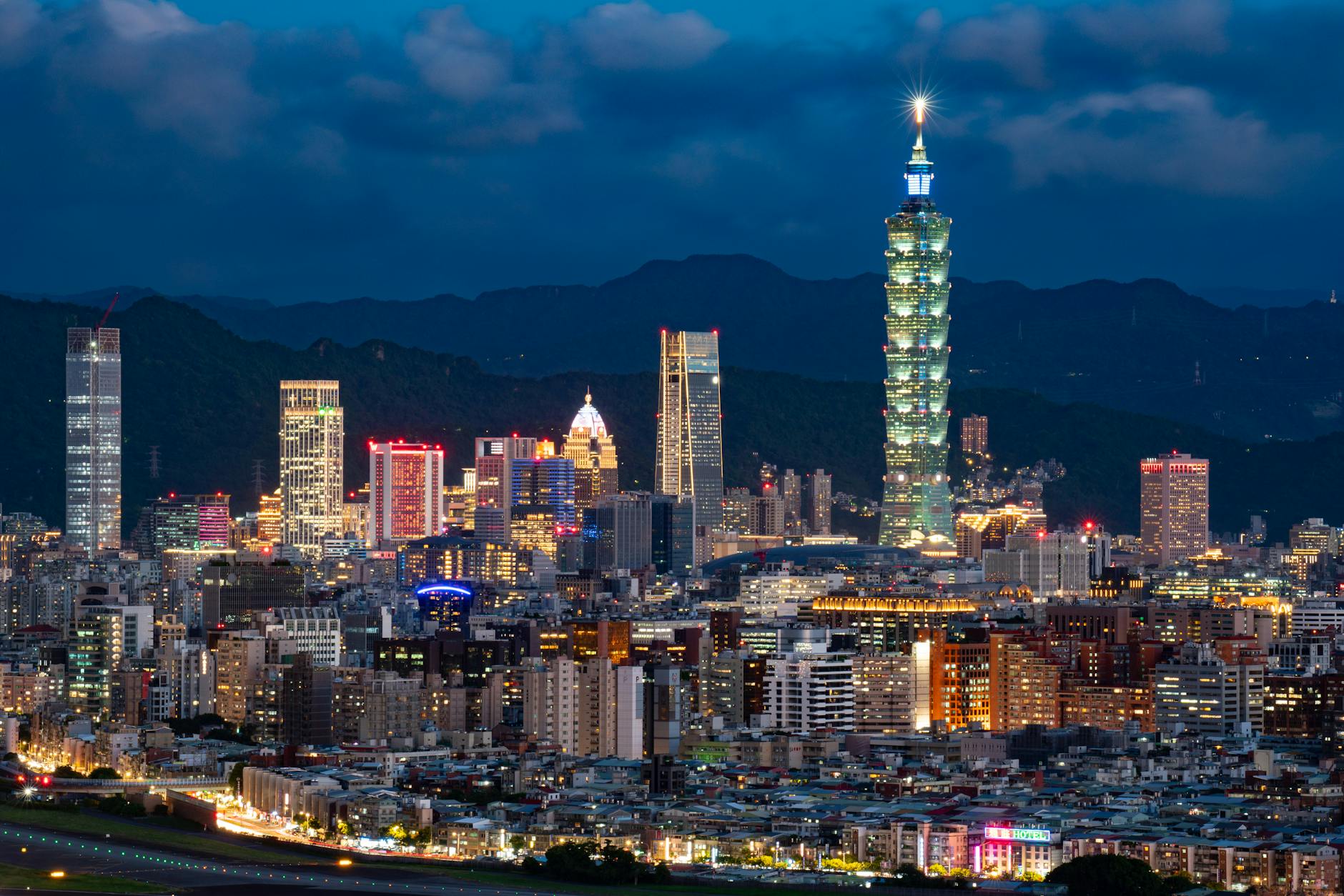
When to order a short-term travel report
An investor or deal team member with a hosted single-site visit may not need a custom Taipei report. A report becomes useful when meetings are split across districts, confidential work needs private space, site visits are involved, airport timing is tight, dinners carry relationship value, or the trip needs to balance diligence with recovery.
The report should test counterparty geography, hotel fit, Taoyuan or Songshan arrival, MRT and taxi routes, workspace, privacy, meals, site visits, weather, recovery, budget, and what to cut. The value is a Taipei deal trip that supports clear judgment under time pressure.
- Order when counterparty geography, privacy, workspace, site visits, meals, or airport timing needs testing.
- Provide dates, meeting sites, advisor locations, hotel options, confidentiality needs, constraints, and budget.
- Use the report to protect diligence quality, discretion, and decision-making energy.