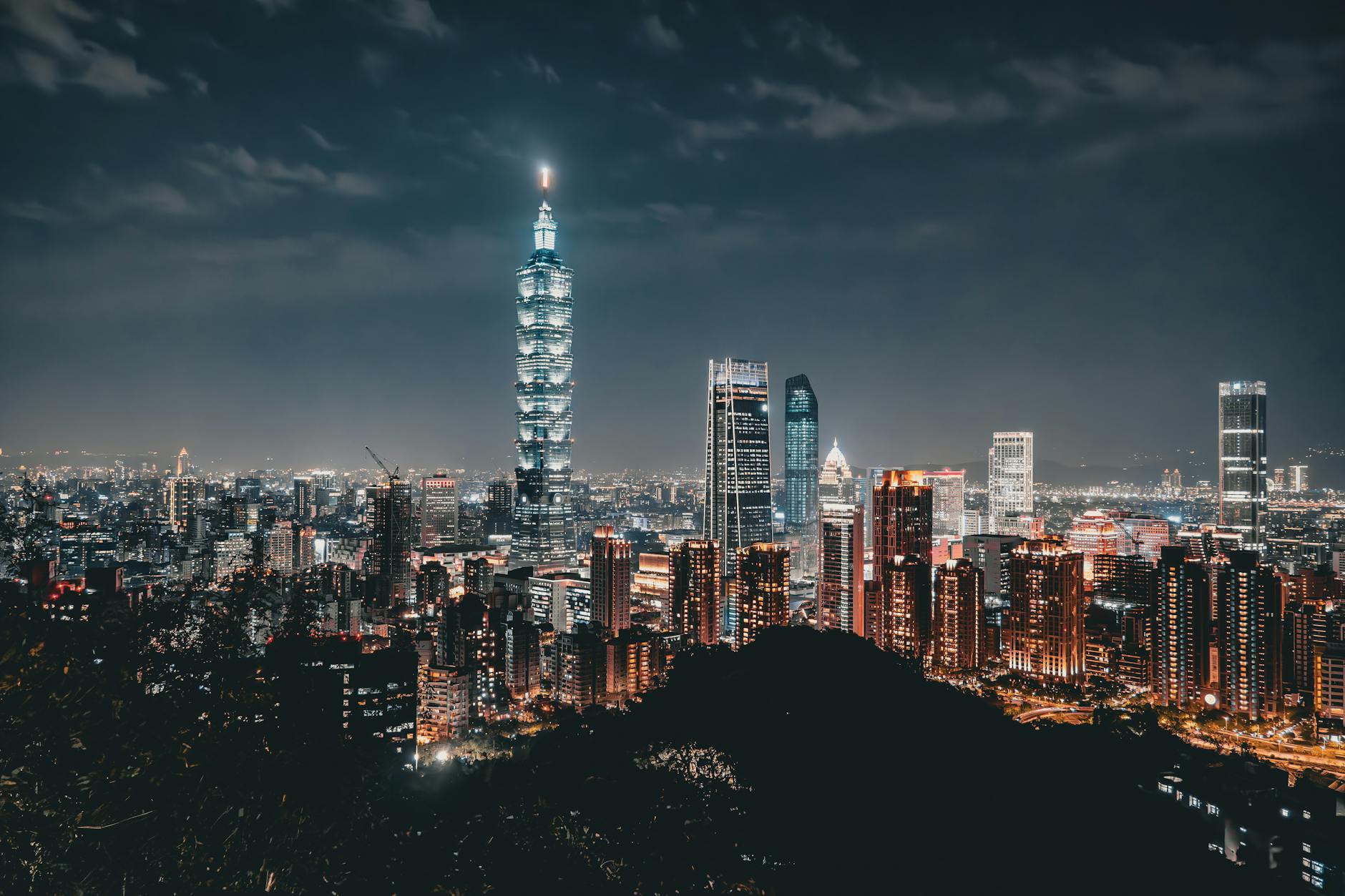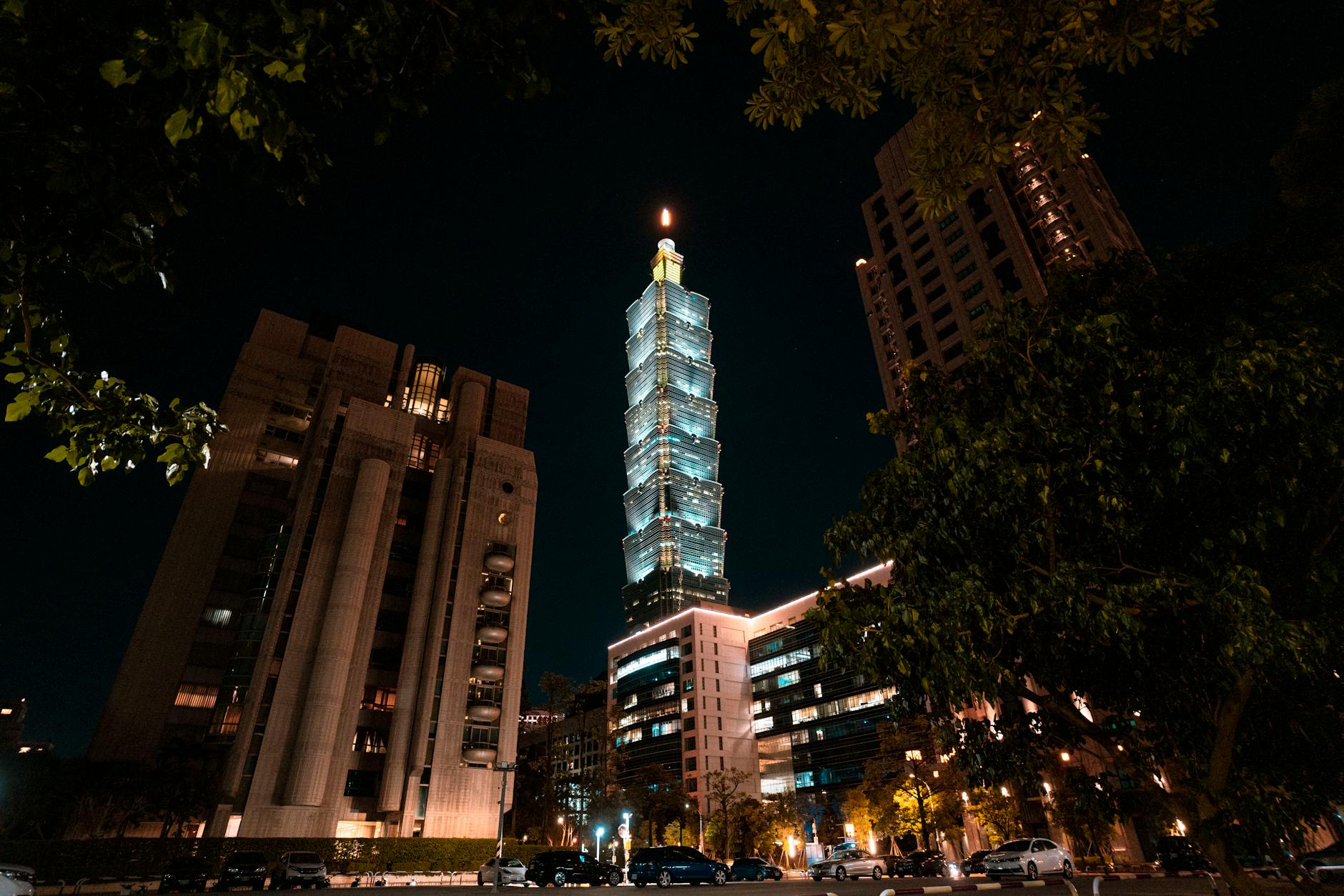
Taipei is often easier than first-time visitors expect, but that ease can hide real planning choices. The city is not just Taipei 101, night markets, temples, and bubble tea. The best short first visit usually depends on choosing the right base, understanding MRT movement, pacing food and sightseeing, and deciding how much of Taiwan to attempt from the capital. A first-time Taipei trip should feel legible without becoming overstuffed. The visitor should know where to stay, how to arrive, which sights belong together, how weather changes the day, and when to stop adding one more famous place.
Choose a base that makes Taipei legible
A first-time visitor should choose lodging by how the city will be used. Xinyi can work for Taipei 101, polished hotels, shopping, and skyline access. Zhongshan and Daan can work for food, MRT movement, cafes, and a more everyday city feel. Ximending may suit visitors who want youth energy and late movement. The best base depends on the trip's rhythm, not just the name of the district.
The visitor should check MRT proximity, airport transfer, late return comfort, breakfast, nearby simple food, room quiet, and how much walking is required at the end of the day.
- Compare Xinyi, Zhongshan, Daan, Ximending, Songshan, and other bases by actual trip rhythm.
- Check MRT proximity, airport transfer, late returns, breakfast, food nearby, quiet, and walking burden.
- Choose a base that makes the first visit easy to understand.
Plan arrival and MRT basics before landing
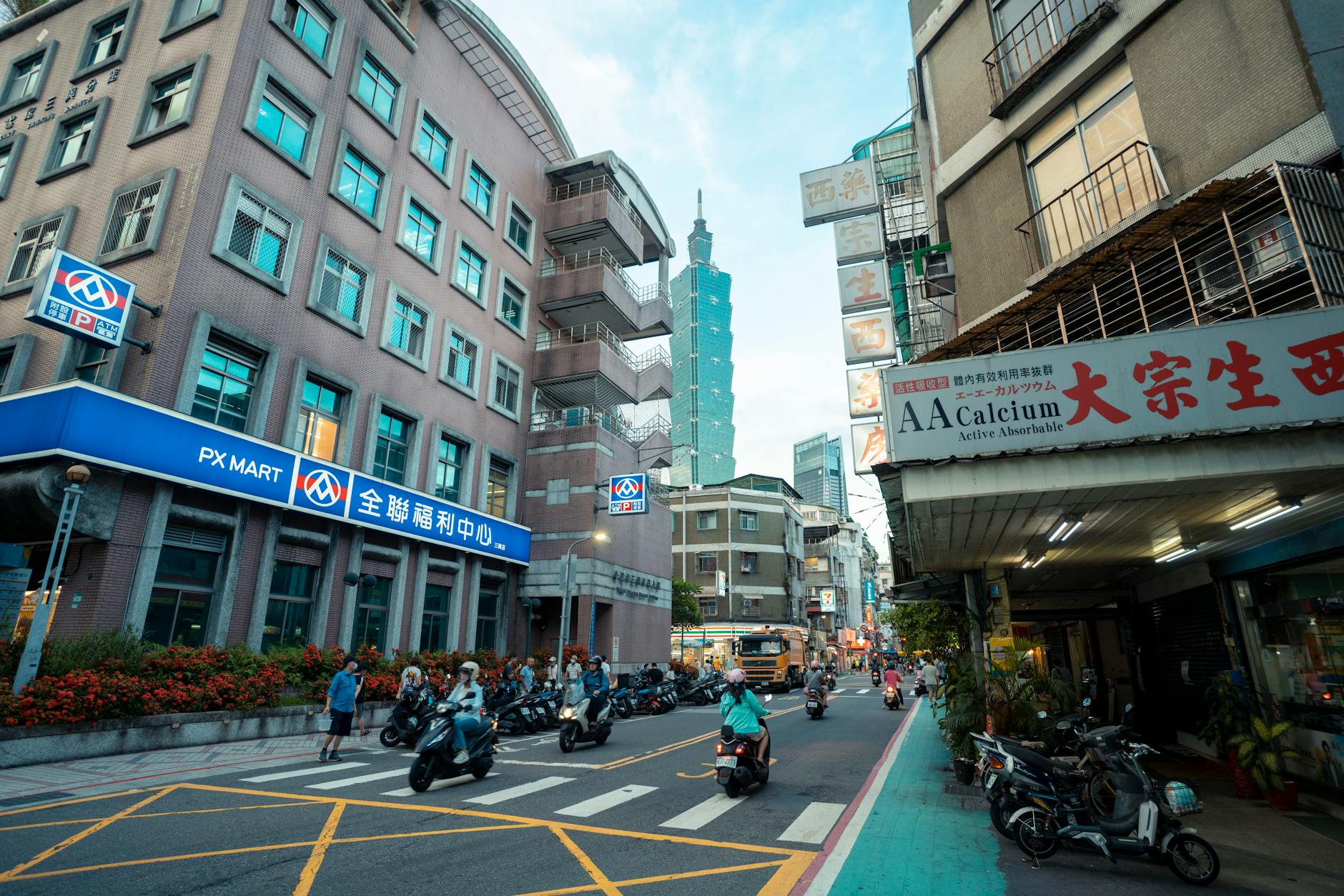
Taipei arrival is easier when the traveler knows whether they are landing at Taoyuan or Songshan. Taoyuan usually requires Airport MRT, taxi, bus, or car planning. Songshan is closer to the city and may shorten the first transfer. Either way, the visitor should know payment setup, luggage handling, hotel check-in timing, and the first route before arrival.
The MRT is one of Taipei's biggest first-visit advantages. It can make the city feel orderly if the visitor learns the basic lines, exits, etiquette, and when a taxi is still the better choice.
- Separate Taoyuan and Songshan airport plans before choosing the first transfer.
- Prepare payment, luggage handling, hotel check-in timing, and the first route.
- Use MRT for clarity, but switch to taxis when bags, weather, or timing justify it.
Group the major sights instead of chasing them
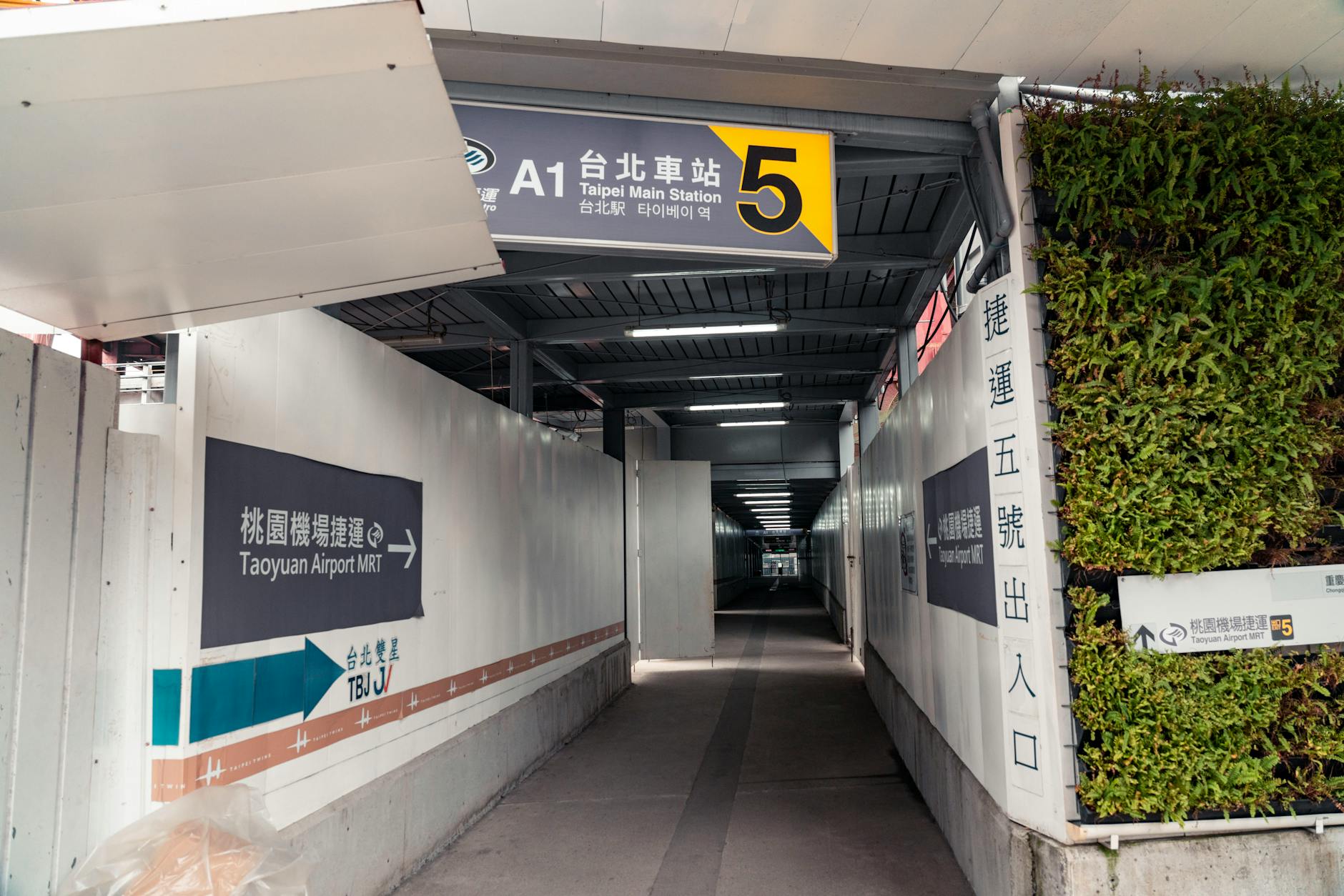
Taipei has several first-visit anchors: Taipei 101, temples, night markets, Chiang Kai-shek Memorial Hall, museums, riverside areas, tea culture, hot springs, and neighborhood food walks. The visitor should group sights by geography and energy rather than jumping across the city for isolated famous names.
A shorter first visit should usually choose a few strong zones and leave space for meals, weather, and rest. The city is more enjoyable when the visitor stops treating it like a checklist.
- Group Taipei 101, temples, museums, night markets, riverside areas, and food walks by geography.
- Leave room for meals, weather, and slower neighborhood time.
- Do not turn the first visit into a checklist of disconnected sights.
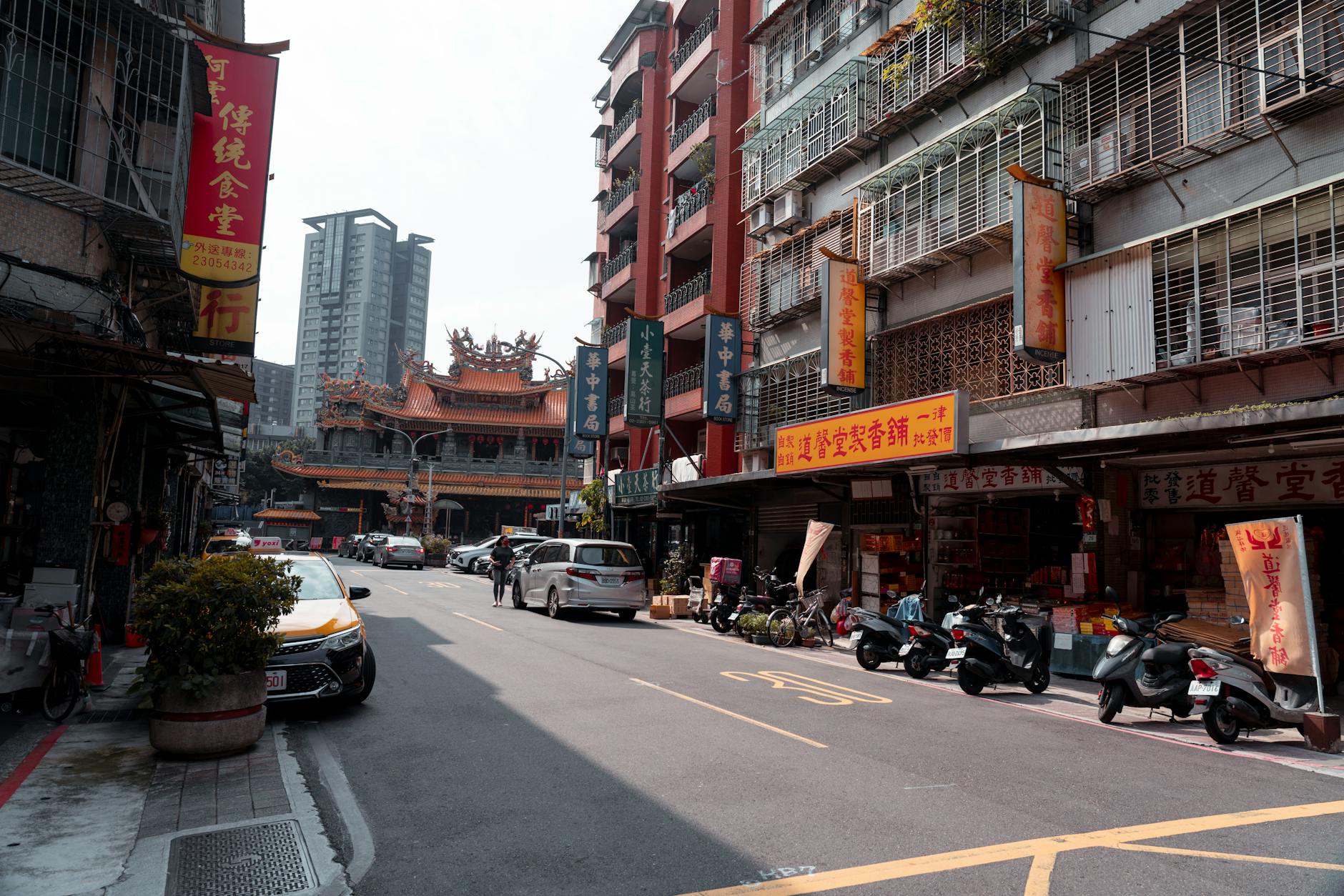
Use food as structure, not interruption
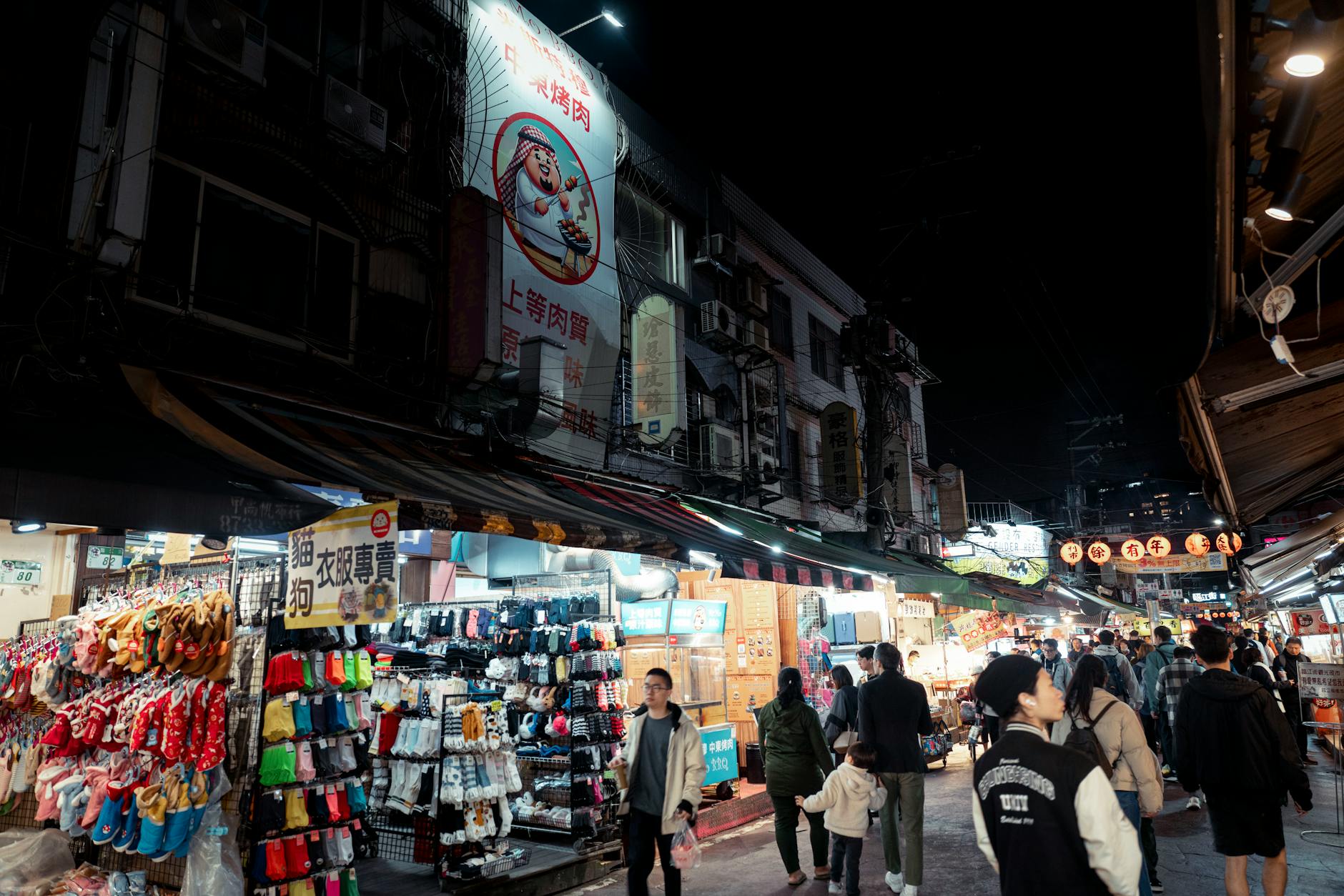
Food is one of Taipei's best first-visit pleasures, but it needs pacing. Night markets, breakfast shops, beef noodle soup, dumplings, tea, cafes, convenience stores, and more formal meals can all be part of the trip. The visitor should decide which meals are destination meals and which meals simply support the day's route.
Night markets are especially easy to over-romanticize. They can be excellent, crowded, hot, wet, or tiring depending on the night. The visitor should choose them by location, appetite, group tolerance, and return route.
- Plan destination meals separately from simple meals that support the route.
- Use night markets by location, appetite, weather, crowds, and return route.
- Keep food pacing realistic so the first visit remains enjoyable.
Plan around rain, heat, and indoor resets
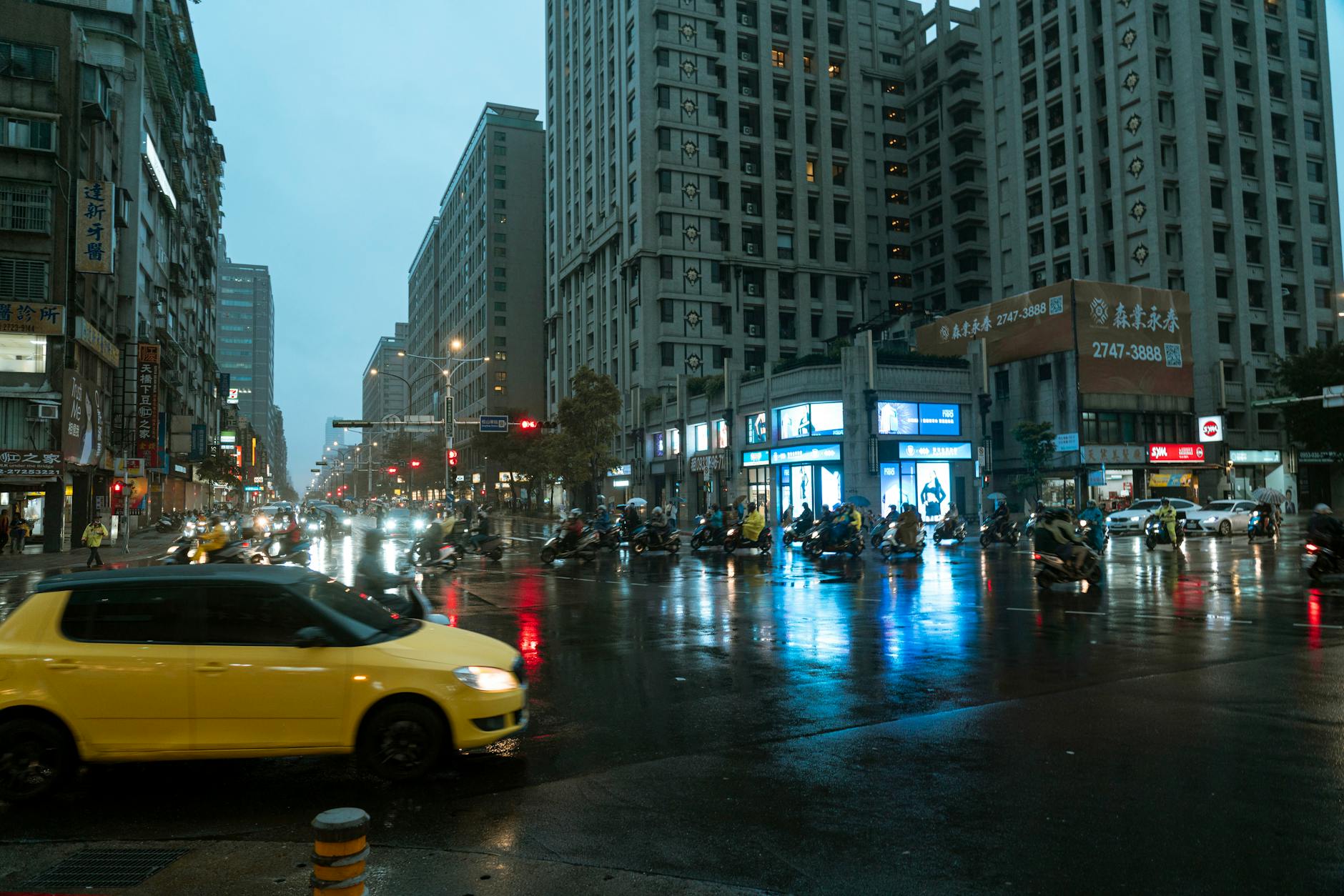
Taipei weather can shape the day more than first-time visitors expect. Rain, heat, humidity, typhoon-season disruption, wet pavements, and cold interiors all affect walking, clothing, and sightseeing. A good first visit has indoor resets: museums, cafes, malls, tea houses, hotel breaks, or a slower lunch when the weather is difficult.
The visitor should also choose shoes and clothing for real city movement. A route that looks short can feel longer in humidity or rain.
- Plan for rain, heat, humidity, typhoon-season disruption, wet pavement, and cold interiors.
- Use museums, cafes, malls, tea houses, hotel breaks, and lunches as weather resets.
- Choose shoes and clothing for actual walking, not just photos.
Be selective with day trips
First-time visitors often want to add Jiufen, Beitou, Tamsui, Yangmingshan, Yehliu, Pingxi, or another excursion. Some can be excellent, but a short Taipei stay cannot absorb every day trip without losing the city itself. The visitor should decide whether the trip is about Taipei or about using Taipei as a base for northern Taiwan.
The more complex the day trip, the more important weather, transport, crowds, and return energy become. A day trip should earn its place.
- Compare Jiufen, Beitou, Tamsui, Yangmingshan, Yehliu, Pingxi, and other excursions honestly.
- Decide whether the trip is about Taipei itself or northern Taiwan day trips.
- Add day trips only when weather, transport, crowds, and energy support them.
When to order a short-term travel report
A first-time visitor with a flexible schedule and several days in Taipei may not need a custom report. A report becomes useful when the trip is short, airport timing is tight, hotel choice is uncertain, the visitor wants day trips, weather could disrupt plans, dietary needs matter, or the group needs a clear first-city structure.
The report should test neighborhood choice, airport arrival, MRT and taxi routes, first-time sightseeing, food, night markets, weather, payment, language, day trips, budget, and what to cut. The value is a first Taipei visit that feels coherent rather than busy.
- Order when hotel choice, airport timing, routes, sights, food, weather, or day trips need testing.
- Provide dates, arrival airport, hotel options, priorities, constraints, group details, and budget.
- Use the report to make the first Taipei visit clear, paced, and memorable.