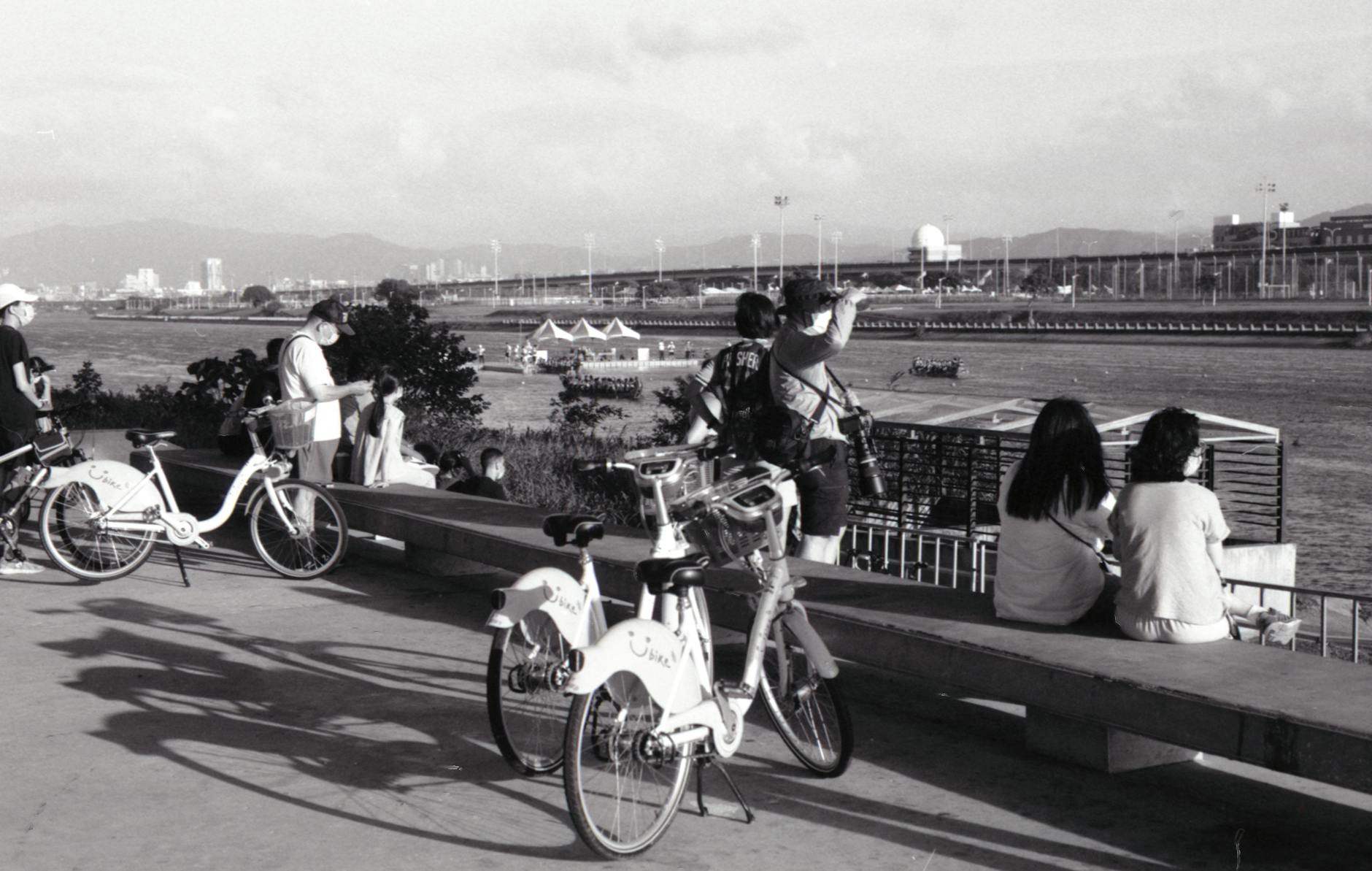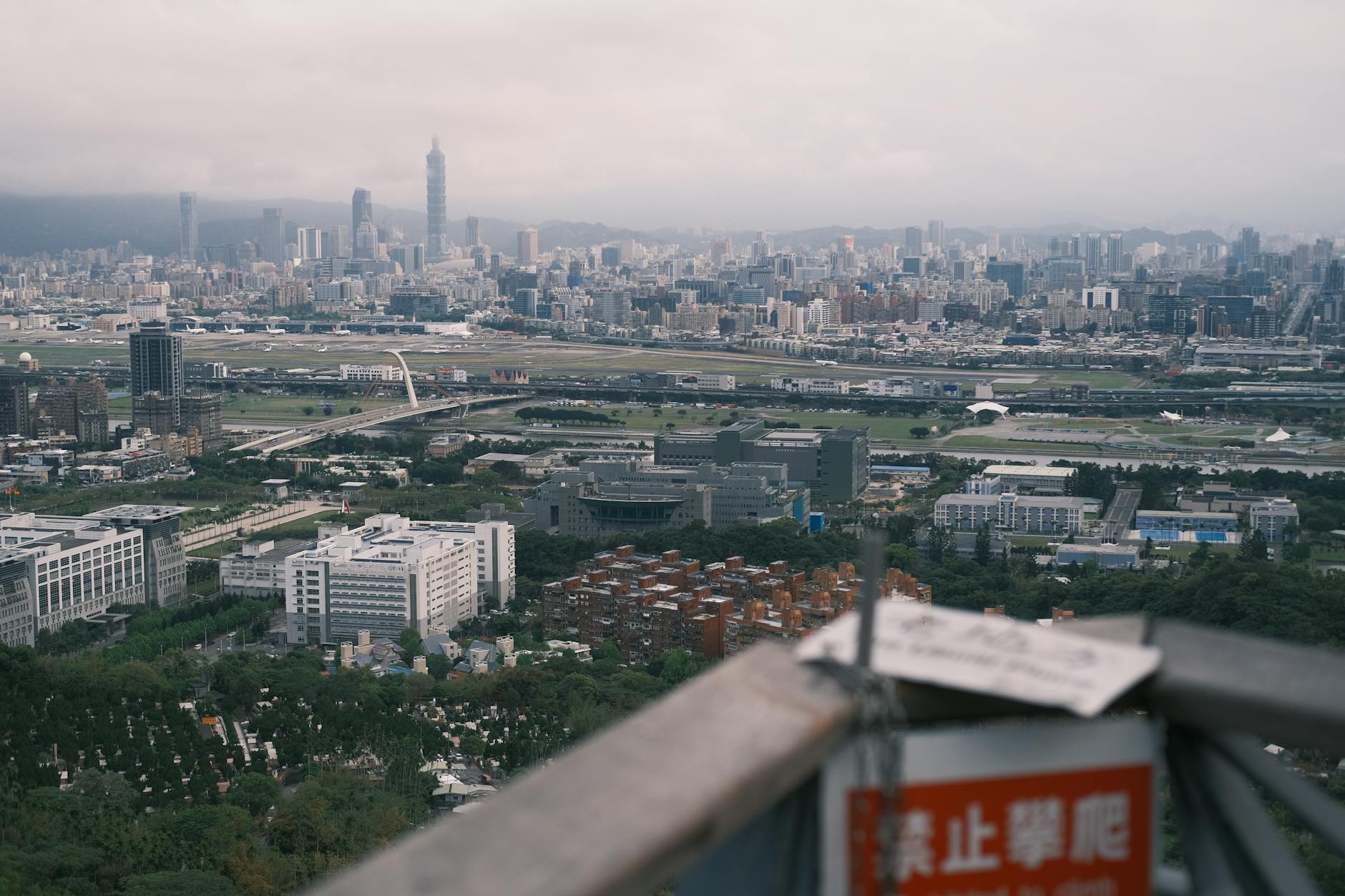
Taipei can work well for families because it has efficient transit, taxis, parks, museums, food courts, convenience stores, family-friendly hotels, and enough indoor options to recover from weather. It can also become harder than expected when humidity, rain, station exits, night-market crowds, nap timing, and cross-city movement are treated as minor details. A short family trip should keep the city enjoyable by reducing avoidable friction. The family needs a base that works, arrival plans that do not exhaust everyone, meal options that can absorb picky eaters, and days that give children real breaks without making adults feel they came all the way to Taipei only to manage logistics.
Choose lodging for returns, meals, and recovery
Families should choose a Taipei hotel by how the day will actually work. Room size, connecting rooms, elevators, breakfast, laundry, nearby simple meals, stroller storage, taxi pickup, MRT access, convenience stores, and noise all matter. A hotel that looks exciting on a map may be wrong if every return is tiring.
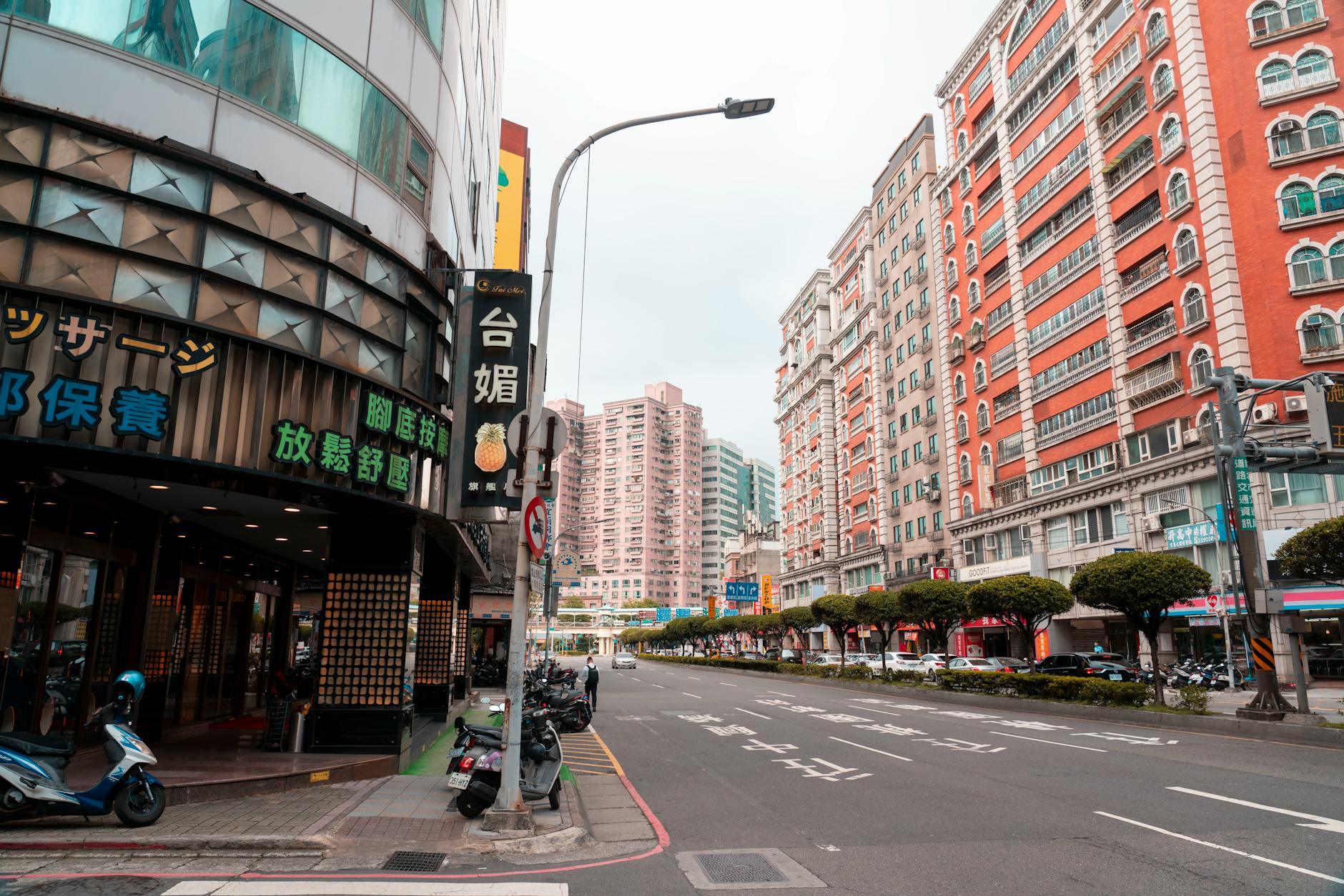
Xinyi can offer polished hotels and malls. Daan and Zhongshan can offer easier meals and neighborhood texture. Taipei Main Station can help with transport but may feel busy. The family should decide which tradeoff matters most.
- Check room size, elevators, breakfast, laundry, meals nearby, stroller storage, taxis, MRT access, and noise.
- Compare Xinyi, Daan, Zhongshan, Taipei Main Station, and other bases by family rhythm.
- Choose a hotel that makes mid-day returns and simple meals realistic.
Make airport arrival deliberately simple
Taoyuan arrival can work by Airport MRT, taxi, or car service, but a family should choose based on luggage, stroller, child age, arrival hour, jet lag, and hotel location. Songshan can be much easier for some flights, but it depends on the route. The first transfer should not become the first family argument.
The family should also plan food, restroom breaks, and check-in timing. A short first day with a good dinner may be more successful than a heroic arrival itinerary.
- Choose Taoyuan or Songshan transfer plans by bags, stroller, child age, arrival hour, and hotel location.
- Consider car service or taxi when the family needs a low-friction first movement.
- Keep the first day light enough for meals, restrooms, check-in, and jet lag.
Use MRT, taxis, and walking by child energy
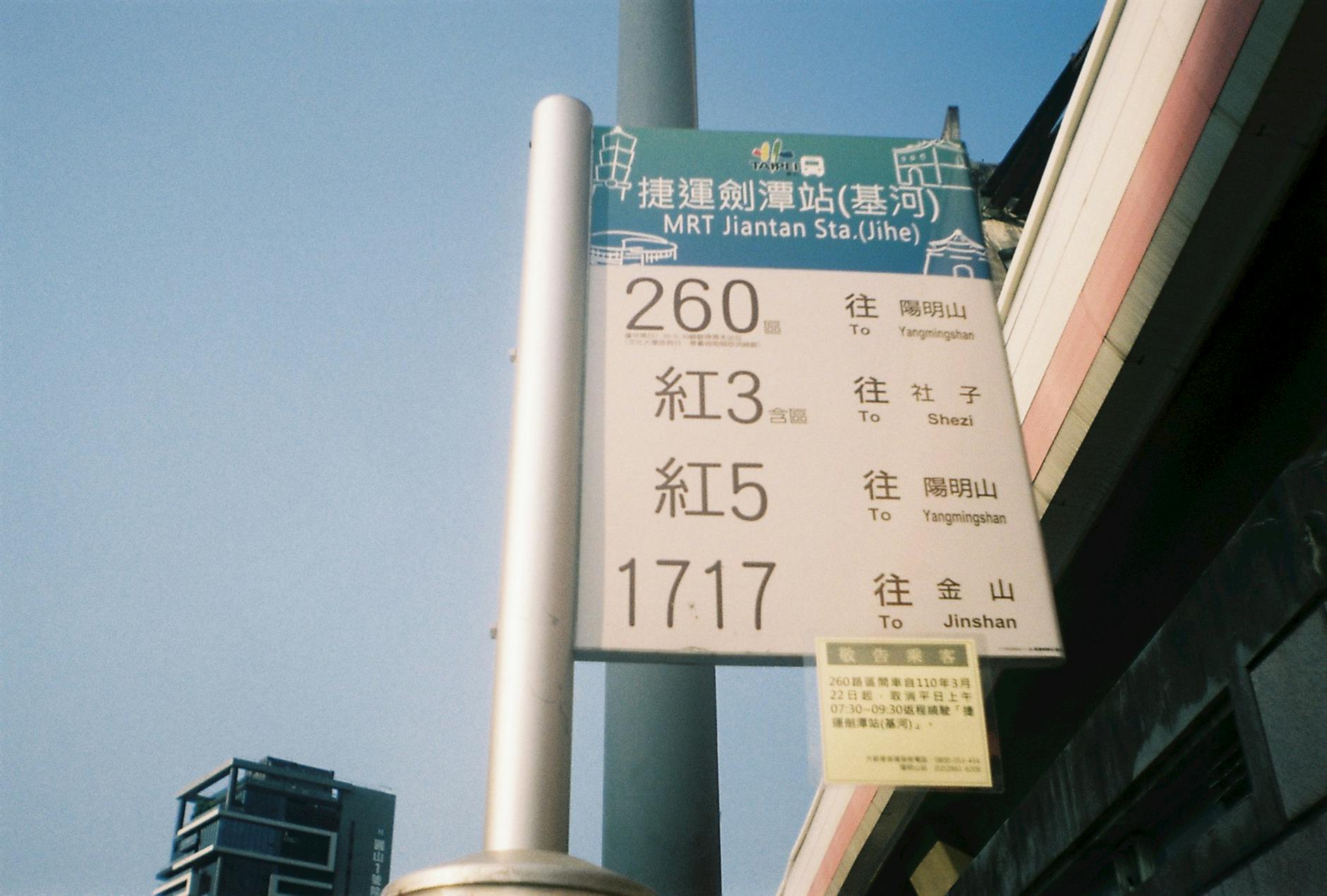
Taipei's MRT is helpful for families, but station exits, escalators, elevators, transfer length, crowding, and stroller handling still matter. A route that is fine for adults may be too much with a tired child. Taxis can protect the return, the rainy segment, or the moment when everyone is carrying more than expected.
Families should build transport around the weakest point of the day, not the easiest point. The return journey often deserves the most care.
- Check MRT exits, elevators, escalators, transfers, crowding, stroller handling, and walking distance.
- Use taxis for rainy segments, difficult returns, luggage, or tired children.
- Plan the return route as carefully as the outbound route.
Pick family sights by pace, not fame
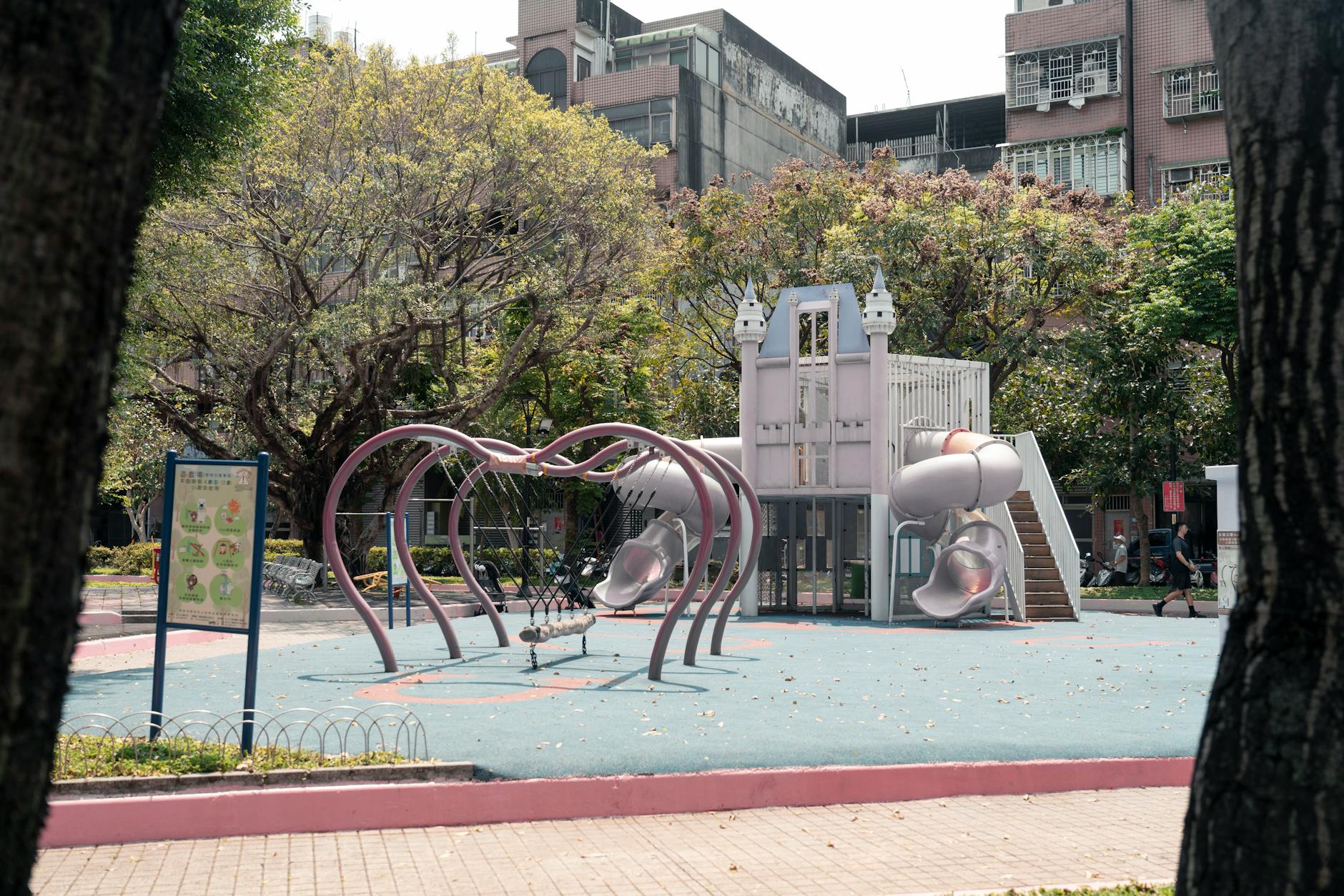
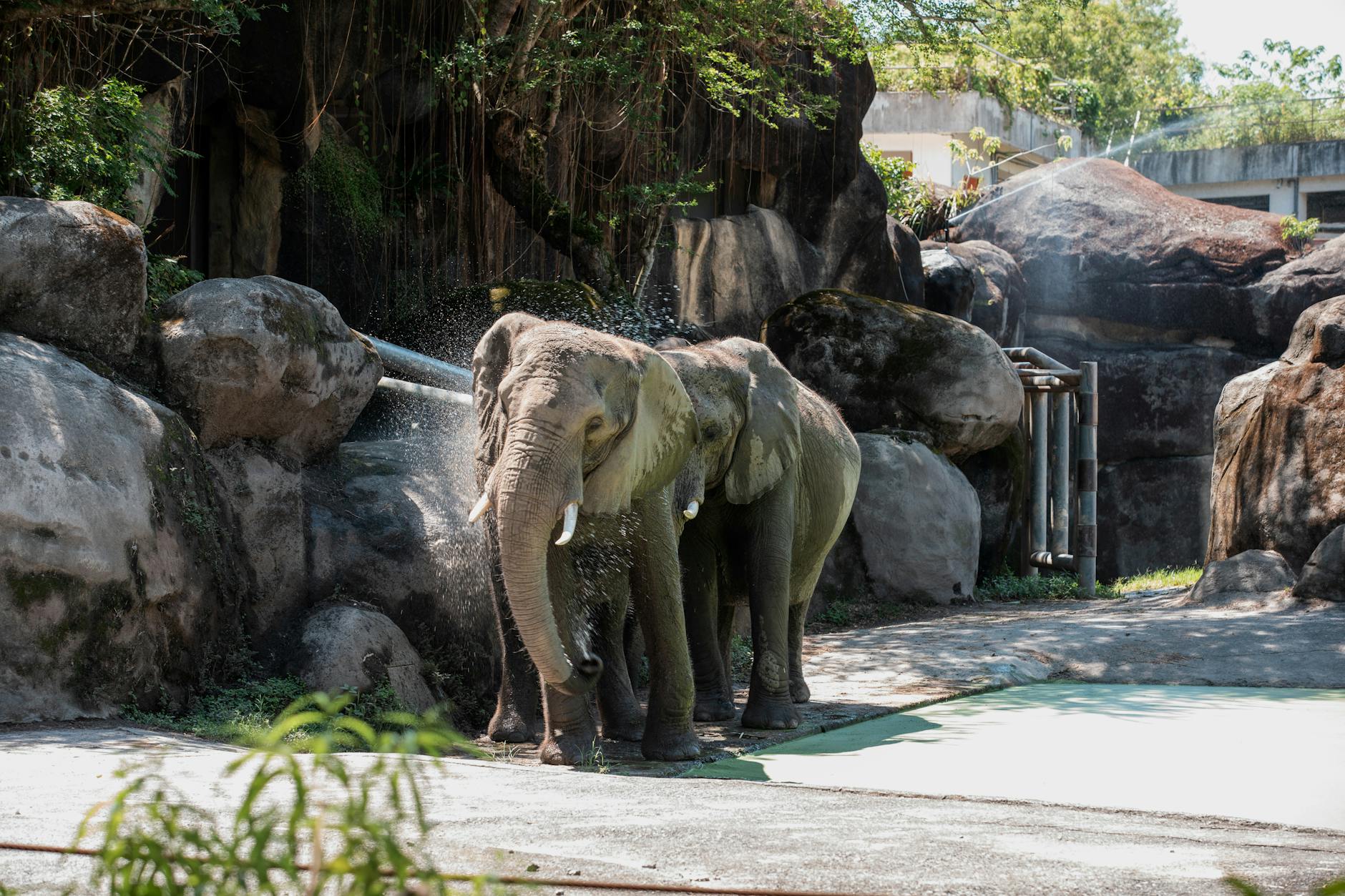
Taipei families can build good days around Taipei Zoo, Maokong, parks, riverside paths, the National Palace Museum, Taipei 101, temples, memorial spaces, malls, and child-friendly food stops. The right choices depend on age, attention span, weather, and how much walking the family can manage.
A famous sight that requires too many transfers may be less successful than a balanced route with one strong anchor and several easy support stops.
- Consider Taipei Zoo, Maokong, parks, riverside paths, museums, Taipei 101, temples, and malls by age and pace.
- Use one strong daily anchor instead of stacking too many famous places.
- Match sights to walking tolerance, weather, restrooms, food access, and nap needs.
Plan meals before hunger controls the day
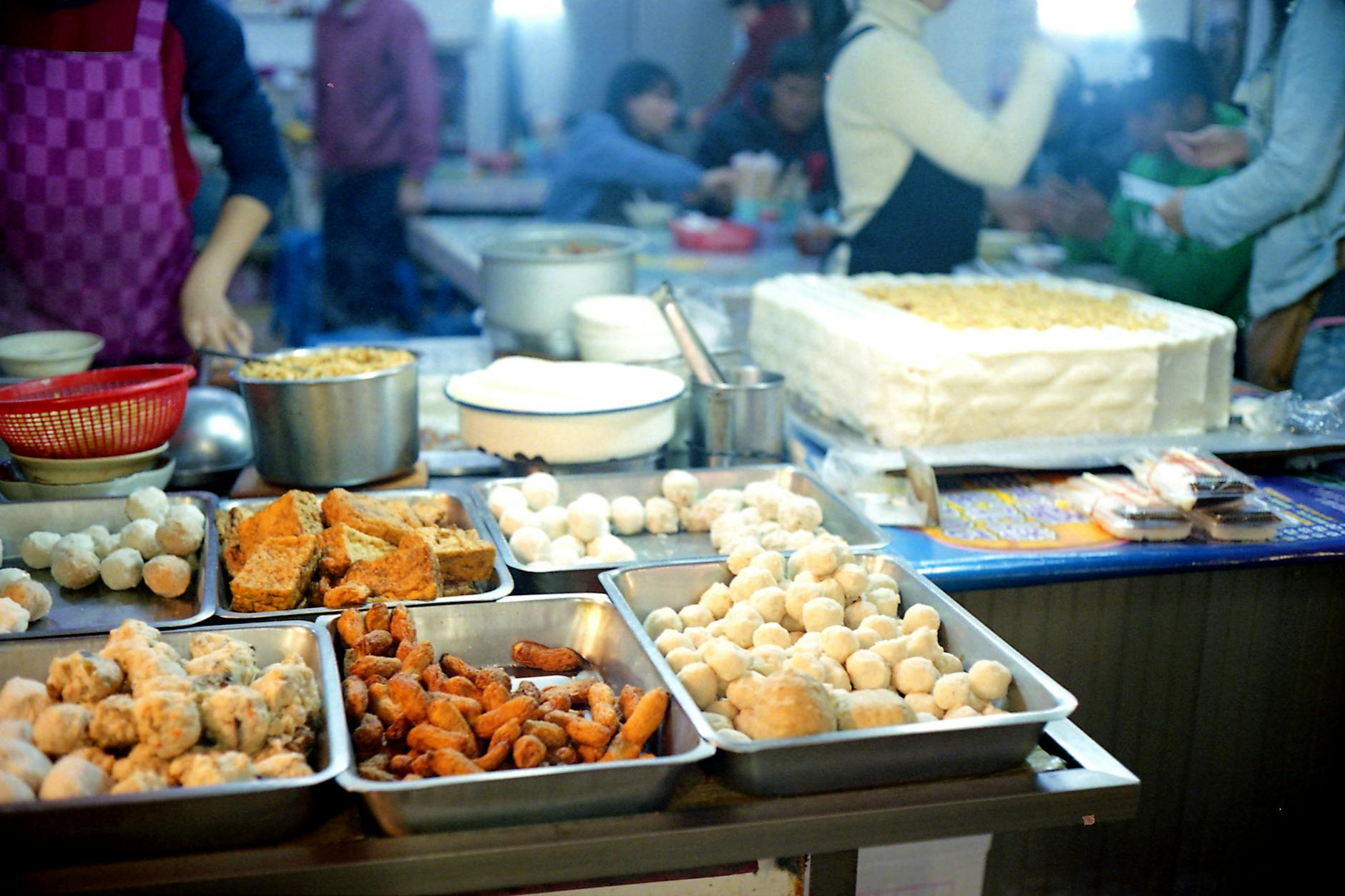
Taipei food is a strength for families if it is planned with flexibility. Night markets, breakfast shops, dumplings, noodles, food courts, bakeries, convenience stores, hotel meals, and cafes can all help. The family should know where the easy meal is near the hotel and near the day's main sight.
Night markets can be fun, but they can also be crowded, hot, wet, and hard for strollers. Families should choose the market by timing, transport, child tolerance, and backup meal options.
- Identify easy meals near the hotel and near each major sight.
- Use food courts, bakeries, convenience stores, cafes, hotel meals, and simple restaurants as pressure valves.
- Choose night markets by crowds, stroller handling, weather, transport, and backup food.
Prepare for rain, heat, and health needs
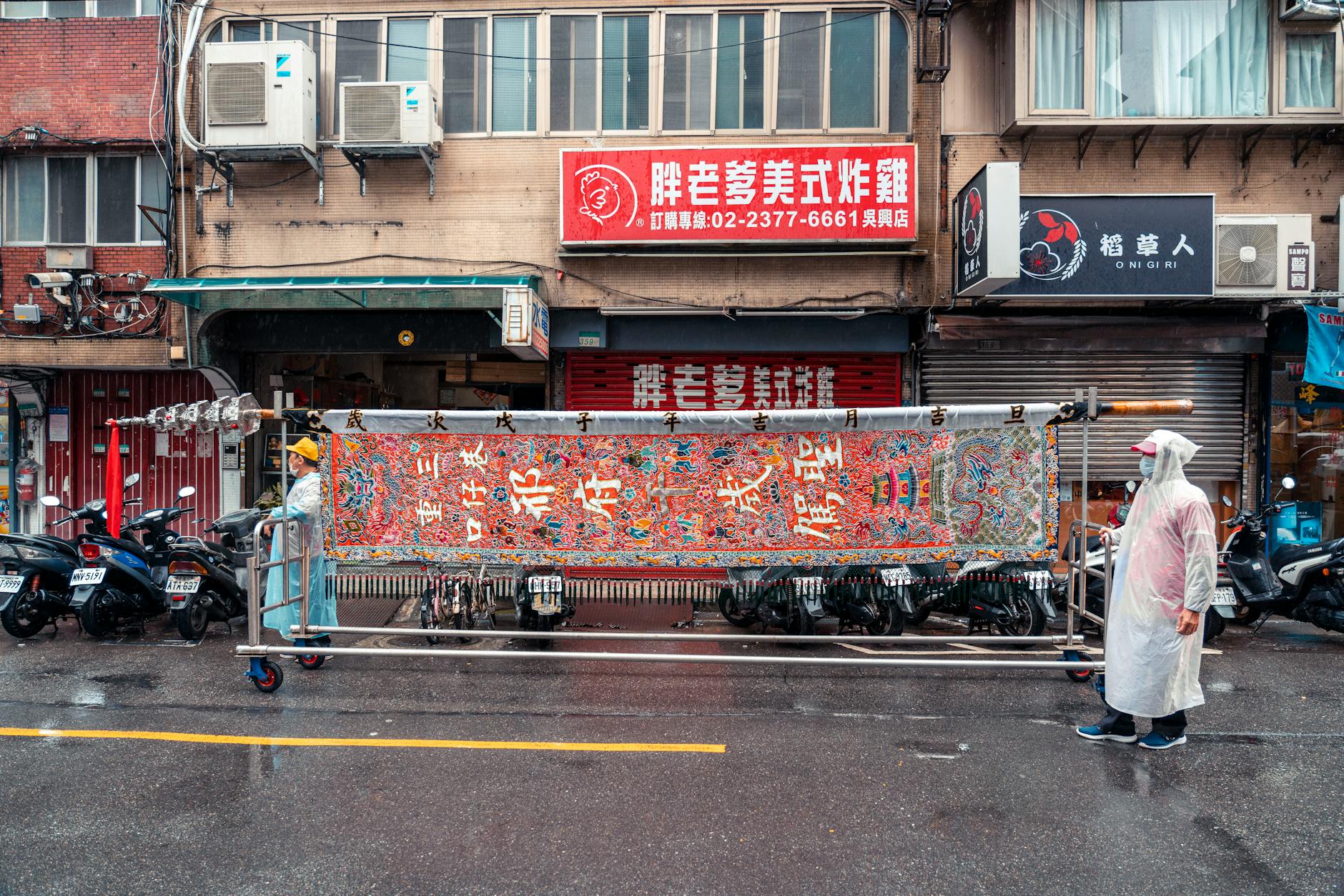
Families should treat Taipei weather as an itinerary factor. Rain, heat, humidity, typhoon-season disruption, wet pavement, cold interiors, and sudden fatigue can all change the day. The family should plan shoes, umbrellas, layers, water, snacks, stroller rain cover, indoor backups, and shorter routes.
Parents should also think about medication, allergies, travel insurance, pediatric needs, and where to seek care. Taipei has strong medical infrastructure, but families still benefit from knowing the practical steps before a child is unwell.
- Plan for rain, heat, humidity, wet pavement, cold interiors, and typhoon-season disruption.
- Carry snacks, water, layers, umbrellas, stroller protection, and indoor backup options.
- Organize medication, allergies, insurance, pediatric needs, and care options before travel.
When to order a short-term travel report
A family with several flexible days and simple needs may not need a custom Taipei report. A report becomes useful when the stay is short, children are young, mobility or medical needs matter, hotel choice is uncertain, day trips are under consideration, or weather and food constraints could reshape the trip.
The report should test hotel base, Taoyuan or Songshan arrival, MRT and taxi choices, stroller burden, Taipei Zoo and other family sights, meal options, night markets, weather, medical access, day trips, budget, and what to cut. The value is a family Taipei stay that feels full without feeling strained.
- Order when hotel choice, transfers, stroller needs, meals, weather, medical needs, or day trips need testing.
- Provide dates, flight details, child ages, hotel options, mobility needs, food constraints, priorities, and budget.
- Use the report to make the family trip smoother, more realistic, and still rewarding.