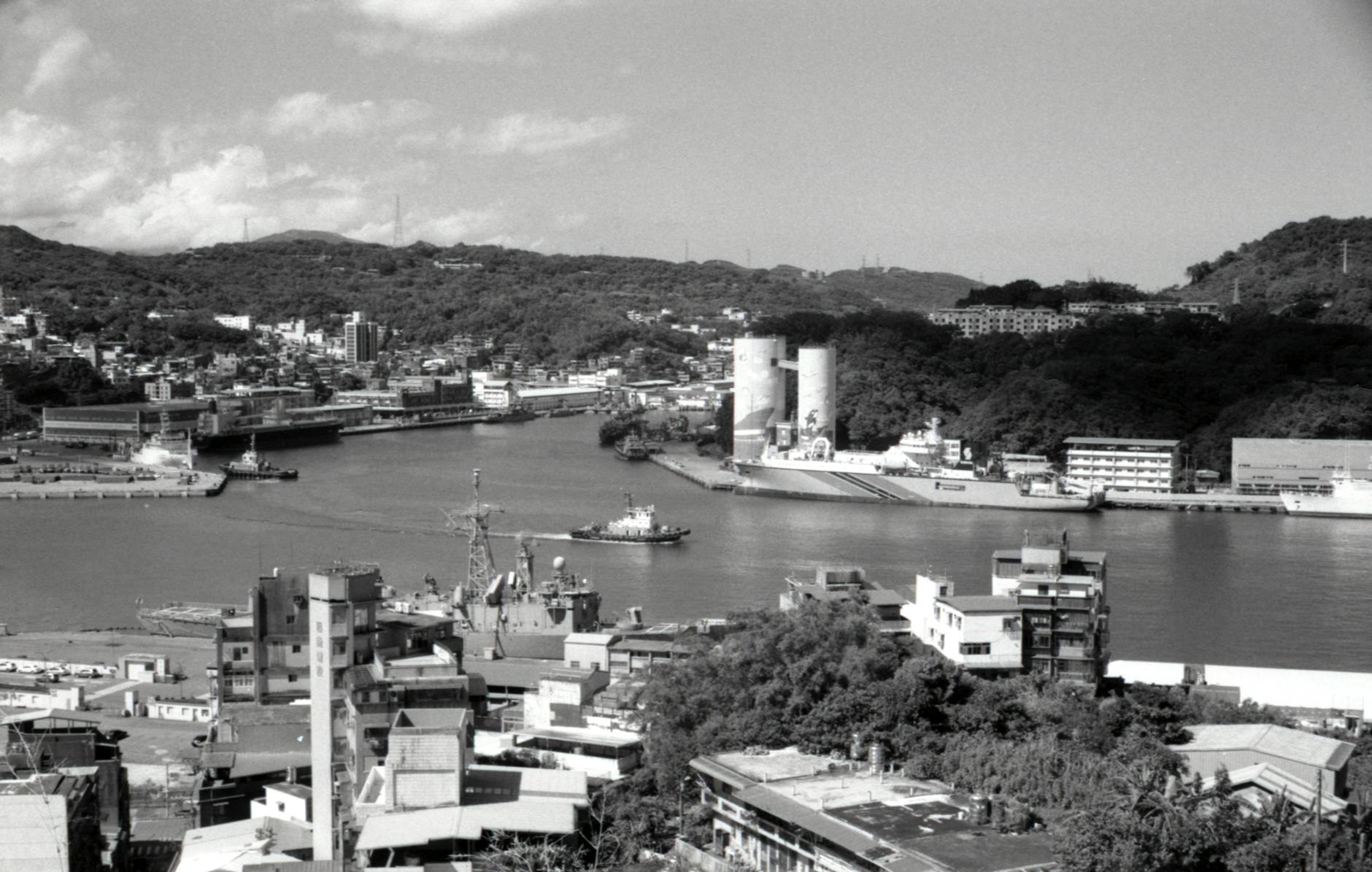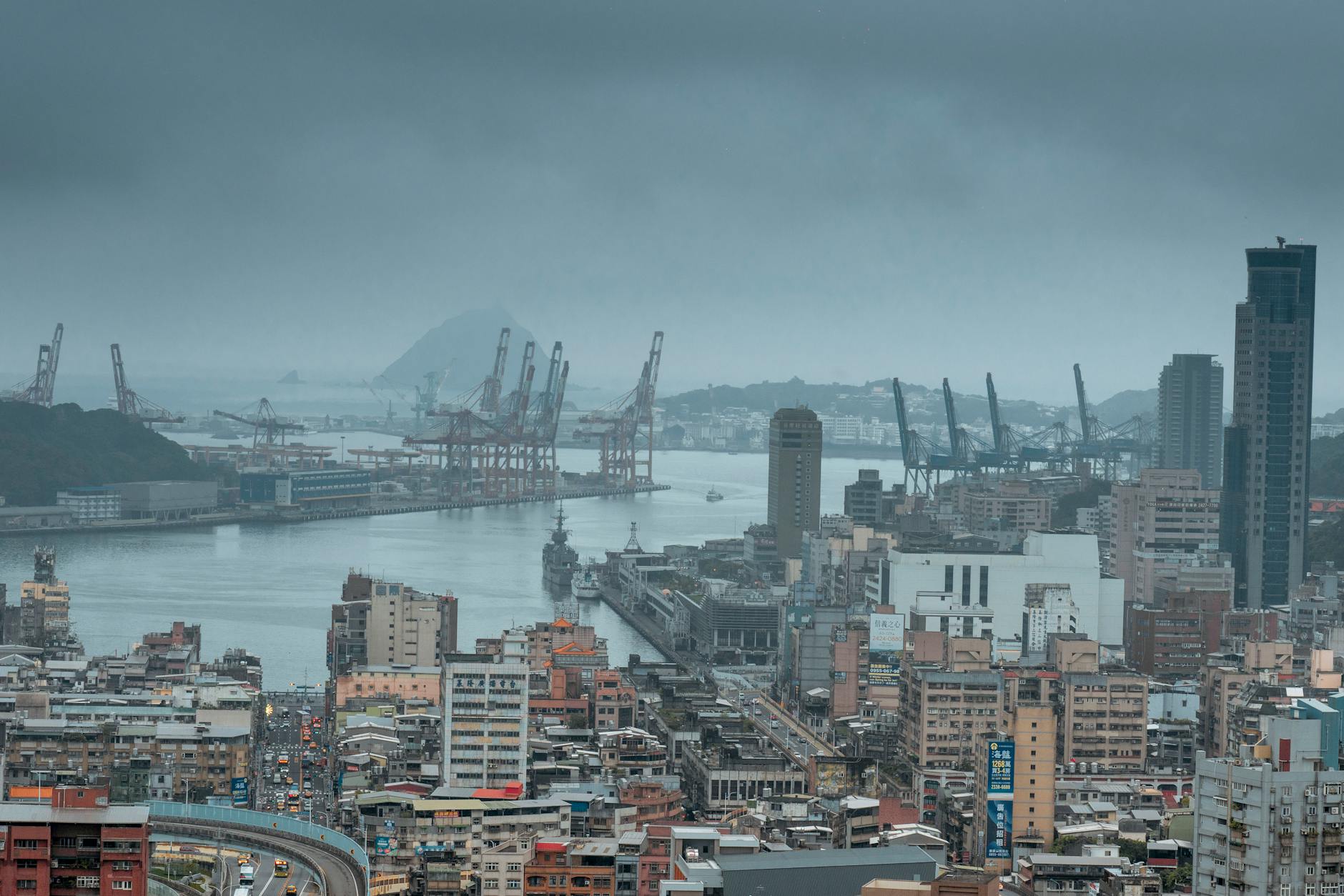
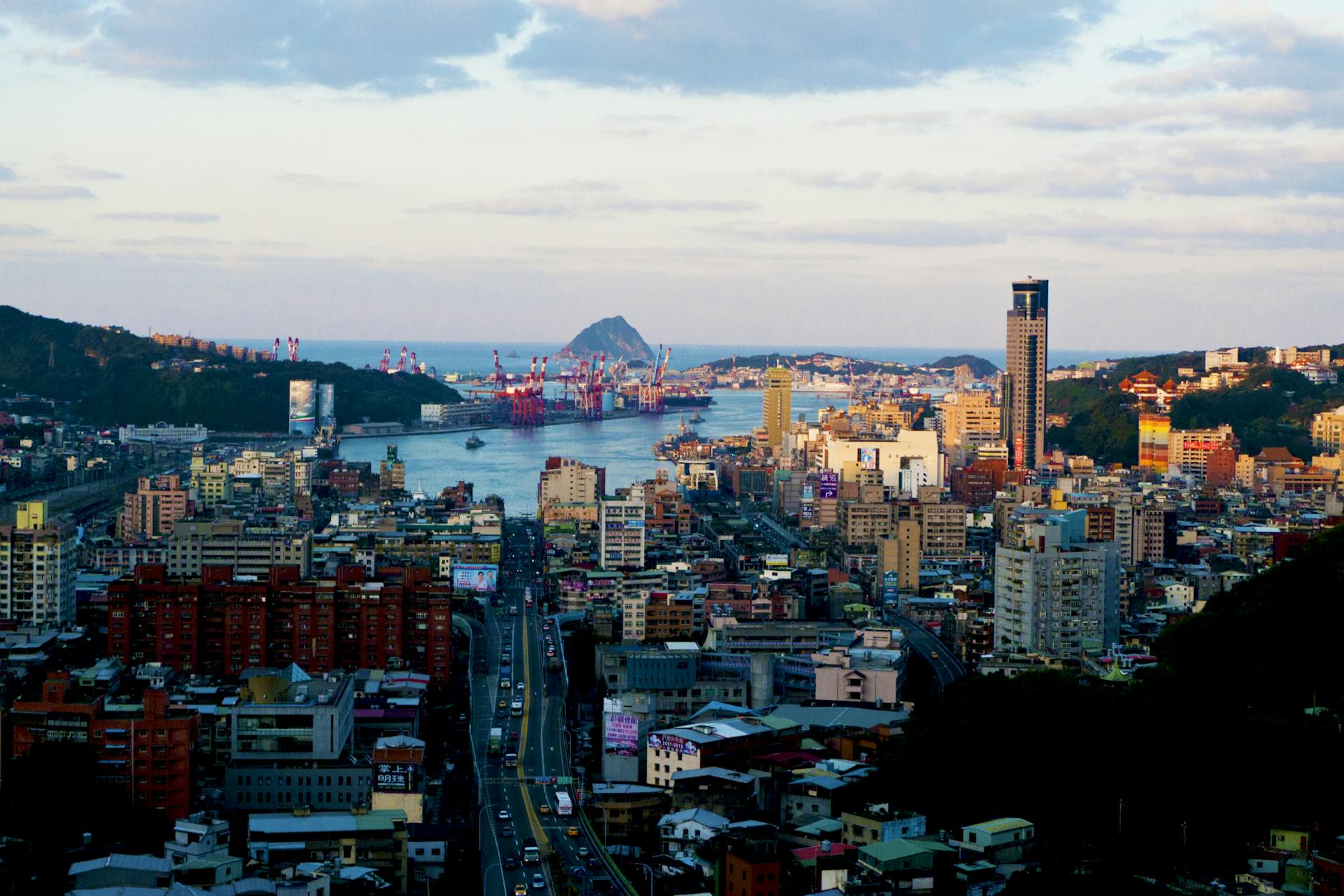
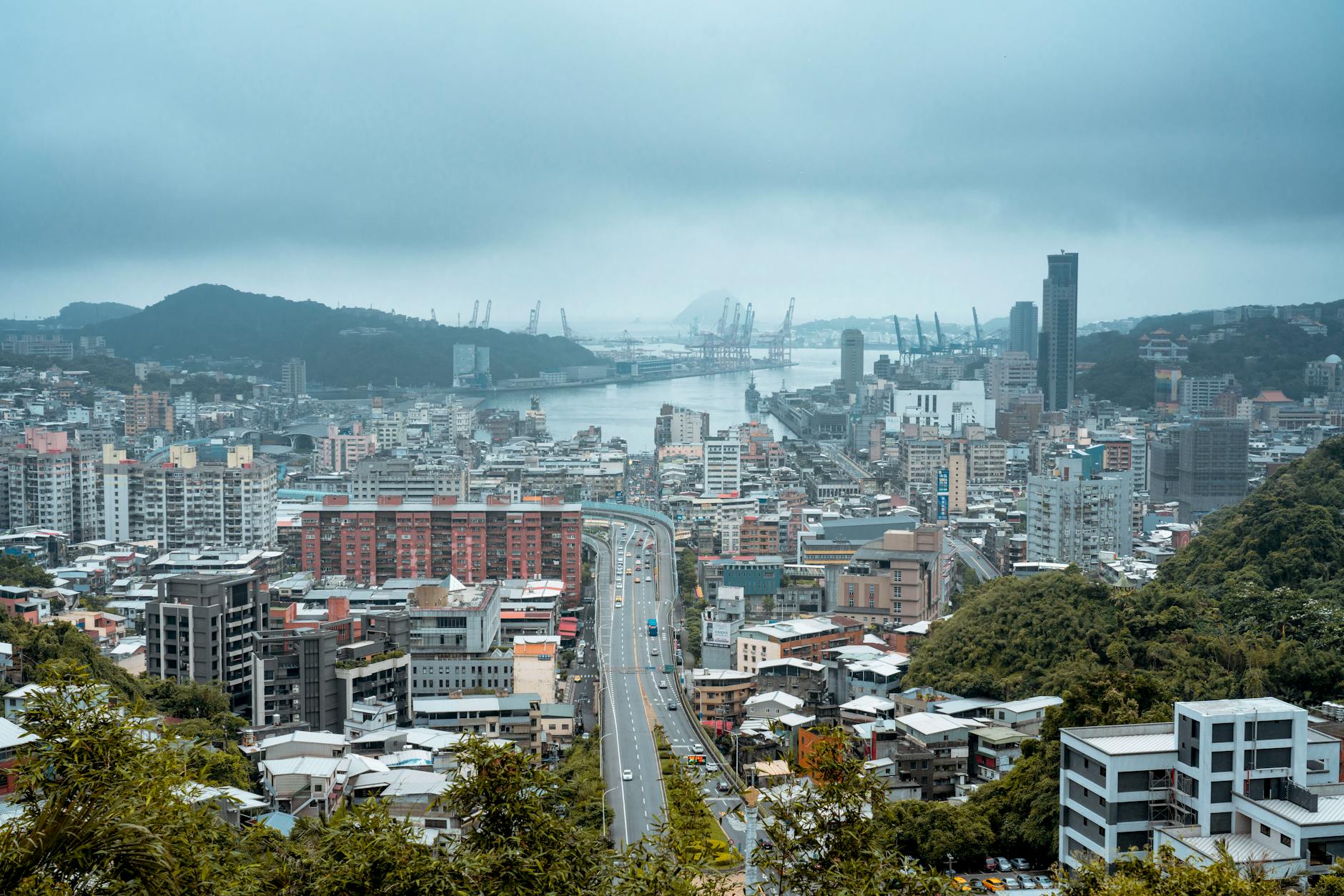
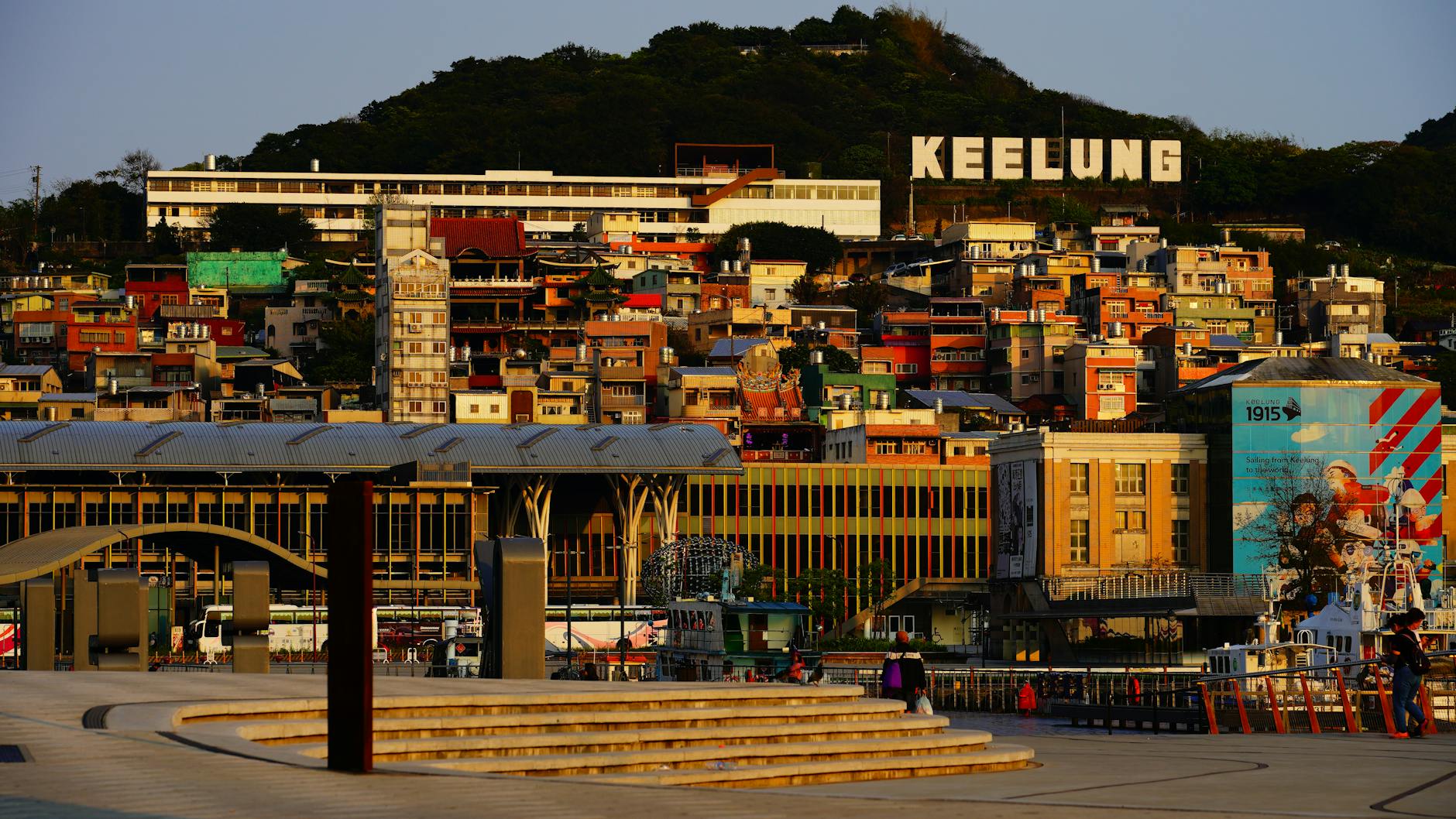
A Taipei port call usually starts outside central Taipei, most often through Keelung or another northern Taiwan arrival point. That distinction matters. The traveler is not simply waking up in a downtown hotel with a free day. Port location, ship schedule, immigration, coach loading, private drivers, weather, traffic, and return buffers all shape how much Taipei is actually available. A good Taipei cruise or port-call plan is selective. It decides whether the day belongs to Taipei city, Keelung and the coast, northern Taiwan scenery, food, temples, shopping, or a low-friction sampler, then protects the return to the ship.
Start with the actual port, not the city name
Cruise itineraries may market the call as Taipei, but the practical day often begins at Keelung. The traveler should confirm the exact berth, disembarkation process, immigration rules, tender or pier arrangements if relevant, meeting points, all-aboard time, and whether ship excursions receive priority. A weak port plan can consume the best hours before Taipei even begins.
The most important question is not what is famous in Taipei. It is how many reliable hours exist between leaving the ship and being back within the required buffer.
- Confirm the exact port, berth, disembarkation process, meeting point, and all-aboard time.
- Do not plan from the word Taipei alone when the ship is using Keelung or another northern Taiwan port.
- Calculate usable shore time after immigration, walking, loading, traffic, and return buffer.
Choose between Taipei, Keelung, and the coast
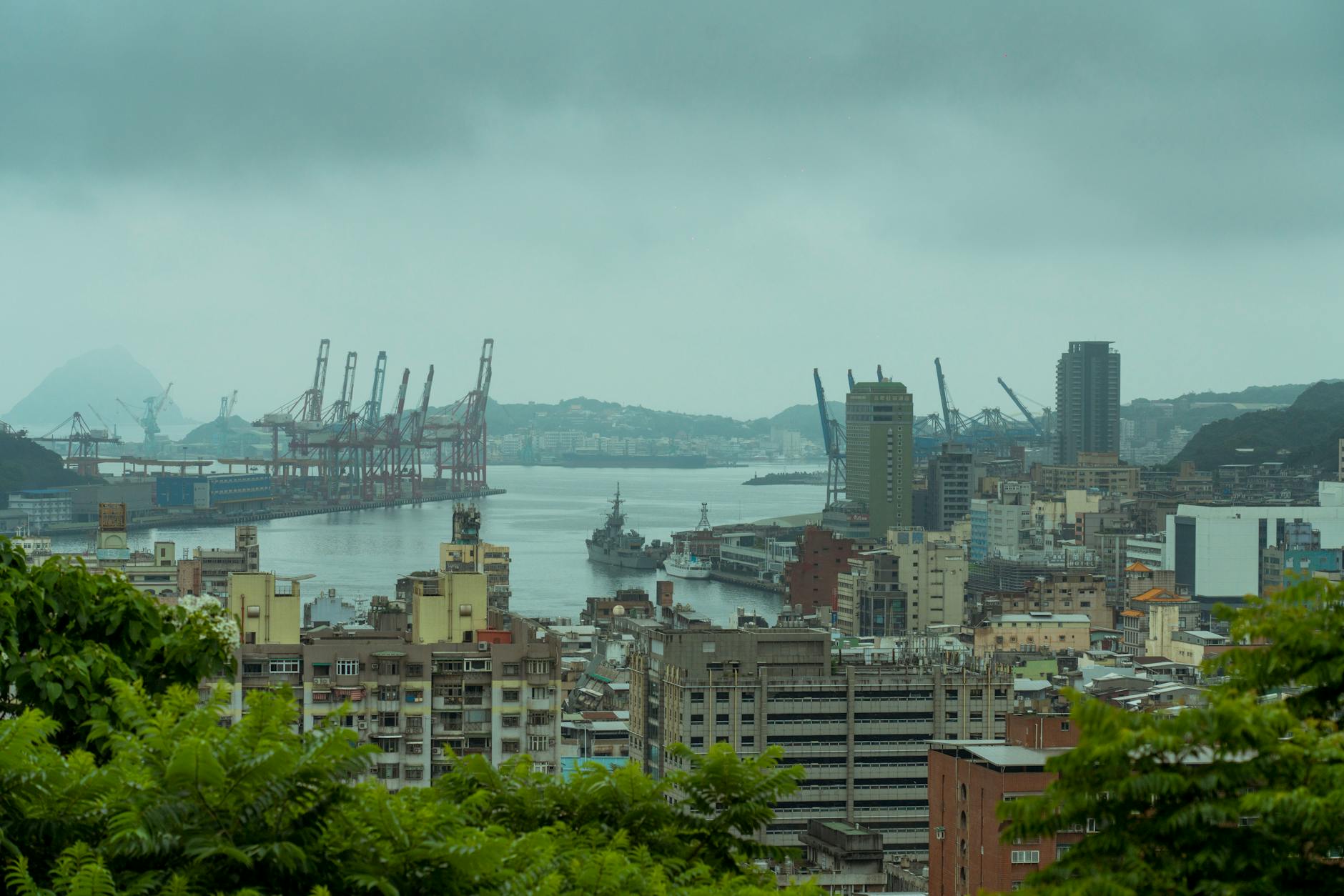
A port-call traveler should decide whether the day is best spent in Taipei city, around Keelung, or along the northern coast. Taipei offers temples, museums, food, shopping, Taipei 101, and neighborhoods, but it requires transfer time. Keelung and nearby coastal routes can reduce travel burden while still giving a strong Taiwan day.
The right answer depends on arrival time, ship size, weather, mobility, appetite for traffic, and whether this is the traveler's only Taiwan stop.
- Compare Taipei city, Keelung, Yehliu, Jiufen-area routes, Tamsui, and northern coast options honestly.
- Use Taipei when the schedule supports transfer time and return margin.
- Use port-adjacent options when weather, mobility, or ship timing makes the city risky.
Plan transport with the return first
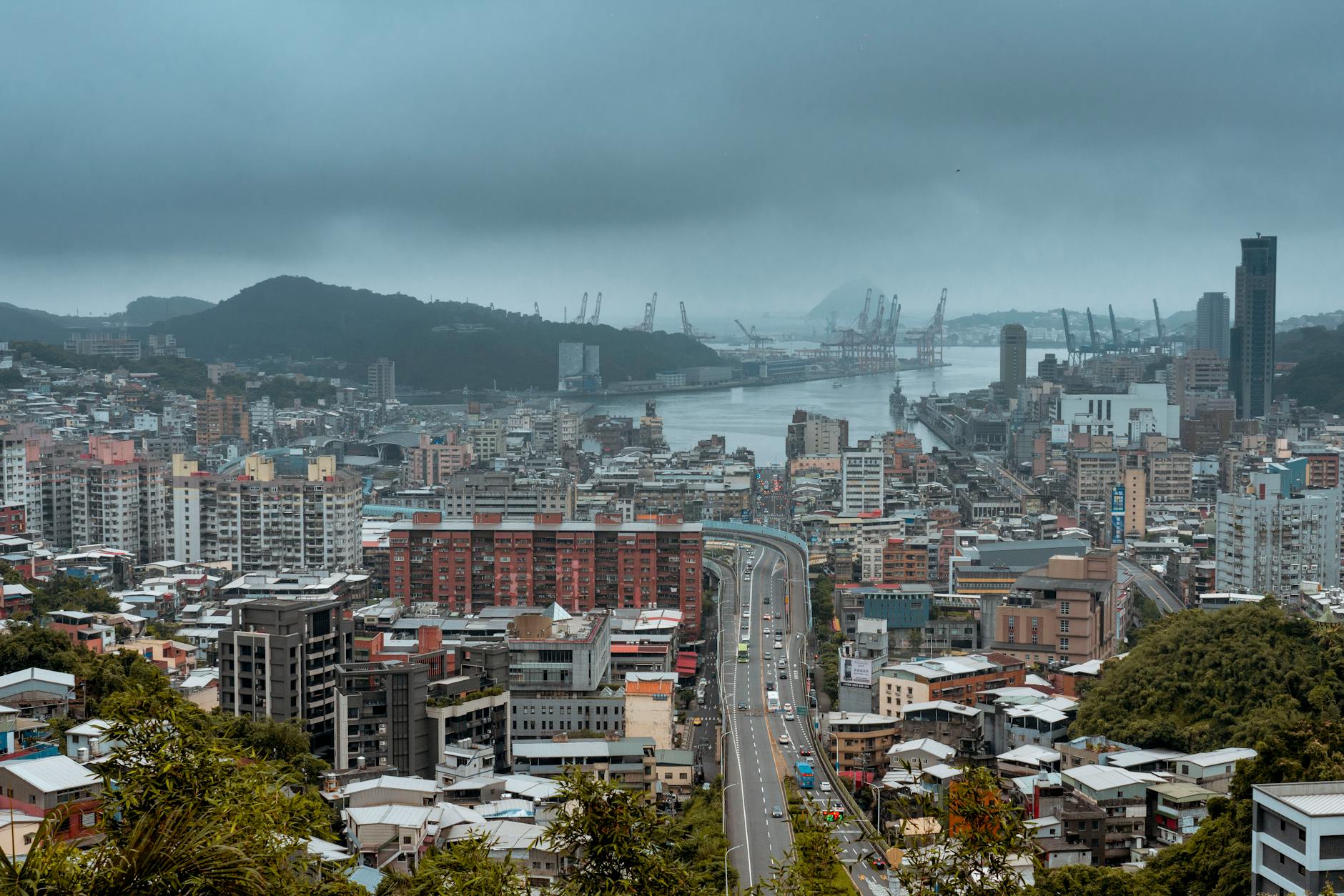
Independent travelers should plan the return to port before choosing attractions. Trains, taxis, private cars, cruise shuttles, coaches, and guided excursions each carry different risks. A route that looks simple in the morning can become fragile after rain, traffic, crowding, a late lunch, or a tired group.
Private drivers can be useful, but the traveler should still know pickup locations, contact methods, payment expectations, backup routes, and how much time is being held for the return.
- Compare train, taxi, private car, shuttle, coach, and ship excursion options by return reliability.
- Know pickup points, driver contact, payment, backup routes, and port access rules.
- Keep the return buffer visible throughout the day, not only at the end.
Keep the Taipei route compact
If the port day goes into Taipei, the route should be compact. Longshan Temple and Wanhua, Taipei 101 and Xinyi, Chiang Kai-shek Memorial Hall, Dihua Street, Zhongshan, or a focused food route can each work, but not all in one short call. The traveler should choose one anchor and one or two nearby additions.
A cruise day punishes cross-city wandering. MRT transfers, taxi queues, shopping stops, and photo pauses can quietly erase the return margin.
- Build the Taipei day around one anchor district and nearby additions.
- Avoid mixing every famous site into one shore-excursion route.
- Account for MRT exits, taxi pickup, walking distance, queues, photos, meals, and shopping time.
Prepare for weather, walking, and mobility limits
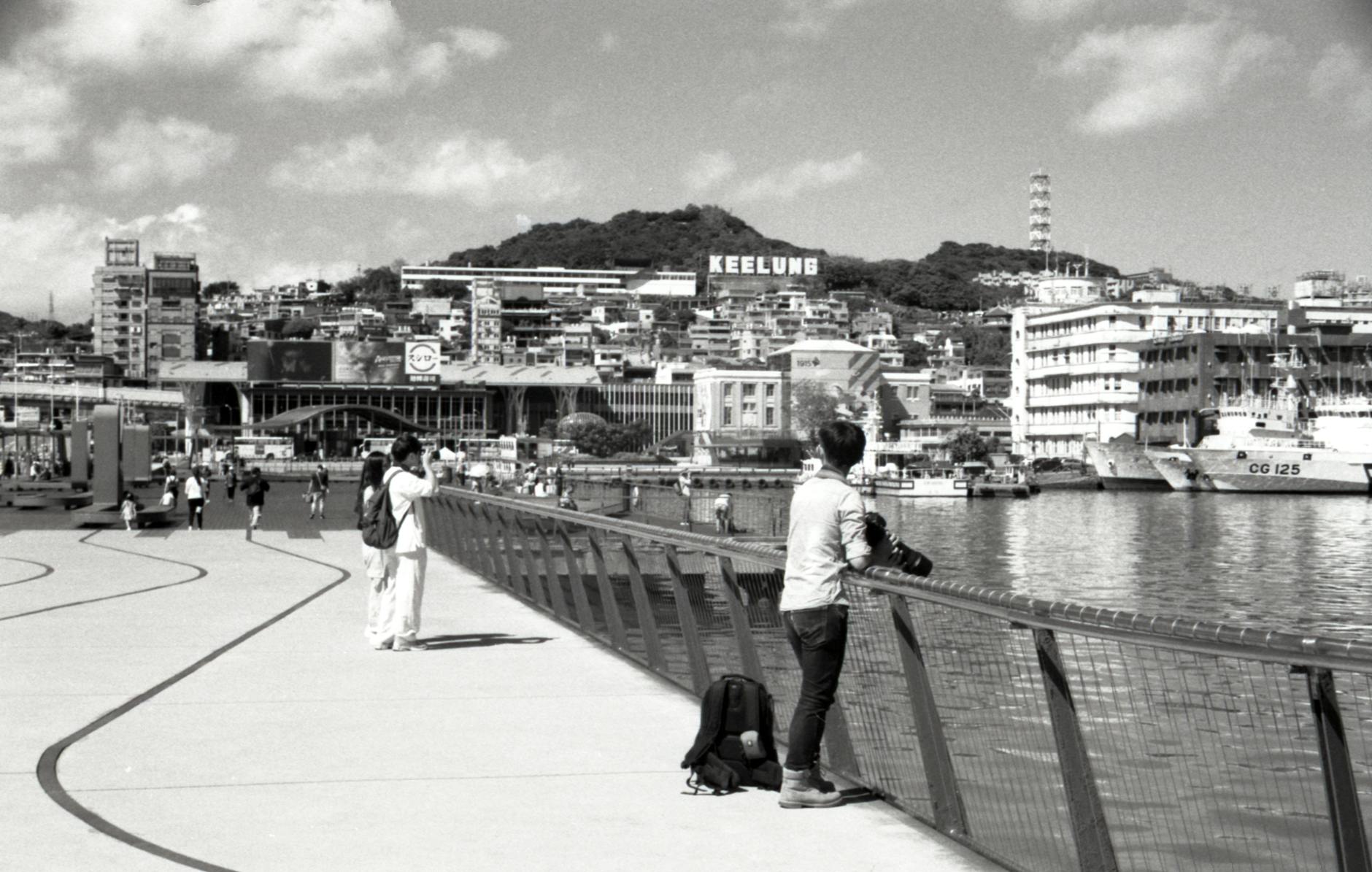
Taipei and northern Taiwan can be hot, wet, windy, slippery, or crowded on a port day. Cruise travelers should check rain, typhoon-season disruption, sun exposure, steps, uneven streets, temple thresholds, market crowding, and how far the group can walk without luggage or ship-side rest. A route that is easy for one traveler may be too demanding for another.
Umbrellas, light layers, water, comfortable shoes, medication, and a realistic pace matter more when the ship is the fixed endpoint.
- Check heat, rain, wind, typhoon disruption, steps, crowds, and walking distance.
- Match the route to the slowest traveler in the group.
- Carry water, medication, rain protection, sun protection, and shoes suitable for wet pavement.
Use meals and shopping selectively
Food can be the best part of a Taipei port call, but it should not be improvised until the schedule is already tight. Night markets may not fit daytime calls. Restaurant queues, cash needs, allergies, seating, language, and distance from the return route should be considered. Shopping also needs discipline because browsing time expands quickly.
A strong port day usually chooses one food priority and one shopping or market window, then keeps both close to the route.
- Check whether food goals fit the actual port-call hours.
- Plan for queues, cash, allergies, seating, language, and distance from the return route.
- Limit shopping so it does not compete with the ship return buffer.
When to order a short-term travel report
A cruise passenger taking a ship excursion may not need a custom Taipei report. A report becomes useful when the traveler wants an independent port day, a private driver, a Taipei city route, a Keelung or coastal alternative, mobility-aware planning, food priorities, shopping, or a clear bad-weather backup.
The report should test port location, usable shore time, immigration, transport, driver or train options, Taipei route design, coastal alternatives, meals, weather, mobility, budget, and return buffers. The value is a Taiwan port day that feels intentional without gambling against the ship.
- Order when independent shore timing, transport, mobility, food, coast routes, or return buffers need testing.
- Provide ship, port, date, all-aboard time, group size, mobility limits, route interests, and budget.
- Use the report to protect the return while still making the port call worthwhile.