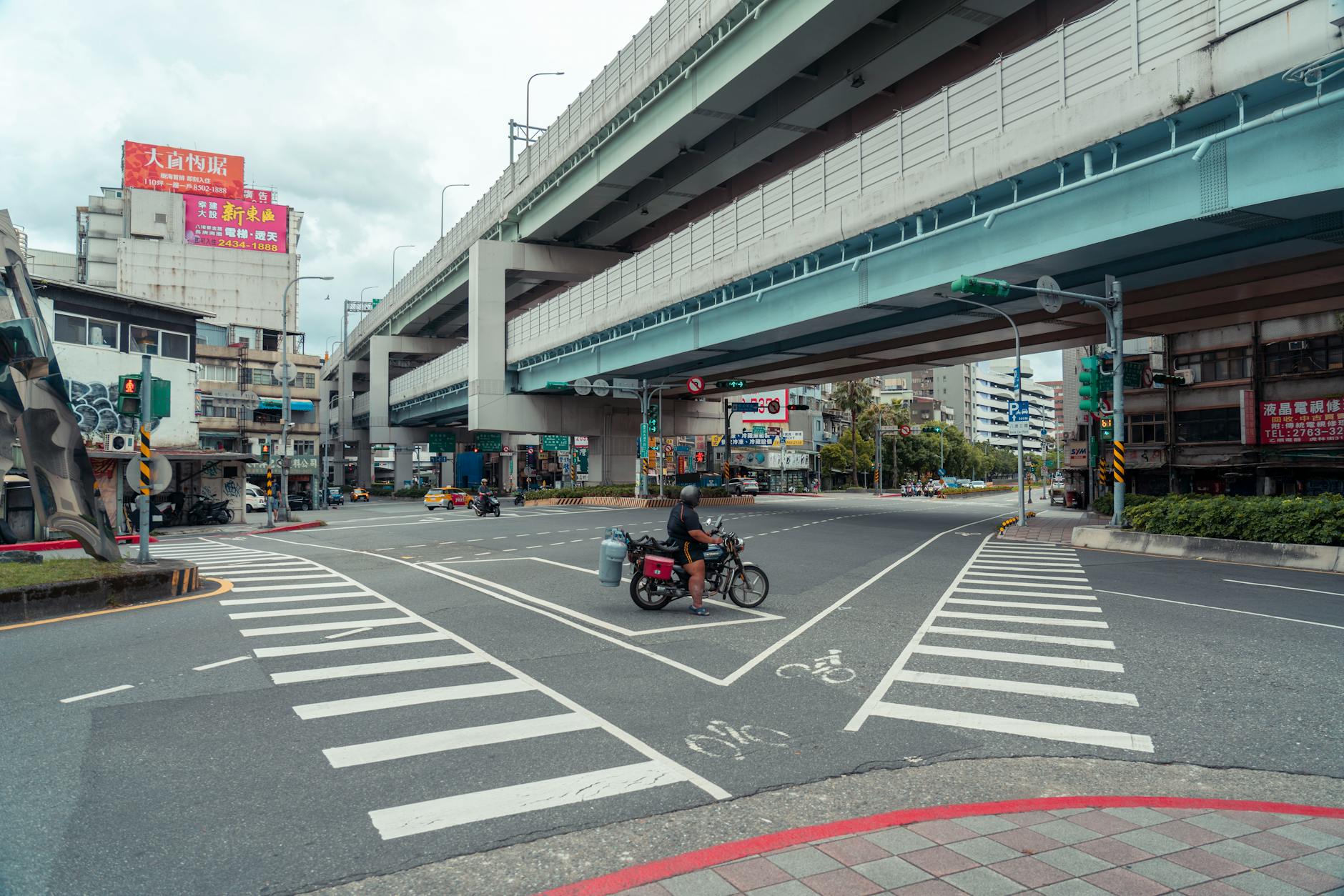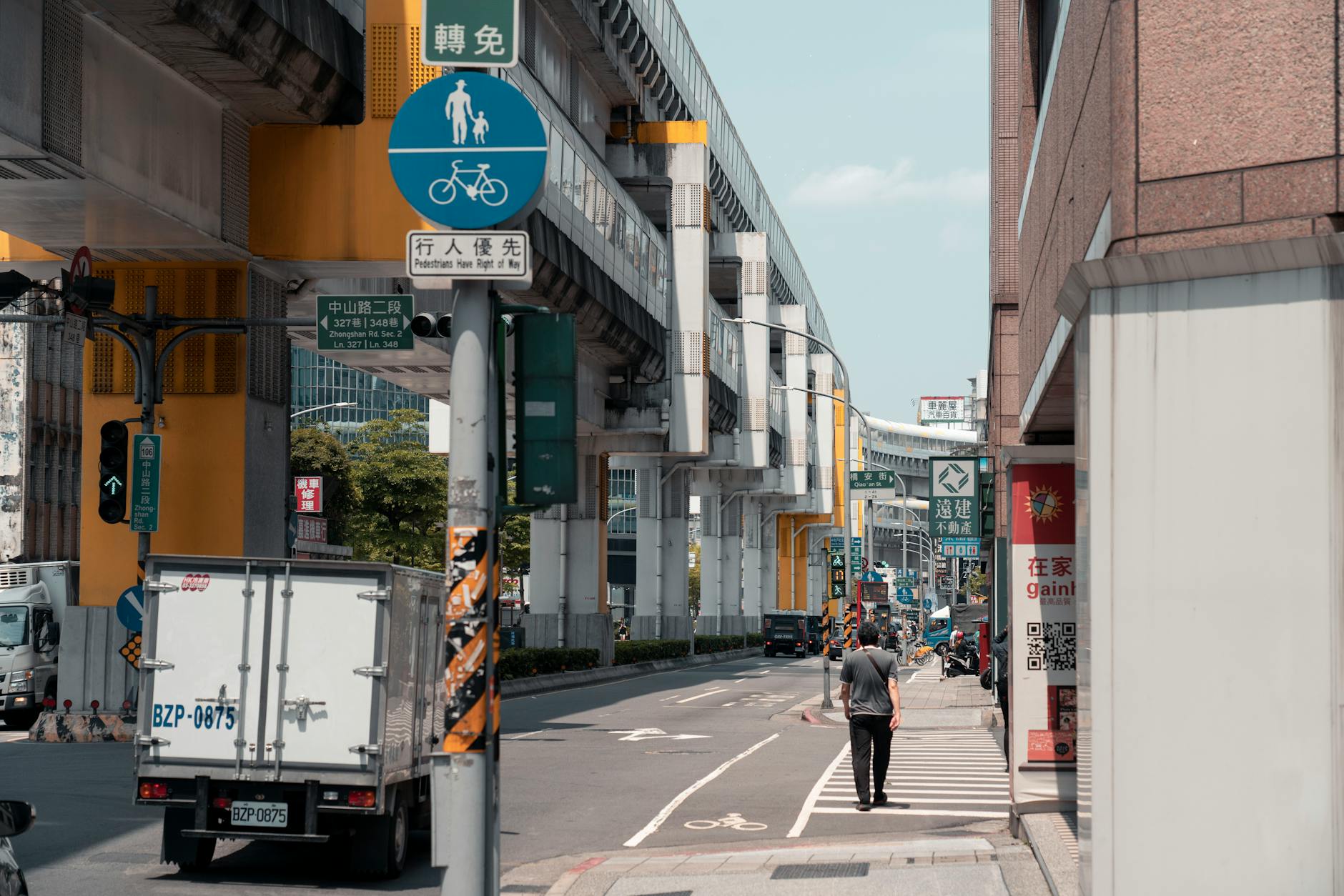
Taipei is visually rich for content creators, but it rewards a clearer plan than simply chasing famous shots. Taipei 101, temples, night markets, cafes, rain streets, MRT movement, riverside paths, bookshops, food, and nearby day trips can all support strong content. The risk is trying to capture everything without a creative angle, permission awareness, weather backup, or editing rhythm. A short creator trip should define what the content is for: travel storytelling, food, design, nightlife, lifestyle, culture, hotels, brand work, or a more personal project. That choice should drive the hotel base, daily routes, gear, and what gets cut.
Define the creative angle before the route
The creator should decide whether the Taipei trip is about food, design, hotels, temples, rainy city atmosphere, street life, nightlife, shopping, wellness, business travel, or a slower personal narrative. Without that angle, the itinerary can become a scattered list of popular shots that do not fit together.
A clear angle also helps choose the base. Xinyi, Daan, Zhongshan, Wanhua, Ximending, Taipei Main Station, and Songshan each create different visual rhythms and movement patterns.
- Choose the content angle before choosing locations.
- Compare food, design, hotels, temples, street life, nightlife, shopping, and personal narrative goals.
- Pick the hotel base according to visual rhythm and route logic.
Group shoots by neighborhood and light
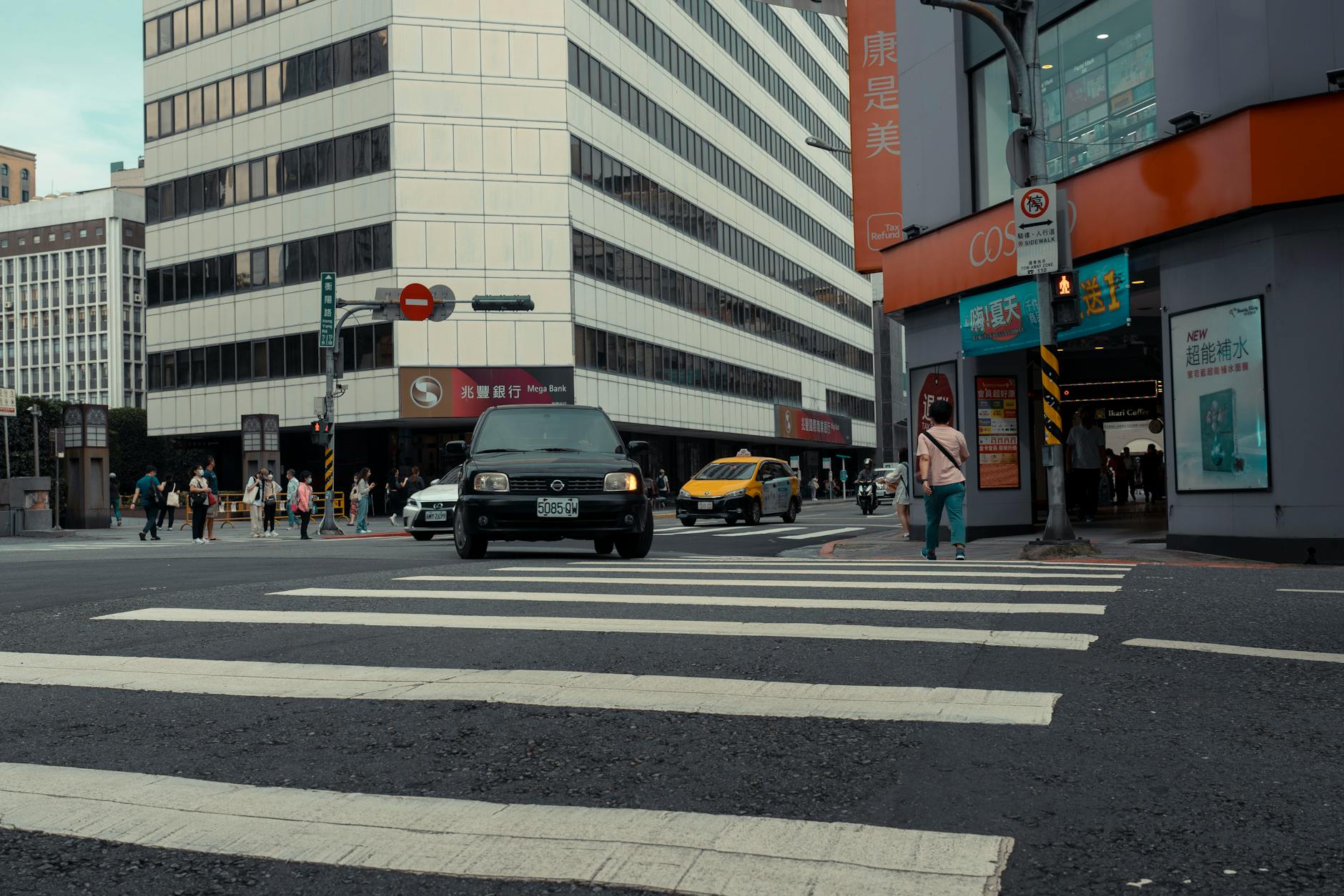
Taipei content days should be grouped by neighborhood, light, and energy. Taipei 101 and Xinyi, Dihua Street, Longshan Temple and Wanhua, Zhongshan cafes, Daan parks, Ximending, riverside paths, and night markets each work at different times. Moving across the city for every shot can waste the best light.
The creator should build each day around one or two primary captures and a short list of nearby secondary material. That leaves room for weather, crowds, and discovery.
- Group Taipei 101, temples, cafes, street markets, parks, riverside paths, and night markets by area.
- Plan golden hour, blue hour, night shots, rain shots, and indoor backups.
- Use one or two primary captures per day rather than chasing every location.
Handle permissions and respectful filming
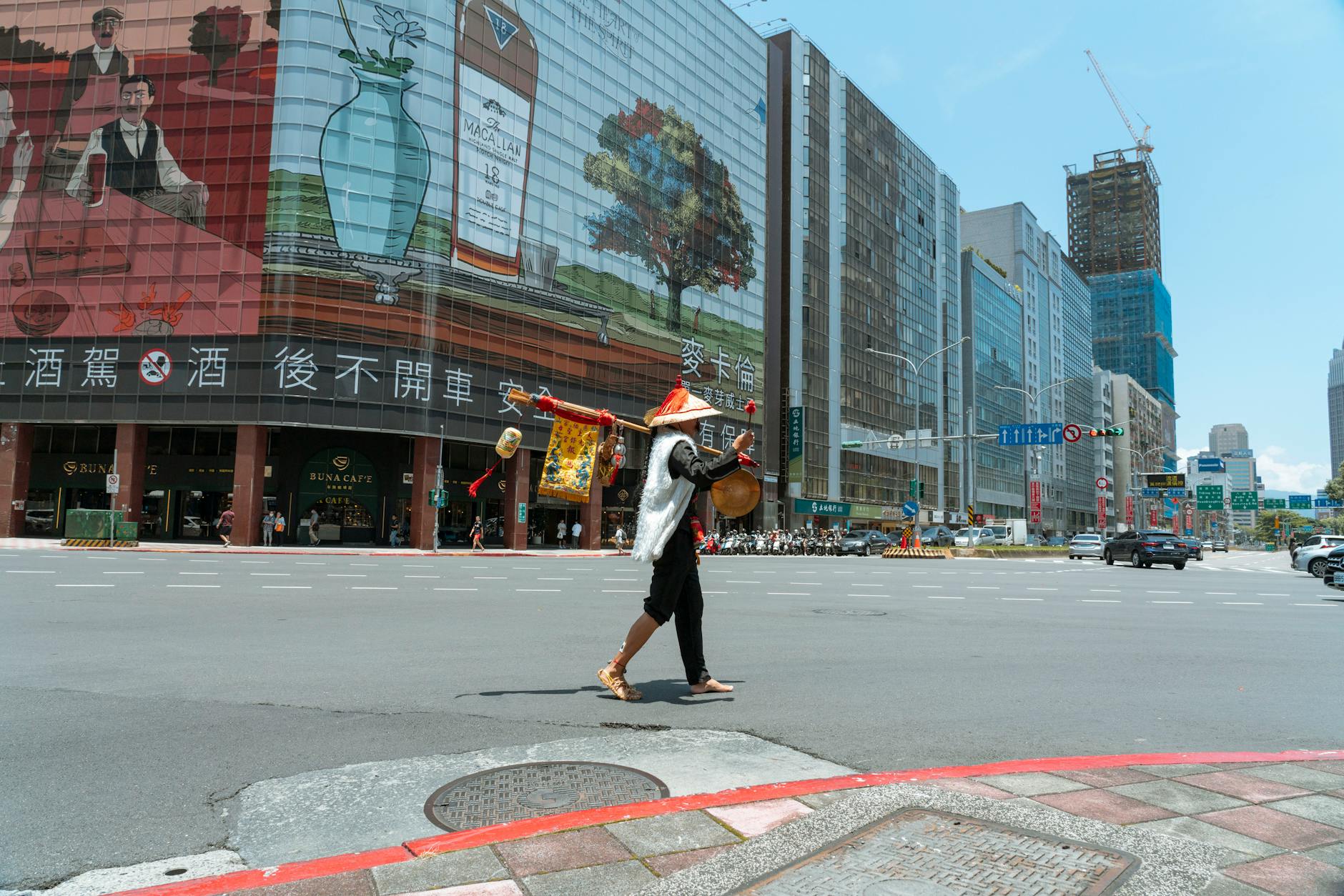
Creators should be clear about where filming, tripods, drones, commercial work, hotel shoots, restaurant filming, temple photography, and people-focused content may require permission or restraint. A public place is not the same as a blank content set. Taipei's best material often involves ordinary life, and ordinary people deserve respect.
The creator should ask before filming staff, children, private interiors, rituals, or anyone who becomes the subject rather than background. Brand work should be especially careful about permissions.
- Check rules for tripods, drones, commercial work, hotels, restaurants, temples, and private interiors.
- Ask before filming staff, children, rituals, or people who become the subject.
- Do not let content needs override local etiquette or consent.
Plan gear for rain, heat, and fast movement
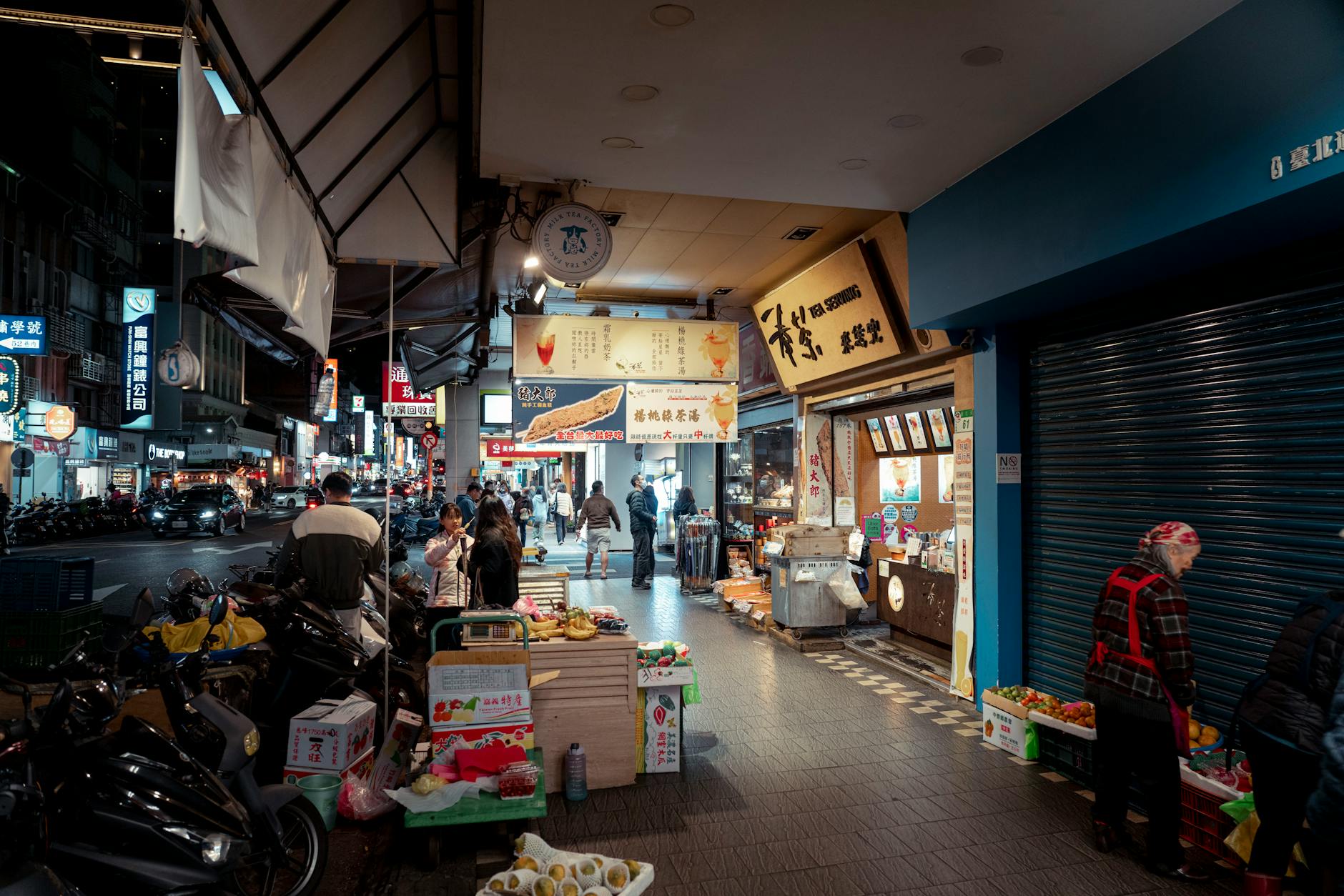
Taipei weather can be visually useful and physically hard. Rain, humidity, wet pavement, cold interiors, battery drain, fogged lenses, crowded MRT cars, and night-market movement all affect gear choices. The creator should plan camera protection, phone storage, power, backup cards, stabilizers only where practical, and a lighter kit for crowded evenings.
The best gear plan is the one the creator can carry all day without damaging the trip or the content.
- Prepare rain protection, lens cloths, power banks, cards, phone storage, and backup workflows.
- Use lighter gear for MRT movement, night markets, temples, and crowded streets.
- Plan for humidity, wet pavement, cold interiors, and battery drain.
Make food and night markets workable
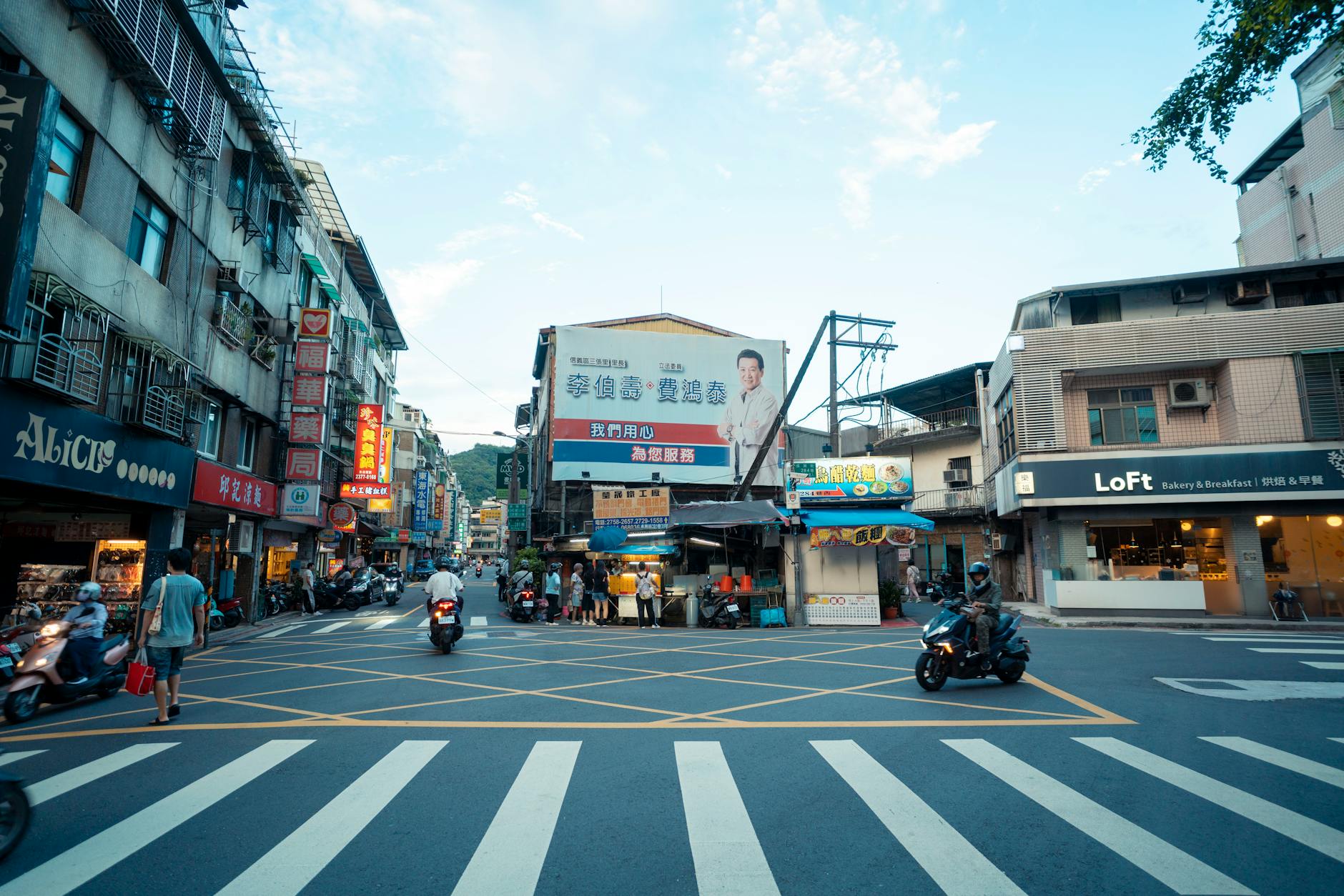
Food content can be one of Taipei's strengths, but creators should plan it carefully. Night markets, breakfast shops, tea, noodles, dumplings, convenience stores, cafes, and restaurants each have different crowd, light, seating, payment, and filming conditions. The creator should identify what can be filmed quickly, what needs permission, and what is better experienced without filming.
The route should also protect hygiene, allergies, food pacing, and the next day's schedule. A creator trip can lose a full day to overambitious food coverage.
- Plan night markets, breakfast shops, tea, cafes, restaurants, and convenience-store content by conditions.
- Check crowd levels, light, seating, payment, allergies, hygiene, and filming permission.
- Do not let food coverage damage health, sleep, or the next day's shoot.
Protect editing, upload, and platform obligations
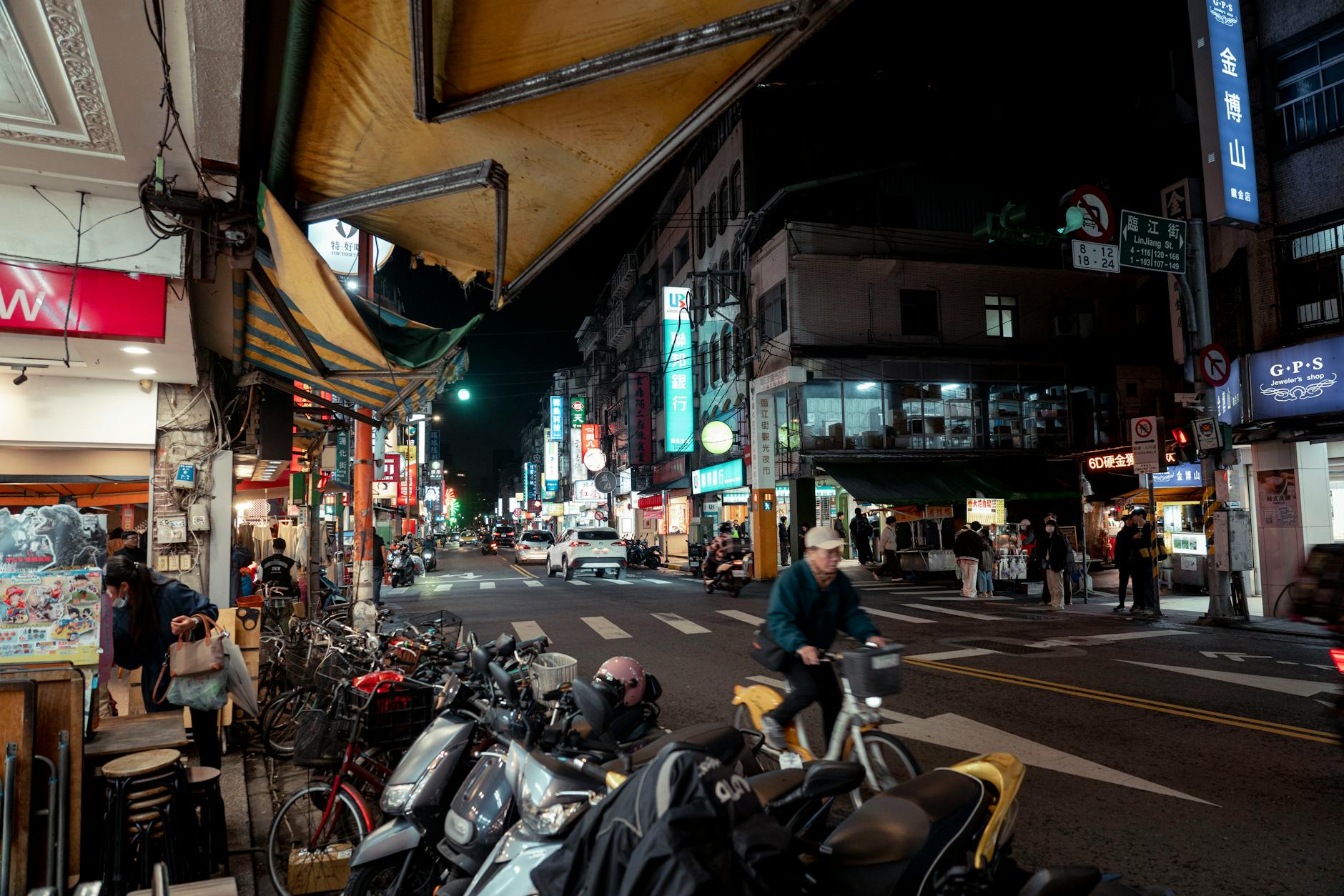
A content trip is not only capture time. Editing, captions, client notes, approvals, backups, uploads, analytics, invoices, and brand deliverables all need space. The hotel should be judged by Wi-Fi, desk, quiet, power outlets, late food, and whether the room supports work after a long shoot day.
The creator should schedule editing blocks before the content backlog becomes unmanageable. A short Taipei stay can produce more material than the traveler can process if the workflow is ignored.
- Schedule editing, backup, captions, approvals, uploads, analytics, invoices, and deliverables.
- Choose lodging with Wi-Fi, desk, quiet, outlets, and late food.
- Keep file organization current so the trip does not create an unmanageable backlog.
When to order a short-term travel report
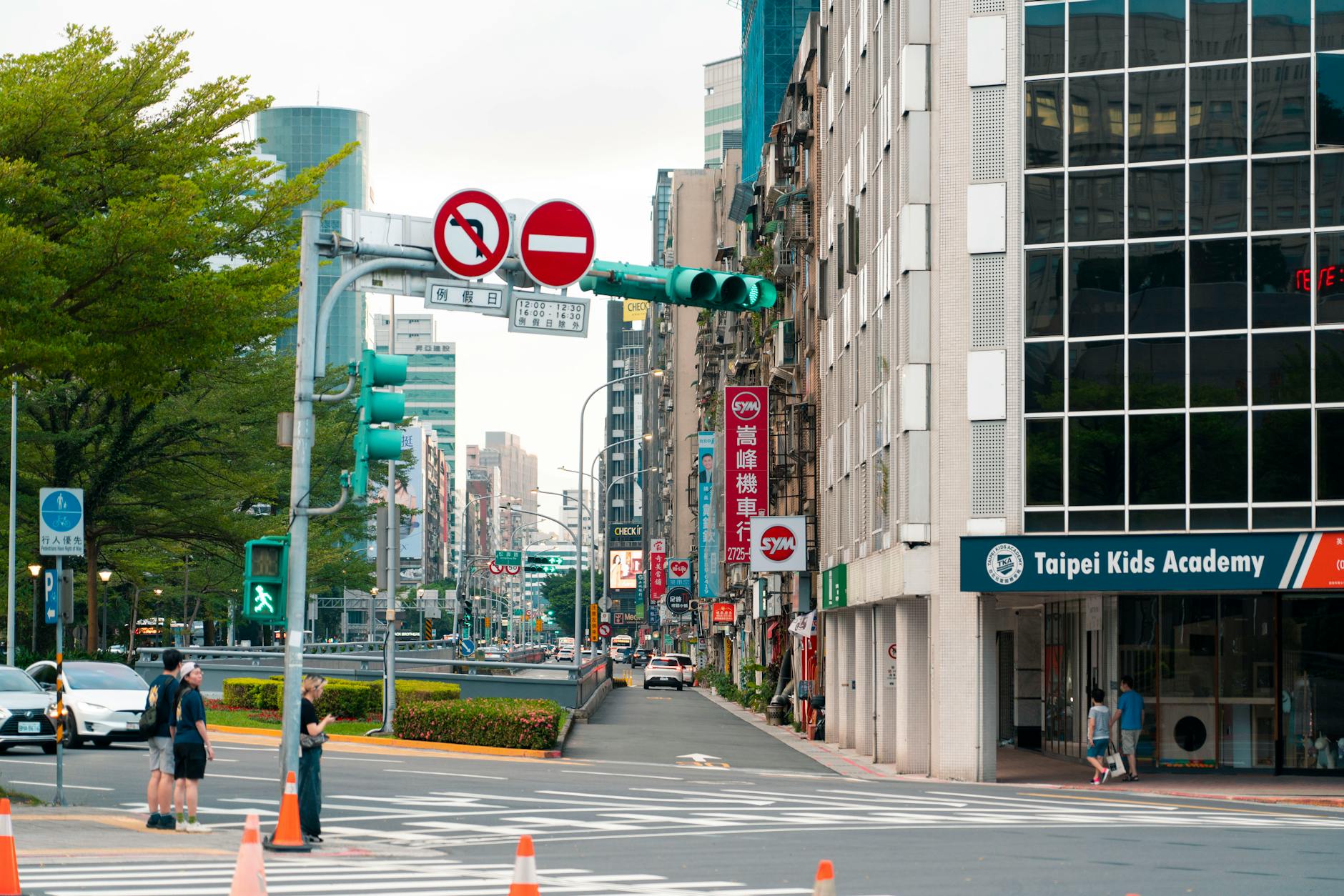
A creator with flexible time and no deliverables may not need a custom Taipei report. A report becomes useful when the trip has brand obligations, hotel or restaurant shoots, tight weather windows, a specific visual angle, equipment limits, dietary needs, accessibility constraints, or a need to balance capture with editing.
The report should test creative angle, hotel base, Taoyuan or Songshan arrival, neighborhood routes, light, weather, permissions, food plans, gear, editing workflow, safety, budget, and what to cut. The value is a Taipei creator trip that produces usable work without treating the city like a prop.
- Order when brand work, permissions, route design, weather, gear, editing, or access needs testing.
- Provide dates, platforms, deliverables, visual goals, hotel options, gear, constraints, and budget.
- Use the report to make the creator trip productive, respectful, and realistic.