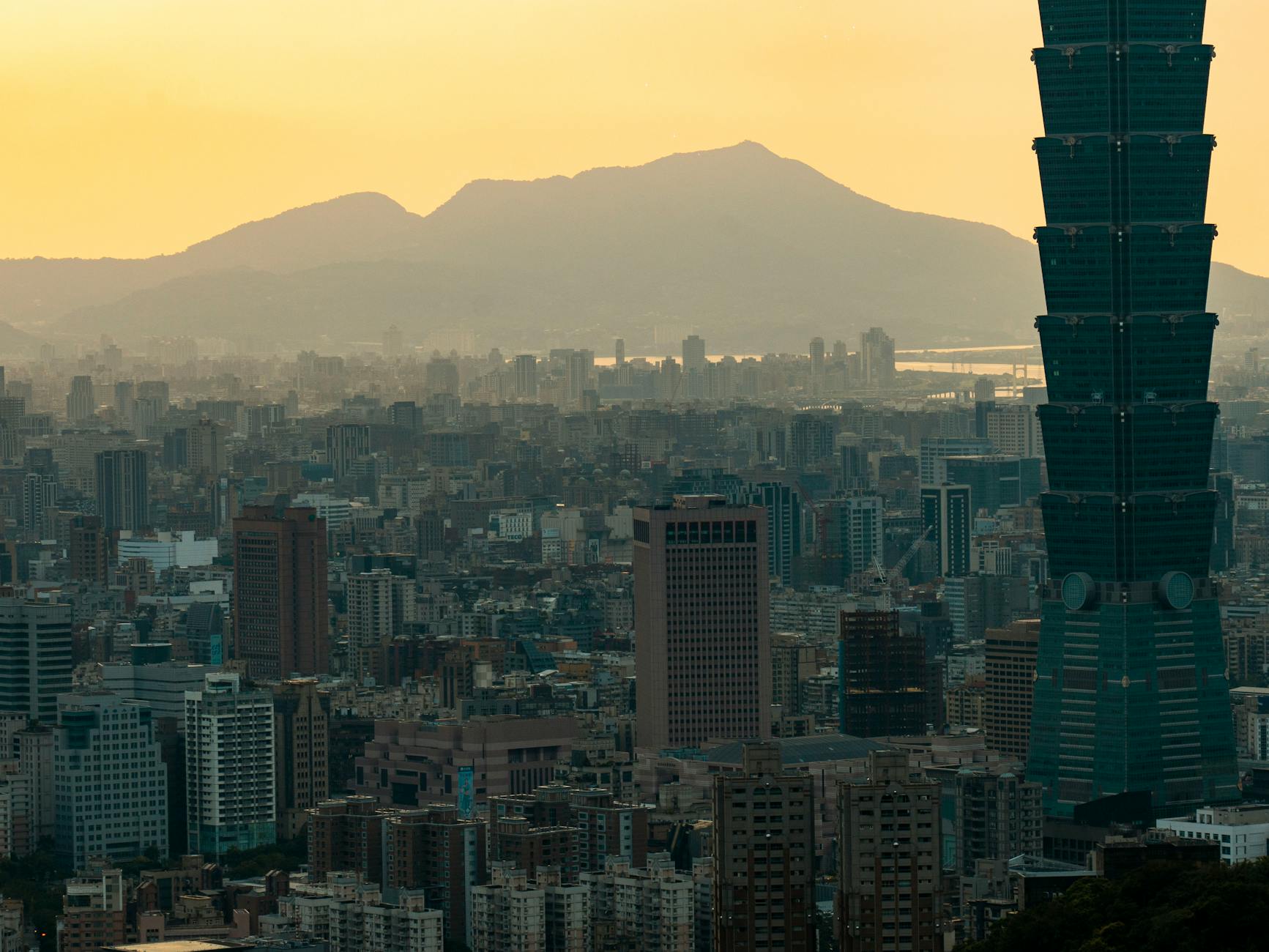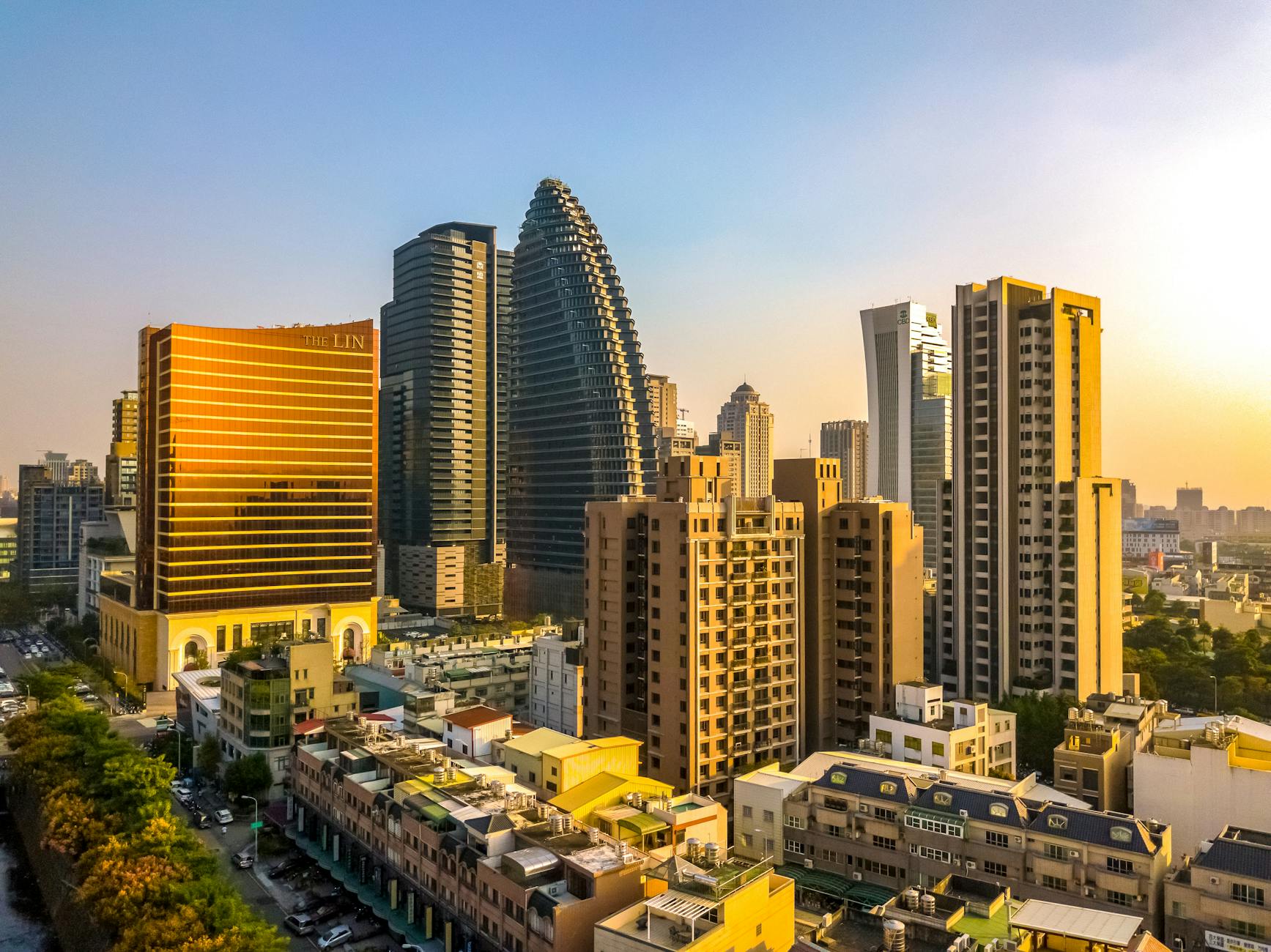
A consultant's Taipei trip usually has less tolerance for improvisation than a normal business visit. The work may involve client offices in Xinyi, Nangang, Neihu, Daan, Zhongshan, or near Taipei Main Station, plus dinners, workshops, hotel calls, and confidential preparation. The city can support this well, but only when the plan respects geography, timing, weather, and the need for clear thinking. The strongest consultant itinerary treats movement, meals, workspace, and recovery as part of the engagement. The goal is to arrive prepared, stay punctual, and leave enough energy for the work that happens between meetings.
Map client geography before choosing the base
A consultant should not choose a Taipei hotel until the client geography is clear. Xinyi, Nangang, Neihu, Daan, Zhongshan, Taipei Main Station, and Songshan can create very different days. A base that looks central may be weak if the main client site is across the city or if every workshop requires a taxi during peak traffic.
The traveler should map offices, hotel meeting rooms, dinners, coworking options, airport route, and any private preparation time as one system.
- Map client offices, workshops, dinners, hotel meetings, coworking options, and airport route.
- Compare Xinyi, Nangang, Neihu, Daan, Zhongshan, Taipei Main Station, and Songshan by real movement.
- Choose the base that protects punctuality and preparation time.
Sequence meetings by energy and route certainty
Consulting schedules often pack too much into a short Taipei stay. The traveler should sequence high-stakes meetings when energy is best and place lower-risk calls, prep blocks, and internal work around them. Route certainty matters. A meeting that depends on a tight cross-city transfer should be treated as a risk, not a normal calendar entry.
The consultant should include buffers for security check-in, elevator waits, translation, introductions, and post-meeting notes. Those minutes are part of the work.
- Place high-stakes meetings when energy and route certainty are strongest.
- Buffer security, elevators, introductions, translation, note capture, and client overruns.
- Avoid tight cross-city transfers before the most important appointment.
Choose MRT and taxis by meeting consequence
The MRT can be efficient for consultants when the route is direct and the station exits are known. Taxis can be better for client arrival, formal attire, equipment, rain, or routes with transfers. The decision should be made by meeting consequence, not by habit. Being late to a workshop costs more than a taxi fare.
The traveler should know pickup points, destination names, traffic-sensitive windows, payment backup, and whether the final building entrance is obvious.
- Use MRT for direct, predictable routes with known exits.
- Use taxis for formal arrival, equipment, rain, tight timing, and high-consequence meetings.
- Confirm pickup points, building entrances, traffic windows, and payment backup.
Protect workspace and confidentiality
A consultant may need quiet calls, confidential documents, slide revisions, data review, and private thinking time. The hotel should be judged by desk quality, Wi-Fi, power, quiet, printer or business support, lobby privacy, late food, and whether the room can support work after dinner. Cafes can be useful, but they are not always appropriate for sensitive work.
The traveler should also plan adapters, VPN access, two-factor authentication, backups, and a way to work if the room is not ready on arrival.
- Check desk quality, Wi-Fi, power, quiet, business support, privacy, and late food.
- Avoid handling sensitive work in public places when confidentiality matters.
- Prepare adapters, VPN, authentication, backups, and arrival-day workspace options.

Treat meals as part of the engagement
Taipei meals can carry relationship value, but consultants should plan them with care. A quick solo meal near the hotel, a client dinner in Xinyi or Daan, a private breakfast, and a late convenience meal solve different problems. Dietary needs, noise, seating, reservations, payment etiquette, and return route all affect whether the meal supports the work.
The traveler should identify both business-worthy restaurants and low-effort backups. A good meal plan keeps the consultant from solving food while tired, hungry, or carrying client material.
- Separate client dinners, quiet breakfasts, solo recovery meals, and late backups.
- Check dietary fit, noise, seating, reservations, payment etiquette, and return route.
- Keep simple meal options near the hotel and client sites.
Plan weather, health, and recovery
Taipei can be humid, rainy, and tiring during a compressed consulting trip. Wet shoes, cold interiors, late dinners, jet lag, early calls, and long client sessions all affect performance. The traveler should plan wardrobe, umbrella, spare shirt, medication, hydration, sleep, and a realistic final night.
Recovery is not indulgence on a consulting trip. It protects judgment, tone, and the quality of the work delivered on site.
- Plan for rain, humidity, cold interiors, jet lag, late dinners, and long sessions.
- Carry umbrella, spare shirt, medication, hydration, charger, and payment backup.
- Protect sleep and recovery so the work does not deteriorate late in the trip.
When to order a short-term travel report
A consultant with a single hosted client site may not need a custom Taipei report. A report becomes useful when meetings are split across districts, hotel choice is unresolved, confidential work needs private space, meals carry relationship value, arrival timing is tight, or the trip must preserve energy across several high-stakes sessions.
The report should test client geography, hotel fit, Taoyuan or Songshan arrival, MRT and taxi routes, workspace, meal planning, weather, recovery, client materials, budget, and what to cut. The value is a Taipei consulting trip that protects both punctuality and performance.
- Order when client geography, hotel base, meeting order, workspace, meals, or recovery needs testing.
- Provide dates, client sites, meeting times, hotel options, work needs, constraints, and budget.
- Use the report to keep the engagement precise, realistic, and easier to execute.