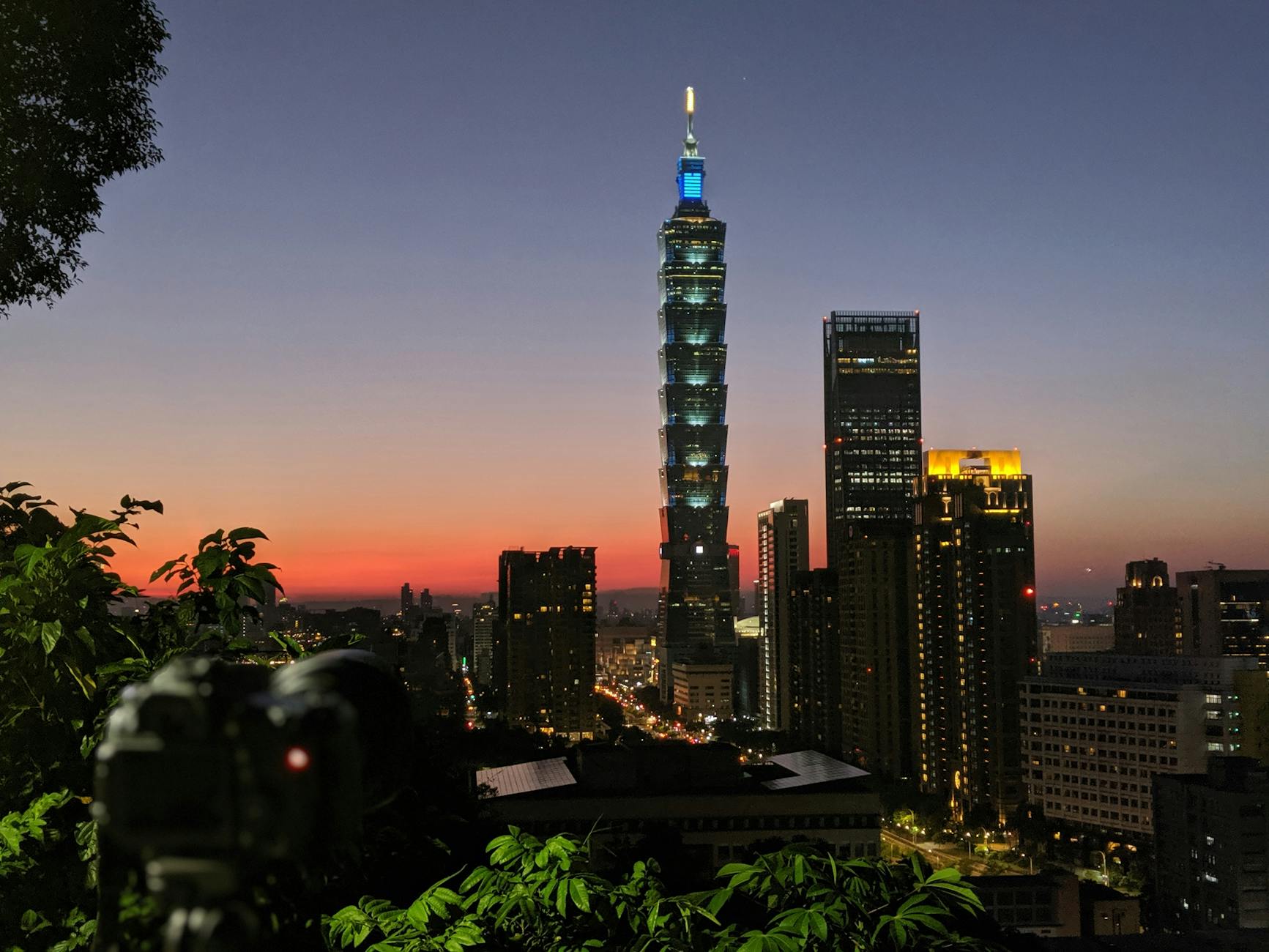
Taipei can work well for conference attendees because it has major venues, business hotels, reliable transit, strong food options, and a city scale that can be manageable with the right base. It can also be misread. A conference may be in Nangang, Xinyi, a hotel ballroom, a university space, or a venue that is easy on the map but awkward at the wrong hour. A short conference trip should protect the actual reason for travel: registration, sessions, meetings, networking, and a clean departure. Taipei supports that when hotel, arrival, movement, meals, and recovery are built around the program rather than added afterward.
Confirm where the conference actually happens
A conference attendee should start with exact venue geography. Taipei events may use Nangang exhibition facilities, Xinyi hotels, convention spaces, university rooms, corporate venues, or several locations for receptions and side meetings. A hotel that sounds central may be inconvenient if the program is anchored elsewhere.
The attendee should map registration, plenaries, breakout rooms, sponsor areas, receptions, private meetings, and any off-site dinners. The useful city is the city between those points.
- Map registration, plenaries, breakouts, sponsor areas, receptions, private meetings, and dinners.
- Separate Nangang, Xinyi, university spaces, hotel ballrooms, and off-site events.
- Choose lodging after the true venue pattern is clear.
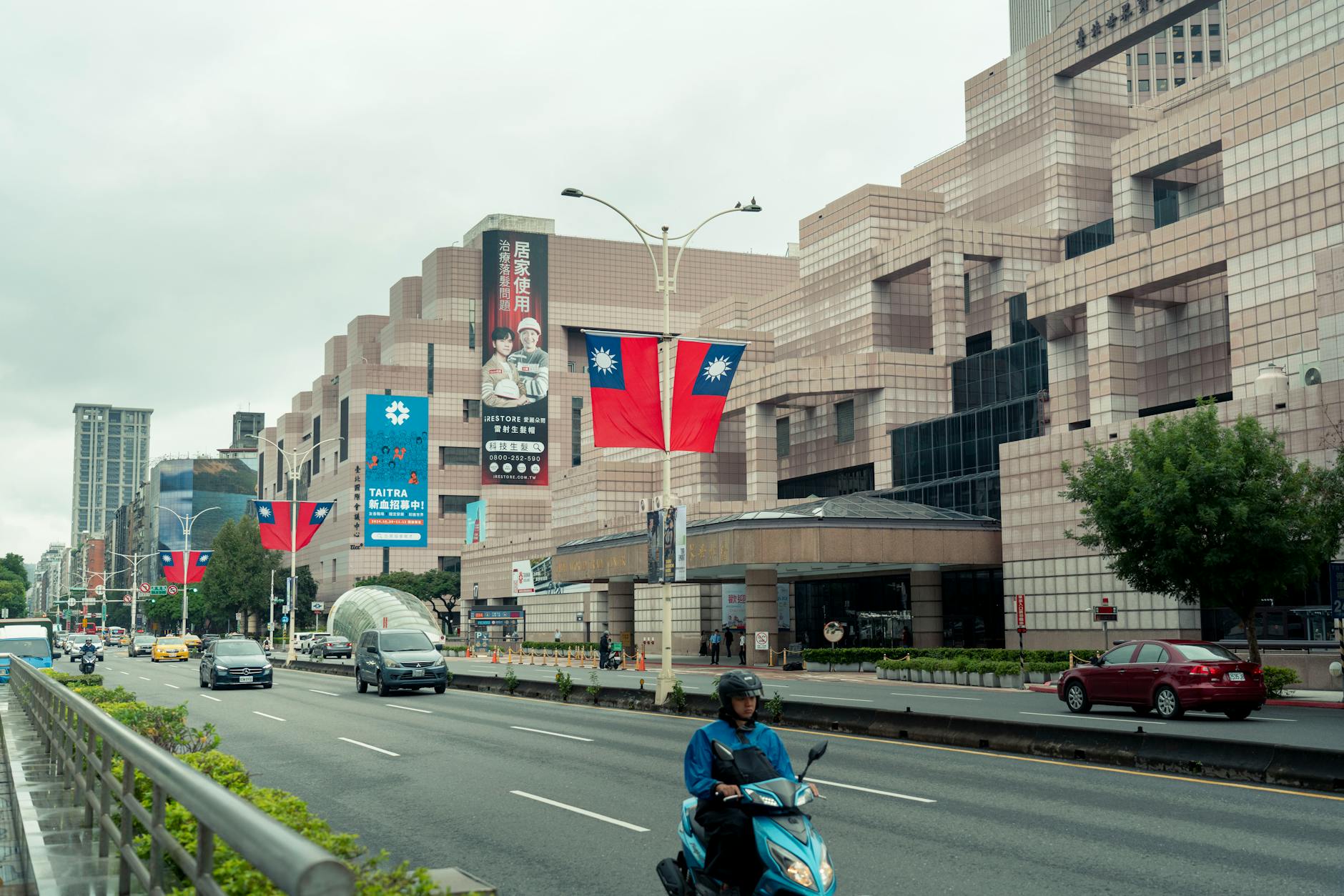
Choose a hotel for the conference day
The right hotel protects attendance discipline. Distance to the venue, MRT access, taxi pickup, breakfast timing, luggage storage, desk space, laundry, ironing, room quiet, late check-in, and nearby simple meals all matter. A stylish hotel in the wrong area can make every morning harder.
The attendee should also consider whether the hotel can support calls, private preparation, wardrobe changes, and quick returns between sessions. Short conference trips are often won or lost at the hotel.
- Check venue distance, MRT access, taxi pickup, breakfast, luggage storage, desk, laundry, ironing, and quiet.
- Choose a base that supports calls, preparation, wardrobe changes, and session returns.
- Do not let a famous district override conference-day usability.
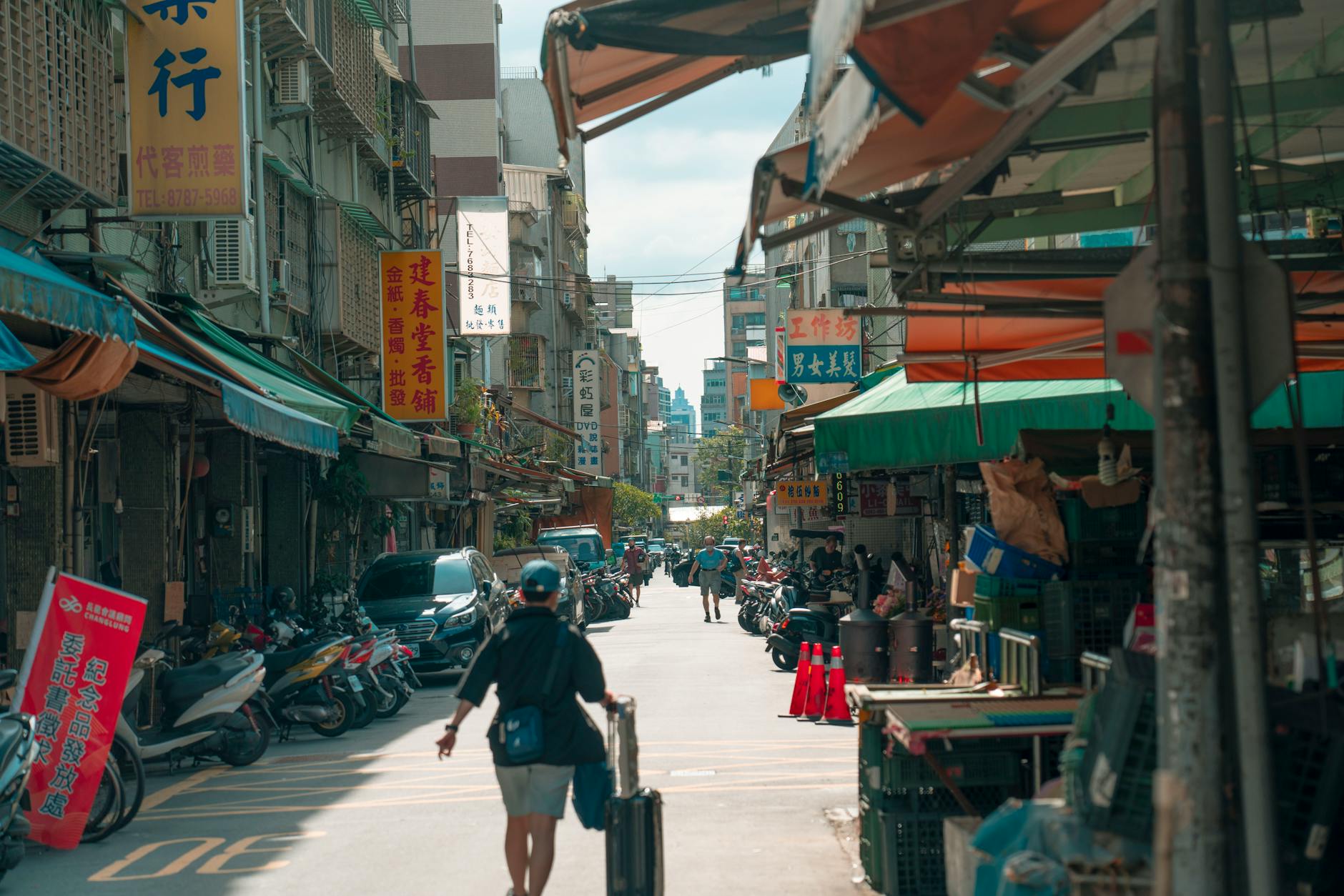
Plan arrival, registration, and first obligations
Taoyuan usually requires a more deliberate transfer plan than Songshan, though the best airport depends on flight options. The attendee should plan arrival by luggage, time zone fatigue, registration hours, first session timing, hotel check-in, and whether they need to attend a reception on arrival day.
A tight first obligation may justify a taxi, car service, earlier arrival, or a hotel closer to the venue. The first day should not rely on perfect conditions.
- Separate Taoyuan and Songshan plans by luggage, fatigue, registration, check-in, and first session timing.
- Use taxi or car service when the first obligation is too important for transfer uncertainty.
- Protect arrival-day receptions and first-morning sessions with conservative timing.
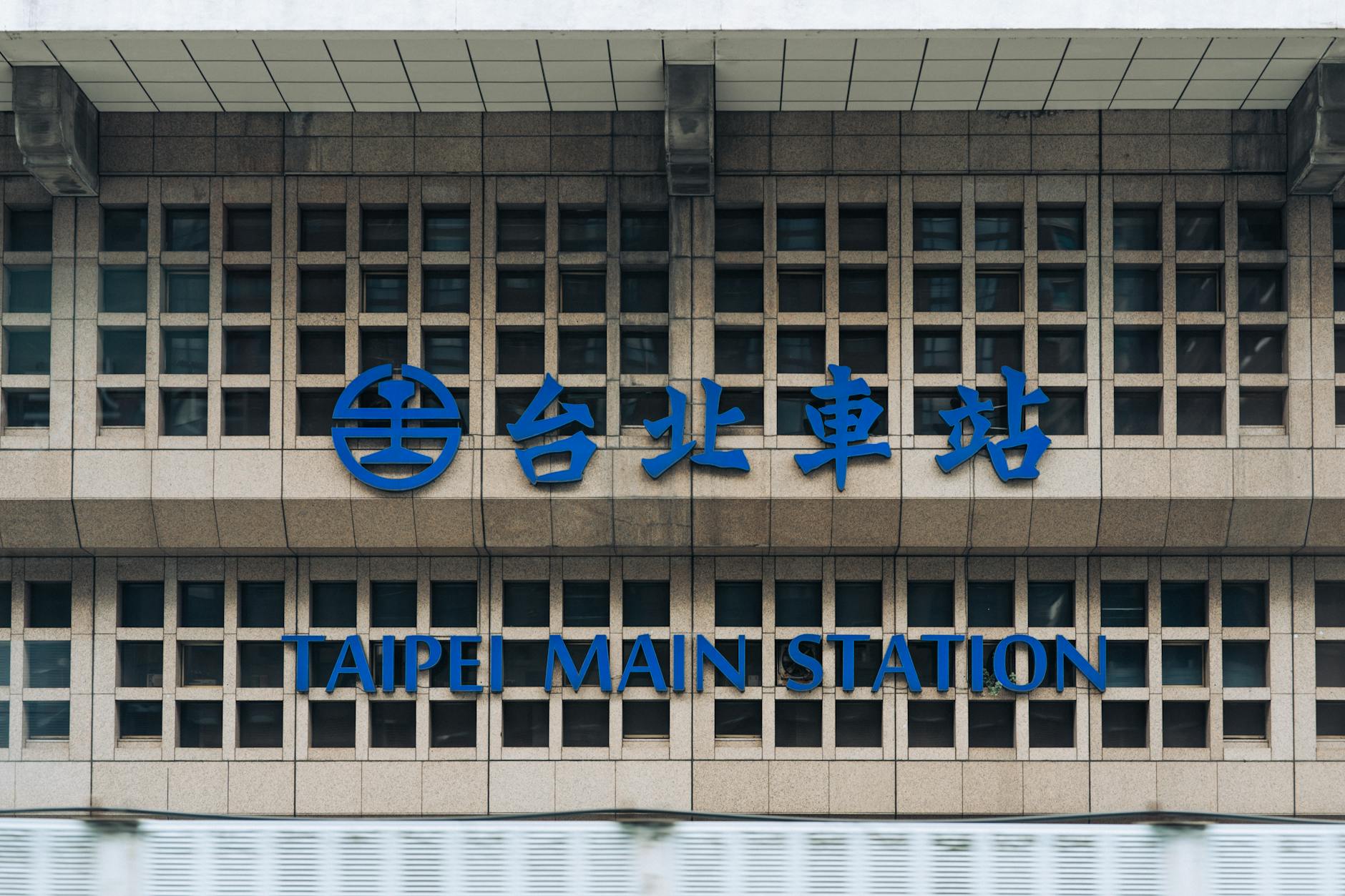
Prepare materials and meeting logistics
Conference attendees should prepare badges, QR codes, documents, presentation files, chargers, adapters, business cards if useful, translation support, receipts, and meeting notes before arrival. Taipei has retail and service options, but last-minute fixes consume conference time.
The attendee should also decide which sessions and meetings matter most. A short event can become diluted if every invitation is accepted.
- Prepare badges, QR codes, documents, files, chargers, adapters, receipts, and meeting notes.
- Check translation, payment, and communication needs before the first session.
- Prioritize sessions and meetings instead of treating every invitation equally.

Use networking meals without losing control
Taipei can make conference meals productive and pleasant, but the attendee should match the meal to the purpose. Sponsor dinners, client meetings, colleague lunches, solo recovery meals, and informal group outings need different noise levels, privacy, budget, dietary planning, and return routes.
A famous restaurant across town may be a poor choice before a packed conference morning. The best networking meal supports the schedule rather than dominating it.
- Choose meals by purpose, privacy, noise, dietary needs, budget, timing, and return route.
- Separate sponsor dinners, client meetings, colleague lunches, group outings, and solo recovery.
- Avoid meals that undermine the next required conference obligation.
Build weather and recovery buffers
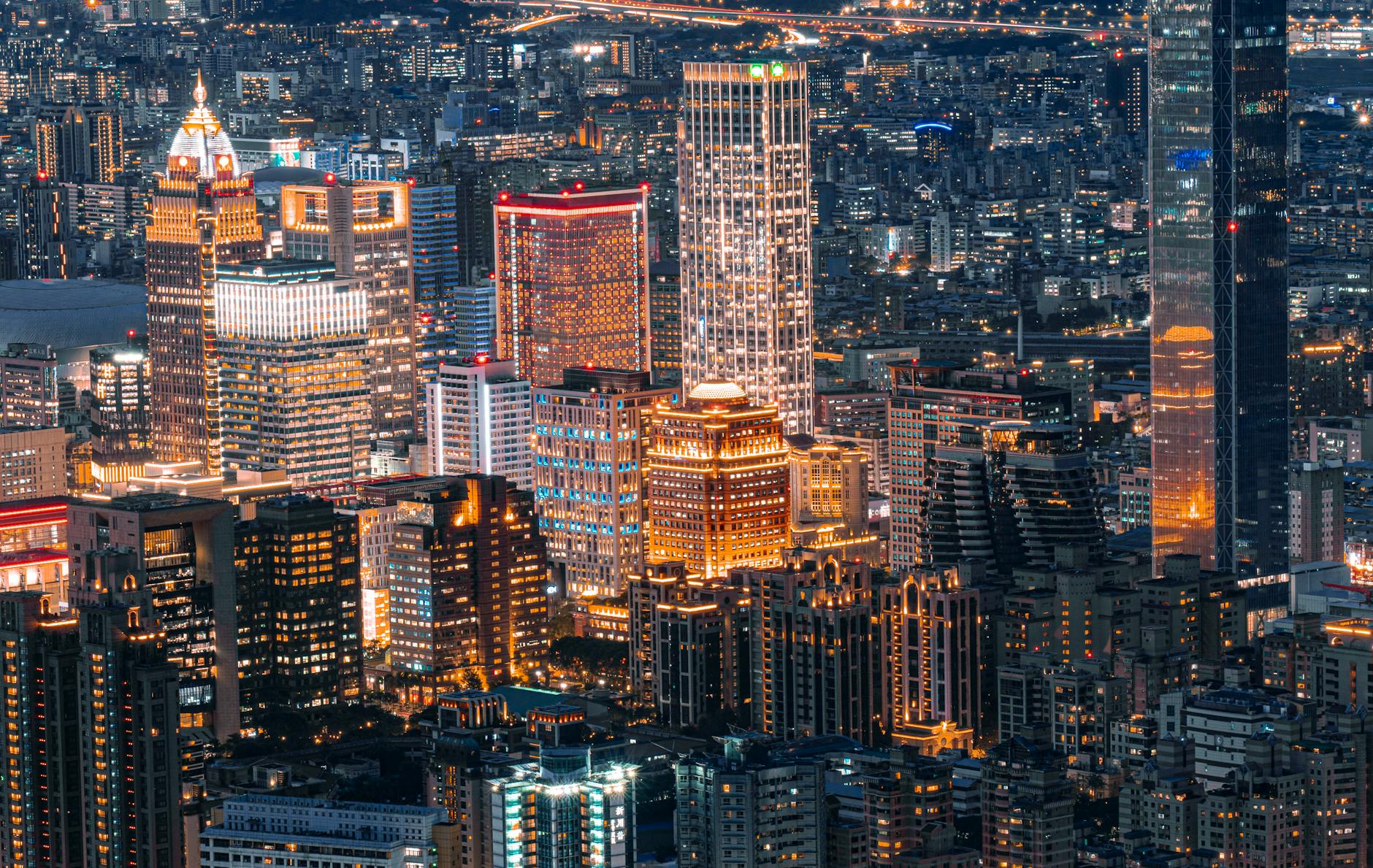
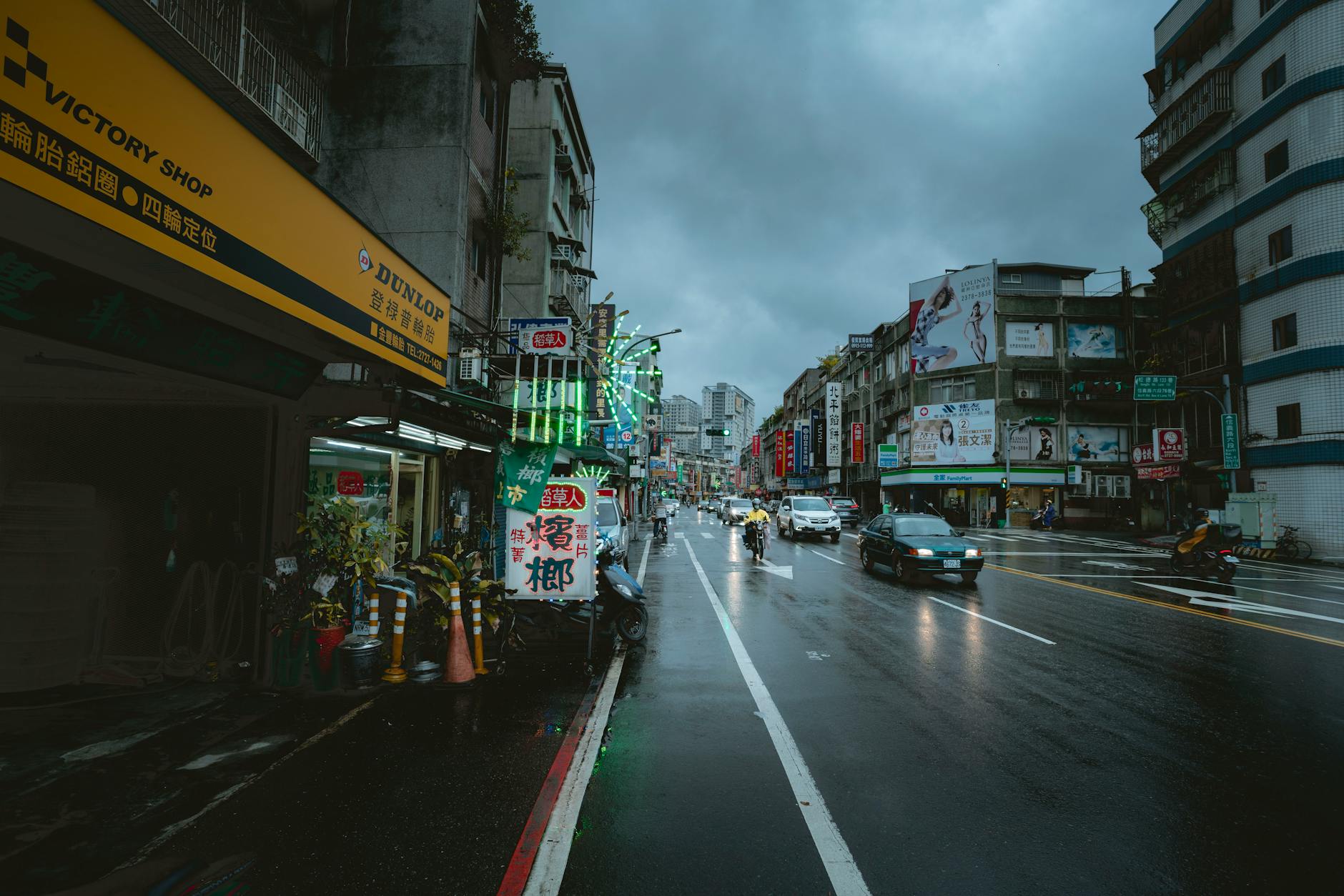
Rain, heat, humidity, typhoon-season disruption, cold interiors, crowded MRT transfers, and taxi demand can affect conference days. The attendee should plan shoes, umbrella, layers, spare shirt, water, device charging, and time buffers. Formal clothing and conference materials make bad weather more consequential.
Recovery is also part of the work plan. A trip with no sleep margin can make the most important session less useful.
- Plan for rain, heat, humidity, cold interiors, crowded transfers, taxi demand, and typhoon-season disruption.
- Carry the right shoes, umbrella, layers, spare shirt, water, and device charging plan.
- Protect sleep and recovery before the conference loses value.
When to order a short-term travel report
A conference attendee with a hosted hotel and simple schedule may not need a custom Taipei report. A report becomes useful when the venue pattern is split, arrival timing is tight, hotel choice is unresolved, meetings matter, weather could disrupt movement, or the attendee wants to combine the event with a small amount of city time.
The report should test venue geography, hotel fit, Taoyuan or Songshan arrival, MRT and taxi routes, registration, meetings, networking meals, work materials, weather, recovery, budget, and what to cut. The value is a Taipei conference trip that protects purpose and reduces wasted effort.
- Order when venue geography, hotel choice, airport timing, meetings, weather, or city add-ons need testing.
- Provide dates, venue sites, hotel options, flight details, conference duties, meetings, constraints, and budget.
- Use the report to make the conference trip efficient, prepared, and realistic.