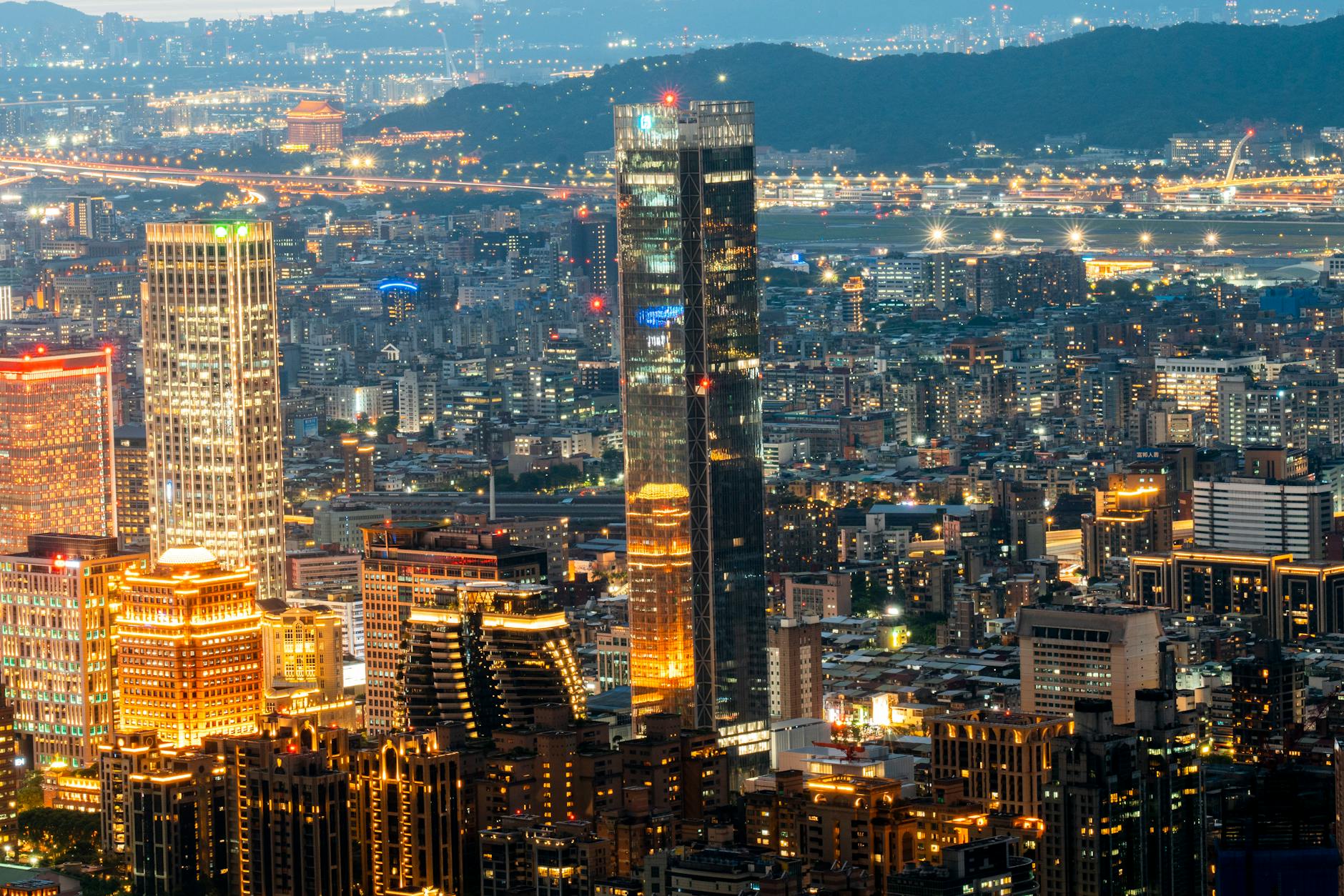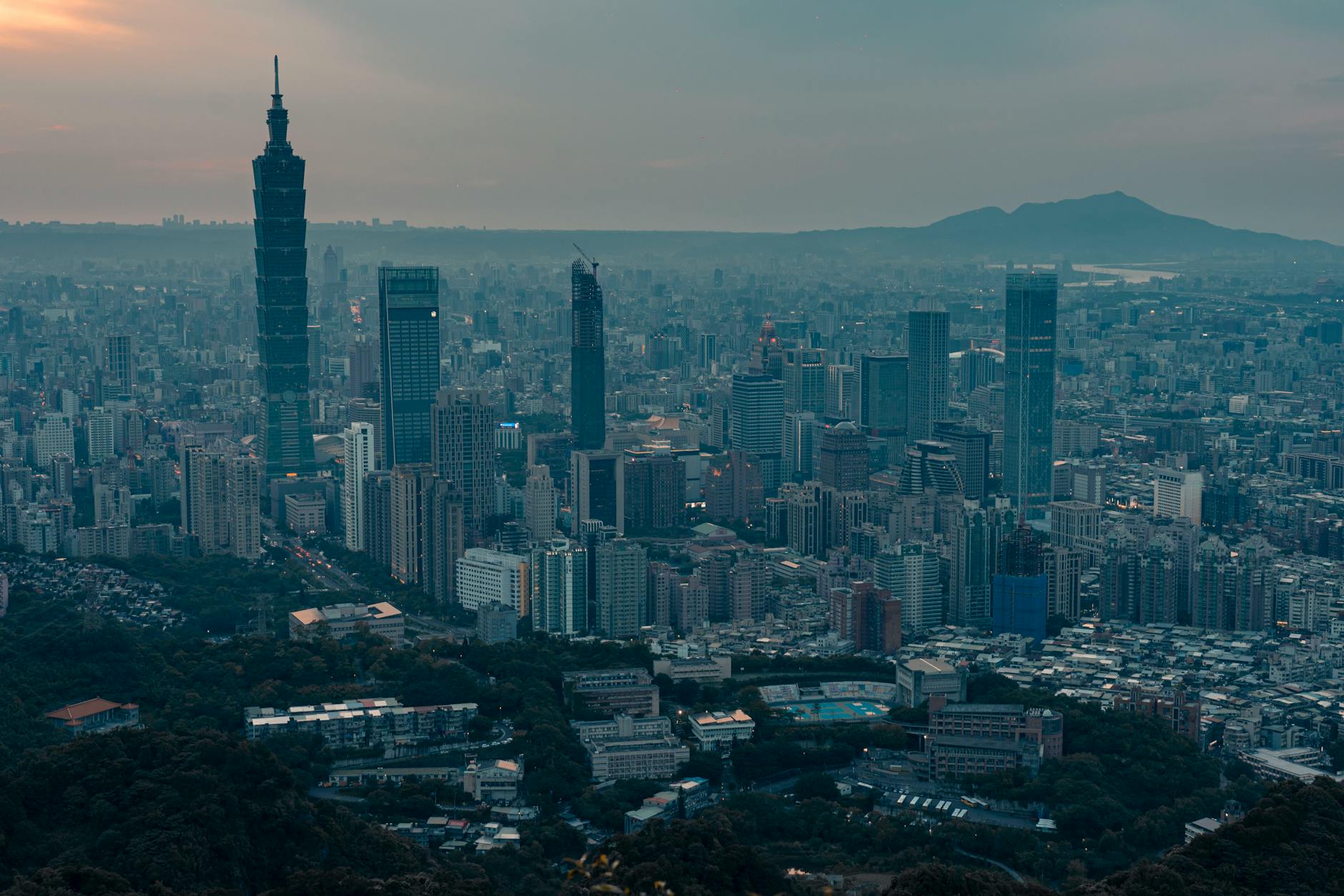
Taipei can be a highly workable business city, but it should not be reduced to Taipei 101 and a generic downtown hotel. Meetings may sit in Xinyi, Zhongshan, Daan, Neihu, Nangang, Songshan, Banqiao, or an industrial or university-linked area outside the first mental map. The city is efficient when the traveler respects its districts, arrival airports, weather, meal rhythm, and transit choices. A short Taipei business visit should decide what the trip is solving: client meetings, a conference, supplier visits, executive hosting, investor conversations, or a practical regional stop. The traveler should choose lodging, airport transfer, meals, and work blocks around the actual obligations rather than treating Taipei as one compact business zone.
Map the business geography before booking
A Taipei business visitor should start by locating every commitment precisely. A meeting in Xinyi is different from one in Neihu, Nangang, Zhongshan, Daan, Songshan, Banqiao, or an office park beyond the central visitor map. Hotel choice should follow the highest-value meetings and the least movable obligations.
The traveler should map office addresses, conference venues, client dinners, supplier visits, government or university-linked meetings, and airport timing. Taipei rewards exact planning more than broad downtown assumptions.
- Map offices, conference venues, supplier visits, client meals, government or university meetings, and airport timing.
- Separate Xinyi, Neihu, Nangang, Zhongshan, Daan, Songshan, Banqiao, and other business zones.
- Choose the base around the most important and least movable meetings.
Choose the hotel by route quality
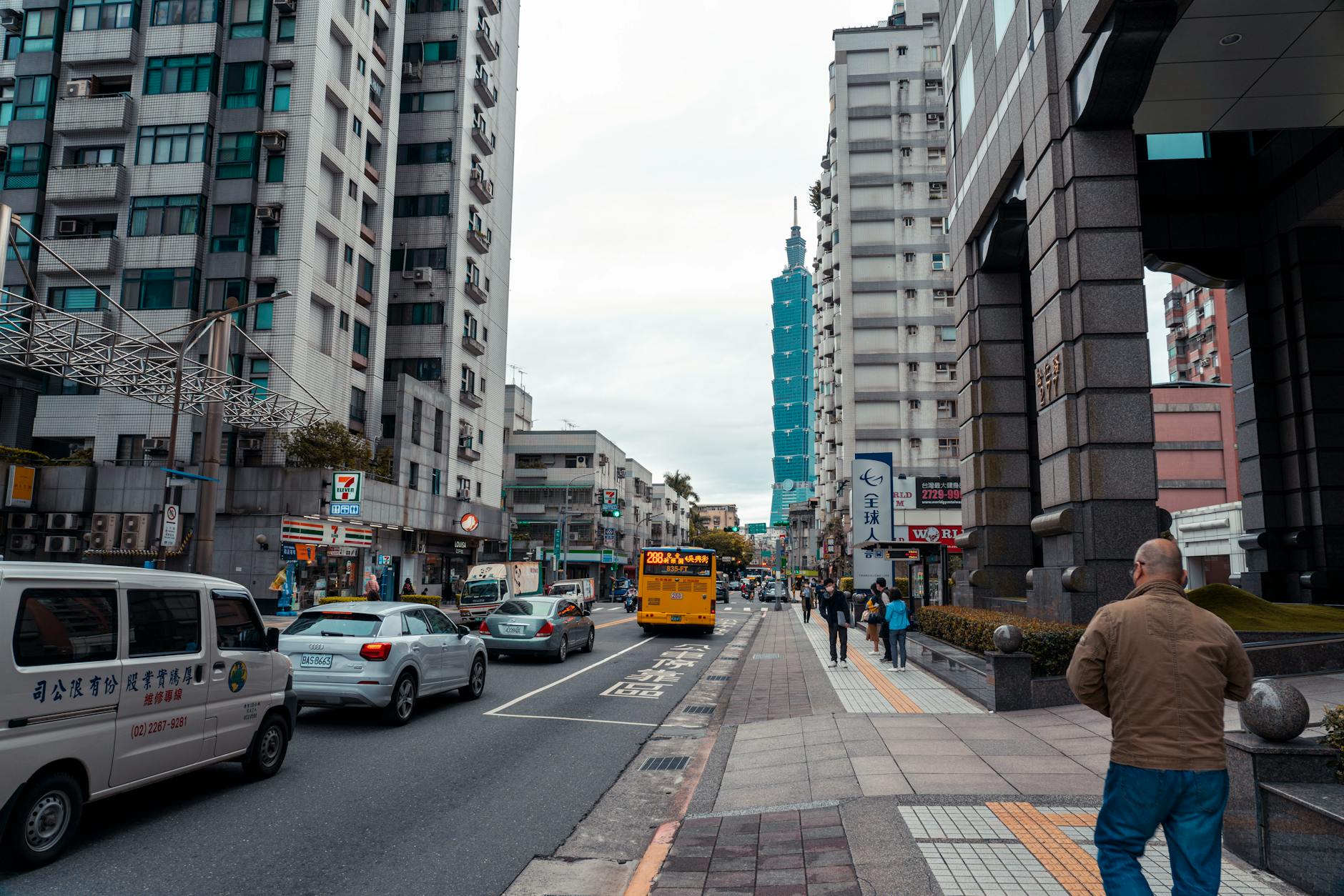
Taipei hotels can be comfortable and efficient, but the right base depends on route quality. The traveler should check MRT access, taxi pickup, drive time to meetings, breakfast hours, desk space, quiet, laundry, ironing, room size, meeting spaces, nearby restaurants, and late arrival support. A hotel near a landmark can still be wrong if the actual client sites sit elsewhere.
The traveler should also consider whether the hotel is a working base. Calls, document edits, presentation preparation, and jet-lag recovery may matter as much as the room's address.
- Check MRT access, taxi pickup, meeting drive times, breakfast, desk, quiet, laundry, and nearby meals.
- Decide whether the hotel must support calls, edits, presentation work, and recovery.
- Avoid choosing the base only because it is near Taipei 101 or a familiar district name.
Plan arrival from Taoyuan or Songshan
Taipei airport planning starts with which airport is involved. Taoyuan usually requires a longer transfer and can involve Airport MRT, taxi, car service, or high-speed rail-linked planning for regional movement. Songshan is closer to the city and can be easier for some domestic or regional flights. The best answer depends on arrival time, bags, jet lag, and first meeting pressure.
The traveler should not leave the first transfer vague. A late arrival followed by an early meeting can make the wrong airport plan expensive in energy.
- Separate Taoyuan and Songshan airport plans before booking transfers or hotels.
- Compare Airport MRT, taxi, car service, and regional rail needs by timing and bags.
- Protect the first meeting from late arrival, immigration, traffic, and jet lag.
Use MRT and taxis by meeting stakes
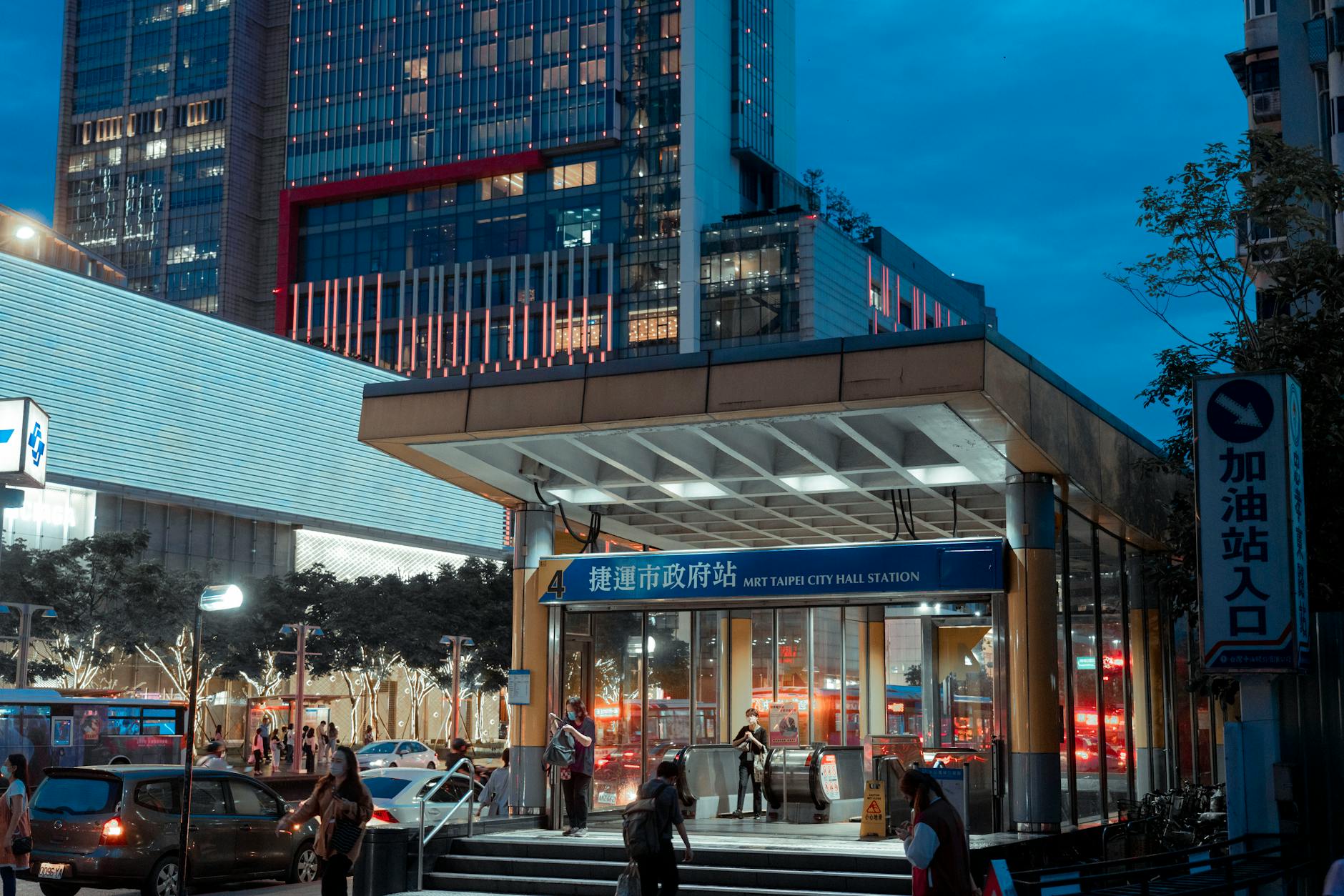
Taipei's MRT can be efficient, legible, and useful for many business movements, but it is not automatically the best choice for every meeting. Taxis or cars may be better for senior meetings, formal clothing, rain, equipment, client hosting, or locations not well served by rail. Walking can work well in some districts and poorly in heat or heavy rain.
The traveler should classify each movement by stakes. The more important the meeting, the more conservative the route should be.
- Use MRT, taxi, car, or walking according to meeting stakes, bags, weather, and location.
- Choose conservative routing for senior meetings, formal events, and rain-sensitive movement.
- Know pickup points, addresses in Chinese where helpful, and backup routes.
Treat meals as business infrastructure
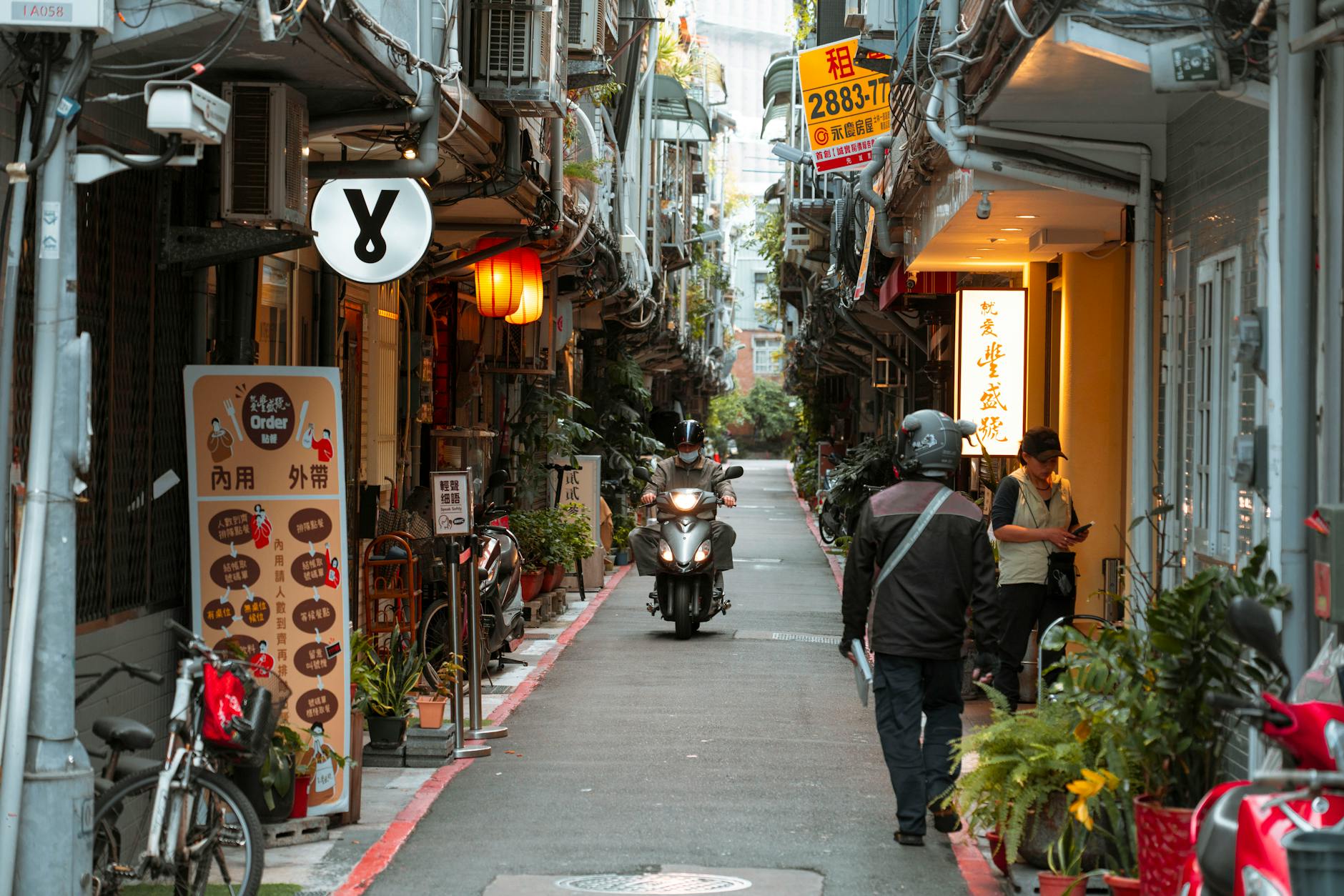
Taipei is a strong food city, but business meals should be chosen by purpose. A formal client dinner, quick lunch near an office, tea meeting, hotel meal, private-room discussion, night-market visit with colleagues, and solo recovery meal all serve different needs. Noise, privacy, dietary needs, payment expectations, and transport after the meal matter.
The traveler should also understand when a famous food plan is wrong for the business tone. The best meal is the one that supports the relationship and the next obligation.
- Choose meals by hierarchy, privacy, noise, dietary needs, payment, timing, and return route.
- Separate client dinners, quick lunches, tea meetings, private rooms, and solo recovery meals.
- Use Taipei's food strengths without letting reputation override business purpose.
Prepare for weather, language, and payment friction
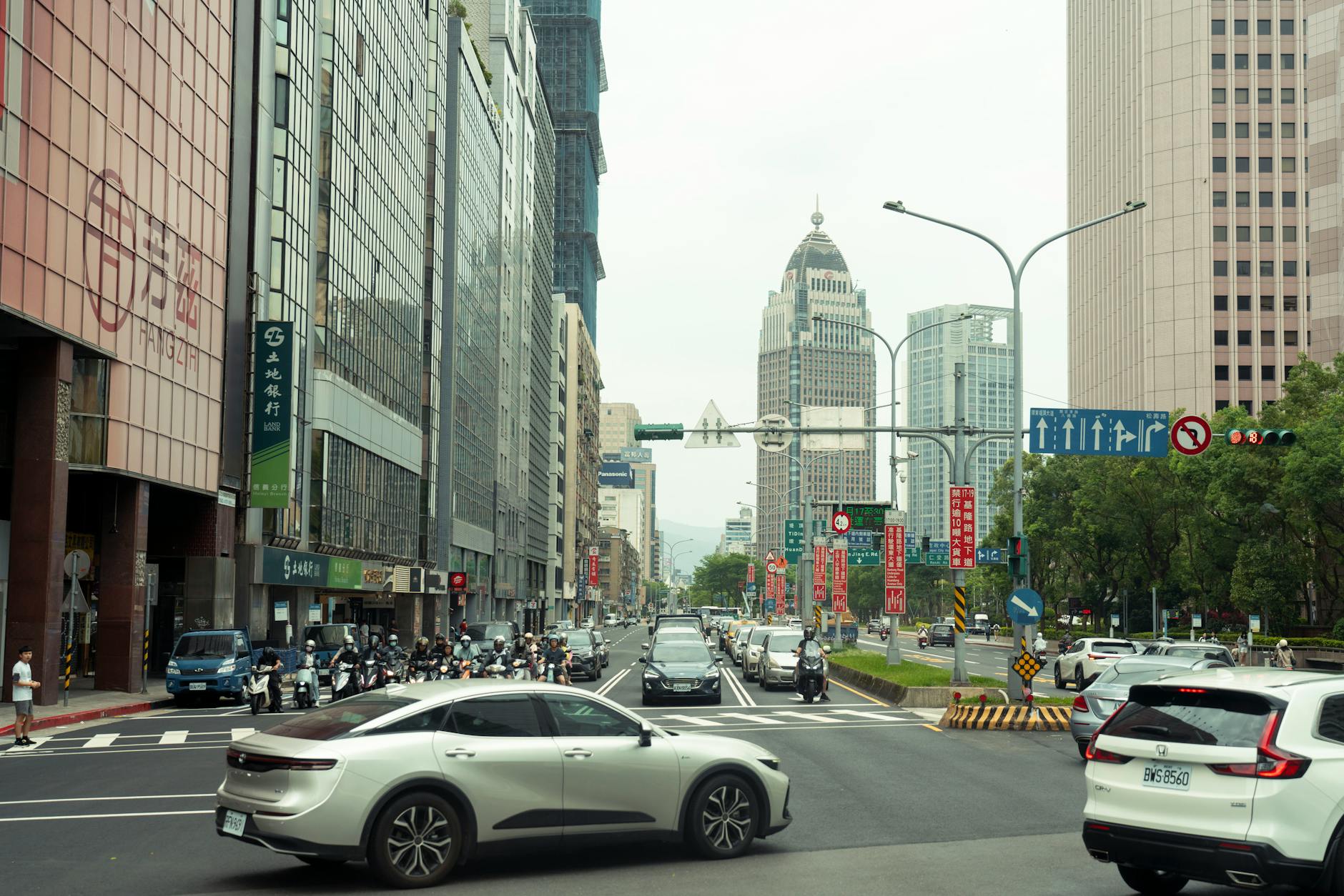
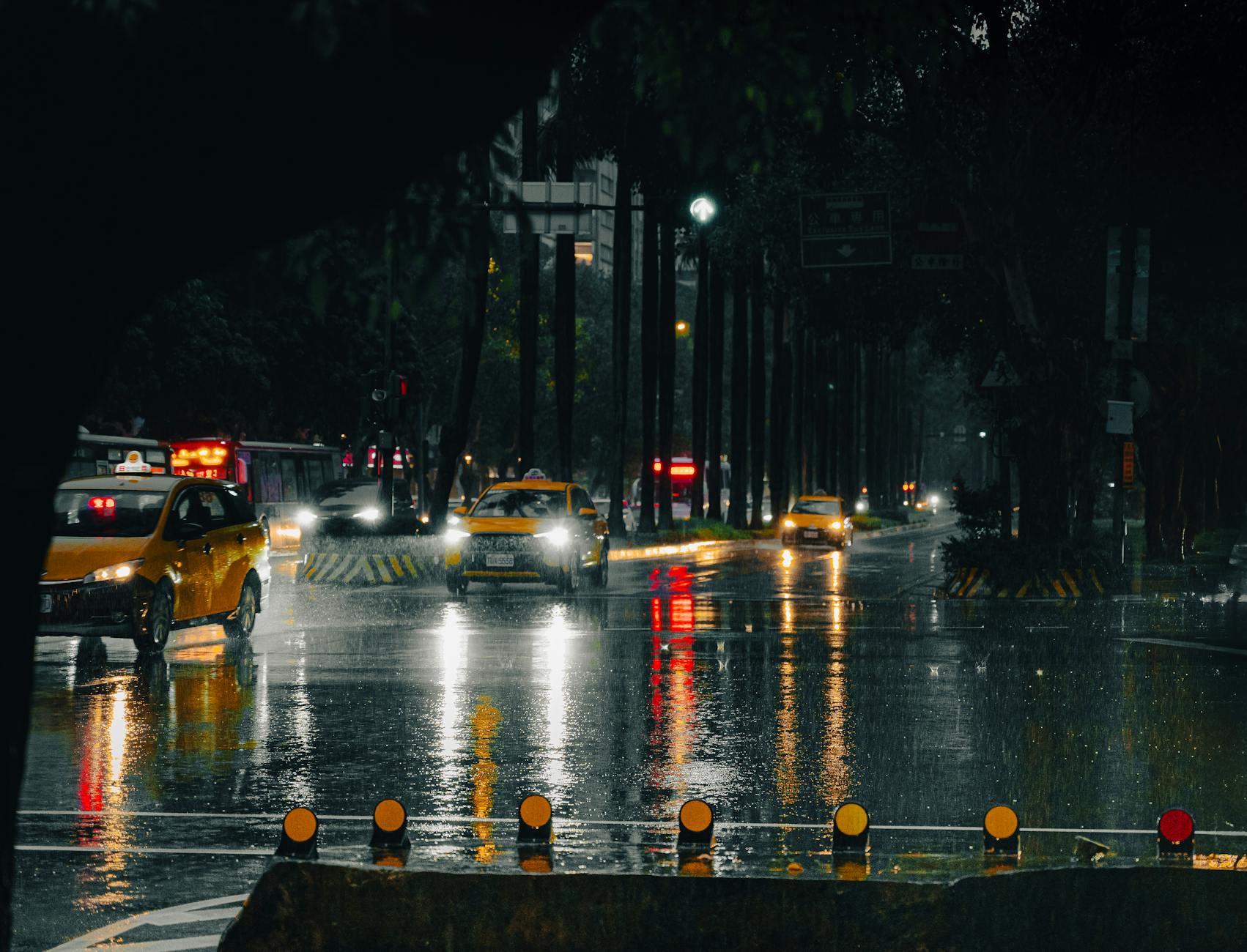
Taipei business travel can be affected by rain, heat, typhoon-season disruption, humid walks, cold interiors, and traffic shifts. The traveler should plan shoes, umbrella, clothing, spare shirt, device charging, and buffers accordingly. Language and payment are usually manageable, but addresses, taxi communication, receipts, corporate cards, and local apps should not be left to the last minute.
A business visitor should also protect document access, VPN or security needs, phone data, adapters, and presentation backups before the first meeting day.
- Plan for rain, heat, typhoon-season disruption, humid walks, cold interiors, and traffic changes.
- Prepare addresses, taxi communication, receipts, cards, local apps, phone data, and adapters.
- Protect documents, secure access, presentations, and backup connectivity.
When to order a short-term travel report
A Taipei business visitor with one hosted meeting and a known hotel may not need a custom report. A report becomes useful when meetings are split across districts, airport timing is tight, a senior stakeholder is traveling, client meals need planning, language or payment friction matters, or the traveler must combine business with limited personal time.
The report should test meeting geography, hotel fit, Taoyuan or Songshan arrival, MRT, taxi and car choices, business meals, work infrastructure, weather, language, payment, contingency time, budget, and what to cut. The value is a Taipei business visit that feels precise rather than merely busy.
- Order when meeting geography, airport arrival, hotel fit, meals, weather, language, or payment needs testing.
- Provide dates, meeting sites, hotel options, stakeholder level, constraints, and budget.
- Use the report to make the Taipei business visit efficient, punctual, and decision-ready.