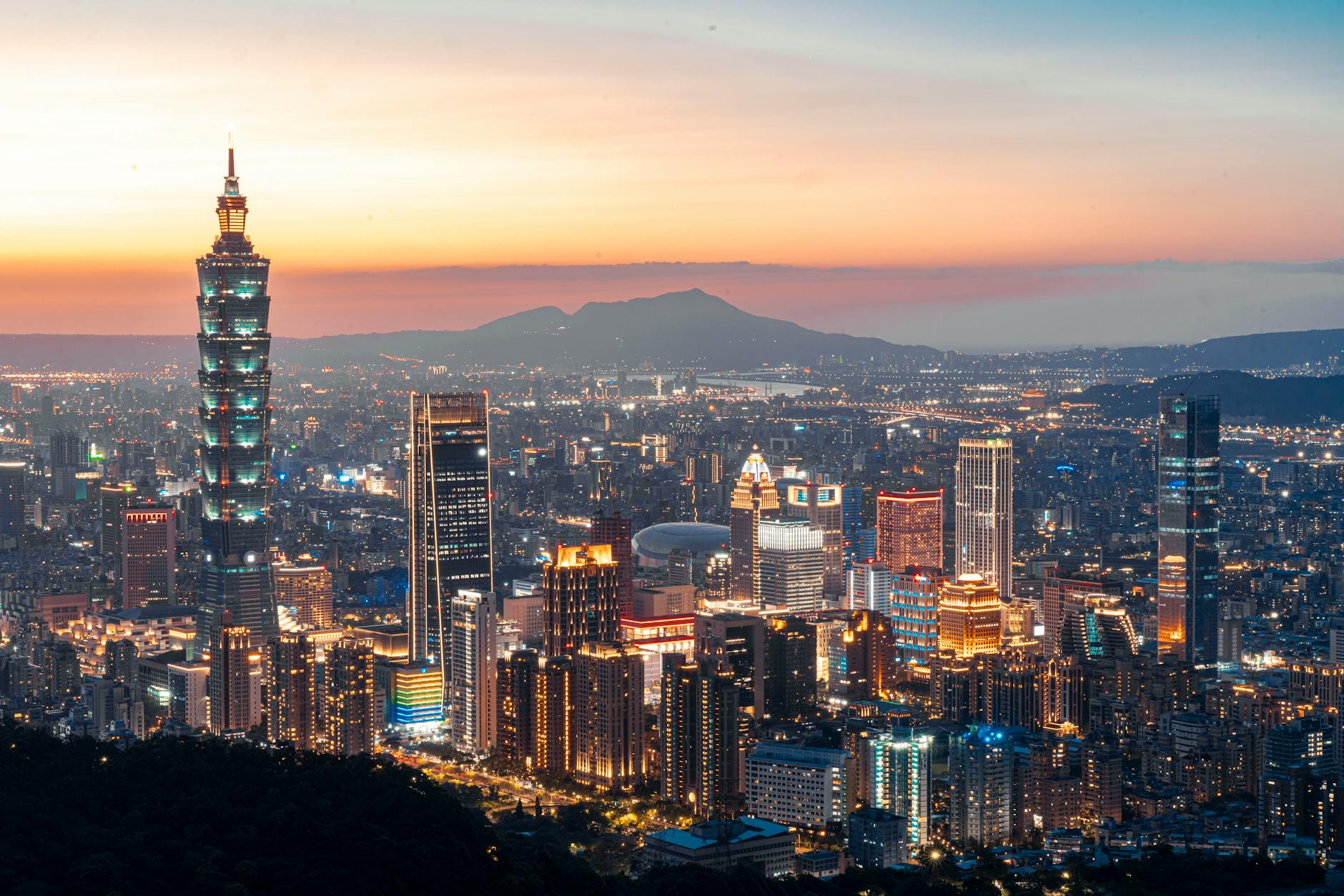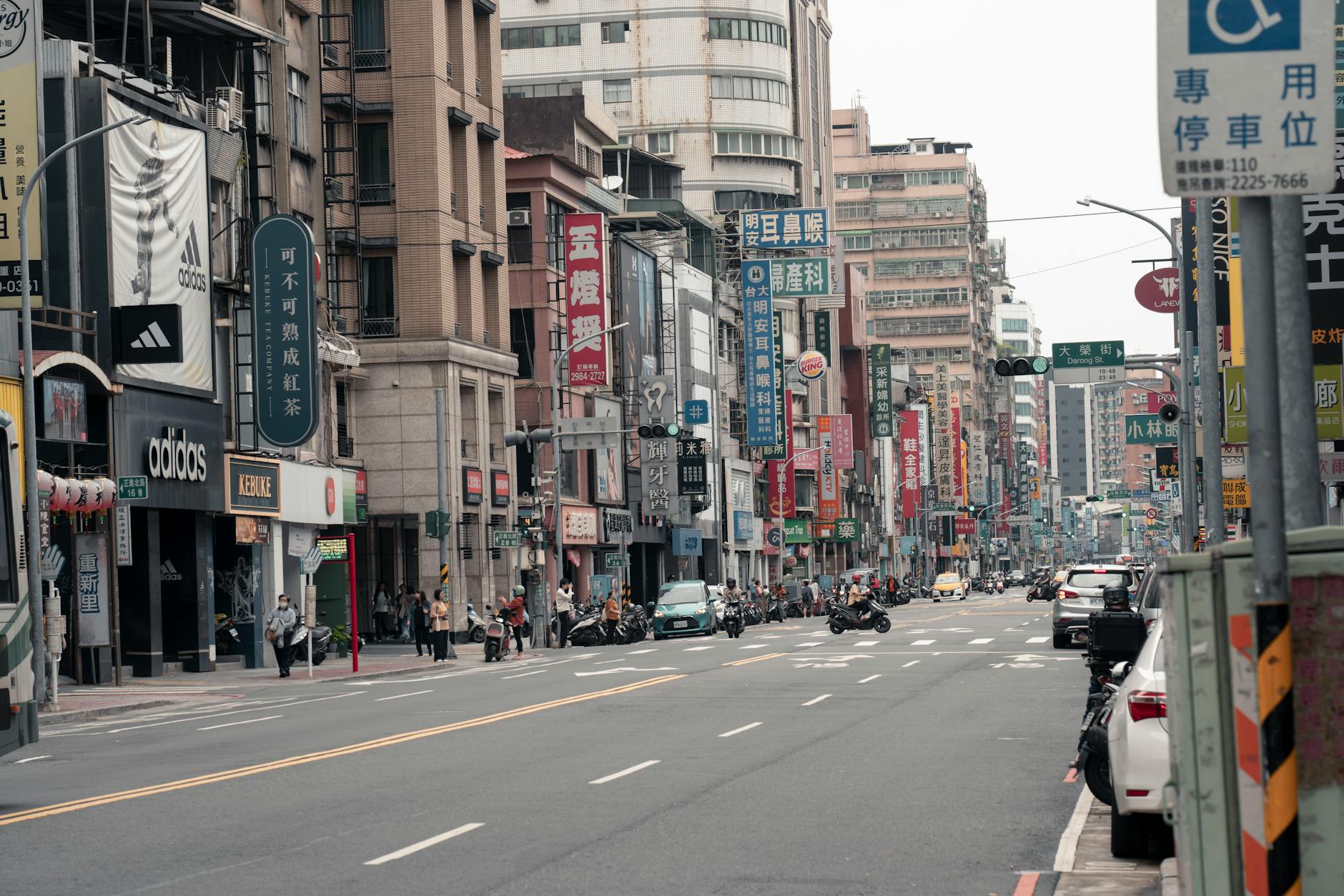
Taipei can work very well for budget travelers because public transport is useful, food can be inexpensive, convenience stores are strong, and many good experiences do not require premium spending. The danger is assuming a cheap trip plans itself. Poor lodging geography, too many taxis, rainy days, tourist-priced meals, and badly chosen day trips can quickly erase the savings. A short budget stay should protect money and energy at the same time. The cheapest choice is not always the best value if it adds transfers, fatigue, or lost time.
Choose cheap lodging by total cost
Budget travelers should not judge Taipei lodging only by nightly rate. A cheaper hostel, guesthouse, or small hotel may cost more in time and transport if it is poorly placed. MRT proximity, airport transfer, late-return comfort, shared bathroom quality, luggage storage, laundry, nearby cheap meals, noise, and cancellation terms all affect real value.
Taipei Main Station, Ximending, Zhongshan, Daan, Songshan, and other areas can all work depending on priorities. The budget traveler should pay for location when location saves repeated friction.
- Compare nightly rate with MRT access, airport transfer, food nearby, luggage storage, laundry, and noise.
- Check Taipei Main Station, Ximending, Zhongshan, Daan, Songshan, and other bases by total trip cost.
- Pay slightly more for a base that prevents repeated transfers or late-night hassle.
Use MRT and airport transfers as the budget backbone
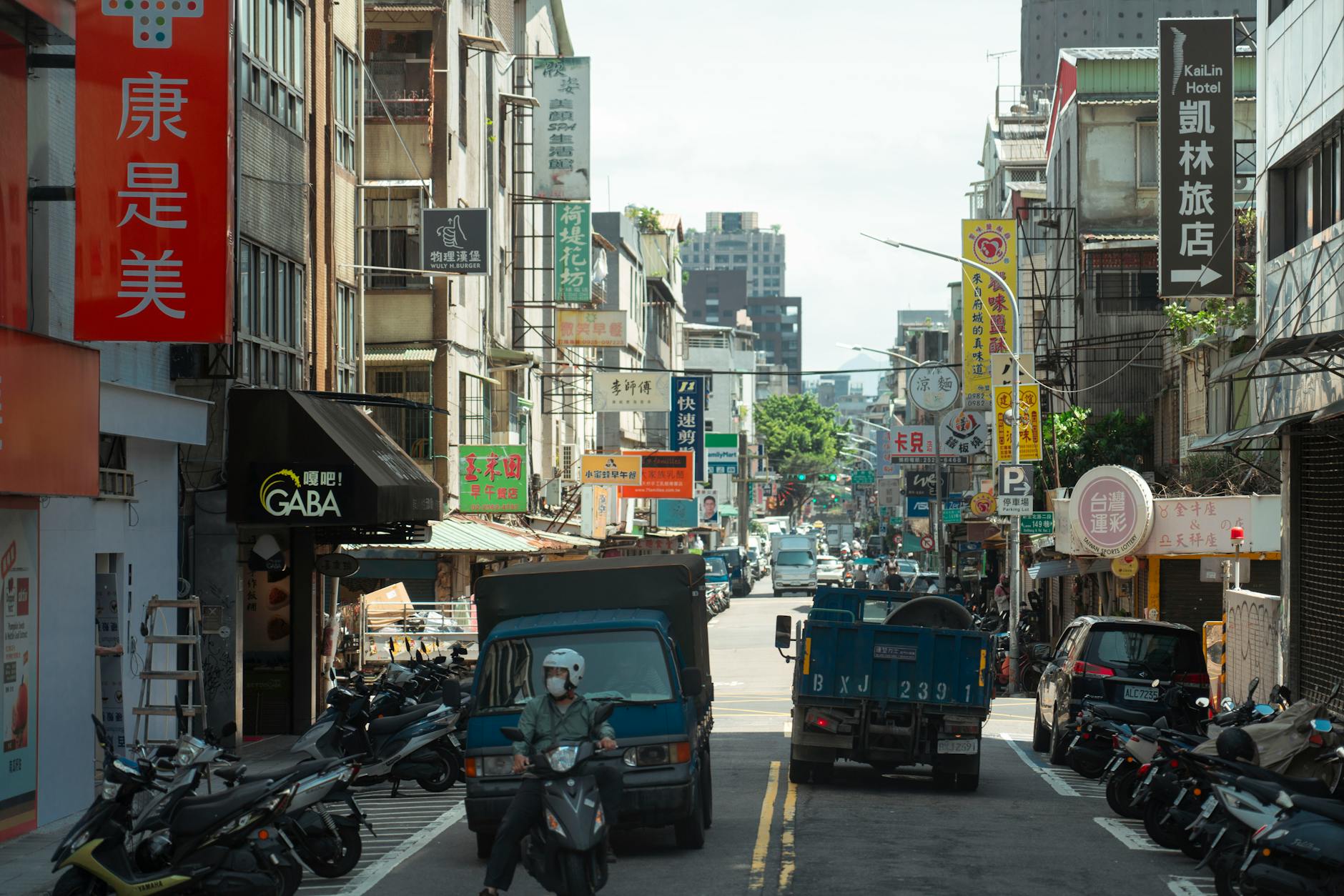
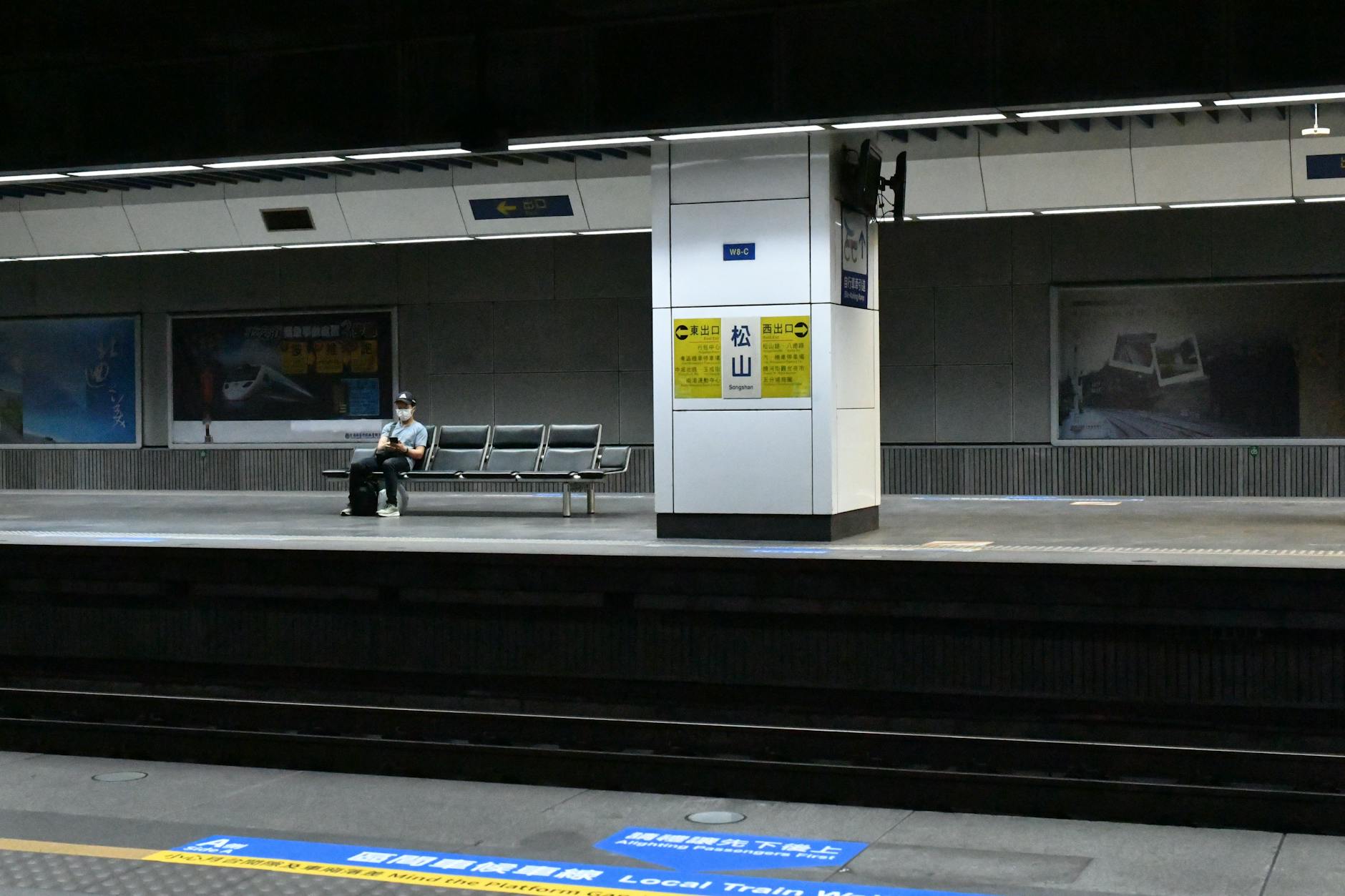
The MRT can keep a Taipei budget trip efficient if the traveler understands routes, stored-value payment, station exits, transfer length, and last trains. Taoyuan arrival by Airport MRT can be a strong budget choice when luggage and timing allow. Songshan can reduce transfer cost and time for some flights.
Taxis should be budgeted as strategic backups, not forbidden. One taxi during heavy rain or after a late night may save the next day.
- Use MRT for daily structure and check exits, transfer length, payment, and last trains.
- Compare Taoyuan Airport MRT, buses, taxis, and Songshan arrival by total cost and fatigue.
- Keep a small taxi reserve for rain, late returns, luggage, or missed timing.
Let food save money without narrowing the trip
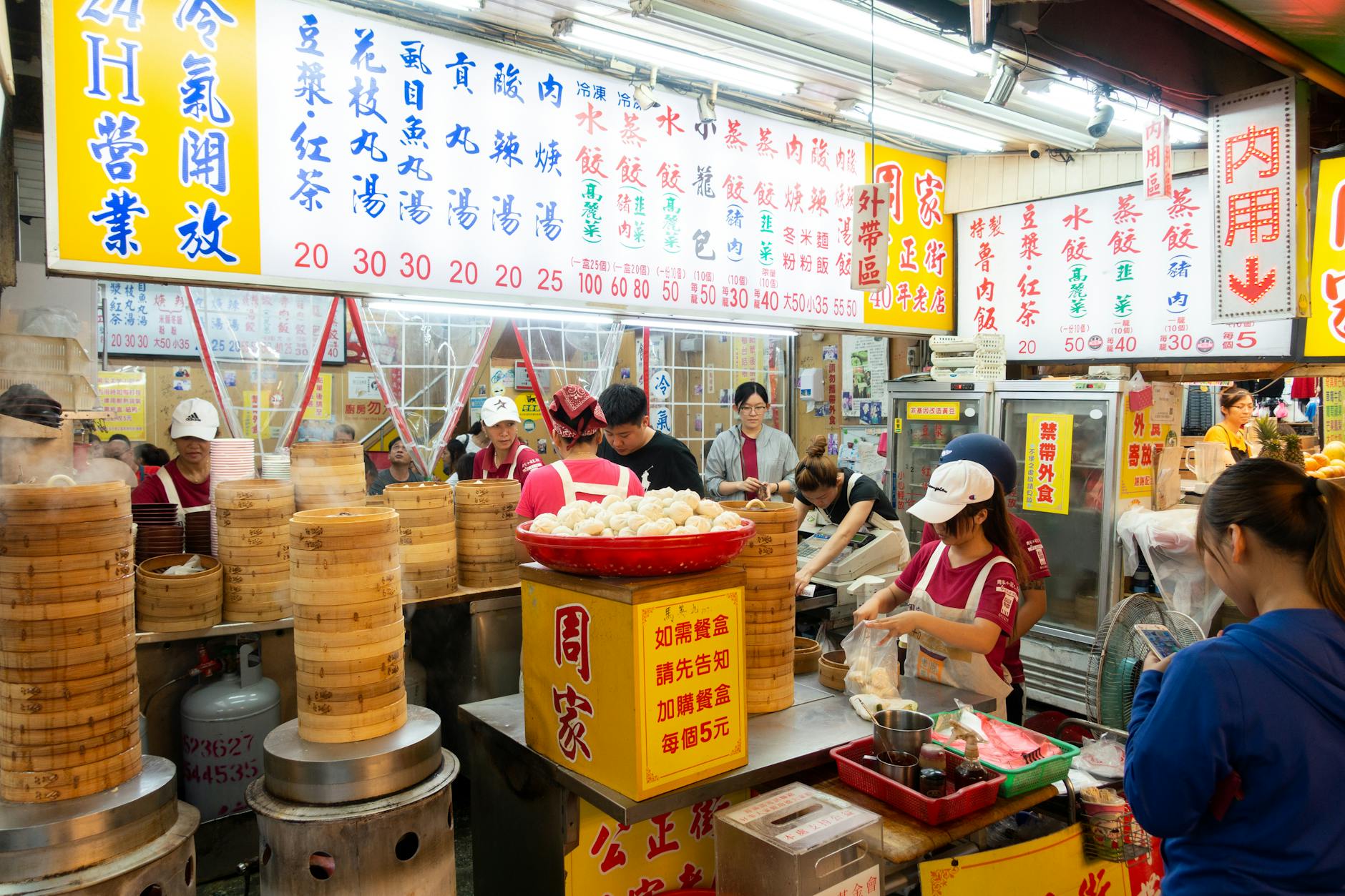
Taipei is helpful for budget travelers because inexpensive food can still be enjoyable. Breakfast shops, dumplings, noodles, bento, convenience stores, bakeries, food courts, tea drinks, and night markets can all keep costs down. The traveler should identify cheap food near the hotel before the first hungry evening.
The budget mistake is spending too much time chasing famous cheap meals across town. A modest meal on the route often beats a bargain that costs an hour of movement.
- Use breakfast shops, dumplings, noodles, bento, convenience stores, bakeries, food courts, and night markets.
- Identify cheap meals near the hotel and along the day's route.
- Avoid spending excessive transit time chasing one famous low-cost meal.
Use night markets carefully
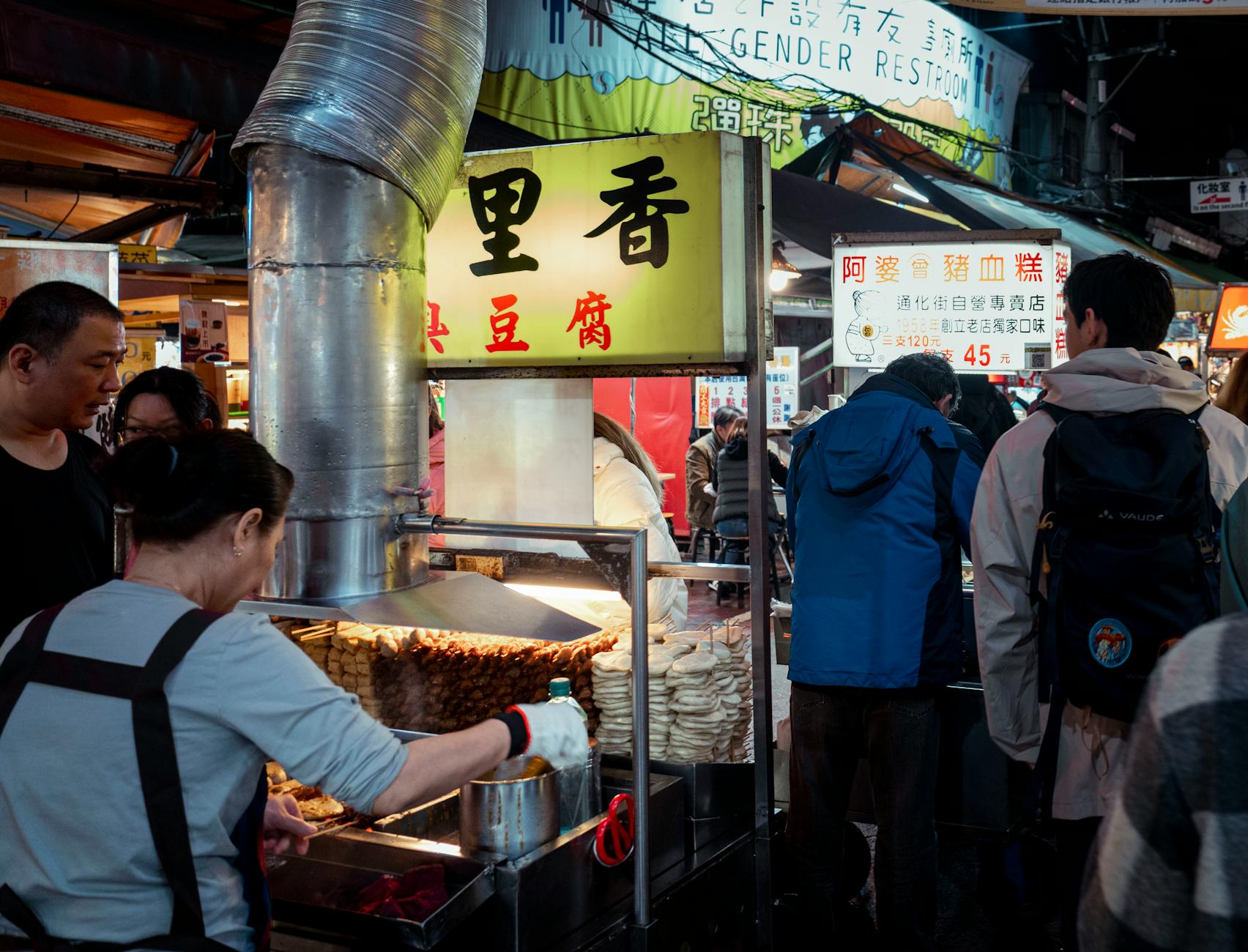
Night markets can be a budget travel asset, but they are not automatically cheap or easy. Crowds, impulse buying, drinks, snacks, games, taxi returns, and repeated small purchases can add up. The traveler should choose markets by location, transport, appetite, weather, and how much standing they can handle.
A night market can be the evening plan, not an add-on after a full day. That keeps spending and fatigue under better control.
- Choose night markets by location, transport, appetite, weather, crowds, and return route.
- Watch small purchases, drinks, games, snacks, and taxi returns.
- Make the market the evening plan instead of stacking it after an already full day.
Prioritize free and low-cost sights by route
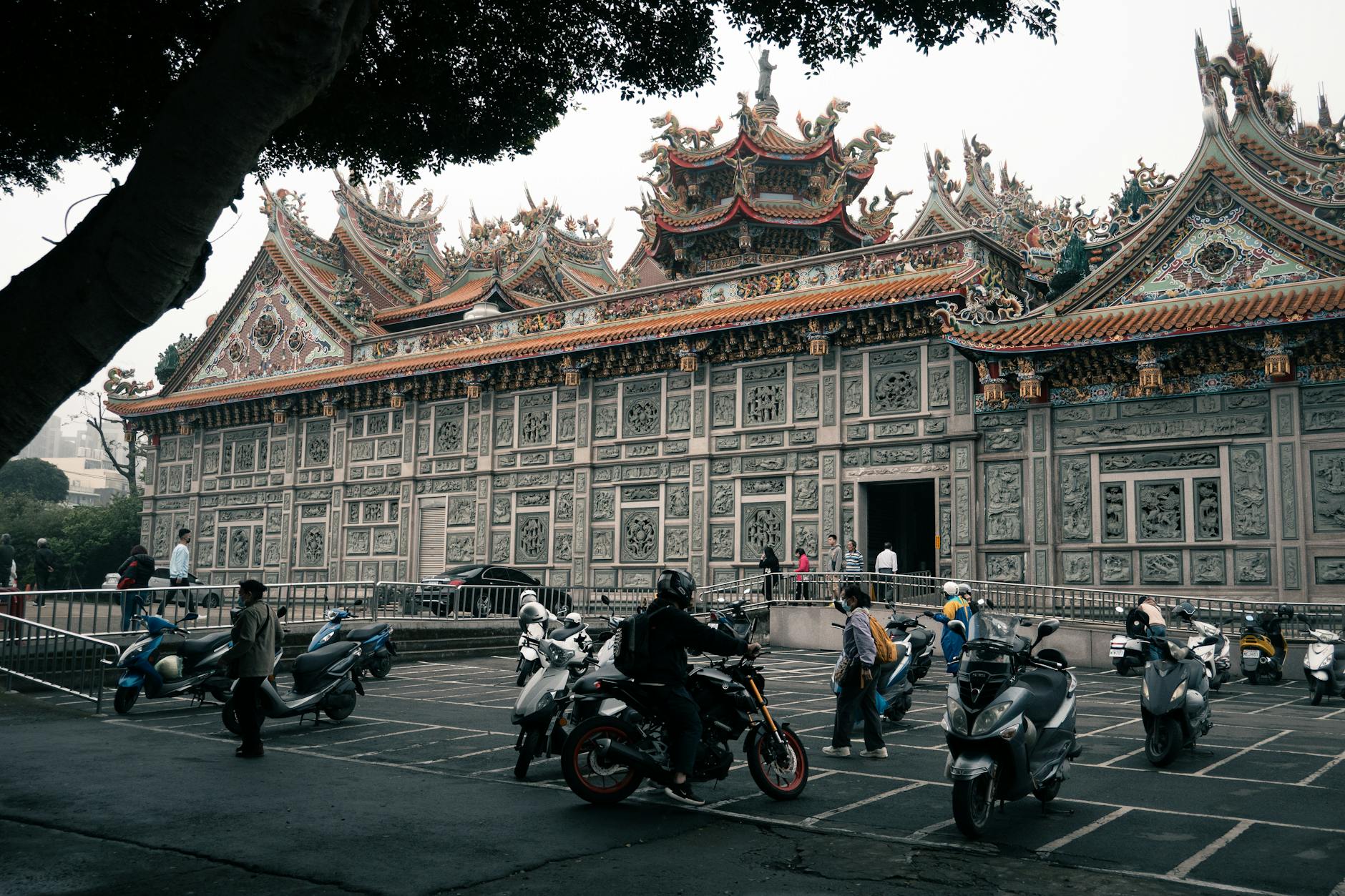
Taipei has many low-cost or free pleasures: temples, parks, riverside paths, memorial spaces, street walks, markets, public squares, neighborhood cafes, and views that do not require premium tickets. Paid museums and Taipei 101 can still be worth it, but they should be chosen deliberately.
The budget traveler should plan by clusters. A free sight becomes expensive if reaching it requires unnecessary transfers, poor weather timing, or a taxi after exhaustion.
- Use temples, parks, riverside paths, memorial spaces, markets, street walks, and public squares as low-cost anchors.
- Choose paid museums, towers, and special experiences deliberately.
- Cluster sights so free activities do not become costly movement problems.
Budget for weather and day-trip friction
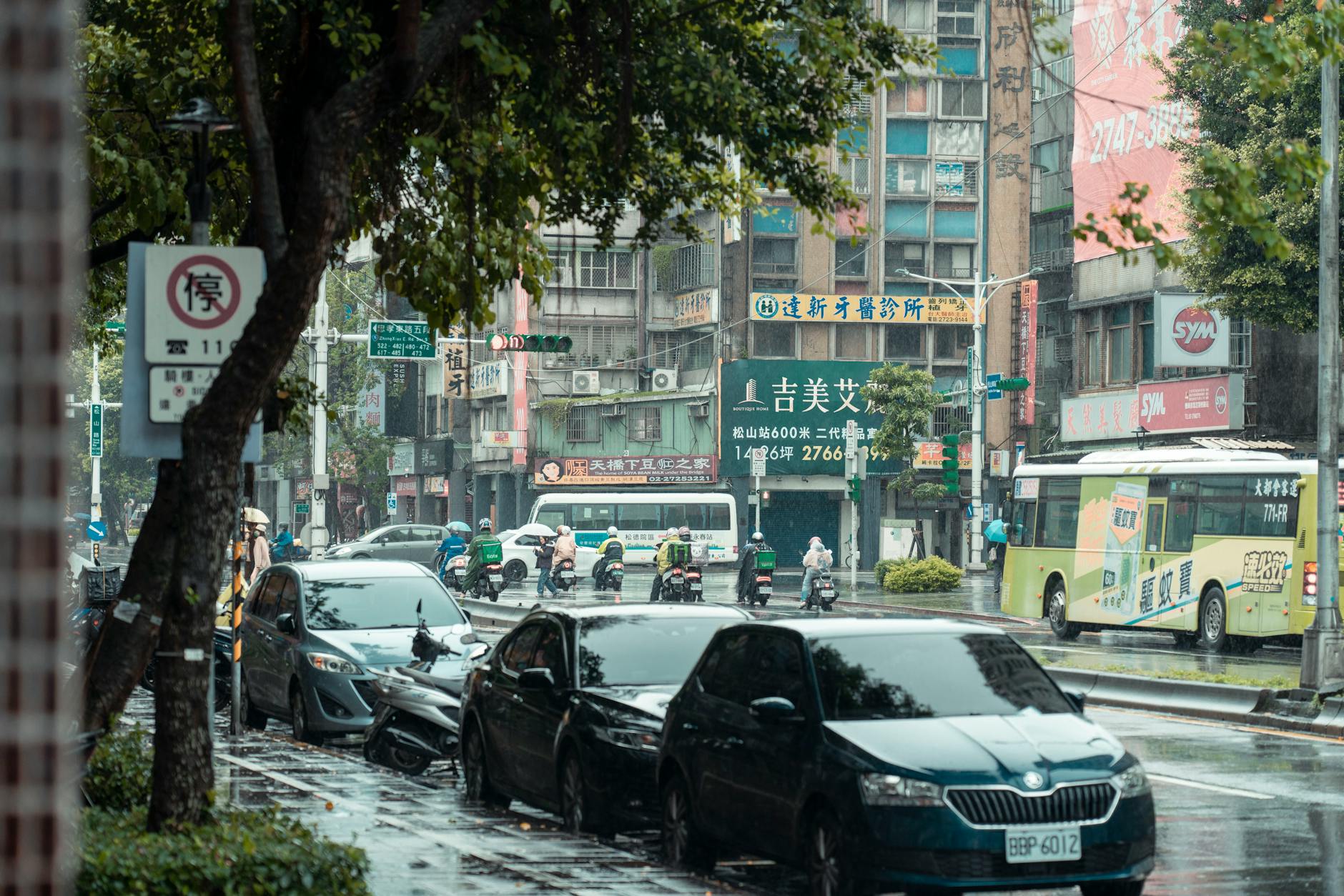
Rain, heat, humidity, wet shoes, laundry, convenience purchases, umbrellas, drinks, indoor breaks, and occasional taxis can all affect a Taipei budget. The traveler should include weather money instead of pretending every day will be dry and efficient.
Day trips can also change the budget quickly. Jiufen, Tamsui, Beitou, Maokong, Yehliu, Pingxi, or Yangmingshan may be worthwhile, but fares, food, crowds, weather, and return fatigue should be counted before committing.
- Set aside money for rain gear, drinks, laundry, indoor breaks, convenience purchases, and occasional taxis.
- Evaluate day trips by fares, meals, crowds, weather, and return energy.
- Avoid day trips that save little while consuming most of a short stay.
When to order a short-term travel report
A budget traveler with flexible time and simple preferences may not need a custom Taipei report. A report becomes useful when the trip is short, lodging choices are confusing, the traveler is trying to balance day trips with city time, dietary or mobility needs affect cost, or hidden transport and weather friction could erase savings.
The report should test lodging value, airport transfers, MRT and taxi use, cheap meals, night markets, free sights, paid experiences, weather costs, day trips, payment habits, budget, and what to cut. The value is not making Taipei cheaper at any cost. It is making the budget trip efficient enough to feel good.
- Order when lodging value, airport transfers, food costs, weather, day trips, or hidden friction need testing.
- Provide dates, arrival airport, lodging options, budget ceiling, food needs, priorities, and pace.
- Use the report to keep the low-cost Taipei stay efficient, coherent, and comfortable enough.