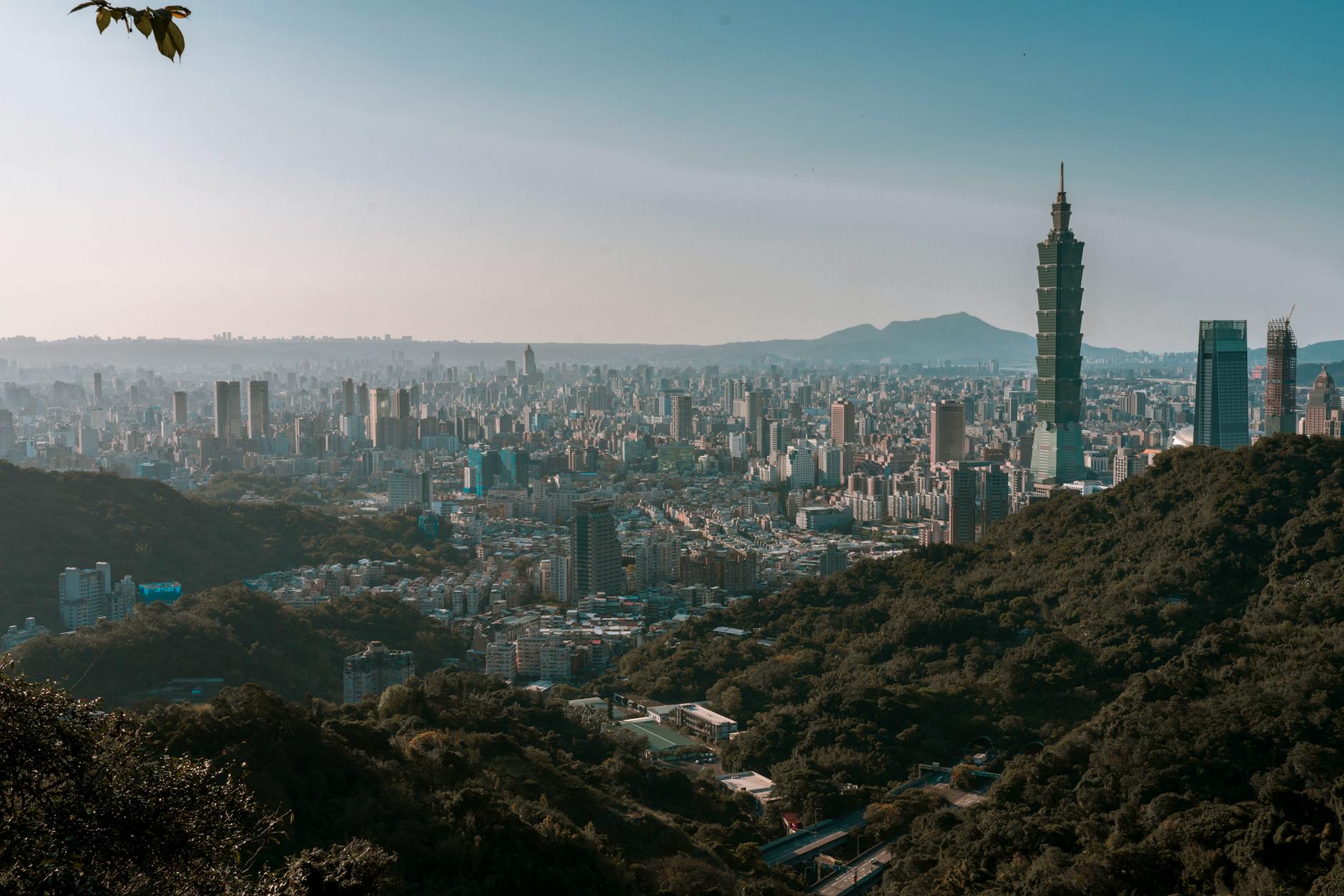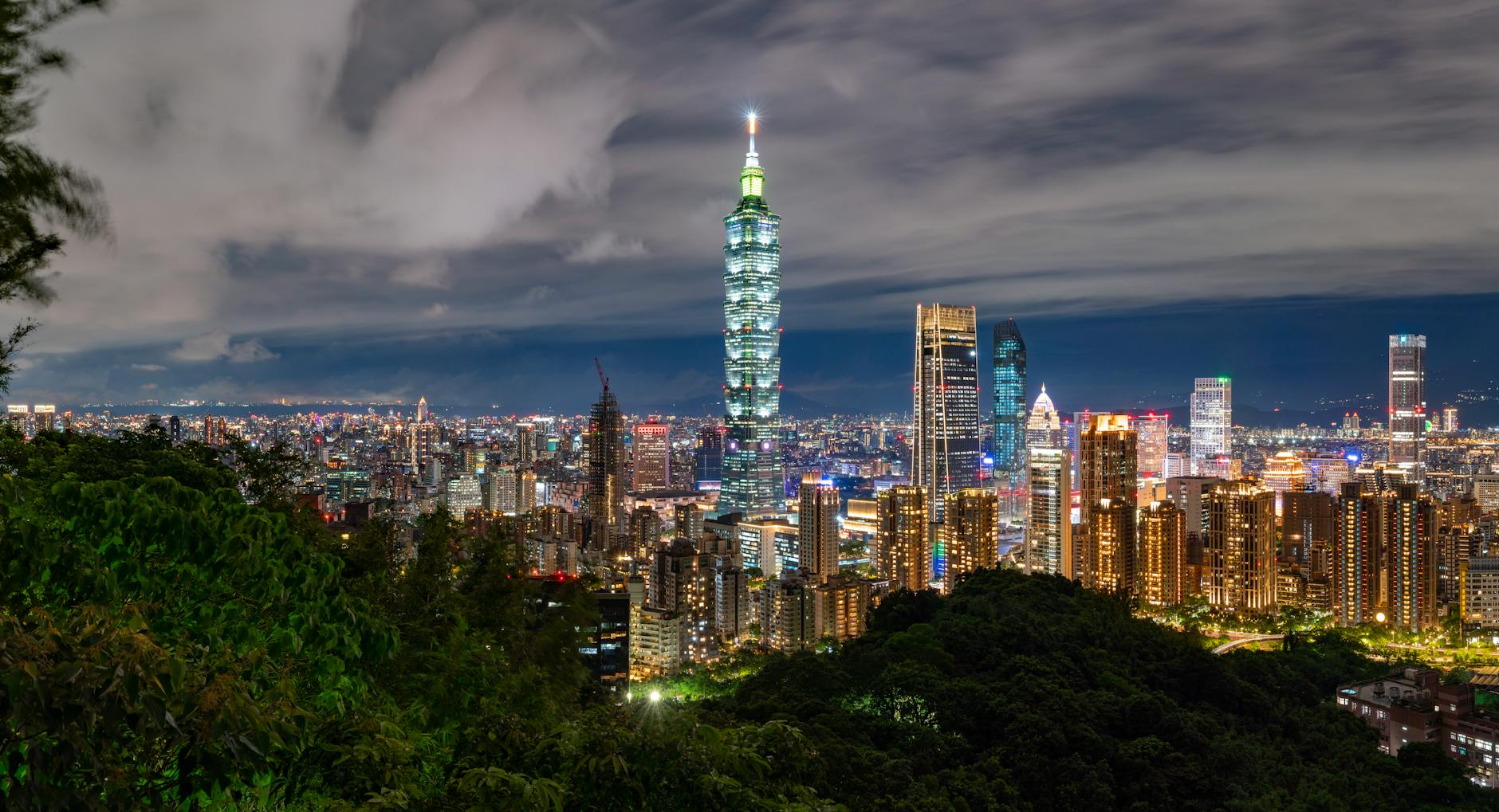
Taipei is a strong base for outdoor travel because mountains, riverside paths, viewpoints, hot springs, tea hills, coastal routes, and day hikes sit close to a dense city. That convenience can be misleading. Heat, rain, slippery steps, exposed ridges, typhoon-season disruption, trailhead transfers, and return fatigue can turn an easy-looking plan into a poor short-stay decision. A good Taipei outdoor itinerary chooses the right level of ambition. It protects safety and recovery while still using the city's unusual access to nature.
Choose the outdoor goal before choosing the base
An outdoor traveler should decide whether the Taipei trip is about viewpoints, hiking, cycling, hot springs, tea hills, photography, running, coastal day trips, or light nature between city days. Each goal points to a different base and daily rhythm. Xinyi may work for Elephant Mountain and city views. Daan or Zhongshan can work for city comfort. Beitou or Maokong logic may support specific outdoor themes.
The hotel should reduce the first and last mile of the outdoor plan, not merely look convenient on a city map.
- Define whether the goal is hiking, viewpoints, cycling, hot springs, tea hills, photography, or running.
- Compare Xinyi, Daan, Zhongshan, Beitou, Maokong access, and Taipei Main Station by route purpose.
- Choose lodging that makes the first and last mile easier.
Match trails to fitness, time, and weather
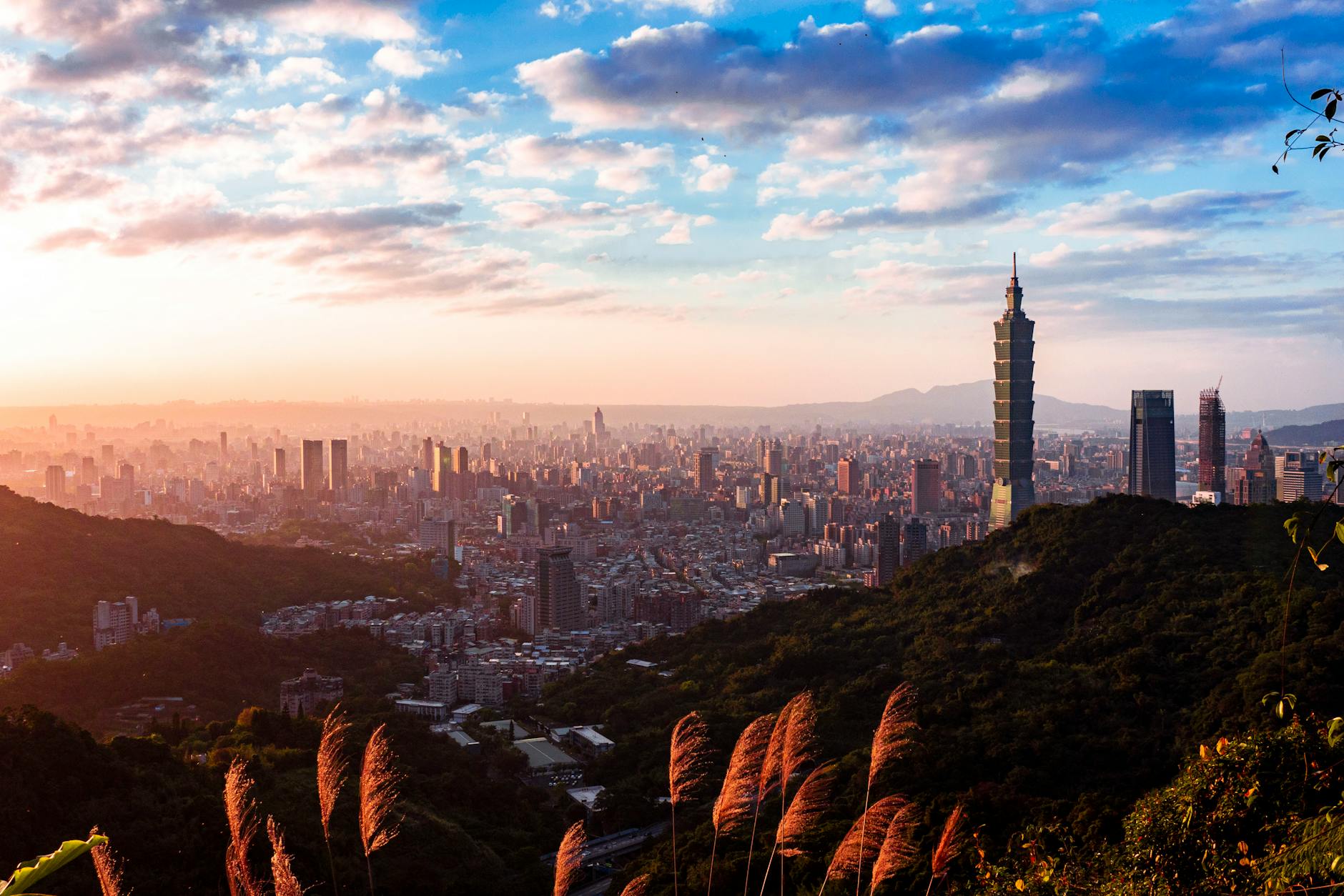
Elephant Mountain, Four Beasts routes, Maokong walks, Yangmingshan, riverside cycling, Beitou-area paths, and northern Taiwan day hikes ask different things from the traveler. Stairs, mud, heat, rain, visibility, crowds, lighting, and return transport can matter more than distance. The traveler should choose routes that match current fitness, not best-case ambition.
A short stay should have route options for clear weather, wet weather, and low-energy days. That keeps the trip active without forcing a bad decision.
- Evaluate trails by stairs, mud, heat, rain, visibility, crowds, lighting, and return transport.
- Match Elephant Mountain, Maokong, Yangmingshan, riverside routes, and Beitou paths to fitness.
- Build clear-weather, wet-weather, and low-energy options.
Plan trailhead transport both ways
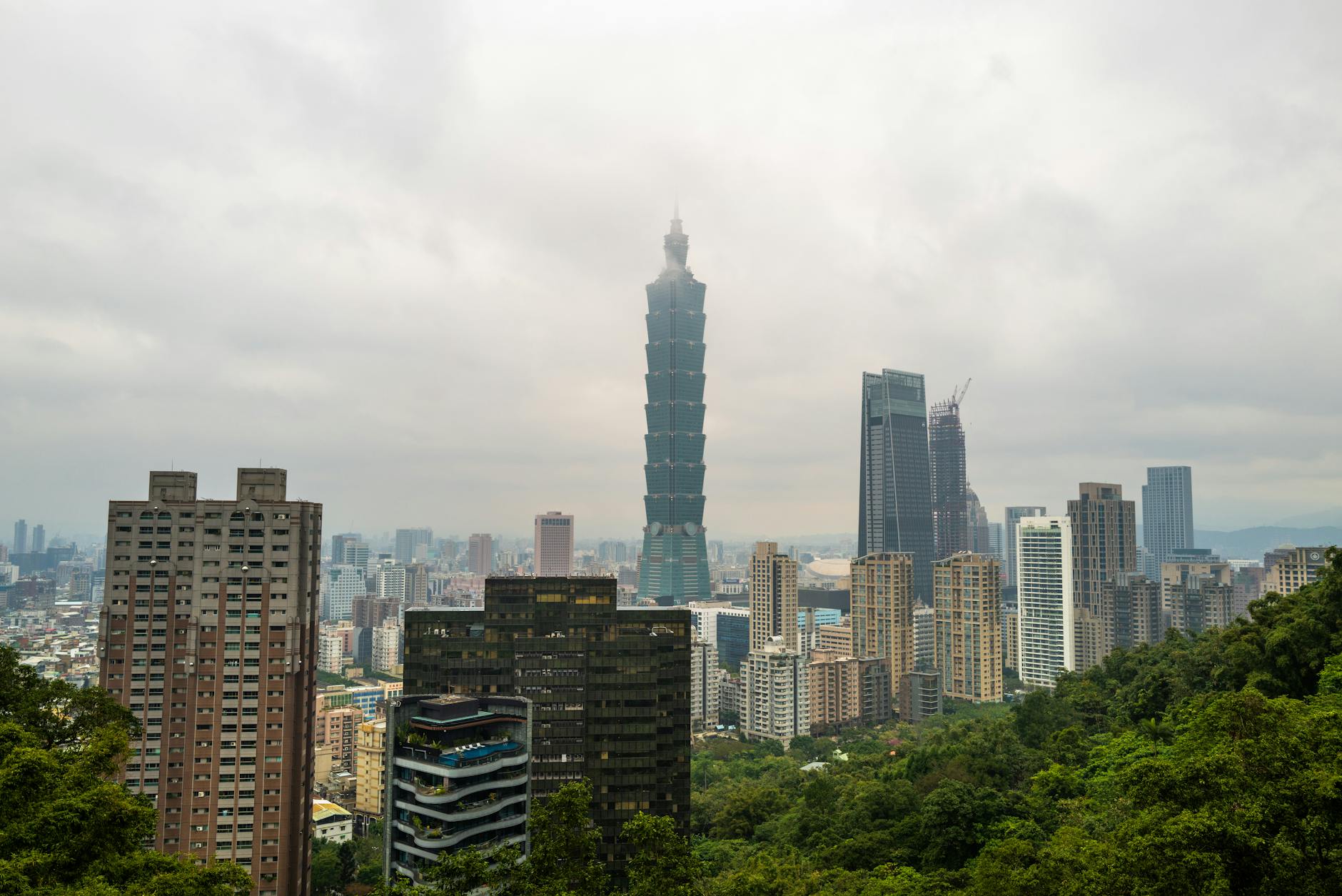
Taipei's MRT, buses, taxis, gondola, bikes, and walking links can make outdoor access easier, but the return route deserves as much attention as the start. A trailhead may be simple to reach and less simple to leave after rain, sunset, fatigue, or crowding. The traveler should know exact stops, exits, pickup points, last useful transport, and taxi alternatives.
Outdoor plans should not rely on phone battery, signal, and perfect judgment at the end of a hard route.
- Check MRT, bus, taxi, gondola, bike, and walking links for both start and return.
- Confirm stops, exits, pickup points, last useful transport, and offline route information.
- Plan the return before the route begins, especially after rain or late finishes.

Pack for humidity, rain, and city transitions
Outdoor travelers in Taipei should pack for wet heat and rapid transitions back into the city. Shoes, socks, rain shell or umbrella, sun protection, water, snacks, towel, spare shirt, insect precautions, charger, and a dry bag can matter. Cold interiors after humid routes can also be uncomfortable without a light layer.
The traveler should keep gear practical. Too much equipment can make MRT rides, restaurants, and hotel returns harder than the route itself.
- Pack shoes, socks, rain gear, sun protection, water, snacks, towel, spare shirt, charger, and dry storage.
- Plan for humidity, cold interiors, wet pavement, insects, and post-route meals.
- Keep gear light enough for MRT, taxis, restaurants, and hotel returns.
Protect recovery and food after active days
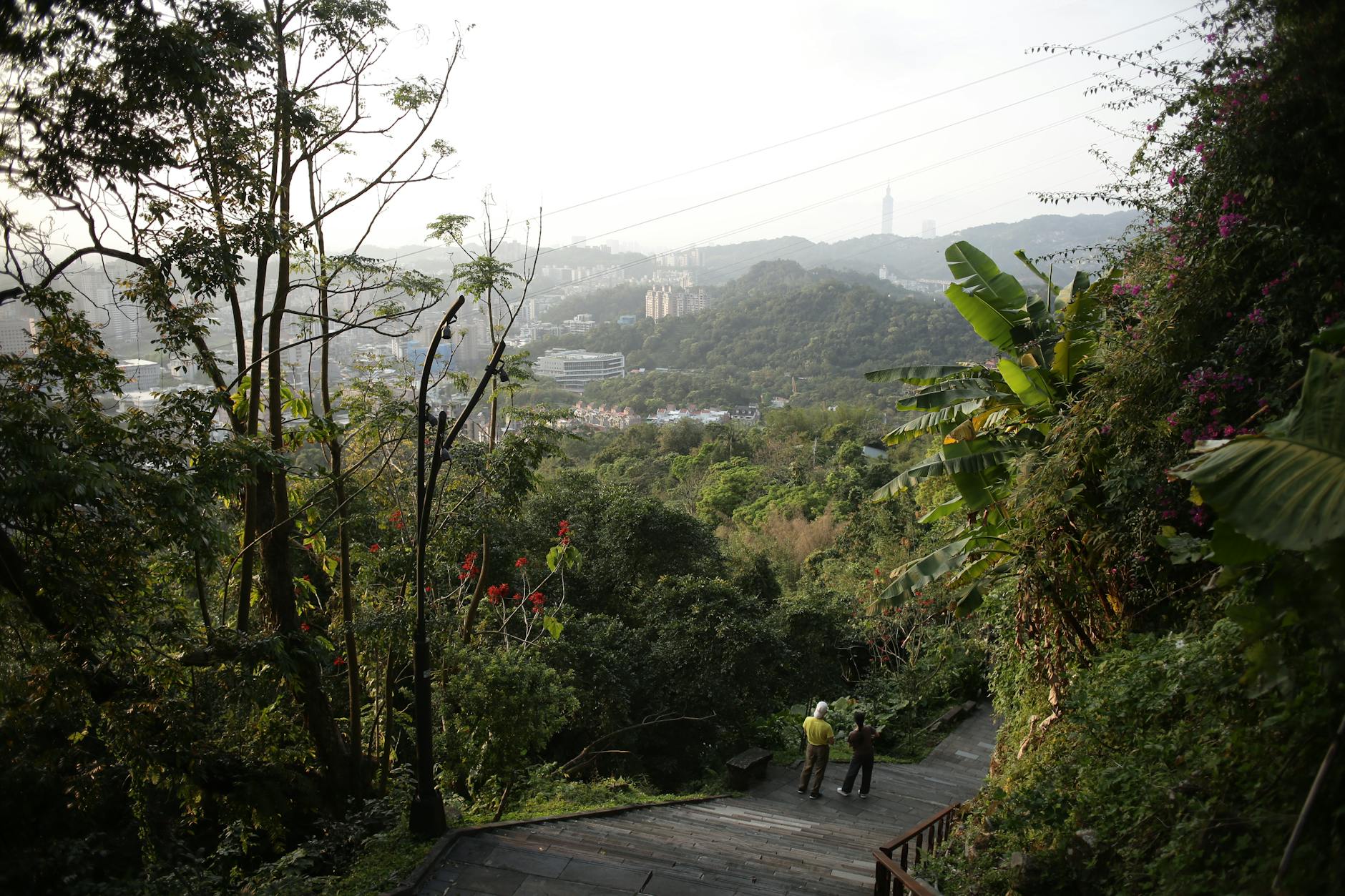
A strong outdoor day can be weakened by poor recovery. The traveler should plan post-route food, hydration, laundry, shoe drying, hot springs if relevant, shower access, and an evening that does not demand too much. Taipei's food scene can help, but only if the traveler knows where to eat near the return route or hotel.
Recovery time is not wasted time. It allows the next day's route, museum, meeting, or night-market plan to remain realistic.
- Plan post-route meals, hydration, laundry, shoe drying, showers, and realistic evenings.
- Identify food near the return route, hotel, MRT exit, or hot-spring area.
- Use recovery to protect the next day rather than treating it as optional.
Be careful with ambitious day trips
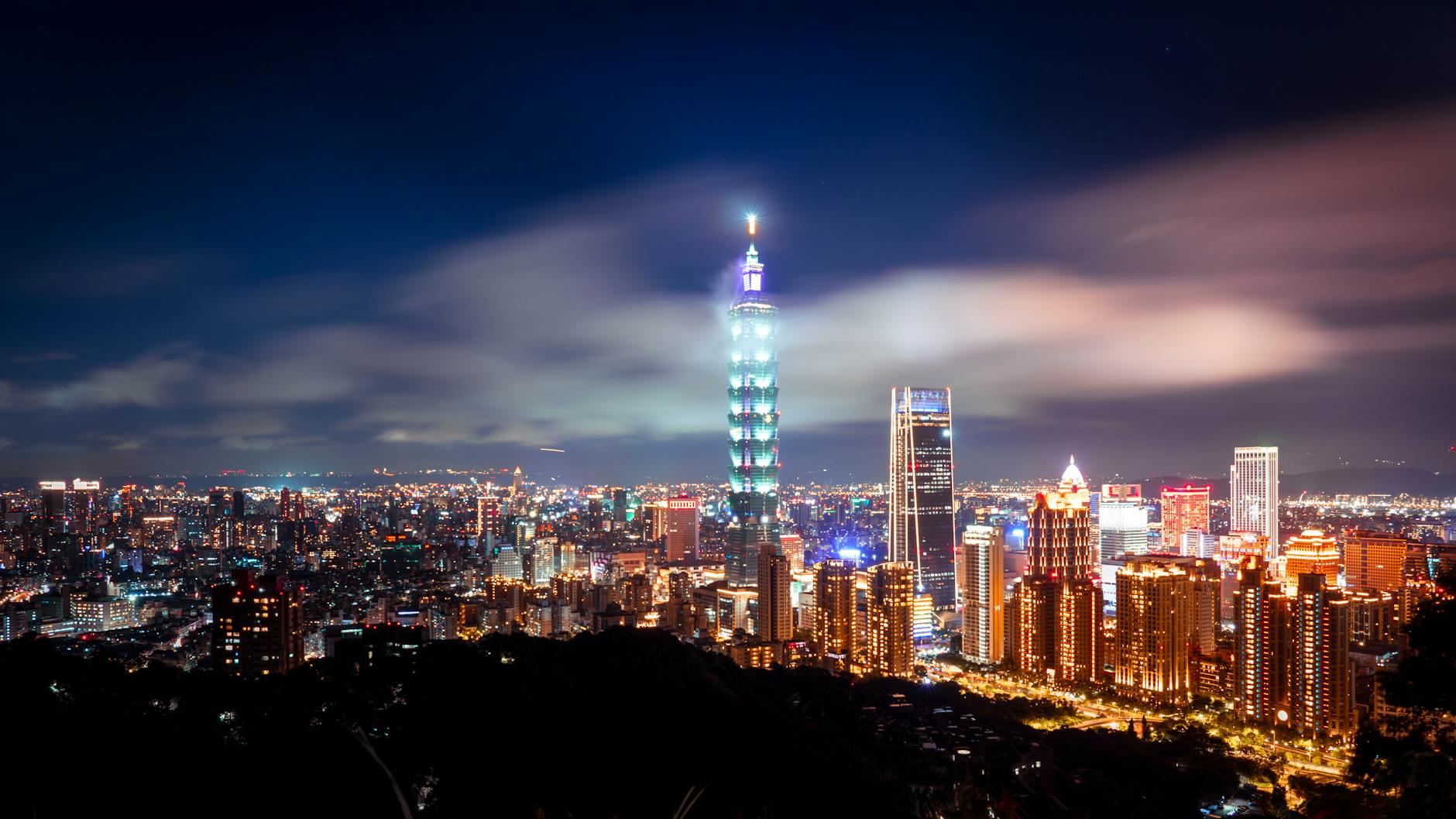
Outdoor travelers often want to add Yangmingshan, Pingxi, Jiufen-area walks, Yehliu, Tamsui, Beitou, Maokong, or coastal routes. These can be excellent, but they should be judged by weather, transit complexity, crowding, terrain, daylight, and how much Taipei time remains. A short stay can be ruined by one overambitious wet day.
The traveler should choose one or two outdoor priorities and let the rest become backups. Taipei itself has enough active options to make restraint worthwhile.
- Evaluate Yangmingshan, Pingxi, Jiufen, Yehliu, Tamsui, Beitou, Maokong, and coastal routes carefully.
- Judge day trips by weather, terrain, transit, daylight, crowds, and return fatigue.
- Choose one or two priorities instead of turning every day into an excursion.
When to order a short-term travel report
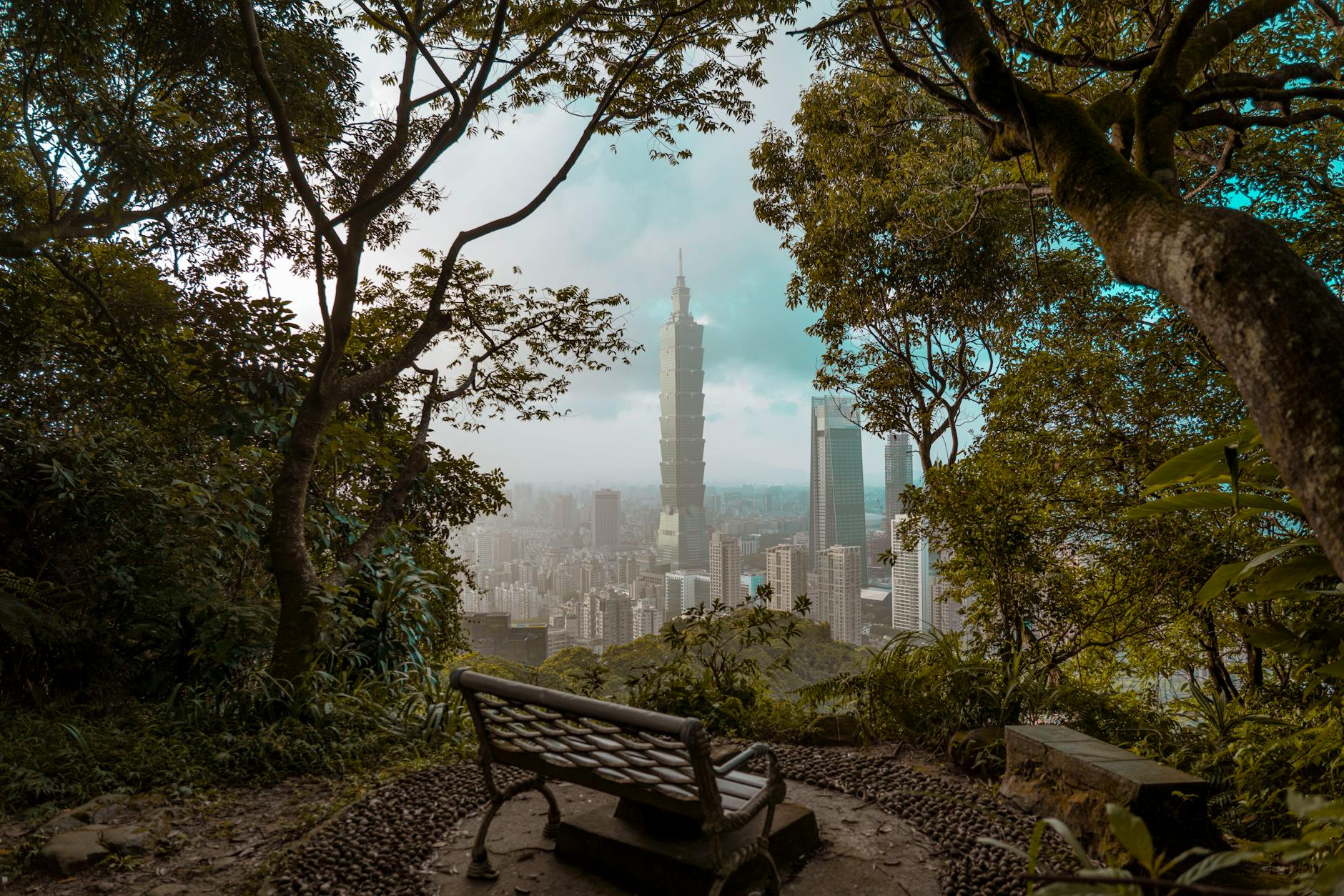
An outdoor traveler with a flexible city-walking plan may not need a custom Taipei report. A report becomes useful when the traveler wants specific hikes, weather alternatives, trailhead transport, hot springs, cycling, photography, family or mobility constraints, gear-aware hotel choice, or a balance between city time and active routes.
The report should test route options, hotel fit, Taoyuan or Songshan arrival, MRT, bus, taxi and gondola links, weather, gear, meals, recovery, day trips, safety, budget, and what to cut. The value is a Taipei outdoor stay that uses the city's terrain without pretending conditions are simpler than they are.
- Order when trails, weather, transport, gear, recovery, day trips, or constraints need testing.
- Provide dates, route goals, fitness level, hotel options, gear, constraints, and budget.
- Use the report to make the outdoor trip active, realistic, and easier to adjust.