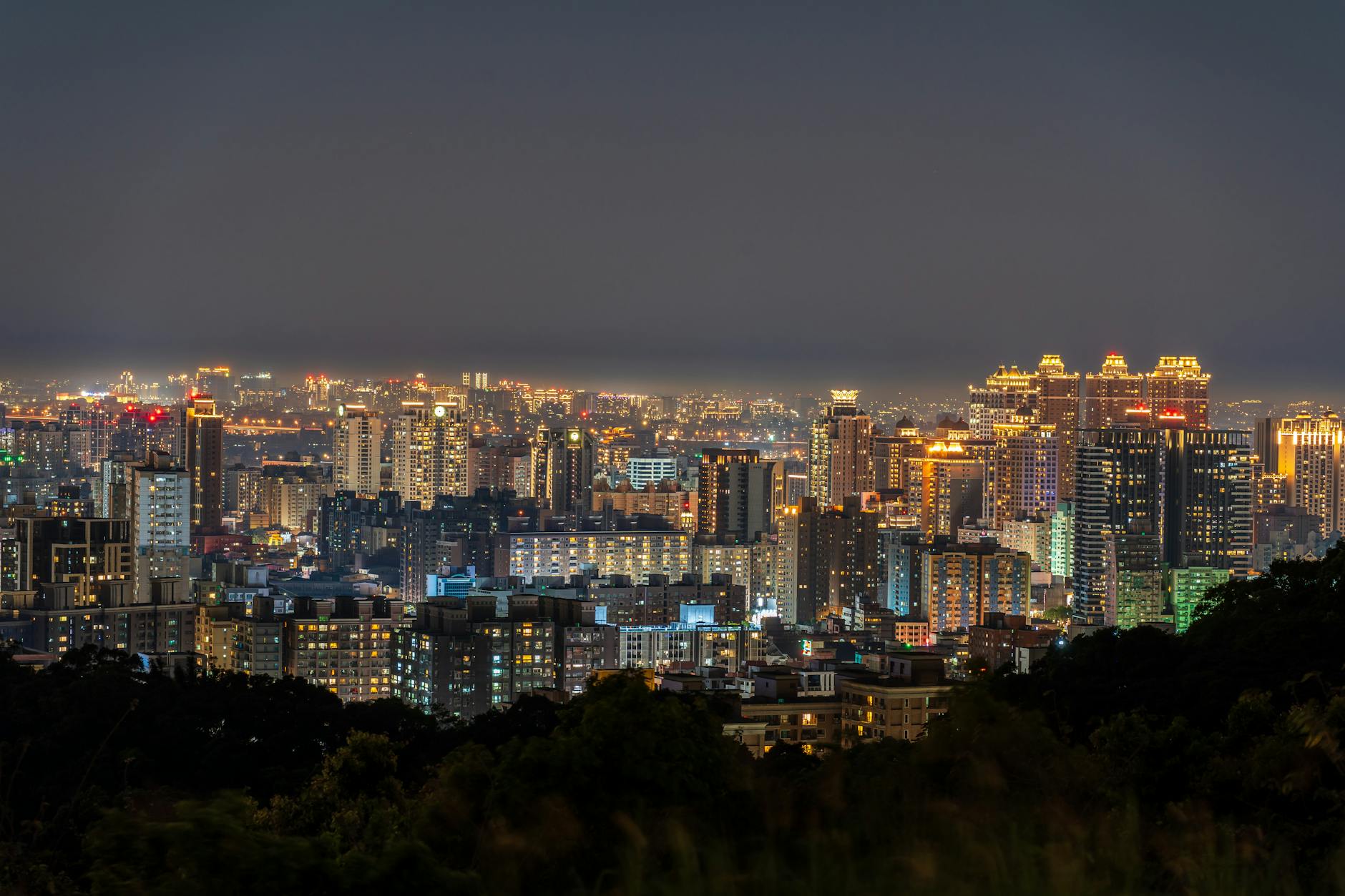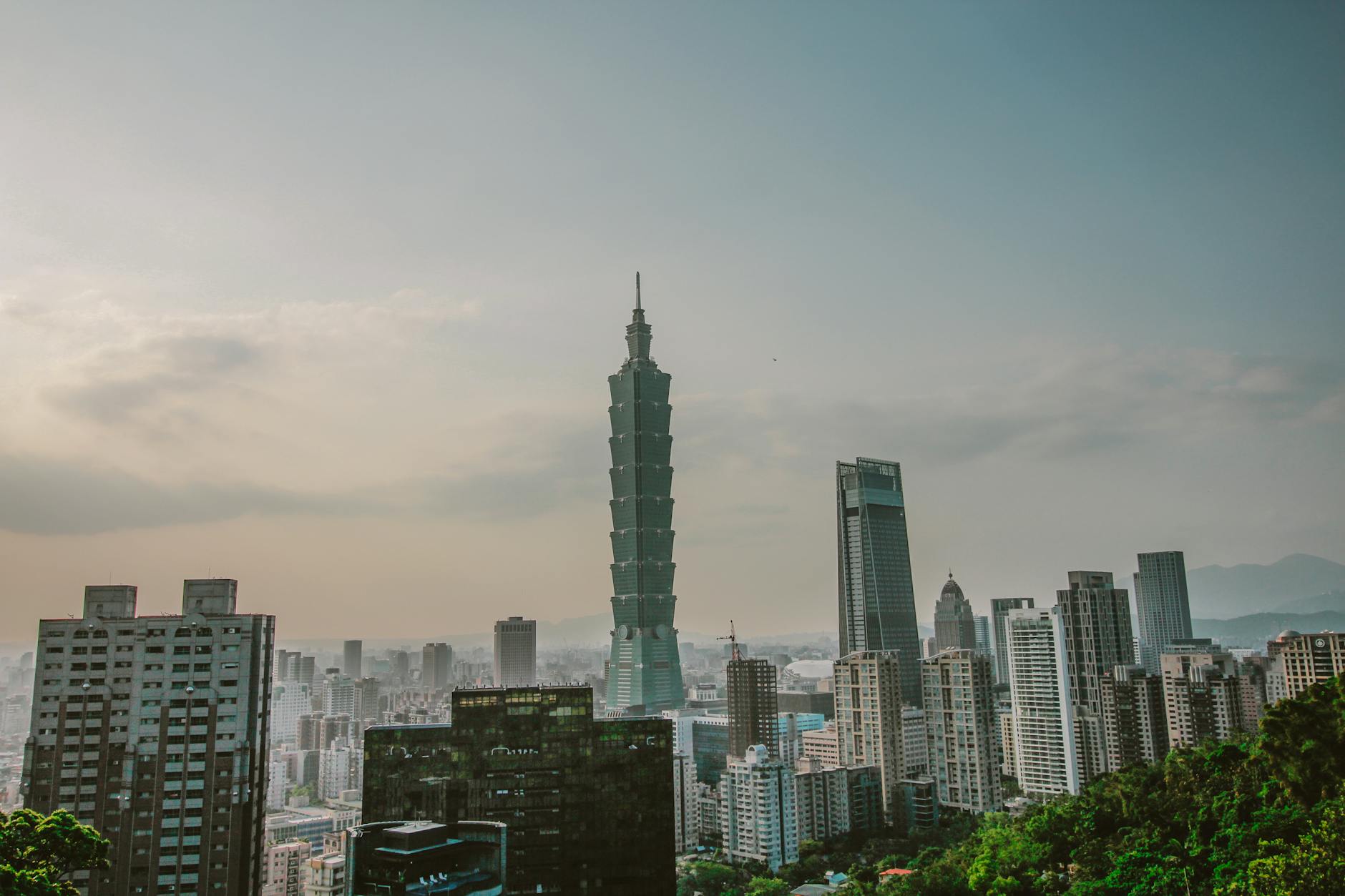
Taipei can be a strong academic conference city because it combines universities, research institutions, conference hotels, convention facilities, MRT access, useful food options, and a manageable urban scale. It can also be easy to misread if the attendee assumes all academic activity sits near Taipei 101 or one central district. A program may pull the attendee toward Xinyi, Nangang, Daan, Zhongshan, Songshan, a university campus, or a hotel ballroom with a different entrance than the map suggests. A short academic conference trip should protect the reason for travel: arriving prepared, presenting well, attending the right sessions, meeting useful people, and leaving with enough energy to follow up. Taipei supports that when venue access, lodging, arrival timing, meals, and recovery are planned around the actual program.
Confirm the actual conference geography
An academic conference attendee should start with exact venue geography, not the city name. Taipei conferences may use a university campus, Nangang exhibition space, a hotel ballroom, a research institute, a hospital-linked facility, or several reception and workshop sites across the city. A hotel that looks central may be inconvenient for morning sessions or evening networking.
The attendee should map registration, plenaries, parallel sessions, poster halls, speaker rooms, receptions, sponsor events, and any meetings outside the official program. The route between those obligations is part of the conference plan.
- Map registration, plenaries, parallel sessions, posters, receptions, speaker rooms, and side meetings.
- Separate Xinyi, Nangang, Daan, Zhongshan, Songshan, university campuses, and hotel venues.
- Choose lodging after the venue pattern is clear, not before.
Choose lodging for sessions and recovery
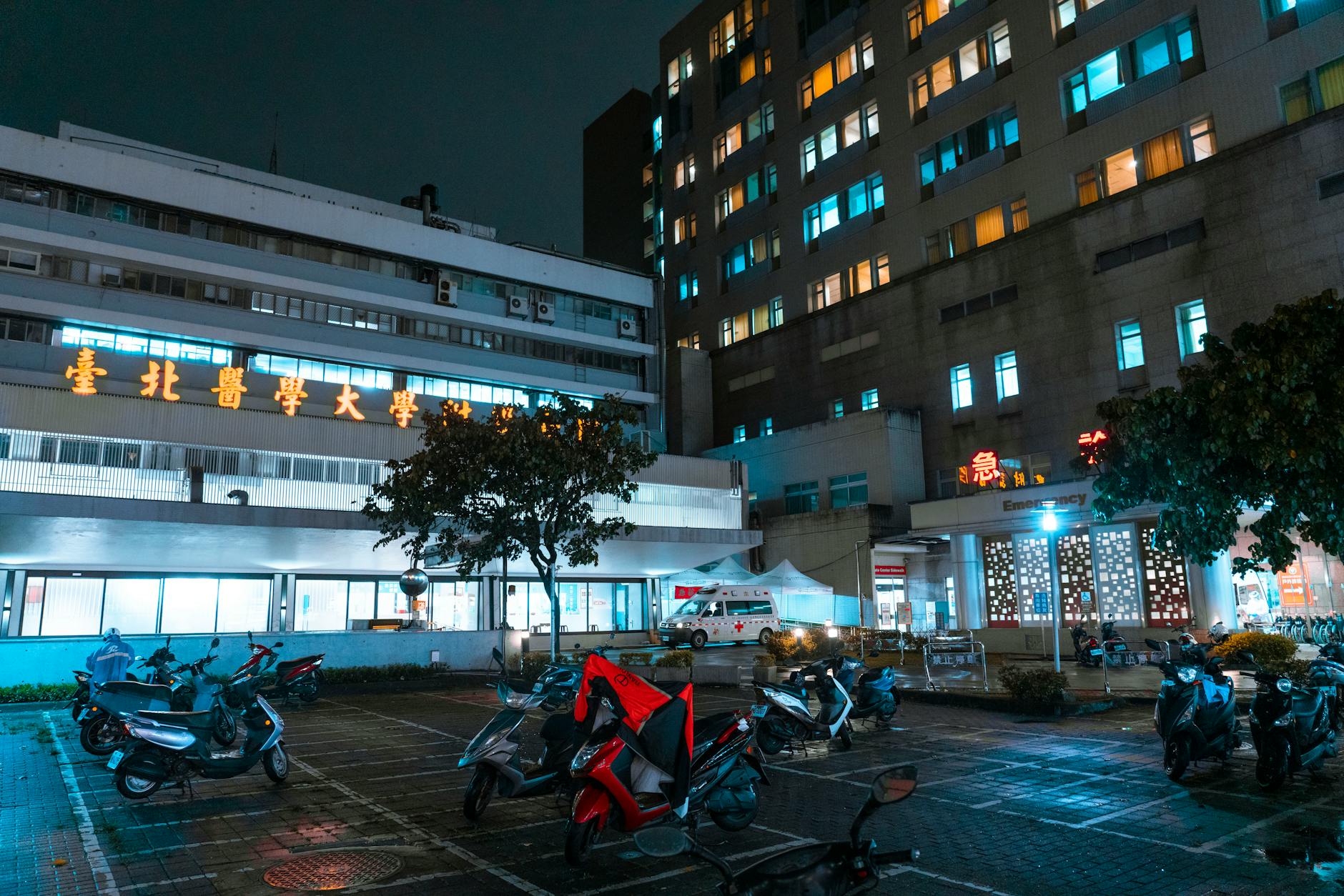
The best hotel for a conference attendee is the one that protects the academic day. MRT access, taxi pickup, breakfast timing, room quiet, desk space, ironing, laundry, late arrival support, nearby simple meals, and distance to the venue all matter. The attendee may need to revise slides, take calls, prepare questions, or recover from jet lag between sessions.
A hotel near nightlife or shopping may still be the wrong base if it makes early sessions harder. The room should help the attendee function, not merely place them near a famous landmark.
- Check MRT access, taxi pickup, breakfast, quiet, desk, ironing, laundry, meals, and venue distance.
- Choose a room that supports slide edits, calls, reading, and recovery between sessions.
- Avoid hotel choices that make early academic obligations harder.
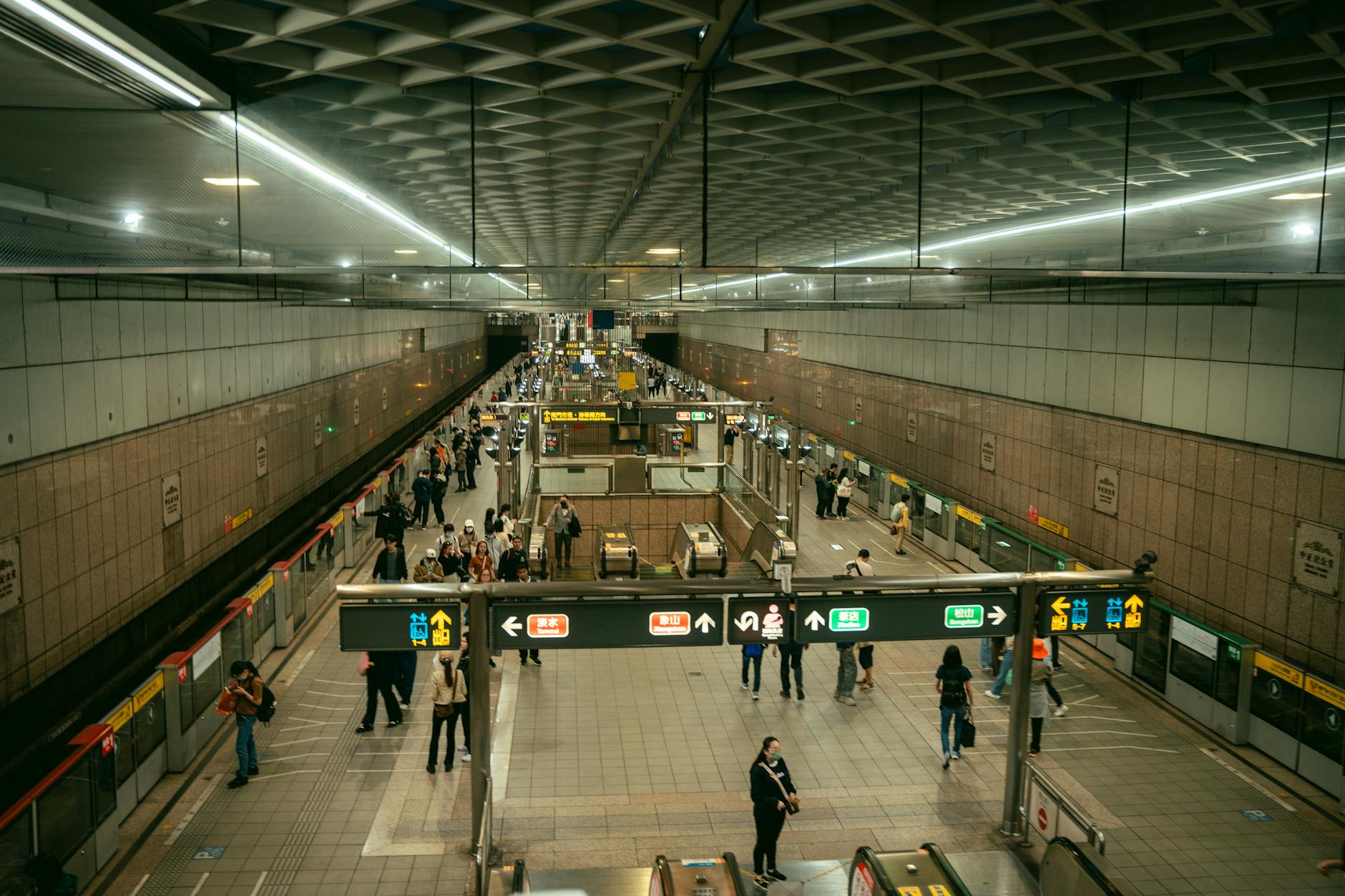
Plan arrival from Taoyuan or Songshan carefully
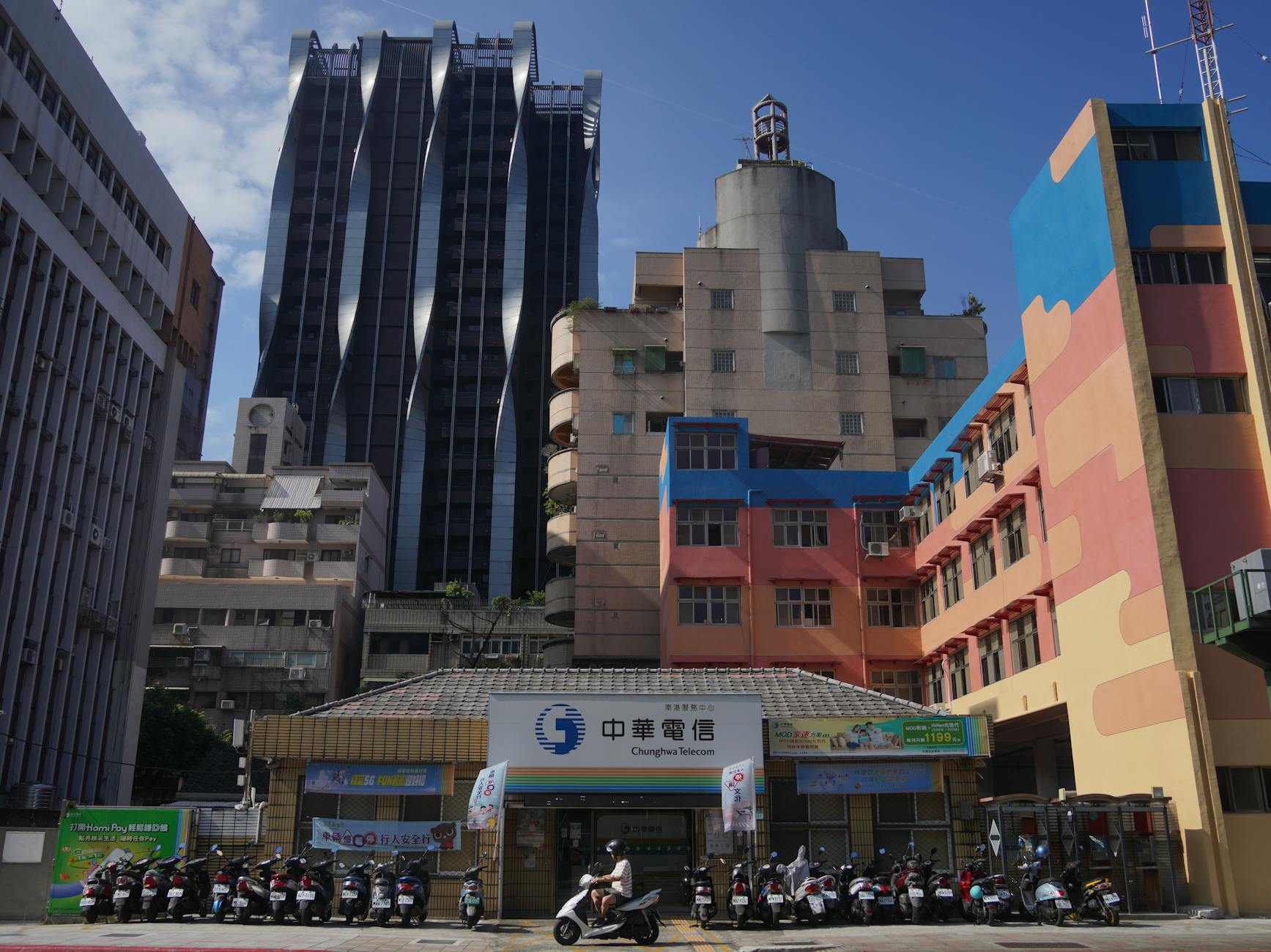
Conference arrival can set the tone for the whole trip. Taoyuan usually needs a longer transfer by Airport MRT, taxi, or car, while Songshan can be easier for some regional or domestic flights. The right answer depends on arrival time, luggage, jet lag, first-session timing, and whether the attendee must register or rehearse on arrival day.
The attendee should protect the first required obligation. A late arrival followed by a presentation morning needs a more conservative airport and hotel plan than a casual sightseeing arrival.
- Separate Taoyuan and Songshan arrival plans by timing, luggage, jet lag, and first obligation.
- Check Airport MRT, taxi, car service, hotel check-in, and registration timing.
- Protect presentation mornings, rehearsals, and first-session attendance from arrival friction.
Prepare presentation and session logistics
Academic conference travel depends on practical preparation. Slides, adapters, laptop, charger, backup files, pointer, poster tube, handouts, QR codes, speaker timing, translation needs, and venue upload rules should be checked before the attendee is standing outside the session room. Taipei has strong retail and service infrastructure, but last-minute fixes still consume energy.
The attendee should also decide how to handle notes, session choices, and follow-up conversations. A short conference can become too full unless the attendee prioritizes.
- Prepare slides, adapters, laptop, charger, backups, poster materials, QR codes, and upload rules.
- Check speaker timing, room location, translation needs, and session technology before arrival.
- Prioritize sessions and follow-up conversations instead of trying to attend everything.
Use meals and networking deliberately
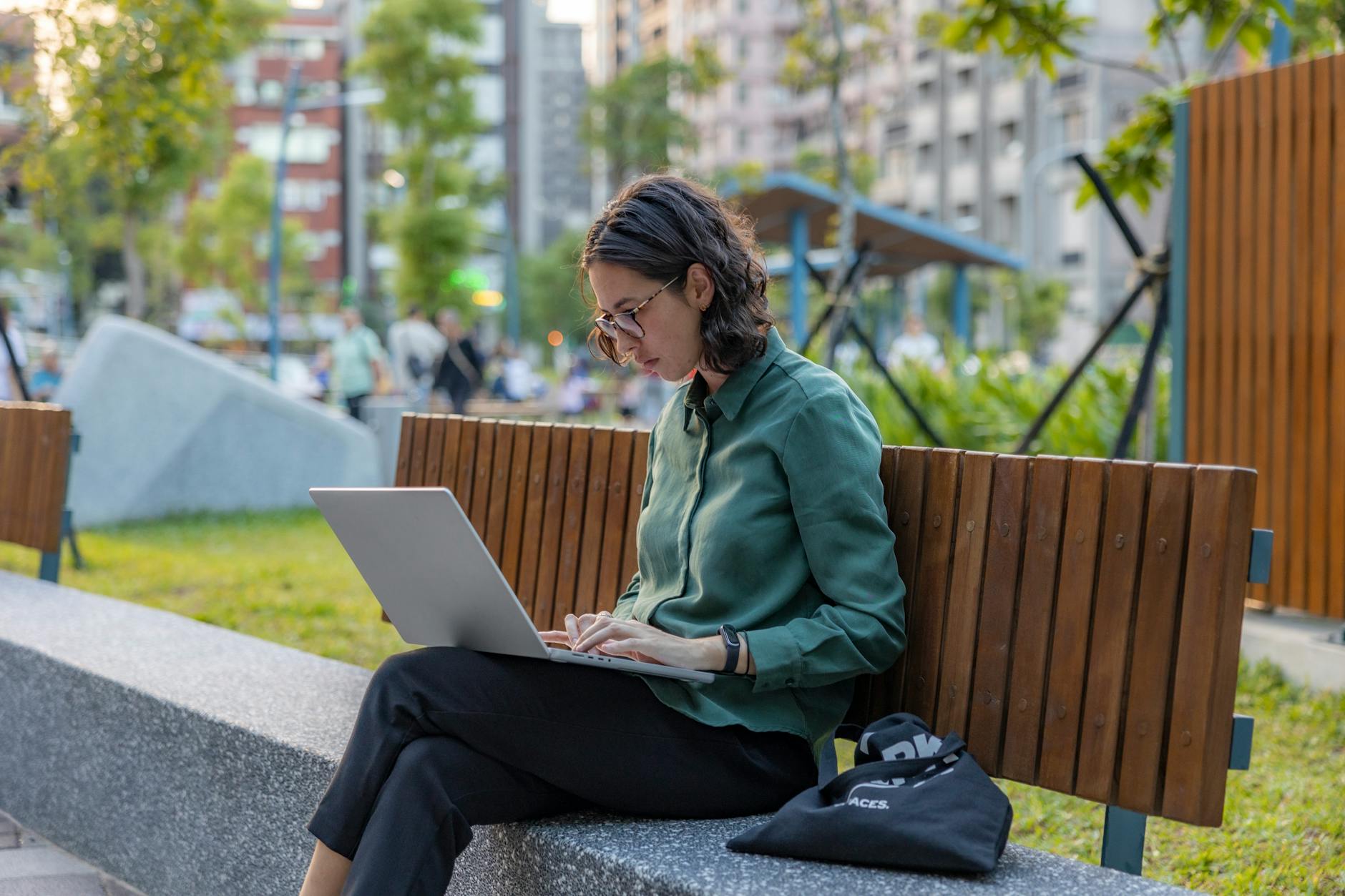
Taipei can make conference meals enjoyable, but networking meals should still be planned by purpose. A professor meeting, research collaboration lunch, publisher conversation, graduate-student dinner, sponsor reception, and solo recovery meal need different noise levels, privacy, timing, and budget. Food reputation alone is not enough.
The attendee should also know where to eat near the venue, near the hotel, and after an evening session. A great restaurant across town may be a poor choice before a morning presentation.
- Choose meals by purpose, privacy, noise, dietary needs, group size, budget, and return route.
- Separate collaboration meals, publisher meetings, student dinners, receptions, and solo recovery.
- Use Taipei's food strengths without damaging the conference schedule.
Build weather, language, and payment buffers
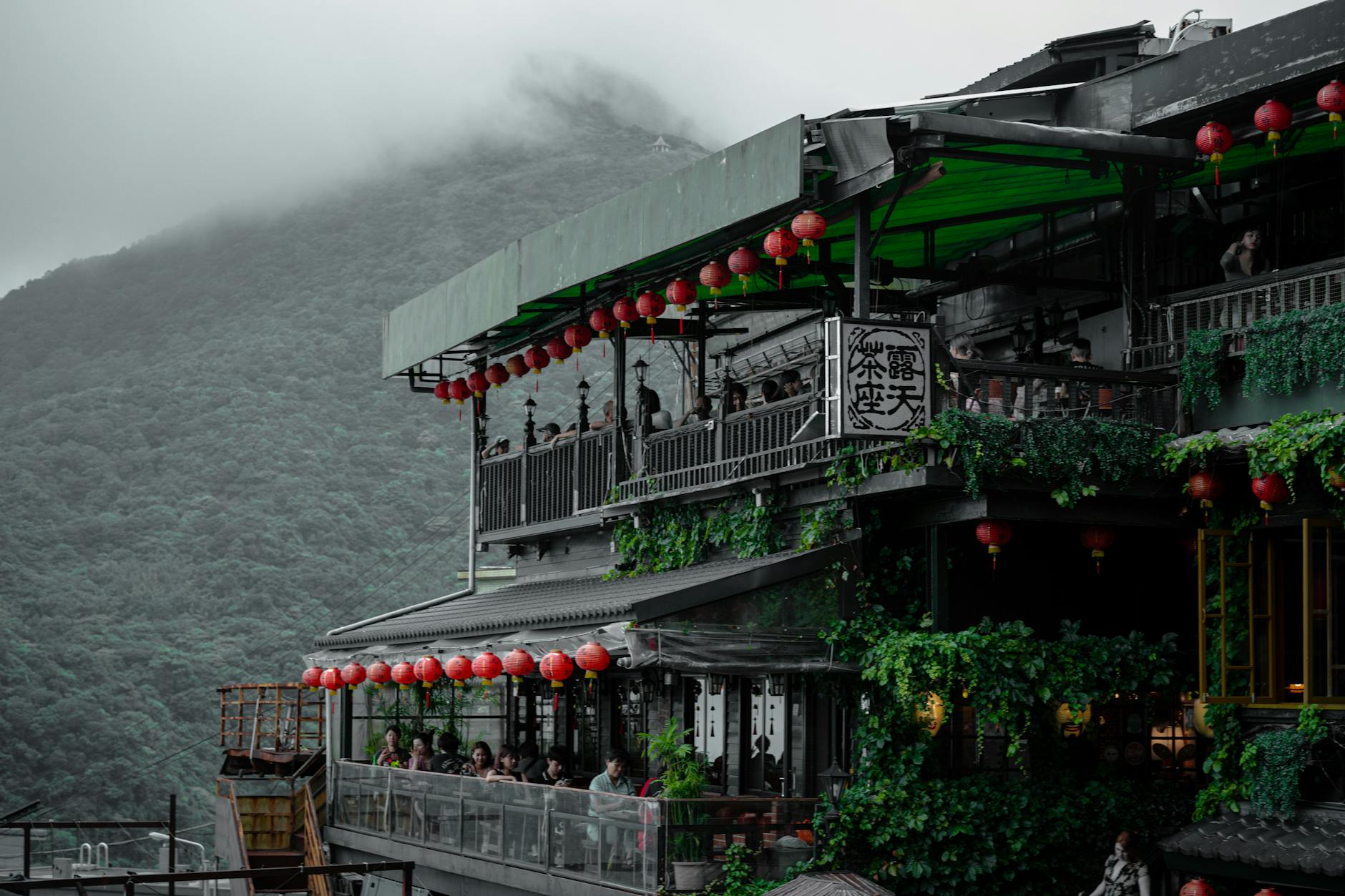
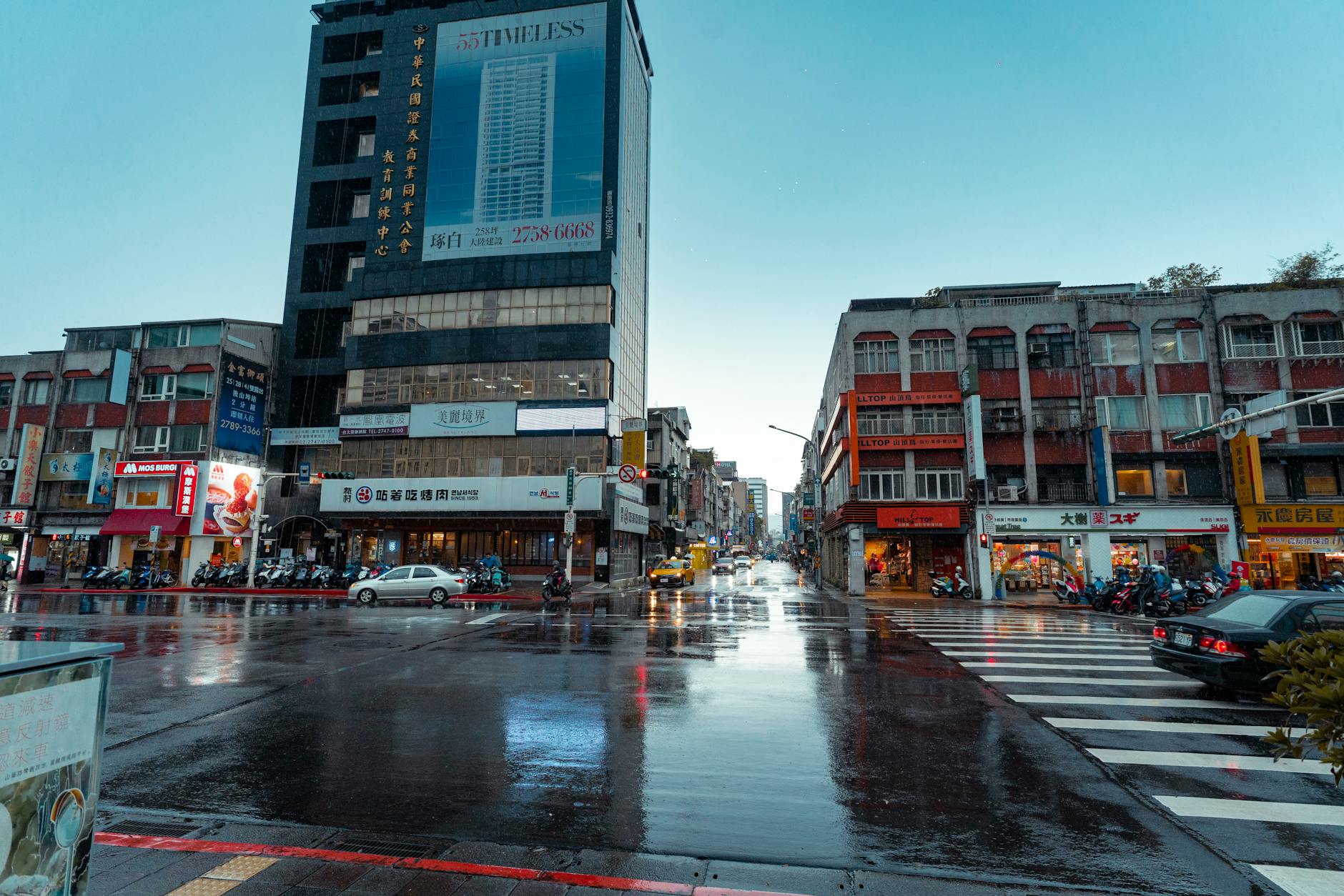
Taipei conference days can be affected by rain, heat, humid walks, typhoon-season disruption, cold interiors, taxi demand, and crowded MRT transfers. The attendee should plan clothing, shoes, umbrella, spare shirt, water, and time buffers around formal sessions and presentations. Language is usually manageable, but addresses, receipts, taxi communication, and payment methods should be prepared.
The attendee should also protect energy. Academic travel is mentally dense, and a trip that leaves no recovery time can reduce the value of the sessions that mattered most.
- Plan for rain, heat, humidity, typhoon disruption, cold interiors, crowded MRT, and taxi demand.
- Prepare addresses, payment, receipts, taxi communication, phone data, and translation support if needed.
- Protect sleep and recovery so the conference remains intellectually useful.
When to order a short-term travel report
An academic conference attendee with a hosted hotel and simple venue access may not need a custom Taipei report. A report becomes useful when venues are split, arrival timing is tight, presentation logistics are sensitive, meetings matter, language or payment details are uncertain, or the attendee wants to combine conference work with a small amount of city time.
The report should test venue geography, hotel fit, Taoyuan or Songshan arrival, MRT and taxi routes, meal planning, presentation logistics, networking, weather, language, payment, recovery, budget, and what to cut. The value is a Taipei conference trip that protects academic purpose rather than merely filling the calendar.
- Order when venue geography, airport arrival, presentation logistics, meetings, or weather needs testing.
- Provide dates, venue sites, hotel options, session duties, meetings, constraints, and budget.
- Use the report to keep the conference trip prepared, efficient, and academically worthwhile.