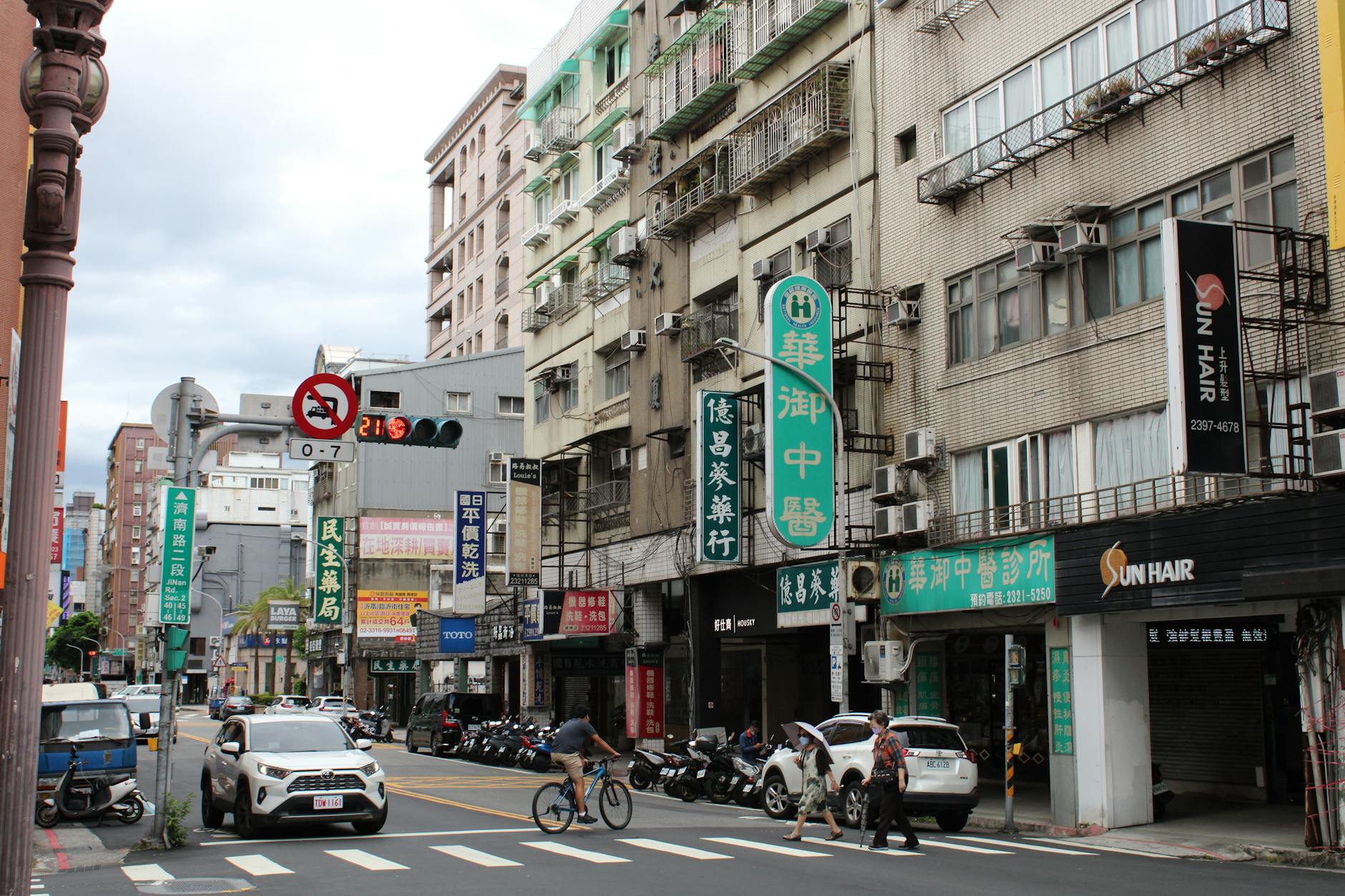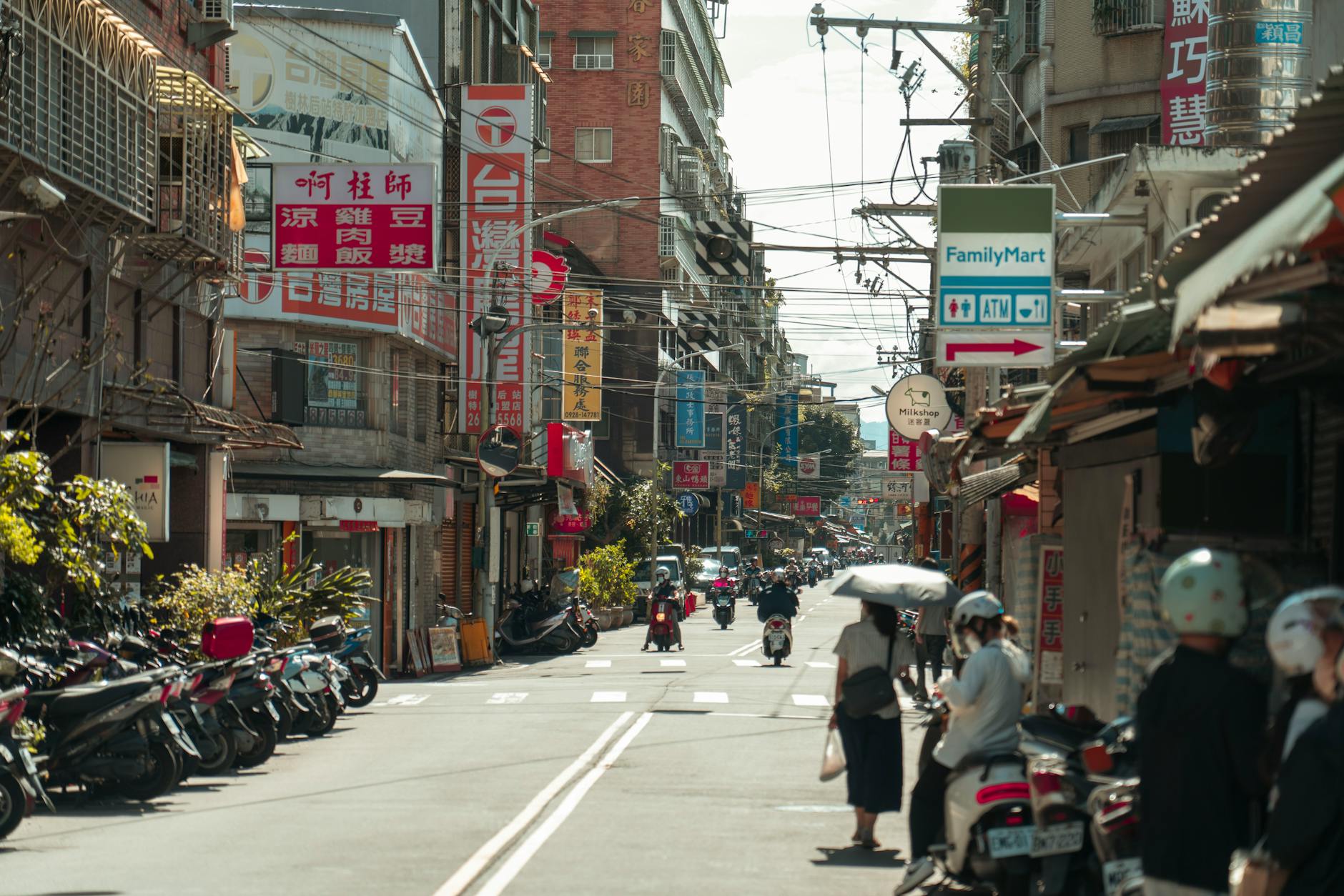
A short volunteer or NGO trip to Tainan can involve schools, community groups, temples, social-service partners, cultural organizations, environmental sites, clinics, campuses, or neighborhood projects. Those settings may be rewarding, but they require more care than an ordinary sightseeing stay. The traveler has to understand where the host operates, how daily movement works, and what the local community expects. A good Tainan service-trip plan protects the host relationship first. It makes arrival, housing, field movement, meals, heat management, documentation, and recovery practical enough that the traveler can contribute without creating extra work for the people they came to support.
Start with the host-site reality
Volunteer and NGO travelers should confirm the exact host location, daily meeting point, field sites, work hours, supervision, and whether movement is hosted or independent. A project described as being in Tainan may still involve campuses, temples, social-service offices, coastal areas, schools, clinics, or neighborhoods outside the visitor core.
The traveler should understand who is responsible for transport, translation, safety briefings, and daily schedule changes before arrival. Good intentions do not replace operational clarity.
- Confirm host address, field sites, meeting points, work hours, supervision, and transport expectations.
- Check whether the work involves schools, clinics, temples, campuses, coastal areas, or neighborhood sites.
- Clarify translation, safety, schedule changes, and daily coordination before arrival.
Choose housing that supports the work
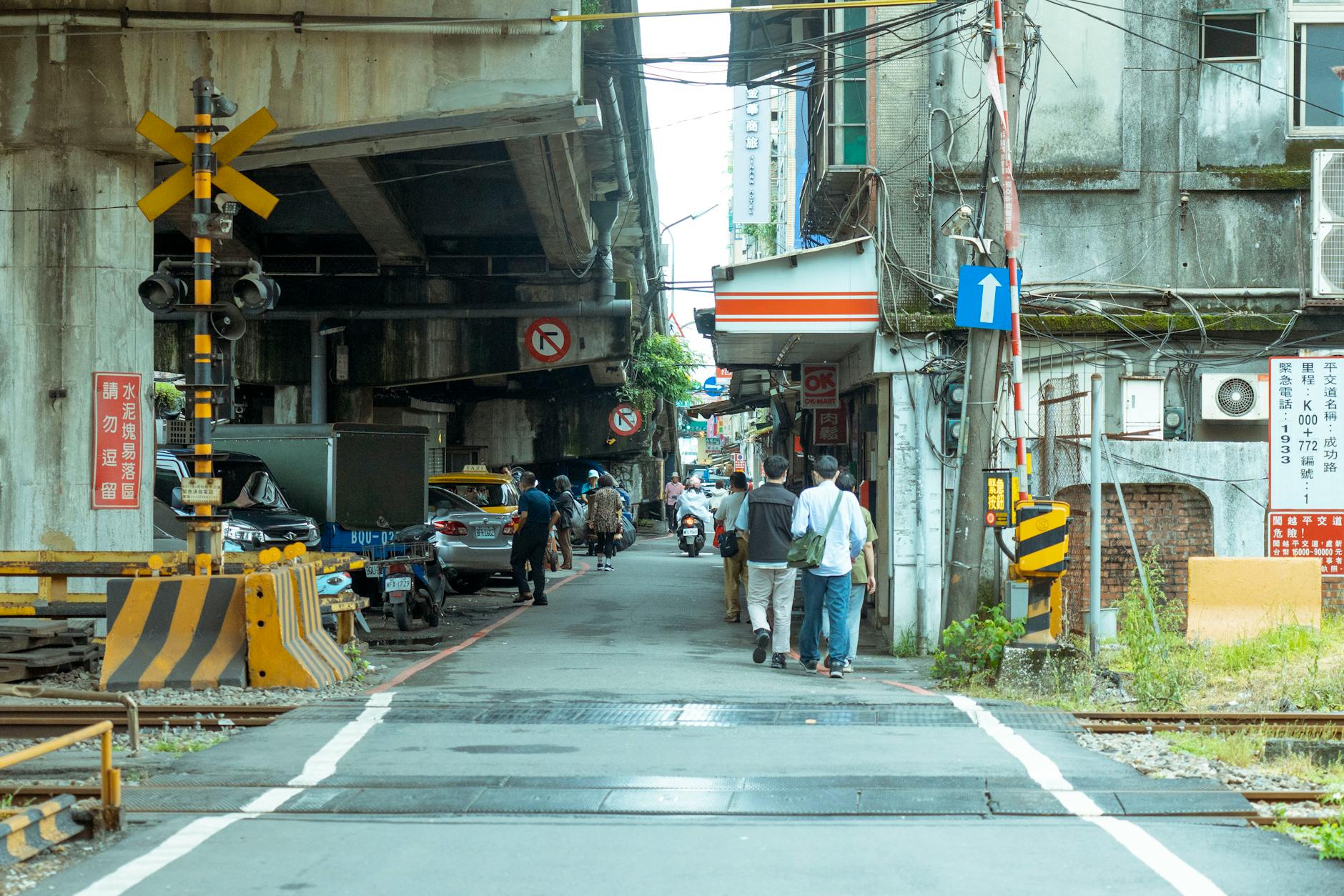
Housing should be chosen by distance to the host site, air conditioning, quiet, laundry, bathroom setup, security, check-in hours, nearby meals, and reliable pickup or taxi access. A low-cost or atmospheric stay may be a poor fit if it makes early starts, field clothes, or post-work rest difficult.
If the host arranges lodging, the traveler should still understand room setup, curfews, shared facilities, laundry, meals, and what support exists if plans change. Short service trips leave little time to recover from a bad base.
- Check distance, cooling, quiet, laundry, bathroom setup, security, meals, and pickup access.
- Confirm curfews, shared facilities, meal arrangements, and host support when lodging is arranged.
- Choose a base that makes early starts and post-work recovery manageable.
Make arrival and field transfers simple
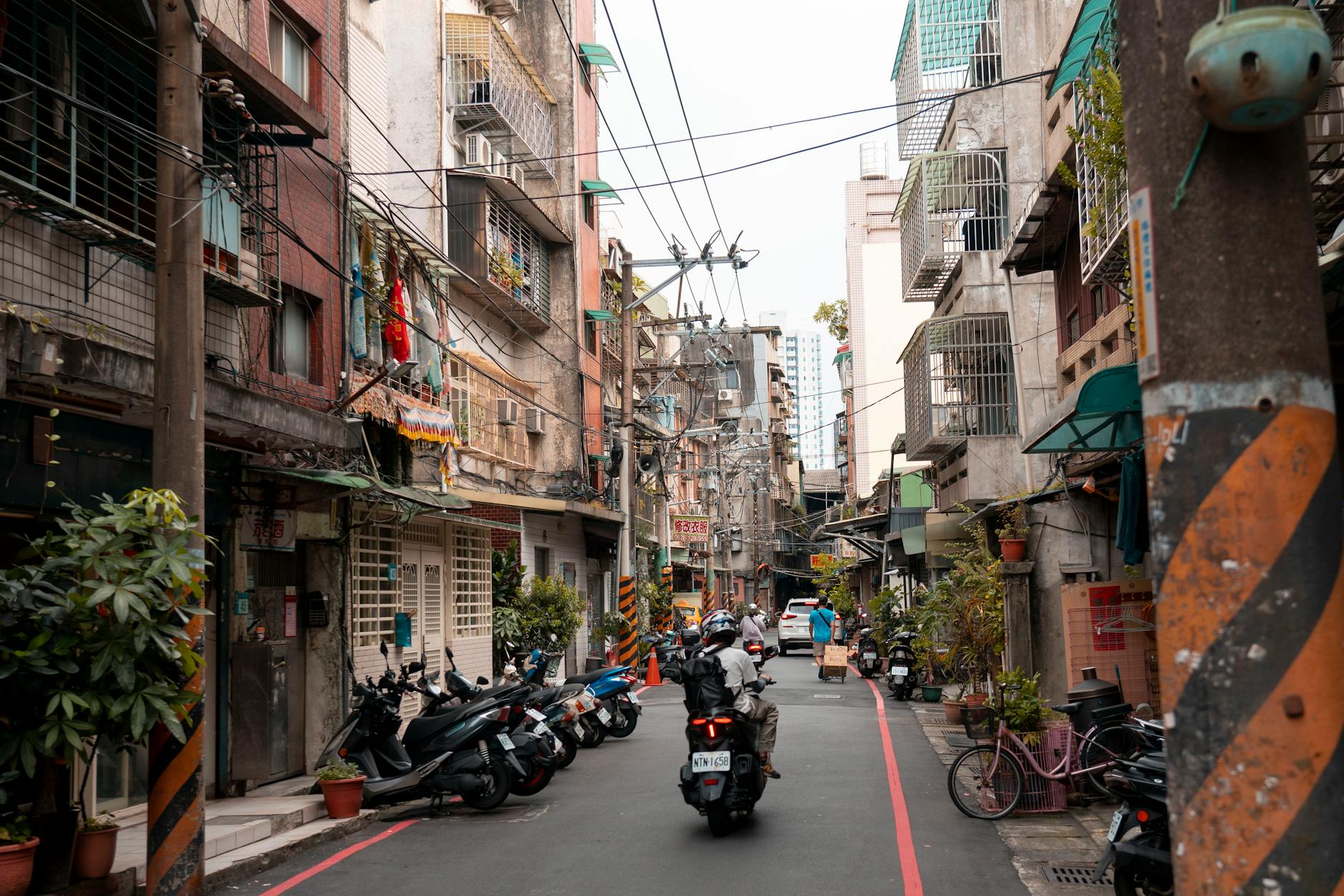
Tainan's high-speed rail station sits outside the central city, and a volunteer traveler may arrive with bags, supplies, project materials, or limited local language. The plan should include HSR or airport arrival, local rail or taxi, housing access, host pickup, and first-day reporting instructions. Address details should be saved in Chinese and English.
Field movement should also be planned in advance. Buses, taxis, bikes, scooters, host vehicles, and walking routes all carry different risks for time, weather, safety, and fatigue.
- Plan HSR, airport, local rail, taxi, host pickup, housing, and first-day reporting as one chain.
- Carry addresses, host contacts, payment, data, and backup routes in accessible form.
- Clarify field movement by bus, taxi, host vehicle, bike, scooter, or walking before work begins.
Respect community context and boundaries
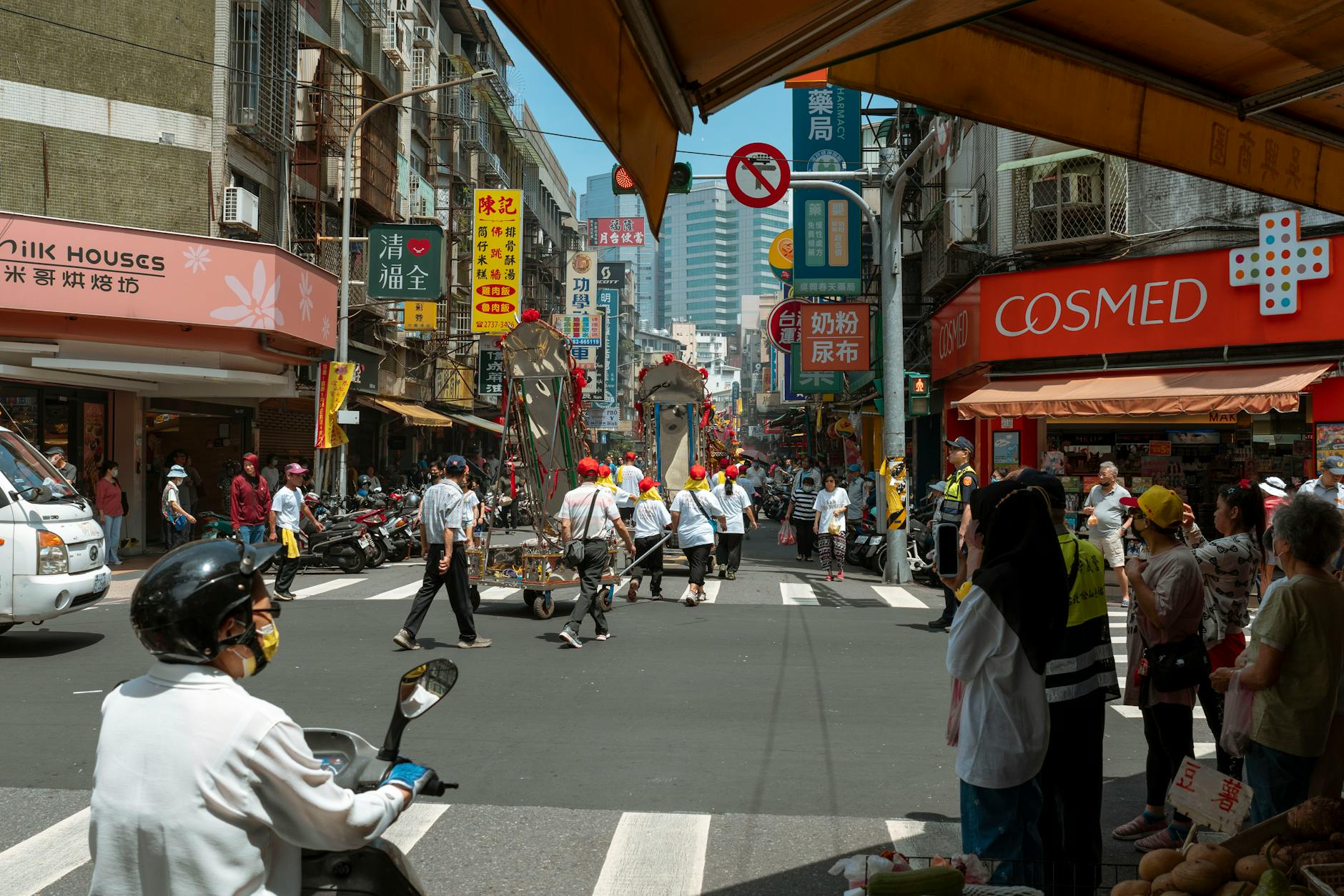
Volunteer and NGO travelers need to understand whether they are entering a school, temple, clinic, social-service office, neighborhood association, cultural project, or environmental site. Dress, photography, interviews, gifts, donations, public language, and social media all require host guidance. A traveler should not decide independently what is appropriate to record or share.
The stronger posture is modest and observant. The work matters more than the traveler's story about the work.
- Ask the host about dress, photography, interviews, gifts, donations, and social-media boundaries.
- Treat schools, clinics, temples, neighborhoods, and social-service settings as controlled contexts.
- Avoid centering the traveler when the work involves local communities.
Plan for heat, health, and stamina
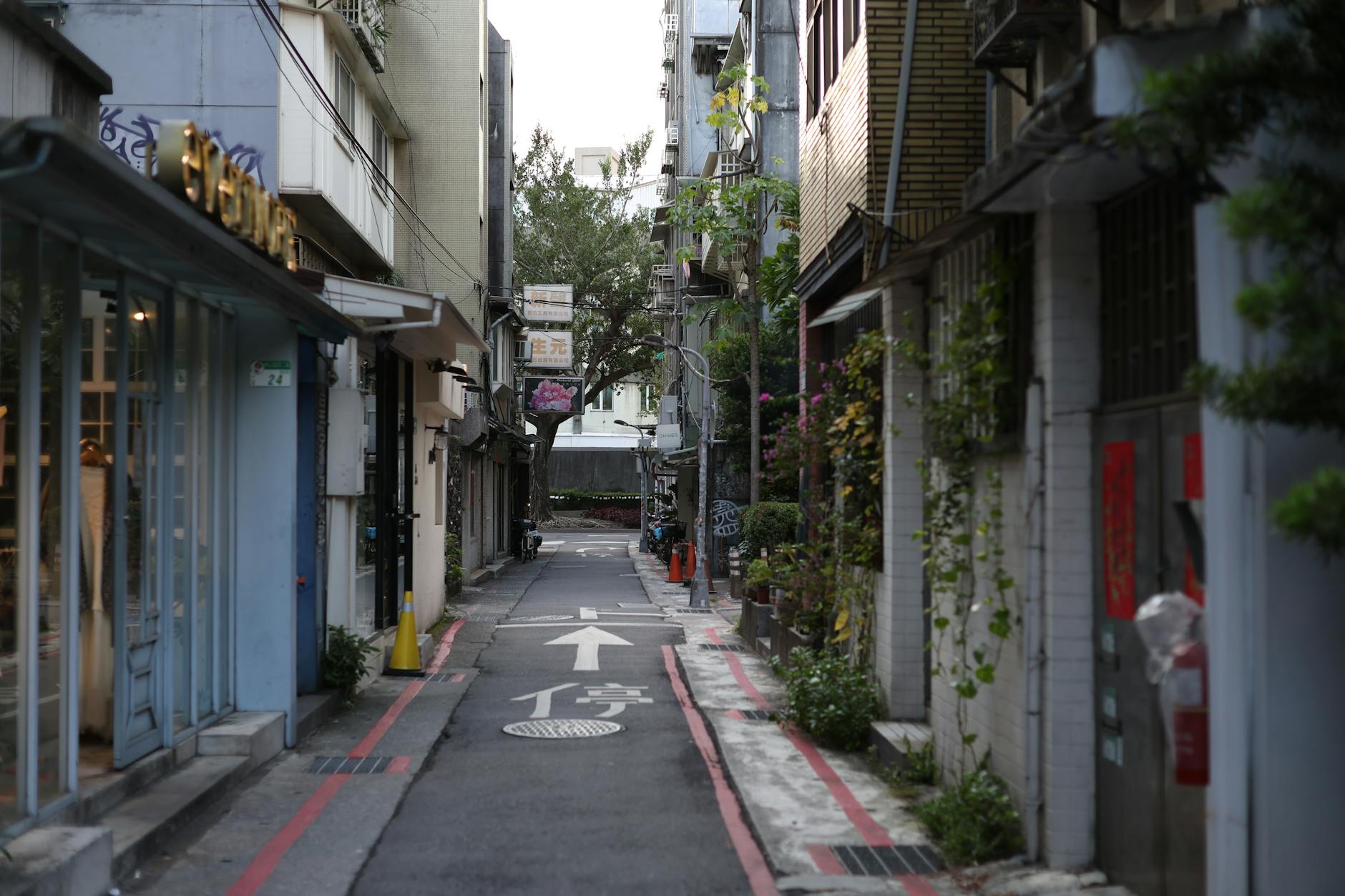
Tainan heat, humidity, rain, field walking, standing, outdoor work, and unfamiliar meals can affect a volunteer trip quickly. The traveler should plan water, sun protection, rain gear, field clothing, spare clothes, medication, rest, and bathroom access. A short service stay can be physically harder than a sightseeing itinerary.
Health access should also be clear. The traveler should know nearby clinics or hospitals, insurance details, allergies, emergency contacts, and whether the host has a procedure for illness or injury.
- Plan water, sun protection, rain gear, field clothing, spare clothes, medication, and rest breaks.
- Check bathrooms, clinics, hospitals, insurance details, allergies, and emergency contacts.
- Treat heat and field movement as work conditions, not background weather.
Use free time without disrupting the host work
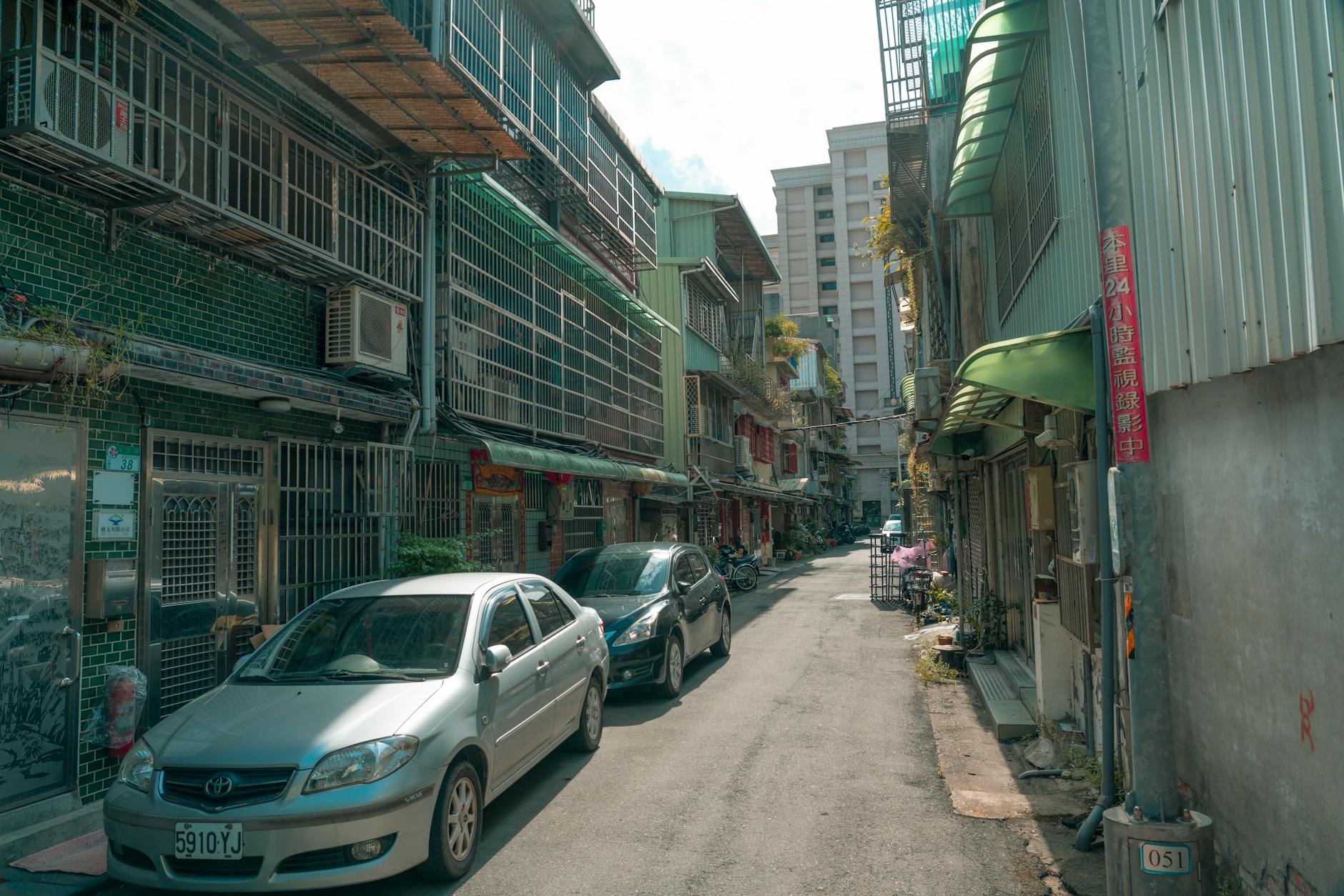
Volunteer travelers may want to see temples, old streets, Anping, markets, museums, or night food areas after work. That can be worthwhile, but free time should not compromise the next day's field obligations. The traveler should plan return transport, meal timing, laundry, rest, and any host curfew before leaving the housing base.
The best short service trips include a small amount of local context without turning the visit into disguised tourism.
- Use free time for temples, old streets, Anping, markets, museums, or food areas selectively.
- Protect return transport, meals, laundry, rest, curfew, and next-day work.
- Keep leisure plans modest enough that the host commitment remains central.
When to order a short-term travel report
A volunteer traveler on a fully hosted program with housing, pickup, and clear daily instructions may not need a custom Tainan report. A report becomes useful when the traveler must choose housing, manage independent arrival, coordinate field movement, plan health access, handle documentation boundaries, or balance community work with limited free time.
The report should test host-site geography, housing fit, HSR and taxi routes, field movement, meals, health access, heat, community norms, documentation boundaries, budget, and what to cut. The value is a Tainan service trip that is useful to the host and manageable for the traveler.
- Order when housing, arrival, field movement, health access, documentation, or free time need testing.
- Provide dates, host sites, work schedule, lodging options, arrival mode, constraints, and budget.
- Use the report to make the volunteer trip practical, respectful, and less burdensome for the host.