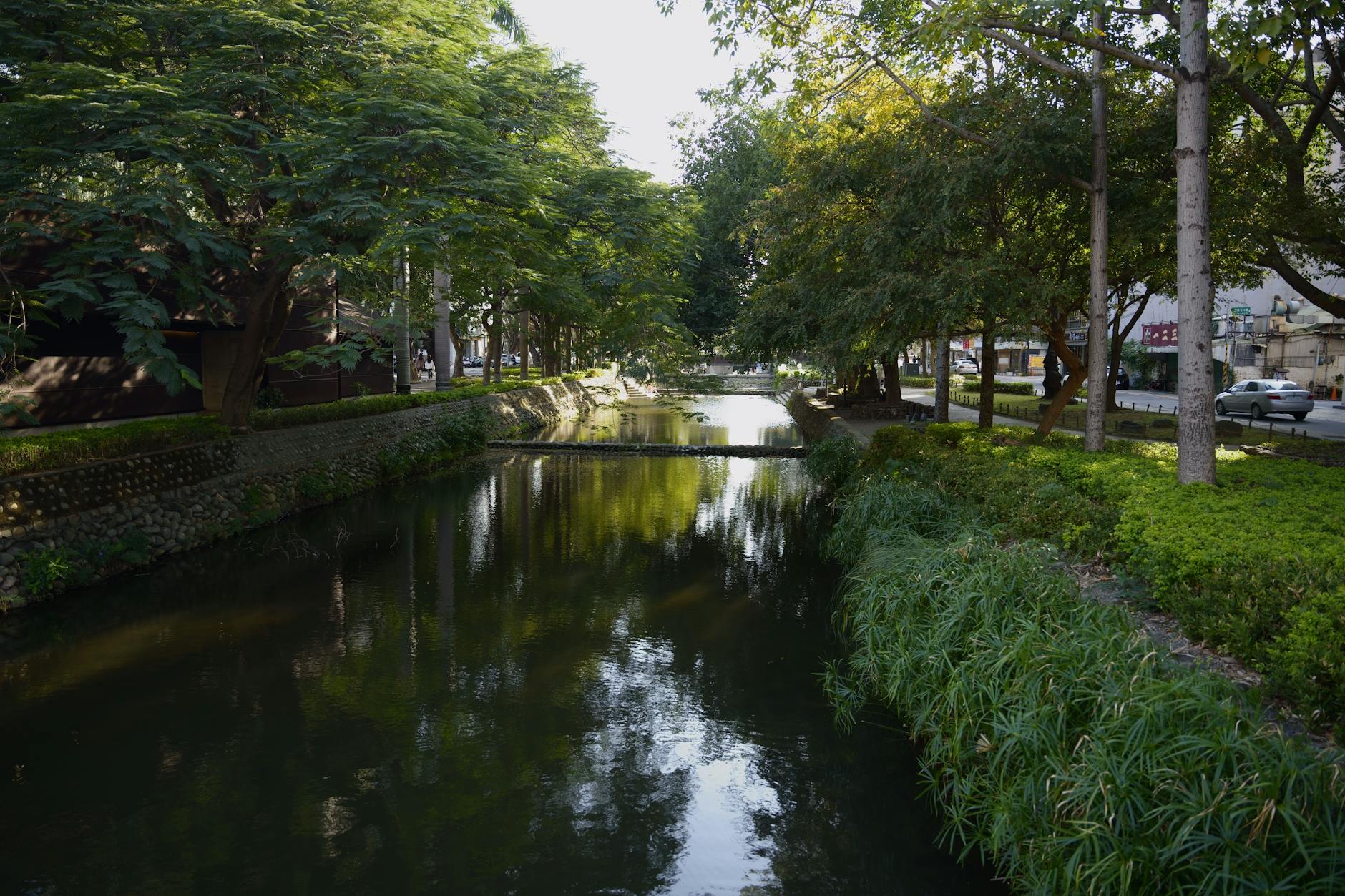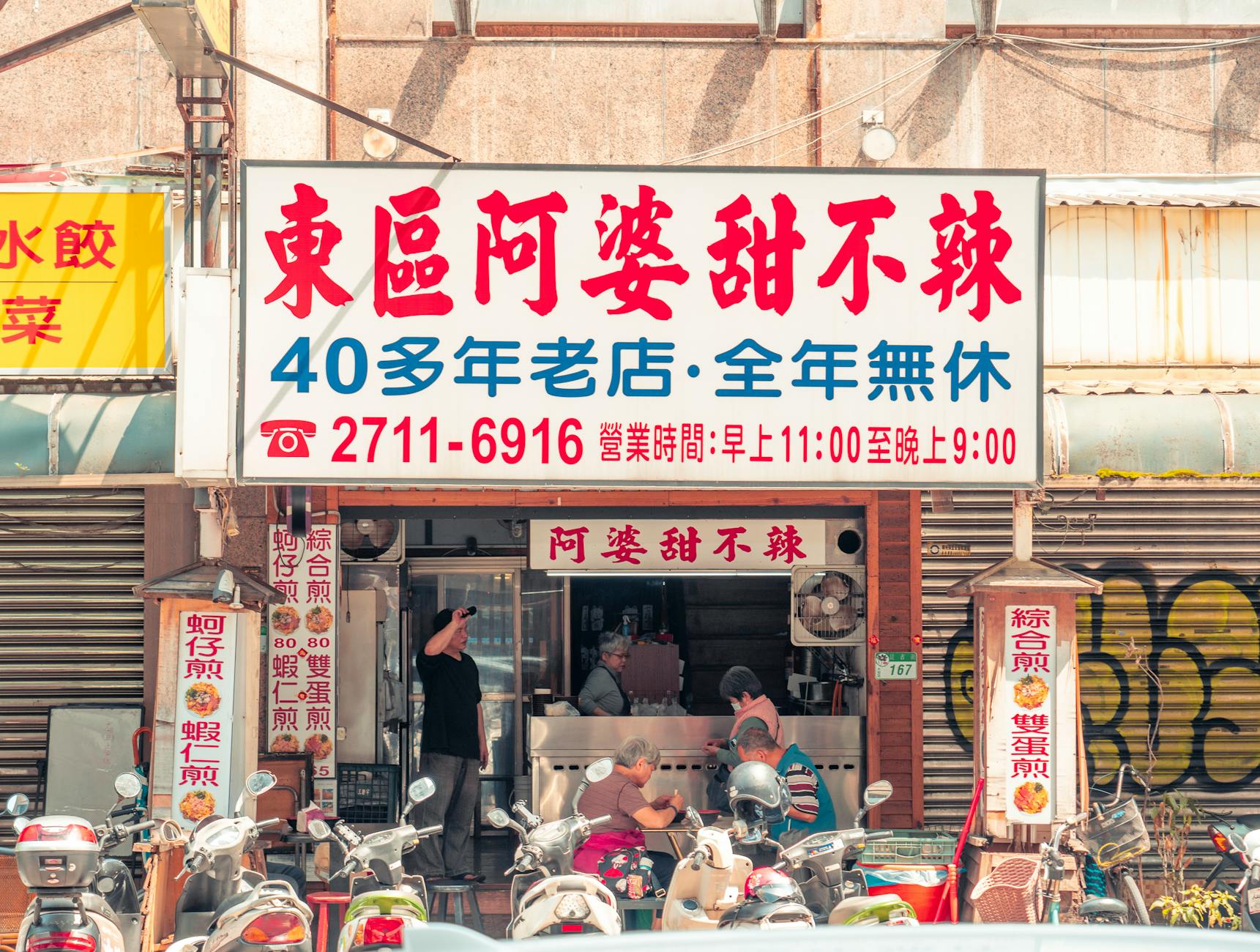
Tainan can be deeply worthwhile for travelers with mobility limitations, but it should not be treated as a simple walking city. Historic lanes, temples, old houses, markets, Anping sites, station transfers, curbs, heat, rain, and limited seating can all change what feels reasonable during a short stay. A good Tainan plan protects the traveler's mobility budget. It chooses lodging, transport, sights, meals, and rest stops around real access conditions rather than assuming that short map distances will feel short on the ground.
Choose lodging by access, not charm alone
The hotel should be chosen around entrance access, elevators, room size, bathroom setup, air conditioning, taxi pickup, nearby meals, and the ability to rest between outings. A charming old-lane stay may be appealing but difficult if it adds steps, narrow access, weak taxi pickup, or long walks over uneven surfaces.
The traveler should confirm details directly before booking. Website labels are useful, but they do not replace specific questions about entrance steps, lifts, bathroom thresholds, and the route from the street to the room.
- Check entrance steps, elevators, room size, bathroom setup, cooling, and street-to-room access.
- Confirm taxi pickup, nearby meals, pharmacy access, and rest-break practicality.
- Ask specific access questions before booking a charming but uncertain property.
Plan HSR, station, and taxi links as one chain
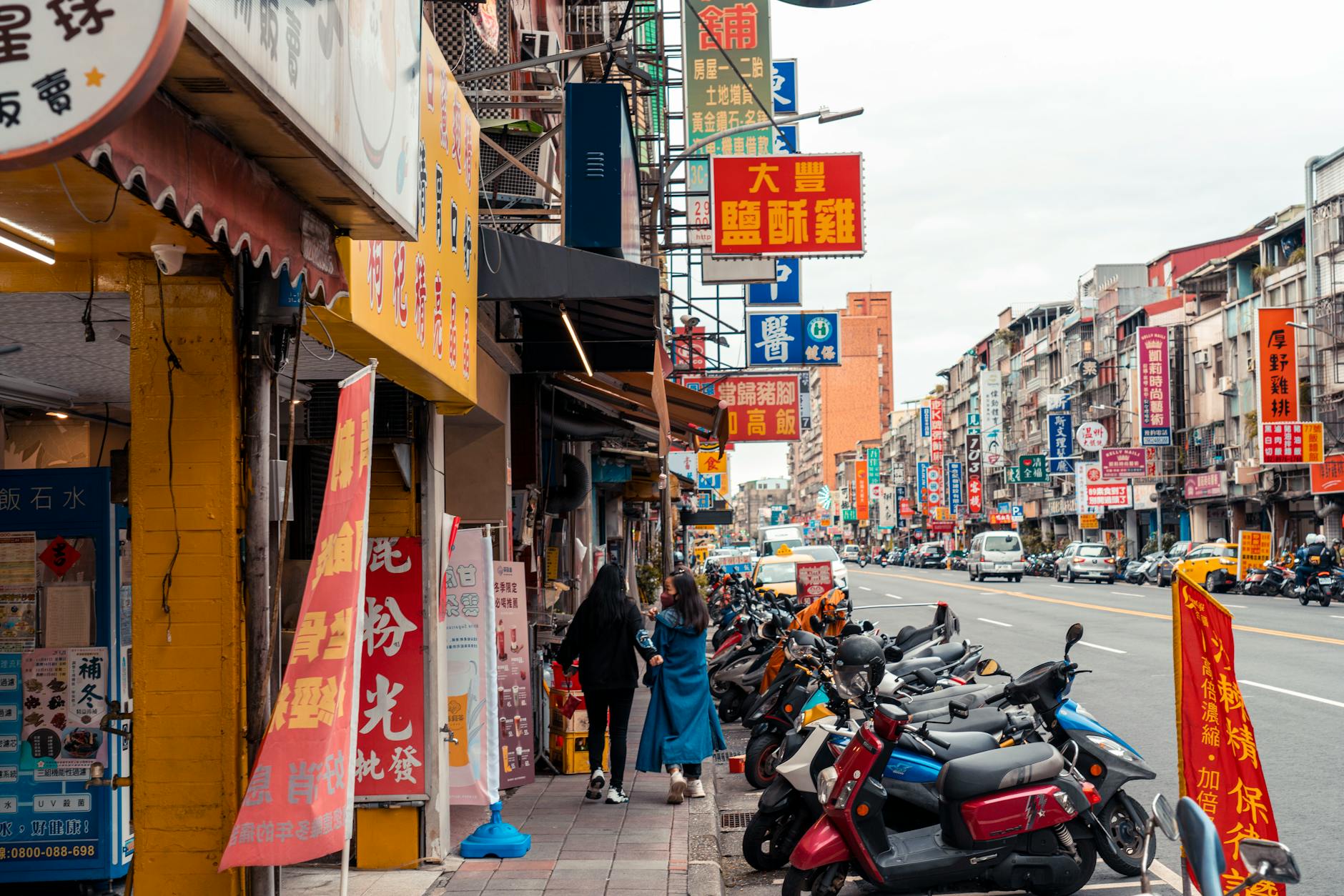
Tainan's high-speed rail station is outside the main historic visitor area, so the arrival chain needs attention. The traveler should plan the link from HSR or airport to local rail, taxi, hotel, and first sight with luggage, waiting time, step-free movement, pickup clarity, and fatigue in mind. A transfer that is manageable once may be too much after a long travel day.
Taxis can be essential access tools in Tainan, especially in heat, rain, or when moving between the old center and Anping. They should be planned, not treated as a last-minute rescue.
- Plan HSR, airport, local rail, taxi, hotel, and first-stop movement as one access chain.
- Check luggage, waiting time, pickup points, step-free needs, and backup routes.
- Use taxis deliberately when distance, weather, or fatigue makes them the better option.
Evaluate historic streets before committing
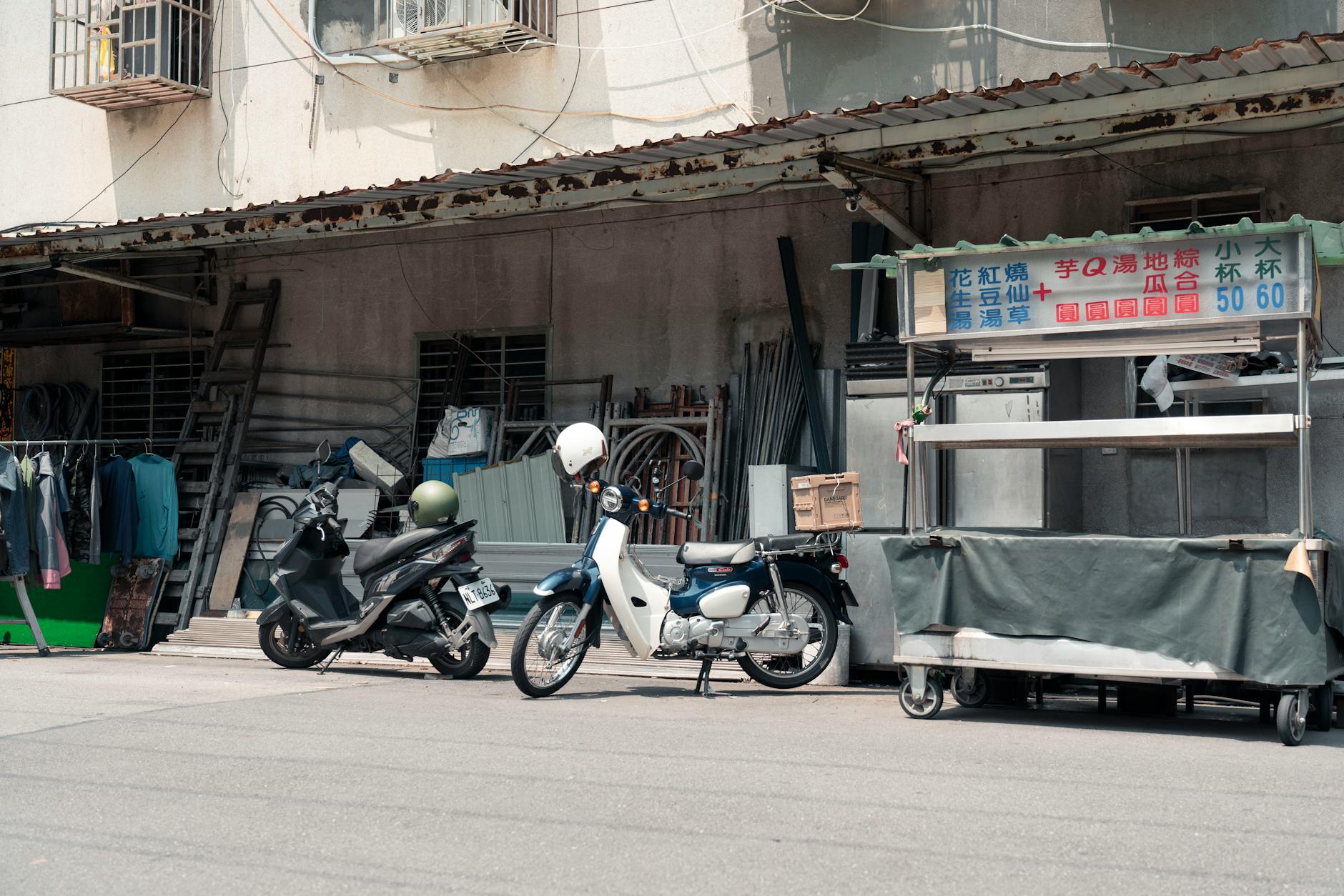
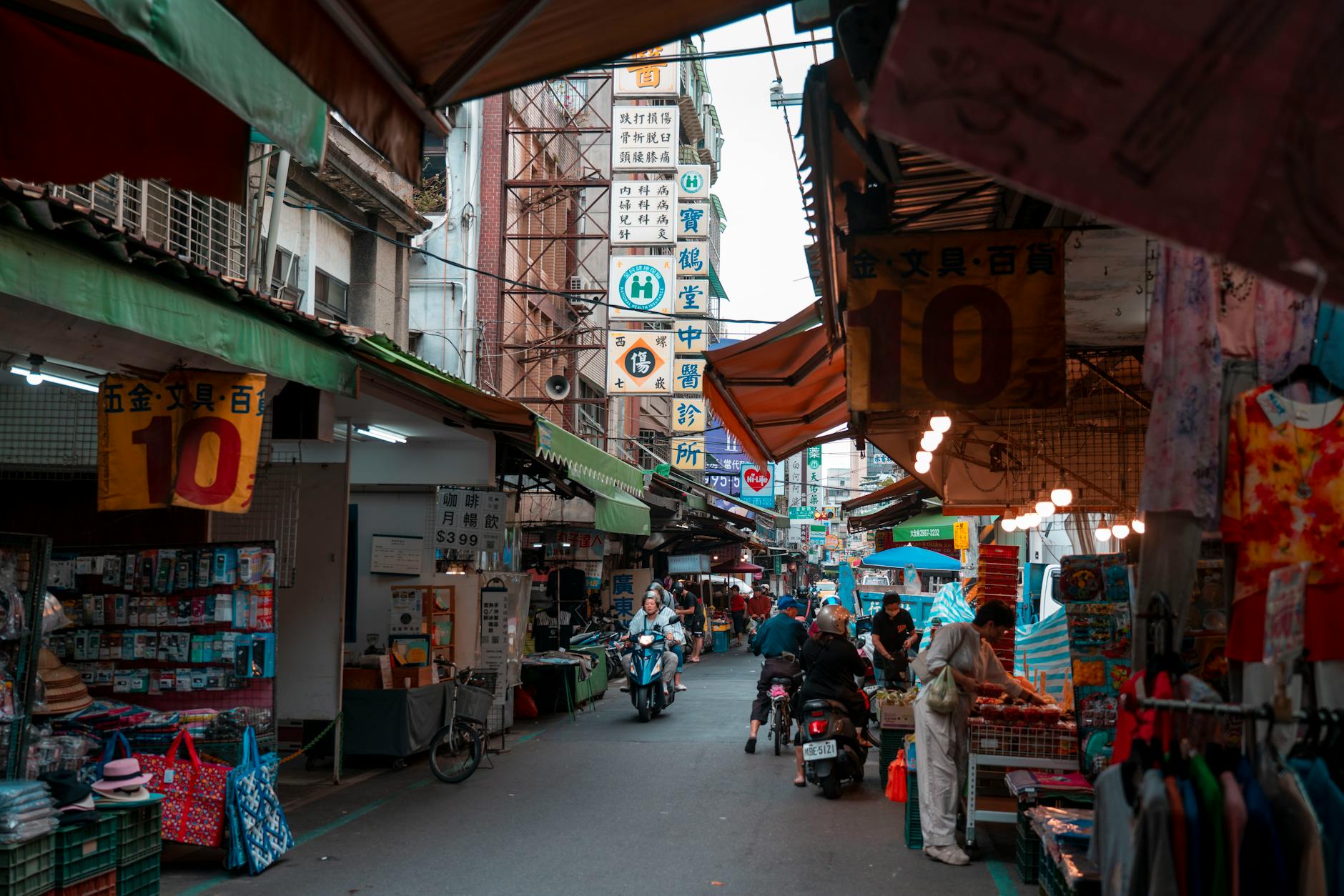
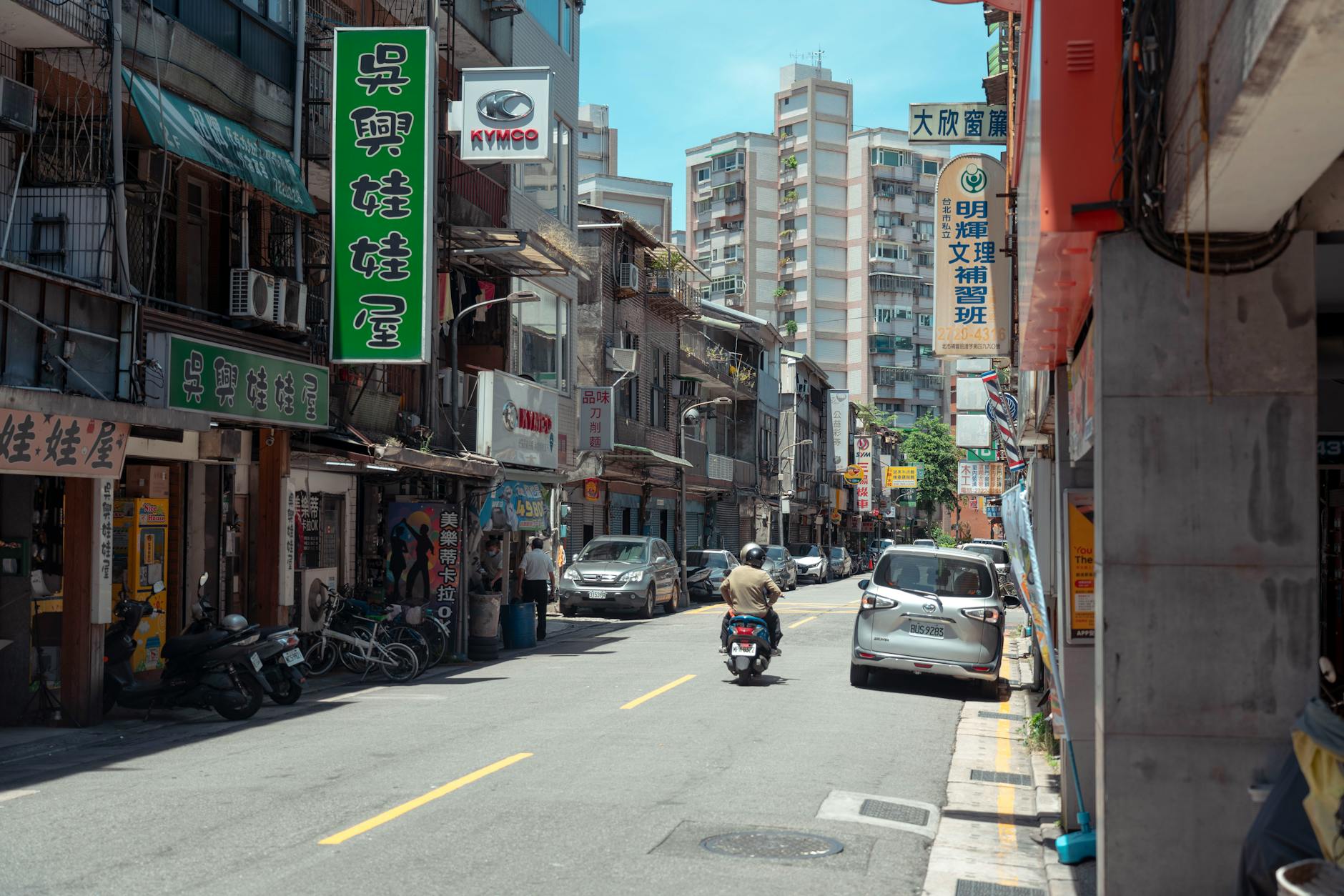
Tainan's appeal often sits in old streets, temple lanes, markets, and heritage buildings, but those places can include uneven pavement, curbs, thresholds, crowds, scooters, limited shade, and few easy places to sit. The traveler should check each cluster by surface, distance, entrances, bathrooms, seating, and nearby taxi access.
The goal is not to remove the historic city from the trip. The goal is to select the clusters where the traveler can actually enjoy it without spending the whole day managing obstacles.
- Check pavement, curbs, thresholds, crowds, scooters, shade, seating, bathrooms, and taxi access.
- Choose historic clusters that fit the traveler's mobility limits.
- Avoid stringing together several old-street areas without rest or transport breaks.
Match temples, museums, and Anping to access needs
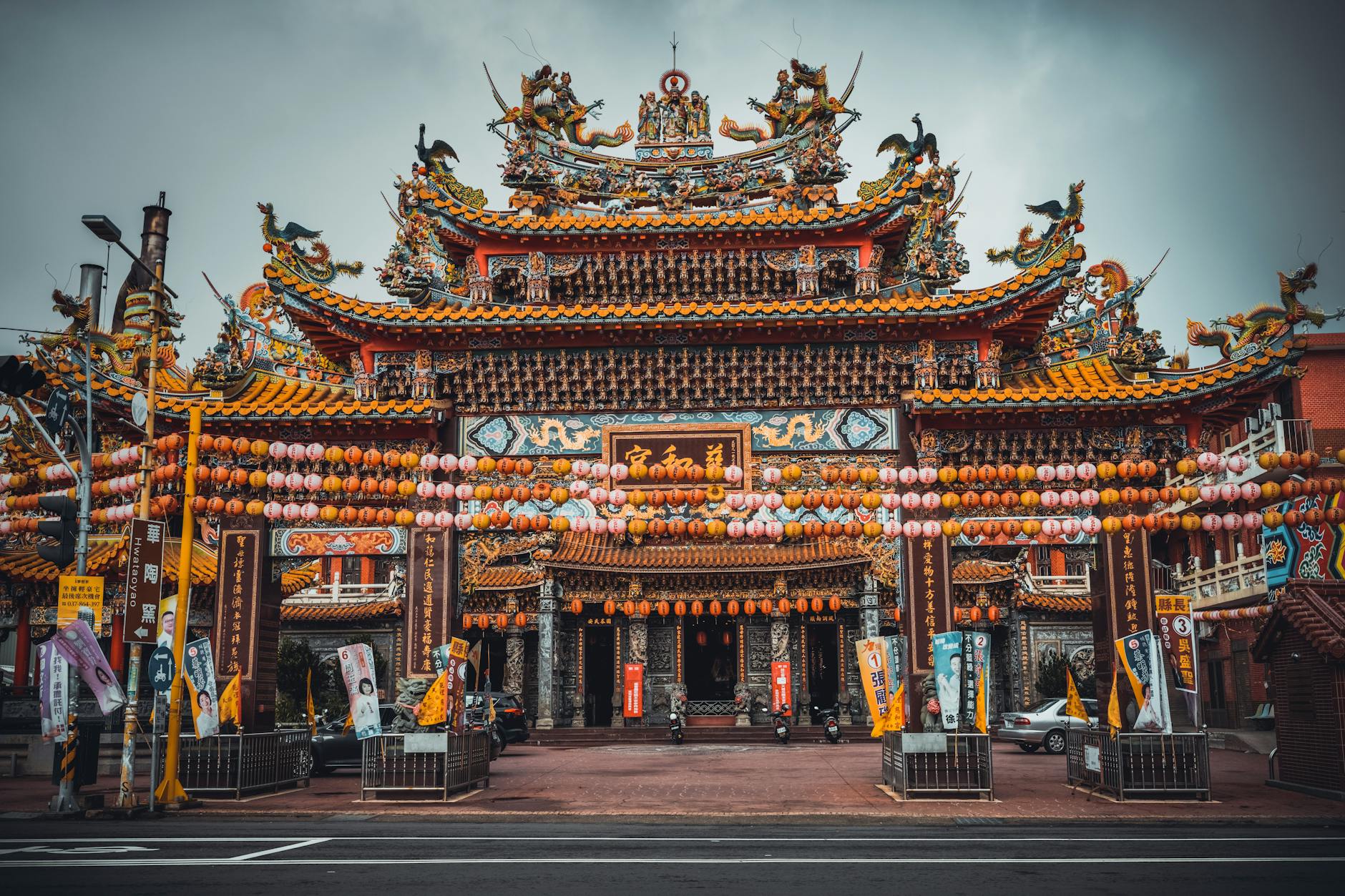
Temples, Chihkan Tower, Confucius Temple, Hayashi Department Store, museums, Anping Fort, Anping Tree House, and waterfront areas all create different access questions. Some sites may involve stairs, narrow paths, uneven courtyards, or long standing time. Others may offer easier entrances, benches, elevators, shade, or cleaner restrooms.
The traveler should choose a short list of priority sights and verify the practical details. In Tainan, one accessible, well-paced heritage cluster is better than a full list that becomes punishing.
- Check major temples, towers, museums, heritage buildings, and Anping sites by access details.
- Look for benches, elevators, shade, restrooms, ramps, and manageable walking distance.
- Prioritize a few suitable sights instead of forcing every classic stop.
Treat heat and rain as mobility factors
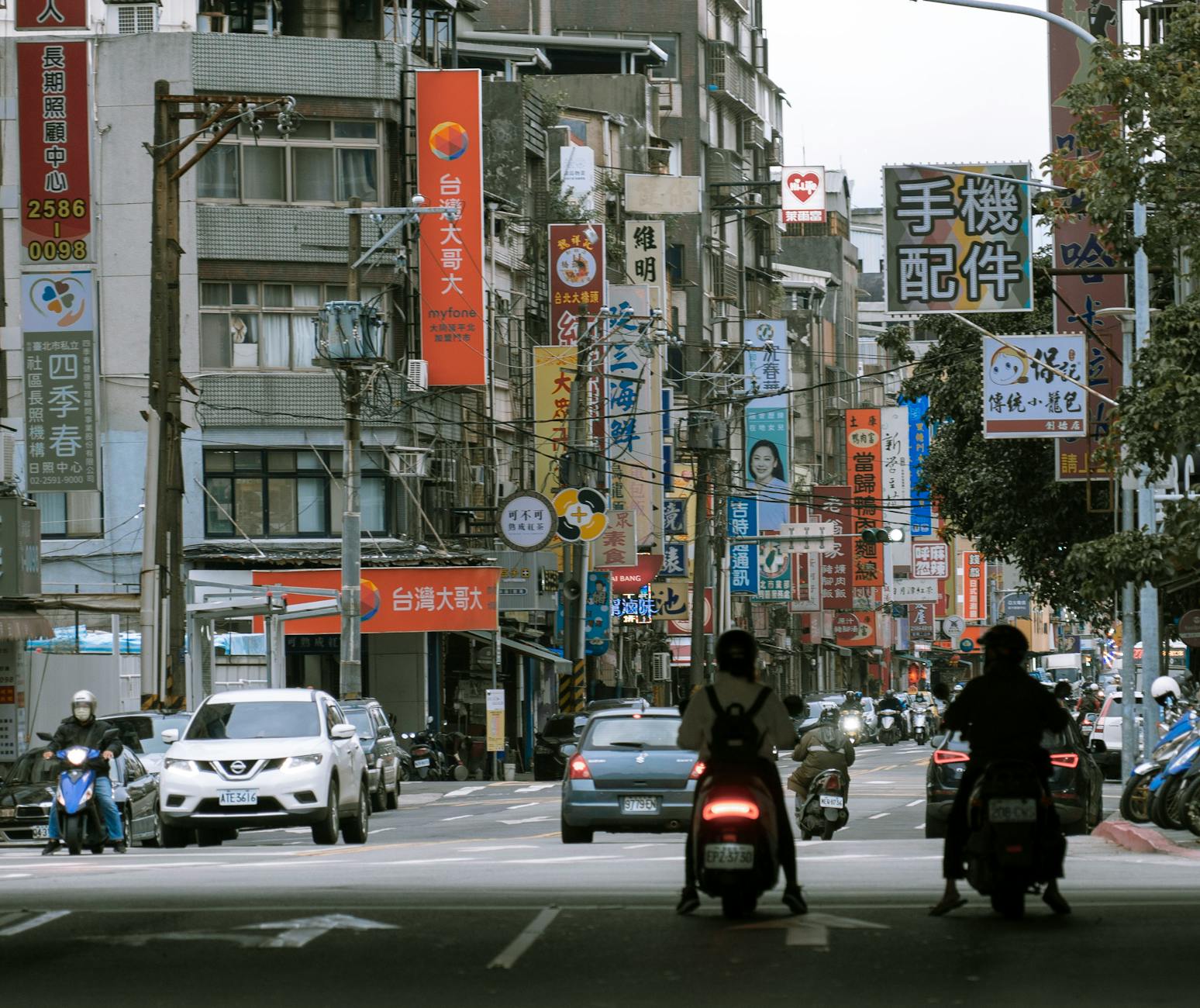
Heat, humidity, bright sun, sudden rain, and wet pavement can reduce mobility quickly. The itinerary should use short outdoor segments, shaded routes, taxis, indoor cooling, hotel rests, water, and flexible timing. Midday may be better for a long lunch or museum than for old-lane walking.
The traveler should also consider footwear, walking aids, cooling tools, rain protection, and how supplies will be carried. Access planning fails when the traveler has what they need but cannot reach it during the day.
- Use short outdoor segments, shade, taxis, indoor cooling, water, and hotel rests.
- Plan around sun, humidity, sudden rain, wet pavement, and midday fatigue.
- Keep mobility aids, rain gear, cooling tools, and supplies accessible during movement.
Plan food, seating, and restrooms together
Tainan food can still be a highlight, but travelers with mobility limitations should plan where they can sit, how long they may need to stand, how crowded the area becomes, and whether restrooms are nearby. Famous stalls, night markets, and narrow food streets may not fit every mobility need at every hour.
A good plan uses reliable seated meals and selective snack stops. It avoids turning food into a standing endurance test.
- Check seating, queue length, crowding, restroom access, and taxi pickup around food areas.
- Use reliable seated meals as anchors and snack stops selectively.
- Do not let a famous stall override comfort and mobility limits.
When to order a short-term travel report
A traveler with mild limitations, hosted transport, and a very light plan may not need a custom Tainan report. A report becomes useful when hotel access, HSR transfers, taxi reliability, old-street surfaces, temple access, Anping feasibility, heat, seating, restrooms, or food plans need checking before booking.
The report should test hotel access, station and taxi routes, sight clusters, surfaces, entrances, rest stops, weather, meals, bathrooms, side trips, budget, and what to cut. The value is a Tainan visit that remains rich without asking the traveler to absorb avoidable strain.
- Order when lodging access, transfers, surfaces, temples, Anping, weather, seating, or bathrooms need testing.
- Provide dates, mobility limits, equipment, arrival mode, hotel options, priorities, and budget.
- Use the report to make Tainan accessible enough to enjoy, not merely possible.