Tainan can be manageable and rewarding for travelers with medical constraints, but it needs a more deliberate plan than a standard food-and-temple itinerary. Heat, humidity, uneven walking surfaces, scattered attractions, food ingredients, language, HSR transfers, taxis, medication timing, and proximity to medical care can all affect a short stay. A good Tainan plan does not treat medical needs as a side note. It designs the hotel, route, meals, transport, and rest windows around the traveler's actual limits so the city remains enjoyable rather than stressful.
Choose lodging by medical practicality
The hotel should be chosen around the medical constraint, not only around sightseeing. Elevator access, room size, bathroom setup, air conditioning, refrigerator access, breakfast reliability, nearby pharmacies or clinics, taxi pickup, and clear street frontage can all matter. A charming room with poor access or weak cooling may not be suitable.
The traveler should also confirm cancellation rules and whether the hotel can assist with taxis, written addresses, or basic local coordination if symptoms change.
- Check elevator access, bathroom setup, cooling, refrigerator access, breakfast, and taxi pickup.
- Look at nearby pharmacies, clinics, food options, and clear street frontage.
- Confirm cancellation rules and hotel support before committing.
Map care, pharmacy, and emergency options
A traveler with medical constraints should know where relevant hospitals, clinics, pharmacies, and emergency services are before arrival. The plan should include insurance details, medication names, translated notes if useful, allergies, physician contact, local emergency numbers, and whether the condition requires a specific type of care.
This preparation is not a prediction that something will go wrong. It simply prevents the traveler from having to research under pressure in an unfamiliar city.
- Identify relevant hospitals, clinics, pharmacies, emergency numbers, and insurance contacts.
- Carry medication names, allergies, translated notes, physician details, and key documents.
- Plan care options before symptoms or stress make research harder.
Treat heat and humidity as medical factors
Tainan's heat and humidity can affect medication timing, hydration, blood pressure, fatigue, respiratory conditions, skin conditions, and general stamina. The itinerary should use short outdoor windows, shaded routes, taxis, indoor stops, hotel rests, and flexible meal timing. Midday movement should be lighter when heat is high.
The traveler should carry water, cooling tools, sun protection, and any condition-specific supplies in a way that remains accessible during transfers and walks.
- Plan around heat, humidity, hydration, fatigue, medication timing, and indoor cooling.
- Use taxis, shade, short clusters, and hotel rests during the hottest periods.
- Keep water, sun protection, cooling tools, and medical supplies accessible.
Plan transfers without heroic assumptions
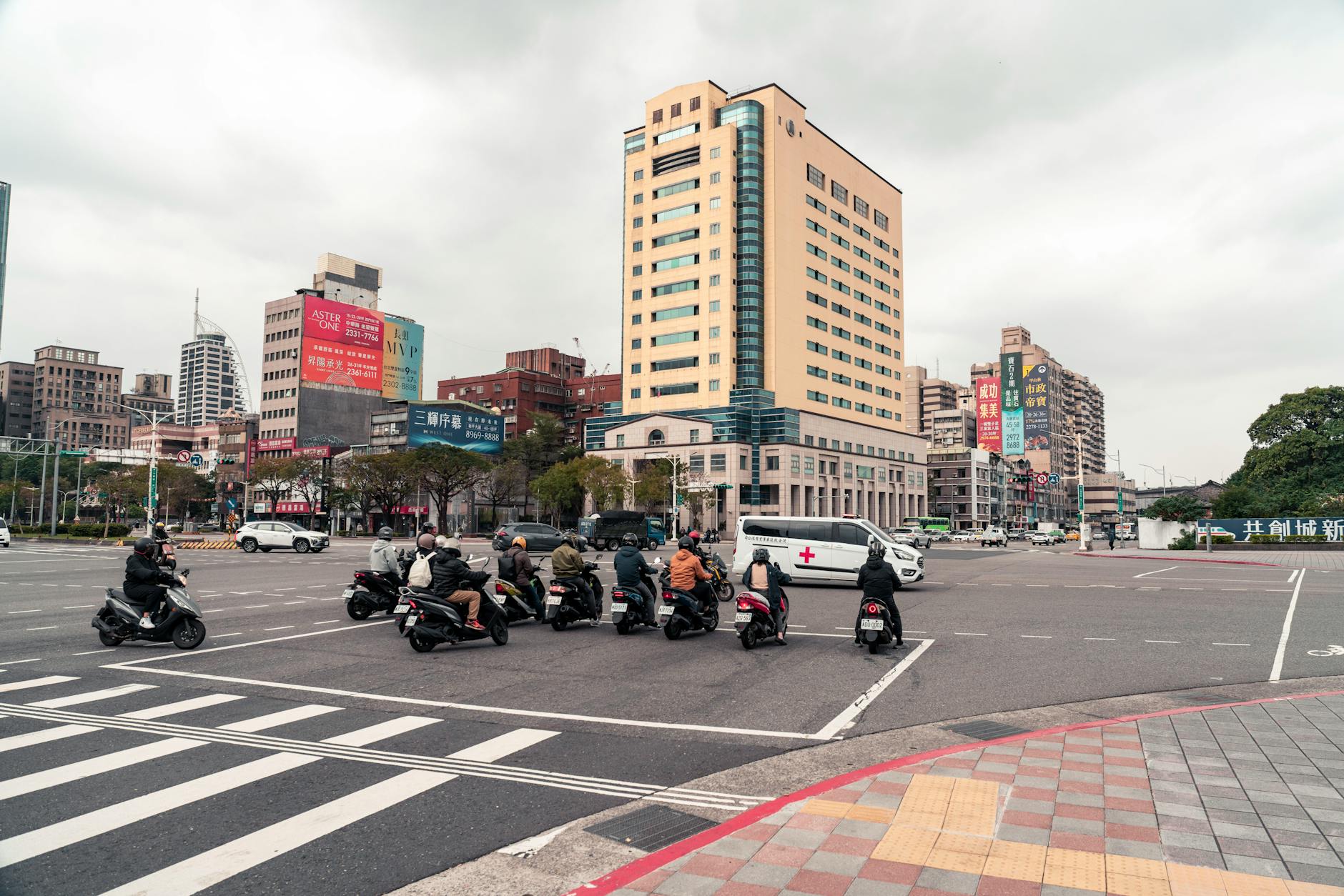
The high-speed rail station, local station, hotel, historic center, Anping, hospitals, and conference or family obligations may not sit close together. Travelers with medical constraints should plan each transfer with pickup points, taxi availability, waiting time, luggage, seating, step-free access where needed, and backup options. A route that is acceptable once may not be acceptable repeatedly.
The safest plan reduces the number of transfers per day and makes the first and last legs especially clear.
- Plan HSR, airport, taxi, hotel, Anping, hospital, and station transfers separately.
- Check pickup points, waiting time, luggage, seating, step-free needs, and backups.
- Limit transfers per day instead of relying on best-case stamina.

Make food and medication timing compatible
Tainan's food culture is a major pleasure, but travelers with medical constraints should plan around ingredients, salt, sugar, spice, allergens, food safety, queue length, meal timing, and whether medication must be taken with food. A famous snack may not be worth destabilizing the day.
The traveler should identify reliable meals near the hotel and route, not only special foods. Predictability can preserve enough energy to enjoy the city selectively.
- Check ingredients, salt, sugar, spice, allergens, food safety, queues, and medication timing.
- Identify reliable meals near the hotel and route before chasing famous foods.
- Use predictable meals to protect energy and symptom control.
Choose sights by access and recovery
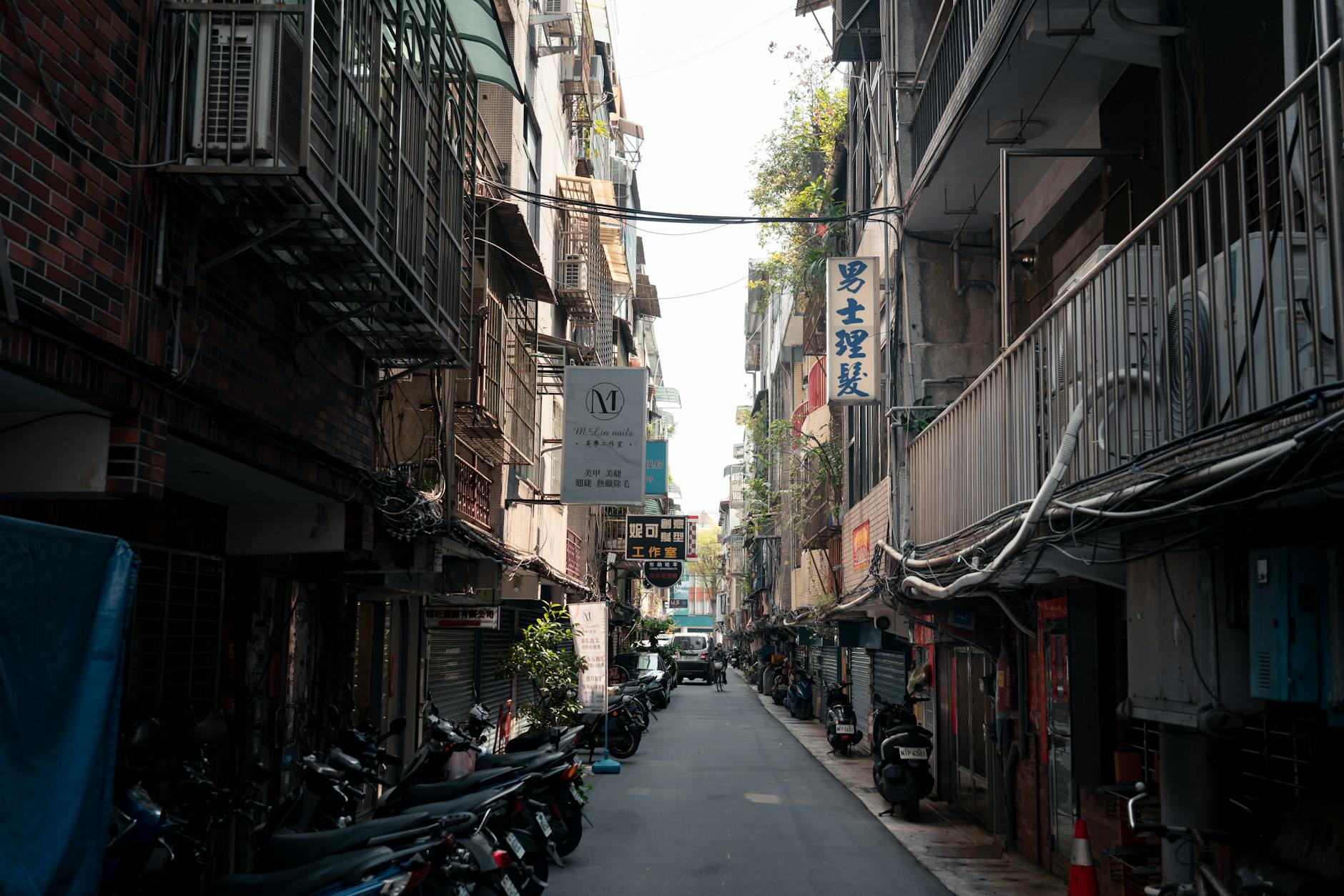
Temples, museums, Anping, old streets, markets, and historic houses should be chosen by access, shade, seating, bathrooms, walking surfaces, stairs, thresholds, and distance from the hotel or taxi route. The traveler does not need to remove Tainan's core experiences, but they may need to select the ones that fit the condition.
A good itinerary includes cut points. If symptoms change, the traveler should know which stop can disappear without breaking the day.
- Evaluate sights by shade, seating, bathrooms, walking surfaces, stairs, thresholds, and taxi access.
- Select core Tainan experiences that fit the condition rather than forcing every classic stop.
- Build cut points into each day before symptoms change.
When to order a short-term travel report
A traveler with a stable condition, hosted transport, and a very light plan may not need a custom Tainan report. A report becomes useful when hotel access, hospital proximity, HSR transfers, medication timing, dietary needs, heat exposure, mobility, or specific sights need to be tested before booking.
The report should test hotel fit, medical access, HSR and taxi routes, meal options, rest breaks, heat, bathrooms, sight access, emergency planning, budget, and what to cut. The value is a Tainan trip that stays realistic without reducing the traveler to the constraint.
- Order when hotel access, medical care, transfers, diet, heat, mobility, or sight access need testing.
- Provide dates, condition limits, medication timing, arrival mode, hotel options, diet, mobility needs, and budget.
- Use the report to make the trip practical, flexible, and still worth taking.