Tainan can work as a short stopover, but it asks for honest timing. The high-speed rail station is outside the old center, conventional rail uses a different city station, and onward movement to Kaohsiung, Taipei, airports, or nearby cities can shape the whole visit. A traveler who treats Tainan as a quick platform-to-temple hop may overestimate the usable time. A strong Tainan transit plan protects the onward train, flight, bus, or driver first. Then it chooses a compact food, temple, old-street, or Anping route that fits the remaining hours without turning a pleasant stop into a connection risk.
Separate HSR from central Tainan
A Tainan stopover starts by distinguishing Tainan HSR Station from central Tainan Station and the historic districts. HSR can be excellent for moving between Taipei, Taichung, Tainan, and Kaohsiung, but the final link into the city still takes planning. The traveler should check local rail, taxi, shuttle, pickup, traffic, and the location of any luggage storage.
The usable visit begins only after the transfer into the city is counted. The same is true on the way back.
- Distinguish Tainan HSR Station, central Tainan Station, hotel areas, and historic districts.
- Check local rail, taxi, shuttle, pickup, traffic, and storage before committing to a route.
- Subtract both arrival and return transfers from the stopover window.
Protect the onward connection
A stopover is only successful if the traveler leaves on time. The plan should include ticket type, seat reservation, platform access, check-in cutoff, separate-ticket risk, airport transfer if relevant, traffic, rail frequency, and a backup if the first return option fails. Short connections should use a conservative city plan or skip the city entirely.
Tainan is rewarding, but it is not worth missing the next flight, HSR departure, tour pickup, or business appointment.
- Confirm ticket type, platform timing, reservations, check-in cutoffs, and separate-ticket risk.
- Hold a backup return option when the onward movement matters.
- Use a conservative plan when the next departure cannot be missed.
Solve luggage before sightseeing
The traveler should decide what happens to luggage before choosing food stops or temples. Station lockers, staffed storage, hotel hold, driver hold, or carrying a small bag each create different limits. Heavy luggage makes old streets, markets, buses, taxis, rain, and temple visits harder.
If the luggage answer is weak, the route should become shorter and closer to the station or hotel. Mobility with bags is part of the itinerary, not an afterthought.
- Check lockers, staffed storage, hotel hold, driver hold, and bag size limits.
- Avoid dragging heavy luggage through old streets, markets, temples, or wet pavement.
- Keep the route closer to the station when storage is uncertain.
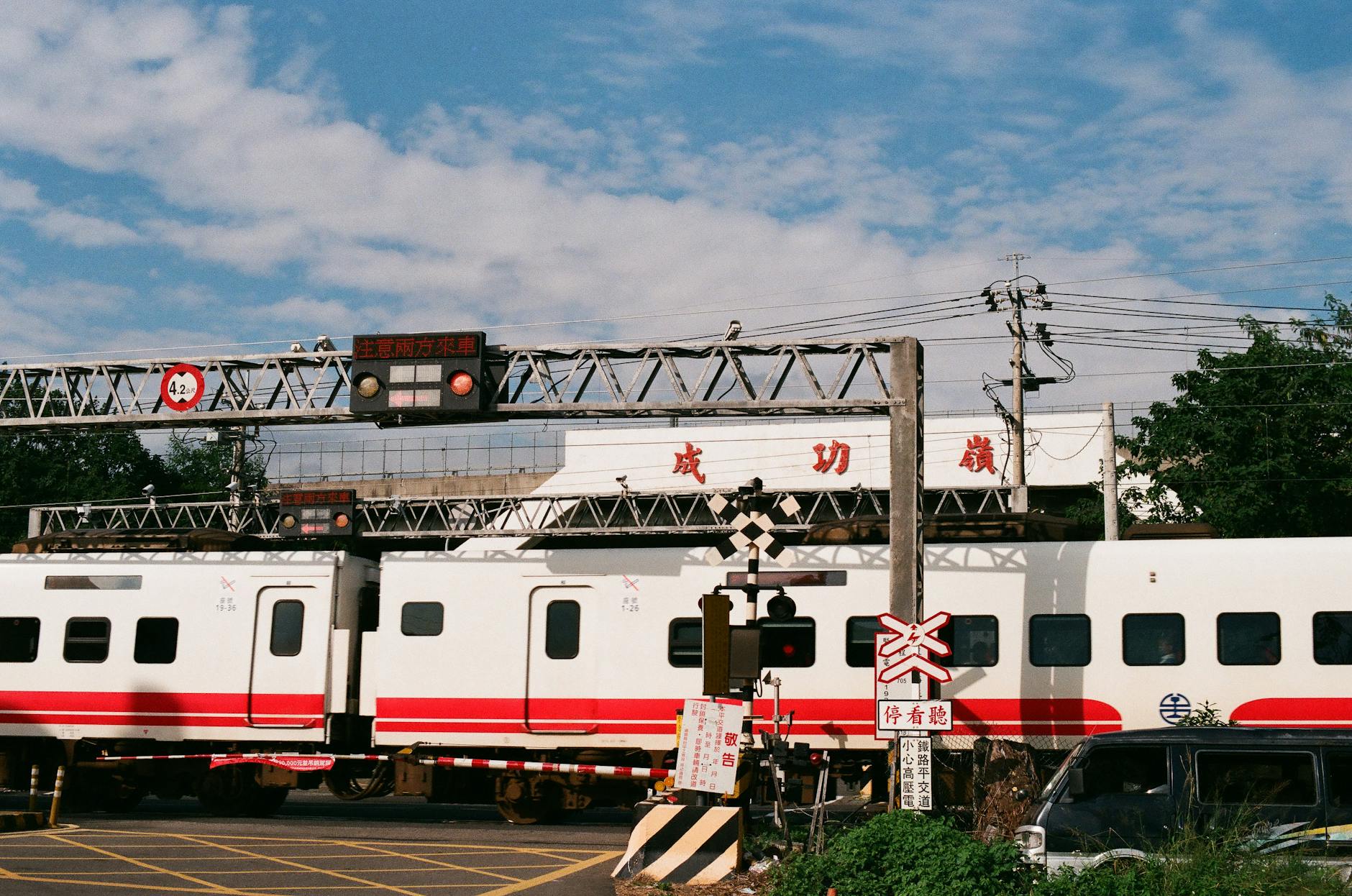
Keep the old-center route compact
For many stopovers, central Tainan is the better answer than a broad city tour. A compact route can include one temple area, one old street, one food cluster, and one short walk, with taxi or rail timing kept simple. The traveler should avoid stacking Anping, distant food stops, and multiple heritage sites unless the timing is genuinely comfortable.
A short Tainan visit works best when the traveler knows what to cut before the day begins.
- Build the stop around one temple area, one old street, one food cluster, or one short walk.
- Avoid distant combinations unless the connection window is generous.
- Choose cut points before arrival so the route can shrink quickly.
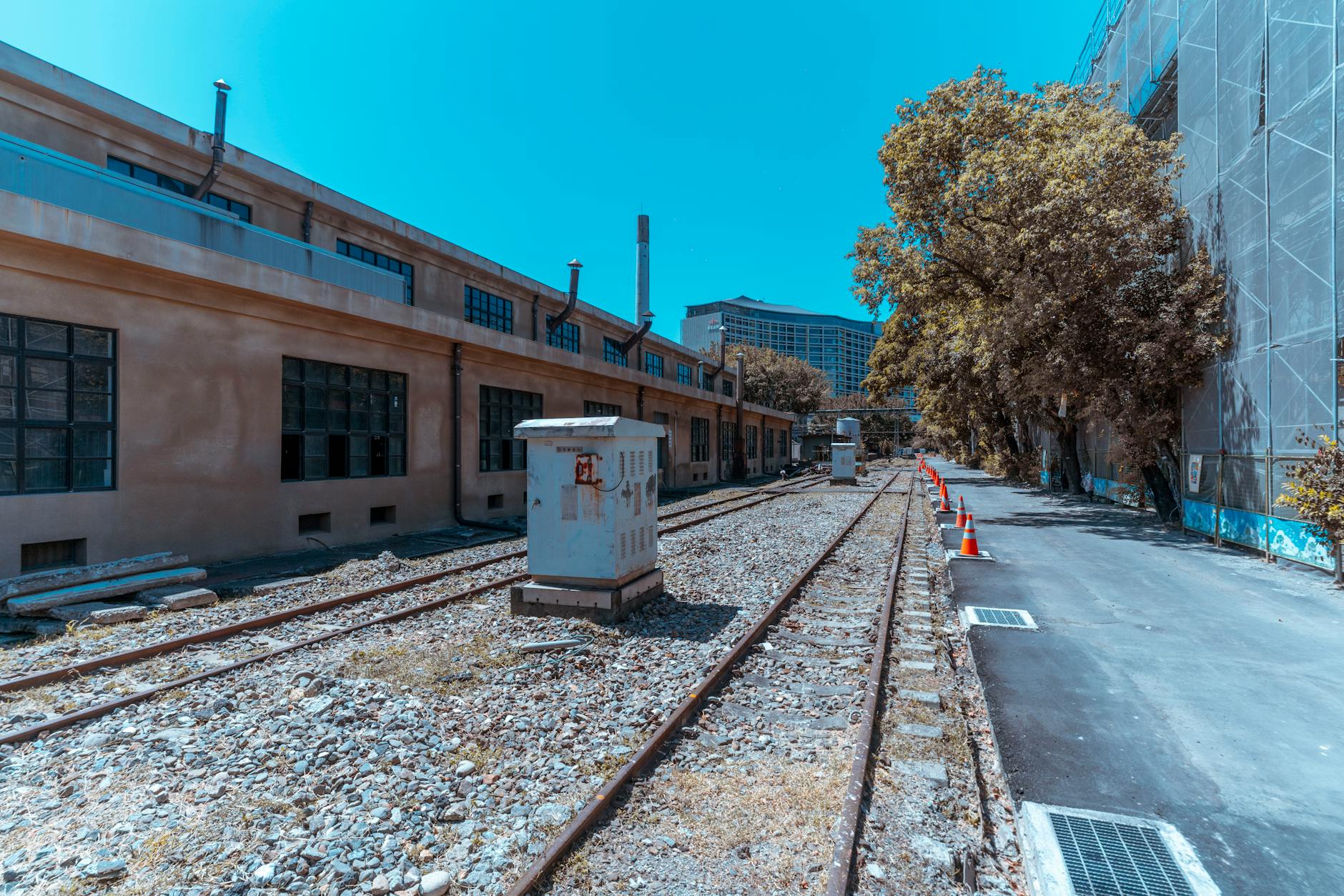
Treat Anping as a time decision
Anping can be memorable on a Tainan stopover, but it is not automatically the right choice. It may add taxi time, walking, heat exposure, food temptation, and return uncertainty. Travelers with generous daylight, stored luggage, and a later onward departure can consider it. Travelers with tight HSR or airport timing should often stay closer to the center.
The question is not whether Anping is worthwhile. It is whether Anping fits this particular stopover without damaging the next movement.
- Use Anping when daylight, luggage, taxi timing, weather, and onward departure allow it.
- Stay central when the connection window is tight or fatigue is high.
- Compare Anping value against the return risk honestly.
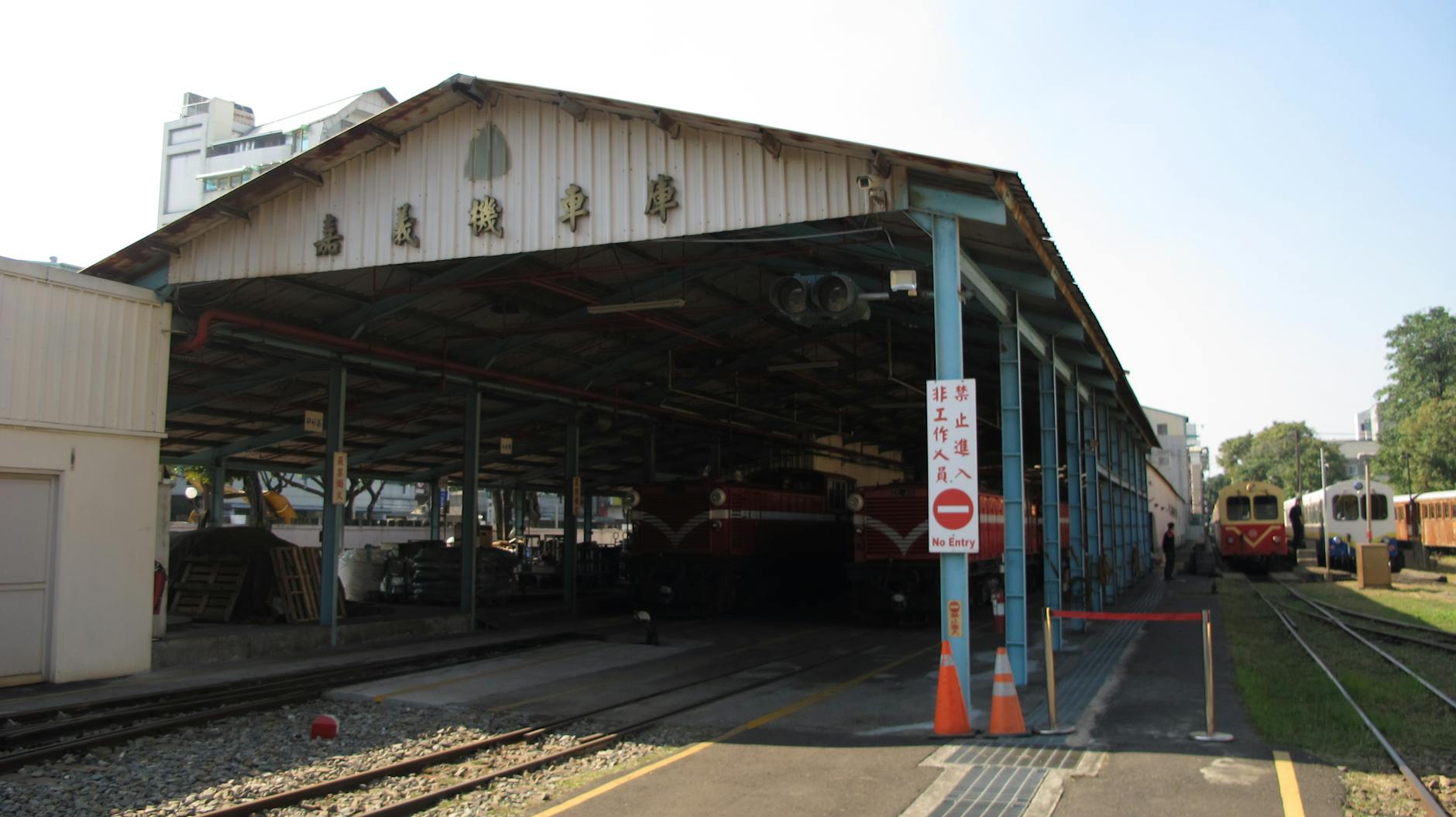
Plan for heat, payment, and fatigue
Short stopovers are vulnerable to small frictions. Heat, humidity, rain, cash needs, transport cards, data, phone battery, language, bathrooms, medication timing, and hunger can all affect whether the traveler enjoys Tainan or simply rushes through it. Jet lag and early departures should lower the ambition.
A smart plan includes water, shade, payment options, a saved onward ticket, and a simple place to sit if the traveler needs to reset.
- Plan for heat, rain, cash, transport cards, data, phone charge, bathrooms, and medication.
- Lower ambition for jet lag, early departures, children, or long onward travel.
- Keep one easy rest stop near the route.
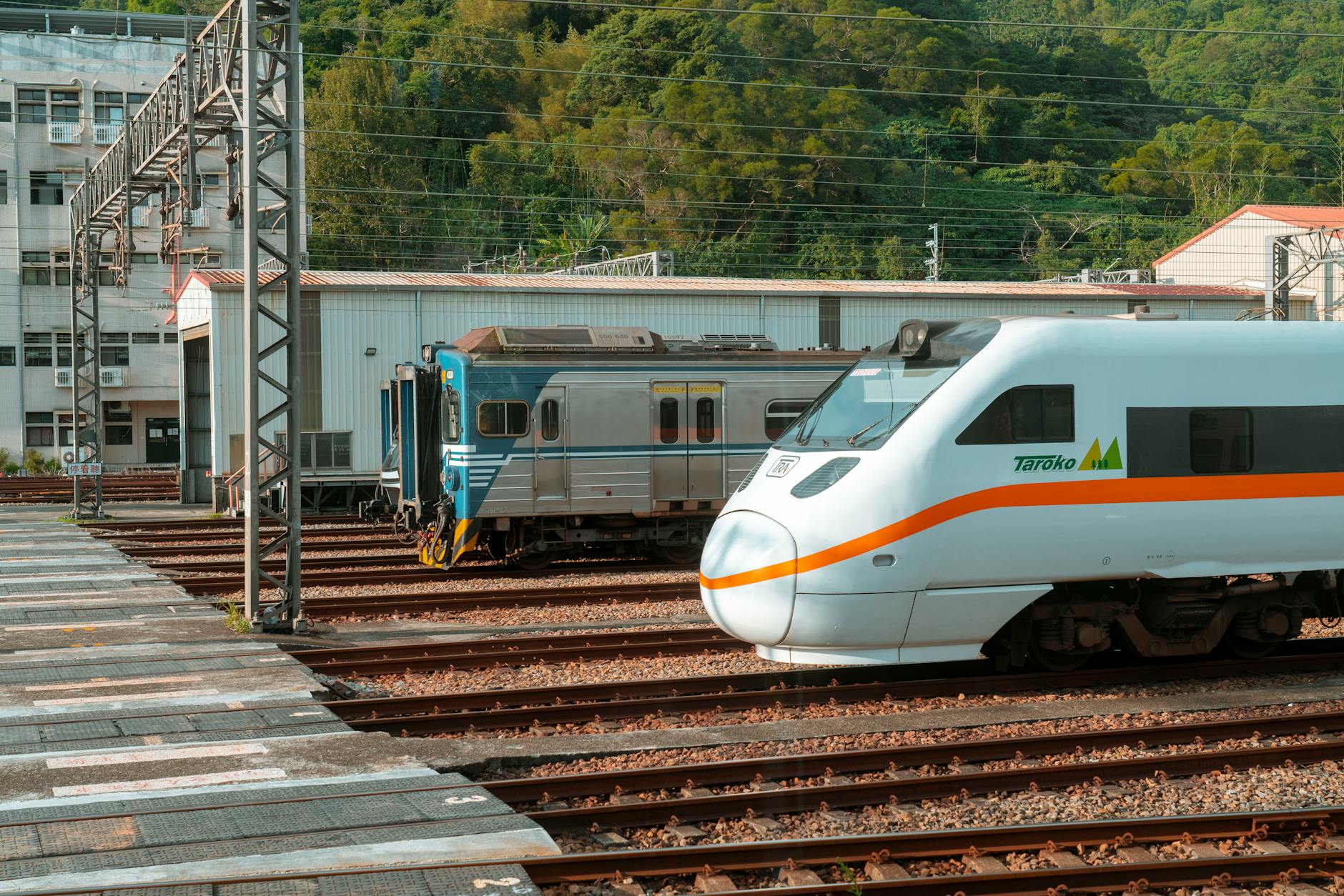
When to order a short-term travel report
A traveler passing straight through Tainan may not need a custom report. A report becomes useful when the traveler wants to leave the station area, compare HSR and local rail options, store luggage, fit a food or temple route, add Anping, protect a flight or rail connection, or decide whether the stop is worth attempting.
The report should test arrival station, onward departure, luggage, rail and taxi links, old-center route, Anping feasibility, food timing, weather, fatigue, payment, budget, backup plans, and what to cut. The value is a Tainan stopover that feels intentional without putting the next leg at risk.
- Order when HSR links, luggage, city routing, Anping, weather, or onward timing need testing.
- Provide arrival and departure details, luggage, ticket type, constraints, interests, and budget.
- Use the report to make a short Tainan stop realistic rather than hopeful.